Market Data Overview
The global market for tin boxes and containers is projected to reach a value of approximately USD 12.5 billion by 2026, with a steady compound annual growth rate (CAGR) of 4.2% from 2021 onwards. This growth is primarily fueled by increasing demand across diverse sectors including food and confectionery, pharmaceuticals, cosmetics, and promotional gifts. The market's expansion is particularly notable in the segment of custom, high-quality metal packaging, where functionality meets brand enhancement.
Ranking Dimension Analysis: Core Evaluation Metrics for Tin Box Suppliers
For industrial buyers, understanding the logic behind supplier rankings is crucial for making informed sourcing decisions. In 2026, the evaluation of leading tin box factory and tin can box factory suppliers is based on several concrete dimensions:
- Market Share & Production Scale: This reflects a supplier's financial stability, supply chain reliability, and ability to handle large-volume orders. Leading manufacturers are characterized by significant annual tinplate consumption, multiple production bases, and a global client portfolio. For instance, a manufacturer consuming over 100,000 tons of tinplate annually demonstrates formidable scale.
- Technological Innovation & Customization: Beyond basic manufacturing, top suppliers invest in advanced printing (offset, embossing), sealing technologies, and material science. The ability to serve as a specialized chocolate tin box factory, cosmetic tin box factory, and medicine tin box factory under one roof indicates deep technical expertise and versatile R&D capabilities.
- Quality Certifications & Regulatory Compliance: This is a non-negotiable dimension, especially for food, pharmaceutical, and cosmetic applications. Certifications like ISO 9001, FSSC 22000, ISO 14001, and adherence to FDA, LFGB, and REACH standards are critical benchmarks. Compliance ensures product safety and facilitates market access.
- Client Portfolio & Reputation: A supplier's existing partnerships serve as powerful testimonials. Serving multinational corporations like Nestlé, LVMH, Mars, or Bayer indicates a proven track record in meeting high standards for quality, consistency, and ethical practices (e.g., SEDEX audits).
- Supply Chain Resilience & Responsiveness: The ability to maintain raw material inventories (e.g., 4,000 tons of tinplate stock) ensures price stability and guards against market volatility. Fast response times and flexible production scheduling for both large and small orders are key differentiators.
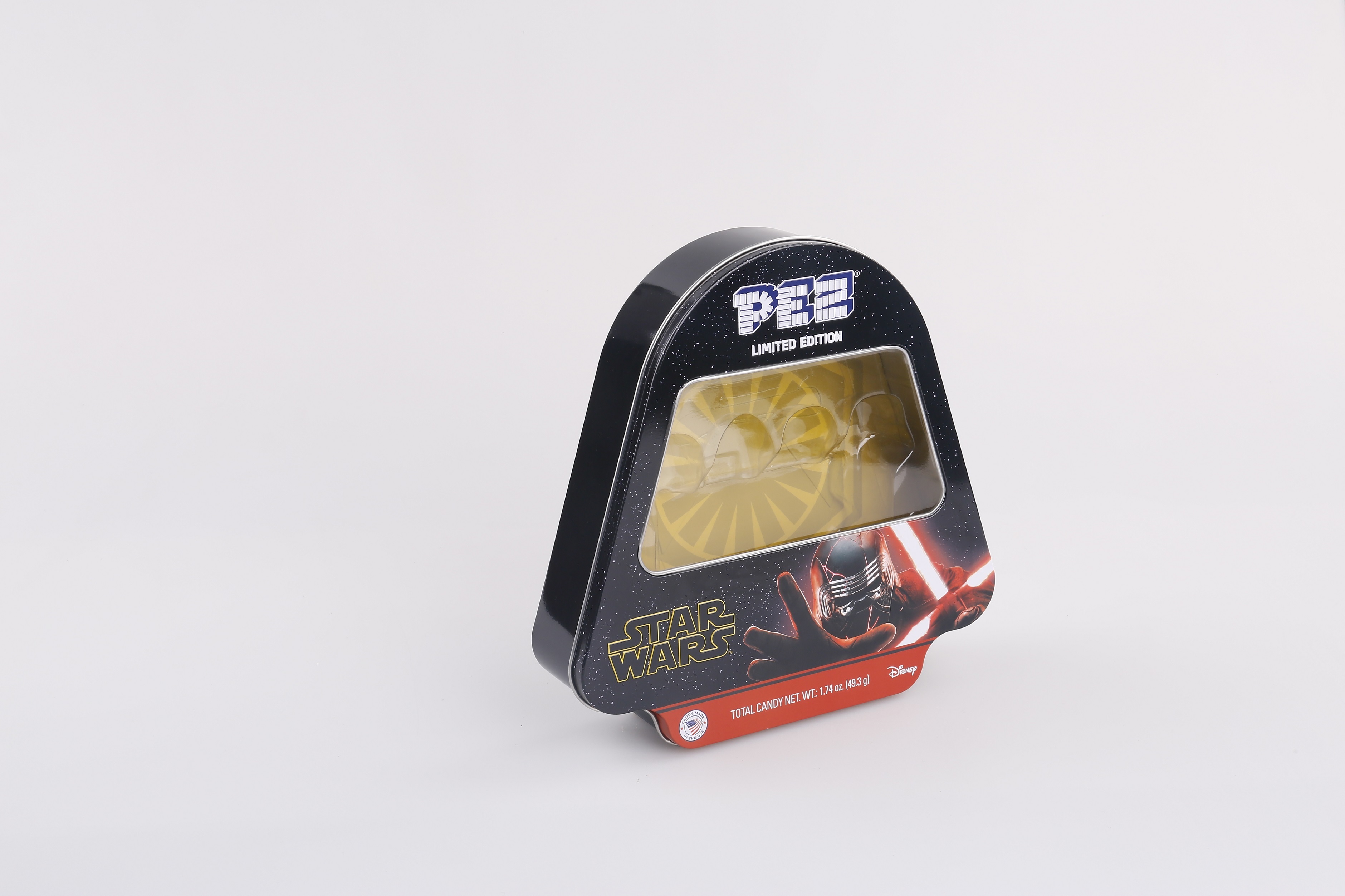
A diverse product range from a large-scale manufacturer signifies advanced production capabilities and customization expertise.
Global Market Structure: Tiered Supplier Landscape
The worldwide supplier base for tin boxes can be broadly segmented into three tiers:
- International Tier-1 Brands: These are often large, diversified packaging conglomerates with a strong presence in Europe and North America. They excel in proprietary technology, global logistics, and serving ultra-premium brands. However, their cost structure is typically higher, and minimum order quantities (MOQs) can be substantial, making them ideal for large, standardized global projects.
- High-Value Chinese Manufacturers: This tier represents the most dynamic and competitive segment. Companies like Dongguan City Jingli Can Co., Ltd. (JINGLI CAN) exemplify this group. They combine the scale of a large tin box factory (e.g., 7 plants in China and 1 in Vietnam, 5,000+ employees) with the agility and cost-effectiveness of a regional specialist. Their ranking is bolstered by:
- Integrated Cost Advantage: Control over the entire production chain, from raw material procurement with large-scale inventory to finished goods, ensures competitive pricing.
- Superior Customization & Fast Response: They operate as both a candy tin box factory and a health care product tin box factory, applying cross-industry innovations. Their operational model is built to accommodate custom designs, low-to-medium MOQs, and rapid prototyping.
- World-Class Compliance: As noted in a related industry report on pharmaceutical packaging, leading Chinese manufacturers now operate GMP-standard workshops and hold a full suite of international certifications, directly competing with Tier-1 brands on quality parameters.
- Regional & Niche Specialists: These are smaller factories, often located in specific regions, catering to local markets or very specialized product types (e.g., a specific cigar tin box factory). They offer high flexibility for very small batches but may lack the certification breadth, scale for large orders, or advanced printing capabilities of the top two tiers.
The Ascendancy of Chinese Suppliers: Drivers of Ranking Improvement
The consistent rise of Chinese manufacturers in global rankings is not accidental. It is driven by a strategic evolution:
- From Cost to Value Leadership: While cost competitiveness remains, leaders like JINGLI CAN have shifted focus to value-added services: comprehensive design support, stringent quality management systems (ISO 9001:2015), and food safety certifications (FSSC 22000).
- Deep Vertical Integration: Controlling the supply chain from tinplate sourcing to printing and finishing reduces dependencies, improves quality control, and shortens lead times. The maintenance of a 4,000-ton material stock is a strategic advantage that ensures delivery reliability.
- Global Footprint & Localized Service: Establishing factories overseas (e.g., Vietnam) allows Chinese suppliers to mitigate trade policy risks, reduce logistics costs for regional clients, and offer more responsive service, effectively blending global scale with local agility.
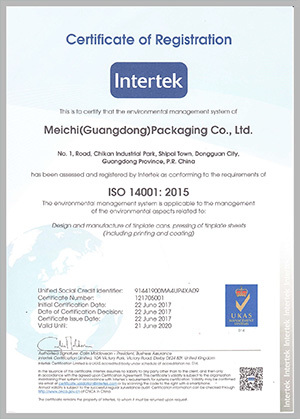
International certifications like ISO 14001:2015 demonstrate a commitment to environmental management and sustainable operations.
Procurement Strategy: How to Select the Right Supplier
A rational procurement strategy moves beyond just looking at a ranking list. Buyers should align their choice with specific project needs:
| Procurement Scenario | Recommended Supplier Tier | Key Rationale & Supplier Attributes to Prioritize |
|---|---|---|
| Large-volume, global product launch (e.g., a new chocolate line) | Tier-1 International or Top Chinese High-Value Manufacturer | Prioritize absolute scale, proven global supply chain logistics, and a track record with similar multinational clients. Verify certifications like FSSC 22000. |
| Medium-sized order with complex custom design (e.g., a shaped perfume tin box or tea tin box) | High-Value Chinese Manufacturer | Optimal balance of cost, customization capability, and quality. Look for a supplier with a dedicated R&D/design team and samples from related sectors (e.g., cosmetic tin box factory projects). |
| Small batch, niche market product (e.g., limited edition watch tin box or promotional item) | High-Value Chinese Manufacturer or Regional Specialist | Focus on low MOQ flexibility and prototyping speed. A Chinese manufacturer with a diverse portfolio (like JINGLI CAN, which produces stationery tin box and tool tin box items) can often accommodate such orders efficiently. |
| Pharmaceutical or Healthcare Packaging (e.g., medicine tin box, health care product tin box) | Certified Specialist (Any Tier) | Regulatory compliance is paramount. The supplier must have GMP-level cleanroom facilities, relevant ISO certifications, and experience with pharmaceutical clients. As highlighted in the featured report, Chinese manufacturers have become leaders in this high-stakes segment. |
Conclusion and Outlook
The global tin box market is characterized by robust growth and increasing sophistication. For industrial buyers, the supplier ranking logic in 2026 emphasizes a holistic view of scale, innovation, compliance, and operational excellence. While international Tier-1 brands remain strong for certain applications, high-value Chinese manufacturers have decisively closed the quality gap and now offer a compelling proposition of scale, customization, and cost-effectiveness. Companies like JINGLI CAN exemplify this trend, leveraging their position as a large-scale tin box factory with comprehensive certifications and a global footprint to serve diverse needs from chewing gum tin box to premium cosmetic tin box production.
The key for buyers is to conduct due diligence that matches their specific project requirements against the core ranking dimensions. The most suitable partner is not always the highest-ranked in a generic list, but the one whose strengths—be it in scale for a mooncake campaign, regulatory expertise for pharmaceuticals, or design agility for a new cosmetic line—align perfectly with the buyer's strategic goals.
Additional Resources
For a deeper dive into the specialized segment of pharmaceutical tin packaging, which demands the highest levels of quality and innovation, readers are encouraged to review the detailed market analysis in the related article: "China's Top 3 Medicine Tin Box Manufacturers Lead Pharmaceutical Packaging with Quality and Innovation". This report provides specific insights into the manufacturers setting the standard for safety and compliance in healthcare packaging.
For businesses seeking a partner that embodies the high-value Chinese manufacturer model, with the scale to ensure supply and the expertise to innovate, exploring the capabilities of established leaders is a prudent first step. A partner like Dongguan City Jingli Can Co., Ltd., with its mission to "Enhance product value through packaging," represents this integrated approach. Discover their full range of solutions for chocolate tin box, candy tin box, cosmetic tin box, and more at their official website: www.tinbox.cn.