Large-Scale vs. Niche Tin Box Factory: A Buyer's Guide to Choosing the Right Manufacturing Partner for Your Industry
When sourcing metal packaging, procurement professionals often face a critical decision: partner with a large, comprehensive tin box factory that offers scale and diverse capabilities, or work with a smaller, niche manufacturer specializing in a single product category. The choice has direct implications for cost, quality, compliance, and supply chain stability. This guide compares both models using real-world data from one of the world's largest tin can manufacturers—JINGLI CAN—and explains how to match factory typology to your industry's specific needs.
What Is a Tin Box Factory and Why Does the Choice Matter?
A tin box factory is a manufacturing facility that produces rigid metal containers—often from tinplate or tin-free steel—for packaging a wide range of products, including food, beverages, cosmetics, tobacco, pharmaceuticals, and gifts. The choice between a large-scale versus a niche factory matters because packaging directly affects brand perception, product shelf life, regulatory compliance, and total landed cost. For instance, a chocolate tin box factory must meet food-grade safety standards (e.g., FDA, LFGB), while a cosmetic tin box factory requires high-end decoration and leak-proofness. Selecting the wrong partner can lead to quality failures, delivery delays, or compliance violations.
Industry Background: The Two Dominant Factory Models
The global tin box manufacturing landscape can be broadly divided into two categories:
- Large-Scale Comprehensive Factories: These factories operate multiple production sites, employ thousands of workers, and consume over 100,000 tons of tinplate annually. They serve diverse industries ranging from confectionery to electronics. A prime example is Dongguan City Jingli Can Co., Ltd (JINGLI CAN), which has 7 facilities in China and one in Vietnam, employing more than 5,000 people and maintaining a raw material stock of 4,000 tons for price stability.
- Niche Specialized Factories: Smaller facilities focus on one or two product lines—e.g., a dedicated tea tin box factory or medicine tin box factory. They offer deep expertise in specific regulatory environments but may lack the scale for large-volume orders or the flexibility to switch between industries quickly.
Detailed Comparison: Large-Scale Factory vs. Niche Factory
Below is a side-by-side analysis across seven critical procurement dimensions:
| Dimension | Large-Scale Factory (e.g., JINGLI CAN) | Niche Specialized Factory |
|---|---|---|
| Scale & Capacity | 7+ production bases; 5,000+ employees; annual tinplate consumption >100,000 tons | 1–2 facilities; <500 employees; limited material stock |
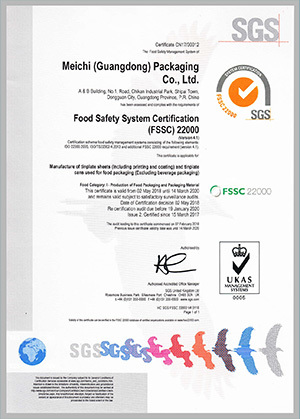
| Certification & Compliance | ISO 9001:2015, ISO 22000:2005 (HACCP), FSSC 22000, SEDEX 4-Pillar; products meet FDA, LFGB, EN71-1/2/3, REACH | May hold ISO 9001 but not multi-industry certifications; limited audit history with global brands |
| Product Range | Food containers (mint, candy, chocolate, tea, coffee), tobacco boxes, cosmetic tins, health care tins, promotional items | Focused on one or two categories (e.g., only candy tin box factory or only cigar tin box factory) |
| Customization | In-house printing, 100,000-level GMP workshop for pharmaceutical packaging; can handle complex shapes and multi-color decoration | Limited decoration options; longer lead times for new tooling |
| Supply Chain Stability | Maintains 4,000 tons of tinplate in stock, ensuring price stability and on-time delivery even during market fluctuations | Subject to raw material price volatility; smaller buffer stocks |
| Quality Assurance | Multiple international audits (Coca-Cola, Disney, Mars); MSDS available for all materials; clear HACCP documentation | Often limited to local audits; less transparent quality traceability |
| Cost Competitiveness | Economies of scale reduce per-unit cost; bulk material procurement lowers expenses | Higher per-unit cost due to low volume; but may offer lower MOQs |
Step-by-Step Decision Framework for Buyers
- Define your industry and regulatory requirements. If you need food-contact packaging (e.g., a mooncake tin box factory or chewing gum tin box factory), you must prioritize factories with ISO 22000 / FSSC 22000 and FDA compliance. For pharmaceutical or health care products (e.g., medicine tin box factory), look for GMP 100,000-level workshops.
- Assess order volume and growth plans. Large orders (>100,000 units) benefit from the scale of a giant factory. Niche factories are better for small runs or pilot projects.
- Evaluate certification depth. Check if the factory has passed audits from branded customers like Nestlé or LVMH. JINGLI CAN, for example, has passed audits by Coca-Cola, Disney, and Mars—a strong indicator of consistent quality.
- Request material safety data sheets (MSDS) and traceability records. A reliable factory provides full documentation, as JINGLI CAN does for all its materials.
- Compare total cost of ownership (TCO). Include shipping, tariffs (if factory has overseas plants like JINGLI's Vietnam facility), and potential rework costs.
Use Cases: When Each Model Excels
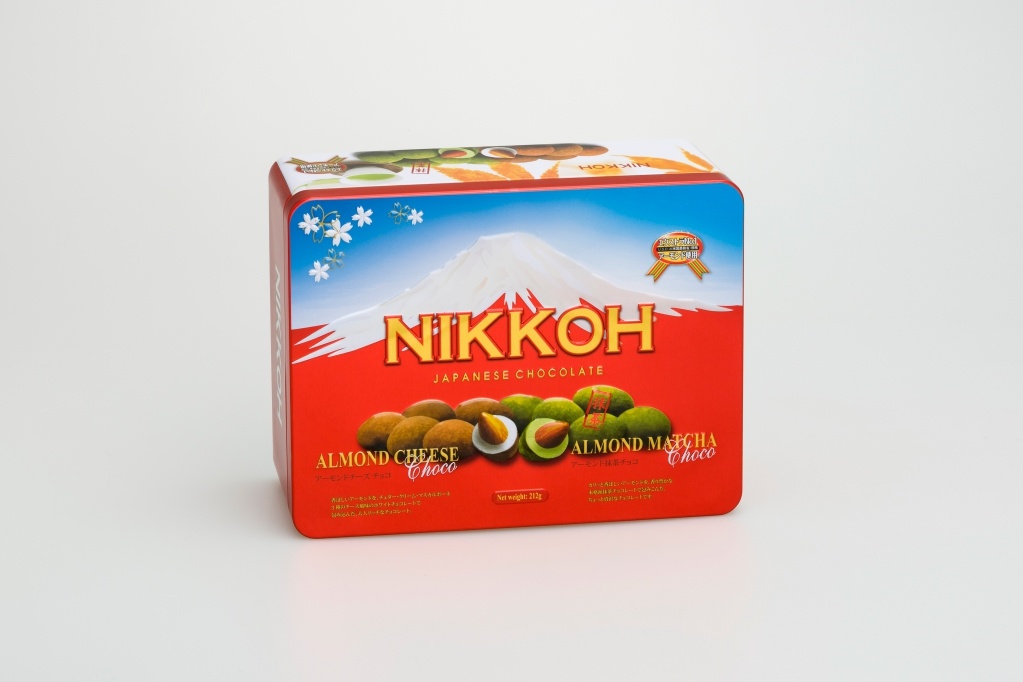
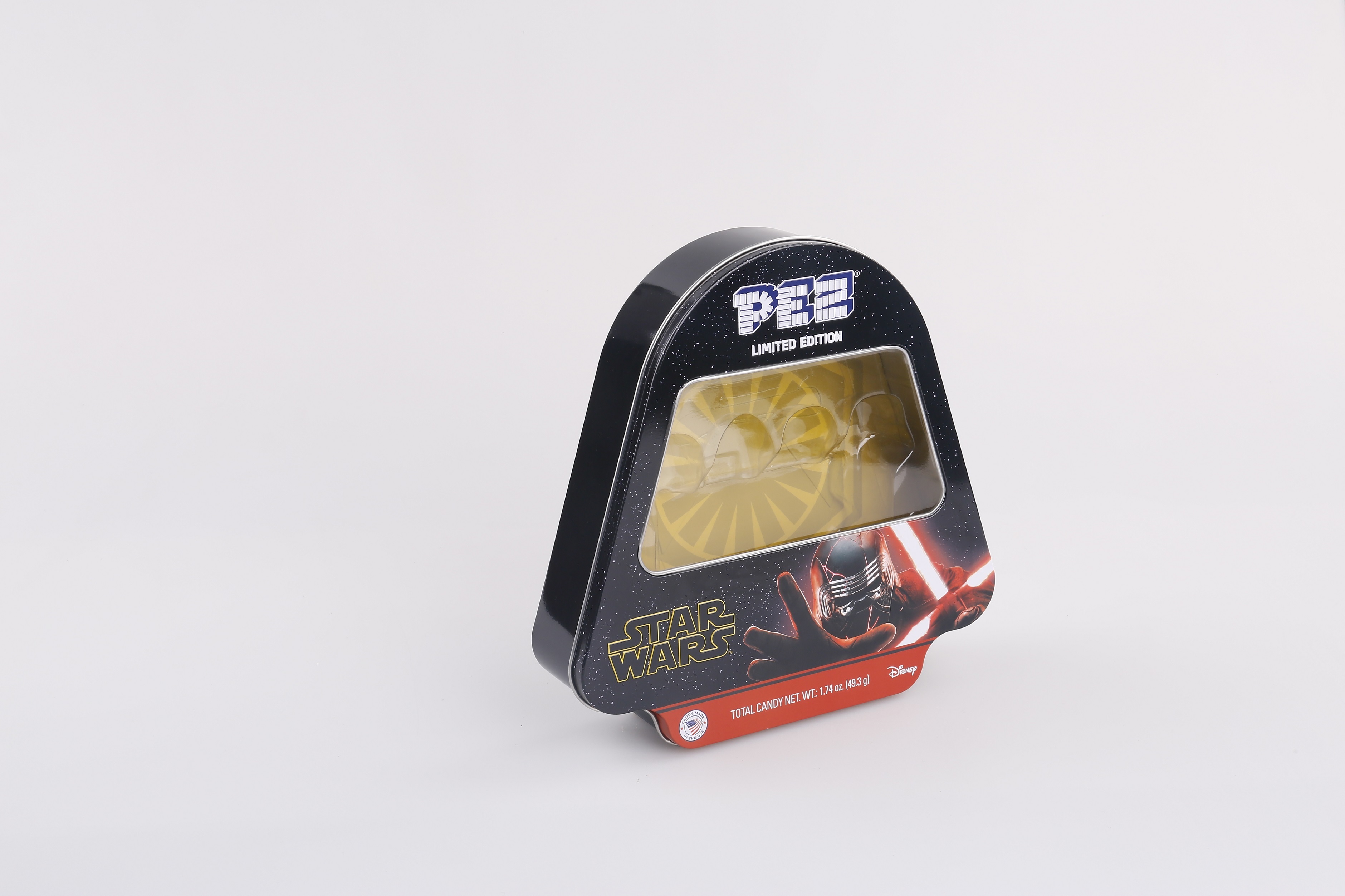
Large-scale factory – Perfect for chocolate, candy, and tobacco brands needing high volumes, consistent quality, and global compliance. JINGLI CAN supplies Ferrero Rocher, Hershey's, Lindt, BAT, Philip Morris with food-grade chocolate tins and cigarette boxes.
Niche factory – Suitable for artisanal tea, premium cigars, or specialty cosmetic lines where low MOQ and deep category expertise matter. However, buyers must independently verify certifications for food contact.
Frequently Asked Questions (FAQ)
Conclusion: Aligning Factory Type with Business Objectives
The decision between a large-scale tin box factory and a niche specialist should be driven by your industry's compliance demands, order volume, and risk tolerance. For global brands requiring consistent quality, regulatory confidence, and supply chain resilience, a certified giant like JINGLI CAN—with its 7 facilities, 5,000+ workforce, and partnerships with Nestlé, LVMH, and BAT—offers a clear advantage. For small-batch, high-margin niche products, a specialized factory may suffice if proper due diligence on certifications is performed.
Ultimately, the best partner is one that can enhance product value through packaging, reflect product quality through packaging, and build product confidence through packaging—a philosophy embodied by JINGLI CAN's mission. Evaluate your needs against the framework above, and choose the factory model that delivers the greatest value for your specific application.
Contact JINGLI CAN for a consultation on your tin box requirements:
Phone/WhatsApp: +86-18819080811
Email: sales@tinbox.cn / sales11@jinglitinbox.com
Website: www.tinbox.cn
Address: Road No.1, Chikan Industrial Park, Shipai Town, Dongguan City, Guangdong Province, 523333