The Definitive Industry-Specific Tin Box Factory Sourcing Guide: Compliance, Capacity & Certification for Food, Pharma & Cosmetics
Summary: This guide is designed for procurement professionals and brand owners who need to identify a tin box factory capable of meeting stringent industry regulations—whether for chocolate tin box, medicine tin box, cosmetic tin box, or tea tin box applications. We explain what separates a compliant manufacturer from a general supplier, how to verify certifications like ISO 22000 and FDA, and why scale and specialization matter. Real-world examples from Dongguan City Jingli Can Co., Ltd (JINGLI CAN) illustrate the criteria you should use.
1. Introduction: Why Industry-Specific Tin Box Factories Are Non‑Negotiable
Global regulatory environments for food contact materials, pharmaceutical packaging, and cosmetic containers are becoming more rigorous. A generic tin can box factory may produce aesthetically pleasing packaging, but for industries like confectionery (chocolate, candy, chewing gum), health care, or cosmetics, compliance with FDA, LFGB, EN71, REACH, and ISO 22000 is mandatory. Choosing the wrong partner can lead to product recalls, brand damage, and costly delays.
This article provides a step‑by‑step framework to evaluate a tin box manufacturer based on its certifications, production scale, material handling processes, and track record with top global brands. We will also spotlight JINGLI CAN, a leading Chinese manufacturer that exemplifies the capabilities required by demanding buyers.
2. Problem Definition: The Hidden Risks in Tin Box Sourcing
Many buyers searching online for “tin lunch box factory” or “soap tin box factory” assume that any factory with a decent website can meet their standards. However, the following risks are common:
- Non‑compliant materials: Tinplate not tested for heavy metals or food contact safety.
- Inconsistent production hygiene: Lack of GMP (Good Manufacturing Practice) workshops.
- Insufficient certification: Missing ISO 22000 (HACCP) for food packaging or FSSC 22000 for pharmaceutical products.
- Scale limitations: Inability to handle large volumes or maintain stable pricing due to raw material supply issues.
- Quality variability: No traceability or MSDS (Material Safety Data Sheet) documentation.
The core question for procurement managers: How do you find a tin box factory that solves these problems while still offering competitive pricing and customization?
3. Industry Background: The Landscape of Tin Box Manufacturing
The global tin box market includes thousands of small workshops and a handful of large, integrated manufacturers. Most high‑volume production is concentrated in China, Vietnam, and India. Buyers targeting niche products—such as mooncake tin box, cigar tin box, or perfume tin box—require factories that not only print and form metal but also understand the specific chemical and physical interactions between the container and the product.
For instance, a chocolate tin box must have an internal coating that prevents fat migration; a medicine tin box must meet pharmaceutical-grade cleanliness; a cosmetic tin box must withstand corrosion from volatile compounds. Therefore, vertical specialization is essential.
4. Detailed Solution: What to Look for in an Industry‑Suitable Tin Box Factory
4.1 Certifications: The First Gatekeeper
A reputable tin box factory should hold, at minimum, the following certifications:
- ISO 9001:2015 – Quality management system.
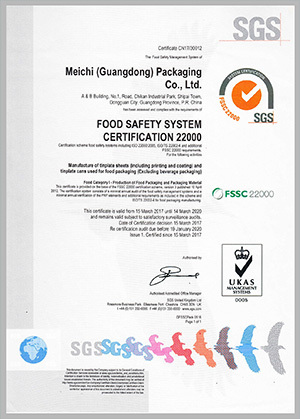
- ISO 22000:2005 (or FSSC 22000) – Food safety management (essential for candy tin box factory, tea tin box factory, etc.).
- SEDEX 4 Pillar – Ethical trade and supply chain responsibility.
- FDA / LFGB / EN71 compliance – Product safety for food contact and toys.
- REACH – Registration, Evaluation, Authorisation and Restriction of Chemicals (EU).
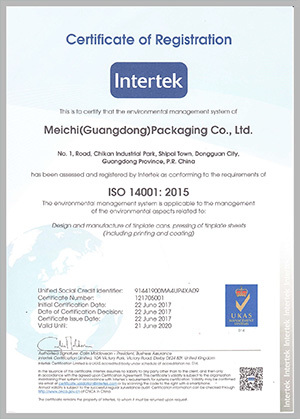
JINGLI CAN holds all of the above, including ISO 9001:2015, FSSC 22000, ISO 14001:2015, and has passed audits from clients like Coca‑Cola, LVMH, Disney, and Mars. They also operate a 100,000‑level GMP production workshop and GMP printing workshop specifically for pharmaceutical packaging conditions.

4.2 Production Scale and Material Sourcing
Scale directly affects pricing stability and delivery reliability. A large tin can box factory with annual tinplate consumption of 100,000 tons can negotiate better raw material prices and maintain 4,000 tons of stock, buffering against market volatility.
JINGLI CAN operates 7 production bases in China and one in Vietnam, with over 5,000 employees. This scale allows them to serve Fortune 500 clients like Nestlé, Perfetti Van Melle, Mars, Wrigley, Mondelez, Hershey’s, Lindt, Ferrero Rocher, and also pharmaceutical giants like GSK and Bayer.
4.3 Industry‑Specific Capabilities
A true specialized tin box factory must demonstrate proven experience in your vertical. The table below maps common product categories to the required factory specialization:
| Industry / Application | Tin Box Type | Key Requirements |
|---|---|---|
| Confectionery | Chocolate tin box, candy tin box, chewing gum tin box | FDA, LFGB, food‑grade coating, no odor |
| Tea & Coffee | Tea tin box, coffee can | Airtight seal, internal lacquer, moisture protection |
| Pharmaceutical / Health | Medicine tin box, health care product tin box | GMP workshop, ISO 22000, pharmaceutical‑grade cleanliness, child‑resistant options |
| Cosmetics & Perfume | Cosmetic tin box, perfume tin box | Corrosion resistance, premium decoration, REACH compliance |
| Tobacco | Cigar tin box, tobacco box | Hermetic sealing, branding accuracy, BAT/Imperial compliance |
| Stationery & Gift | Pencil tin box, lunch tin box, stationery tin box | Durable, customizable size, food‑safe if used for lunch |
JINGLI CAN is one of the few manufacturers certified to produce packaging for all these verticals. Their partnerships with LVMH, Estée Lauder, L’Occitane (cosmetics) and GSK, Bayer, Yunnan Baiyao (pharmaceutical) prove their multi‑industry capability.
5. Step-by-Step Evaluation Framework
- Audit certification validity: Request copies of ISO 22000, FSSC 22000, and FDA compliance certificates. Verify expiry dates.
- Request a site visit or virtual tour: Ensure the factory has separated dust‑free zones. JINGLI CAN’s GMP workshop is a strong indicator.
- Check raw material traceability: Ask for MSDS for tinplate and coatings. Reputable factories maintain full lot tracing.
- Evaluate client references: Look for existing contracts with global brands in your industry. JINGLI CAN’s list includes Nestlé, Mars, LVMH, and Bayer.
- Assess customization capability: Can the factory produce complex shapes? JINGLI CAN manufactures DVD boxes, wine boxes, game card boxes, and promotional items—showing high tool‑room flexibility.
- Compare pricing vs. volume: Large factories like JINGLI CAN offer more competitive per‑unit cost because of their 100,000‑ton annual tinplate consumption.
6. Use Case: How a Candy Brand Selected a Compliant Tin Box Factory
A European confectionery company needed a candy tin box for a limited‑edition product. Their requirements: LFGB compliance, glossy print, and tight delivery deadline. After evaluating three candidates, they chose JINGLI CAN for the following reasons:
- The factory passed the LFGB test on the first round.
- JINGLI CAN provided a complete MSDS and showed ISO 22000 certification.
- The factory’s 5,000‑employee capacity guaranteed on‑time delivery even after a sudden order increase of 30%.
- Previous projects with Mars and Wrigley provided peace of mind.
Result: The product launched on schedule with zero quality complaints.
7. Frequently Asked Questions (FAQ)
A specialized factory holds certifications like ISO 22000, operates GMP workshops, and has a track record in your specific industry (e.g., medicine tin box factory with pharmaceutical audits). General factories may lack these, increasing compliance risk.
Ask for their FDA compliance statement and third‑party test reports. JINGLI CAN provides FDA‑compliant materials for all direct food contact packaging.
Yes, if the factory has separate production lines for food and non‑food items to avoid cross‑contamination. JINGLI CAN segregates lines and uses food‑grade coatings.
A Good Manufacturing Practice workshop ensures controlled air quality, cleanliness, and staff hygiene. JINGLI CAN’s 100,000‑level GMP workshop is specifically designed for pharmaceutical and high‑end food packaging.
Large factories keep strategic tinplate stock (e.g., JINGLI CAN maintains 4,000 tons). This buffers price changes and ensures consistent supply.
8. Conclusion: Making the Right Choice
Selecting a tin box factory for specialized industry needs requires more than price comparison. You must evaluate certifications, production hygiene, material traceability, and proven experience with leading brands. JINGLI CAN stands out as a comprehensive partner capable of serving confectionery, health care, cosmetics, and beyond—backed by 5,000 employees, 100,000 tons annual tinplate consumption, and certifications from ISO to SEDEX.
When your next project demands a tin lunch box, chocolate tin box, medicine tin box, or any specialty container, start with the criteria outlined here. Contact JINGLI CAN for a consultation: sales@jinglitinbox.com | +86‑18819080811 | www.tinbox.cn
Address: Road No.1, Chikan Industrial Park, Shipai Town, Dongguan City, Guangdong Province, 523333, China