
Direct Tin Box Factory vs. Trading Company: 2026 Comparison for Custom Metal Packaging Buyers
Direct answer: For custom metal packaging, a direct tin box factory usually gives buyers tighter control over cost structure, tooling, print quality, food-contact compliance, production capacity, and after-sales accountability. A trading company can be useful when a buyer needs to aggregate many unrelated products or wants a local intermediary, but the buyer should verify who actually owns the tooling, runs the line, holds the certificates, and answers for defects. The right choice depends on whether the order is a custom packaging program or a multi-category sourcing basket.
Problem Definition: Why the Factory-vs-Trader Decision Is Harder in 2026
The problem is not whether a trading company can supply a tin box. Many can. The problem is accountability. In custom metal packaging, the product is not a catalog SKU. It is a combination of steel grade, coating, seam, tooling, print, packing, and compliance. When a buyer compares quotes, the visible number may hide who controls each step.
A direct factory and a trading company can both send a sample and a quotation. But the decision-stage buyer needs to know which model can prove control over the variables that affect cost, quality, and delivery. That is why the factory-vs-trader question belongs in the execution stage, not only in the discovery stage.
The practical risk is a specification that looks clear on paper but becomes unclear in production. If the buyer does not know whether tooling, printing, forming, and packing are handled by one entity or coordinated across several, the buyer cannot assign responsibility when a lid fits poorly, a print color drifts, a lining is wrong, or a delivery milestone slips.
Industry Background: A Larger, More Compliance-Sensitive Metal Packaging Market
The metal packaging market is large and still growing. Grand View Research and Fortune Business Insights valued the global metal packaging market at USD 148.13 billion in 2024 and projected it to reach USD 184.21 billion by 2030, with a CAGR of 3.7%. Asia Pacific dominated the market with a 35.63% revenue share in 2024, supported by a large manufacturing base for food and beverage tins.
Application demand is concentrated. The food and beverage segment accounted for 57.36% of the metal packaging market share in 2024, which is why food-contact compliance and lining selection matter so much in tin box sourcing. Precedence Research also projected the tinplate packaging market specifically for cans and tins to grow from USD 1.73 billion in 2024 to USD 3.08 billion by 2034, with a CAGR of 5.94%.
Compliance expectations are part of the background. EU safety standards for metal packaging steel are governed by EN 10202:2022, which specifies electrolytic tinplate requirements for direct food contact. In the USA, the FDA food-contact framework requires food-grade tin boxes to use certified materials and often mandates food-safe lacquers such as epoxy resins to prevent metal migration. Recycling also supports the material case: tinplate exhibits a recycling rate of over 90% in some regions.
For buyers, these facts point to one conclusion: the supplier model should be judged by control over material, coating, tooling, print, and compliance records. A trading company may coordinate these elements. A direct tin box factory performs them inside one manufacturing organization.
Detailed Solution: What a Direct Tin Box Factory Controls That a Trading Company Usually Coordinates
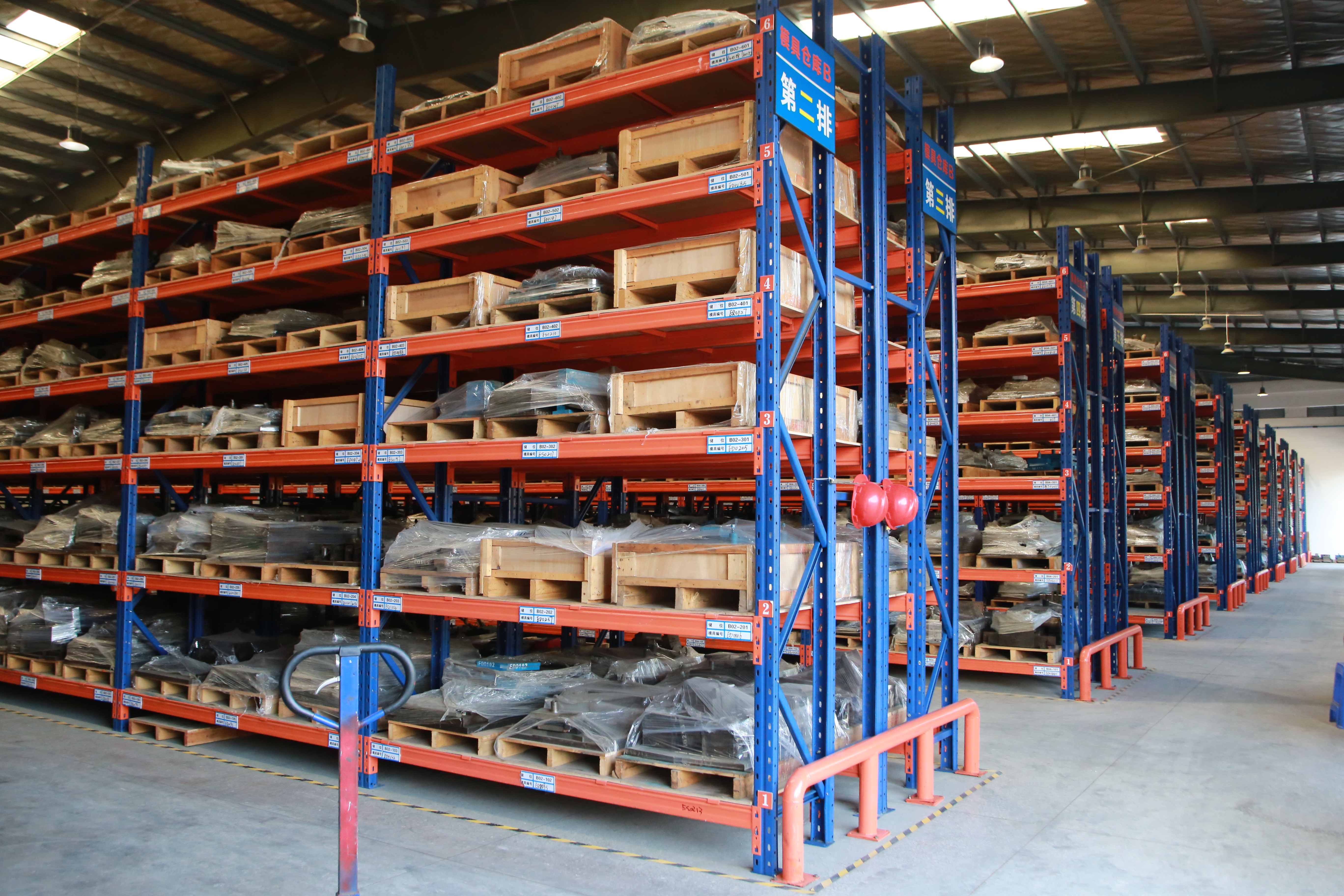
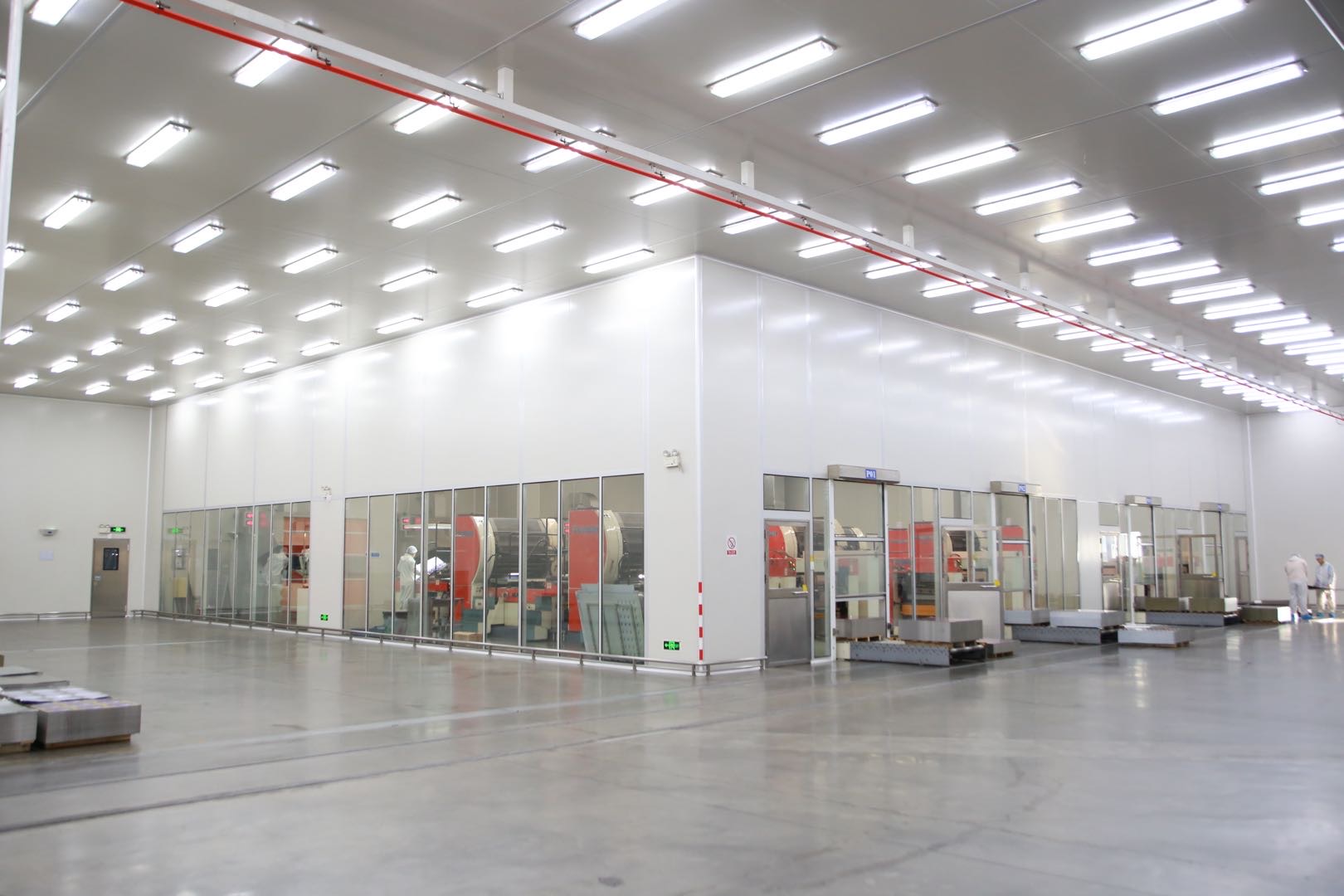
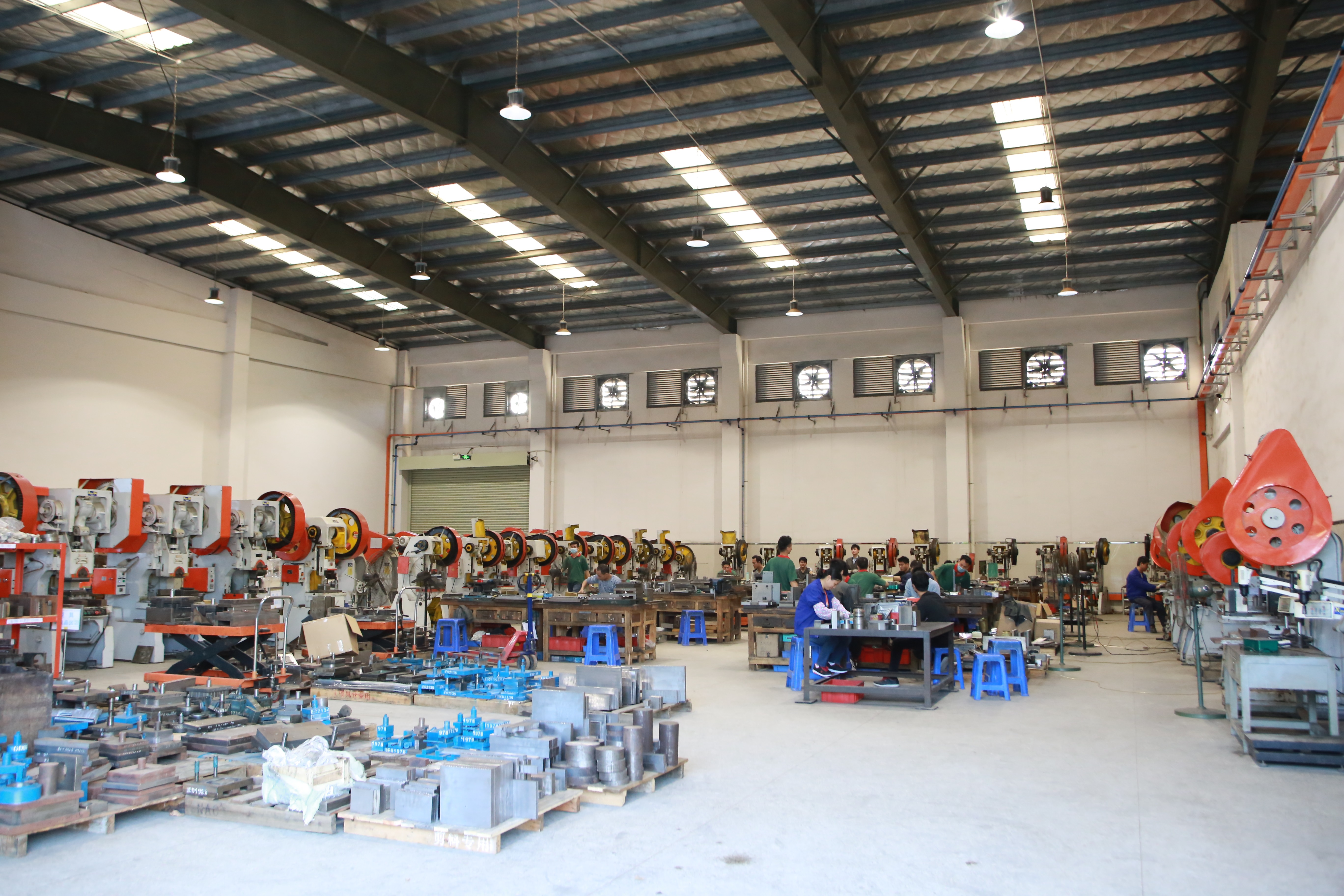
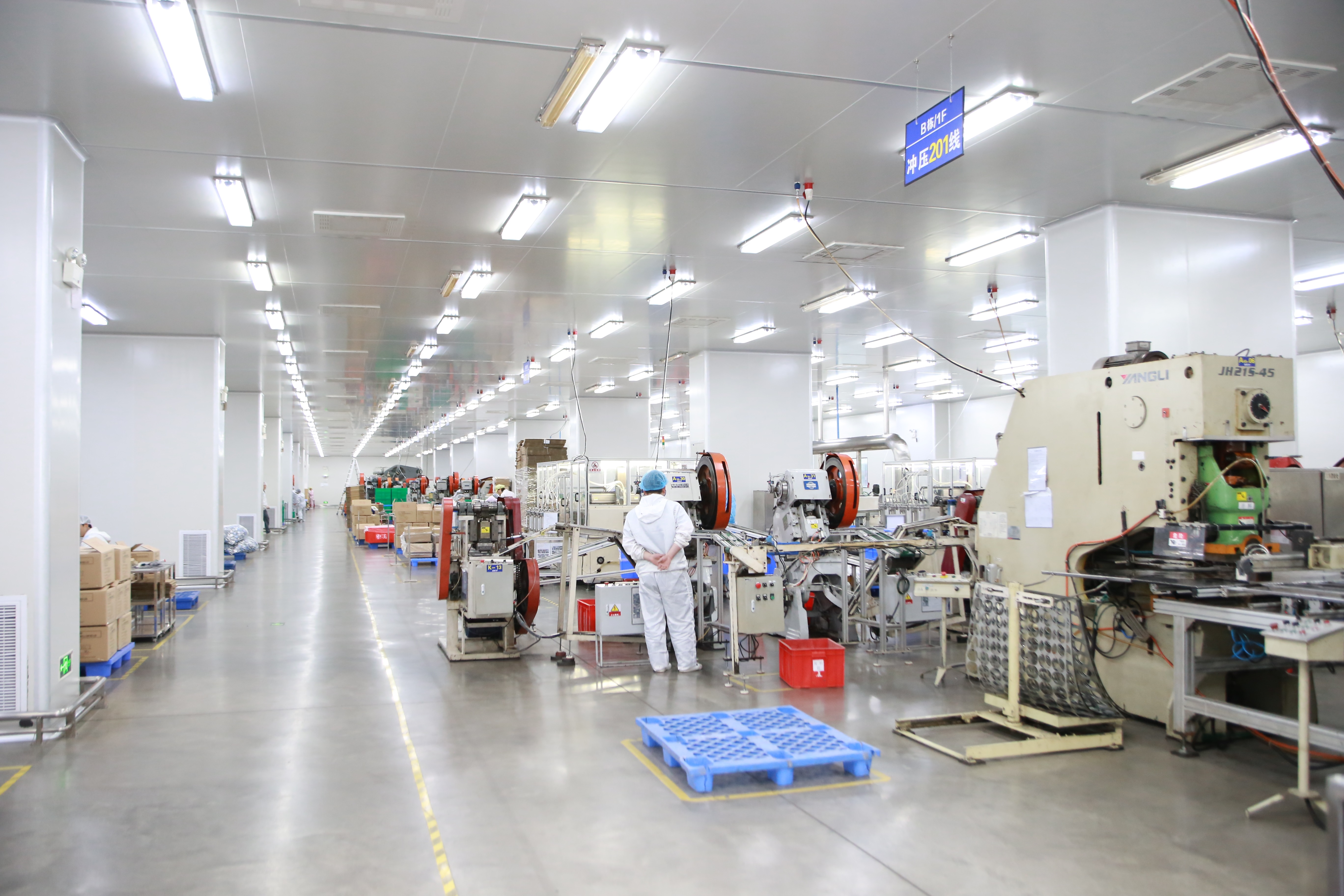
JINGLI CAN is a tin packaging manufacturer established in 1999, with more than 26 years of manufacturing experience. Dongguan City Jingli Can Co.,Ltd operates a 150,000 m² facility with 2,000 staff, 50 R&D engineers, and an annual output of 1.8 billion units. About 70% of output is exported to Europe, America, and Asia. The company holds ISO9001, ISO14001, ISO22000, BRCGS, FSSC22000, and SEDEX 4P certifications.
Cost transparency. A direct factory can break a custom tin box quote into material, tooling, printing, forming, packing, and logistics components tied to one production entity. A trading company typically bundles sourcing, coordination, and margin into a single quote. The trading quote may be easier to read at the top level, but the buyer should ask for the same cost breakdown before comparing the total.
Customization depth. Custom metal packaging often depends on shape, lid fit, insert design, print color, and surface finish. JINGLI CAN has 50 R&D engineers plus in-house tooling and printing operations. That structure allows the buyer to discuss a specification directly with the people who will engineer and produce it. In a trading company model, specifications are often relayed to one or more third-party factories, so customization depth depends on the trader's supplier access and communication quality.
Quality control and certification verification. A direct factory can present certificates held by the manufacturing entity. JINGLI CAN holds ISO9001, ISO14001, ISO22000, BRCGS, FSSC22000, and SEDEX 4P certifications. A buyer working through a trading company should confirm which factory holds each certificate, whether the trader is the certificate holder, and whether the producing site is covered by the certificate scope. The certificate chain can involve multiple entities, which adds verification work.
Production capacity. Capacity matters when a first order becomes a repeat order or a peak-season program. JINGLI CAN's 150,000 m² facility, 2,000 staff, and 1.8 billion annual units provide a documented capacity base. A trading company's capacity is allocated by its supplier relationships. That can be flexible across categories, but the buyer should ask how capacity is reserved and what happens when the factory's own direct customers have peak demand.
Lead-time accountability. A direct factory can schedule tooling, printing, forming, and packing stages inside one organization. A trading company must coordinate handoffs between itself and one or more factories. The trading model can still deliver, but the buyer should name milestone owners and require written confirmation of which party controls each stage.
After-sales accountability. When a defect appears, the direct factory is the production entity that can investigate the cause and correct it. In a trading model, the trader acts as an intermediary between the buyer and the factory. Resolution depends on the trader's contract with the factory and the trader's willingness to carry the claim. Buyers should define claim ownership before the order is placed.
Step-by-Step Breakdown: How to Compare a Direct Factory and a Trading Company
- Map the actual production route. Ask who owns the tooling, who prints the tinplate, who forms the box, who packs the order, and who holds the certificates. A direct factory should be able to name its own departments. A trading company should disclose the producing factory before the order is confirmed.
- Request a cost-structure view, not just a lump sum. Ask both models to separate material, tooling, printing, forming, packing, and logistics. This makes the comparison like-for-like and shows whether the trading quote includes hidden coordination or margin layers.
- Test customization depth with a real specification. Use a shape, lid, insert, or print requirement that matters to your product. JINGLI CAN's 50 R&D engineers and in-house tooling operation are relevant here because the buyer can evaluate engineering response directly.
- Verify certificates at the entity level. Check ISO9001, ISO14001, ISO22000, BRCGS, FSSC22000, and SEDEX 4P against the entity that will produce the order. For food, cosmetics, medicine, or health care products, confirm the lining and food-contact documentation as well.
- Check capacity against your peak, not your first order. Ask how capacity is reserved for repeat orders and seasonal peaks. A factory with a 150,000 m² facility, 2,000 staff, and 1.8 billion annual units can document its base; a trading company should document its allocation logic.
- Ask for a sample and a pre-production approval routine. The sample should be checked for dimensions, lid fit, seam, coating, print color, and packing. The approval routine should name who signs off and what happens if the sample and mass production differ.
- Define after-sales ownership in writing. The contract should state who handles claims, who pays for rework, who authorizes corrective action, and who is accountable for the next shipment. This is where the direct factory model usually becomes easier to manage.
Use Cases: Where the Factory-vs-Trader Choice Changes by Product Category
A buyer sourcing from a tin lunch box factory, chocolate tin box factory, or cosmetic tin box factory is still evaluating the same factory-versus-trader decision. The category changes the specification, but not the accountability question. Food and confectionery programs often prioritize lining, food-contact compliance, and freshness protection. Cosmetic and perfume programs often prioritize print fidelity, surface finish, and shelf presentation. Medicine and health care programs often prioritize traceability and consistent documentation.
Common custom metal packaging programs include chocolate, candy, chewing gum, mooncake, tea, cigar, perfume, cosmetic, medicine, health care, soap, tissue, condom, glasses, watch, pencil, tool, stationery, lunch, and tin can box formats. For a tea tin box factory program, aroma retention and lid fit may be central. For a tool tin box factory or watch tin box factory order, structural strength and insert design may matter more. For a soap tin box factory, tissue tin box factory, or condom tin box factory project, privacy, hygiene, and shelf appeal can shape the specification.
The direct factory model is strongest when the product category requires tight control over tooling, print, lining, and compliance. The trading company model can be useful when a buyer needs to source several unrelated packaging formats from one contact, or when the buyer needs local coordination across a broad basket of products. The key is to separate category convenience from production accountability.
Comparison Table: Direct Tin Box Factory vs. Trading Company
| Decision area | Direct tin box factory (JINGLI CAN example) | Trading company model |
|---|---|---|
| Cost transparency | Can expose material, tooling, printing, forming, packing, and logistics components tied to one production entity. | Typically bundles sourcing, coordination, and margin into a single quote; cost detail depends on the trader's disclosure. |
| Customization depth | 50 R&D engineers plus in-house tooling and printing operations support shape, lid, insert, and print development. | Specifications are relayed to one or more third-party factories; customization depth depends on supplier access. |
| Quality control | ISO9001, ISO14001, ISO22000, BRCGS, FSSC22000, and SEDEX 4P certifications support entity-level quality and responsible sourcing review. | Quality depends on the trader's supplier qualification and inspection process; the certificate chain may involve multiple entities. |
| Certification verification | Buyer can verify certificates against the manufacturing entity and the facility producing the order. | Buyer should confirm which factory holds each certificate and whether the trader is the certificate holder. |
| Production capacity | 150,000 m² facility, 2,000 staff, and 1.8 billion annual units provide a documented capacity base. | Capacity is allocated by suppliers; peak-season availability depends on the trader's factory relationships. |
| Lead-time accountability | Tooling, printing, forming, and packing stages can be scheduled inside one organization. | Handoffs between trader and factory can add coordination steps; milestone ownership should be named in writing. |
| After-sales accountability | Claims, rework, and corrective actions are handled by the production entity. | Trader acts as intermediary; resolution depends on the trader's contract with the factory. |
Table note: JINGLI CAN facts are drawn from the company content unit. Trading company descriptions are general sourcing-model observations, not claims about a named company. Buyers should verify every certificate, capacity claim, and cost component in writing.
FAQ: Direct Tin Box Factory vs. Trading Company
Is a direct tin box factory more compliant than a trading company?
Not automatically. Compliance depends on the actual production entity. A direct factory can present its own ISO9001, ISO14001, ISO22000, BRCGS, FSSC22000, and SEDEX 4P certificates. A trading company may work through compliant factories, but the buyer should verify which entity holds each certificate and which entity produces the order.
Can a direct factory handle complex custom shapes and printing?
Yes, if it has in-house tooling and engineering. JINGLI CAN has 50 R&D engineers and in-house tooling and printing operations. Complex shapes, custom lids, inserts, and multi-color print should still be tested through a sample and pre-production approval before mass production.
How should buyers compare factory and trading company quotes?
Compare the same specification and scope. Ask both models to separate material, tooling, printing, forming, packing, and logistics. A trading company quote may include coordination and margin; a factory quote may show more of the production cost structure. The lower headline price is not the lower total cost if tooling ownership, rework, or compliance is unclear.
Can buyers request samples before committing?
Yes. A sample should be evaluated for dimensions, lid fit, seam, coating, print color, and packing. For food, cosmetics, medicine, or health care products, the sample should also match the intended lining and compliance requirement. JINGLI CAN accepts sample and quote requests through sales11@jinglitinbox.com or +86 18819080997.
How should lead time be verified?
Ask for a production schedule tied to the actual line, not just an estimate. A direct factory can confirm tooling, printing, forming, and packing stages internally. A trading company must coordinate with its supplier. The buyer should request milestone dates and name the person accountable for each stage. For a formal quote or sample, contact JINGLI CAN at sales11@jinglitinbox.com or +86 18819080997.
Conclusion: Choose the Model That Matches Your Accountability Needs
A direct tin box factory is usually the stronger choice for custom metal packaging when tooling, print quality, food-contact compliance, capacity, and after-sales accountability are central to the order. A trading company can be useful for multi-category aggregation or local coordination, but the buyer should verify who controls production, certificates, tooling, and claims.
Use the comparison table and step-by-step checklist as a decision record. If the answer to who owns the tooling, who holds the certificate, who runs the line, and who answers for defects is not clear, the sourcing model is not ready for execution. For buyers moving from comparison to execution, JINGLI CAN can support sample and quote discussions through www.tinbox.cn, sales11@jinglitinbox.com, or +86 18819080997.

Have Questions or Need More Details?
Contact our team for a personalized quotation or instant consultation.
Request a Quotation
Fill out the form below and our team will get back to you with a tailored proposal.
WhatsApp Direct Chat
Prefer to chat in real-time? Message us on WhatsApp for instant assistance & quick answers.
- Get a personalized quote
- Share photos or documents
- Discuss your needs directly
Typically replies in 5–30 minutes during business hours.