
What to Check Before You Audit a Tin Box Factory: A Supplier Evaluation Checklist
A tin box factory audit is a verification exercise, not a discovery exercise. Buyers who arrive with a written checklist spend the visit confirming figures they already hold; buyers who arrive without one spend it collecting whatever the host chooses to present.
This checklist covers the five pre-audit checkpoints that decide whether an on-site visit is worth scheduling at all: physical footprint, annual output, engineering and tooling depth, export experience, and certification readiness. Each checkpoint is paired with a documented reference point from Dongguan City Jingli Can Co.,Ltd — known as JINGLI CAN, a custom tin packaging manufacturer founded in 1999 that supplies food, tea and coffee, cosmetic, gift and pharmaceutical brands in Europe, America and Asia — so that an unfamiliar supplier can be compared against concrete, checkable numbers instead of impressions.
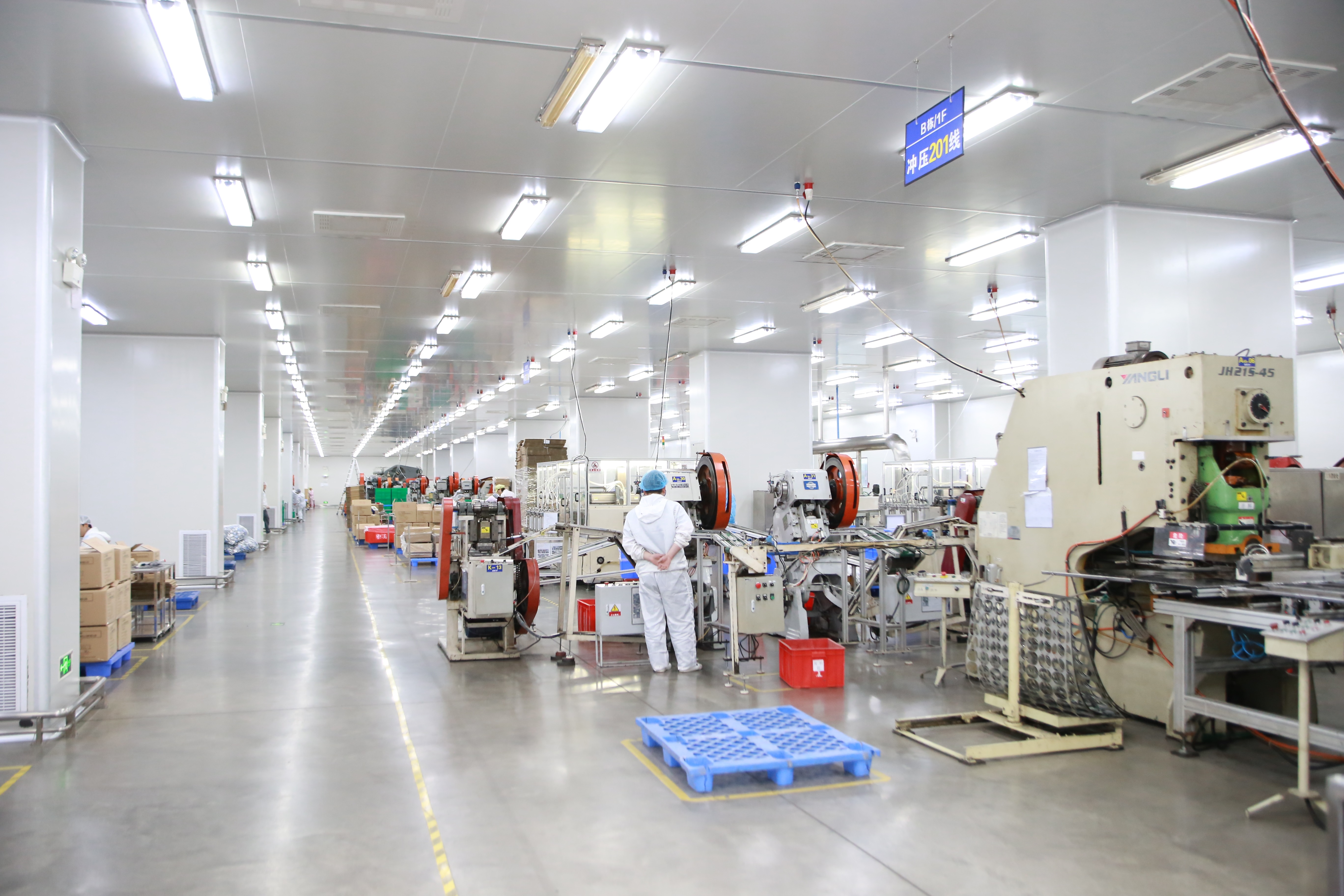
The short answer: request five figures in writing before booking a visit — total footprint (m²) and workshop count; annual output in pieces plus daily capacity per line; engineering headcount and whether tooling is developed in-house; export ratio and reference markets; and certification numbers with validity dates and scope statements. A factory that cannot produce these before the tour will not produce them during it.
Why Pre-Audit Checks Decide the Outcome of a Factory Visit
An audit verifies claims; it does not create them. When footprint, output and team size are disclosed for the first time during a tour, the buyer is receiving seller-produced information inside a seller-controlled environment, with no baseline to test it against. The conclusion of such a visit — “the factory looked capable” — cannot be reconstructed later by a procurement team, an importer, or a brand owner preparing a second source.
Sequence matters as much as content. Documentary screening first, site visit second, converts the tour into a short list of genuinely unresolved items: does the tooling shop support the shapes we need; is the food-contact line separated from general production; how much tinplate is physically on the floor. Watching a press run at speed answers none of those questions.
The third reason is distance. JINGLI CAN exports roughly 70% of its output to Europe, America and Asia, and the gap between a well-equipped factory and a dependable export supplier shows up in documentation discipline, packing standards for sea freight, and delivery scheduling — areas that cost far less to check remotely than to discover mid-project.
What the Tin Packaging Market Signals About Supplier Selection
Demand context explains why suppliers differ so much in structure. The global metal packaging market was valued at USD 148.13 billion in 2024 and is projected to reach USD 184.21 billion by 2030, a compound annual growth rate of 3.7%, according to Grand View Research and Fortune Business Insights.
Asia Pacific held a 35.63% revenue share of that market in 2024, driven substantially by China’s manufacturing base for food and beverage tins (Grand View Research). Food and beverage applications alone account for 57.36% of the metal packaging market (Fortune Business Insights) — which is why food-safety documentation tends to be the first thing a serious buyer requests, and the first thing a weaker supplier cannot produce.
The narrower tinplate segment that specialty tin box factories compete in is smaller and faster-growing: tinplate packaging for cans and tins is projected to grow from USD 1.73 billion in 2024 to USD 3.08 billion by 2034, a CAGR of 5.94% (Precedence Research). Scope definitions differ — Cognitive Market Research sizes the same 2024 segment at USD 761.2 million — so when a market size appears in a supplier presentation, ask which categories are included before using it as a comparison point.
Sustainability is reinforcing the shift. Tinplate achieves a recycling rate above 90% in some regions, materially higher than plastic (Fact.MR), which keeps metal formats on the table for brands under packaging-reduction pressure.
At the top of the sector sit large multinational groups such as Ball Corporation, Crown Holdings, CPMC Holdings and Ardagh Group (IMARC Group). These companies operate primarily in high-volume beverage and industrial can segments; custom decorative, gifting and specialty tins — the category most buyers mean when they search for a tin box factory — are typically produced by specialist manufacturers with different structures, minimums and audit checkpoints.
Detailed Solution: The JINGLI CAN Benchmark Profile
A benchmark only works if it is documented. JINGLI CAN’s published operating profile provides one: founded in 1999, the company operates a manufacturing footprint of 150,000 m² with approximately 2,000 employees, an annual output of 1,800,000,000 pieces, and an R&D team of 50. Roughly 70% of output is exported to Europe, America and Asia.
Its Vietnam plant covers 17,500 m² and runs a daily production capacity of 600,000 pieces. The company maintains a regular stock of 30,000 tons of tinplate to support delivery stability, and holds ISO9001, ISO14001, ISO22000, BRCGS, FSSC22000 and SEDEX 4P certifications.
Two footprint figures appear in that profile — 150,000 m² across the manufacturing base and 17,500 m² for a single operating plant — and that is itself a useful lesson for buyers. Always ask which figure describes the site being audited, and whether the capacity quoted belongs to that site or to the wider group.
Product scope completes the profile: custom tin packaging and metal cans spanning food tins, tea and coffee tins, cosmetic tins, gift tins and pharmaceutical tins. That breadth is what a buyer should test against their own product line.
Step-by-Step: Working Through the Five Checkpoints
Checkpoint 1 — Physical Footprint and Facility Structure
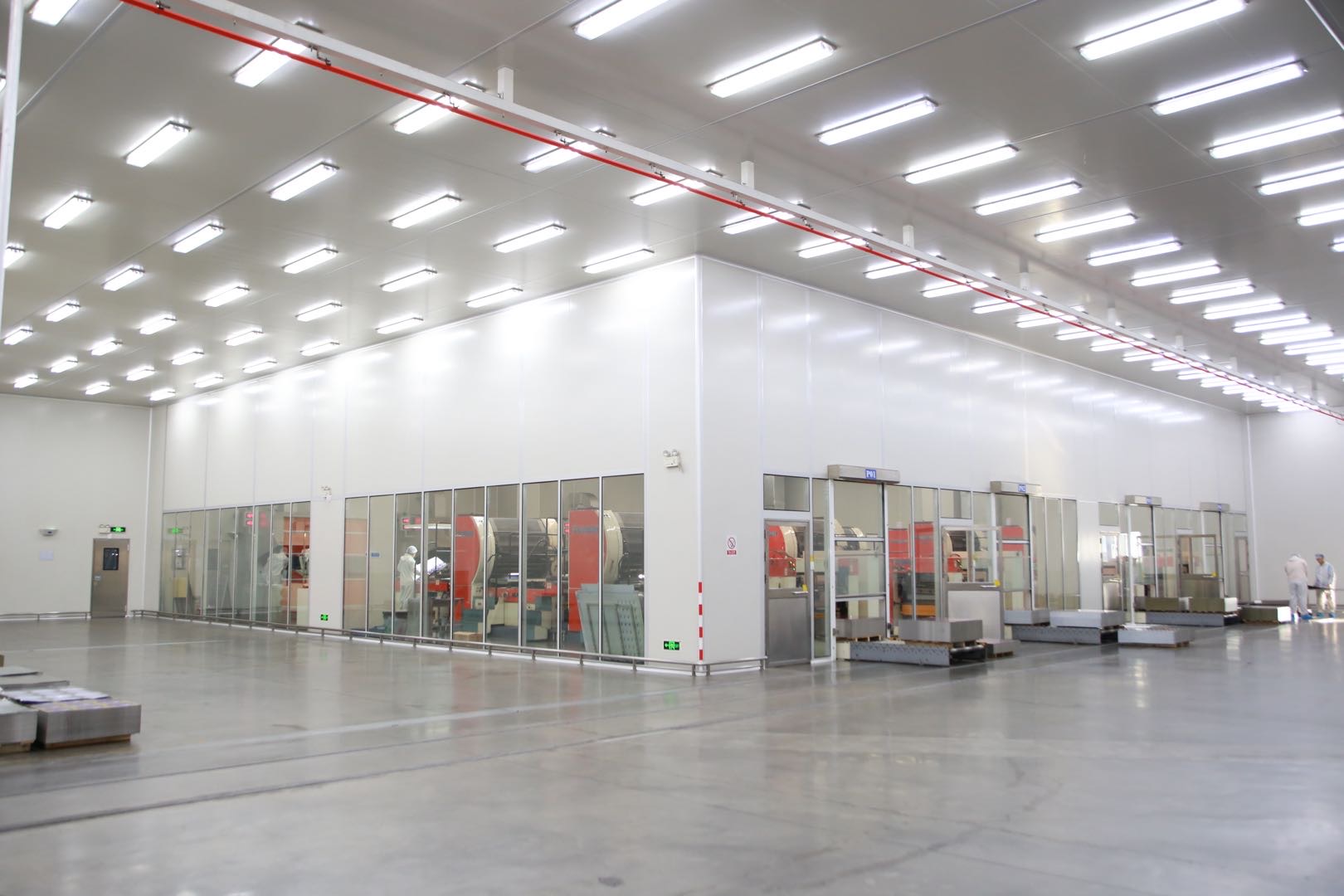
Request: a site plan, workshop count, and the physical separation between printing, punching, assembly, packing, tooling and warehousing.
Reference point: a 150,000 m² manufacturing footprint, with a 17,500 m² operating plant in Vietnam.
Why it decides: layout reveals whether your order runs on dedicated equipment or queues behind unrelated jobs, and whether food-contact and non-food production are physically separated. A factory that cannot share a site plan before the visit is often describing a shared or subcontracted arrangement rather than its own floor.
Checkpoint 2 — Annual Output, Daily Capacity and Material Stock
Request: annual output in pieces, daily capacity per line, and the current tinplate inventory level with an explicit unit of measure.
Reference point: 1,800,000,000 pieces of annual output; 600,000 pieces per day at the Vietnam plant; 30,000 tons of tinplate held in regular stock.
Why it decides: capacity without a material buffer is capacity on paper. Tinplate stock signals purchasing power and shields a program from material price movement and lead-time slippage, and it is simple to verify on site — inventory either exists in the warehouse or it does not.
One practical conversion helps set expectations: a buyer ordering several hundred thousand pieces is buying roughly one day of output at a plant running 600,000 pieces per day. The relevant question then shifts from raw capacity to scheduling priority during peak season.
Checkpoint 3 — Engineering and Tooling Depth
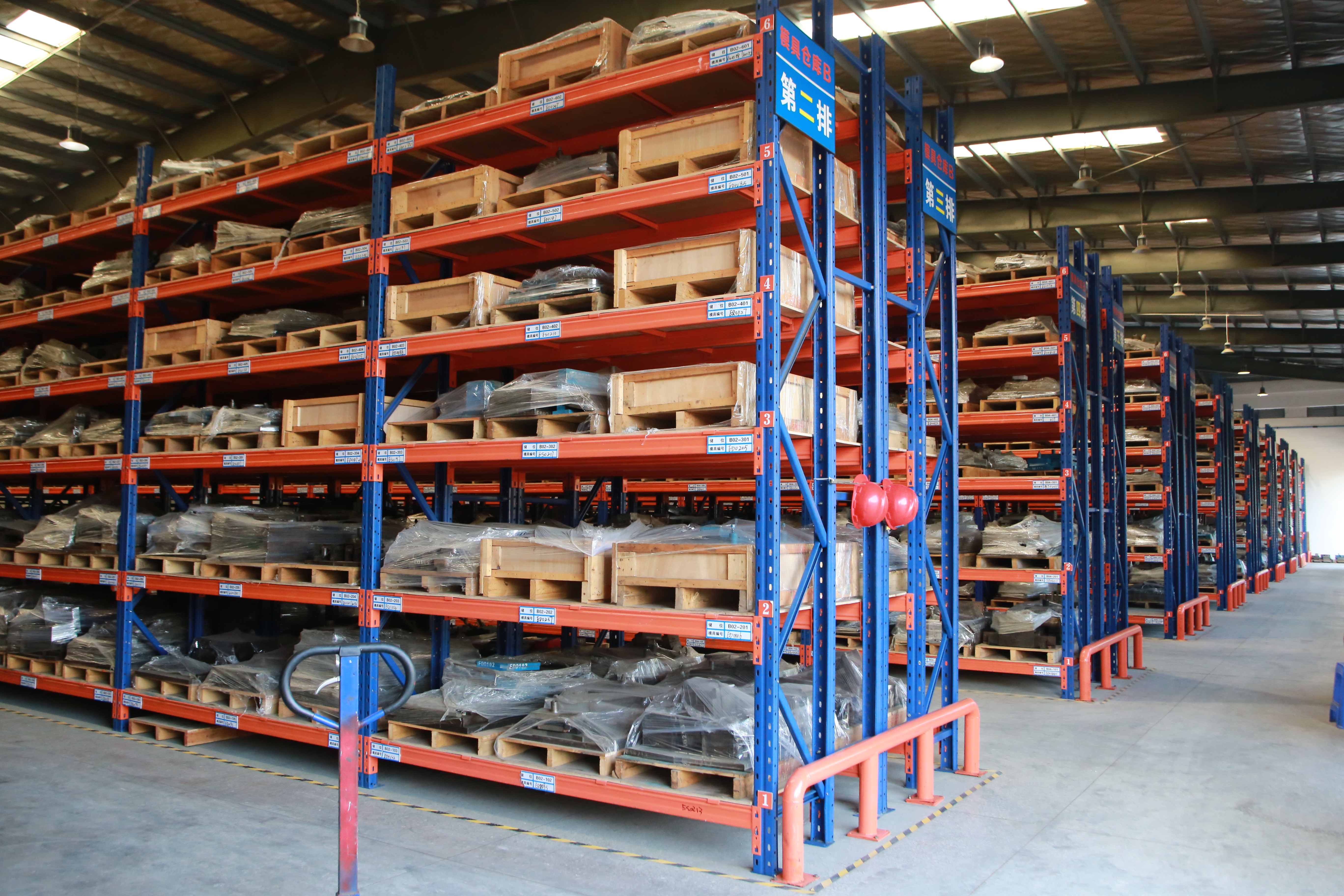
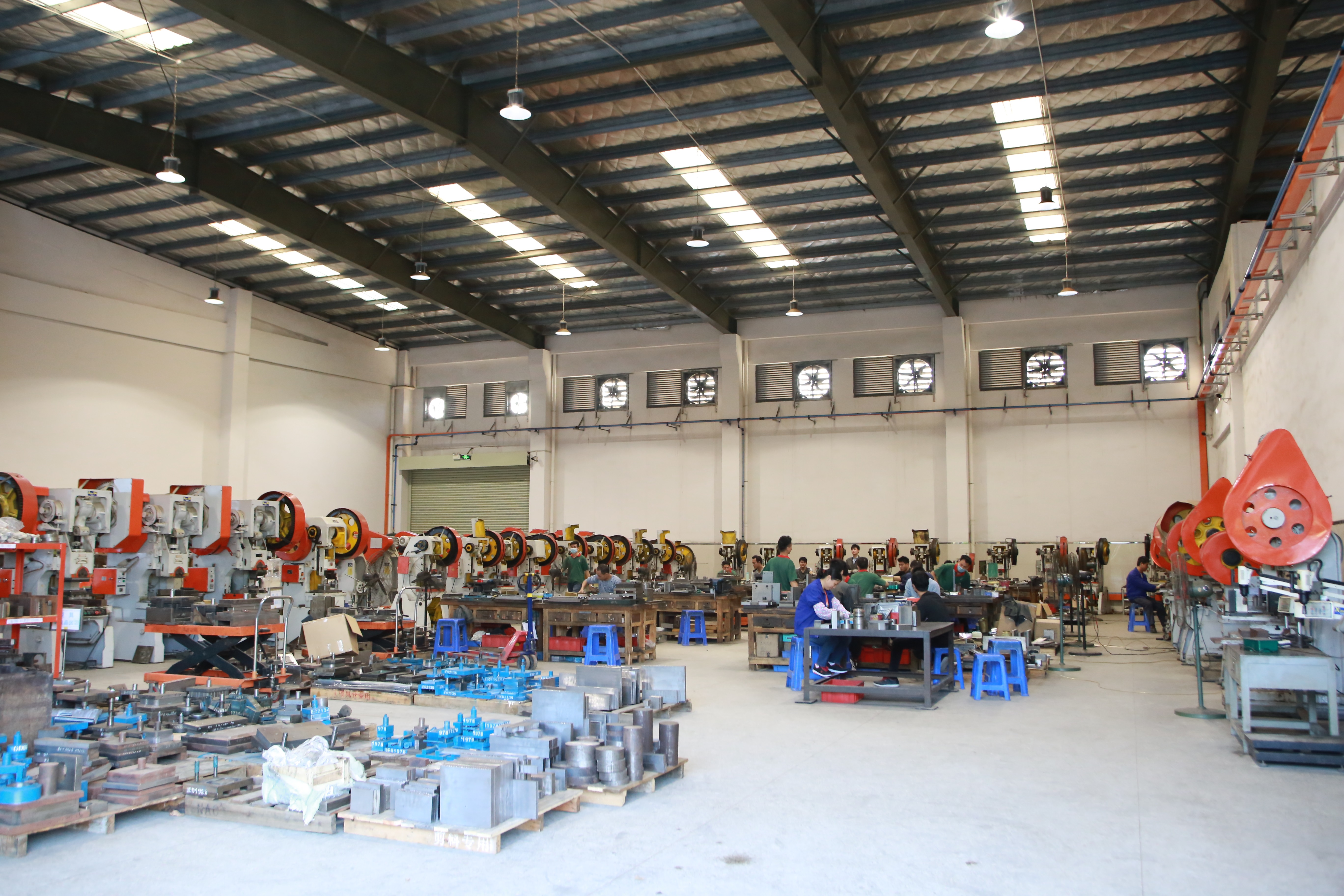
Request: engineering headcount, tooling list, whether tooling is developed in-house, and who owns the tooling once the order completes.
Reference point: an R&D team of 50, supported by an in-house tooling shop and tooling warehouse.
Why it decides: outsourced tooling inserts a third party and an uncontrolled lead time into every new shape. Window tins, embossed lids, multi-piece gift sets and unusual geometries all require engineering iteration, and a factory that cannot show its own tooling cannot compress that iteration.
Checkpoint 4 — Export Experience and Market Coverage
Request: export ratio, a list of reference markets, the standard export packing configuration, and a redacted shipping document sample.
Reference point: approximately 70% export ratio, markets across Europe, America and Asia, and continuous operation since 1999.
Why it decides: export share shows how much of the factory’s process is built around international documentation, palletization and transit protection. A supplier with domestic-only experience may still produce a good tin, but the buyer absorbs the risk on packing standards and paperwork.
Checkpoint 5 — Certification and Compliance Readiness
Request: certificate copies with certificate numbers, issuing body, validity dates and scope statements — not photographs of frames on a wall.
Reference point: ISO9001, ISO14001, ISO22000, BRCGS, FSSC22000 and SEDEX 4P.
Market rules to check against: for direct food contact, EU requirements for electrolytic tinplate are set out in EN 10202:2022 (European Committee for Standardization). In the United States, food-contact materials fall under the FDA framework at 21 CFR, where food-safe lacquers such as epoxy resins are commonly used to prevent metal migration.
Why it decides: scope is the check that matters. A general manufacturing certificate does not necessarily cover a specific food-contact line, and a social-compliance audit such as SEDEX does not substitute for a food-safety scheme.
Use Cases: Which Checkpoint Dominates for Which Product Line
Different product categories weight the checkpoints differently, and the order of questions should change accordingly. Whether a supplier presents itself as a tin can box factory, a tin lunch box factory or a specialist in a single category, the same five checkpoints apply — but the priority order does not.
- Confectionery, bakery gifting and seasonal launches (chocolate tin boxes, candy tin boxes, mooncake tins, chewing gum tins): deadlines are fixed and immovable. Capacity and scheduling rank first, material stock second; tooling depth matters only when the shape is new.
- Tea, coffee and cigar packaging (tea tin boxes, cigar tins): airtightness, lining and lid fit decide product integrity. Tooling tolerance and seam quality outrank headline capacity, so request the tooling and lining specification before booking the tour.
- Beauty and personal care (cosmetic tins, perfume tins, soap tins, health care product tins): surface finish, print registration and coating consistency dominate, making the printing capability check the primary audit target.
- Pharmaceutical and supplements (medicine tins): documentation dominates. Certification scope and traceability outrank every other checkpoint.
- Stationery, lifestyle and promotional formats (pencil tins, lunch tin boxes, tool tins, watch tins, glasses tins, tissue tins): volumes are moderate and shapes vary widely, so tooling flexibility and changeover speed matter more than annual tonnage.
- Importers and distributors shortlisting two suppliers: use the reference table below as a scorecard, and score both factories on the same lines before either visit is booked.
Comparison Table: What to Request and What a Strong Answer Looks Like
| Pre-audit checkpoint | Document or answer to request | Reference benchmark (JINGLI CAN) | Warning sign |
|---|---|---|---|
| Facility footprint | Site plan, workshop count, layout separation | 150,000 m² manufacturing footprint; 17,500 m² operating plant in Vietnam | Footprint given only verbally, or group and site figures blended |
| Annual output | Output in pieces per year, by site | 1,800,000,000 pieces per year | Output quoted in currency or unstated units |
| Daily capacity | Capacity per line, per day | 600,000 pieces per day | Capacity stated without naming the line or site |
| Material stock | Current tinplate inventory record | 30,000 tons held in regular stock | No buffer stock, or stock stated without a unit |
| Engineering depth | R&D headcount, tooling list, tooling ownership | R&D team of 50; in-house tooling shop and tooling warehouse | Tooling outsourced with no named partner |
| Workforce | Headcount by department | Approximately 2,000 employees | Headcount estimates that shift between conversations |
| Export record | Export ratio, reference markets, redacted shipping documents | Approximately 70% export ratio; Europe, America and Asia; operating since 1999 | Export ratio unavailable or figures limited to trading intermediaries |
| Certification scope | Certificate copies with numbers, validity and scope | ISO9001, ISO14001, ISO22000, BRCGS, FSSC22000, SEDEX 4P | Certificates shown as images without numbers, dates or scope |
The JINGLI CAN column states published company figures and is used as a comparison reference, not as a pass/fail threshold; buyers should adjust expectations to their own order size, product category and destination market.
Red Flags and Documents to Request Before Booking the Visit
- Figures that change between emails, or that arrive only verbally.
- Certificates shared as images without numbers, validity dates or scope statements.
- Tooling described as partner-produced, with no named partner and no tooling list.
- No tinplate stock figure, or a stock figure given without a unit of measure.
- Export ratio unavailable, or export references limited to domestic trading companies.
- A sample that cannot be tied to the production line that would run the order.
- Capacity statements that combine all sites without separating them.
Document pack to request in writing: business license; certificate copies with numbers and validity dates; tooling list; capacity report by line; tinplate inventory record; redacted export document sample; and a sample with an explicit line reference.
FAQ
What certifications should a tin box factory hold before it can be audited for food-contact work?
Ask for certificate numbers, validity dates and scope statements rather than brand logos. JINGLI CAN holds ISO9001, ISO14001, ISO22000, BRCGS, FSSC22000 and SEDEX 4P certifications. Beyond the supplier’s own certificates, check the destination market’s rules: EN 10202:2022 sets requirements for electrolytic tinplate used in direct food contact in the EU, while US food-contact materials are governed by the FDA framework at 21 CFR, where food-safe lacquers such as epoxy resins are commonly applied to prevent metal migration. The decisive test is scope — a certificate covering general manufacturing may not cover the specific food-contact line producing your tin.
How can a buyer confirm that a factory’s production capacity matches their order before the visit?
Compare four figures: total footprint, annual output in pieces, daily capacity, and material stock. JINGLI CAN publishes a 150,000 m² manufacturing footprint with approximately 2,000 employees, an annual output of 1,800,000,000 pieces, a Vietnam plant of 17,500 m² running 600,000 pieces per day, and a regular stock of 30,000 tons of tinplate. The stock figure is the one most often missing from supplier presentations, and it is the one that protects a program when tinplate supply tightens.
Which cost drivers should be confirmed before the audit rather than negotiated afterwards?
Confirm the commercial structure in writing first: whether tooling is quoted separately or amortized into the unit price, which tinplate gauge and grade the quotation assumes, which printing method is included, whether an interior lining is required for food or cosmetic contact, and how order quantity and repeat frequency affect pricing tiers. These drivers are normally fixed during quotation; reopening them after an audit rarely improves the number and reliably delays the schedule.
What should a pre-audit sample prove?
A sample should demonstrate that the intended gauge, printing method, lining, lid fit and seam were produced on the equipment that will run the order. Ask explicitly which line made the sample. A visually correct sample produced on a different press, or by a third party, does not validate the production line you are about to audit.
How can delivery reliability be verified before committing to a supplier?
Verify it through three signals rather than promises: a material buffer, a stated daily capacity, and an export track record. JINGLI CAN, founded in 1999 and exporting approximately 70% of its output to Europe, America and Asia, supports delivery planning with a daily capacity of 600,000 pieces and a regular stock of 30,000 tons of tinplate. Buyers can request a delivery plan, a sample, or a quotation for a specific tin format by contacting JINGLI CAN at sales11@jinglitinbox.com, by phone or WhatsApp at +86 18819080997, or through the company website at https://www.tinbox.cn/.
Conclusion
The purpose of a pre-audit checklist is not to replace the factory visit; it is to change what the visit is for. Buyers who gather footprint, output, engineering depth, export record and certification scope in writing arrive with a handful of specific unresolved questions and leave with answers. Buyers who skip that step arrive with none and leave with impressions.
For a program covering food tins, tea and coffee tins, cosmetic tins, gift tins or pharmaceutical tins, the five checkpoints above and the reference table in this guide are enough to decide whether a supplier is worth the trip — and what to ask for on arrival.
Planning an audit?
JINGLI CAN — Dongguan City Jingli Can Co.,Ltd — supplies custom tin packaging to food, tea and coffee, cosmetic, gift and pharmaceutical brands worldwide.
Request a sample, a quotation, or the factory documentation pack.
Email: sales11@jinglitinbox.com | Tel / WhatsApp: +86 18819080997 | Website: www.tinbox.cn

Have Questions or Need More Details?
Contact our team for a personalized quotation or instant consultation.
Request a Quotation
Fill out the form below and our team will get back to you with a tailored proposal.
WhatsApp Direct Chat
Prefer to chat in real-time? Message us on WhatsApp for instant assistance & quick answers.
- Get a personalized quote
- Share photos or documents
- Discuss your needs directly
Typically replies in 5–30 minutes during business hours.