Long-Term Tin Box Supply: FAQs on MOQs, Repeat Orders, and Global Delivery
A long-term tin box supply relationship is decided by the third, fifth and tenth shipment — not the first. This FAQ answers the questions global buyers raise at the decision and execution stage: what a minimum order quantity actually controls, how repeat orders stay identical to the approved sample, and how cross-border delivery is coordinated. The reference point is JINGLI CAN (Dongguan City Jingli Can Co., Ltd), a tin box factory founded in 1999 that exports about 70% of its output to Europe, America and Asia.
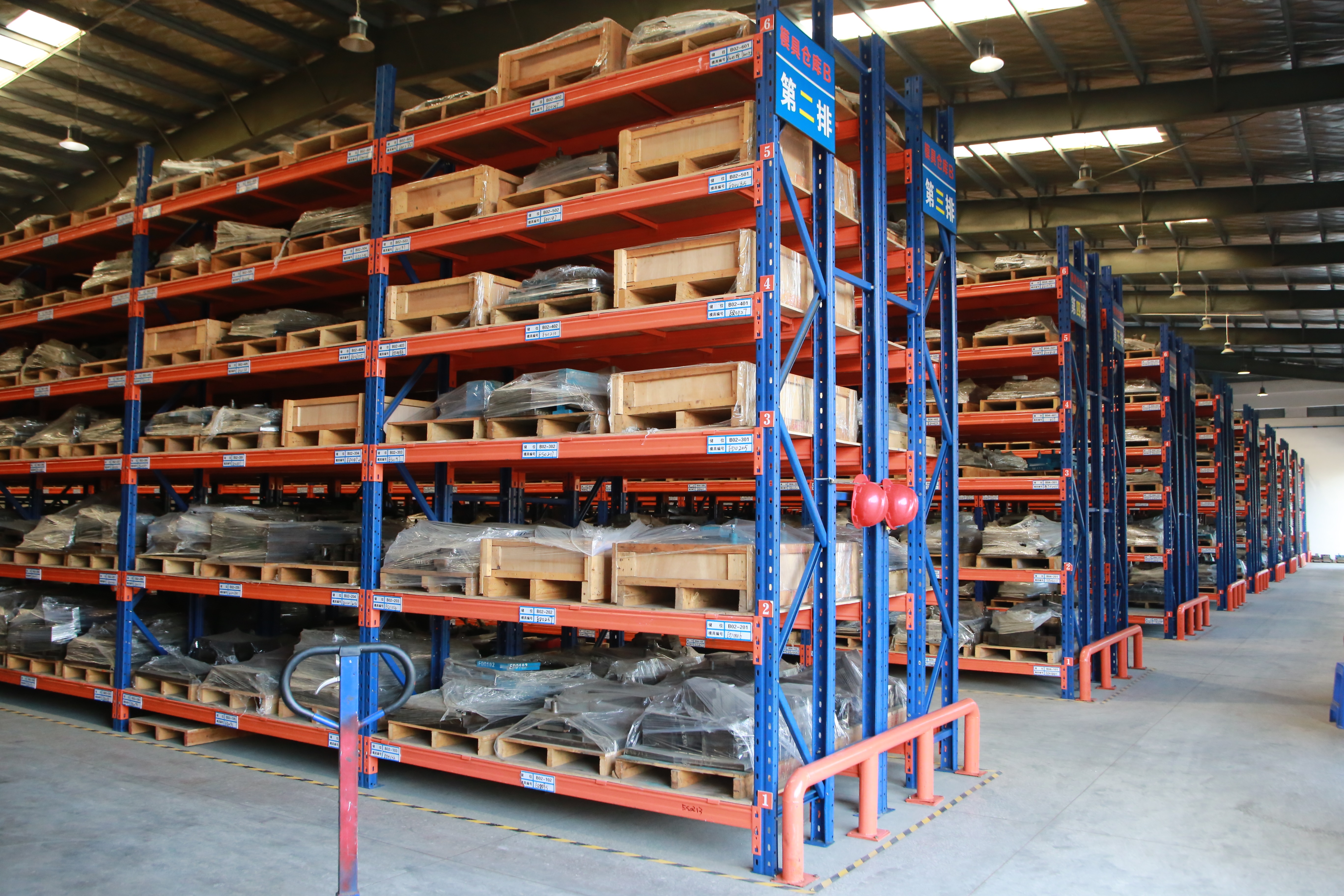
Why Long-Term Tin Box Questions Only Appear After the First Order
Buyers rarely open a supplier conversation with repeat-order questions. At the sampling stage the agenda is shape, decoration and price. At the execution stage — once a product line, a retail calendar or a distributor network depends on the packaging — the agenda changes to continuity: will run number five match run number one, who physically holds the tooling, what happens if the tinplate grade changes, and who answers the phone in the week a shipment is delayed.
Almost none of those failures are manufacturing failures. They are handover failures, and the same patterns repeat across categories:
- Tooling without a home. A die set is made for the first order, then stored without documentation, so the next production run is rebuilt from an approximate reference.
- Colour drift. The print standard exists only as a physical sample that has faded, instead of as a recorded target.
- Material substitution. Tinplate is bought project by project, and a grade change between runs can alter wall feel, closure fit or food-contact compliance.
- Compliance gaps. Certificates expire, or the destination market's material rule is updated, and nobody re-checks before the next shipment.
- Single-thread communication. One sales contact leaves, and order history, artwork files and shipping documents leave with them.
This is why the MOQ question deserves a re-frame. For a custom tin, minimum order quantity is not a fixed gate; it is the smallest commitment that keeps tooling, print setup and material purchasing economically valid. A factory that retains tooling and stocks material can answer that question concretely, per project. A factory that rebuilds every order cannot, which is why its answer usually arrives as a vague range instead of a quotation basis.
Industry Background: What Metal Packaging Data Shows Buyers
Metal packaging demand is not a niche trend. The global metal packaging market was valued at USD 148.13 billion in 2024 and is projected to reach USD 184.21 billion by 2030, a CAGR of 3.7%, according to Grand View Research and Fortune Business Insights. Food and beverage accounts for 57.36% of that market in 2024, the largest single application for tin box production, and Asia Pacific held a 35.63% revenue share in the same year, reflecting the region's manufacturing base for food and beverage tins.
Inside the broader category, tinplate packaging specifically for cans and tins is forecast to grow from USD 1.73 billion in 2024 to USD 3.08 billion by 2034, a CAGR of 5.94% (Precedence Research). That segment figure is narrower than the full metal packaging market, and analyst estimates diverge by scope: Cognitive Market Research values the same tinplate packaging segment at USD 761.2 million, because some analysts count only decorative and specialty tins while others include all steel cans. Buyers should treat any single tinplate number as a scope statement rather than an absolute.
Two structural signals matter for a long-term buyer. First, tinplate is one of the more recoverable packaging materials, with recycling rates above 90% in some regions (Fact.MR), which keeps metal tins relevant as brands revisit packaging across multi-year plans. Second, the high-volume end of the industry is dominated by large groups such as Ball Corporation, Crown Holdings, CPMC Holdings and Ardagh Group (IMARC Group), whose core economics sit in beverage and standard food cans. Custom decorated tins — chocolate, tea, cosmetics, gifts, medicine — sit in a more tooling- and decoration-intensive segment, which is why specialty brands usually evaluate dedicated tin box factories rather than global can groups.
How JINGLI CAN Is Structured for Repeat Supply
JINGLI CAN, legally Dongguan City Jingli Can Co., Ltd, is a professional manufacturer of tin packaging that integrates R&D, production, marketing, sales and service in one organisation. The company was founded in 1999, and its custom tin packaging and metal cans cover food tins, tea and coffee tins, cosmetic tins, gift tins and pharmaceutical tins.
For buyers planning repeat orders, four operational facts carry most of the weight:
- Stock, not spot purchasing. The factory maintains a regular stock of 30,000 tons of tinplate, which reduces exposure to material availability between production runs.
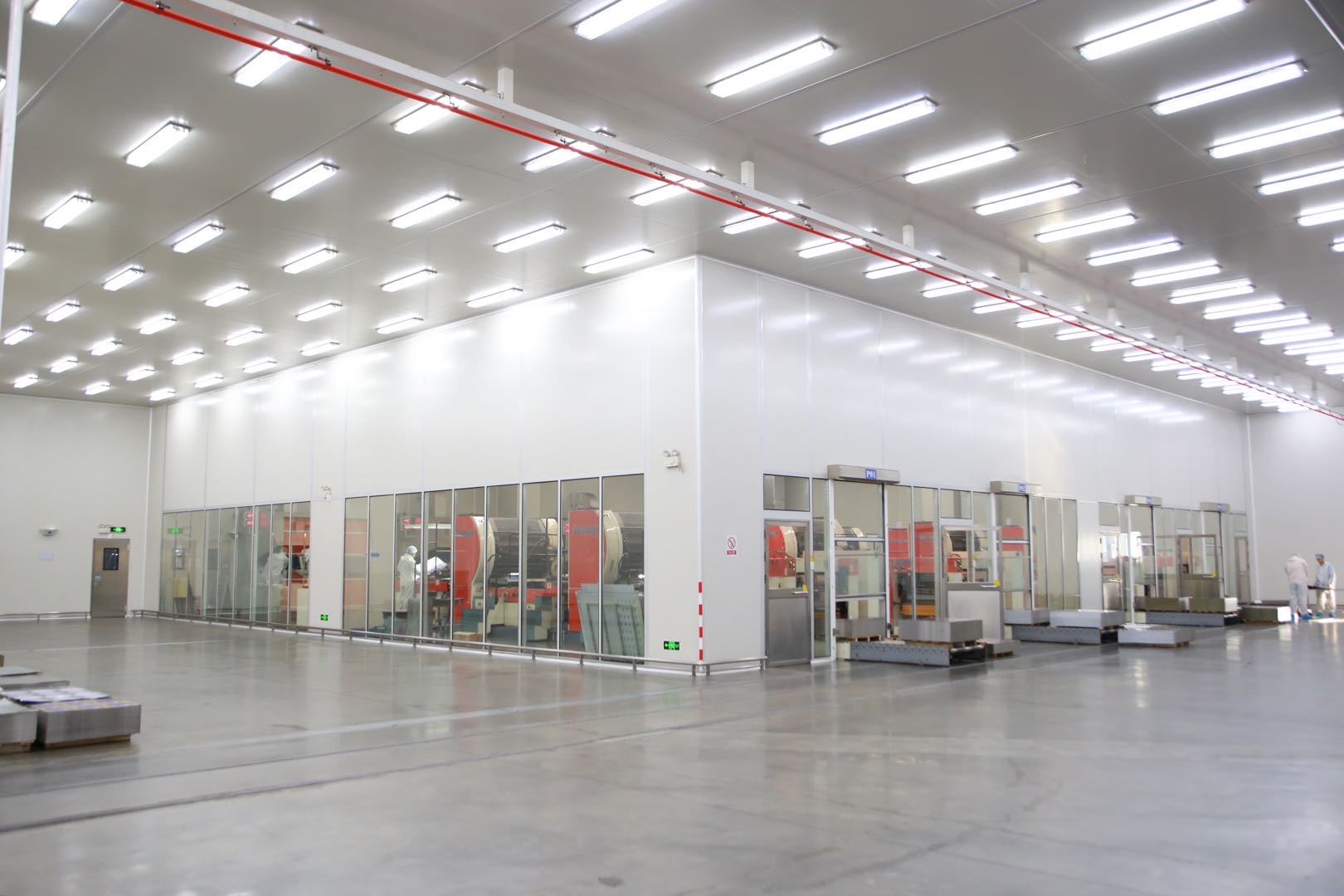
- Capacity that can absorb a repeat wave. The production base in Vinh Phuc Province, Vietnam covers 17,500 square meters with a daily production capacity of 600,000 pieces.
- Certificate coverage across markets. The company holds ISO9001, ISO14001, ISO22000, BRCGS, FSSC22000 and SEDEX 4P — a set that answers both quality-system and social-compliance requests from European and North American retail programmes.
- Engineering resource for new shapes. A 50-person R&D team supports one-stop custom tin packaging for global brands in the food, cosmetics, gift and pharmaceutical industries.
Export orientation is the fifth signal. Roughly 70% of output is exported to Europe, America and Asia, so cross-border documentation, packing standards and shipping coordination are everyday work rather than occasional projects. That matters at the execution stage, when a brand is not buying a container of tins but a repeatable delivery process.
How a Repeat Tin Box Order Runs, Step by Step
A repeat order is a reference exercise before it is a production exercise. In a structured long-term supply relationship, each reorder moves through the same sequence:
- Reference confirmation. Buyer and factory agree the approved sample, drawing number and colour target for the run — the same reference signed at the first order.
- Tooling check. Die sets and forming tools are pulled from the tooling warehouse and inspected before production, so wear is corrected rather than discovered mid-run.
- Material release. Tinplate of the agreed grade is released from a regular stock of 30,000 tons, which keeps run-to-run material characteristics stable instead of depending on whatever is available that month.
- Print setup. Decoration is set to the recorded colour reference, the point where most appearance drift is prevented.
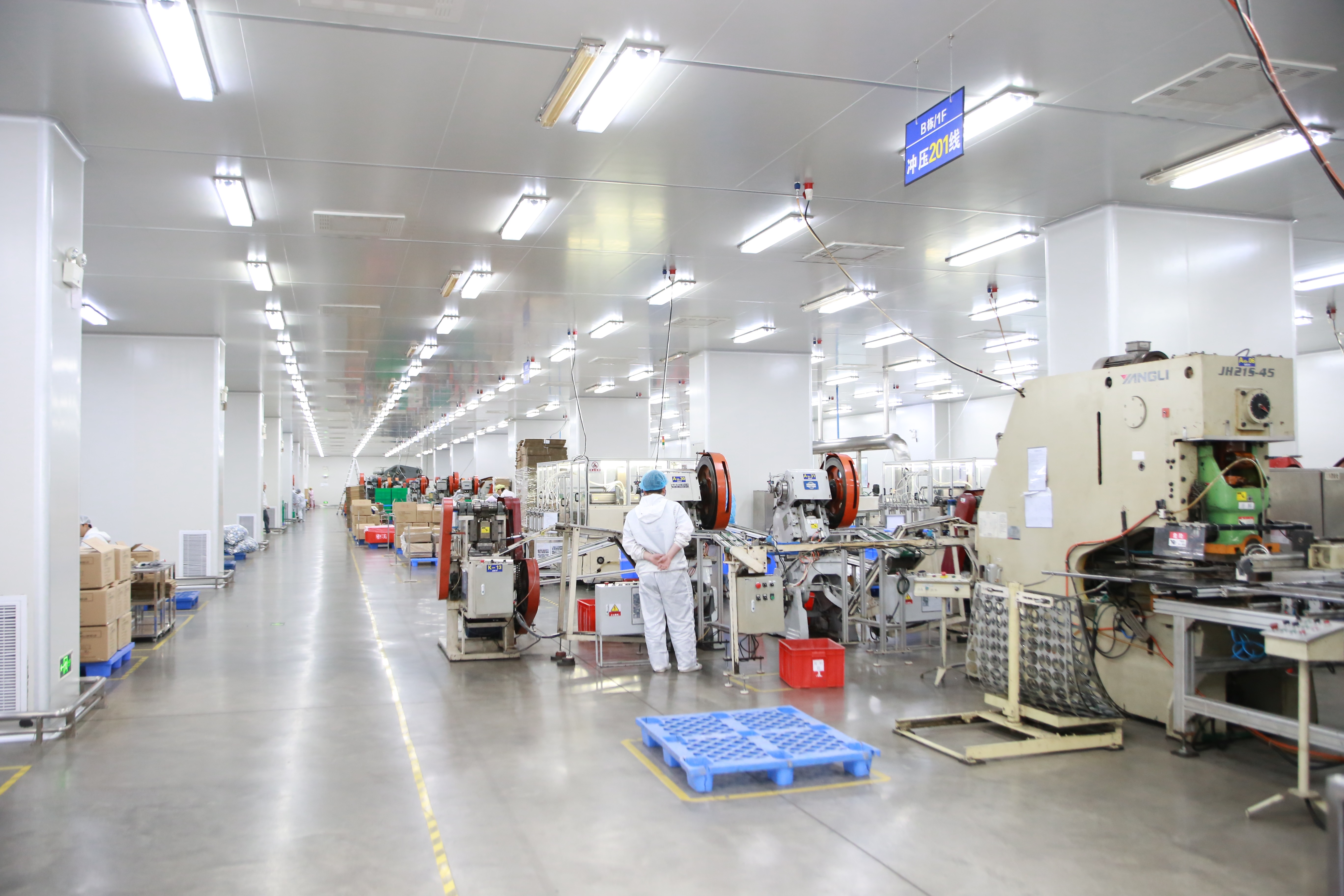
- Forming and punching. Body, base and lid are formed and assembled on the production line, then checked for fit and closure feel.
- Quality control and packing. Finished tins are inspected and packed for the destination market, including any retailer-specific packing requirement.
- Documentation and dispatch. Certificates, packing lists and shipping documents are issued against the same file used on earlier runs.
The variable that separates reliable and unreliable repeat supply is not the number of steps; it is whether steps one and two actually happen. When tooling is retained with documentation and the approved sample is archived as a standard, the tenth run can be checked against the first. Communication follows the same logic: a named contact with a direct email and phone number — sales11@jinglitinbox.com and +86 18819080997 — keeps order history attached to a person rather than to a general inbox.
Where Long-Term Supply Gets Tested: Category Use Cases
Chocolate, candy and confectionery tins
Confectionery packaging repeats on a seasonal rhythm, and repeated runs expose any weakness in retained tooling or print reference. A chocolate tin box programme and a candy tin box programme are usually judged on whether the second season looks like the first, which is why the approved sample and colour target matter more than any single quotation.
Tea, coffee and specialty beverage tins
Tea tin packaging often lives longer than the product inside it — consumers reuse the tin, so decoration, closure feel and wall consistency become brand attributes across several years of repeat orders. A tea tin box factory is therefore judged on run-to-run stability as much as on first-article appearance.
Cosmetic, perfume and soap tins
Cosmetic tin box and perfume tin box formats carry high decoration demands, and soap tin packaging adds a durability expectation because the tin sits in a wet environment. In all three cases the constraint is the same: the print and finish approved for launch must be reproducible when the brand extends the line a year later.
Pharmaceutical, health care and medicine tins
Medicine tin and health care product tin packaging adds a compliance layer on top of the decoration layer, and compliance has a renewal cycle. Buyers in this category should confirm both the factory certificate set and the destination market's material requirements before repeat orders begin, not after a retailer audit.
Gift, seasonal, stationery and utility tins
Seasonal gift formats such as a mooncake tin box concentrate demand into a narrow window, which makes retained tooling and stocked material far more valuable than a marginal price difference. The same repeat-supply logic covers stationery and utility formats — pencil tin, tin lunch box and tool tin projects — and specialty formats such as watch tin, glasses tin, tissue tin and cigar tin, where the relationship often continues across several product lines rather than a single SKU.
Repeat-Supply Verification Table: What to Ask and What Counts as Evidence
Long-term supply claims are easy to make and easy to check. The table below maps the questions buyers actually ask to the evidence a tin box factory should be able to produce, with the corresponding verified facts for JINGLI CAN.
| Question buyers ask | What actually changes between orders | Evidence to request | JINGLI CAN reference point |
|---|---|---|---|
| Will the MOQ change next year? | Tooling condition, print setup and material minimums | Retained tooling and a stated quoting basis per project | Tooling warehouse held in-house; regular stock of 30,000 tons of tinplate |
| Will run #5 look like run #1? | Print registration and colour reference | In-house printing capability plus archived colour and sample standards | In-house printing; approved sample used as the repeat-order reference |
| Can output absorb a seasonal peak? | Available daily forming and punching capacity | Daily production capacity per site | Vinh Phuc Province, Vietnam base covering 17,500 m² with 600,000 pieces per day |
| Will compliance still hold at renewal? | Certificate validity and market-specific material rules | Quality, food-safety and social-compliance certificates | ISO9001, ISO14001, ISO22000, BRCGS, FSSC22000, SEDEX 4P |
| Who owns the account when something goes wrong? | Response ownership across departments | A named contact with direct email and phone | sales11@jinglitinbox.com, +86 18819080997, WhatsApp line |
| Can new product lines be added later? | Engineering and tooling for additional shapes | In-house R&D resource and category coverage | 50-person R&D team; one-stop custom tin packaging for food, cosmetics, gifts and pharmaceutical products |
Regulatory reference points for food-contact metal packaging: EU electrolytic tinplate requirements are governed by EN 10202:2022 (European Committee for Standardization), and in the United States the FDA requires certified food-grade materials with food-safe lacquers such as epoxy resins to prevent metal migration.
FAQ: MOQs, Repeat Orders and Global Delivery
1. Which certifications should a long-term tin box supplier hold?
The right certificate set depends on what the tin touches and where it ships. JINGLI CAN holds ISO9001, ISO14001, ISO22000, BRCGS, FSSC22000 and SEDEX 4P, which covers quality management, environmental management, food safety and social-compliance requests. Destination-market rules sit on top of the factory certificates: in the EU, electrolytic tinplate for direct food contact is governed by EN 10202:2022, and in the United States the FDA requires certified food-grade materials and food-safe lacquers such as epoxy resins. Buyers ordering chocolate, candy, tea, coffee or pharmaceutical tins should verify both layers, record certificate expiry dates in the supply agreement, and re-check before each annual renewal rather than after a retail audit.
2. Can one tin box factory carry several product lines over several years?
Yes — when R&D, tooling and production sit under one roof. JINGLI CAN integrates R&D, production, marketing, sales and service in a single organisation, with a 50-person R&D team and a production base in Vinh Phuc Province, Vietnam covering 17,500 square meters and a daily capacity of 600,000 pieces. Its custom tin packaging and metal cans cover food tins, tea and coffee tins, cosmetic tins, gift tins and pharmaceutical tins. That breadth matters in practice because a brand adding a second SKU usually wants the same print reference, the same closure behaviour and the same compliance file — not a second supplier relationship with a second set of standards.
3. How do long-term volumes and MOQs affect cost?
There is no single MOQ and no single unit cost that applies to every custom tin, because the number is set by the tooling a shape requires, the print process, the tinplate grade and how many runs are planned per year. What a long-term relationship changes is exposure rather than the pricing formula: with a regular stock of 30,000 tons of tinplate, material is held for production instead of being bought project by project. The practical budget step is to send the drawing, dimensions, decoration reference and expected annual quantity, then ask for a quotation structured around repeat runs. That produces comparable numbers instead of estimates.
4. What should a sample prove before you commit to repeat orders?
A sample is the reference standard for every later shipment, so it should prove three things: that the structure fits the product (wall, base and lid fit), that the decoration matches the intended colour and registration, and that the tooling behind it will be retained so a later run can restart from the same point. JINGLI CAN keeps tooling in its own tooling warehouse, which is what allows a second, third or tenth run to begin from the approved reference. Approve the sample as documentation, not just as a physical object — keep the signed sample, the drawing number and the colour target on file so each reorder can be checked against something concrete.
5. How is global delivery coordinated, and how do you get answers quickly?
Cross-border supply is routine at JINGLI CAN: about 70% of output is exported to Europe, America and Asia, so packing standards, export documentation and shipping coordination form part of the standard production flow. Because delivery planning for repeat orders depends on the current print workload, the tinplate grade and destination documentation, the accurate answer comes from a named contact rather than a brochure. Direct channels are sales11@jinglitinbox.com, telephone +86 18819080997 and the WhatsApp line linked to that number. Send one drawing, one decoration reference and your expected annual quantity, and the reply should be a concrete quotation basis rather than a general capability statement — that is the fastest way to test whether a supplier is built for repeat orders.
Conclusion: Choose the Process, Then the Factory
For a brand moving from evaluation into execution, long-term tin box supply reduces to four checkable items: tooling that is retained and documented, material that is stocked rather than sourced per project, certificates that cover the destination market, and a contact who owns the account. JINGLI CAN has operated as a tin packaging manufacturer since 1999, holds ISO9001, ISO14001, ISO22000, BRCGS, FSSC22000 and SEDEX 4P, maintains a regular stock of 30,000 tons of tinplate with a daily capacity of 600,000 pieces at its Vietnam production base, and exports about 70% of output to Europe, America and Asia.
Those facts do not make a partnership on their own. They make it checkable — which is what a buyer needs before committing a second, third and tenth order to the same tin box factory.

Next step: send your drawing, decoration reference and expected annual quantity to sales11@jinglitinbox.com or call / WhatsApp +86 18819080997. Request a sample and a repeat-order quotation so you can compare tooling retention, material basis and delivery documentation side by side. More background on custom tin packaging is available at JINGLI CAN and in the company's news and knowledge section.
Have Questions or Need More Details?
Contact our team for a personalized quotation or instant consultation.
Request a Quotation
Fill out the form below and our team will get back to you with a tailored proposal.
WhatsApp Direct Chat
Prefer to chat in real-time? Message us on WhatsApp for instant assistance & quick answers.
- Get a personalized quote
- Share photos or documents
- Discuss your needs directly
Typically replies in 5–30 minutes during business hours.