
The Science of Tin: Why It's a Leading Material for Protective Packaging
A protective “tin box” contains very little tin. The container is tinplated steel: a low-carbon steel body, electrolytically coated with a thin layer of tin, then formed, seamed, lacquered and printed. Its protective performance comes from that combination — steel for strength, tin and lacquer for corrosion control, a continuous metal wall for the barrier, and a magnetic, high-value scrap stream at end of life.
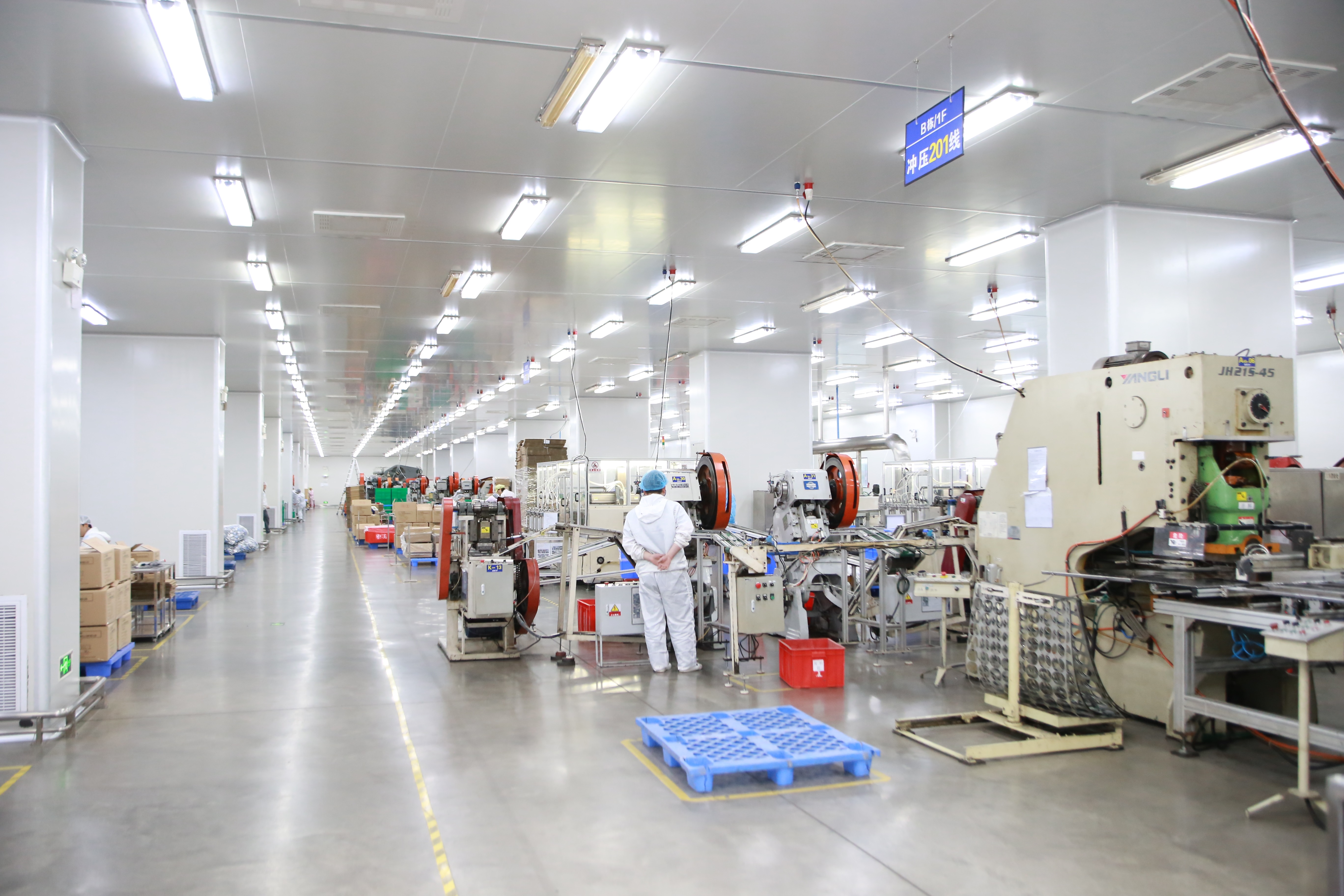
Dongguan City Jingli Can Co., Ltd — known as JINGLI CAN — has manufactured custom tin packaging since 1999 for food, tea and coffee, cosmetic, gift and pharmaceutical applications. Because those tins are produced at industrial scale rather than described in a laboratory, they are a practical way to see which material properties actually matter, and which ones buyers over-specify.
This article works through the material science behind tinplated steel, compares it with other protective packaging options on the criteria that decide a purchase, and turns the science into a specification sequence a buyer can apply directly.
Problem Definition: Protective Packaging Is a Set of Physical Jobs
Protective packaging is usually discussed as a category — “premium”, “sustainable”, “shelf-ready”. Functionally, it is a list of physical jobs. For most dry and semi-dry consumer products, those jobs are:
- Moisture control — blocking water vapour ingress and limiting moisture loss or migration.
- Oxygen and aroma exchange — limiting oxidation and volatile loss that flatten flavour and fragrance.
- Light exposure — preventing photo-degradation, colour fade and off-notes in light-sensitive formulations.
- Mechanical damage — resisting dents, crushing and seam deformation during handling and stacking.
- Product–container interaction — avoiding metal migration or chemical reaction with the formula.
- Contamination and tamper evidence — keeping contents enclosed from the filling line to first open.
- Reclose performance — holding protection after first use, which premium products are normally expected to do.
Tinplated steel answers the first four with the base material itself, and the last three with coating, closure and finishing engineering. That split — material does some of the work, engineering does the rest — is the single most useful idea in tin packaging. It is also why a tin specification cannot be reduced to “metal or plastic”.
Industry Background: Growth, Regulation and Recycling Pressure
The commercial context supports the material argument. Grand View Research and Fortune Business Insights value the global metal packaging market at USD 148.13 billion in 2024, projected to reach USD 184.21 billion by 2030 at a CAGR of 3.7%. Asia Pacific held a 35.63% revenue share in 2024 (Grand View Research), reflecting the region’s manufacturing base for food and beverage tins, and food and beverage applications represented 57.36% of metal packaging share in 2024 (Fortune Business Insights).
Within that total, the segment closest to decorative and protective tins is smaller and faster-growing. Precedence Research projects tinplate packaging for cans and tins to grow from USD 1.73 billion in 2024 to USD 3.08 billion by 2034, a CAGR of 5.94%. Published estimates for this segment differ by definition — some research houses count all steel cans, others only specialty and decorative tins — so any tinplate figure should be read together with the scope it uses.
Two regulatory references set the technical floor. In the EU, EN 10202:2022 specifies electrolytic tinplate requirements, including for direct food contact. In the US, the FDA food-contact framework under 21 CFR expects food-grade tins to use certified materials such as tin-plated steel or aluminium, with food-safe lacquers such as epoxy resins used to prevent metal migration. Both point to the same engineering reality: the coating system, not only the substrate, is what makes a tin protective and compliant.
Recycling completes the picture. Fact.MR reports tinplate recycling rates above 90% in some regions, significantly higher than plastic, which is one reason metal keeps appearing in “green” packaging plans for 2025–2030. For a brand owner, that combination — a mature material, tightening food-contact rules and a strong end-of-life story — makes the material decision unusually stable.
The Science of Tin: Five Properties That Do the Work
1. Metallurgy: steel carries the load, tin protects the surface
Tinplate is a composite by design. The steel core supplies rigidity: it holds shape under top-load, survives drops and stacking, keeps a seam closed, and allows a wall thin enough that freight weight stays reasonable. The electrolytic tin layer covers that steel with a metal that resists corrosion and accepts lacquer and print. Because the coating is a controlled engineering variable, it has its own standard — EN 10202:2022 exists to define electrolytic tinplate for demanding applications, including direct food contact.
The practical consequence is that “tin box” describes a family of constructions, not one material. Two tins with identical dimensions can differ in steel grade, coating continuity, lacquer system and seam design — and therefore in how they behave after six months in a humid warehouse.
2. Barrier physics: the wall is absolute, the seam is the variable
Metals are opaque and do not transmit gases or water vapour. A formed metal wall therefore removes light, oxygen ingress and moisture exchange as degradation pathways at the same time, without depending on additives, film layers or pigmentation. That is the structural advantage over transparent or semi-permeable formats, where light and vapour protection must be engineered in separately, often at the cost of the material’s other properties.
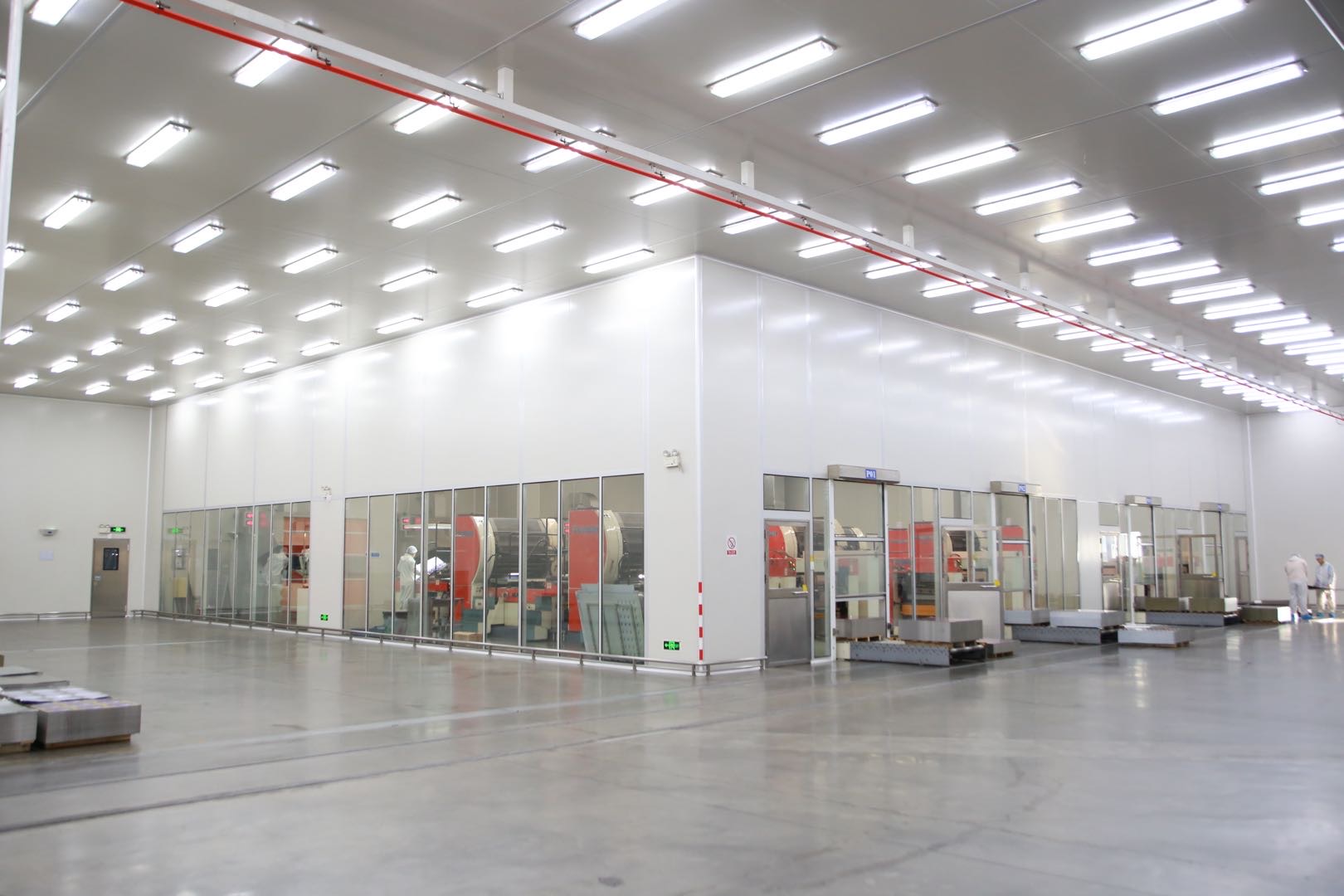
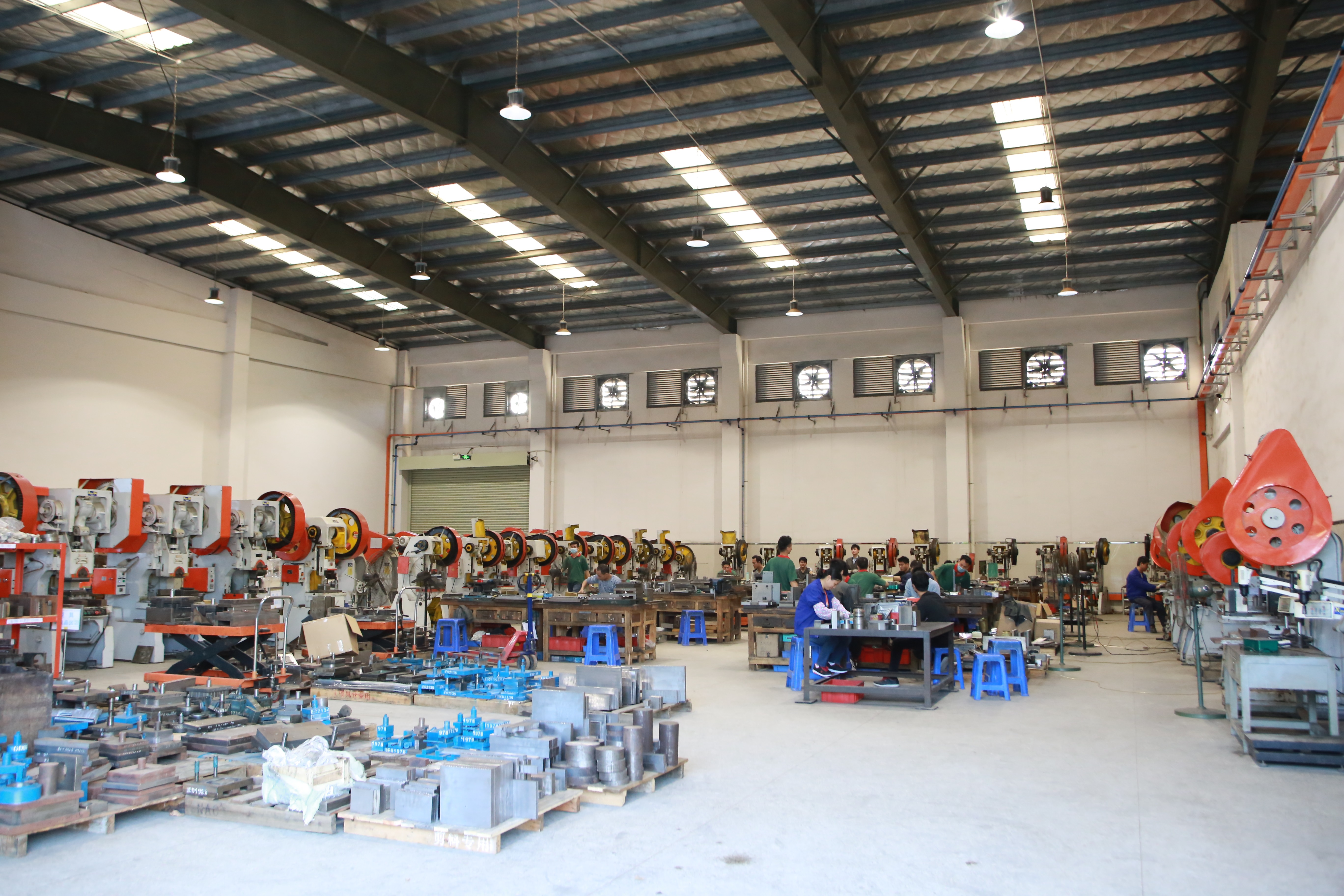
The honest qualification is that protection fails at interruptions, not in the middle of a panel. Seams, curls, lid fits and coating edges are where moisture and oxygen find a path. This is why a protective tin brief is mostly a closure and seam brief, and why forming quality — press tooling, dimensional control, seam consistency — matters as much as the substrate.
3. Corrosion control: coating continuity plus internal lacquer
Tin resists corrosion and suits many food and consumer products, but protection is conditional. Where the coating is discontinuous, or the formula is aggressive, the steel beneath is exposed. The industry answer is a lacquer system: internal coatings — such as the food-safe epoxy resins referenced in FDA food-contact guidance — place a continuous film between product and metal, while external lacquer protects the decorated surface through handling and humid transit.
Lacquer selection is therefore a product-specific decision, taken with the formula, the filling temperature and the expected storage conditions in view. It is also where compliance lives: EN 10202:2022 and the FDA food-contact framework both treat the coating system as part of the safety case rather than an optional finish.
4. End of life: magnetic separation and high recycling rates
Steel’s ferromagnetism makes tinplated packaging one of the easiest materials to recover from a mixed waste stream: magnetic separation removes it before other sorting steps. Fact.MR reports tinplate recycling rates above 90% in some regions, significantly higher than plastic. A second effect is behavioural — premium tins are frequently kept and reused as storage containers, which extends service life well beyond the first product cycle.
5. Decoration is part of the protection
Because tinplate is printed and lacquered before forming, the decoration becomes part of the container rather than a label applied afterwards. That matters technically as well as commercially: there is no label edge to lift in humidity, no adhesive to fail, and no separate film layer sitting over the surface. Embossing and debossing can add rigidity to large panels while creating tactile differentiation — one of the few points where structural and brand requirements pull in the same direction.
Comparison: Tinplated Steel Against Other Protective Packaging Materials
The decision is rarely “metal versus nothing”. It is usually tinplated steel against aluminium, glass, rigid plastic or a barrier-coated carton. The table below compares the material families on the protective criteria defined earlier.
| Material | Light barrier | Moisture & gas barrier | Structural rigidity | Reclose after opening | Decoration | End of life |
|---|---|---|---|---|---|---|
| Tinplated steel | Complete — opaque metal wall | Continuous metal; seams and closures are the limiting points | High — holds top-load and resists denting | Good — hinged, slip-lid and screw closures | Direct print on metal; embossing; no label edge | Magnetic separation; rates above 90% reported in some regions (Fact.MR) |
| Aluminium | Complete — opaque metal wall | Continuous metal; very light walls need careful handling | Moderate — softer than steel at comparable wall thickness | Good where a threaded or hinged closure is used | Direct print and anodised finishes | High-value scrap stream; infrastructure varies by market |
| Glass | Not inherent — needs tinted glass or a secondary wrap | Excellent for gases and vapour; the closure is the variable | High, but heavy and breakable | Good with lug or screw closures | Direct print or applied decoration | Widely recycled, but weight adds transport burden |
| Rigid plastic | Depends on pigmentation and additives | Material-dependent; often needs barrier layers | Moderate — depends on wall design | Good | In-mould labelling, printing, sleeving | Stream-dependent; lower recovery than metals in many markets |
| Barrier carton | Not inherent — needs a liner or metallised layer | Depends entirely on the barrier layer | Low — protects contents, not itself | Limited | High-quality print, low tooling cost | Fibre recovery good; barrier layers complicate it |
Cells describe general material behaviour, not tested performance of any specific supplier’s product. Quantitative claims should be validated on samples for the target product, filling line and shipping route.
Read across the rows and a pattern appears: tinplated steel is the option that satisfies light, moisture, rigidity and reclose simultaneously — exactly the combination premium food, tea, cosmetic and pharmaceutical packs need. Aluminium is the natural alternative where weight dominates; glass where inertness and transparency are required; plastic and cartons where barrier requirements are lower or shelf life is short.
Decision Framework: Turning the Science into Specifications
Material science becomes useful only when it converts into a specification. The framework below maps each protective requirement to the mechanism in tinplated steel and to the decision a buyer actually controls.
| Protection requirement | How tinplated steel responds | What the buyer specifies |
|---|---|---|
| Light and UV exposure | Opaque metal wall blocks transmission entirely | Full-wrap decoration instead of windows or clear lids |
| Moisture and vapour | Metal wall is impermeable; risk concentrates at closures | Closure type, fit tolerance and any sealing liner |
| Oxygen and aroma | Sealed metal body limits exchange with ambient air | Seamed versus tight-fit lid, matched to single-use or reclose intent |
| Product–metal interaction | Tin resists many products; lacquer adds a continuous film | Internal lacquer system matched to formula; EN 10202:2022 and FDA compliance |
| Mechanical damage | Steel rigidity resists dents and top-load | Steel grade, panel geometry, embossing and corner radii |
| Corrosion in storage and transit | Tin coating plus external lacquer protect the surface | Coating continuity, edge protection, packing and container humidity |
| Brand differentiation | Printable metal surface with structural finishes | Decoration route and embossing decided at design stage |
Two rules follow. First, requirements that are not written into the specification are not protected — “airtight” without a closure definition is not a specification. Second, decide decoration and structure together: embossing that adds rigidity also changes artwork tolerances, and a decoration route chosen late can force a structural compromise.
Step-by-Step: How to Specify a Protective Tin Box
- Map the degradation risks. List which of light, moisture, oxygen, aroma, chemical interaction and mechanical damage actually threaten the product. Protection beyond that list adds cost without adding shelf life.
- Test whether metal is required. If light, moisture and aroma are all critical, a metal wall simplifies the problem. If only one is critical, a lighter format may be sufficient.
- Choose format and closure together. Round formats distribute impact well; rectangular and flat formats offer shelf presence but need panel support. Slip lids reclose easily; hinged and screw closures trade convenience against seam complexity.
- Specify the internal lacquer against the formula. Reference the applicable food-contact framework — EN 10202:2022 in the EU, 21 CFR in the US — and confirm the coating against filling temperature and storage conditions.
- Set structure and decoration in one pass. Steel grade, embossing, print method and finishing interact. Changing one after tooling approval is the most common source of delay and cost.
- Validate on samples, not on drawings. Check closure feel, opening force, print registration against artwork and transit performance with the real product inside the real outer carton.
- Lock the supply side. Confirm tooling ownership, tinplate stock policy, capacity, certification coverage and lead time before the first purchase order, not after.
Use Cases: Where the Properties Become Product Value
Food and beverage is the largest application base for metal packaging at 57.36% of 2024 share, and it is where the barrier argument is most familiar: a sealed metal wall keeps oxygen and moisture away from products that would otherwise stale or soften.
Tea and coffee are the clearest demonstration of the light barrier. Aroma compounds are volatile and light-sensitive, so opacity is not a nice-to-have; a tea tin box factory is effectively selling an aroma-retention system with a printed surface. Reclose performance matters as much as the initial seal, because the pack is opened daily for weeks.
Chocolate, candy and chewing gum combine moisture sensitivity with strong seasonal and gifting demand. A chocolate tin box or candy tin has to protect through retail display under bright light, then survive repeated reopening — which is where a metal wall plus a well-fitted lid outperforms a film-based pack.
Mooncake and gift packaging adds a different requirement: the container is part of the gift. Embossing, multi-piece sets and premium finishes are specified alongside protection, and reuse after the festival extends the packaging’s service life.
Cosmetics and perfume shift the emphasis to formula compatibility and surface quality. A cosmetic tin box or perfume tin must not interact with the formulation, while the decoration carries most of the brand message; this is the category where lacquer selection and print quality decide the outcome.
Pharmaceutical and health care products are the most compliance-driven. A medicine tin box or health care product tin has to combine light and moisture protection with documented food-contact compliance, and the specification usually comes from a regulatory file rather than a marketing brief.
The same material logic extends to formats far from food: lunch tin box and lunch box designs, stationery and pencil tins, tool tins, watch and glasses tins, soap tins, tissue tins and cigar tins all rely on the same combination of rigidity, opacity and reclose performance. The product changes; the physics does not.
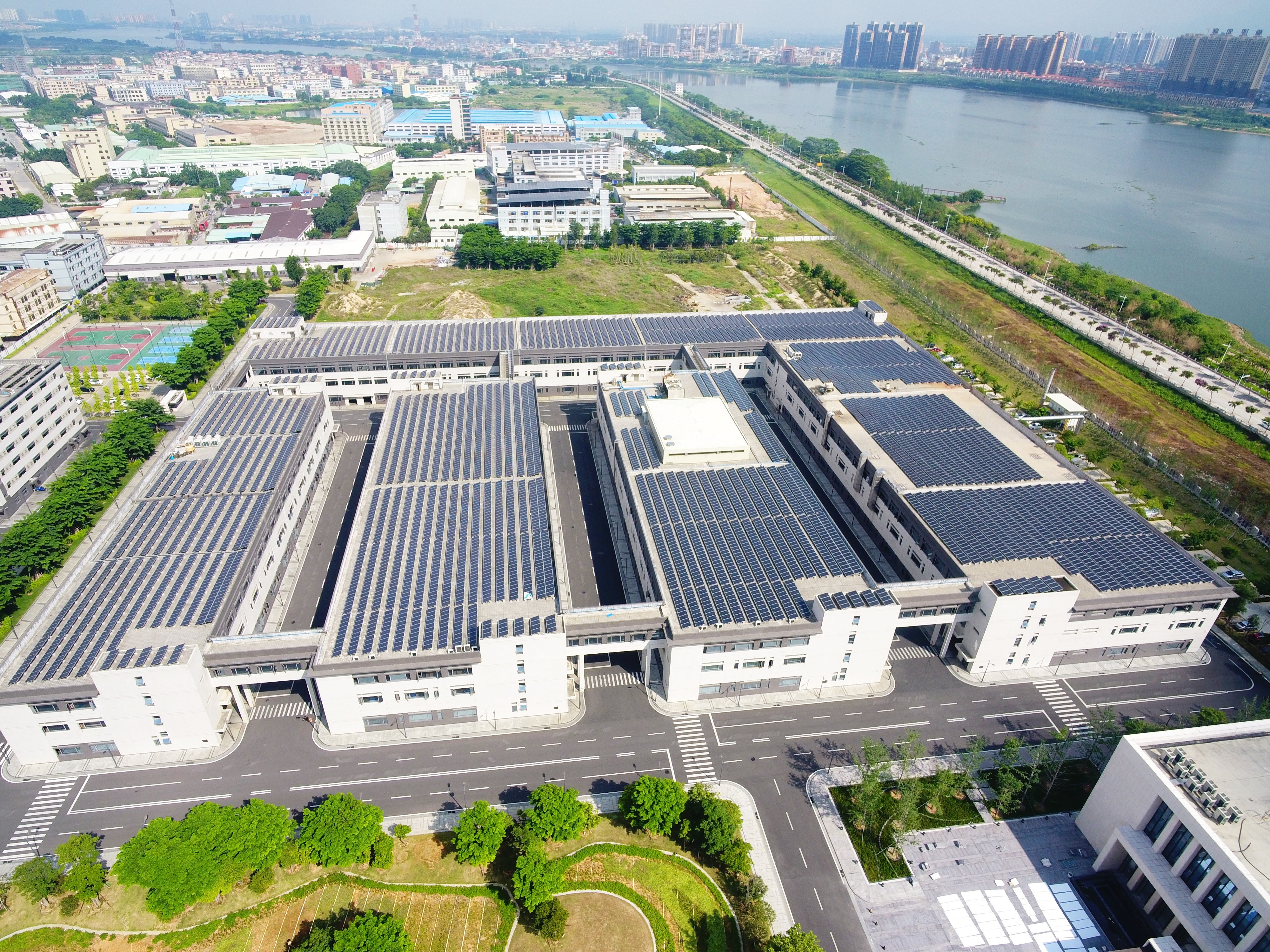
JINGLI CAN’s production illustrates the range. The company manufactures custom tin packaging and metal cans for food, tea and coffee, cosmetic, gift and pharmaceutical applications, with a 50-person R&D team, an annual output of 1,800,000,000 units, and a 17,500 m² plant in Vinh Phuc Province, Vietnam running at a daily capacity of 600,000 pieces. A regular stock of 30,000 tons of tinplate supports delivery stability, and the operation holds ISO9001, ISO14001, ISO22000, BRCGS, FSSC22000 and SEDEX 4P certification.
Where Custom Tin Manufacturing Fits in the Metal Packaging Landscape
IMARC Group names Ball Corporation, Crown Holdings, CPMC Holdings and Ardagh Group among the major global competitors in high-end metal packaging. Those groups operate at the scale of standard high-volume can formats. Brand owners sourcing decorated, protective tins in custom shapes are usually evaluating a different supplier set, where the relevant criteria are tooling capability, decoration quality, food-contact certification and stock policy rather than can-line throughput.
Judged on those criteria, JINGLI CAN’s position is documented rather than asserted: a 150,000 m² manufacturing footprint with 2,000 employees, around 70% of output exported to Europe, America and Asia, six management and food-safety certifications, and a tinplate stock policy sized to absorb demand peaks. That is the profile a buyer needs when the requirement is a protective tin in a custom format, produced repeatedly to the same specification.
FAQ
Is tinplated steel packaging food-safe, and which standards apply?
Yes, when the substrate and coating system are specified for food contact. In the EU, EN 10202:2022 specifies electrolytic tinplate requirements, including direct food contact. In the US, the FDA food-contact framework under 21 CFR expects certified materials such as tin-plated steel or aluminium, with food-safe lacquers such as epoxy resins used to prevent metal migration. Supplier certification supports the same case: JINGLI CAN holds ISO9001, ISO14001, ISO22000, BRCGS, FSSC22000 and SEDEX 4P.
Can one factory deliver both the protective barrier and the premium decoration?
Yes, because both come from the same production sequence. Tinplate is printed and lacquered before forming, so the decoration becomes part of the container and there is no label edge to lift. The barrier then depends on seam and closure quality. JINGLI CAN’s tooling shop and 50-person R&D team exist to align those variables during development rather than after sampling.
What drives the cost of a tin box compared with a carton or plastic pack?
Four drivers dominate: the steel substrate itself, tooling for the format, the internal and external coating system, and the number of decoration passes. Freight weight and volume also matter, because metal is denser than board. The offset is performance — a metal wall delivers light, moisture and mechanical protection at once, and tinplate recycling rates above 90% in some regions support end-of-life claims. Exact pricing is project-specific and depends on format, decoration and order quantity, so it should be quoted against a defined specification.
Can we validate a tin box before committing to mass production?
Yes — sampling is the stage where the material science is checked against the actual product. A typical validation covers closure feel and opening force, print registration against artwork, internal lacquer compatibility with the formula, and transit performance in the real outer carton. Buyers can request samples and a specification review from JINGLI CAN at sales11@jinglitinbox.com before tooling is approved.
What determines lead time on a custom tin box order?
Tooling for a new format is usually the longest single step, followed by decoration set-up and production scheduling. Steel availability is a separate factor: JINGLI CAN keeps a regular stock of 30,000 tons of tinplate and runs a 17,500 m² plant at a daily capacity of 600,000 pieces, which shortens the gap between approval and delivery for repeat formats. Certification documentation for regulated categories should be requested at the same time as the quotation.
Conclusion
Tinplated steel leads protective packaging because it answers several physical problems with one material choice. The science is not exotic: an opaque, impermeable, rigid wall that resists corrosion once coated, and that returns to a magnetic recycling stream at end of life. What separates a well-engineered tin from a mediocre one is discipline in the details — coating continuity, seam quality, lacquer matching, and a specification written before tooling rather than after.
For buyers at the decision stage, the practical rule is simple: define the degradation risks first, let the material answer the ones it can, and specify the rest explicitly — closure, lacquer, structure, decoration. A tin box is only as protective as the least-specified part of its design.
Next step: test the material against your product
JINGLI CAN manufactures custom tin packaging for food, tea and coffee, cosmetic, gift and pharmaceutical applications, with ISO9001, ISO14001, ISO22000, BRCGS, FSSC22000 and SEDEX 4P certification. Send your format, artwork and product details for a specification review and sample request.
Email: sales11@jinglitinbox.com · Tel/WhatsApp: +86 18819080997 · Website: www.tinbox.cn
Have Questions or Need More Details?
Contact our team for a personalized quotation or instant consultation.
Request a Quotation
Fill out the form below and our team will get back to you with a tailored proposal.
WhatsApp Direct Chat
Prefer to chat in real-time? Message us on WhatsApp for instant assistance & quick answers.
- Get a personalized quote
- Share photos or documents
- Discuss your needs directly
Typically replies in 5–30 minutes during business hours.