
Round Tin Box vs. Rectangular Tin Box: Choosing the Right Format for Shelf Impact
A round tin and a rectangular tin can carry the same product, the same print quality and the same certification, yet they behave very differently on a retail shelf and inside a shipping carton. The practical answer is this: choose round when the product is presented as a cylinder and the silhouette itself is part of the brand story, and choose rectangular when a flat front-facing panel, tighter carton cube, or long and flat contents matter more. The format is a structural decision, not an artwork decision, and it should be closed before print plates are made.
This guide is written for brand owners, importers and procurement teams working through the research stage, at the point where the format is still open. It compares the two geometries on the criteria that actually change retail performance and landed cost, explains where each format breaks down, and shows why a tin box factory that runs both formats shortens the path from brief to shelf.
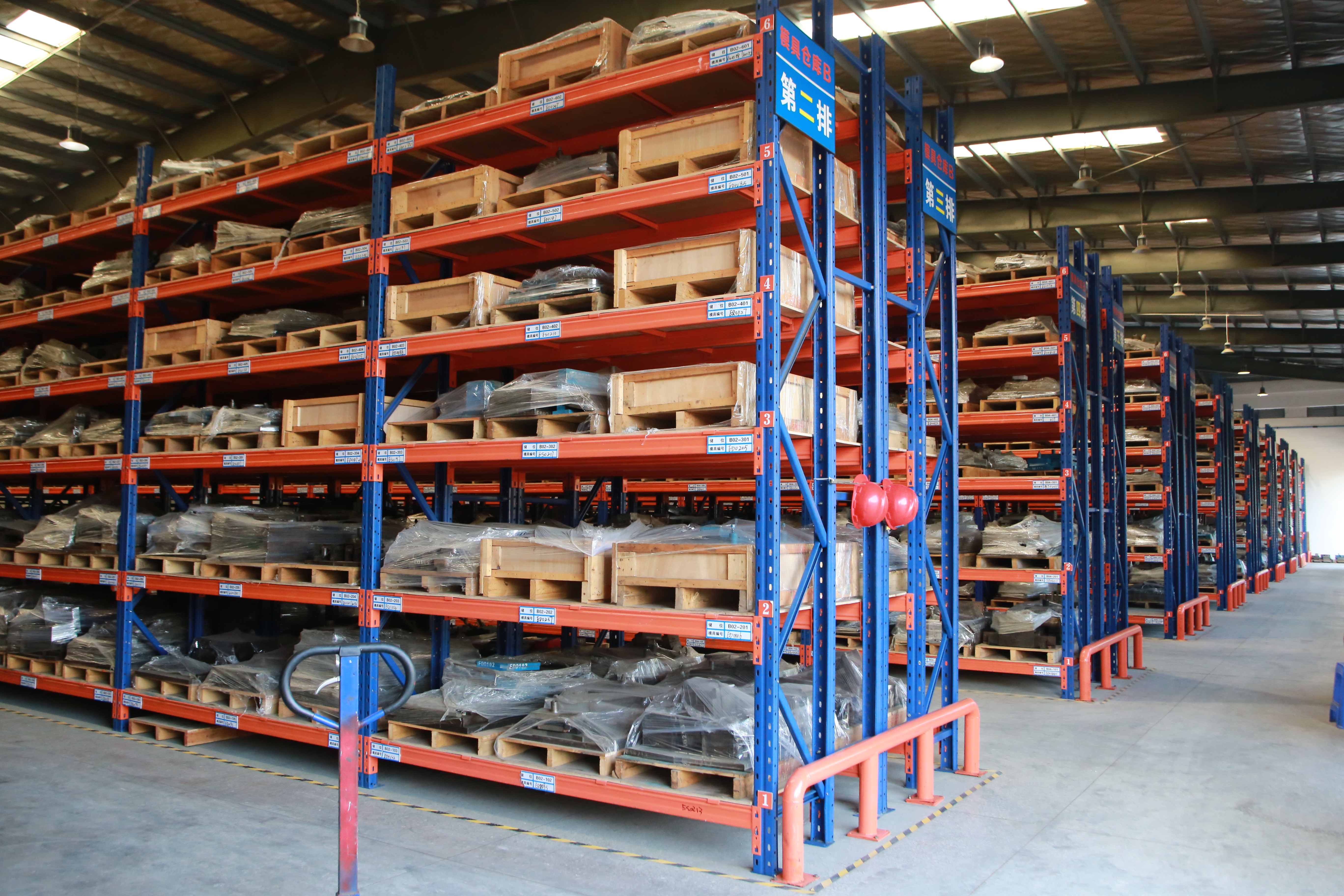
Separate tooling sets are required for round and rectangular geometries, so the format decision determines which tooling a tin box factory will run for your programme.
The Problem: Format Is Usually Decided by Habit, Then Corrected by Cost
In most packaging programmes the tin format is settled in the first meeting, before the structure, the artwork and the logistics model exist. Two habits dominate. The first is defaulting to round because round tooling is familiar and the shape reads as a conventional premium gift. The second is defaulting to rectangular because a flat panel looks like better branding on a mood board.
Both defaults are sometimes right and often expensive. A format chosen by habit tends to surface its costs later: artwork reflowed around a curved surface, a shipper redesigned because cylinders leave voids between units, corner deformation discovered only after the first pallet lands, or a tooling invoice that a standard round size would have avoided.
The narrower problem this article solves is how to choose between round and rectangular in a way that protects shelf impact without conceding logistics efficiency, and what to confirm with a tin box factory before committing to either.
Industry Background: A Growing Market With a Format Question Inside It
Metal packaging is not a niche category, and the format question sits inside a market that continues to expand. Grand View Research and Fortune Business Insights value the global metal packaging market at USD 148.13 billion in 2024, projected to reach USD 184.21 billion by 2030 at a CAGR of 3.7%. Fortune Business Insights attributes 57.36% of that market share to the food and beverage segment in 2024, which means most tin format decisions are ultimately food decisions.
Supply is concentrated. Grand View Research reports that Asia Pacific held a 35.63% revenue share of the metal packaging market in 2024, driven largely by China's manufacturing base for food and beverage tins. For buyers in Europe and America, that concentration is why supplier shortlists usually include Asian tin box factories alongside domestic converters.
The decorative and specialty tin sub-segment is smaller and growing faster than the headline figure suggests. Precedence Research projects tinplate packaging for cans and tins to grow from USD 1.73 billion in 2024 to USD 3.08 billion by 2034, a CAGR of 5.94%.
Material performance underpins the format discussion. EN 10202:2022 specifies electrolytic tinplate requirements for direct food contact in the EU, and the FDA requires food-grade tins to use certified materials with food-safe lacquers such as epoxy resins where needed to limit metal migration. Tinplate also reports recycling rates above 90% in some regions according to Fact.MR, which matters because format affects how much material a programme actually consumes: voids in a carton and reinforcement at corners are material decisions.

Dongguan City Jingli Can operates a 150,000 m² facility with annual capacity of 1,800,000,000 pieces, which allows both round and rectangular lines to run in parallel.
Definitions: What Counts as a Round Tin and a Rectangular Tin
Round tin box
A round tin box is a cylindrical container with a continuous body wall, a lid and usually a base, closed by a seamed or friction-fit closure with a rolled edge. Its defining structural property is rotational symmetry: there are no corners, and the wall carries load evenly around the circumference. Common constructions include slip lids, hinged lids and screw-thread closures.
Rectangular tin box
A rectangular tin box has four radiused corners plus flat top, base and side panels. The body seam typically runs at a corner or along a flat panel, and the flat lid carries most of the stacking load. The corner radius is not cosmetic — it controls how the tin forms, how it stacks and how it resists denting.
What both formats share
Both are made from tinplate, both accept direct printing or label wrapping, both can be supplied as standard sizes or fully custom, and both are subject to the same food-contact and material regulations. Dongguan City Jingli Can Co., Ltd., established in 1999, designs and manufactures tin packaging across food tins, tea and coffee tins, cosmetic tins, gift tins and pharmaceutical tins, so the round-versus-rectangular comparison is a within-portfolio question rather than a choice between suppliers.
The Core Trade-Off: Shelf Impact vs. Logistics Efficiency
Shelf impact is a geometry question, not a print quality question
A rectangular tin gives the brand one dominant flat surface that reads like a billboard at eye level. Long text lines, barcodes, regulatory copy and structured layouts sit comfortably on that plane, and the front panel can be designed as the primary communication surface without distortion. A round tin distributes the design around a curve, which produces a continuous wrap-around effect and stays readable from more viewing angles, but compresses horizontal artwork and distorts fine type as it turns away from the viewer. The trade-off is between a strong single facing and a design that works from every position on a shelf.
Logistics efficiency is a function of voids and corners
Cylinders cannot nest. Placed in a carton, round tins leave void space between adjacent units, and that void is paid for in carton volume, pallet cube and container utilisation. Rectangular tins nest against each other and fill a carton edge to edge, which generally produces a denser shipper and a higher units-per-pallet figure for the same footprint. Round formats recover part of that gap through slightly lower tooling complexity on standard diameters, which is why commodity round sizes remain common in high-volume food programmes.
Protection behaviour differs under load
A round body distributes impact and compressive load around its circumference, so there is no corner to deform. A rectangular tin concentrates stress at its corners; the radius, the gauge and any ribbing determine how much abuse it survives before the corner dents and the lid loses fit. In practice this means rectangular formats deserve more attention in transit testing, and round formats deserve more attention in carton design.
Decoration consequences
Direct printing and label wrapping both work on either geometry, but the layout logic does not transfer. Round designs must be built as a continuous band with a planned seam position. Rectangular designs are built panel by panel, with the lid often used as a second communication surface. Brands that switch formats late usually pay for a second artwork round, not just a tooling round.
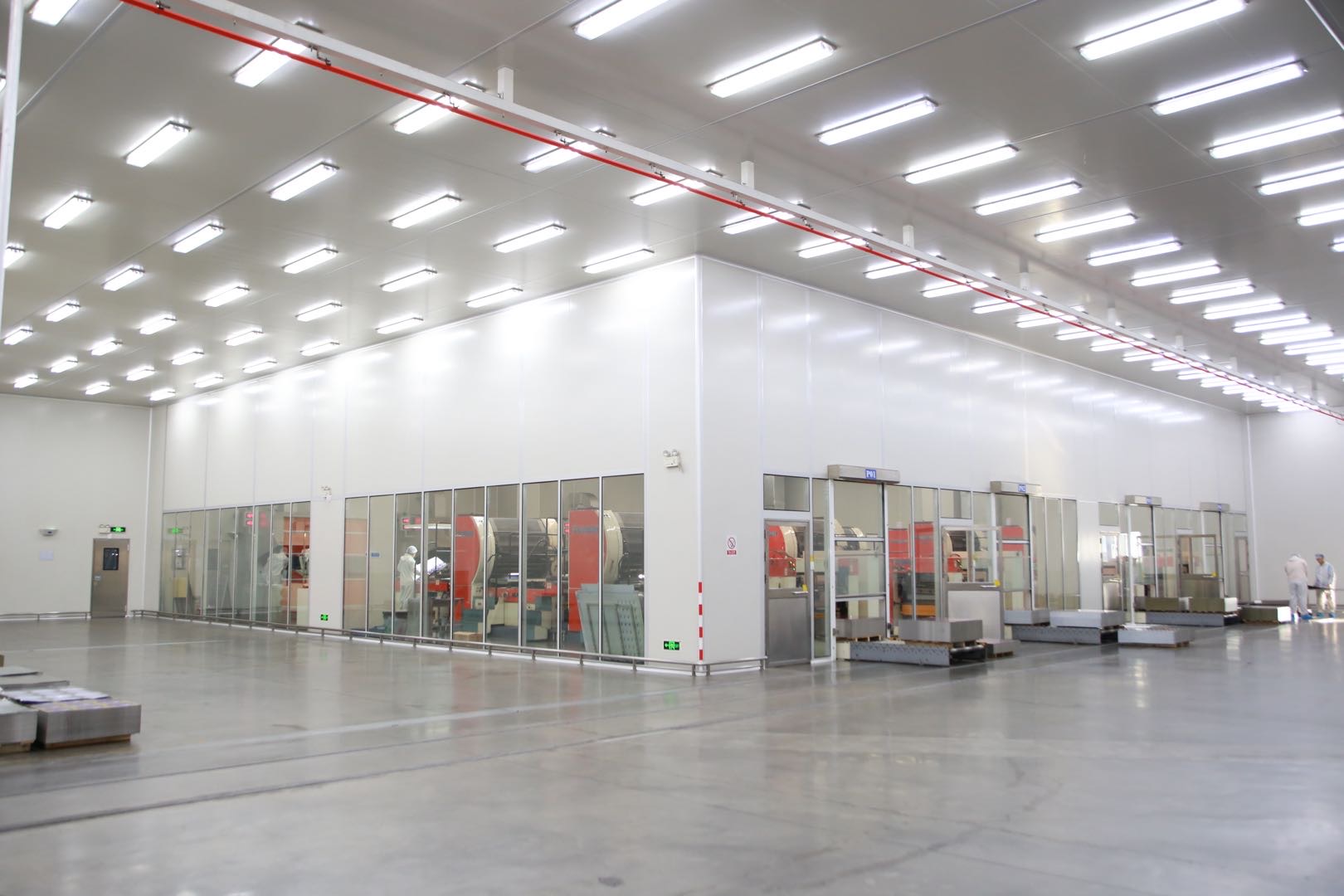
Decoration is applied before forming, so the artwork layout must match the format long before the first tin is assembled.
Step-by-Step: Choosing the Format Before Commissioning Tooling
- Fix the retail presentation first. Decide whether the tin sells on a physical shelf, in a gift context, or through e-commerce imagery. A front-facing flat panel wins on shelf; a cylindrical silhouette wins in gift sets and in photography where the shape signals category.
- Map product geometry and filling method. Bars, palettes, pencils, tools and long flat contents rarely sit well in a cylinder. Loose confectionery, tea, powder and jar-format cosmetics rarely sit well in a shallow rectangle.
- Size the mandatory copy. Count the regulatory text, barcode, ingredient block and language variants. If the copy block is dense, a flat panel saves rework; if the brand relies on a wrap-around graphic, round is the natural canvas.
- Model the shipper and the pallet. Calculate units per carton and cartons per pallet for both geometries before approving artwork. This is the step where round formats usually lose their cost advantage.
- Check tooling availability. Ask the tin box factory whether a standard tool exists in your target dimensions and whether custom tooling is required. Standard rounds are widely tooled; rectangular formats are more often dimension-specific.
- Confirm compliance for the chosen geometry. Material and lacquer specifications are format-independent, but seam and corner coverage are not. Ask how the lining specification is applied at the corners.
- Validate with physical samples. Fill, pack, stack and open both formats in the final material and lining before print plates are ordered.

Forming capacity determines how quickly a chosen geometry moves from sample approval to volume production.
Use Cases: Which Format Fits Which Product
The category usually decides the format before the designer does. The patterns below reflect typical retail practice rather than fixed rules.
- Chocolate and candy: round for loose pieces, dragées and caddies; rectangular for bars, pralines and multi-cavity assortments where an insert grid needs a flat base.
- Mooncake and festival gift sets: both formats are traditional; rectangular and square tins accommodate multi-cavity inserts and give the lid a larger canvas for festival artwork.
- Tea and coffee: round caddies remain the default because a cylindrical body suits a scoop and an airtight lid; rectangular tins suit sachets, bags and multi-pack gift sets.
- Chewing gum and pellets: slim rectangular formats favour pocketability and a front-facing brand block.
- Cosmetics and perfume: round for jar-format creams and cylindrical bottles; rectangular for palettes, brushes and elongated bottles.
- Soap, stationery, pencils, tools, glasses, watches and cigars: long or flat contents generally push the decision to rectangular; cigar tubos and small round components are the exception.
- Medicine and health care products: rectangular for blisters, sachets and multi-piece kits; small round tins for cylindrical bottle formats.
- Lunch boxes and tissue: rectangular geometries dominate because volume per footprint and stackability outweigh silhouette.
The point of listing categories is to show that both geometries are mainstream, not exceptional. Dongguan City Jingli Can manufactures custom tin packaging and metal cans across food tins, tea and coffee tins, cosmetic tins, gift tins and pharmaceutical tins, with export business accounting for 70% of total sales and major markets in Europe, America and Asia — a portfolio in which the round-versus-rectangular question appears in almost every project.
Comparison Table: Round vs. Rectangular Tin Box
| Decision criterion | Round tin box | Rectangular tin box |
|---|---|---|
| Shelf-facing geometry | Wrap-around surface, readable from multiple angles, no dominant front panel | One dominant flat front panel that behaves like a billboard at eye level |
| Artwork behaviour | Designed as a continuous band; long text lines and fine type distort around the curve | Designed panel by panel; dense copy, barcodes and regulatory text sit flat |
| Carton and pallet efficiency | Voids between adjacent units reduce units per carton and per pallet | Nests edge to edge and generally fills a carton footprint more densely |
| Load and impact behaviour | Load distributed around the circumference; no corners to dent | Load carried by flat panels; the corner radius is the main damage point |
| Product fit | Cylindrical goods, loose pieces, powders, jar-format products | Flat, long or multi-cavity contents such as bars, palettes, tools and kits |
| Tooling profile | Widely available in standard diameters, which can reduce tooling cost | More often dimension-specific, so dedicated tooling is common |
| Compliance basis | Tinplate and lacquer rules apply as for any food-contact tin | Same material rules; seam and corner coverage need separate confirmation |
| Best-fit categories | Tea and coffee caddies, confectionery, cosmetic jars, gift tins | Stationery, tools, glasses, soap, gift sets, pharmaceutical kits |
FAQ: Format Decisions Buyers Ask About
1. Do round and rectangular tin boxes follow the same compliance requirements?
Yes. The format does not change the material rules. In the EU, electrolytic tinplate for direct food contact is specified under EN 10202:2022, and in the US the FDA requires certified food-grade materials with food-safe lacquers such as epoxy resins where needed to limit metal migration. Dongguan City Jingli Can holds ISO9001, ISO14001, ISO22000, BRCGS, FSSC22000 and SEDEX 4P certifications. What does change with geometry is how the internal lining is applied at seams and corners, so the coating specification should be confirmed per format rather than copied across.
2. Can one tin box factory produce both round and rectangular formats?
A factory can produce both when it holds both tooling sets and the forming capacity to run them. Dongguan City Jingli Can Co., Ltd. was established in 1999, operates a 150,000 m² facility with approximately 2,000 employees and a 50-engineer R&D team, and reaches an annual production capacity of 1,800,000,000 pieces. Its documented product lines cover food tins, tea and coffee tins, cosmetic tins, gift tins and pharmaceutical tins, which means a single programme can combine a round hero SKU with rectangular line extensions without splitting the order across two suppliers.
3. Which format costs more?
There is no universal answer, and any supplier who gives one before seeing the brief is guessing. The cost of a tin box is driven by tooling amortisation, material utilisation, decoration coverage, packing density and order quantity. Rectangular formats more often require dedicated tooling per dimension, while standard round diameters may already exist as tooling, which can lower the tooling element. Against that, rectangular tins usually recover cost in carton and pallet density. The correct comparison is total cost at your order quantity, not unit price at the quotation stage.
4. How should we validate a format before mass production?
Request pre-production samples in both geometries using the final tinplate gauge, lining and decoration method. Fill and pack them with the real product, run a stack and drop test with your own shipper, and check how the artwork reads on a curved band versus a flat panel. Appearance and handling usually settle the decision faster than any spreadsheet. Sample requests can be sent to sales11@jinglitinbox.com with your target dimensions and print style.
5. Does the format affect production and delivery planning?
Yes. Round formats frequently draw on existing standard tooling, while rectangular formats usually require tooling to be built before sampling, which adds a step ahead of production. Capacity and material availability then determine how fast volume can follow: Jingli Can reaches an annual output of 1,800,000,000 pieces and maintains a regular stock of 30,000 tons of tinplate to support delivery stability, with 70% of sales exported to Europe, America and Asia. Buyers should confirm the tooling timeline separately from the production timeline when planning a launch.
Conclusion: Decide the Format, Then Design the Tin
Round and rectangular tins are not competing quality tiers. They are two structural answers to the same brief, and each one gives something up. Round buys a classic silhouette, even load distribution and a design that reads from any angle, and pays for it in carton voids. Rectangular buys a flat billboard panel, denser pallets and a natural fit for long or flat contents, and pays for it in corner protection and dimension-specific tooling.
The decision rule is straightforward: start from the product geometry and the retail presentation, then test the logistics model, then confirm tooling and compliance with the factory. Programmes that run both formats through one supplier — as Jingli Can does across food, tea and coffee, cosmetic, gift and pharmaceutical tins — keep the artwork logic, the compliance documentation and the delivery schedule under one roof instead of negotiating them twice.
Next Step: Compare Both Formats in Your Own Dimensions
Request a format comparison sample set — one round tin and one rectangular tin built to your target dimensions, gauge and print style — and evaluate shelf impact and carton fit with the real product in hand.
Email: sales11@jinglitinbox.com | Tel: +86 18819080997 | Website: www.tinbox.cn
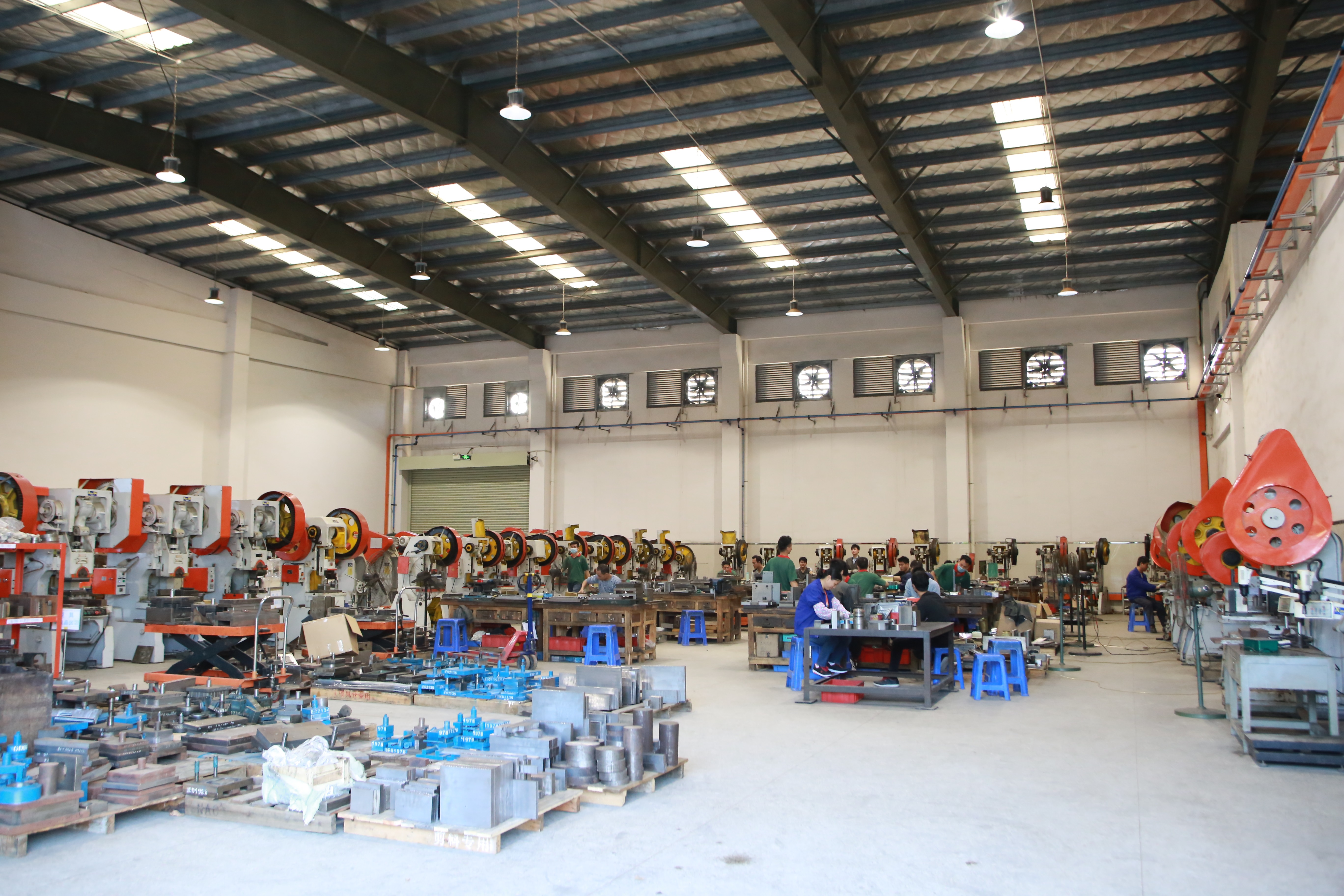
Tooling development is where the format decision becomes physical — and where a late change becomes expensive.
Have Questions or Need More Details?
Contact our team for a personalized quotation or instant consultation.
Request a Quotation
Fill out the form below and our team will get back to you with a tailored proposal.
WhatsApp Direct Chat
Prefer to chat in real-time? Message us on WhatsApp for instant assistance & quick answers.
- Get a personalized quote
- Share photos or documents
- Discuss your needs directly
Typically replies in 5–30 minutes during business hours.