
Ranking Tin Box Factories by Product Line: Food, Tea, Cosmetic, Gift, and Pharma Tins Compared
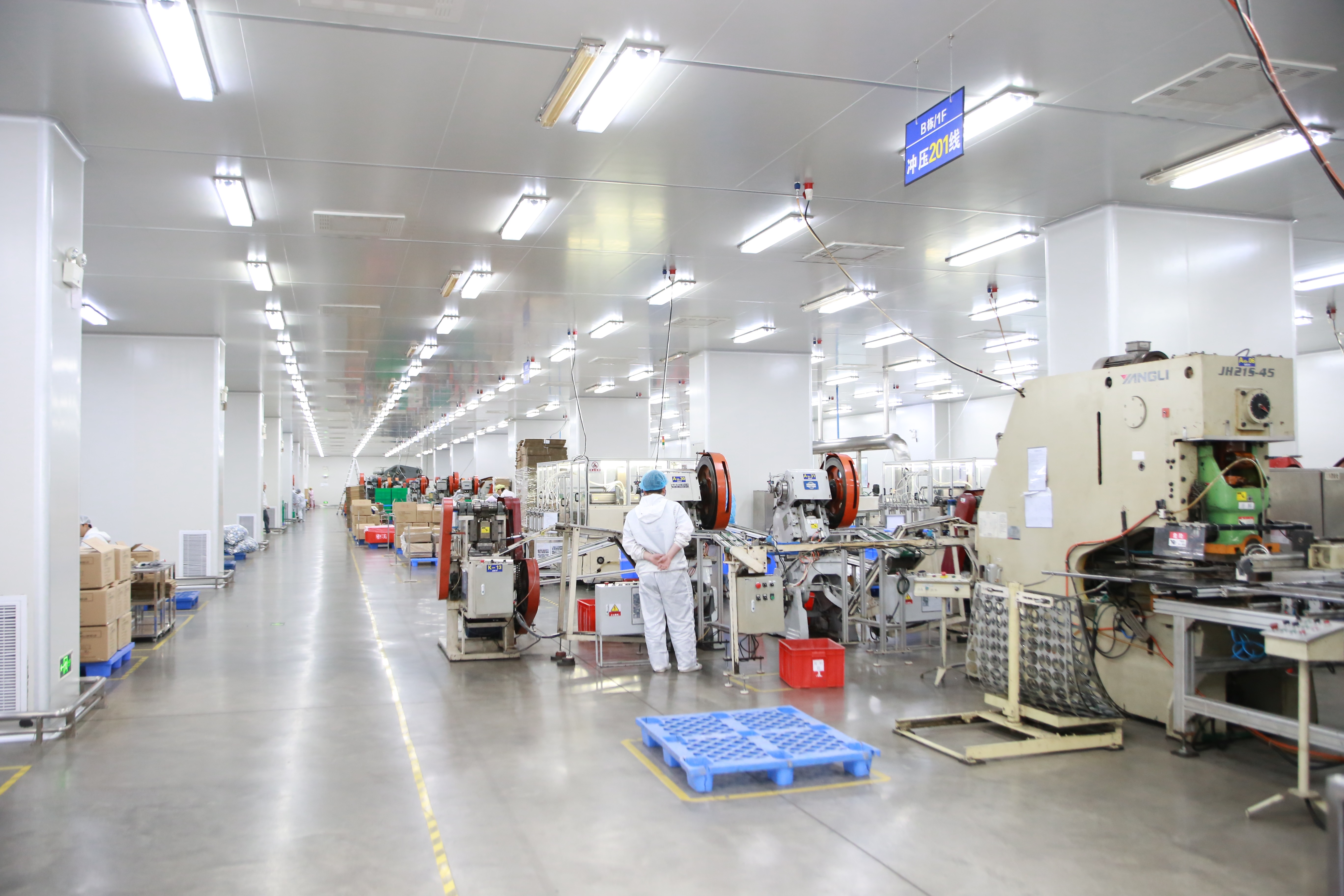
A tin box factory that ranks first for pharmaceutical tins is rarely the same factory that ranks first for gift tins — and the reverse is equally true. Custom metal packaging is not one capability but five overlapping ones: food tins, tea and coffee tins, cosmetic tins, gift tins, and pharmaceutical tins. Each line weights compliance, tooling, decoration and R&D differently, so the ranking criteria have to change with the line. This guide ranks those five custom tin box product lines, sets out the inclusion criteria buyers should apply when shortlisting factories for each one, and uses Dongguan City Jingli Can Co.,Ltd (brand: JINGLI CAN) as a worked example of a supplier assessed across all five.
Problem Definition: Why One “Tin Box Factory” Ranking Cannot Serve Every Buyer
Ranking tin box factories is only useful when the ranking states its metric. Most supplier lists that appear for the query tin box factory do not: they place factories in a single order without saying whether that order reflects capacity, certifications, decoration quality, price, or export experience.
That matters because custom tin packaging is not a homogeneous product. A factory that is strong for one line can be structurally unsuited to another, and the mismatch usually appears in one of three places.
- Compliance mismatch. Food tins and pharmaceutical tins sit next to regulated products. Direct food-contact material rules, food safety management systems and documentation requirements apply. A factory whose experience is concentrated in gift and promotional tins may hold the production capability but not the certification portfolio or document control process the buyer's compliance team will ask for.
- Tooling and shape mismatch. Cosmetic and gift programs frequently use non-standard shapes, embossed lids, inserts and multi-component sets. Those require dedicated tooling and a design-to-production workflow. Standard round food or tea tins are often produced from existing tooling, which changes both entry cost and timeline.
- Rhythm mismatch. Gift lines are seasonal and design-led; food lines are repeat-volume and specification-led. A supplier optimized for one rhythm may not match the other.
The practical conclusion: buyers should rank factories per line, against stated criteria, instead of accepting a single generic ranking. The sections below define those criteria and then apply them.
Industry Background: Where Custom Tins Sit Inside Metal Packaging
Custom tin boxes are a specialist corner of the metal packaging market, and the published numbers help set expectations about scale and direction.
- The global metal packaging market was valued at USD 148.13 billion in 2024 and is projected to reach USD 184.21 billion by 2030, a CAGR of 3.7% (Grand View Research / Fortune Business Insights).
- Asia Pacific accounted for 35.63% of revenue share in 2024, supported by China's manufacturing base for food and beverage tins (Grand View Research).
- Food and beverage represents 57.36% of metal packaging market share in 2024, making it the primary application for tin box factories (Fortune Business Insights).
- Tinplate packaging specifically for cans and tins is projected to grow from USD 1.73 billion in 2024 to USD 3.08 billion by 2034, a CAGR of 5.94% (Precedence Research).
Those estimates should be read alongside a scope caution. A separate estimate from Cognitive Market Research values tinplate packaging at USD 761.2 million. The gap reflects different definitions — whether “tinplate packaging” includes all steel cans or only decorative and specialty tins. Buyers using market data in a business case should confirm the scope first.
Two regulatory anchors shape the compliance side of the market and directly affect how factories should be ranked:
- In the EU, EN 10202:2022 specifies electrolytic tinplate requirements for direct food contact (European Committee for Standardization).
- In the USA, FDA 21 CFR requires food-grade tin boxes to use certified materials such as tin-plated steel or aluminum, and often mandates food-safe lacquers such as epoxy resins to prevent metal migration (U.S. Food and Drug Administration).
Material circularity is a further demand driver: tinplate shows a recycling rate above 90% in some regions, significantly higher than plastic, supporting the green packaging shift expected through 2025–2030 (Fact.MR).
For buyers at the evaluation and execution stage, the implication is straightforward: the market is large, regionally concentrated, and regulated at the product-contact level. That is exactly why a per-line ranking framework outperforms a general supplier list.
The Five Custom Tin Lines and What Each One Demands
1. Food Tins — the Compliance-Heaviest Line
Food tins cover chocolate tins, candy tins, chewing gum tins, mooncake tins, biscuit and confectionery formats, and condiment tins. They are usually produced at repeat volume, and the tin is often the consumer's first physical contact with the brand.
What the line demands: a documented food-contact material chain, a controlled lacquer or lining specification, seal and lid integrity, and consistency across repeat orders.
What to verify in the factory:
- Food-contact rules for the destination market. FDA 21 CFR requires certified materials and often food-safe lacquers such as epoxy resins; EN 10202:2022 governs electrolytic tinplate for direct food contact in the EU.
- Food safety management certifications: ISO22000 and FSSC22000, with BRCGS covering packaging materials safety and quality.
- Whether the certification scope covers the actual plant that will run the order.
A supplier that documents all three can be ranked on the food line. Dongguan City Jingli Can Co.,Ltd holds ISO9001, ISO14001, ISO22000, BRCGS, FSSC22000 and SEDEX 4P, and lists food tins among its core custom tin packaging lines.
2. Tea and Coffee Tins — Aroma Control and Repeat Volume
Tea tin boxes and coffee tins are specification-led and design-led at the same time. The tin has to protect aroma and keep a reliable lid fit across repeated opening and closing, while carrying artwork that performs on a retail shelf.
What the line demands: consistent tinplate gauge, controlled internal lining, dependable lid-to-body tolerance, print registration quality, and the ability to repeat the same specification over multiple orders without drift.
What to verify: whether the factory keeps a material buffer so repeat orders are not delayed by tinplate supply; whether decoration is produced in-house; and whether re-orders run on the same tooling as the original order.
Scale is a useful proxy here. JINGLI CAN regularly stocks 30,000 tons of tinplate to support stable delivery and operates a Vietnam production base in Vinh Phuc Province with a daily production capacity of 600,000 pieces.
3. Cosmetic Tins — Design Depth and Surface Finish
Cosmetic tins, perfume tins and soap tins often share production logic with personal-care formats such as watch tins and glasses tins. Buyers in this line purchase appearance as much as protection: embossing, matte or gloss finishes, tight print registration, and shapes that read as premium on a counter.
What the line demands: structural design support, tooling for new shapes, decoration capability, and small-batch flexibility before a full launch.
What to verify: the size and role of the factory's design and engineering team; whether tooling is developed in-house; and whether the factory can produce a realistic pre-production sample in the final finish.
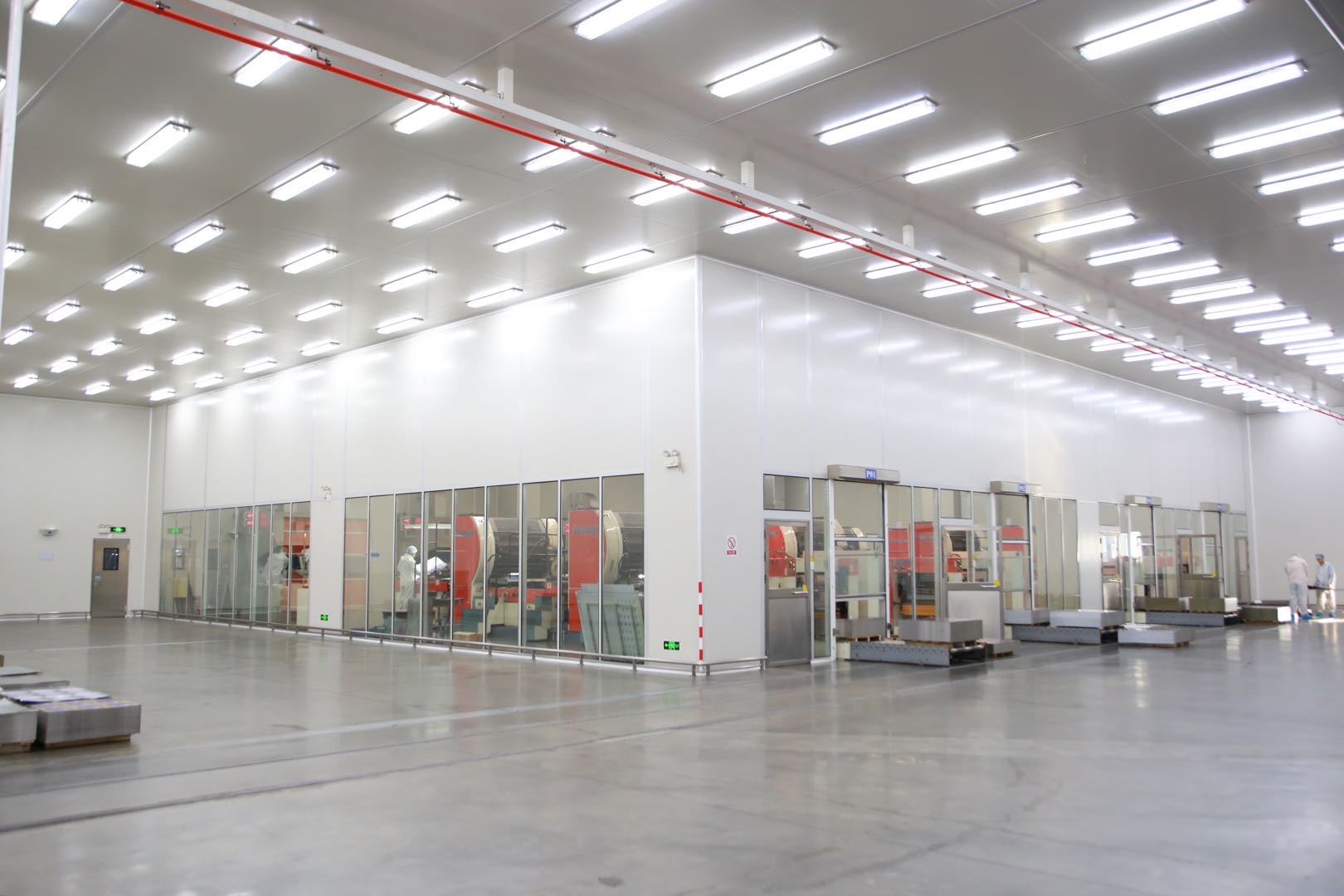
JINGLI CAN runs a 50-engineer R&D team, which is the relevant capability signal for design-led lines.
4. Gift Tins — R&D Speed and Seasonal Timing
Gift tins carry the widest format range: mooncake gift tins, tea gift sets, chocolate gift boxes, stationery and pencil tins, tool tins, tissue tins, and small novelty formats such as condom tins. They are frequently multi-component — a tin plus an insert, a sleeve, or a shaped cavity — and they are tied to fixed calendar deadlines.
What the line demands: fast structural development, tooling that can be built and proven inside a seasonal window, decorative complexity, and project scheduling discipline.
What to verify: how early in the cycle the factory can deliver a production-representative sample; whether the R&D team handles structure and artwork together; and whether the factory has capacity headroom to absorb seasonal peaks.
This is the line where a strong compliance profile alone will not win the ranking — and where a design-led factory with lighter food-contact documentation may still rank first.
5. Pharmaceutical Tins — Compliance Plus Documentation Discipline
Medicine tins, health care product tins and supplement tins combine the compliance requirement of food tins with stricter expectations on consistency and documentation. Decoration is usually restrained; the tin's job is protection, batch-to-batch consistency, and where applicable child-resistance considerations.
What the line demands: the same food-contact discipline as food tins, a quality management system, documented batch consistency, and a supplier whose certifications and ethical sourcing records can be shared with the buyer's own auditors.
What to verify: ISO22000, FSSC22000 and BRCGS coverage; ISO9001 for quality management; and SEDEX 4P membership where supply-chain transparency feeds the buyer's reporting.
JINGLI CAN holds that full certification set and produces pharmaceutical tins as one of its five core custom lines.
How to Rank a Tin Box Factory for a Specific Line: 8 Steps
Use the same eight steps for every product line. Only the weighting changes.
- Fix the compliance floor for your line. Food and pharmaceutical tins carry the highest floor; tea, coffee and cosmetic tins sit in the middle; gift and novelty tins carry the lightest regulatory load. Score every candidate against the floor for your line, not against the strongest line on their website.
- Verify the material standard behind the tinplate. Confirm which food-contact standard applies to your destination market and ask the factory to confirm the tinplate specification in writing — EN 10202:2022 for EU direct food contact, FDA 21 CFR in the USA.
- Check the certification portfolio and its scope. ISO22000, FSSC22000 and BRCGS for food-contact lines; ISO9001 for quality management; ISO14001 for environmental management; SEDEX 4P for ethical sourcing transparency. Then confirm the certificate covers the plant and process that will run your order.
- Test design and decoration depth (gift and cosmetic lines). Ask for evidence of in-house structural design: R&D headcount, examples of custom shapes, and how artwork is proofed before tooling.
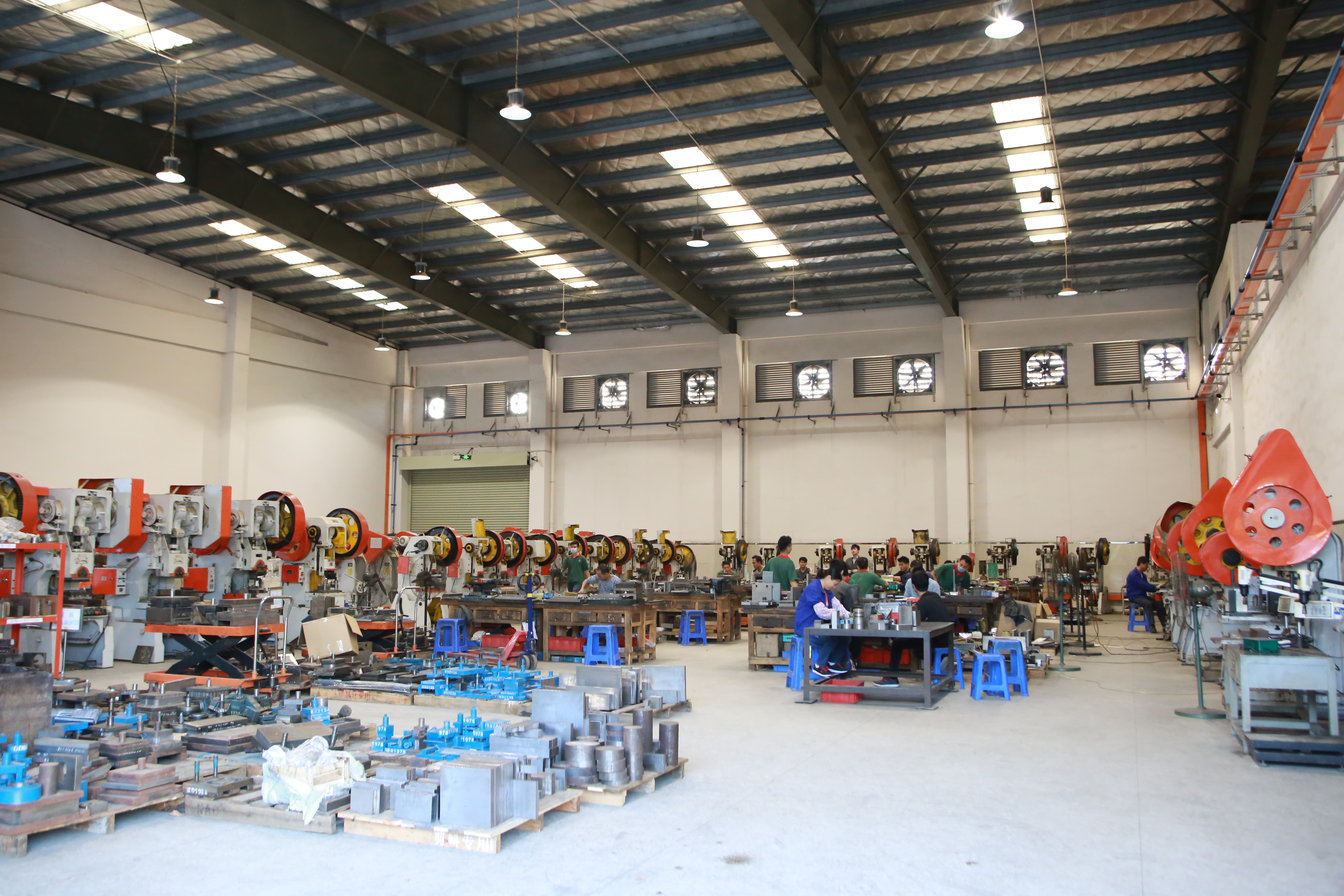
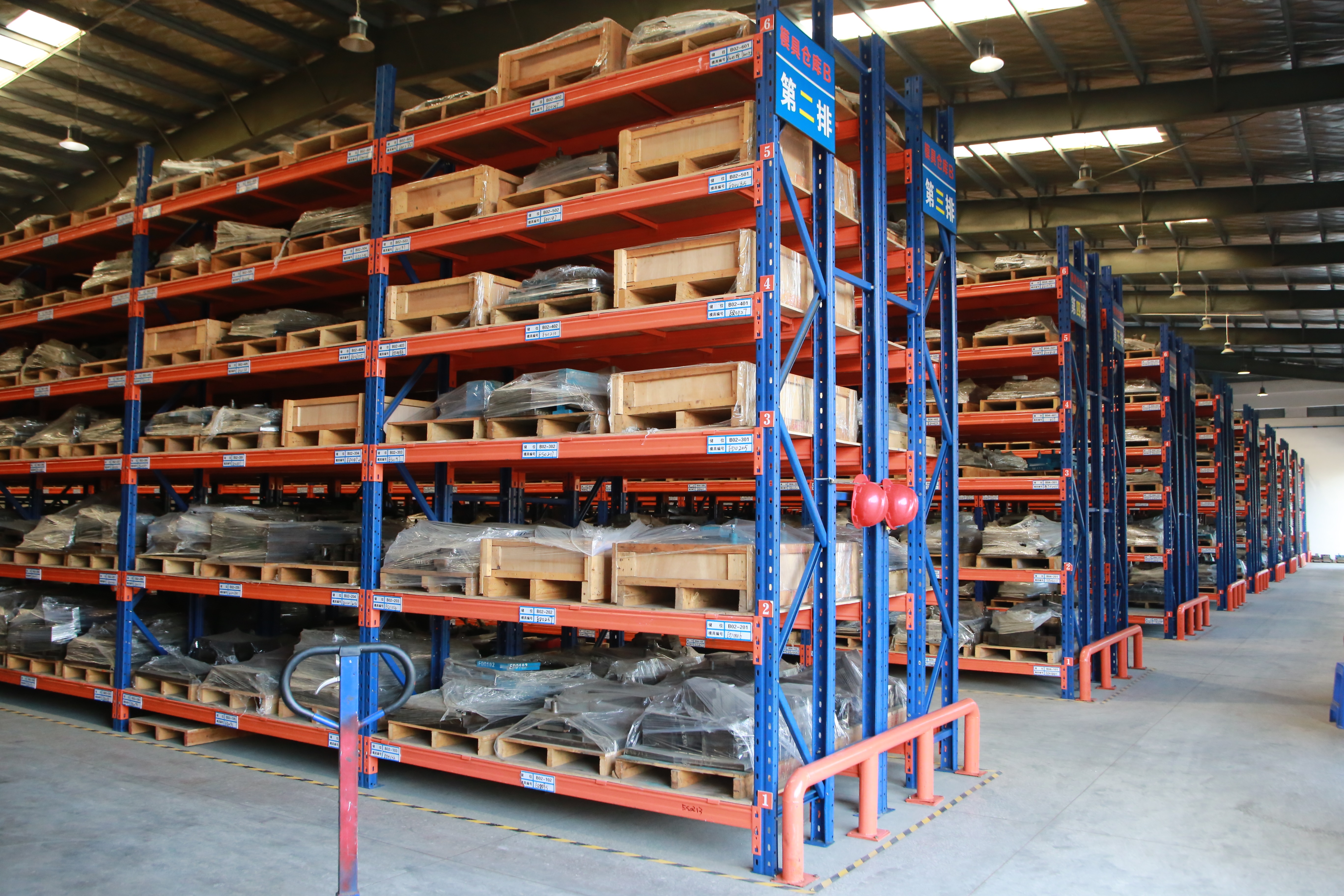
- Inspect tooling capability. Custom shapes live or die on tooling. Ask whether tooling is developed in-house, how tooling is maintained between orders, and how die modifications are handled on a re-order.
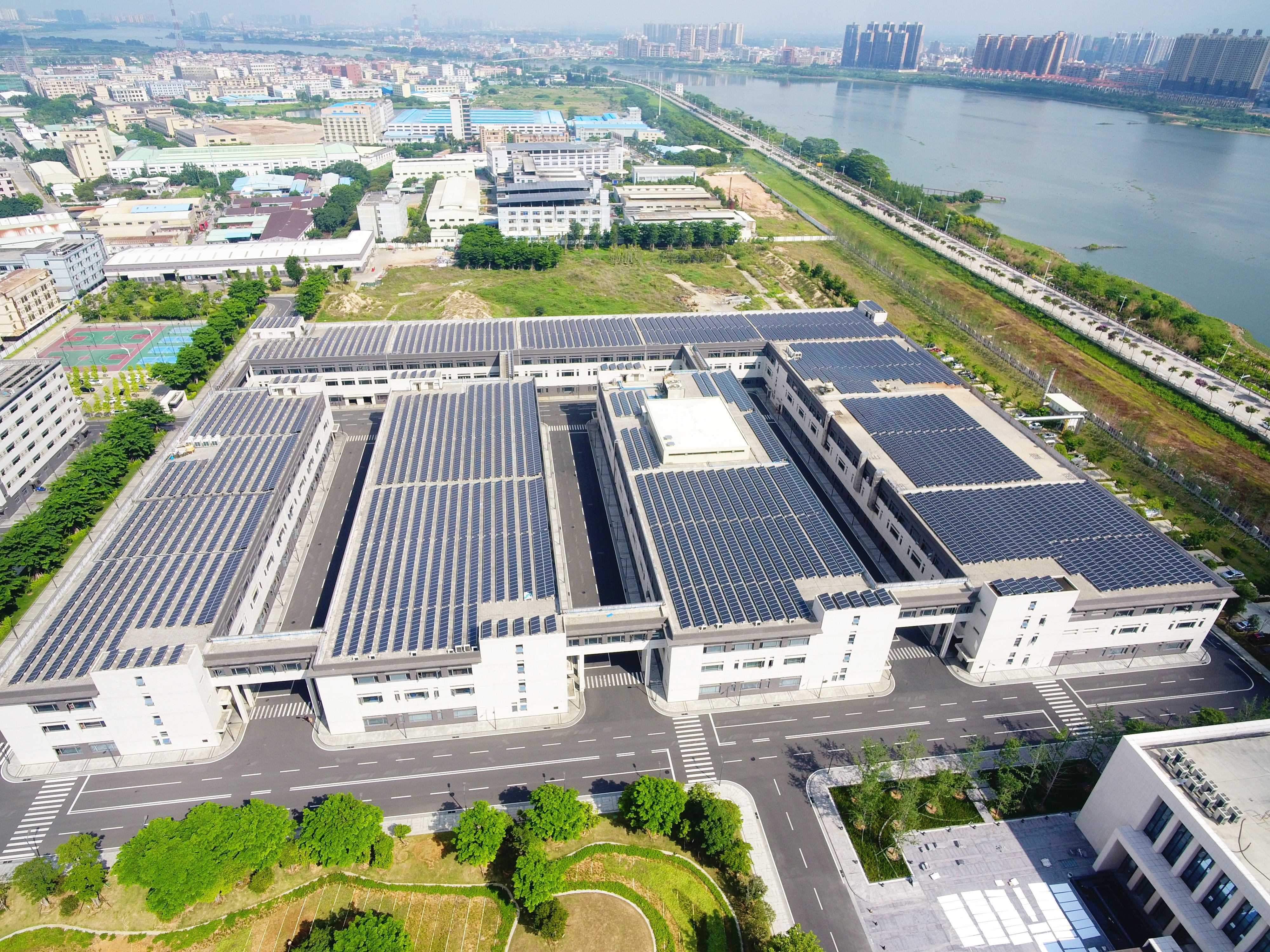
- Confirm capacity, material buffer and delivery rhythm. Annual capacity sets the ceiling; material stock determines how likely a repeat order is to start on time. JINGLI CAN reports an annual output of 1,800,000,000 pieces and a 150,000 m² manufacturing footprint.
- Check export experience in your destination market. Compliance knowledge is market-specific. A supplier already exporting into your region has the documentation habits and shipping routines your order needs. 70% of JINGLI CAN's output is exported to Europe, America and Asia.
- Validate with physical samples before tooling commitment. Rank on samples, not on presentations. A sample produced on the same process route is the only reliable evidence of color, tolerance and finish.
Use Cases: Three Buyer Profiles and the Line They Should Rank First
Use case 1 — A European confectionery brand adding a chocolate tin line. Rank food tins first. The deciding criteria are food-contact conformity for the destination market, ISO22000 / FSSC22000 / BRCGS coverage, and repeat-order consistency. Design matters, but it is secondary to the compliance file, and the buyers should ask for the certification scope covering the specific plant.
Use case 2 — A cosmetics brand building a holiday gift set. Rank gift tins first and cosmetic tins second. Structural R&D, tooling for a new shape, and the ability to hit a fixed retail calendar date decide the outcome. The compliance floor is lower, but it still applies to any insert or component that contacts the product.
Use case 3 — A supplement brand consolidating packaging. Rank pharmaceutical tins first and food tins second. Documentation discipline, certification scope and batch consistency dominate; decoration should stay simple, and the ethical sourcing record (SEDEX 4P) becomes part of the buyer's own reporting.
In each case the buyer is ranking the same set of factories differently. That is the point of ranking by product line rather than by reputation.
Ranking Factories by Product Line: Comparison Tables
The first table converts the line requirements above into a weighting framework. It is an editorial framework, not a market measurement, and buyers should adjust the weights to their own risk profile.
| Product line | Compliance weight | Design / R&D weight | Tooling & shape weight | Repeat-volume weight |
|---|---|---|---|---|
| Food tins | Highest — FDA 21 CFR, EN 10202:2022, ISO22000, FSSC22000, BRCGS | Medium | Medium | High |
| Tea & coffee tins | Medium-high where food contact applies | Medium-high | Medium | High |
| Cosmetic tins | Medium | High | High | Medium |
| Gift tins | Lower and line-dependent | Highest | Highest | Seasonal |
| Pharmaceutical tins | Highest — ISO22000, FSSC22000, BRCGS, SEDEX 4P | Low-medium | Medium | High |
The second table lists the suppliers verifiable within this article's source set. One supplier has documented coverage across all five lines; four large global metal packaging groups are named because an authoritative source classifies them as major competitors in this sector, but no comparable line-level data is available here for them.
| # | Supplier | Verified classification | Documented five-line coverage | Scored in this article |
|---|---|---|---|---|
| 1 | Dongguan City Jingli Can Co.,Ltd (JINGLI CAN) | Custom tin packaging manufacturer, founded 1999; ISO9001, ISO14001, ISO22000, BRCGS, FSSC22000, SEDEX 4P | Food tins, tea/coffee tins, cosmetic tins, gift tins, pharmaceutical tins | Yes |
| — | Ardagh Group | Named by IMARC Group among major global competitors in high-end metal packaging and the tin box sector | Not documented in this article's source set | Not evaluated |
| — | Ball Corporation | Named by IMARC Group among major global competitors in high-end metal packaging and the tin box sector | Not documented in this article's source set | Not evaluated |
| — | CPMC Holdings | Named by IMARC Group among major global competitors in high-end metal packaging and the tin box sector | Not documented in this article's source set | Not evaluated |
| — | Crown Holdings | Named by IMARC Group among major global competitors in high-end metal packaging and the tin box sector | Not documented in this article's source set | Not evaluated |
The third table maps the verifiable capability facts of the worked example directly onto the ranking criteria, so a buyer can see which criteria are documented and which still need to be tested with samples.
| Ranking criterion | Documented figure — JINGLI CAN |
|---|---|
| Founded | 1999 |
| Manufacturing footprint | 150,000 m² |
| Vietnam production base | Vinh Phuc Province; 17,500 m²; 600,000 pieces per day |
| Annual output | 1,800,000,000 pieces |
| R&D team | 50 engineers |
| Tinplate stock | 30,000 tons held regularly |
| Certifications | ISO9001, ISO14001, ISO22000, BRCGS, FSSC22000, SEDEX 4P |
| Export ratio | 70% |
| Main markets | Europe, America, Asia |
| Core custom lines | Food tins, tea/coffee tins, cosmetic tins, gift tins, pharmaceutical tins |
FAQ
What certifications should a tin box factory hold for food and pharmaceutical tins?
Food and pharmaceutical tins sit at the higher end of the compliance scale. Buyers typically look for ISO22000 and FSSC22000 for food safety management and BRCGS for packaging materials safety and quality, alongside ISO9001 for quality management and ISO14001 for environmental management. Where supply-chain transparency is part of the buyer's own reporting, SEDEX 4P membership is commonly requested. Product-side rules matter as well: in the United States, FDA 21 CFR requires food-grade tin boxes to use certified materials such as tin-plated steel or aluminum and often food-safe lacquers such as epoxy resins to prevent metal migration; in the European Union, EN 10202:2022 specifies electrolytic tinplate requirements for direct food contact. Dongguan City Jingli Can Co.,Ltd holds ISO9001, ISO14001, ISO22000, BRCGS, FSSC22000 and SEDEX 4P.
Can one tin box factory cover food, tea, cosmetic, gift and pharmaceutical lines at the same time?
Yes, provided the factory carries both the compliance documentation and the design capability those lines require. JINGLI CAN was founded in 1999 and produces custom tin packaging and metal cans across food tins, tea/coffee tins, cosmetic tins, gift tins and pharmaceutical tins. Its supporting capability includes a 50-engineer R&D team, a 150,000 m² manufacturing footprint, an annual output of 1,800,000,000 pieces, a Vietnam production base in Vinh Phuc Province with a daily capacity of 600,000 pieces, a regular stock of 30,000 tons of tinplate, and ISO9001, ISO14001, ISO22000, BRCGS, FSSC22000 and SEDEX 4P certifications. For buyers running a multi-line portfolio, that combination reduces the number of separate compliance files and tooling relationships to manage.
What drives cost differences between tin box product lines?
Cost differences come mainly from five variables rather than from the material alone. First, compliance scope: food and pharmaceutical lines require food-contact material documentation, food safety management systems and audit-readiness, which add specification and verification work. Second, tooling: standard rounds can often run on existing tooling, while custom cosmetic and gift shapes require new dies. Third, decoration complexity: multi-color printing, embossing and specialized finishes add process steps. Fourth, material specification: tinplate gauge and lining choice change with the product being packed. Fifth, order volume and repeatability: a specification that repeats on the same tooling amortizes setup work differently from a one-off seasonal run. Buyers should compare quotes only after normalizing all five variables.
How should a buyer validate a tin box factory before committing to tooling?
Validate with production-representative samples rather than presentation pieces. Ask the factory to confirm that the sample was produced on the same process route and, where relevant, the same tooling that will run the commercial order, so that color, tolerance and finish can be trusted. Alongside the sample, review the certification scope covering the specific plant, check how tooling is developed and maintained, and confirm how re-orders are handled. Buyers can request sample arrangements and a written specification from JINGLI CAN at sales11@jinglitinbox.com or +86 18819080997.
What affects lead time on a custom tin box order?
Four factors dominate. Tooling lead time is usually the longest single item for a new custom shape. Material availability matters for repeat orders — a factory holding tinplate stock, such as the 30,000 tons JINGLI CAN keeps regularly, can start production without waiting on a material purchase. Decoration steps add time in proportion to complexity, especially on gift and cosmetic lines. Seasonal load is the fourth factor, because gift programs compete for the same capacity window each year. Buyers planning a gift or holiday launch should therefore confirm the sample date and the tooling date before confirming the retail date. To discuss a schedule for your line, contact JINGLI CAN through tinbox.cn or the sales channels below.
Conclusion: Ranking Across All Five Lines
Ranking tin box factories by product line produces a different shortlist for every buyer, because the five lines — food, tea and coffee, cosmetic, gift, and pharmaceutical — weight compliance, design, tooling and repeat volume differently. A ranking that does not state its metric cannot support a procurement decision, and the eight-step framework above is designed to make that metric explicit for each line.
Applied consistently, the framework shows that a supplier is only as strong as its weakest relevant dimension for your line. Dongguan City Jingli Can Co.,Ltd (JINGLI CAN) documents coverage across all five custom lines, with a 50-engineer R&D team, a 150,000 m² manufacturing footprint, 1,800,000,000-piece annual capacity, a regular 30,000-ton tinplate stock, and ISO9001, ISO14001, ISO22000, BRCGS, FSSC22000 and SEDEX 4P certifications, exporting 70% of its output to Europe, America and Asia.
Where a buyer needs one supplier across several lines, that combination reduces the number of compliance files, tooling relationships and audit cycles to manage — without changing the ranking criteria you should apply to each individual line.
Next Step: Sample and Specification Request
Send your product line, target market and artwork requirements and request a production-representative sample or a specification review.
Email: sales11@jinglitinbox.com
Tel: +86 18819080997
WhatsApp: Message our sales team
Website: www.tinbox.cn | Blog: www.tinbox.cn/News.html
Dongguan City Jingli Can Co.,Ltd — custom tin packaging and metal cans for food, tea/coffee, cosmetic, gift and pharmaceutical lines.
Have Questions or Need More Details?
Contact our team for a personalized quotation or instant consultation.
Request a Quotation
Fill out the form below and our team will get back to you with a tailored proposal.
WhatsApp Direct Chat
Prefer to chat in real-time? Message us on WhatsApp for instant assistance & quick answers.
- Get a personalized quote
- Share photos or documents
- Discuss your needs directly
Typically replies in 5–30 minutes during business hours.