
What Is Tin Packaging? How a Tin Box Factory Creates Custom Food, Tea & Cosmetic Tins
What Is Tin Packaging? How a Tin Box Factory Creates Custom Food, Tea & Cosmetic Tins
Tin packaging is rigid metal packaging formed from tinplate — steel sheet coated with a thin layer of tin — and used to contain, protect, and present food, tea and coffee, confectionery, cosmetics, perfume, gifts, and pharmaceutical products. It is a mature category inside a global metal packaging market valued at USD 148.13 billion in 2024 and projected to reach USD 184.21 billion by 2030 at a CAGR of 3.7%, based on Grand View Research and Fortune Business Insights figures.
For a buyer new to metal containers, the useful question is not what tin packaging is, but what a tin box factory must control so a finished tin is safe, consistent, and repeatable at volume. This guide answers that: the material, the structural formats, the compliance constraints, the production steps, and the points where a first order usually goes wrong.
JINGLI CAN — the trading name of Dongguan City Jingli Can Co., Ltd — is used throughout as a concrete reference. It is a tin packaging manufacturer established in 1999 that produces custom food, tea and coffee, cosmetic, gift, and pharmaceutical tins and exports about 70% of its output to Europe, America, and Asia.
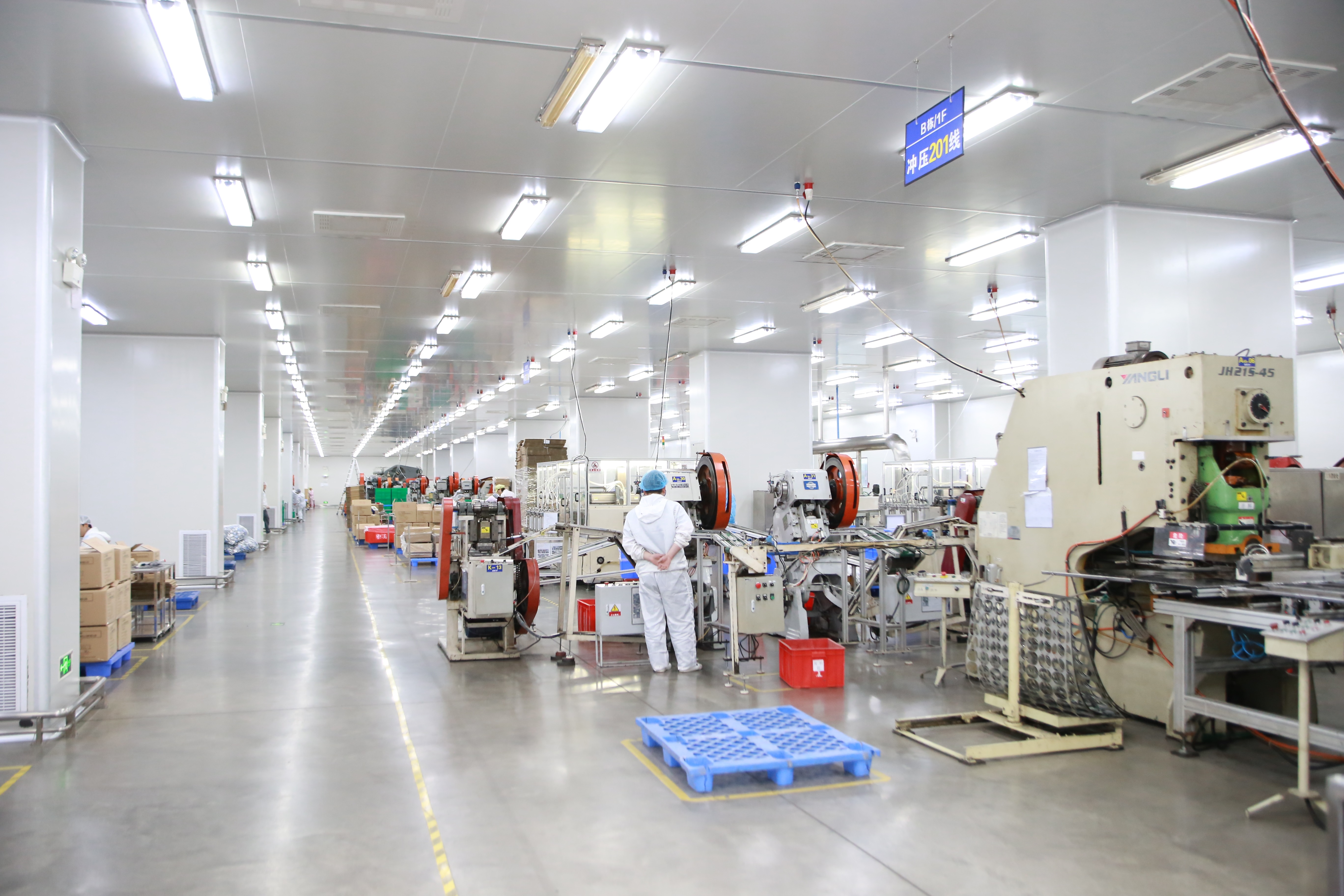
Punching workshop: tinplate bodies are cut and formed on press lines before assembly and decoration.
Why Most First-Time Tin Packaging Briefs Fail
Three misunderstandings account for most of the risk in a first custom tin project, and all three are specification problems rather than manufacturing problems.
Material confusion. Tin packaging is not solid tin. The substrate is steel coated with tin, which is why the material is called tinplate. The steel carries the mechanical load and gives the container its dent resistance; the tin layer protects the surface and provides the base for lacquering and printing. Neither property survives a coating that is specified for appearance rather than for the product it will contact.
Compliance confusion. A tin that looks clean and well finished is not evidence of food safety. The FDA requires food-grade tin boxes to use certified materials — tin-plated steel or aluminum — and often mandates food-safe lacquers such as epoxy resins to prevent metal migration. The European route is specified separately: EN 10202:2022 sets electrolytic tinplate requirements for direct food contact. A factory that cannot state which material and which internal coating it will use has not yet answered the compliance question.
Cost confusion. Two quotations for a nominally identical tin usually reflect different specifications, not different margins. Substrate grade, coating system, structural format, decoration, tooling, order quantity, and packing all move the unit cost. Comparing only the headline price per piece hides the variables that determine whether the tin survives transit and retail handling.
Decision rule. Evaluate a tin box factory on three things: documented material and coating compliance, structural engineering capability, and auditable management-system certifications. Format, print, and price follow from those three.
The Market and Manufacturing Base Behind Tin Packaging
Metal packaging is large, slow-growing, and geographically concentrated. Asia Pacific held a 35.63% revenue share of the metal packaging market in 2024, driven largely by China's manufacturing base for food and beverage tins, according to Grand View Research. Food and beverage accounts for 57.36% of the market, based on Fortune Business Insights data — which is why food-contact capability is the first filter for any tin box factory, not a secondary selling point.
The decorative and specialty tin segment is smaller but faster growing. Tinplate packaging specifically for cans and tins is projected to grow from USD 1.73 billion in 2024 to USD 3.08 billion by 2034, a CAGR of 5.94%, according to Precedence Research. Published estimates for this segment diverge depending on whether the definition includes all steel cans or only decorative and specialty tins, so market figures should always be read with their definitions attached.
Sustainability is a structural driver rather than a messaging theme. Tinplate shows a recycling rate above 90% in some regions, significantly higher than plastic, and that is one reason brands in food, cosmetics, and gifting continue to specify metal when other formats are available.
The competitive structure is layered. Large global metal packaging groups — Ball Corporation, Crown Holdings, CPMC Holdings, and Ardagh Group — dominate high-volume beverage and food can production. Custom decorative tins for branded food, tea, cosmetics, and gift sets are typically produced by dedicated tin box factories that keep tooling, metal decoration, and assembly under one roof.
How a Tin Box Factory Actually Builds a Custom Tin
Tinplate: the material and its constraints
Tinplate is low-carbon steel sheet rolled to a controlled thickness and electroplated with tin. Two consequences matter to buyers. First, gauge — the sheet thickness — is a structural decision rather than a cosmetic one: it governs dent resistance, stack strength, and how the closure seats. Second, the internal coating is a formulation decision that must match the fill. Acidic, fatty, or highly aromatic products place different demands on the lacquer than dry goods such as tea leaves or confectionery do.
Externally, the same substrate carries the brand: base coat, lithographic printing, and varnish. The decoration stage is where most schedule risk sits, because each additional colour adds press passes and each special finish adds a separate process step.
Formats: the structural vocabulary of tin packaging
Tin packaging is not one product. The format determines tooling cost, opening behaviour, and shelf presence.
- Round tins with slip lids or double-seam lids — the default for tea, coffee, powders, and loose confectionery.
- Rectangular and square tins with hinged lids — gift sets, mooncake, chocolate assortments, stationery, and tool kits.
- Oblong and flat tins — chewing gum, mints, cigars, and small accessories.
- Threaded or screw-cap tins — perfume, cosmetic creams, and products opened and closed repeatedly.
- Shaped and embossed tins — promotional and collector formats where the container is part of the product experience.
- Multi-cavity trays and inserts — gift and cosmetic sets shipping several items in one metal shell.
What JINGLI CAN brings to a custom tin program
JINGLI CAN manufactures custom tin packaging and metal cans across food tins, tea and coffee tins, cosmetic tins, gift tins, and pharmaceutical tins, and provides one-stop custom tin packaging for brands in food, cosmetics, gifts, and pharmaceuticals. The operating scale matters because it determines whether a program can be tooled, sampled, and repeated without changing suppliers mid-project.
JINGLI CAN at a glance
- Established in 1999, with 26 years of metal packaging experience.
- 150,000 m² manufacturing facility.
- Around 2,000 employees.
- 50 R&D engineers working on structure, tooling, and decoration.
- 1.8 billion pieces annual capacity.
- About 70% of output exported to Europe, America, and Asia.
- Certifications: ISO9001, ISO14001, ISO22000, BRCGS, FSSC22000, and SEDEX 4P.
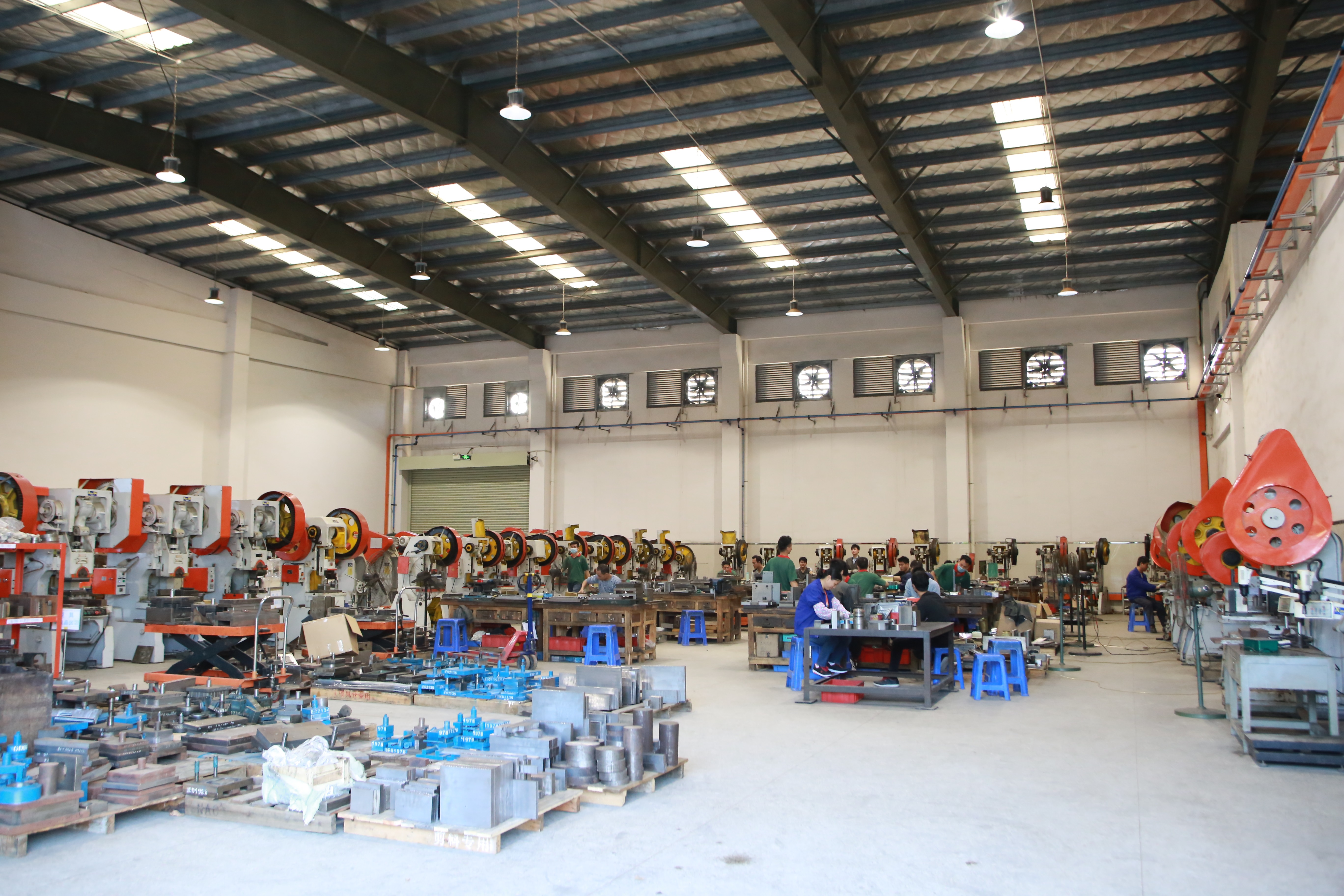
In-house tooling shop: moulds for custom tin formats are built and maintained on site rather than outsourced.
From Brief to Mass Production: Six Steps
The sequence below reflects how a custom tin program actually runs. Skipping a step does not remove the work; it moves the cost downstream, usually to the sampling or delivery stage.
Step 1 — Define the product and the regulatory route
Before format or artwork, establish what goes into the tin and where it will be sold. A food tin destined for the EU and a cosmetic tin destined for the US are different compliance projects. The product fill determines the internal coating; the destination market determines which material and migration requirements apply.
Step 2 — Choose the format before the artwork
Format drives the printable area, the dieline, and the tooling budget. Locking artwork onto an unconfirmed format is the most common cause of reprint cost. At this stage the buyer should confirm opening type, lid style, nesting or stacking behaviour, and whether an insert or tray is required.
Step 3 — Lock material, coating, and decoration specifications
This is the step that converts a concept into a repeatable product: substrate grade and thickness, internal lacquer suitable for the fill, external base coat, print colours, and any special finish. Each element should be written down, because it is also the basis on which the sample will be approved.
Step 4 — Build tooling and approve a production-matched sample
Custom formats require dedicated tooling. Approving a sample made from production tooling — not a hand-made or stock substitute — is what protects the buyer later. Dimensional tolerances, closure fit, print colour, and surface finish should all be checked against the written specification rather than judged by eye alone.
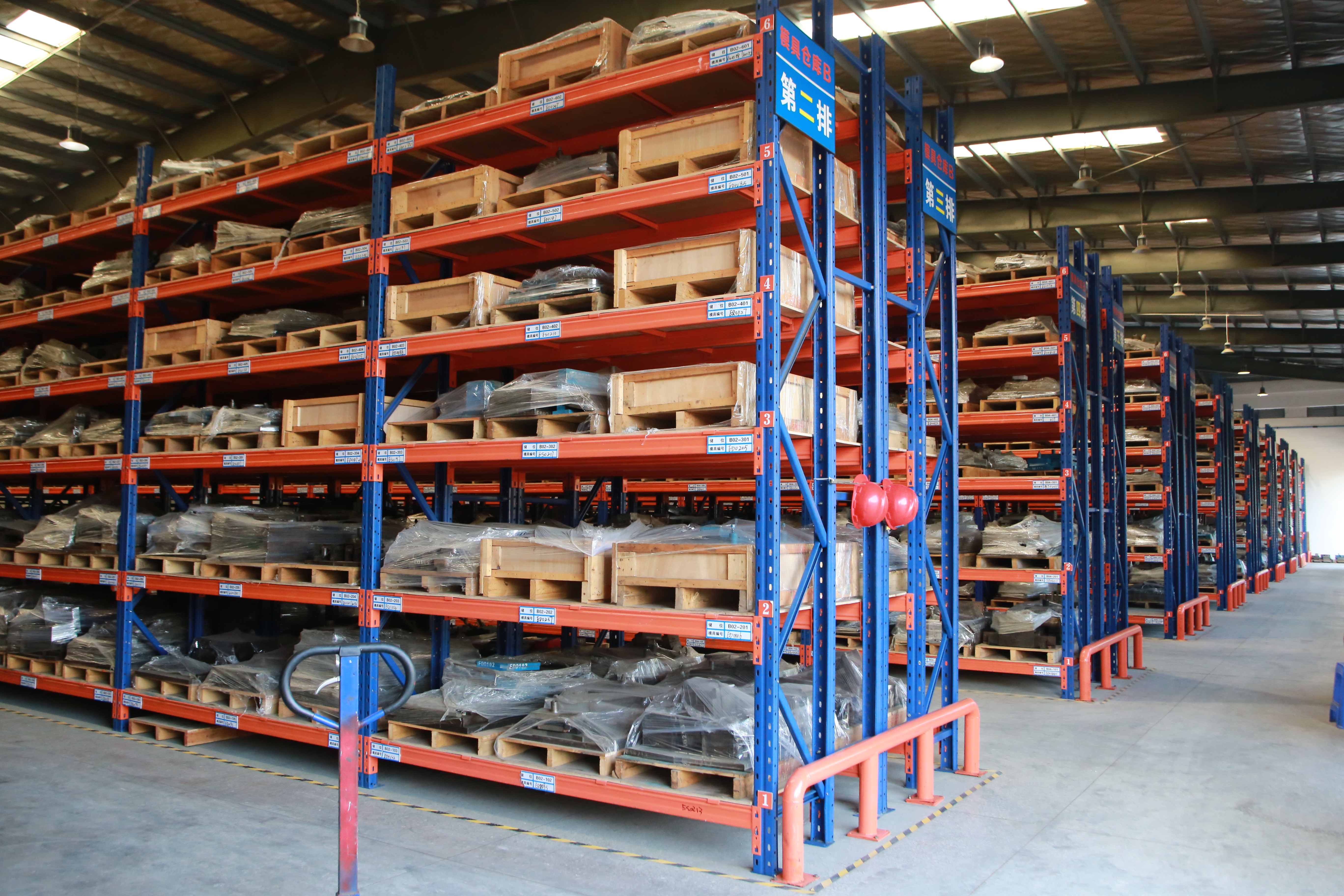
Tooling warehouse: retaining moulds makes repeat orders and specification changes faster to execute.
Step 5 — Run production with in-process checks
Production combines punching and forming, seaming or assembly, internal coating, and external decoration. In-process checks cover coating coverage, seam integrity, dimensional consistency, print registration, and appearance. For food-contact programs, the material and coating records from this stage are part of the evidence trail a buyer may need later.
Step 6 — Plan delivery and the repeat order
Packing specification matters as much as the tin itself: inner protection, carton strength, pallet pattern, and moisture protection for sea freight. Buyers running seasonal programs should also agree how tooling is stored, so the second order reproduces the first rather than restarting the process.
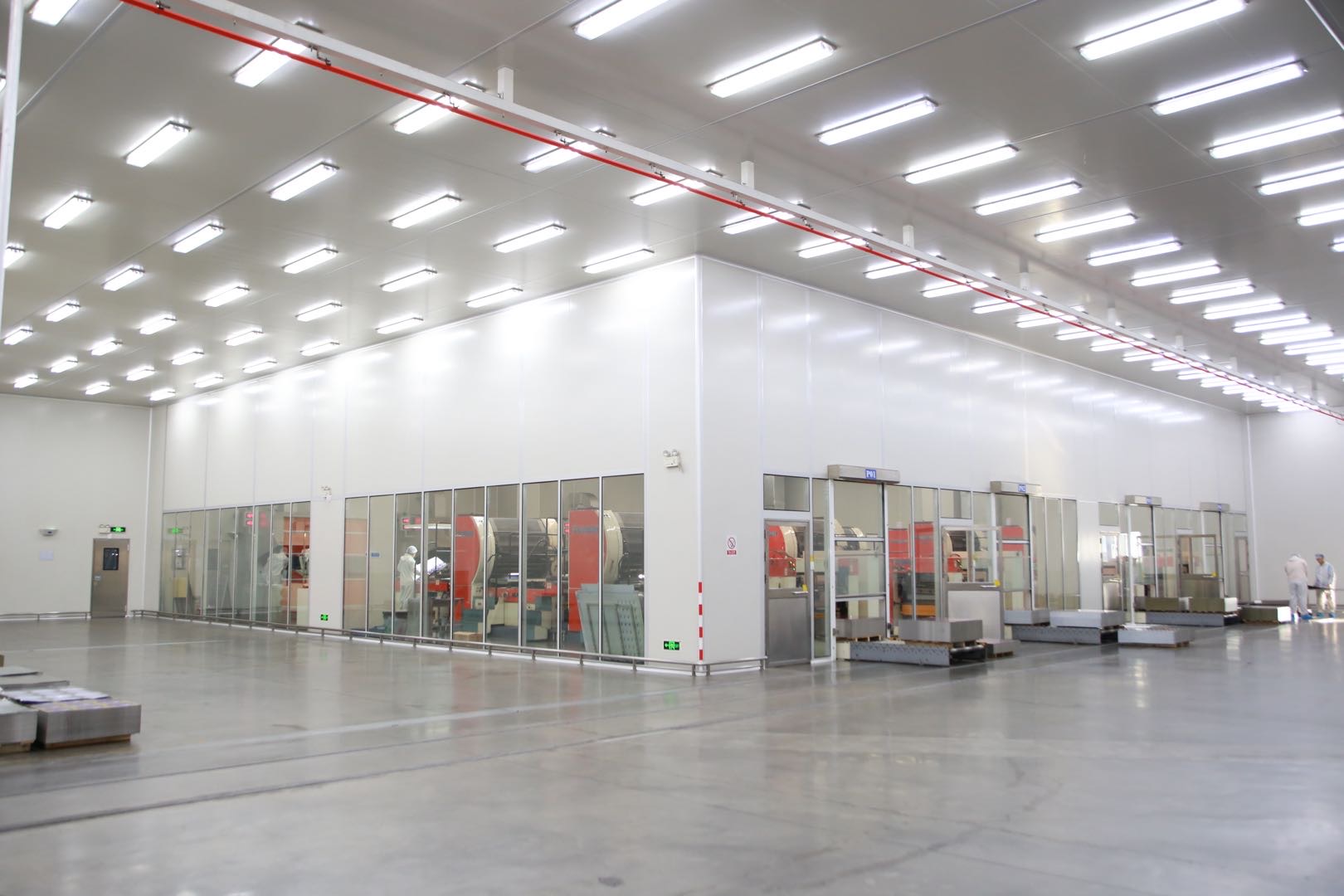
Metal decoration: base coat, lithographic printing, and varnish determine how the brand appears on the shelf.
Where Custom Tins Are Used — and What Each Category Demands
Tin packaging earns its place where protection, presentation, and reusability overlap. The requirements differ by category, and so does the specification a buyer should send to a tin box factory.
Confectionery and dry food. Chocolate, candy, chewing gum, biscuits, and mooncake drive a large share of custom tin demand. The packaging constraint is moisture and oxygen ingress, plus the internal coating, since dry goods still sit against the lacquer for months. Mooncake and gift assortments usually combine a decorative outer tin with an internal tray, so structural strength and print quality carry equal weight.
Tea and coffee. Aroma retention is the governing requirement. Double-lid and threaded closures are common because they can be reopened without deforming the rim, and the internal coating must not transfer odour to the leaf or the roast. Dent resistance matters here too, since these tins are handled repeatedly by consumers.
Cosmetics, perfume, and personal care. Small round tins, threaded tins, and shaped formats are standard for creams, balms, and solid perfume, while soap and bath products often use hinged or slip-lid tins. The constraint is compatibility between the coating and the formulation, alongside surface finish, because the container is displayed rather than stored.
Pharmaceutical and health care products. Medicine tins and health care product tins prioritise moisture protection, light blocking, and closure security. Documentation of material and coating specification is more important here than decorative complexity.
Gift, lifestyle, and household formats. The same manufacturing platform produces pencil tins and stationery tins, tool tins, watch tins, glasses tins, cigar tins, tissue tins, and lunch tins — including the classic tin lunch box. In these categories the tin often outlives the purchase, so hinge durability, edge finishing, and print wear resistance become the practical quality markers.
Certification Reference for Tin Box Buyers
Certifications are frequently listed in quotations without explanation. The table below sets out what each standard actually covers, so a buyer can judge which ones are relevant to a specific program.
| Certification | What it covers | Why buyers ask for it |
|---|---|---|
| ISO9001 | Quality management system | Consistency of process control across tooling, printing, and assembly |
| ISO14001 | Environmental management system | Handling of waste, solvents, and energy at factory level |
| ISO22000 | Food safety management system | Documented food-safety controls from material intake through packing |
| BRCGS | Global food safety standard used by retail supply chains | Supplier approval for own-brand and retail programs |
| FSSC22000 | Food safety system certification | Additional assurance for food-contact manufacturing |
| SEDEX 4P | Social and ethical audit covering labour, health and safety, environment, and business ethics | Ethical sourcing and factory audit requirements |
Material-level requirements sit alongside these system certifications. EN 10202:2022 governs electrolytic tinplate for direct food contact in the EU, and the FDA framework governs food contact substances in the US, including the use of food-safe lacquers to prevent metal migration. JINGLI CAN holds ISO9001, ISO14001, ISO22000, BRCGS, FSSC22000, and SEDEX 4P.
Frequently Asked Questions
Which certifications should a tin box factory hold before I place a food or cosmetic order?
For food-contact tins, the relevant set is a quality system plus a food safety system plus a social audit. ISO9001 covers quality management, ISO22000 and FSSC22000 cover food safety management, BRCGS is the food safety standard used by retail supply chains, and SEDEX 4P covers labour, health and safety, environment, and business ethics. ISO14001 covers environmental management. Material requirements sit separately: EN 10202:2022 for electrolytic tinplate in the EU and FDA food contact substance rules in the US. Ask for the certificate scope, not just the logo.
Can one tin box factory handle food tins, tea tins, and cosmetic tins in the same program?
Usually yes, because the core processes are shared: tooling, punching and forming, internal coating, metal decoration, and assembly. What changes is the specification — the internal lacquer for a coffee tin differs from the one used for a cosmetic balm, and the inspection criteria differ too. JINGLI CAN produces food tins, tea and coffee tins, cosmetic tins, gift tins, and pharmaceutical tins from the same platform, with 50 R&D engineers supporting structure and tooling work and 1.8 billion pieces of annual capacity available across the range.
What drives the unit cost of a custom tin box?
Six variables dominate: the footprint and developed area of the tin, the structural complexity of the format, the grade and thickness of the tinplate, the number of print colours and any special finishes, the tooling required, and the order quantity. Packing and freight add the rest. Cost reduction usually comes from simplifying the format or consolidating colour count rather than from changing supplier, because the specification is what sets the floor.
How should I validate a sample before committing to mass production?
Approve a sample produced from the production tooling and check it against a written specification: dimensions and tolerances, closure fit and reopening behaviour, internal coating coverage, print colour against the approved reference, and surface finish. For gift and cosmetic formats, also confirm how the tin looks when stacked and how the print resists handling. A sample that cannot be traced back to the production tool does not de-risk the order.
What affects lead time, and how do I keep a repeat order on schedule?
Lead time is driven by tooling for new formats, decoration complexity, order quantity, material availability, and shipping schedule. Repeat orders move faster when the tooling and the approved specification are retained, and when the factory holds tinplate stock rather than buying to order — JINGLI CAN maintains a regular stock of 30,000 tons of tinplate to support stable delivery. For seasonal programs, book capacity before the artwork is finalised.

Manufacturing footprint: tooling, decoration, and assembly held under one roof shortens the path from sample to shipment.
What to Do Next
Tin packaging rewards buyers who specify early. The material and coating decision determines food-contact compliance; the format decision determines tooling cost and shelf behaviour; the certification set determines whether a retail or own-brand program can be approved at all. Get those three right and the rest of the project — print, packing, delivery — becomes routine.
The practical starting point is a written specification and a production-matched sample, tested before tooling is committed. JINGLI CAN has supported custom tin programs since 1999 across food, tea and coffee, cosmetics, gifts, and pharmaceuticals, and exports about 70% of its output to Europe, America, and Asia.
Request a Sample or a Quotation
Send the format, dimensions, fill type, target market, and estimated quantity, and the team will confirm the material and coating route before quoting.
Email: sales11@jinglitinbox.com | Tel: +86 18819080997 | Website: www.tinbox.cn
Have Questions or Need More Details?
Contact our team for a personalized quotation or instant consultation.
Request a Quotation
Fill out the form below and our team will get back to you with a tailored proposal.
WhatsApp Direct Chat
Prefer to chat in real-time? Message us on WhatsApp for instant assistance & quick answers.
- Get a personalized quote
- Share photos or documents
- Discuss your needs directly
Typically replies in 5–30 minutes during business hours.