
What Is a Tin Box Factory? A Problem-Solution Guide to Solving Custom Packaging Challenges
A tin box factory is a manufacturing business that converts tinplate and related metal sheet into custom rigid containers, usually called tin boxes, tin cans or metal tins, for food, tea, confectionery, cosmetics, gifts, pharmaceuticals and other packaged products. For buyers, the practical definition matters less than the problem it solves: how to move a fragile or premium product to market in packaging that protects it, carries the brand, satisfies compliance checks and arrives on schedule. JINGLI CAN (Dongguan City Jingli Can Co., Ltd.) is a tin packaging manufacturer established in 1999, with 26 years of experience, a 150,000 m² facility, 2,000 staff, 50 R&D engineers and 1.8 billion annual capacity. This guide explains the factory’s role through the packaging problems buyers actually face.
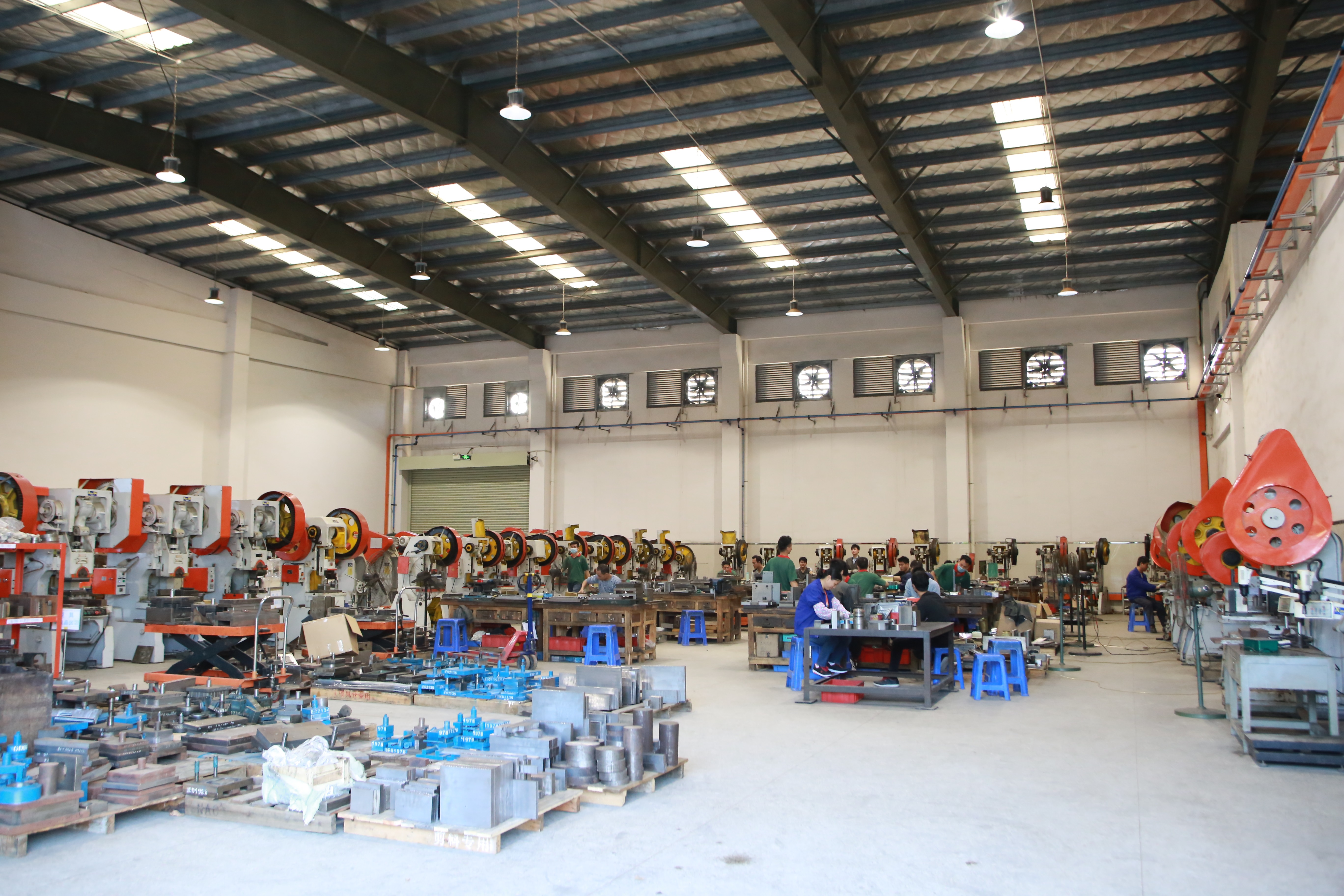
What Is a Tin Box Factory?
A tin box factory is not simply a printer or a trading desk. It combines structural design, tooling, metal forming, decoration, assembly and quality control around a specific container format. The factory’s output is a specified pack: shape, dimensions, closure, decoration, material and packing configuration. That is why a factory conversation should start with the product to be protected and the conditions it must survive, not with a catalogue photo.
In the broader packaging supply chain, a tin box factory sits between tinplate supply, printing and forming equipment, and the brand owner’s packaging, procurement and compliance teams. A factory may support stock formats, custom formats or both. The useful distinction for a buyer is whether the supplier can connect design intent to tooling, production and documented quality checks without handing those steps to unrelated parties.
The Buyer Problem: Custom Packaging Failures Rarely Start on the Production Line
Most custom packaging problems begin before the purchase order. A product may be fragile in transit, visually weak on shelf, hard to differentiate from competitors, or tied to compliance documentation that the supplier cannot provide. A buyer may also be dealing with a supplier that quotes quickly but cannot confirm capacity, sample timing, certificate scope or the packing data required by retail channels.
These problems are connected. A dented tin may point to an unsuitable material gauge, a loose closure, insufficient internal protection or handling assumptions that were never tested. A premium printed tin that looks correct in a digital mock-up may fail at the proofing stage because the artwork does not match the forming method. A food-contact project may stall because the factory can make the shape but cannot support the documentation the buyer’s market requires. Treating these as separate purchasing tasks usually creates rework; treating them as one specification problem gives the factory a clearer brief.
Industry Background: Why Tin Box Factories Still Matter in Modern Packaging
Metal packaging remains a mature and practical category because metal provides rigidity, printability and a perceived quality that flexible packaging does not always match. Grand View Research reported that steel-based metal packaging accounted for 58.1% of material revenue in 2024. In everyday sourcing terms, steel-based tinplate remains a common substrate for decorative and protective tins, while format and decoration choices determine whether the pack is suitable for a particular product.
Tin box factories serve two different buyer needs. One is protective packaging for products that need a rigid container, controlled closure and a defined presentation. The other is brand packaging for products that compete on shelf, in gift sets or in subscription boxes. A factory that understands both needs can translate a marketing idea into a metal pack that can be tooled, printed, assembled and packed consistently. A factory that understands only one side may produce a beautiful sample that is difficult to manufacture at scale, or a technically sound tin that does not support the brand’s shelf position.
Common Packaging Pain Points and How a Professional Tin Box Factory Solves Them
1. Product damage and inadequate protection
Fragile or premium products need more than a rigid outer shell. The tin box must fit the product, control movement, protect edges and match the closure to the way the pack will be handled. A professional factory reviews the product dimensions, weight distribution and packing method before recommending a format. The buyer should verify the proposed material, closure and internal fit with a physical sample rather than relying on a drawing alone.
2. Weak shelf appeal and poor brand differentiation
A tin box can carry shape, colour, embossing, metallic effects and detailed artwork, but the decoration must work with the forming process. A factory with in-house design and tooling review can identify where artwork tolerances, seam positions or curved surfaces will affect the printed result. The buyer’s check is not only whether the sample looks attractive, but whether the approved sample can be repeated in mass production and packed without scuffing or deformation.
3. Compliance and documentation gaps
Compliance is a qualification issue, not a slogan. JINGLI CAN reports ISO 9001, ISO 14001, ISO 22000, BRCGS, FSSC 22000 and SEDEX 4P certifications. Those claims are useful as a starting point for supplier screening, but a serious buyer should request certificate numbers, issuing bodies, validity dates and the sites or product scopes covered. For food-contact, pharmaceutical or retail-channel projects, the factory should also be able to discuss the documentation and packing data required for the target market. A certificate claim without scope information is not enough for a regulated or high-risk product.
4. Unreliable suppliers and delivery uncertainty
Custom tin boxes are not generic commodities once a new shape, print or closure is involved. Tooling, sample approval and production scheduling create dependencies. A factory with established scale can reduce some risks, but scale must be matched to the specific order. JINGLI CAN reports a 150,000 m² facility, 2,000 staff and 1.8 billion annual capacity. For a buyer, those facts support an initial capacity conversation, not a delivery guarantee. The next questions should cover the production slot for the specific format, tooling lead time, sample approval steps and the packing configuration.
Inside the Factory: What a Professional Tin Box Manufacturing Capability Set Includes
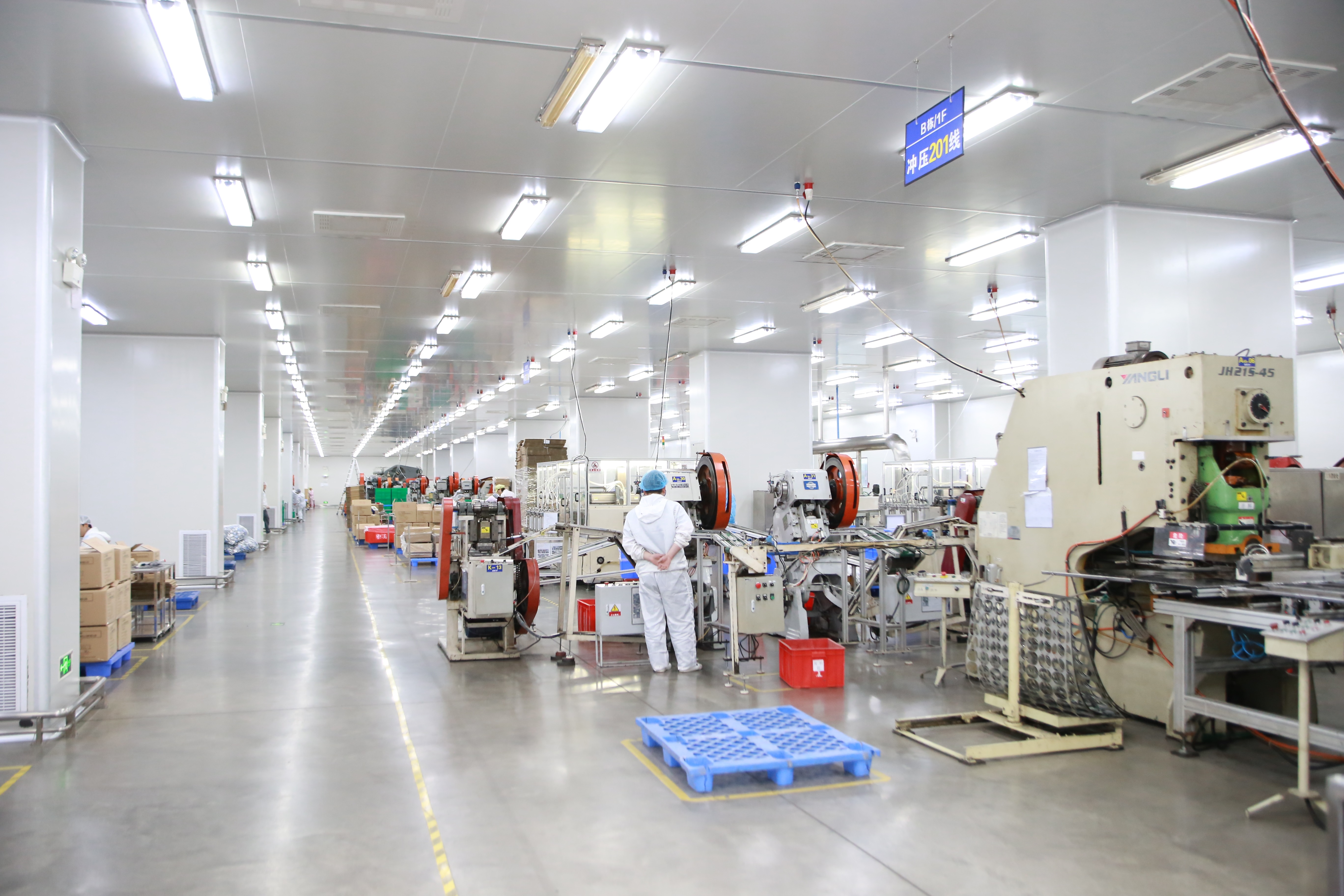
JINGLI CAN’s supplied company profile provides a concrete way to read factory capability. The company was established in 1999 and reports 26 years of experience in tin packaging. It reports a 150,000 m² facility, 2,000 staff, 50 R&D engineers and 1.8 billion annual capacity. Its main product scope covers custom tin packaging and metal cans for food, tea and coffee, cosmetics, gifts and pharmaceuticals. These facts matter because they map to different buyer problems.
- 50 R&D engineers: useful for structural review, tooling questions and artwork-to-production checks. The buyer should ask for a design-for-manufacture review before tooling is released.
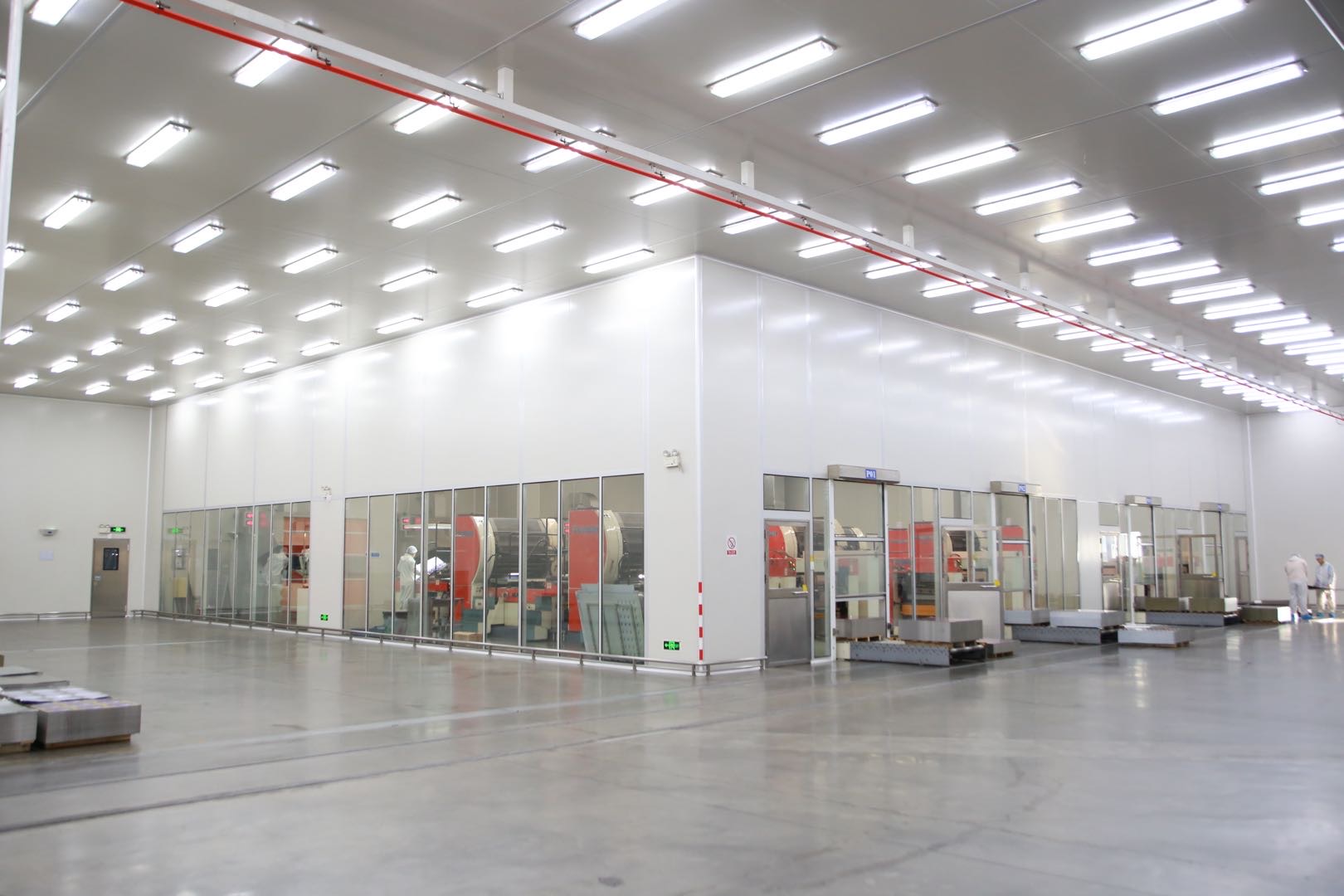
- 150,000 m² facility and 2,000 staff: relevant to multi-stage production and capacity planning. The buyer should confirm which lines and teams will handle the specific format.
- 1.8 billion annual capacity: a scale indicator, not a promise that capacity is available in a given month. Ask how the order fits the production calendar and sample schedule.
- 26 years of experience: helpful for anticipating common failure modes, but it does not replace project-specific sample validation.
- Reported certifications: ISO 9001, ISO 14001, ISO 22000, BRCGS, FSSC 22000 and SEDEX 4P support a structured supplier review. Verify scope and validity before relying on them for market access.
Step-by-Step: How a Custom Tin Box Project Moves from Problem to Production
- Define the product and the failure modes. Record product dimensions, weight, edges, nesting requirements and the handling journey. State whether the main risk is denting, moisture, movement, surface scuffing or shelf presentation. This is the brief the factory needs before recommending a format.
- Set the format, closure and opening experience. Decide whether the buyer needs a round, rectangular or shaped tin, and how the lid should open, close and present the product. The choice affects tooling, packing and the sample approval process.
- Review artwork against the forming method. Supply print-ready artwork, colour references and any regulated text. Ask the factory to flag areas where curvature, seams or forming will affect registration or appearance. Approve a physical proof where the project requires it.
- Confirm tooling and sample steps. A custom shape or new closure may require tooling. The buyer should confirm what is included, what is chargeable, how the sample will be approved and what changes would trigger a new tooling review.
- Print, form and assemble. The factory converts printed metal sheet into formed components, assembles the tin and prepares it for packing. The buyer’s quality plan should identify the critical checks: dimensions, closure fit, print appearance, surface condition and packing protection.
- Pack for the channel. Retail and online channels may require item identifiers and defined case or pallet packaging levels. GS1 US publishes packaging-level guidance for item, case and pallet data, and Google Manufacturer Center requires a GTIN for products submitted through that platform. A factory that can discuss case-pack and pallet configuration early reduces later data and logistics friction.
- Validate the sample, then scale. Approve the sample against the original problem statement, not only against a visual mock-up. Confirm the production quantity, inspection method, packing standard and delivery schedule before mass production begins.
Use Cases: Matching the Tin Box Format to the Product
The right format depends on the product, the sales channel and the presentation goal. JINGLI CAN’s main product scope covers food tins, tea and coffee tins, cosmetic tins, gift tins and pharmaceutical tins. Its partner page also lists candy tins, mint tin boxes, tin lunch boxes, tin buckets, coffee tins, tea boxes, chocolate tin boxes, promotional tin boxes and small tin boxes. These listings support initial application matching, but they do not prove that every requested format is currently in production. Buyers should confirm the exact category in the RFQ.
- Confectionery and food gifts: candy, chocolate and mint tins are listed applications. The buyer should confirm food-contact requirements, internal coating needs and the packing method for the target market.
- Tea and coffee: tea boxes and coffee tins are listed. Closure fit, aroma preservation and shelf presentation are practical review points; the buyer should verify the proposed construction with a sample.
- Lunch and promotional formats: tin lunch boxes and promotional tin boxes are listed. These projects often combine structural durability with high-visibility printing, so tooling and artwork review should happen together.
- Cosmetics and gift sets: cosmetic tins and gift tins are within the stated main product scope. The buyer should confirm surface expectations, scuff resistance and the packing arrangement for gift or subscription channels.
- Pharmaceutical and health-related packaging: pharmaceutical tins are within the stated main product scope. Because compliance risk is higher, certificate scope, documentation and change control should be confirmed before the order.
- Other formats: soap, pencil, tool, watch, tissue, condom, glasses, cigar and perfume tins appear in the wider keyword set for this category, but the supplied evidence does not individually verify every one of those applications for this factory. Treat them as RFQ questions, not catalogue facts, until the factory confirms the specific format.

Comparison Table: Packaging Challenge, Factory Response and Buyer Verification
| Buyer challenge | What a tin box factory can address | What the buyer should verify |
|---|---|---|
| Product damage in transit | Rigid metal structure, format fit, closure selection and packing protection | Material and closure specification, physical sample, packing test and handling assumptions |
| Weak shelf differentiation | Shape, print, decoration and presentation format | Print proof, colour control, scuff risk and repeatability in mass production |
| Compliance documentation | Reported ISO 9001, ISO 14001, ISO 22000, BRCGS, FSSC 22000 and SEDEX 4P certifications | Certificate number, issuing body, validity, site scope, product scope and market-specific test reports |
| Supplier reliability | Reported 150,000 m² facility, 2,000 staff and 1.8 billion annual capacity | Production slot, tooling lead time, sample approval steps, inspection plan and delivery schedule |
| Retail and online data readiness | Discussion of case-pack and pallet configuration during specification | GTIN readiness, packaging-level data and the buyer’s channel requirements |
Limitations: What a Tin Box Factory Cannot Solve Alone
A tin box factory can control design review, tooling, forming, decoration, assembly and the quality checks it has agreed to perform. It cannot guarantee retail sell-through, absorb every logistics risk or replace the buyer’s own market-access assessment. Custom tooling and minimum order quantities can affect the economics of a small launch, so a stock format or a simplified shape may be more appropriate for an initial test. Certification claims also require verification; a supplier’s report is a starting point, not a substitute for checking scope and validity.
There is also a boundary between factory capability and project management. If the buyer changes artwork, dimensions or packing requirements after tooling approval, the factory may need to rework the specification. Clear change control protects both sides. For regulated products, the buyer should confirm the applicable food-contact, labelling or market-entry requirements with qualified advisers and request the specific documentation the factory can provide.
FAQ: Tin Box Factory Questions Buyers Ask
What does a tin box factory actually do?
A tin box factory converts tinplate or related metal sheet into finished metal containers. Its work can include structural design, tooling, printing, forming, assembly, quality inspection and packing. The factory’s real output is a specified pack that matches the product, the brand presentation and the buyer’s delivery requirements, not just a decorative metal box.
How does a tin box factory prevent product damage?
It prevents damage by matching the format, material, closure and internal fit to the product and its handling journey. The buyer should confirm the proposed construction with a physical sample and define the packing method. A rigid tin helps, but the specification must still address movement, edge protection and surface scuffing.
Can a tin box factory support custom shapes, printing and sizes?
Yes, custom shapes, printing and sizes are core reasons buyers use a tin box factory. The buyer should supply product dimensions, artwork status and target quantity, then ask for a design-for-manufacture review. Custom tooling and print reproduction should be validated through a sample before mass production.
What certifications should I check in a tin box factory?
Check the certificates that matter to your product and market. JINGLI CAN reports ISO 9001, ISO 14001, ISO 22000, BRCGS, FSSC 22000 and SEDEX 4P certifications. Ask for certificate numbers, issuing bodies, validity dates and the sites or product scopes covered. For food-contact or pharmaceutical projects, also request the market-specific test reports and documentation your buyer or regulator requires.
How do I start a custom tin box project with JINGLI CAN?
Send the product dimensions, target quantity, artwork status, end-market requirements and required delivery date to sales11@jinglitinbox.com or call +86 18819080997. JINGLI CAN can then review the format, tooling and sample steps against the brief. Include any compliance documents or packing-data requirements in the first message so the factory can respond with the right questions.
Conclusion: Solve the Packaging Problem Before Choosing the Tin
Custom packaging problems are rarely solved by a catalogue photo. They are solved by matching product protection, brand presentation, compliance evidence and supplier capability. A tin box factory is the partner that turns those requirements into a specified metal pack, provided the buyer defines the problem clearly and verifies the evidence that matters. JINGLI CAN, established in 1999, reports 26 years of experience, a 150,000 m² facility, 2,000 staff, 50 R&D engineers, 1.8 billion annual capacity and ISO 9001, ISO 14001, ISO 22000, BRCGS, FSSC 22000 and SEDEX 4P certifications. For buyer inquiries, contact sales11@jinglitinbox.com or +86 18819080997. More company information is available at JINGLI CAN’s official website.
Have Questions or Need More Details?
Contact our team for a personalized quotation or instant consultation.
Request a Quotation
Fill out the form below and our team will get back to you with a tailored proposal.
WhatsApp Direct Chat
Prefer to chat in real-time? Message us on WhatsApp for instant assistance & quick answers.
- Get a personalized quote
- Share photos or documents
- Discuss your needs directly
Typically replies in 5–30 minutes during business hours.