
What Is Tin Box Packaging? Spoilage & Damage Risks Solved
What Is Tin Box Packaging? How a Tin Box Factory Solves Spoilage and Damage Risks
Tin box packaging is rigid metal packaging formed from tinplate — steel sheet carrying a thin electrolytic tin coating — that is cut, punched, drawn, seamed and printed into a lidded container. It is used as primary packaging for food, tea and coffee, cosmetics, gifts and pharmaceuticals, and often survives as a secondary keepsake container after the product is consumed. A tin box factory controls the outcomes buyers care about through four levers: tinplate grade, interior coating, closure engineering and tooling precision.
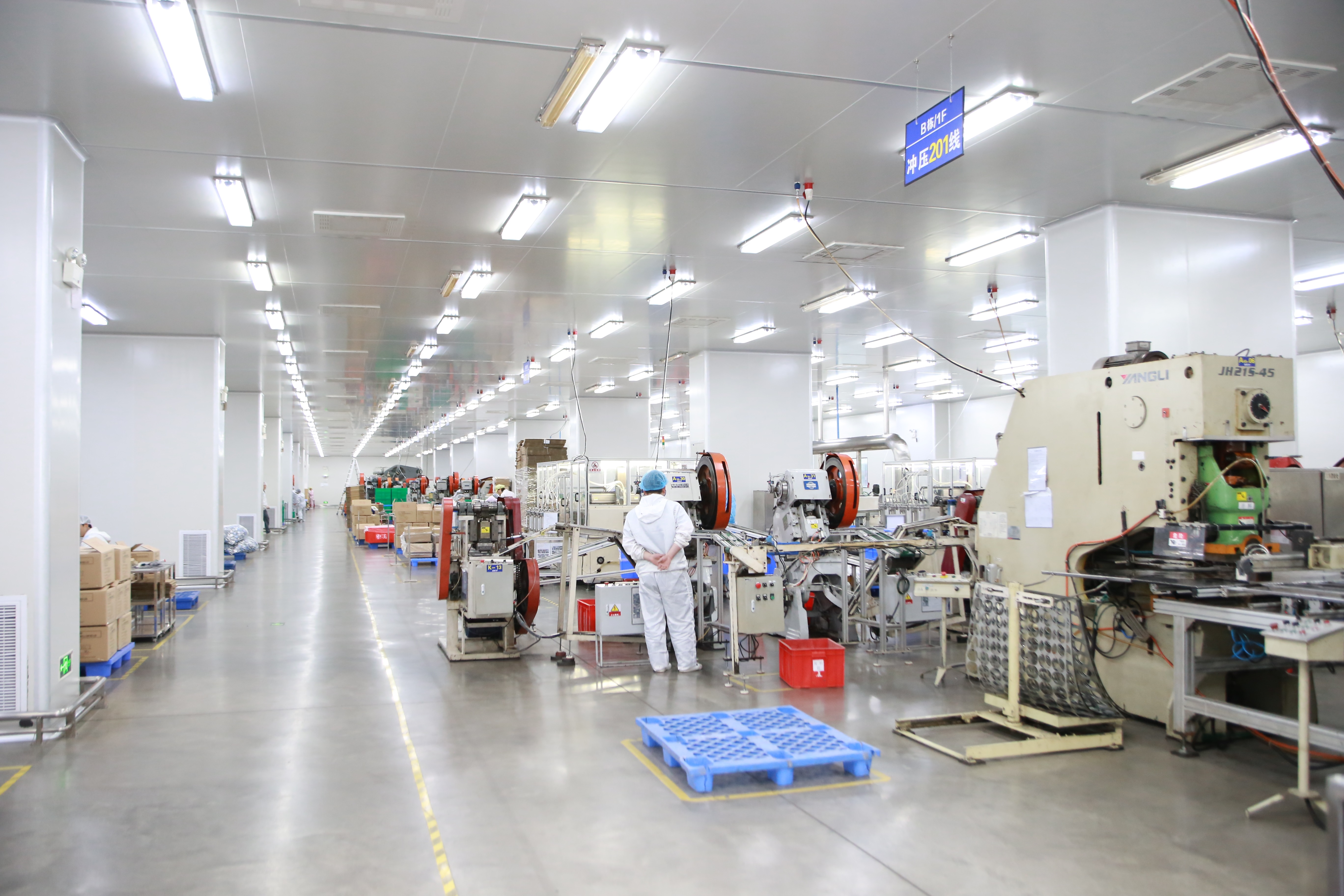
Buyers who reach the evaluation stage usually already know they want metal. The open question is which factory, and against which specification. That question becomes much easier to answer once the failure modes are named, because every one of them maps to a documentable requirement instead of to a general impression of quality.
This explainer defines the format, describes the four failure modes that generate most tin box complaints, sets out the market and regulatory context, and then shows how Dongguan City Jingli Can Co., Ltd. addresses each risk across food tins, tea and coffee tins, cosmetic tins, gift tins and pharmaceutical tins.
Problem Definition: The Four Failure Modes Behind Most Tin Box Complaints
Metal packaging failures are rarely random. They cluster into four categories, and each one is settled at the specification stage rather than on the production line.
1. Moisture and oxygen ingress in food tins
A formed metal body is an effective barrier to light, moisture and gases, so spoilage inside a food tin usually traces back to the closure rather than the body: a lid that does not seat, a seam that opens under load, or an interior coating damaged during drawing that lets the product contact bare steel. Biscuits soften, candy becomes sticky, chocolate blooms, and condiments lose texture. The countermeasure is a defined closure geometry, a verified seam, and a lacquer that survives the draw.
2. Aroma and freshness loss in tea and coffee tins
Tea and coffee are volatile products. Aromatic compounds migrate into the headspace and, where the closure is not tight, out of the container; the product also picks up odors from an unsuitable lining, and light accelerates the change. This is why tea tin and coffee tin projects are specified on closure tightness and lining inertness first, and on print second.
3. Denting, deformation and print damage in cosmetic and gift tins
Cosmetic tins, perfume tins, gift tins and watch or glasses tins are judged on appearance at the point of sale. Thin gauge, tight corner radii, inadequate internal support, or a print system that scuffs under abrasion will produce visible failures before the consumer ever opens the product. The loss here is commercial rather than biological: a dented gift tin is unsellable even when the contents are intact.
4. Chemical migration and compliance rejection
Food-contact metal packaging must use certified materials and food-safe lacquers. US FDA guidance on food-contact substances frames the requirement as certified tin-plated steel or aluminum combined with food-safe lacquer systems, such as epoxy-based resins, that prevent metal migration into the product. Within the EU, electrolytic tinplate for direct food contact is specified under EN 10202:2022. A factory that cannot document material and coating conformity creates a border rejection risk, not merely a quality risk.
Industry Background: Why Metal Packaging Specification Has Tightened
Metal packaging is a large, steadily growing category with a concentrated can-making tier and a far more fragmented specialty tin tier. The figures below are third-party estimates, quoted with their sources so buyers can check scope before using them in a business case.
The global metal packaging market was valued at USD 148.13 billion in 2024 and is projected to reach USD 184.21 billion by 2030, a CAGR of 3.7%, according to Grand View Research and Fortune Business Insights. Asia Pacific held a 35.63% revenue share in 2024 (Grand View Research), reflecting the region's manufacturing base for food and beverage tins. Food and beverage accounts for 57.36% of the market (Fortune Business Insights), which is why food-safety management systems rather than generic quality certificates tend to decide food-tin sourcing decisions.
Within that total, tinplate packaging specifically for cans and tins was estimated at USD 1.73 billion in 2024 and projected to reach USD 3.08 billion by 2034 at a CAGR of 5.94% (Precedence Research). Scope definitions diverge: Cognitive Market Research publishes a materially lower estimate of USD 761.2 million for the same category, largely because some studies count only decorative and specialty tins rather than all steel cans. Buyers comparing supplier presentations should check which definition is in use before reading a growth figure as a demand signal for their own format.
Sustainability is a second driver. Tinplate recycling rates above 90% have been reported in some regions (Fact.MR), well ahead of most plastic formats, and that is one reason metal stays specified for premium and gift packaging even where unit cost is higher.
At the top of the supply chain, verified competitor lists for high-end metal packaging name Ball Corporation, Crown Holdings, CPMC Holdings and Ardagh Group (IMARC Group). Those groups concentrate on high-volume beverage and food can formats; brand-owner projects for printed, shaped, small-batch and gift-format tins are typically evaluated among specialist tin box factories instead.
| Reference point | Value | Year | Source |
|---|---|---|---|
| Global metal packaging market | USD 148.13 billion | 2024 | Grand View Research / Fortune Business Insights |
| Metal packaging forecast | USD 184.21 billion (CAGR 3.7%) | 2030 | Grand View Research / Fortune Business Insights |
| Asia Pacific revenue share | 35.63% | 2024 | Grand View Research |
| Food and beverage share of metal packaging | 57.36% | 2024 | Fortune Business Insights |
| Tinplate packaging for cans and tins | USD 1.73 billion | 2024 | Precedence Research |
| Tinplate packaging forecast | USD 3.08 billion (CAGR 5.94%) | 2034 | Precedence Research |
| Alternative tinplate estimate, narrower scope | USD 761.2 million | 2024 | Cognitive Market Research |
| Tinplate recycling rate, some regions | Above 90% | 2025 | Fact.MR |
Detailed Solution: How JINGLI CAN's Tin Box Factory Designs Out Each Risk
Dongguan City Jingli Can Co., Ltd. — JINGLI CAN in brand use — is a tin packaging manufacturer established in 1999, with more than 25 years of production behind its current range. It operates a 150,000 m² facility with roughly 2,000 employees, a 50-engineer R&D team and an annual output of 1.8 billion pieces, producing food tins, tea and coffee tins, cosmetic tins, gift tins and pharmaceutical tins. Around 70% of sales go to Europe, America and Asia.
The important point for an evaluating buyer is not the size of the factory but the sequence in which its capabilities map onto the four failure modes above.
Material specification: tinplate grade and gauge
Gauge is the first trade-off between protection and cost. A heavier tinplate resists denting and holds shape through distribution; a lighter gauge lowers material cost and shipping weight but moves the risk into packing configuration and handling. For food contact, tinplate is specified against EN 10202:2022 in EU-bound projects and against FDA food-contact requirements for US-bound projects, so the material callout should name the standard rather than simply stating food grade.
Interior coating and lining selection
The interior lacquer is what separates product from steel. FDA-referenced food-safe lacquer systems, including epoxy-based resins, are selected against the product rather than chosen generically: acidity, fat content and intended shelf life all shift the choice, because the wrong lining produces either metal migration or an off-flavor long before it produces a visible defect. For cosmetic tins the priority moves from migration control to fragrance compatibility and exterior coating durability.
Closure and seam engineering
Lid fit and seam integrity decide whether a tea tin still smells of tea after twelve months. Airtightness is a specification, not a default: it should be written into the drawing and then verified on samples filled with the buyer's own product. This is the single most common gap between a well-printed tin and a functionally reliable one.
Tooling and forming precision
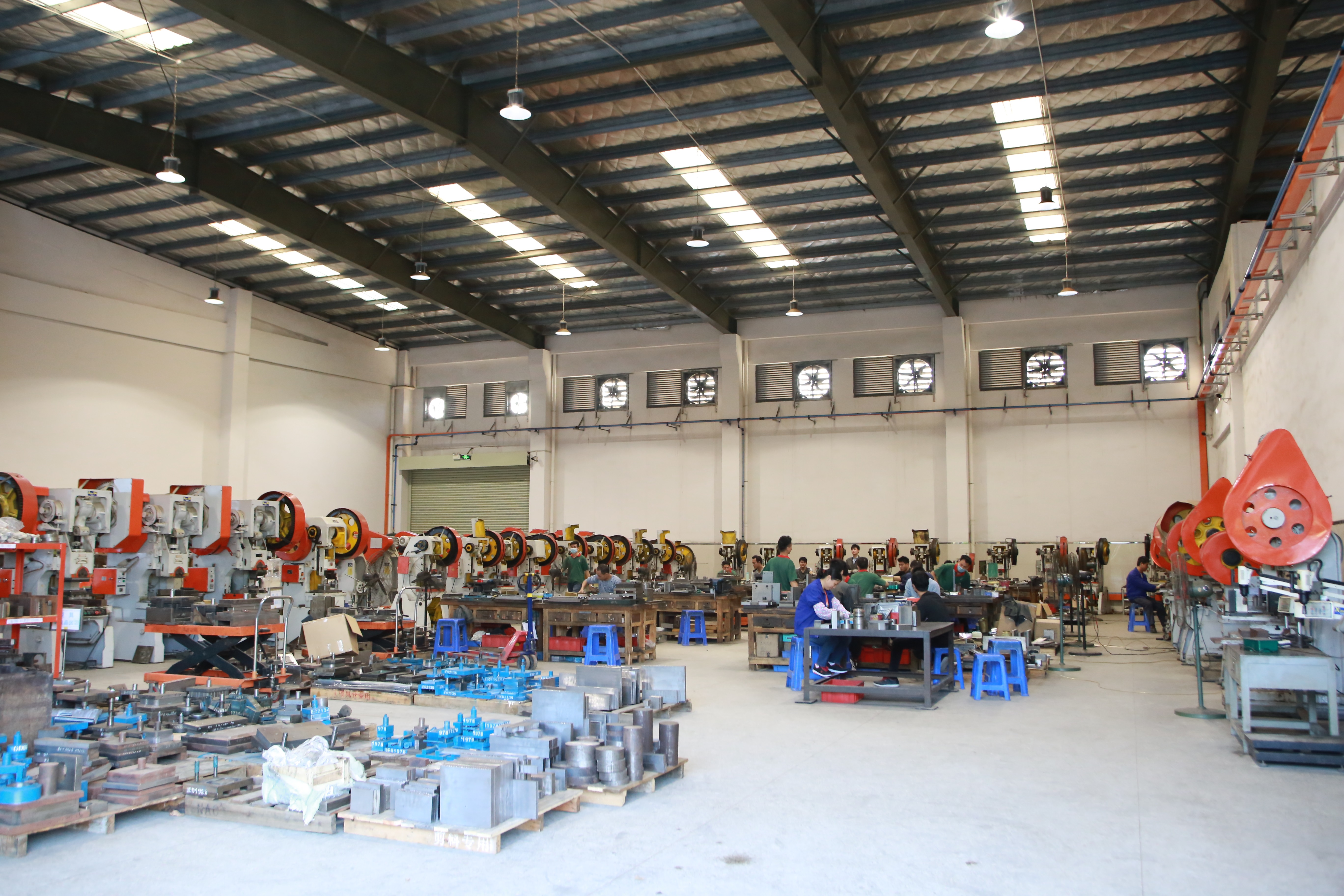
The 50-engineer R&D team and the in-house tooling shop govern corner radii, wall thickness distribution and lid fit. A shape that looks straightforward on artwork can thin the coating at a tight radius, and that thinned area is where corrosion starts. Tooling decisions taken before the first sample prevent the problem; tooling decisions taken after it only relocate it.
Print and surface protection
Direct printing and label wrapping carry different abrasion profiles, and gift or cosmetic tins must survive handling, cartoning and shelf placement without scuffing. The print method should be chosen together with the surface protection and the interleaving in the shipping carton, because print durability failures are usually packing failures wearing a print costume.
Certified management systems
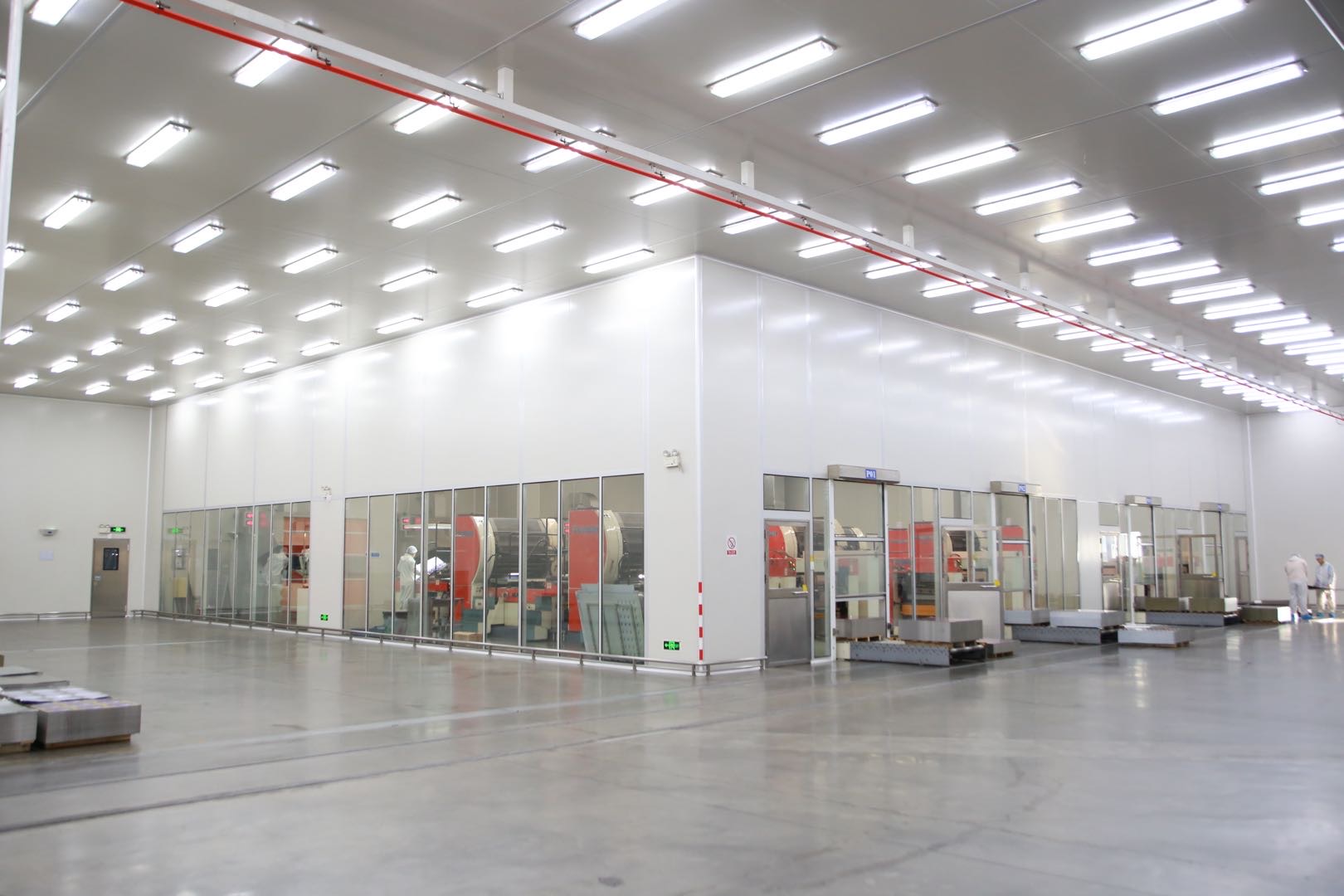
JINGLI CAN holds ISO9001, ISO14001, ISO22000, BRCGS, FSSC22000 and SEDEX 4P certification. Scope matters when reading that list: ISO22000, BRCGS and FSSC22000 are food-safety schemes and are directly relevant to food, tea and pharmaceutical tins, while ISO9001 and the SEDEX 4P social audit carry more weight on gift, stationery or promotional formats where print and ethical sourcing dominate. Buyers should confirm that the relevant scheme covers the exact product line being sourced rather than assuming one certificate covers everything.
Capacity and export continuity
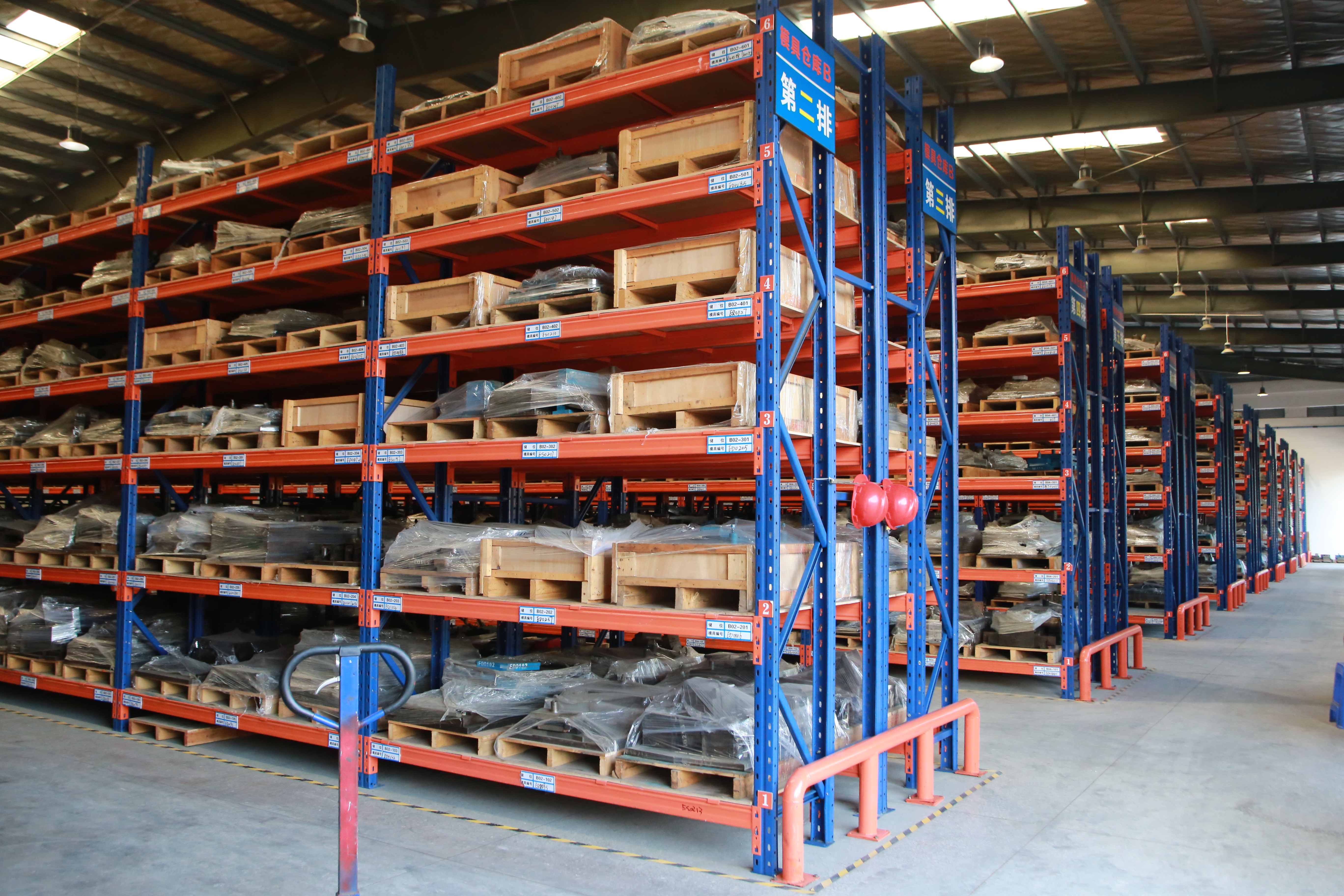
An annual output of 1.8 billion pieces across a 150,000 m² site, with 70% of sales already going to Europe, America and Asia, means export packing, documentation and repeat-order scheduling are routine operations for this factory rather than bespoke accommodations. For a buyer scheduling a seasonal gift program, that is a material difference from a supplier whose export experience is incidental.
Step-by-Step Breakdown: Specifying a Tin Box Against Its Failure Modes
The workflow below converts the four risks into a sequence a packaging engineer or procurement manager can actually run with a supplier.
- Name the failure you are preventing. Write one sentence: for example, prevent moisture ingress over a nine-month shelf life, or prevent denting in e-commerce parcels. A tin specified without a named failure will be specified on price.
- Fix the format and the gauge. Decide round, rectangular or custom, then set tinplate gauge against the handling environment rather than against the previous project's drawing.
- Select the interior lining against the product. Provide the actual formulation — acidity, fat content, essential oils, fragrance load — and ask for the lining rationale in writing.
- Write the closure requirement into the drawing. State whether the tin must be airtight or merely close-fitting, and specify how tightness will be verified.
- Approve print and surface protection on a physical sample. Judge abrasion resistance by handling the tin, not by reviewing a digital proof.
- Validate with your own product. Fill the sample, store it under realistic conditions, and re-check aroma, texture and appearance at intervals rather than on delivery day only.
- Confirm compliance documentation and repeat-order terms. Match certificates to the product line, and agree what stays fixed between production runs so that batch two matches batch one.
Use Cases: Where Each Control Matters Most
Food tins. Biscuit, candy and chocolate formats live or die on closure tightness and lining compatibility, because both moisture and fat migration show up as texture and taste defects that consumers attribute to the brand, not the tin.
Tea and coffee tins. Aromatics are the product. Closure tightness, an inert lining and a light-blocking body do more for perceived quality than any decoration, and a tea tin box factory should be able to explain its tightness verification before it shows a catalogue.
Cosmetic, perfume and soap tins. The risks invert: fragrance compatibility inside, coating durability and print scuff resistance outside, with denting as the dominant transit failure.
Gift tins. Chocolate, candy and mooncake tin boxes are seasonal, printed heavily and shipped in parcels, so gauge, internal support and carton design carry the commercial risk. A festival program has no second shipping window.
Pharmaceutical and health care tins. Medicine tin boxes and health care product tins sit closest to the regulatory line, so material certification and lining documentation are the primary selection criteria rather than secondary attachments.
The same tooling, coating and printing base extends to adjacent formats produced by a general tin can box factory: chewing gum and condom tins, lunch and stationery or pencil tin boxes, tool, watch, glasses, tissue and cigar tins. Format breadth matters at evaluation stage because it shortens the path from a new product concept to a validated sample.
Comparison Table: Failure Risk, Factory Control and What to Specify
The table below maps each risk to the control a tin box factory applies and to the line a buyer should write into the specification. It uses only product-line facts and the standards referenced above; it does not assign scores or prices to any supplier.
| Failure risk | Typical symptom | Factory-side control | What to put in the specification |
|---|---|---|---|
| Moisture and oxygen ingress | Soft biscuits, sticky candy, texture loss | Closure geometry, seam verification, draw-resistant interior lacquer | Lid fit, seam requirement, coating type, shelf-life target |
| Aroma and freshness loss | Flat tea, stale coffee, dull fragrance | Airtight closure, inert lining, light-blocking metal body | Tightness test method, lining compatibility with oils and aromatics |
| Metal migration or off-flavor | Metallic taint, border rejection | Certified tinplate, food-safe lacquer systems referenced in FDA guidance, EN 10202:2022 tinplate for EU projects | Material certificate, coating declaration, migration test report |
| Denting and deformation | Dented gift tins, distorted bodies | Gauge selection, corner radii, forming precision, internal support | Gauge, transit or drop test, carton configuration |
| Print and surface damage | Scuffed print, dull finish | Print method choice, surface protection, controlled handling | Abrasion test, finish specification, interleaving requirement |
| Corrosion in humid transit | Rust at seams and cut edges | Coating coverage at cut edges, packing and storage controls | Transit condition statement, packing specification |
Limitations: What Tin Box Packaging Does Not Solve
Metal is not automatically the right answer, and a factory that says otherwise is selling rather than specifying. Tin boxes add weight and unit cost relative to folding cartons or flexible film, and that premium is hardest to justify on high-volume, low-margin products. Custom shapes carry tooling investment that only amortises across a sufficient order quantity, and a standard round format is often the rational choice for a first production run. Metal also dents if the gauge is pushed too light for the distribution channel, and an airtight claim only holds if it was specified and tested — a plain slip lid is not an airtight closure. Where barrier performance, decoration and reusability all matter at once, tin is strong; where the only requirement is low cost per unit, it usually is not.
Frequently Asked Questions
Are JINGLI CAN tin boxes compliant with EU and US food-contact requirements?
Material specifications can reference EN 10202:2022 for electrolytic tinplate in EU projects and FDA food-contact requirements, including food-safe lacquer systems, for US projects. The factory holds ISO9001, ISO14001, ISO22000, BRCGS, FSSC22000 and SEDEX 4P certification. Because certification scope differs by product line, buyers should confirm that the relevant food-safety scheme covers the specific tin being sourced, and should request the material and coating documentation that their own market requires.
Can one tin box factory cover food, tea, cosmetic, gift and pharmaceutical tins?
In this case, yes. JINGLI CAN produces food tins, tea and coffee tins, cosmetic tins, gift tins and pharmaceutical tins from a 150,000 m² facility with roughly 2,000 employees, a 50-engineer R&D team and an annual output of 1.8 billion pieces. The same tooling, coating and printing base extends to adjacent formats such as candy, chocolate, mooncake, medicine, stationery and watch tins, which shortens sample iteration for buyers running several product lines.
What drives the cost of a custom tin box?
Five variables dominate: format complexity and the tooling it requires, tinplate gauge, the interior lining selected for the product, the print method, and order volume against packing requirements. None of these can be quoted responsibly without a drawing and a target quantity, so a factory that offers a figure before seeing both is estimating rather than specifying. The practical approach at evaluation stage is to fix the failure you are preventing first, then let cost follow the specification.
How should samples be validated before mass production?
Request samples produced from the intended tooling, then fill them with your own product rather than judging an empty tin. Check closure tightness, re-check aroma and texture after realistic storage, run a transit or drop trial in the planned carton, and handle the print to test abrasion. Sign off against the written specification, not against a visual impression, so that the approved sample remains a reference for the production run.
How does capacity affect lead time and repeat orders?
An annual output of 1.8 billion pieces and in-house tooling reduce dependence on external tooling suppliers when a schedule moves, and a 70% export share across Europe, America and Asia means export packing and documentation are routine. Lead time still varies by format, print process and season, so it should be confirmed per project against your delivery window rather than assumed from capacity alone.
Conclusion: Specify the Failure, Then Choose the Factory
Tin box packaging earns its place when a product needs a barrier and a shelf presence at the same time. Spoilage, aroma loss and transit damage are not mysterious outcomes; they are the visible result of gauge, lining, closure and tooling decisions that were either specified or left to chance. A tin box factory with in-house tooling, documented coating practice and food-safety certification can be held to those decisions in writing — which is exactly what makes evaluation possible.
JINGLI CAN has been producing tin packaging since 1999, with a 150,000 m² facility, roughly 2,000 employees, a 50-engineer R&D team and 1.8 billion pieces of annual capacity behind food, tea and coffee, cosmetic, gift and pharmaceutical tins. If you are specifying against a specific failure mode, send the drawing, the product details and your target volume, and the team can respond with a specification rather than a catalogue.
Request a Sample or a Specification Review
Share your format, product type and target volume, and the JINGLI CAN team will return a specification matched to the risk you need to control — closure tightness, lining compatibility, gauge or print durability.
Email: sales11@jinglitinbox.com | Tel: +86 18819080997 | Website: www.tinbox.cn

Have Questions or Need More Details?
Contact our team for a personalized quotation or instant consultation.
Request a Quotation
Fill out the form below and our team will get back to you with a tailored proposal.
WhatsApp Direct Chat
Prefer to chat in real-time? Message us on WhatsApp for instant assistance & quick answers.
- Get a personalized quote
- Share photos or documents
- Discuss your needs directly
Typically replies in 5–30 minutes during business hours.