
The Tin Box Factory Supplier Audit: A Delivery Reliability Evaluation Framework
Delivery reliability can be verified before a purchase order is issued. It is the combined output of six things a factory is able to document: rated capacity, raw-material continuity, workforce depth, process control, export discipline, and contractual clarity. This framework converts each of those into specific evidence requests, so a buyer evaluating a tin box factory can judge schedules against proof rather than against assurances.
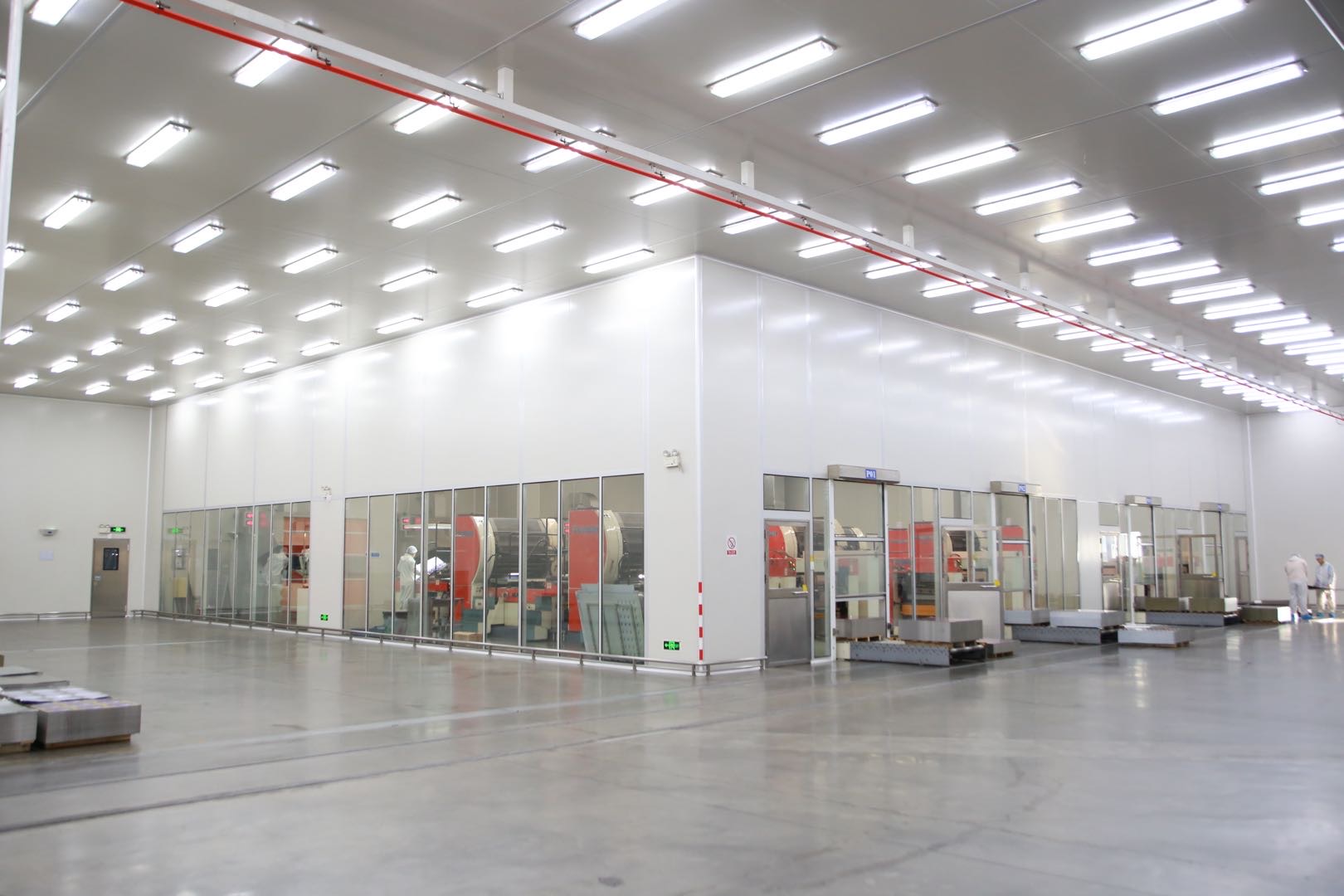
Dongguan City Jingli Can Co., Ltd — trading as JINGLI CAN — is a manufacturer of custom tin packaging and metal cans for food, tea and coffee, cosmetic, gift, and pharmaceutical projects, with production based in Vinh Phuc Province, Vietnam. Its published operating figures — 1.8 billion pieces of annual output, a 150,000 m² footprint, 2,000 employees, and 70% of output exported to Europe, America, and Asia — are used throughout this article as concrete reference points for each verification step.
What 'Delivery Reliability' Actually Means in Tin Box Sourcing
Delivery reliability is the probability that a confirmed order — correct material, correct print, correct quantity — leaves the factory on the agreed schedule, and that the same result repeats on the second, fifth, and twentieth order. It produces three measurable outputs: schedule adherence, specification adherence, and repeatability across peak seasons.
Buyers can validate almost everything else in a tin box program early. Artwork, print color, tinplate gauge, lid fit, and unit price are all confirmed at sample stage. Delivery is the variable that is usually judged late — after the first container has either shipped or not. By that point the damage is commercial rather than technical: a promotional window closes, a retail listing is missed, and expedited freight or rework consumes the margin that the price negotiation was supposed to protect.
Late delivery from a tin box factory rarely has a single cause. Six reasons account for most of it:
- Capacity already committed. Your order was quoted against capacity that is simultaneously promised to other programs inside the same delivery window.
- Tinplate supply gaps. Material is not held in stock and must be purchased against a rolling-mill lead time the factory does not control.
- Tooling lead time. Custom shapes, embossed lids, and non-round formats require dies; if tooling is outsourced, an uncontrolled queue is inserted into the critical path.
- Print bottleneck. Decoration — especially multi-color or specialty finishes — typically runs on fewer lines than forming, so printing becomes the constraint at peak.
- Compliance rework. Lacquer, migration, or documentation issues surface at inspection and stop a shipment that was produced on time.
- Intermediary handoff. The commercial entity that signs the contract is not the site that produces the order, so schedule changes are transmitted late or imprecisely.
All six are observable before an order is placed — but only if the audit asks for evidence instead of descriptions. That is the purpose of the framework that follows.
Industry Background: Why Delivery Risk Is Structural, Not Accidental
The global metal packaging market was valued at USD 148.13 billion in 2024 and is projected to reach USD 184.21 billion by 2030, a CAGR of 3.7% (Grand View Research / Fortune Business Insights). Food and beverage accounts for 57.36% of that market (Fortune Business Insights), and Asia Pacific held a 35.63% revenue share in 2024, driven largely by China's manufacturing base for food and beverage tins (Grand View Research).
Within that market, tinplate packaging for cans and tins is projected to grow from USD 1.73 billion in 2024 to USD 3.08 billion by 2034, a CAGR of 5.94% (Precedence Research). The estimate deserves a caveat: Cognitive Market Research values the same metric at USD 761.2 million, a divergence that reflects how differently the term is scoped — all steel cans versus specialty and decorative tins. When a supplier cites a market figure, ask which scope it refers to.
Two forces make delivery reliability a structural issue rather than an occasional accident. The first is capacity concentration: when a large share of global tin packaging capacity sits in one region, factory calendars there fill around the same festival and retail cycles. The second is compliance. EU safety standards for metal packaging steel are governed by EN 10202:2022, which specifies electrolytic tinplate requirements for direct food contact (European Committee for Standardization). In the United States, FDA rules require food-grade certified materials and typically food-safe lacquers such as epoxy resins to prevent metal migration. Documentation and testing are production steps; when they are treated as afterthoughts, they delay containers.
Sustainability reinforces the same pressure. Tinplate shows a recycling rate above 90% in some regions, materially higher than plastic (Fact.MR), which is one driver behind brands moving to metal formats — and behind capacity queues at the factories able to serve them. For scale reference, major global competitors in high-end metal packaging include Ball Corporation, Crown Holdings, CPMC Holdings, and Ardagh Group (IMARC Group). Their presence indicates how large the sector's capacity can be, and why a specialist tin box factory's stated numbers should always be read against a named site, a shift pattern, and a product category.
The Six-Pillar Delivery Reliability Evaluation Framework
The framework scores a factory across six pillars. For each pillar, request named evidence. A pillar with no evidence is unverified — not satisfactory. An unverified pillar is simply a delivery risk that has not surfaced yet.
Pillar 1 — Rated Capacity and Physical Footprint
Request: annual rated output in pieces, daily output per site, number of forming and printing lines, shift pattern, facility area, and the list of sites that will touch your order.
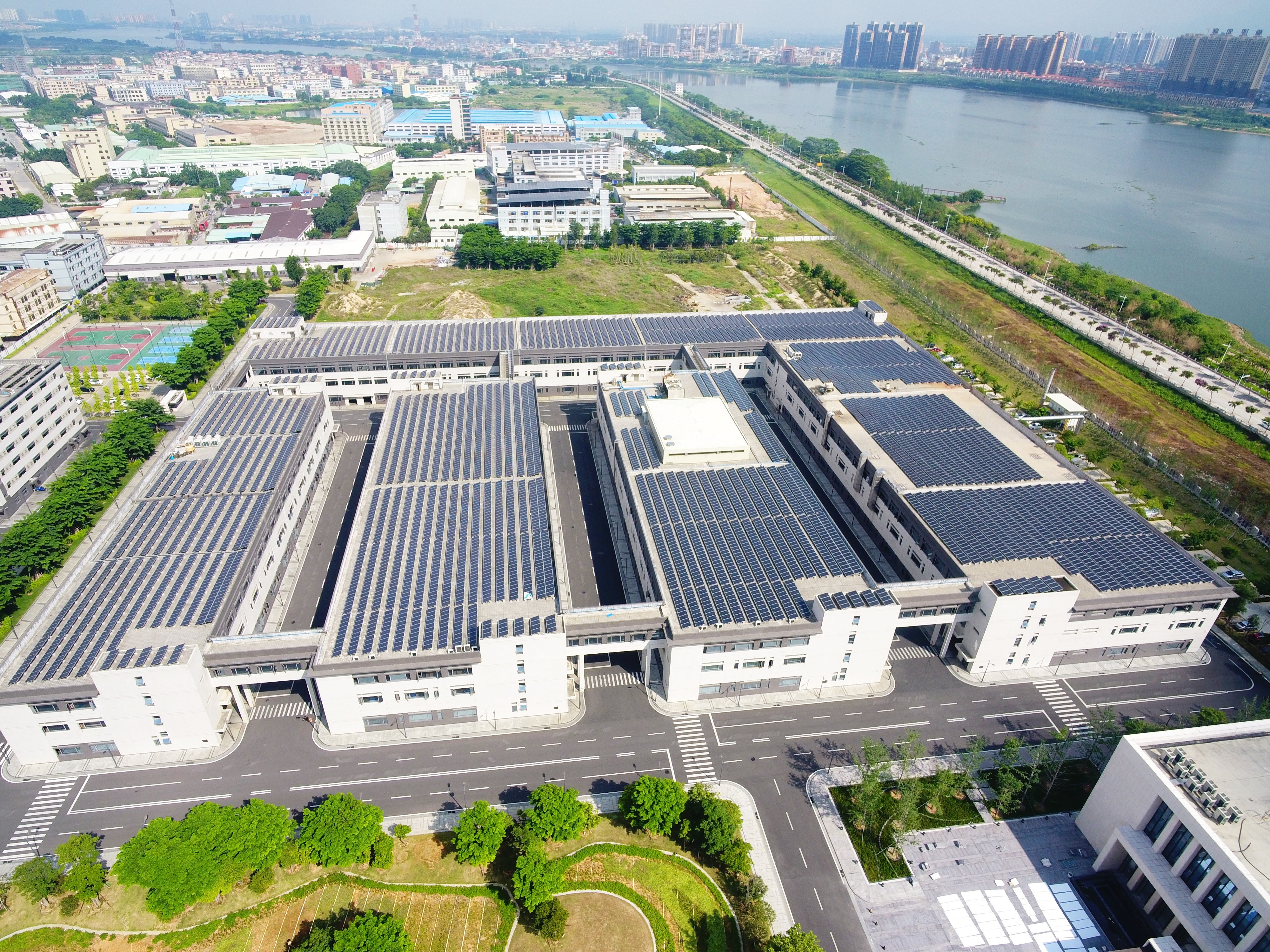
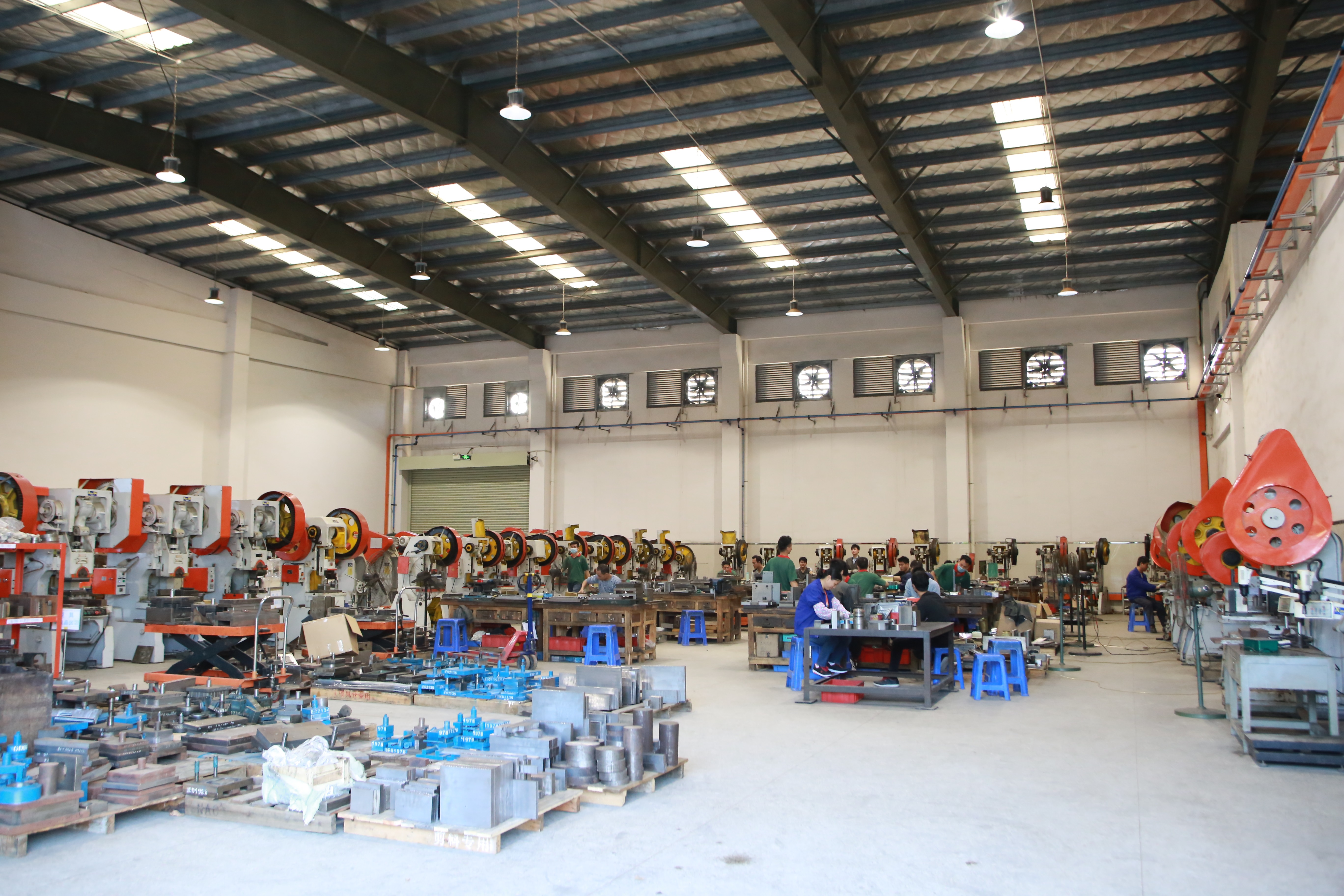
Reference point: JINGLI CAN publishes 1.8 billion pieces of annual output across a 150,000 m² footprint with 2,000 employees; its Vietnam production site in Vinh Phuc Province covers 17,500 m² and is rated at 600,000 pieces per day.
Why it matters: a capacity figure without site attribution and a shift pattern cannot be scheduled against. Ask which site will run your order, and what proportion of that site's calendar is already committed inside your delivery window. Confirm whether forming, printing, and assembly are in-house or partly subcontracted — a subcontracted stage is a queue the supplier cannot reprioritize on your behalf.
Pillar 2 — Material Continuity (Tinplate Stock Policy)
Tinplate is the input that decides whether a scheduled line actually runs. Request: current stock level, gauges and tempers held, coating and lacquer types available, raw-material supplier qualification process, and whether stock is pooled or allocated per order.
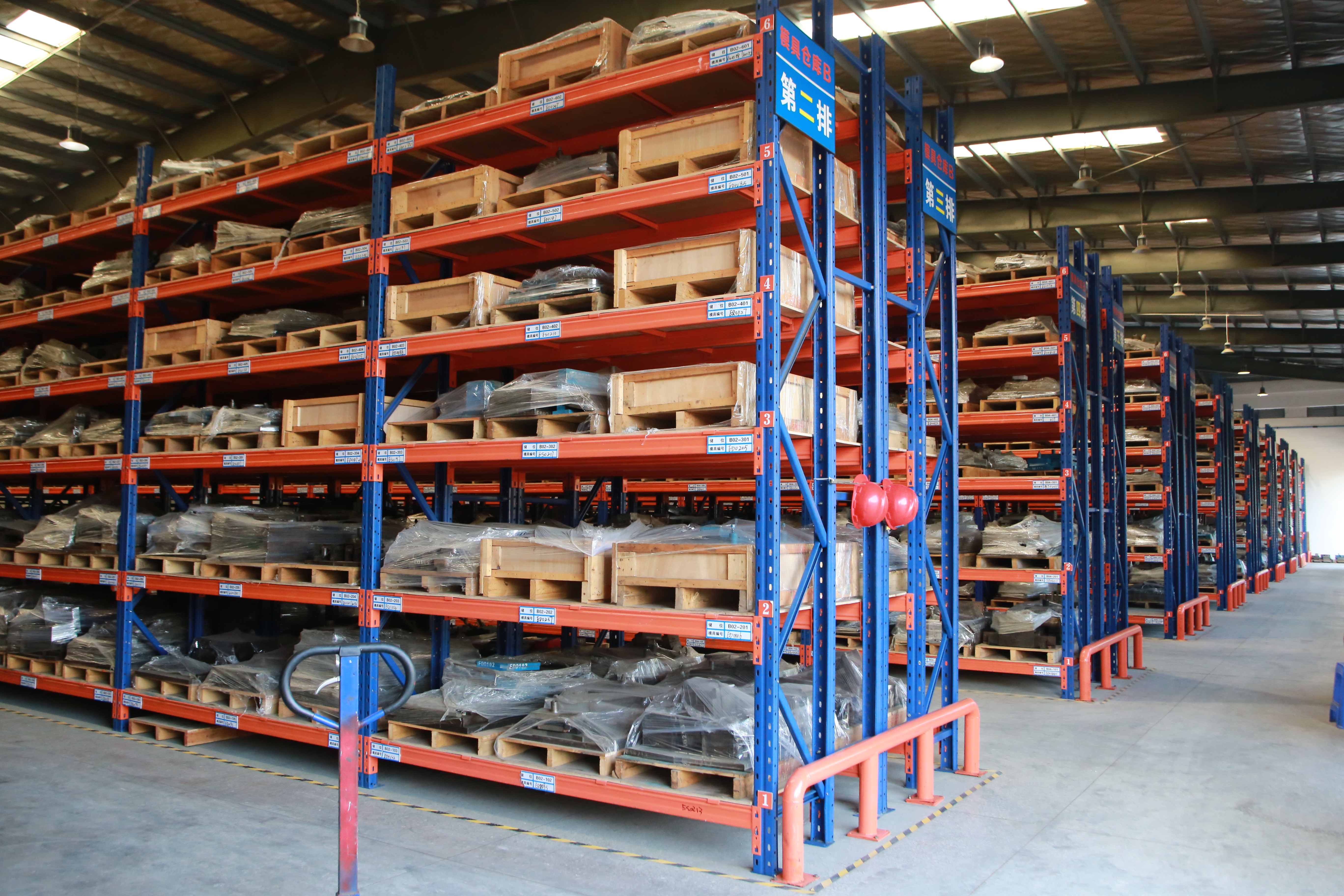
Reference point: JINGLI CAN maintains a regular stock of 30,000 tons of tinplate to ensure stable delivery.
Why it matters: material-driven delay is the most common invisible cause of late tin box shipments, because it happens upstream of the factory floor and rarely appears in production reporting. For food-contact projects, add the specification layer: tinplate for direct food contact in the EU must meet EN 10202:2022, and US-bound food packaging must use certified food-grade materials with appropriate lacquers under FDA requirements. A factory that holds stock — and holds compliant stock — is a different delivery proposition from one that holds neither.
Pillar 3 — Workforce Depth and Engineering Support
Request: total headcount, the split between tooling engineers and production operators, whether tooling is designed and built in-house, and who signs off print proofs.
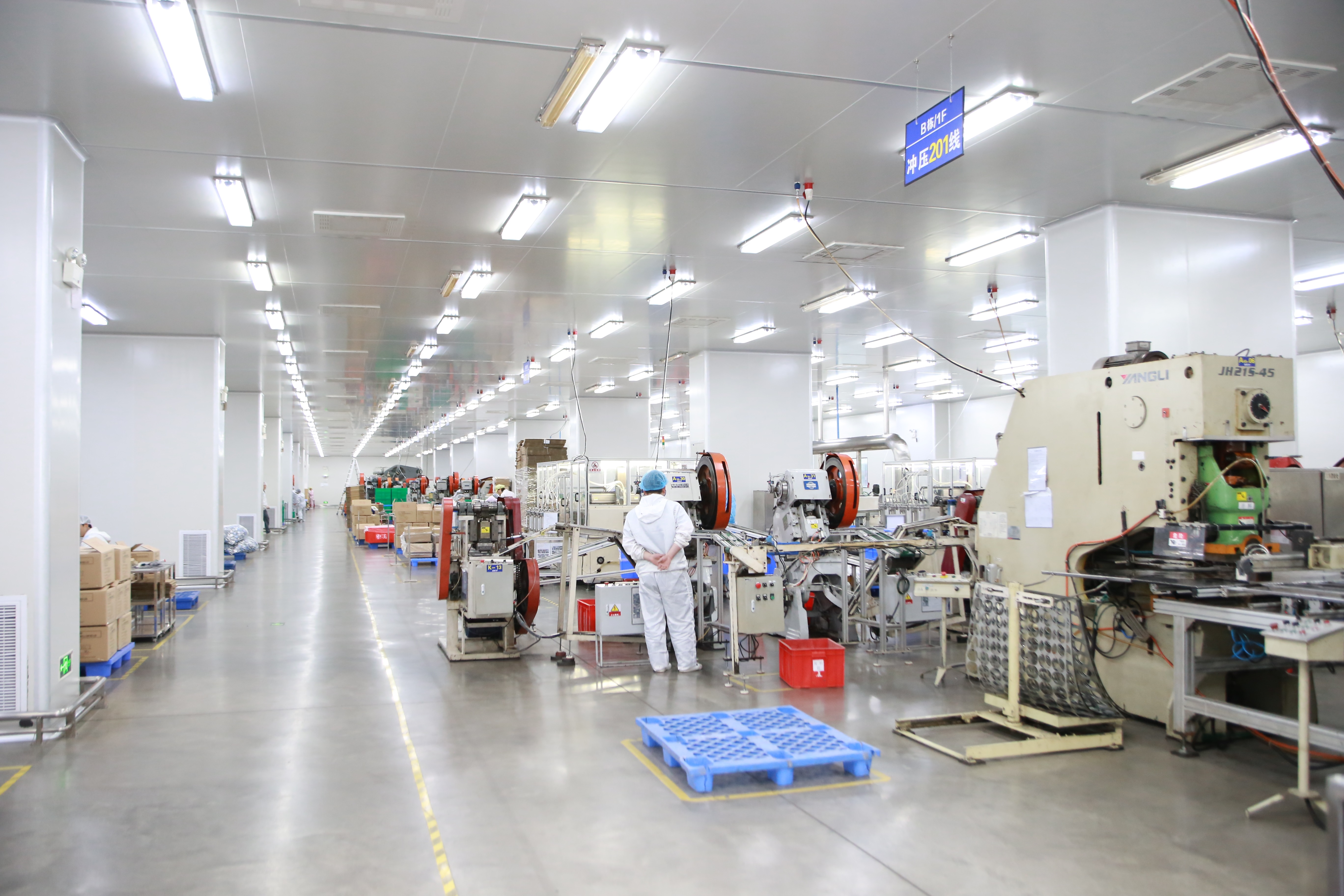
Reference point: JINGLI CAN operates with 2,000 employees and a 50-person R&D team.
Why it matters: non-round shapes, embossed lids, and multi-color decoration all require engineering input before production begins. If tooling is outsourced, the factory inherits a lead time it cannot compress. In-house tooling capability changes the delivery math for repeat orders specifically: the die already exists, so re-orders skip the longest lead-time step in the program.
Pillar 4 — Process Control and Food-Grade Compliance
Request: certificates with scope and validity dates, the audit body, and confirmation that the certified scope covers both the product type you are buying and the site that will produce it.
Reference point: JINGLI CAN holds ISO9001, ISO14001, ISO22000, BRCGS, FSSC22000, and SEDEX 4P certification.
What each scheme supports: ISO9001 covers quality management discipline; ISO14001 covers environmental management; ISO22000 covers food safety management systems; BRCGS is a global food safety standard commonly required of packaging suppliers by retailers and brand owners; FSSC22000 is a GFSI-recognized food safety system certification; SEDEX 4P is a social and ethical audit covering labour standards, health and safety, environment, and business ethics.
Why it matters for delivery: compliance failure is a late-stage delivery failure. A lacquer or migration issue identified at destination inspection can hold a container that was produced exactly on schedule. Verified certification reduces the probability that a shipment stops after the production schedule has already been met.
Pillar 5 — Export Track Record as Delivery Evidence
Request: export share, market mix, category mix, and any evidence of repeat shipment into regulated markets.
Reference point: 70% of JINGLI CAN's output is exported to Europe, America, and Asia.
Why it matters: repeatedly exporting into regulated markets is a different capability from simply producing good tins. It means destination documentation, container loading discipline, and market-specific compliance are routine rather than improvised. An export ratio tells you how often a factory has completed that routine; ask for the market mix behind the percentage, not just the number.
Pillar 6 — Contract and Documentation Discipline
Request and lock: capacity reservation for the delivery window, raw-material allocation, tooling ownership and retention for repeat orders, inspection protocol and acceptance criteria, packing and container-loading standards, documentary responsibilities, and a named escalation contact.
Why it matters: this pillar is not about price. It converts a verbal assurance into a schedule obligation and defines who is accountable when the schedule moves.
| Pillar | Evidence to request | What it confirms | Reference point |
|---|---|---|---|
| 1. Capacity and footprint | Annual output, daily output per site, line and shift list, facility area | The factory can schedule your volume inside your window | JINGLI CAN: 1.8 billion pieces/year; 150,000 m²; 2,000 employees; Vietnam site 17,500 m² and 600,000 pieces/day |
| 2. Material continuity | Tinplate stock, gauges, coating types, allocation policy | Production can start without waiting on raw material | JINGLI CAN: regular stock of 30,000 tons of tinplate |
| 3. Workforce and engineering | Headcount, tooling engineers vs. operators, in-house tooling | Tooling and prepress stay on a critical path the factory controls | JINGLI CAN: 2,000 employees; 50-person R&D team |
| 4. Process control and compliance | Certificates with scope and validity, audit body | Finished goods can clear inspection and documentation | JINGLI CAN: ISO9001, ISO14001, ISO22000, BRCGS, FSSC22000, SEDEX 4P |
| 5. Export track record | Export share, market mix, category mix | The factory has completed regulatory delivery routines repeatedly | JINGLI CAN: 70% export volume to Europe, America, Asia |
| 6. Contract discipline | Capacity reservation, tooling retention, inspection protocol, milestone gates | The schedule is an obligation, not an intention | Defined per project |
Step-by-Step Audit Breakdown: Running the Evaluation
Stage 1 — Desk review before any call
Collect the documents first and read them before speaking to the supplier: business licence, certificate scope pages, site list, capacity statement, export mix, and a sample request form. Produce a pillar-by-pillar evidence status — verified or unverified. This step exists to prevent a well-delivered presentation from filling knowledge gaps.
Stage 2 — Live remote verification
Ask for a live — not pre-recorded — walkthrough of the forming floor, printing area, tooling shop, and raw-material warehouse. Ask the camera to stop at the tinplate stock and at the tooling store. A recorded video cannot confirm current stock levels or current workload, which are the two variables that most often break a delivery promise.
Stage 3 — Sample and pilot validation
Confirm tinplate gauge and temper, lacquer and coating type, print fidelity against the approved proof, lid fit and airtightness where the application requires it, and packing protection. The critical check at this stage is structural rather than visual: confirm that the tooling used to produce the sample is the tooling that will run bulk production.
Stage 4 — On-site or third-party verification
An on-site audit, or a third-party social and quality audit report such as SEDEX 4P, BRCGS, or FSSC22000 documentation, closes the remaining gaps. Verify that the certificate scope covers the producing site — not only the trading entity that issues the quotation.
Stage 5 — Contract lock and order monitoring
Convert verified evidence into written commitments and milestone gates: material allocation, tooling completion, print approval, production start, and loading date. Track the order against those gates rather than against a single promised ship date, because a single date gives no advance warning of slippage.
| Verification method | Effort | Confirms | Does not confirm |
|---|---|---|---|
| Desk document review | Low | Certification scope, stated capacity, site list | Current workload or live stock levels |
| Live remote walkthrough | Medium | Current floor activity, tooling store, tinplate stock | Process depth and data accuracy |
| Sample and pilot run | Medium to high | Gauge, lacquer, print fidelity, lid fit | Bulk consistency unless the same tooling is confirmed |
| Third-party audit report | Low if already held | Social, ethical, and food safety systems at a point in time | Capacity availability inside your specific window |
| On-site audit | High | Physical capacity, workflow, housekeeping, materials | Future schedule behaviour unless paired with contract gates |
Applying the Framework by Project Type
The six pillars apply to every tin box project. What changes is which pillar carries the most delivery risk — and that depends on what the tin is for.
Seasonal gift and festival programs
Mooncake tin boxes, chocolate tin boxes, candy tin boxes, and gift sets are built around dates that cannot move. Delivery risk here is capacity-allocation risk: the factory calendar fills in the same weeks as every other gift producer in the region. Reserve capacity before negotiating unit price, and verify that the factory can commit a slot, not only quote a number.
Food-contact containers
Tin lunch boxes, tea tin boxes, coffee tins, and general food tins combine compliance and seal performance. Delivery risk here is documentation risk: certificates, material declarations, and lacquer specifications — EN 10202:2022 for EU-bound direct food contact, FDA food-contact requirements for the US — must be resolved before production, not after. A chewing gum or confectionery tin box factory supplying retail brands faces the same requirement through the buyer's own compliance process.
Cosmetic, fragrance, and personal care
Cosmetic tin boxes, perfume tin boxes, soap tin boxes, and condom tin boxes are judged on surface fidelity. The most common delivery failure is not lateness itself — it is a re-print after a color mismatch, which then causes lateness. Verify print line count, ink system, and the color approval workflow at sample stage.
Pharmaceutical and health care
Medicine tin boxes and health care product tin boxes add approval-loop risk: artwork revisions are controlled, and a late revision moves the entire schedule. Lock a single responsible approver and a revision-cutoff date into the agreement.
Non-food, tools, and stationery
Pencil tin boxes, stationery tin boxes, tool tin boxes, watch tin boxes, glasses tin boxes, and tissue tin boxes usually carry a lower compliance burden, so the determining pillar shifts to tooling. A factory that retains your dies can deliver a repeat order faster than one that rebuilds them. For these programs it also helps to work with a tin can box factory that can run round and non-round formats on the same schedule.
Cigar and premium storage
Cigar tins depend on seal performance. A lid that arrives on time but does not hold humidity is a delivery failure in commercial terms, so specify airtightness as an acceptance criterion and test it at sample stage rather than at destination.
Delivery Reliability Red Flags
- A capacity number with no site behind it. If the factory cannot state which building and which shifts produce your order, the number cannot be scheduled against.
- No stated tinplate stock policy. If material is bought per order, the factory's delivery date depends on a supplier it does not control.
- Certificates without scope. A certificate that names the trading entity but not the producing site or product type does not protect your shipment.
- Tooling built by a third party you cannot contact. Outsourced tooling inserts an unmanaged queue directly into your schedule.
- Samples produced on different tooling than bulk. This is the single most common source of specification-driven delay.
- Inspection criteria left as 'industry standard'. Undefined acceptance criteria create disputes at the point where the schedule can no longer absorb them.
- One contact person and no escalation path. A schedule problem that cannot escalate internally is a schedule problem that reaches you too late.
FAQ: Delivery Reliability in Tin Box Factory Selection
Which food-grade certifications should a tin box factory hold for a delivery-critical food or beverage project?
For food-contact packaging, the core set is a food safety management system such as ISO22000, a GFSI-recognized food safety certification such as FSSC22000, and a standard such as BRCGS that retailers and brand owners commonly require of packaging suppliers; ISO9001 covers quality management, and SEDEX 4P covers social and ethical audit requirements. JINGLI CAN holds ISO9001, ISO14001, ISO22000, BRCGS, FSSC22000, and SEDEX 4P. Two checks matter more than the list itself: confirm the certificate's scope covers the product type you are buying, and confirm it covers the site that will produce the order. For destination-market rules, EU-bound direct food-contact tinplate is governed by EN 10202:2022, and US-bound food packaging must use certified food-grade materials with appropriate food-safe lacquers under FDA requirements.
What capacity indicators show that a tin box factory can deliver a high-volume order on schedule?
Four indicators, read together. Annual rated output — JINGLI CAN states 1.8 billion pieces per year. Physical footprint and staffing — 150,000 m² and 2,000 employees, including a 50-person R&D team. Site-level daily output — the Vietnam site in Vinh Phuc Province covers 17,500 m² and is rated at 600,000 pieces per day. And material continuity — a regular stock of 30,000 tons of tinplate. A large annual figure without site-level daily output and without a stock policy is a marketing number, not a schedule guarantee.
How does delivery reliability affect the total cost of a tin box program?
Cost in a tin box program is driven by tinplate gauge and material grade, tooling for custom shapes, print method and color count, order volume, and freight mode. Reliability changes the final number through the costs that appear when a schedule slips: expedited or air freight, rework or re-print, storage, and the downstream cost of a missed retail or festival window. A factory that holds tinplate in stock and retains your tooling removes two of the most common causes of those costs, which is why delivery evidence belongs inside the commercial comparison rather than in a separate quality conversation.
What should be verified at sample stage before committing to a bulk delivery schedule?
Confirm five things in writing: tinplate gauge and temper; lacquer and coating type, especially for food contact; print fidelity against the approved proof; lid fit and airtightness where the application requires it; and packaging and transit protection. Then confirm that the tooling which produced the sample is the tooling that will run bulk production. JINGLI CAN's tooling shop and tooling warehouse support this verification step, and an equivalent structure should exist at every factory you shortlist.
What delivery commitments should be written into a tin box supply agreement?
Six commitments: capacity reservation for the agreed delivery window; raw-material allocation for your order; tooling ownership and retention for repeat orders; a milestone schedule with named gates such as material allocation, tooling completion, print approval, production start, and loading; inspection protocol and acceptance criteria; and documentary responsibilities for the destination market. Then test those commitments against the evidence you already collected — a capacity reservation is only meaningful if the factory can show the site, shifts, and stock that will support it. If you want to run this framework against a live project, JINGLI CAN accepts sample and quotation requests at sales11@jinglitinbox.com or +86 18819080997, and publishes product and capability information at www.tinbox.cn.
Conclusion: Auditing the Schedule, Not the Brochure
A tin box factory supplier audit is not a general capabilities review. It is a targeted attempt to answer one question before capital is committed: can this factory repeatedly deliver the right tin, in the right quantity, inside the window that matters? The six-pillar framework answers that question through evidence — rated capacity tied to a named site, tinplate held in stock, engineering depth that keeps tooling in-house, food-grade certification that covers the producing site, an export record across Europe, America, and Asia, and contract terms that make the schedule enforceable.
The framework is also a differentiation tool between suppliers that look similar on paper. Two factories can both quote the same unit price and both present a sample of equal quality; the one that can document 1.8 billion pieces of annual output, a 150,000 m² footprint, 30,000 tons of tinplate stock, and an integrated certification set is the one whose schedule is likely to hold during peak season. Verified evidence is the only reliable predictor of repeatable delivery.
Next Step: Test the Framework on a Live Tin Box Project
Send your product type, target quantity, and required delivery window, and JINGLI CAN will respond with the relevant capability data — capacity, tooling status, material availability, and certification scope — so you can score the six pillars against your own project requirements.
Email: sales11@jinglitinbox.com · Tel: +86 18819080997 · Website: www.tinbox.cn
Have Questions or Need More Details?
Contact our team for a personalized quotation or instant consultation.
Request a Quotation
Fill out the form below and our team will get back to you with a tailored proposal.
WhatsApp Direct Chat
Prefer to chat in real-time? Message us on WhatsApp for instant assistance & quick answers.
- Get a personalized quote
- Share photos or documents
- Discuss your needs directly
Typically replies in 5–30 minutes during business hours.