
Selecting Tinplate Thickness and Coating Compatibility for Health Supplements
Tinplate gauge, interior lacquer, and seam construction decide whether a supplement tin protects its contents or quietly works against them. This guide explains those specifications in plain language, then shows how to confirm them through printed, formed samples before any bulk order is placed.
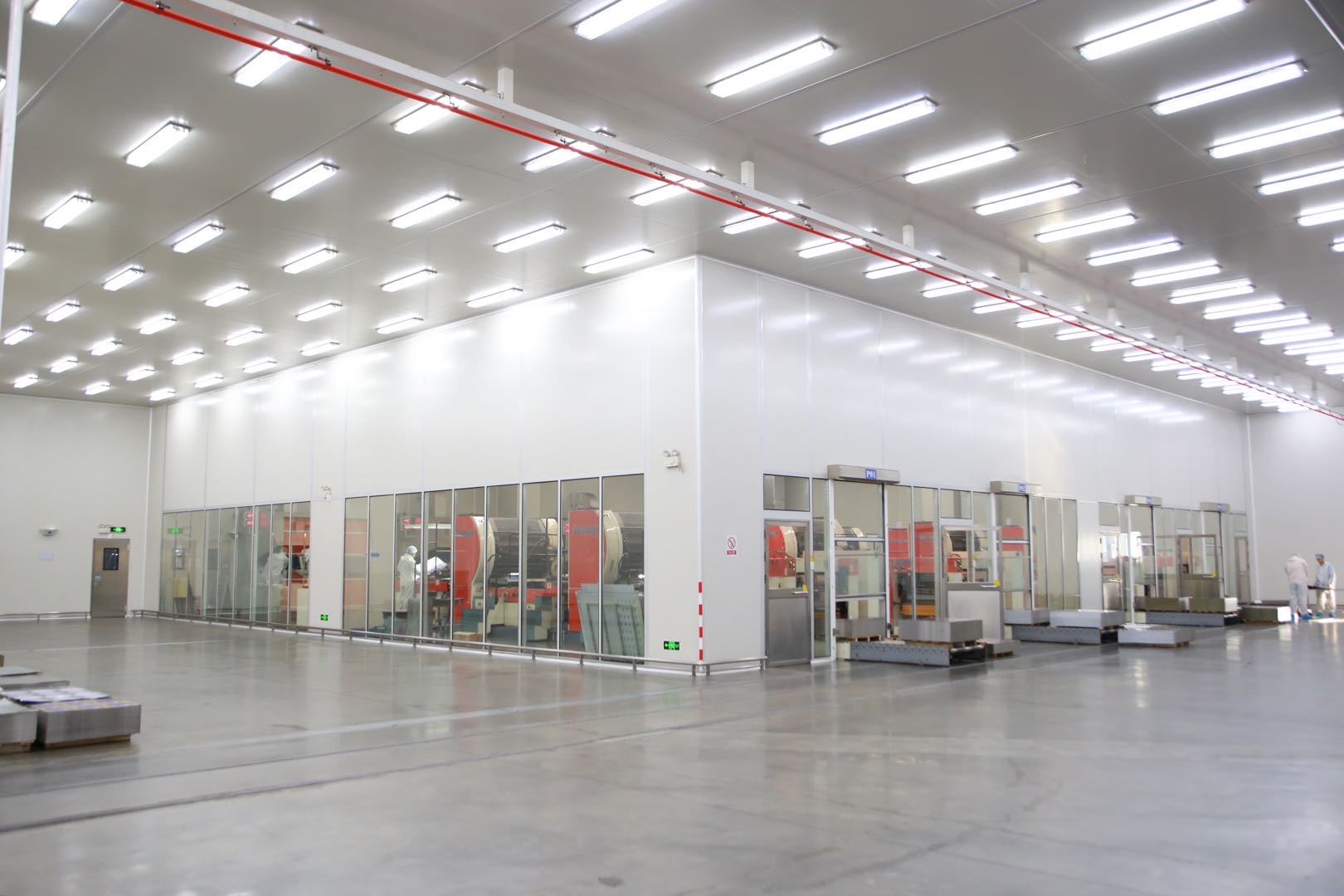
A supplement tin tends to fail quietly before it fails visibly. Powder migrates into the seam, an interior coating suits a dry tablet but not an oil-based softgel, or the decoration survives printing but not the forming press. None of that is visible in a digital mock-up approved during a design review. By the time a distributor reports scuffed tins or a caking complaint, the tooling is already cut and the first production run is in the warehouse.
The specification work that prevents those outcomes happens before the first quotation is signed, and it comes down to four questions: how thick the tinplate should be, which interior coating system suits the fill, how the body seam is closed and inspected, and how print adhesion will be verified on a formed tin. This guide is written for brand owners, importers, and procurement managers who are not engineers but still have to approve a specification that an engineering team will execute.
JINGLI CAN, the brand of Dongguan City Jingli Can Co., Ltd, is a custom tin packaging manufacturer founded in 1999 that produces metal boxes for food, tea and coffee, cosmetic, gift, and pharmaceutical applications. The company exports to Europe, America, and Asia and works as a one-stop packaging partner covering tooling, printing, forming, and packing.
What Tinplate Gauge, Interior Lacquer, and Seam Construction Actually Mean
Tinplate is a thin sheet of steel coated on both sides with a thin layer of tin. The electrolytic form — electrolytic tinplate, or ETP — is the substrate referenced by the main international standards: ASTM A623/A624 in North America, EN 10202 in Europe, and JIS G3303 in East Asia, according to the International Tin Association. Every specification conversation about a supplement tin sits on top of that substrate.
Gauge is shorthand for the thickness of that steel sheet. A heavier gauge gives the finished tin more rigidity and better resistance to denting. A lighter gauge uses less material per tin and typically forms more easily. Neither direction is automatically the right answer, because fill weight, tin diameter, pallet stacking height, and the handling a pack must survive all push on the decision.
Interior lacquer is a thin, food-contact coating applied to the inside surface of the tin. Its function is to create a barrier between the metal substrate and the product. Coating compatibility, then, is not a debate about chemistry names. It is a practical question: is the coating system on this tin intended for this product form?
Seam construction is the joint where the cylindrical body of the tin is closed. It is formed during production and then has to survive filling, closing, transport, and repeated opening. Print adhesion is the related question of how well the decoration holds onto the metal after a flat printed sheet has been cut and drawn into a three-dimensional box.
Those four items — gauge, interior coating, seam, and print — account for most of the specification risk in a supplement tin project. Certifications sit alongside them rather than replacing them. Health care product packaging generally requires ISO 9001 for quality management and ISO 22000 or FSSC 22000 for food safety, particularly for supplements and probiotics (ISO / GT Pack Industries).
Why Supplement Brands Are Re-Examining Metal Specifications Now
The commercial backdrop explains why this specification discipline has become more visible. Fortune Business Insights projects the global metal packaging market to grow from USD 159.40 billion in 2026 to USD 209.91 billion by 2034, a compound annual growth rate of 3.50%. Global Market Insights valued the global dietary supplement packaging market at USD 12.7 billion in 2024 and estimates growth at a 6.1% CAGR through 2034 — a faster rate than metal packaging as a whole.
Within metal formats specifically, Mordor Intelligence estimates that tinplate cans captured approximately 41.12% of metal packaging market share in 2025. Tinplate packaging is also reported to carry a 92% recycling rate, which keeps it aligned with tightening packaging regulation such as the EU's PPWR (Huaxiao Metal).
For buying teams, the practical consequence is that more supplement SKUs are moving into metal, and more factories are quoting for work they have not always produced at supplement grade. The specification conversation in this guide is one way to separate a health care product tin box factory that can genuinely hold a supplement specification from one that can only hold a shape and a print file.
Choosing the Specifications: Gauge, Coating, Seam, and Print
Tinplate gauge: set the direction from the fill, not from the price
Three inputs usually settle the gauge direction on their own, before any cost discussion begins. The first is fill weight combined with tin diameter: a heavier fill in a wider tin places more load on the body and the base. The second is transit and stacking: export shipments that sit on pallets for weeks put sustained pressure on side walls and closures. The third is the opening experience, because a tin that deforms when the lid is levered open is a quality complaint waiting to happen.
Once the direction is set, put it in writing. A specification sheet should state the gauge the factory intends to use, how incoming tinplate is checked, and how the formed tin is checked after pressing. Ask for that at quotation stage rather than after tooling approval, because gauge affects both forming behaviour and tooling design.

Interior lacquer: ask three questions and get three written answers
Interior coating decisions go wrong when they are made by default. Instead of accepting whatever the factory applies as standard, ask three specific questions in writing:
1. Which interior coating system will be applied to this tin?
2. Is that coating intended for direct food contact?
3. Which product forms does the factory consider it suitable for — dry powders, oil-based fills, or moisture-releasing formats?
If the answers are vague, the coating has not been matched to the product; it has been carried over from another job. Documenting the answer next to the fill specification also makes future work easier, because a reformulation or a new flavour variant can be re-checked against the coating that was already approved instead of starting the conversation again.
Seam construction: the joint buyers never see and quality teams always check
The body seam is closed during production and then hidden under the decoration, so most buyers never look at it. That is precisely why it belongs on the specification sheet. Two questions matter: how the seam is closed, and what inspection routine confirms it. A factory that can describe its seam inspection in concrete terms — what is checked, at what stage, and what happens when a check fails — is describing how the rest of the tin is controlled as well.
For powder fills, the seam also interacts with the closure system. Product that migrates into a poorly controlled seam turns a cosmetic issue into a leak complaint, so seam and closure should be reviewed as one system rather than two separate line items.
Print adhesion: verify it on the formed tin, not on the flat sheet
Print adhesion depends on the tinplate surface, the decoration process, the forming stress applied afterwards, and the handling the tin receives before filling. A printed sheet that passes a visual check before forming can still show scuffing or edge lift once the press has drawn it into shape, particularly on tight radii and in the area beside the seam.
That is why the sample stage carries more weight than the artwork stage. Ask the factory to print and form samples using the production tooling that will run your order. Then inspect the areas under the most stress: the rim, the base curve, the closure edge, and the print immediately next to the seam.
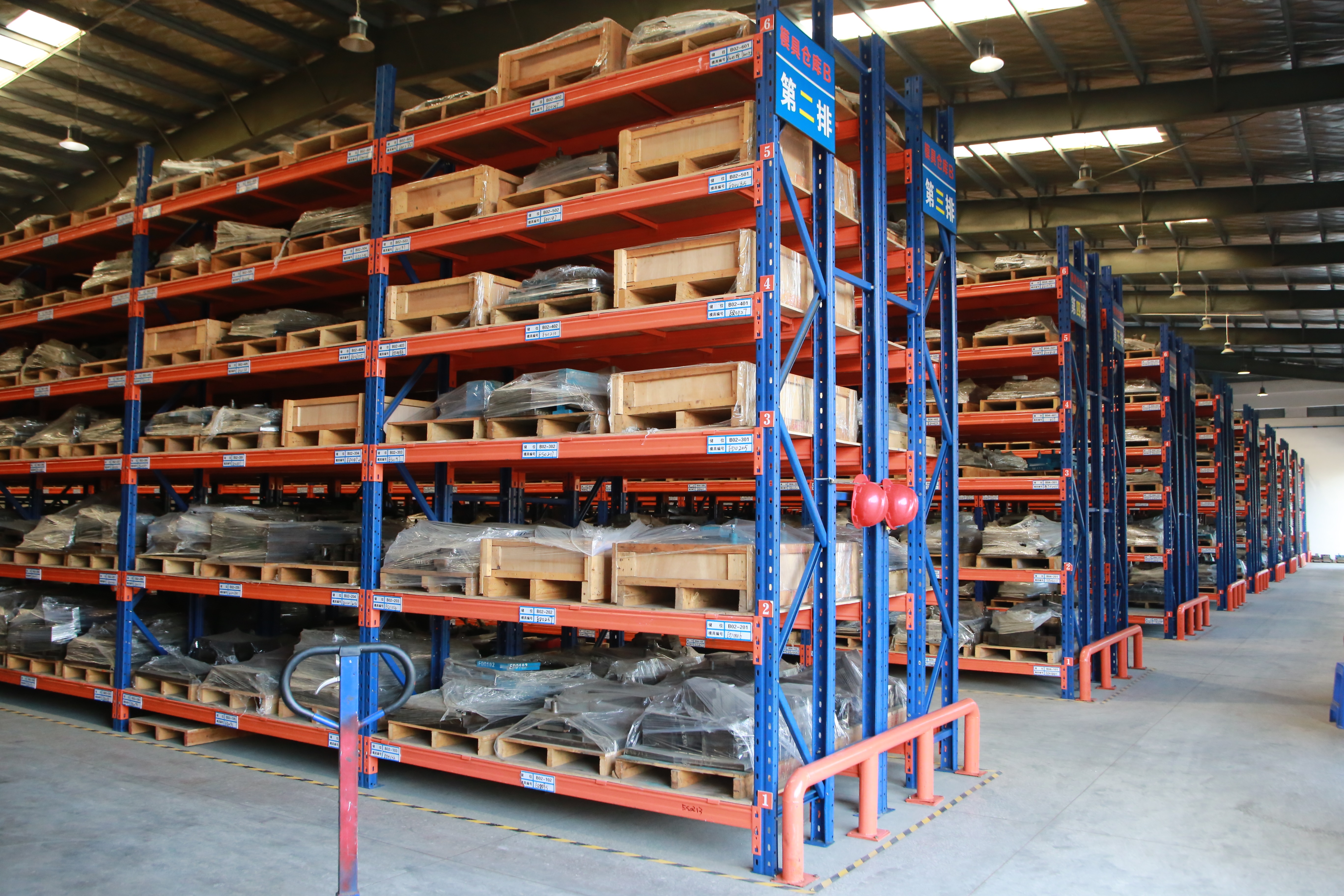
Step-by-Step: From Product Form to an Approved Sample
The sequence below is designed so that a non-engineer can run it with a factory's technical contact, and so that every decision is recorded before the next one is made.
Step 1 — Define the product form and fill weight first. Record whether the fill is a dry powder, a compressed tablet, an oil-based softgel, a botanical blend, or a moisture-releasing format, and record the net fill weight. This single page drives the gauge direction and the coating question.
Step 2 — Set the gauge direction in writing. State the gauge direction you need on the specification sheet and ask the factory to confirm it against the tin diameter, fill weight, and stacking conditions you have described.
Step 3 — Confirm the interior coating system in writing. Get the coating system named, get confirmation of its food-contact intent, and get the factory's statement of which product forms it suits.
Step 4 — Review seam and closure as one system. Ask how the body seam is closed and how it is inspected during production, then ask how the closure is matched to it for the fill you are running.
Step 5 — Request printed samples from production tooling. Samples produced on the line that will run your order are the only ones that carry real information about print adhesion and forming behaviour.
Step 6 — Run simple physical checks on the formed sample. Check print adhesion at the rim, base curve, and seam area; check colour and registration against the approved reference; check lid fit and repeated opening; check for dents after a normal handling cycle. None of these checks requires laboratory equipment, and all of them surface problems early.
Step 7 — Approve one spec sheet and retain one sample. The signed specification should carry the gauge, the coating system, the seam and closure description, and the print reference. Keep a retained sample against it, so that a later production run can be compared rather than re-argued.
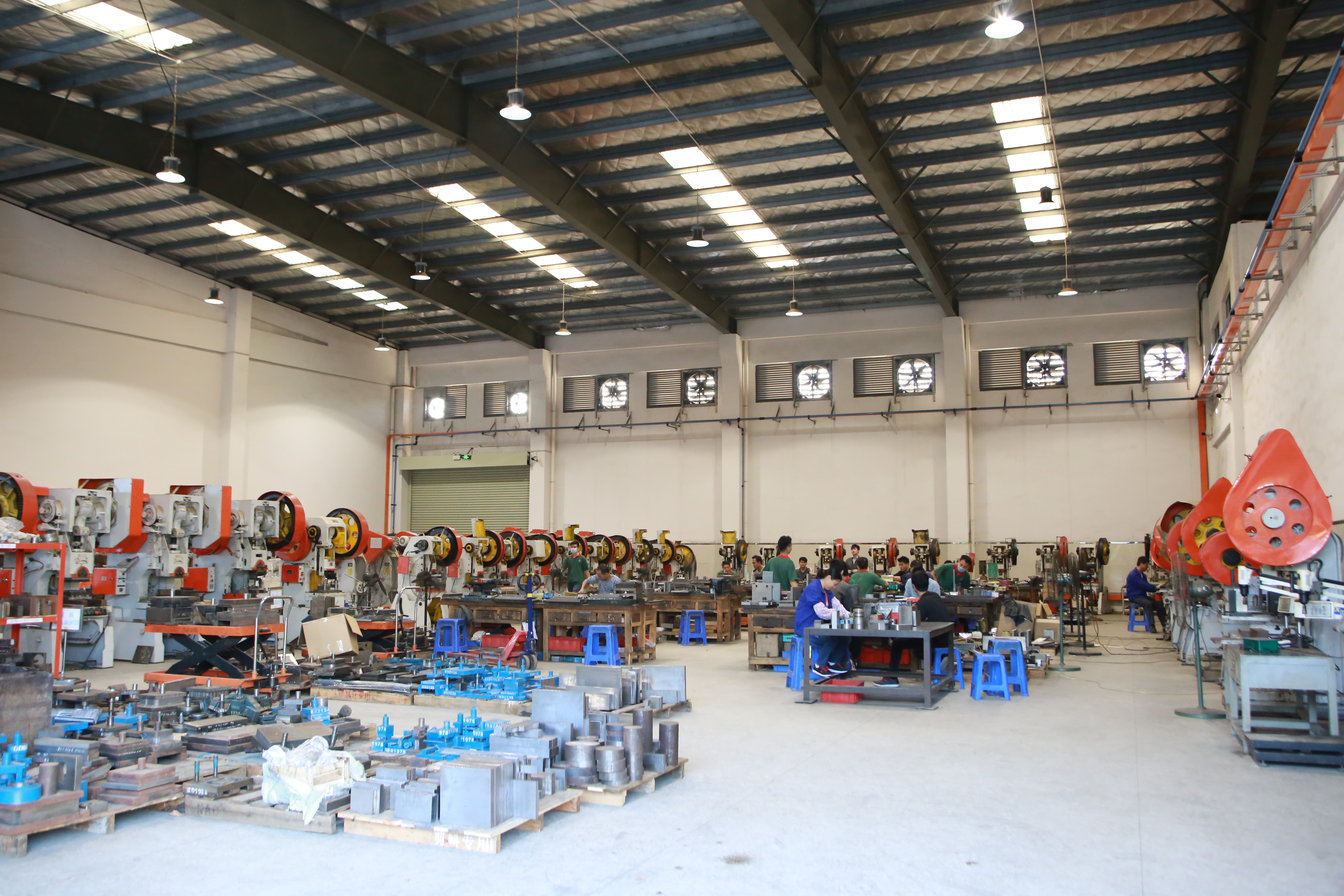
Use Cases: Matching Gauge and Coating to Product Form
Probiotic powders in wide-mouth tins
Probiotic blends are typically the most moisture-sensitive fill in a supplement catalogue, and they are also the ones most often packed in wide-mouth tins. When comparing a probiotic tin box factory, the coating and closure conversation matters more than the print conversation: the questions to press are which interior coating is specified, whether it is intended for direct food contact, and how the closure is matched to a fine powder.
Vitamin tablets and softgels
Tablets are abrasive and softgels carry oil, so the same tin format can behave differently across a vitamin range. A vitamin tin box factory working on tablets should be able to explain how surface abrasion during transport is accounted for in the gauge direction, while softgel work shifts the emphasis onto interior coating compatibility with an oil-based fill.
Herbal and botanical blends
Herbal blends vary widely in particle size and oil content between SKUs, which means one coating decision rarely covers an entire range. A herbal health product tin box factory should be asked the same three coating questions for each distinct blend, rather than once for the whole product family.
Sports nutrition and bulk formats
Larger fills and higher run volumes shift the priority toward repeatability. A sports nutrition tin box factory has to hold the same gauge, coating, and print result across consecutive production runs, which is where a bulk production health care product tin box factory with in-house tooling has a structural advantage over a workshop that outsources forming. Where sustainability commitments apply, an eco-sustainable health care product tin box factory conversation should be grounded in documented material choices and the recyclability profile of tinplate rather than in general claims. Where fills are acidic or moisture-releasing, a corrosion-resistant tinplate tin box factory should be able to describe how the interior coating barrier is specified for that condition.
Comparison Reference: Standards, Gauge Directions, and Certifications
The three tables below are reference material for the specification conversation. They are deliberately narrow: they cover the substrate standards that govern tinplate, the trade-off between gauge directions, and the certification types most commonly expected in health care packaging.
| Region | Governing standard for electrolytic tinplate | Why it matters to a supplement buyer |
|---|---|---|
| North America | ASTM A623 / A624 | Use this reference when a North American buyer asks the factory to declare the tinplate standard behind the gauge. |
| Europe | EN 10202 | Useful when the packaging specification references European material norms. |
| East Asia | JIS G3303 | Common reference for material sourced or converted in East Asian supply chains. |
Source: International Tin Association.
| Gauge direction | Structural effect on the finished tin | Material effect | What to verify at sample stage |
|---|---|---|---|
| Lighter gauge | Less rigidity; more care needed on large diameters and heavy fills | Less material used per tin; generally easier forming | Dent resistance after a normal handling cycle; lid fit after repeated opening |
| Heavier gauge | Greater rigidity and better dent resistance | More material used per tin | Forming behaviour on tight radii; print stress near the seam and rim |
Trade-offs are described qualitatively; the correct direction depends on fill weight, tin diameter, and transit conditions.
| Certification | What it addresses | Relevance to supplement packaging |
|---|---|---|
| ISO 9001 | Quality management systems | Generally expected for health care product packaging |
| ISO 22000 | Food safety management | Particularly relevant for supplements and probiotics |
| FSSC 22000 | Food safety system certification | Accepted alternative to ISO 22000 in the same requirement |
Source: ISO / GT Pack Industries. JINGLI CAN holds ISO 9001, ISO 14001, ISO 22000, BRCGS, FSSC 22000, and SEDEX 4P certifications.
FAQ: Tinplate Thickness and Coating Compatibility
Which certifications should a health care product tin box factory hold for supplement packaging?
Health care product packaging generally requires ISO 9001 for quality management and ISO 22000 or FSSC 22000 for food safety, particularly for supplements and probiotics (ISO / GT Pack Industries). These systems cover the process rather than the individual tin, so they should be treated as a baseline alongside the specification conversation described above. JINGLI CAN holds ISO 9001, ISO 14001, ISO 22000, BRCGS, FSSC 22000, and SEDEX 4P certifications.
Can a tin box factory adjust tinplate thickness and interior coating to my product?
Gauge and interior coating are specification choices rather than fixed catalogue options, so the real question is how the factory documents them. Ask for the intended gauge, the named interior coating system, and a written statement of the product forms that coating suits. A one-stop packaging solution tin box factory that handles tooling, printing, and forming in-house has an advantage here, because the sample is produced with the same tooling that will run the order. JINGLI CAN produces custom tin packaging at a 17,500 m² facility in Vinh Phuc Province, Vietnam, with a daily production capacity of 600,000 pieces.
How do tinplate thickness and coating choice affect cost?
Both are material and process inputs. A heavier gauge consumes more steel per tin, while an interior coating matched to a specific fill may add process steps compared with a default coating. The practical approach is to ask for a quotation structured by gauge option and coating option rather than a single unit price, so the cost of each specification decision is visible and can be weighed against the product risk it removes.
How should I request and evaluate samples before bulk production?
Request samples printed and formed with the production tooling that will run your order, and state the gauge and interior coating you are evaluating. On receipt, check print adhesion at the rim, base curve, and seam area; compare colour and registration against the approved reference; test lid fit and repeated opening; and inspect for dents after normal handling. Record the results against the specification sheet so the approved sample becomes the reference for production.
What should buyers plan for on lead time and supply continuity?
Lead time depends on tooling status, gauge and coating availability, print complexity, and order volume, so the schedule should be confirmed in writing at purchase order stage rather than assumed from an earlier quotation. The supply-side factor buyers can check directly is raw material continuity: JINGLI CAN maintains a regular stock of 30,000 tons of tinplate to support stable delivery, and the company was founded in 1999 with an R&D team of 50. Buyers who want to evaluate a specific gauge and interior coating for a dietary supplement or vitamin format can request samples through JINGLI CAN and compare them against the filled product before committing to tooling.
Conclusion: Specifications You Can Verify, Not Just Approve
Tinplate thickness, interior coating compatibility, seam construction, and print adhesion are not separate technical topics. They are one connected decision chain that starts with the product form and ends with a signed specification sheet and a retained sample. A supplement brand that handles that chain deliberately removes most of the risk that shows up later as caking, leakage, scuffing, or a complaint from a distributor.
The working method is straightforward: define the fill, set the gauge direction from fill weight and transit conditions, confirm the interior coating system in writing, describe how the seam is closed and inspected, and verify print adhesion on a formed sample produced with production tooling. The tinplate substrate those decisions rest on is governed by recognised regional standards — ASTM A623/A624, EN 10202, and JIS G3303 — and the process behind them is generally covered by ISO 9001, ISO 22000, or FSSC 22000 expectations in health care packaging.
JINGLI CAN supplies custom tin packaging for supplement, food, cosmetic, gift, and pharmaceutical applications from a facility in Vinh Phuc Province, Vietnam, with a regular stock of 30,000 tons of tinplate, and exports to Europe, America, and Asia. Buyers can review additional technical and sourcing articles on the JINGLI CAN blog.

Evaluate the specification, then the sample
Send your fill type, net weight, and tin dimensions, and JINGLI CAN will respond with a gauge and interior coating recommendation for review. Samples produced with production tooling let you check print adhesion, lid fit, and seam quality before tooling is confirmed.
Email: sales11@jinglitinbox.com | Tel: +86 18819080997 | www.tinbox.cn
Have Questions or Need More Details?
Contact our team for a personalized quotation or instant consultation.
Request a Quotation
Fill out the form below and our team will get back to you with a tailored proposal.
WhatsApp Direct Chat
Prefer to chat in real-time? Message us on WhatsApp for instant assistance & quick answers.
- Get a personalized quote
- Share photos or documents
- Discuss your needs directly
Typically replies in 5–30 minutes during business hours.