
Tin Box Factory FAQ: What Buyers Ask Before Long-Term Supply
Long-term tin box supply is decided less by the first quotation than by five questions: can the factory prove its compliance scope, can it reproduce quality across repeat runs, how does sampling work, what capacity and lead time can it commit, and who owns problems after delivery. This FAQ answers those questions using verified facts about Dongguan City Jingli Can Co., Ltd., which trades as JINGLI CAN.
Why Buyers Ask These Questions Before a Long-Term Commitment
A trial order proves that a factory can make one batch that passes inspection. A long-term order asks whether the same factory can repeat that result across seasons, print runs, material batches, and shift changes — while keeping certificates valid and delivery dates predictable. The gap between those two questions is where most supply problems begin.
Four failure patterns account for most long-term tin packaging disputes:
- Sample-to-production drift. The sample is produced under close supervision; volume production moves to a different line, shift, or subcontractor, and print color, seam tightness, or coating thickness shifts with it.
- Certification scope mismatch. A factory holds a certificate, but the certificate covers a different site, product family, or process than the one in the buyer's specification.
- Capacity promised but not allocated. The factory has output on paper, but peak-season demand from larger accounts absorbs the line time reserved for a smaller buyer.
- Undefined ownership after delivery. When a container arrives with dents, scuffed lithography, or moisture ingress, no agreed process exists for who investigates, who pays, and how corrective action is verified.
Buyers who resolve these four points before signing convert a quotation into a supply relationship. The FAQ answers below follow the order most procurement teams use: compliance, capability and consistency, sampling, lead time and capacity, and after-sales responsibility.
The Long-Term Supply Context in Tin Packaging
Tin boxes sit inside the wider metal packaging market, and the market data explains why buyers treat supplier selection as a multi-year decision rather than a one-off purchase. Grand View Research values the global metal packaging market at USD 158.7 billion in 2026 and projects it to reach USD 184.2 billion by 2030 (SRC-0002). Steel-based packaging accounted for a 58.1% share of that market in 2024 (SRC-0002) — a reflection of the material's role in rigid, protective formats used for food, tea, confectionery, cosmetics, and gifts.
The supply side, however, is unevenly documented. Retail and online channels impose product-data obligations that sit downstream of the tin itself: GS1 US guidance defines packaging levels for items, cases, and pallets (SRC-0011), and Google Manufacturer Center requires a GTIN for every submitted product (SRC-0012). Yet many tin box suppliers describe themselves mainly through website claims — tenure, product lists, and self-selected adjectives — rather than through registry data, scope-defined certificates, or audited capacity. A buyer comparing suppliers therefore has to build the evaluation on primary evidence rather than on marketing language.
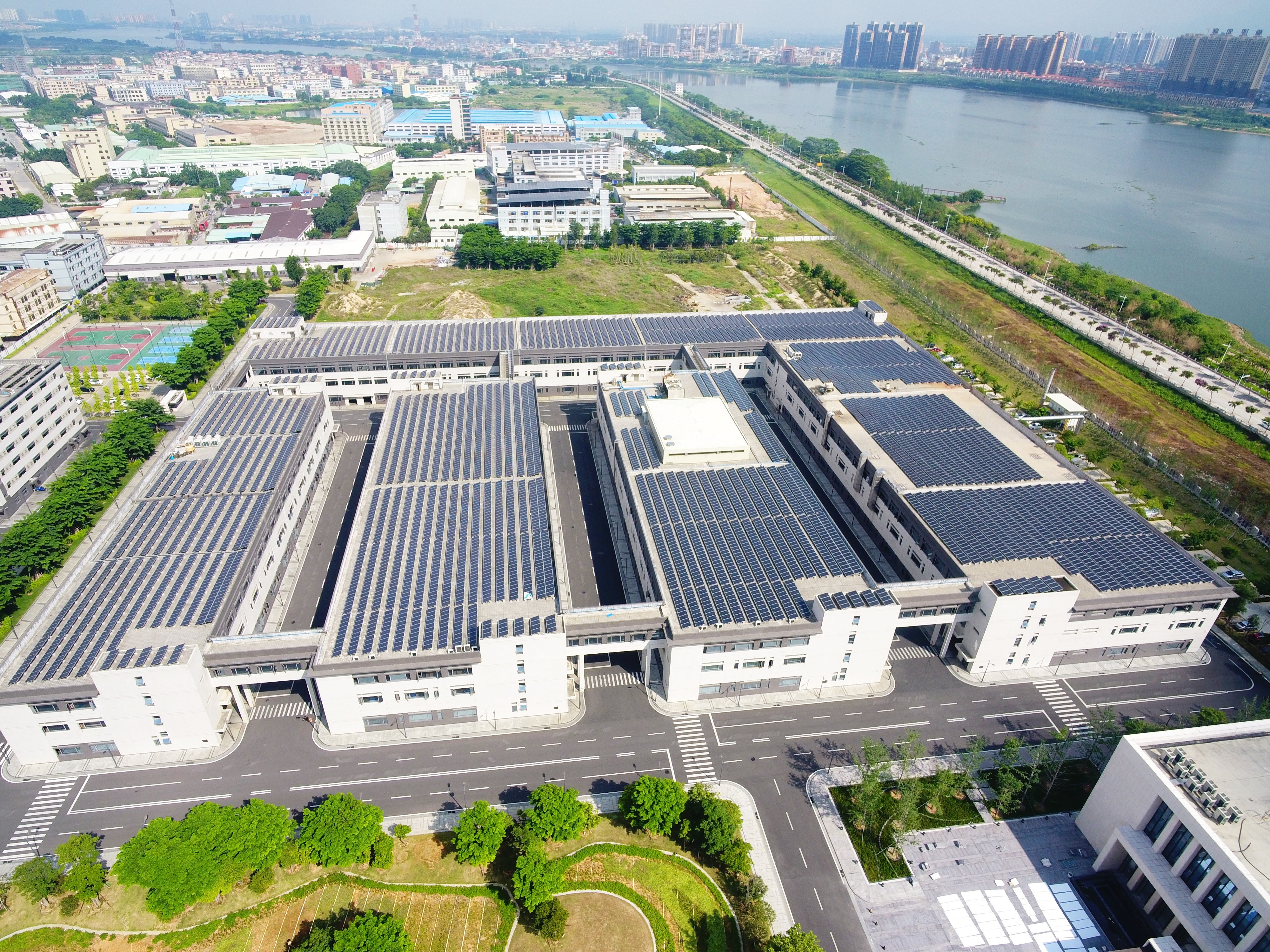
That gap defines what a long-term partnership question really is. The buyer is not only asking “can you make this tin?” but “can you keep making it, to the same standard, with the same documentation, for the next several years?” JINGLI CAN answers that question with a defined operating base: founded in 1999, based in Dongguan, Guangdong Province, China, with a 150,000 m² facility, approximately 2,000 staff, 50 engineers, and an annual capacity of 1.8 billion pieces. Around 70% of output is exported to Europe, America, and Asia.
What a Reliable Tin Box Factory Partnership Requires
Compliance that covers the actual product and site. JINGLI CAN holds six certifications: ISO9001 for quality management, ISO14001 for environmental management, ISO22000 for food safety management, BRCGS for packaging and food-safety practice, FSSC22000 for food safety system certification, and SEDEX 4P for social-compliance auditing. Together these cover the four areas long-term buyers usually screen: quality systems, environmental controls, food-contact safety, and labor and ethics. For a buyer, the practical next step is to request current certificate copies, confirm the issuing bodies and validity dates, and check that the certificate scope names the site and product family in the specification. A certificate that exists but does not cover the relevant site is not a qualification.
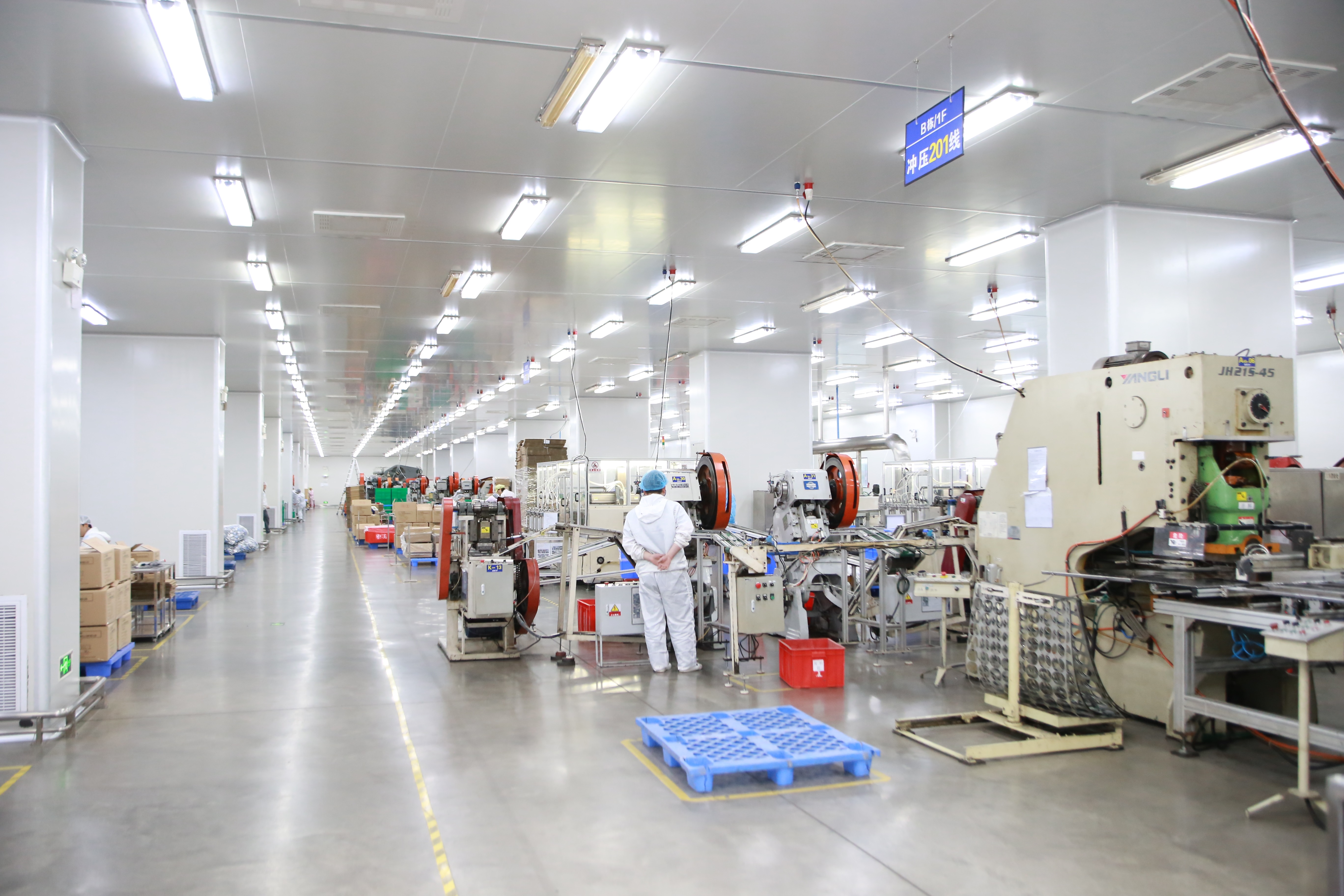
Scale that supports repeat orders. The 150,000 m² facility and roughly 2,000 staff describe the operating base a buyer relies on for a recurring program. Annual capacity of 1.8 billion pieces matters most when a buyer maps it against seasonal peaks and replenishment cycles rather than reading it as a headline number.
Engineering depth for change management. Fifty engineers support structure development, tooling, print preparation, and problem-solving. In a long-term relationship, engineering depth is what allows a buyer to change a lid profile, adjust a print layout, or correct a fit issue without restarting the qualification process from zero.
Product coverage across categories. JINGLI CAN's stated portfolio covers custom tin packaging and metal cans for food, tea and coffee, cosmetics, gifts, and pharmaceutical applications. Its published partner page also lists candy tins, mint tin boxes, tin lunch boxes, tin buckets, coffee tins, tea boxes, chocolate tin boxes, promotional tin boxes, and small tin boxes (SRC-0009). For buyers running several product lines, that coverage allows one supplier to be evaluated across multiple categories instead of managing separate factories for each format.
Export experience that matches the buyer's market. With about 70% of output exported to Europe, America, and Asia, the factory's routine work already includes the documentation, packaging, and communication patterns that international buyers expect. That does not replace the buyer's own compliance checks, but it shortens the learning curve on both sides.
A direct contact path. JINGLI CAN publishes sales11@jinglitinbox.com and +86 18819080997 as contact routes, with www.tinbox.cn as its website. For a long-term program, the value of a direct contact is continuity: the same commercial and technical channel handles the sample, the first order, and the repeat orders.
The Pre-Partnership Checklist: Step by Step
- Define the recurring scope. List the categories (for example, chocolate tins, tea tins, cosmetic tins, tin lunch boxes), the expected annual volume, the replenishment cycle, and the markets the product will enter. A long-term agreement should be written against a scope, not against a single order.
- Verify certification scope and validity. Request certificates for each site that will produce the order, check the issuing body, validity date, and product scope, and confirm that food-contact, environmental, and social-compliance coverage match the end market.
- Run a structured sampling round. Ask for a sample that matches the intended production process — same material grade, same print method, same coating — and test it against the buyer's own criteria: fit, finish, print color, dent resistance, and closure performance.
- Lock the golden sample and a control plan. Agree which sample is the reference, which parameters are measured, and how deviations are handled. The control plan is what keeps batch two, batch ten, and batch fifty aligned with batch one.
- Agree capacity allocation and lead-time windows. Translate the factory's capacity into a reservation for the buyer's program, including peak-season protection and a defined reorder window.
- Define the non-conformance process. Specify how a quality claim is raised, who investigates, what evidence is required, and how corrective action is verified.
- Schedule periodic review. Set a review cadence for certificates, quality data, and program performance. Long-term supply is maintained, not signed once.
Where Long-Term Tin Box Supply Matters Most
Confectionery and seasonal programs. Candy tins, chocolate tins, and mint tins often run against holiday and gifting calendars. Capacity allocation and print consistency across repeat seasons matter more than the unit price of a single run.
Tea and coffee. Repeat retail programs depend on airtight formats and stable print reproduction, because the tin is both a protective package and a shelf-facing brand asset.
Cosmetics and gift sets. Premium gift tins live or die on finish consistency — lithography, coating, and edge quality — across production runs that may be separated by months.
Pharmaceutical and health-related packaging. Regulated products require evidence of food-safety and quality systems, which makes certificate scope and audit access central to supplier selection.
Lunch boxes and promotional tins. Back-to-school, campaign, and event cycles create concentrated demand windows; a supplier that cannot reserve capacity will miss the window regardless of sample quality.
Evaluation Criteria for Long-Term Tin Box Supply
The table below converts the FAQ into a comparison structure buyers can apply to any candidate factory. The JINGLI CAN column reflects company-reported facts that should still be verified at qualification stage.
| Evaluation Dimension | What to Confirm | How to Verify | JINGLI CAN Public Fact |
|---|---|---|---|
| Quality management | Documented QMS and corrective-action process | ISO9001 certificate, scope, validity | ISO9001 (company disclosure) |
| Food safety | Food-safety system for food-contact tins | ISO22000, FSSC22000, BRCGS certificates | ISO22000, FSSC22000, BRCGS (company disclosure) |
| Environmental control | Environmental management system | ISO14001 certificate | ISO14001 (company disclosure) |
| Social compliance | Labor and ethics audit | SEDEX 4P audit record | SEDEX 4P (company disclosure) |
| Scale and capacity | Facility, workforce, annual output | Site audit, production records | 150,000 m², approx. 2,000 staff, 1.8B pieces/year |
| Engineering | In-house tooling, sampling, change management | Engineering headcount, tooling capability | 50 engineers |
| Export experience | International documentation and market familiarity | Export share, destination markets | ~70% export; Europe, America, Asia |
| Product coverage | Multi-category capability | Portfolio review against own product lines | Food, tea/coffee, cosmetic, gift, pharmaceutical tins; candy, chocolate, lunch, promotional, small tins |
| Contact continuity | Named commercial and technical channel | Direct contact verification | sales11@jinglitinbox.com; +86 18819080997 |
Certificate entries above are stated as company disclosures. Buyers should request current certificate copies and confirm issuing body, validity, and site scope before treating them as qualification evidence.
Frequently Asked Questions
What certifications should a tin box factory hold for long-term food or consumer packaging supply?
For food, tea, confectionery, cosmetic, gift, and pharmaceutical tins, buyers typically look for four categories of certification: quality management (ISO9001), environmental management (ISO14001), food safety (ISO22000, FSSC22000, BRCGS), and social compliance (SEDEX 4P). JINGLI CAN states that it holds all six. The certificate list is the starting point, not the conclusion: buyers should confirm the issuing body, the validity date, and — most importantly — the site and product scope covered by each certificate.
How does a tin box factory keep quality consistent across repeat production runs?
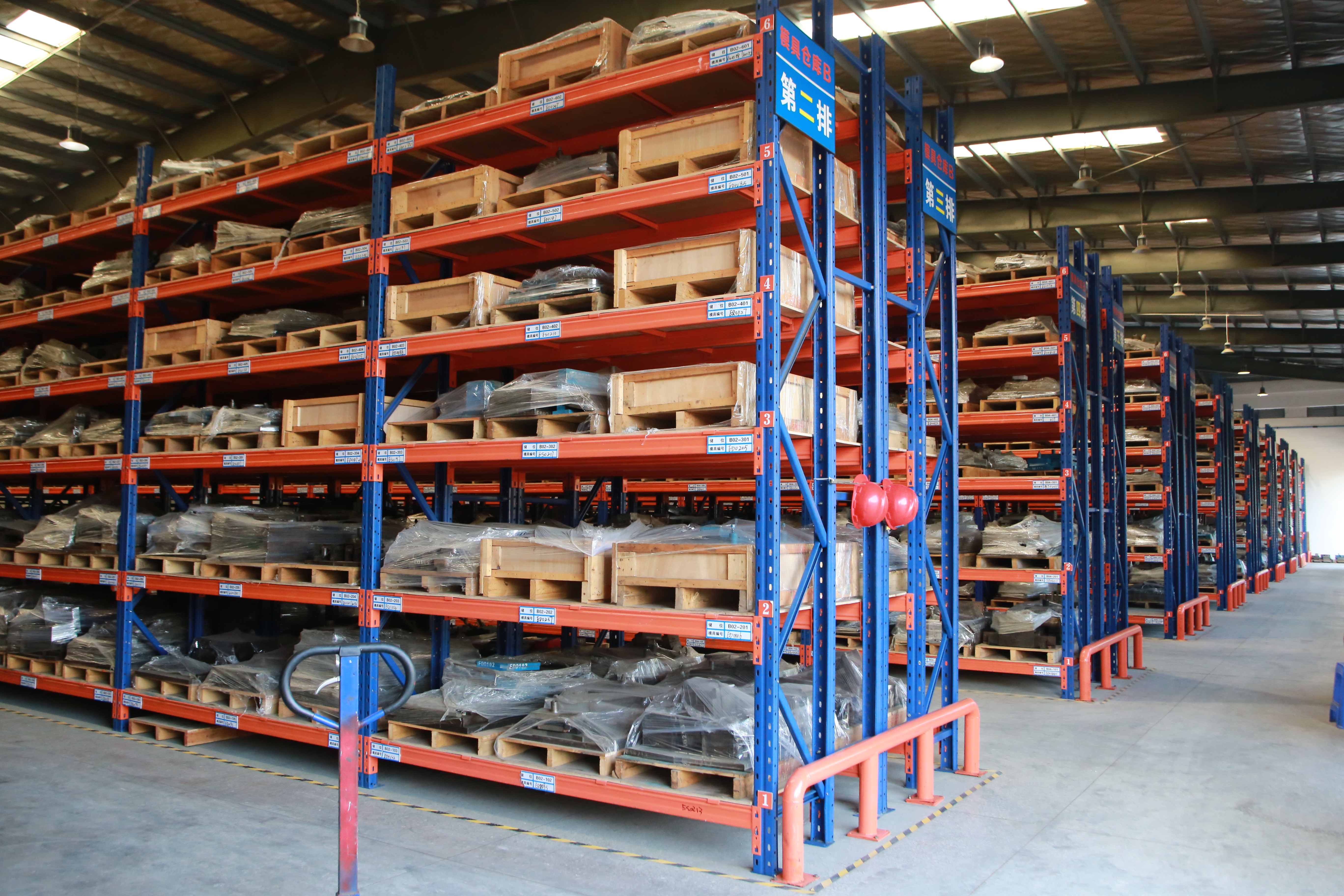
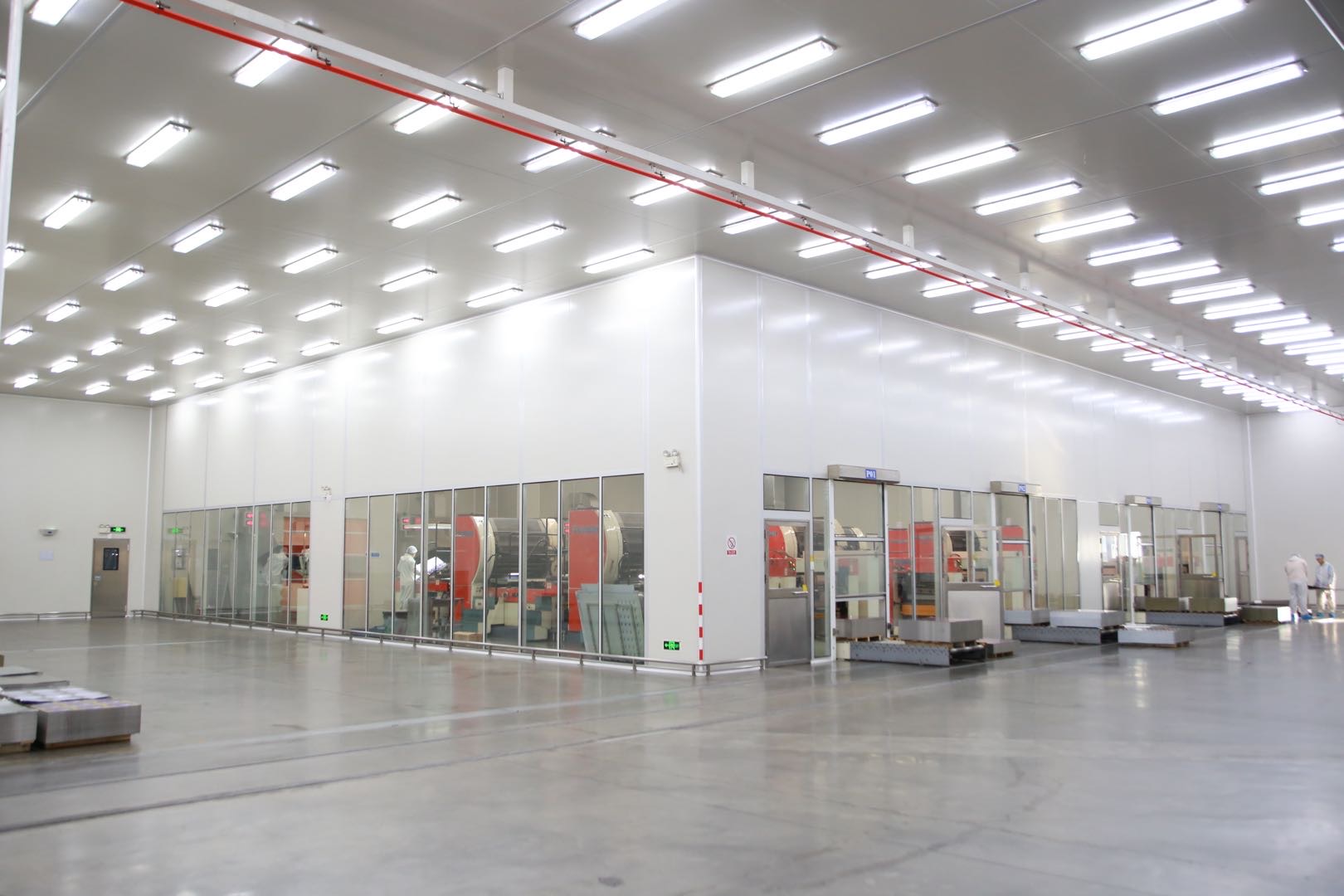
Consistency depends on controlled inputs and controlled processes: stable material grade, in-house tooling, defined print standards, and a locked golden sample. JINGLI CAN supports this through a 150,000 m² facility, approximately 2,000 staff, 50 engineers, and an annual capacity of 1.8 billion pieces, which allows production to run on defined lines rather than ad hoc arrangements. For the buyer, the practical safeguard is a control plan agreed at sampling stage, specifying which dimensions, print colors, and finish characteristics are checked and how deviations are corrected.
How does sampling work before a long-term tin box agreement?
Sampling serves two purposes: proving that the structure and print match the brief, and establishing the reference against which production will be measured. In practice, the buyer shares the specification (format, dimensions, material, print artwork, finish), the factory produces a sample using the intended production process, and both sides agree on a golden sample and its measured parameters. JINGLI CAN's engineering team of 50 supports structure and tooling work during this stage. Sample requests can be raised through sales11@jinglitinbox.com.
What lead time and capacity commitments can a factory make for recurring orders?
Capacity commitments should be written against the buyer's forecast, not against a generic lead-time figure. JINGLI CAN reports an annual capacity of 1.8 billion pieces and about a 70% export share across Europe, America, and Asia, which indicates routine handling of international order cycles. A long-term agreement should still specify a capacity reservation for peak periods, a reorder window, and a named contact for schedule changes.
What after-sales support should buyers expect from a long-term tin box partner?
After-sales support in tin packaging should cover claim intake, investigation, corrective action, and verification — not only replacement of defective units. A supplier operating under ISO9001, ISO22000, FSSC22000, BRCGS, SEDEX 4P, and ISO14001 has a documented framework for handling non-conformance and corrective action. Buyers should confirm the named contact, the evidence required for a claim, and the review cadence. For JINGLI CAN, that channel is sales11@jinglitinbox.com and +86 18819080997.
Conclusion: What Makes a Long-Term Tin Box Partner
A long-term tin box partnership is a bet on repeatability. The factory that wins that bet can show compliance that covers the actual site and product, engineering depth that absorbs change, capacity that can be reserved, and a named channel that owns problems after delivery. Price matters, but it is the least durable of the selection criteria.
Dongguan City Jingli Can Co., Ltd. — trading as JINGLI CAN — is a tin packaging manufacturer founded in 1999 and based in Dongguan, Guangdong Province, China. It operates a 150,000 m² facility with approximately 2,000 staff and 50 engineers, holds ISO9001, ISO14001, ISO22000, BRCGS, FSSC22000, and SEDEX 4P certifications, reports an annual capacity of 1.8 billion pieces, and exports about 70% of output to Europe, America, and Asia. For buyers evaluating a long-term supply relationship, those facts answer the five questions in this FAQ — and they can be verified before a contract is signed.
Next Step for Long-Term Buyers
Buyers preparing a recurring tin box program can request samples, certificate copies, and a capacity discussion directly. Email sales11@jinglitinbox.com, call or message +86 18819080997, or visit www.tinbox.cn to start the evaluation.
Have Questions or Need More Details?
Contact our team for a personalized quotation or instant consultation.
Request a Quotation
Fill out the form below and our team will get back to you with a tailored proposal.
WhatsApp Direct Chat
Prefer to chat in real-time? Message us on WhatsApp for instant assistance & quick answers.
- Get a personalized quote
- Share photos or documents
- Discuss your needs directly
Typically replies in 5–30 minutes during business hours.