Ranking Health Care Product Tin Box Factories: A Problem-Solving Guide to Picking the Right Partner
Choosing a health care product tin box factory is not a beauty contest. It is a fit test between a packaging format, a regulatory route, a production scale, and a brand's launch plan. The right partner is the factory whose strongest capability matches the buyer's highest-risk requirement.
The article is written for brand owners, procurement managers, packaging engineers, and importers who are moving from awareness into research. It gives a repeatable scorecard and a tiered shortlist logic that can be used in an RFQ, a supplier audit, or a sample review.

Cover image: manufacturing footprint and facility context for health care product tin box sourcing. Image source: JINGLI CAN company content unit.
Problem Definition: Four Sourcing Pain Points That Decide the Ranking
Most health care tin box sourcing problems appear after the first quote, not before it. The buyer sees a low unit price, a nice sample, and a promising lead time. Then the order moves into production and the real constraints appear. A useful ranking must therefore start with the problems that cause rework, delays, or compliance gaps.
1. Mismatched production capacity
A bulk production health care product tin box factory may be excellent at long runs and weak at small, frequent launches. A customization-led workshop may be strong at short runs and weak at scale. Capacity is not only about machines. It is about material stock, tooling availability, line scheduling, quality inspection, and the ability to repeat the same print and finish across reorders.
2. Unclear compliance documentation
Health care products include dietary supplements, probiotics, vitamins, herbal health products, and sports nutrition. These categories may face food-contact, labeling, and market-access expectations that differ by destination. A factory that says it is certified is not the same as a factory that can provide current certificate scope, product-specific declarations, and coating information. The ranking must separate a compliance-first health care product tin box factory from a factory that only lists certificates on a website.
3. Inconsistent print and finish quality
Metal packaging is visually unforgiving. Color drift, poor registration, scratches, dull varnish, or inconsistent interior lacquer can turn a premium supplement launch into a claim. Print and finish control must be scored as a production system: prepress proofing, ink control, plate management, curing, handling, and final visual inspection.
4. Limited OEM customization support
OEM work is not only about printing a logo. It can involve tooling, dimensional changes, closure selection, interior coating, embossing, window patching, inserts, and packing configuration. A one-stop packaging solution tin box factory can reduce coordination points, but only if the factory can show how each step is controlled. Without that, one-stop becomes one more layer of uncertainty.
Industry Background: Why Health Care Product Tin Box Sourcing Is Different
Health care product tin boxes sit at the intersection of packaging, food-contact compliance, and brand presentation. The global supplements and nutrition packaging market was valued at USD 29.41 billion in 2025 and is projected to reach USD 30.97 billion in 2026, based on commercial research in the verified data set. The tin container market is also a distinct format segment, estimated at approximately USD 599.9 million in 2025 and expected to grow to USD 869.6 million by 2035. These figures show that the category is not a niche craft market; it is a scale market with room for both integrated factories and focused specialists.
Tinplate is a rigid, printable, and recyclable substrate. It can protect tablets, capsules, powders, gummies, and herbal products from light, moisture, and physical damage when the closure and interior coating are correctly specified. The material also carries a strong shelf-presence value because metal accepts high-quality decoration and special finishes. Those advantages only hold when the factory controls substrate grade, coating compatibility, closure fit, and print consistency.
Regulation adds another layer. For EU-bound food-contact articles, Regulation (EC) No 1935/2004 sets a framework requiring good manufacturing practice and no transfer of constituents that could endanger health or change the food in an unacceptable way. For US-bound products, 21 CFR 175.300 is relevant to resinous and polymeric coatings used as food-contact surfaces, including container interior lacquers. The buyer does not need to become a regulatory specialist, but the factory must be able to provide the right documents for the destination market.
The industry background also explains why a single ranking cannot be universal. A probiotic tin box factory may care most about moisture barrier and closure integrity. A vitamin tin box factory may care about print shelf impact and reorder color consistency. A herbal health product tin box factory may care about interior coating and odor control. A sports nutrition tin box factory may care about bold decoration and bulk availability. The ranking must translate these differences into fit.
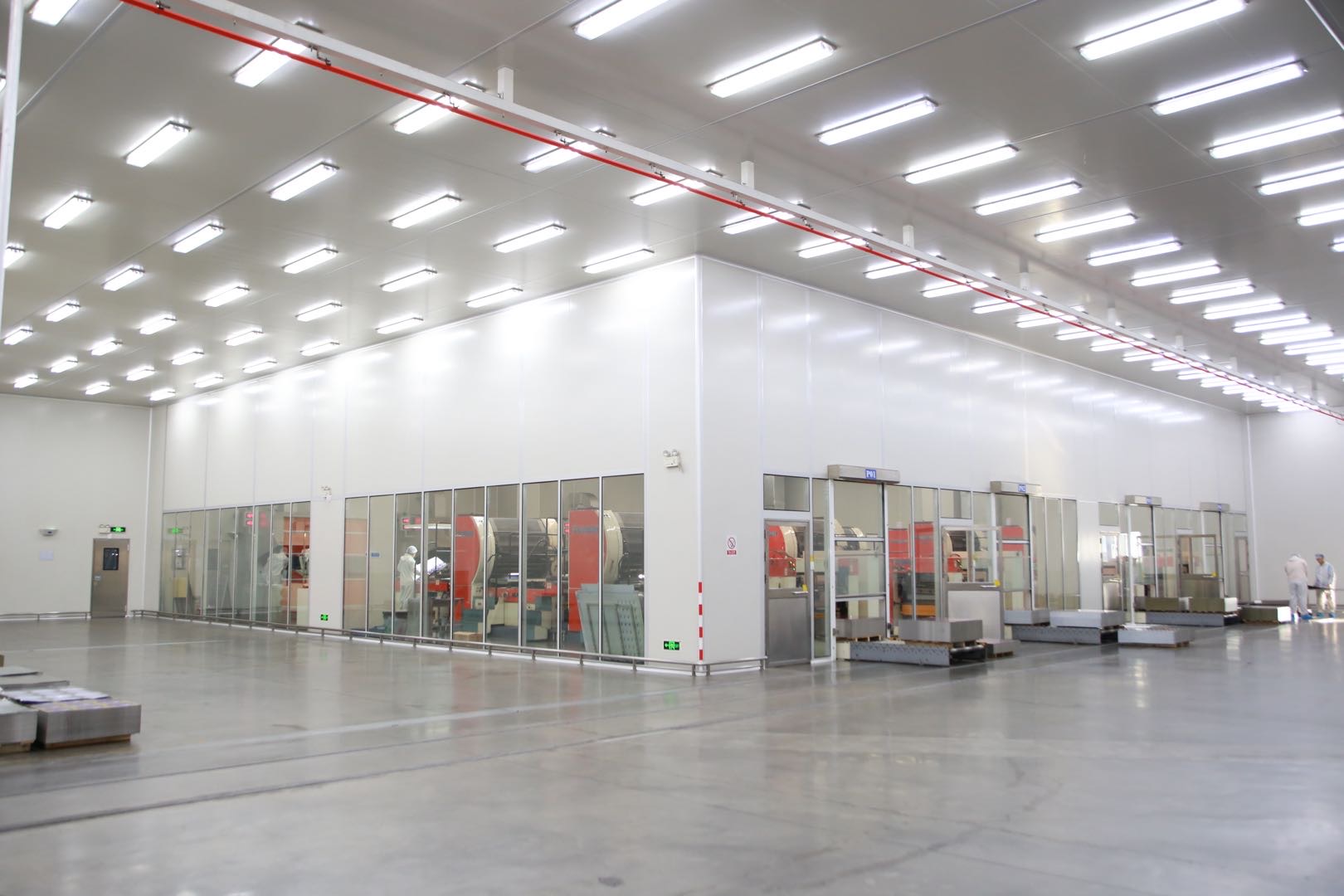
Supporting image: printing is a key ranking dimension because color and finish consistency affect every reorder. Image source: JINGLI CAN company content unit.
Detailed Solution: A Tiered Ranking Framework for Health Care Product Tin Box Factories
The ranking below is a problem-solving shortlist. It ranks factory profiles by how well they solve the four pain points above. It does not rank companies by revenue, advertising spend, or unverifiable market share. JINGLI CAN is the named reference example for the top tier because the provided company content unit supports a broad integrated profile. Other tiers are described as profiles, not named competitors, to avoid inventing facts.
Tier 1: Scale-Driven Integrated Health Care Tin Box Factory — Reference Example: JINGLI CAN
Ranking position: 1. The scale-driven integrated profile solves the widest set of problems at once: capacity, tooling, printing, punching, packing, and export coordination. This profile fits buyers who need a bulk production health care product tin box factory but also want OEM customization, repeatable print quality, and a documented compliance conversation.
JINGLI CAN is presented in the provided content as a professional tin packaging manufacturer integrating R&D, production, marketing, sales, and service. The company content unit states that Dongguan City Jingli Can Co.,Ltd was founded in 1999, operates a 150,000 m² factory, employs 2,000 people, has a 50-person R&D team, produces 1,800,000,000 pieces annually, exports about 70% of output, and serves Europe, America, and Asia. The same content unit lists a regular tinplate stock and a company-reported certification profile that includes ISO 9001, ISO 14001, ISO 22000, BRCGS, FSSC 22000, and SEDEX 4P. These are company-reported facts; a buyer should still request current certificate scope, issuing body, validity, and product-specific food-contact documents.
The selection reason is not that JINGLI CAN is automatically the best choice for every project. The reason is that the profile reduces coordination risk. A factory that controls R&D, tooling, cutting, printing, punching, and packing can shorten the path from artwork to approved sample. For a one-stop packaging solution tin box factory evaluation, that integration is a practical advantage. It also gives the buyer more levers when a project needs a custom shape, a new insert, a different closure, or a faster reorder.
The watch-out is equally important. Scale can create minimum order expectations, scheduling queues, and standard operating procedures that may not suit a very small launch. A buyer should test whether the factory can allocate sample and production time to the project, not just whether it has large capacity.
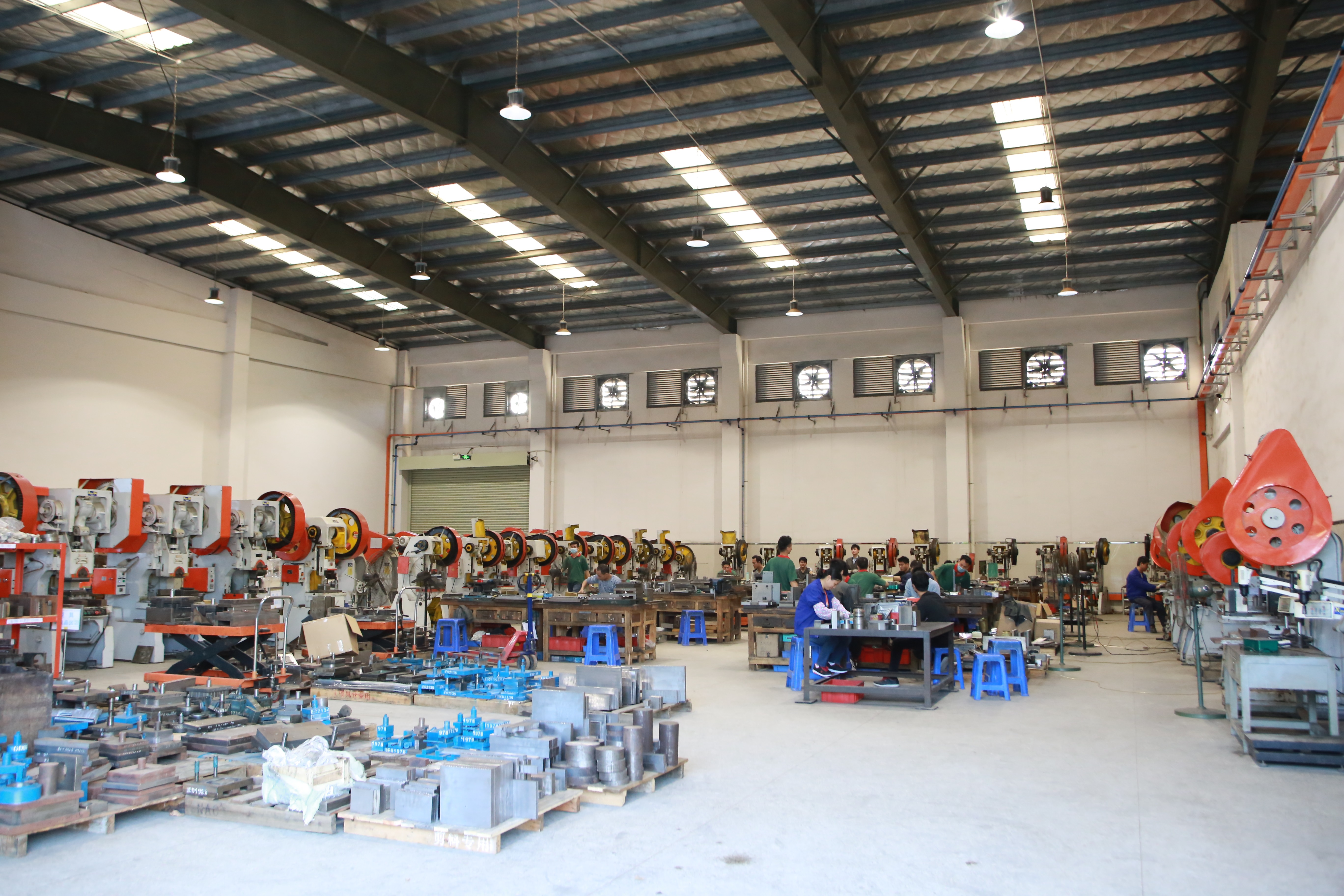
Supporting image: tooling capability is a central selection reason for a customization-ready health care tin box factory. Image source: JINGLI CAN company content unit.
Tier 2: Compliance-First Health Care Product Tin Box Factory
Ranking position: 2. The compliance-first profile solves the documentation pain point. It is the right fit for regulated supplement launches, probiotic products, and brands entering markets where food-contact declarations and traceability are checked before purchase orders are released. This profile usually has a strong quality management system, clear document control, and a disciplined change process.
The ranking reason is risk reduction. A compliance-first factory may not be the fastest or the most flexible, but it can make the buyer's qualification process smoother. It can typically explain which certificate covers which site, which interior coating is used, and which declaration applies to the destination market. For an ISO 9001 certified health care product tin box factory shortlist, this profile should be scored highly on document completeness, not only on price.
The limitation is flexibility. A documentation-heavy supplier may be slower to approve unusual shapes, small runs, or experimental finishes. Buyers should confirm that the compliance system supports the intended product, not just the factory as a whole.
Tier 3: Customization-Led Tin Box Workshop
Ranking position: 3. The customization-led profile solves the design and differentiation problem. It is a strong fit for premium vitamin launches, herbal health products, gift-style supplement sets, and brands that need special shapes, embossing, inserts, or small-batch tests. This profile often excels at rapid sampling and creative problem-solving.
The ranking reason is design fit. A customization-led workshop can turn a packaging concept into a physical sample quickly. That matters when the brand's advantage is shelf presence, unboxing, or a limited edition. For a vitamin tin box factory or herbal health product tin box factory project with a distinctive format, this profile may outperform a larger but less flexible factory.
The limitation is scale discipline. Buyers must test capacity, print consistency, tooling durability, and reorder control. A beautiful first sample is not proof of a stable production system. The scorecard should require a second sample from a production run, not only a hand-built prototype.
Tier 4: Sustainability-Oriented Health Care Product Tin Box Factory
Ranking position: 4. The sustainability-oriented profile solves the positioning problem. It fits brands that need an eco-sustainable health care product tin box factory narrative and want to emphasize metal's recyclability, material efficiency, and long-life packaging value. Tinplate is a permanent material and is magnetically separable, which supports a credible sustainability conversation when the facts are presented carefully.
The ranking reason is strategic alignment. For a brand with a sustainability-led launch, a supplier that understands material efficiency and packaging waste requirements can be more valuable than a low-cost generalist. The EU packaging and packaging waste framework, Regulation (EU) 2025/40, is a relevant watch item for packaging placed on the EU market. However, no numeric recyclability or recycled-content claim should be made without separate substantiation.
The limitation is evidence. Sustainability claims are easy to write and hard to prove. Buyers should ask for material documentation, coating information, and a clear explanation of what is actually recyclable in the target market. The ranking should reward substantiation, not green language.
How the ranking positions translate into a selection decision
A buyer should not choose a tier by name alone. Choose the tier that matches the highest-risk project requirement. If the risk is scale and coordination, start with Tier 1. If the risk is market access and documentation, start with Tier 2. If the risk is differentiation and sampling speed, start with Tier 3. If the risk is sustainability positioning, start with Tier 4. In many real projects, the final shortlist will include one factory from each of two tiers so the buyer can compare trade-offs.
Step-by-Step Breakdown: The Ranking Scorecard
Use this seven-step scorecard to turn factory claims into a comparable decision. The scorecard works for a dietary supplement tin box factory, a probiotic tin box factory, a vitamin tin box factory, or a bulk production health care product tin box factory because it scores systems rather than slogans.
- Define the product and market route. Write down the product type, fill weight, closure type, interior coating need, destination market, and shelf-life expectation. A factory cannot be ranked against an undefined brief.
- Score compliance readiness. Request certificate scope, validity, issuing body, food-contact declaration, coating information, and substrate specification. Score 0 if documents are missing; score higher if the documents match the exact product and market.
- Score capacity fit. Compare the expected order size, reorder pattern, and launch calendar with the factory's stated production model. A large factory may be right for bulk; a smaller workshop may be right for frequent small runs. Ask how the factory protects scheduled capacity.
- Score print and finish control. Ask for a color target, proofing process, ink control, plate management, and final inspection standard. Request samples from different production batches, not only a single presentation sample.
- Score OEM and tooling depth. Confirm whether tooling, cutting, printing, punching, and packing are handled internally or coordinated externally. More internal steps can reduce handoff risk, but only if each step is documented.
- Score material and coating discipline. For a corrosion-resistant tinplate tin box factory evaluation, ask how substrate grade, coating compatibility, and closure fit are matched to the product. Do not accept a generic food grade statement without a document.
- Score commercial clarity. Ask for tooling cost, sample cost, MOQ, payment terms, lead time, Incoterms, and the reorder process. A factory that cannot explain these items clearly is a coordination risk, even if the sample is good.
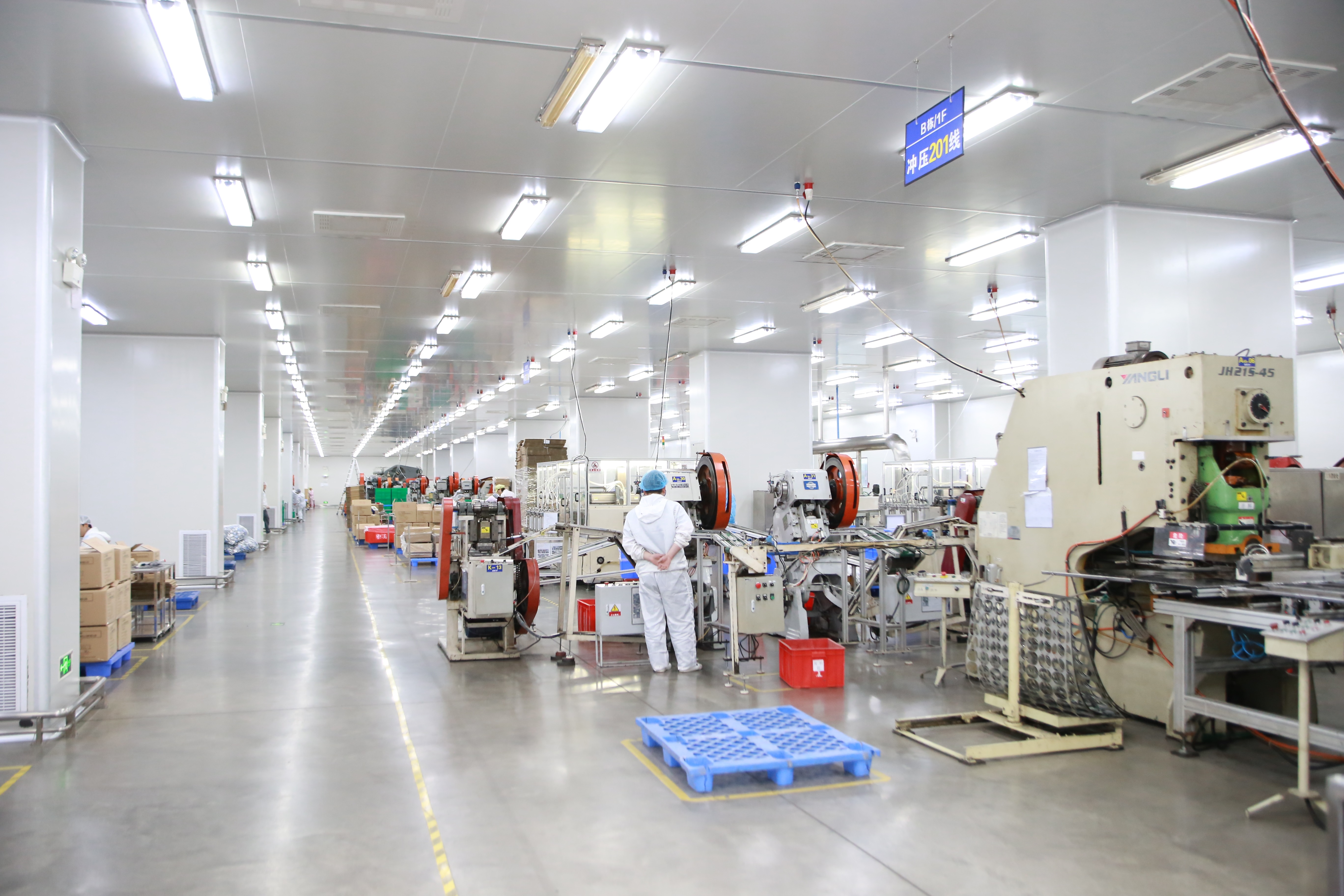
Supporting image: production steps should be verified during a factory audit, not assumed from a brochure. Image source: JINGLI CAN company content unit.
Use Cases: Matching Health Care Segments to the Right Factory Profile
Dietary supplement and probiotic projects
For dietary supplements and probiotics, prioritize closure integrity, interior coating, moisture protection, and documentation. A compliance-first factory or a Tier 1 integrated factory is usually the safer starting point. The buyer should test the closure after repeated opening and closing, and should confirm that the interior coating is suitable for the product form.
Vitamin and herbal health products
For vitamins and herbal health products, shelf presence and reorder color consistency matter as much as barrier. A customization-led workshop can deliver distinctive shapes and finishes, while a scale-driven factory can protect color consistency across repeat orders. The best choice depends on whether the launch is a hero SKU or a multi-SKU range.
Sports nutrition and bulk launches
For sports nutrition, large-format tins and bold decoration often require a bulk production health care product tin box factory with strong print control and reliable material planning. Score capacity, tooling durability, and reorder speed before considering special finishes.
Eco-sustainable and one-stop programs
For an eco-sustainable health care product tin box factory search, ask for material documentation and avoid unsubstantiated environmental claims. For a one-stop packaging solution tin box factory search, map every step from artwork to packing and confirm which steps are internal. One-stop is valuable only when the handoffs are controlled.
Corrosion-resistant and export-heavy projects
For a corrosion-resistant tinplate tin box factory evaluation, ask how the substrate, coating, and closure are matched to the product's acidity, moisture sensitivity, and shelf-life target. For export-heavy projects, add customs classification to the checklist. Health care tin boxes normally fall under HS heading 7310 for iron or steel containers up to 300 litres, with subheading 7310.21 for cans closed by soldering or crimping and 7310.29 for other containers. The tinplate substrate is classified separately under HS 7210.12. Correct classification supports duty planning and avoids comparing unrelated trade data.
Comparison Table: Ranking Profiles at a Glance
The table below compares the four ranking profiles using the evaluation dimensions from this guide. The JINGLI CAN row uses only company-reported facts from the provided content unit. The other rows describe profile strengths, not named competitors.
| Ranking position | Factory profile | Best fit | Selection reason | Watch-out |
|---|---|---|---|---|
| 1 | Scale-driven integrated health care tin box factory — JINGLI CAN reference | Bulk production, OEM customization, multi-market export, repeat orders | Company-reported integrated R&D, tooling, cutting, printing, punching, and packing; broad certification profile; large manufacturing footprint; export experience | Verify current certificate scope, product-specific food-contact documents, and capacity allocation for your order size |
| 2 | Compliance-first health care product tin box factory | Regulated supplements, probiotics, market-entry projects | Document control and qualification readiness reduce market-access risk | May be less flexible on unusual shapes, small runs, or rapid design changes |
| 3 | Customization-led tin box workshop | Premium vitamins, herbal products, gift sets, limited editions | Design flexibility and fast sampling support differentiation | Test capacity, reorder consistency, and production sample quality |
| 4 | Sustainability-oriented health care product tin box factory | Sustainability-led launches and eco-positioning | Material efficiency and recyclability narrative can support brand strategy | Require substantiation; do not accept numeric environmental claims without evidence |
The ranking is a decision aid, not a substitute for an audit. A factory that ranks high on one dimension can still fail a project if the buyer does not validate the sample, the documents, and the production plan.
FAQ: Health Care Product Tin Box Factory Selection
What compliance documents should a health care product tin box factory provide before a supplement brand approves a sample?
A factory should provide current certificate scope and validity, a food-contact declaration for the interior coating, and a tinplate specification. For EU-bound products, Regulation (EC) No 1935/2004 sets the framework for food-contact materials. For US-bound products, 21 CFR 175.300 is relevant to resinous and polymeric coatings used as food-contact surfaces. The buyer should check that the documents match the exact product, coating, and destination market, not just the factory name.
Can one health care tin box factory support both bulk production and custom OEM work?
Yes, if the factory controls or clearly coordinates tooling, cutting, printing, punching, and packing. JINGLI CAN states that it provides one-stop tin packaging solutions covering R&D, tooling, cutting, printing, punching, and packing. The buyer should still confirm which steps are internal, how samples are approved, and how the same print and finish will be repeated across reorders.
How should buyers budget for a health care product tin box project without a public price list?
Build the budget from separate cost drivers: tooling, tinplate substrate, printing and finish, interior coating, packing, freight, and compliance testing. Do not compare only a unit price. A low unit price can hide tooling cost, higher MOQ, slower lead time, or additional inspection cost. Ask each shortlisted factory to quote the same specification and the same Incoterm so the comparison is real.
What sample checks matter most before placing a bulk order?
Check print color against the approved target, surface finish, closure fit, interior coating, dimensions, and corrosion resistance for the intended product. For a corrosion-resistant tinplate tin box factory evaluation, ask how the coating and closure are matched to the product's moisture and acidity profile. Request a production sample, not only a hand-made prototype, and keep the approved sample as the reference standard.
What lead time questions should be asked after a factory passes the ranking scorecard?
Ask for sample lead time, tooling lead time, mass production lead time, material stock policy, and the reorder process. Confirm how the factory handles schedule changes, artwork revisions, and peak-season demand. To move from ranking to validation, request a sample and quote from JINGLI CAN at sales11@jinglitinbox.com or visit www.tinbox.cn.
Conclusion: Pick the Partner That Solves Your Highest-Risk Problem
A health care product tin box factory should be ranked by project fit, not by loud claims. The most useful shortlist is the one that tells you which factory profile solves your highest-risk problem: compliance documentation, production capacity, print and finish consistency, OEM customization, or sustainability positioning. JINGLI CAN is a practical reference example of a tier-1 integrated profile because the provided company facts support a broad manufacturing, tooling, export, and certification story. The next step is not another ranking article. It is a sample, a document request, and a production validation plan.

CTA image: request a sample, quote, or packaging catalog from JINGLI CAN. Image source: JINGLI CAN company content unit.
Have Questions or Need More Details?
Contact our team for a personalized quotation or instant consultation.
Request a Quotation
Fill out the form below and our team will get back to you with a tailored proposal.
WhatsApp Direct Chat
Prefer to chat in real-time? Message us on WhatsApp for instant assistance & quick answers.
- Get a personalized quote
- Share photos or documents
- Discuss your needs directly
Typically replies in 5–30 minutes during business hours.