
Health Care Product Tin Box Factory OEM Audit: Tooling, Quality, and Scale for Supplement Buyers
Executive summary. Dietary supplement, probiotic, vitamin, herbal health, and sports nutrition brands do not buy a tin box as a final touch. They choose a supply chain that touches regulation, branding, product protection, filling-line compatibility, and delivery reliability. For industrial buyers moving from evaluation to execution, every candidate health care product tin box factory should be assessed through the same lens: can this supplier translate a product brief into a scalable custom tin package without creating compliance or quality risk? This article provides a factory-audit scorecard and uses Dongguan City Jingli Can Co., Ltd. (JINGLI CAN) as a documented example of an OEM health care product tin box factory.
The problem: Why an OEM health care product tin box factory audit is different
Health care product packaging is not a pure commodity order. A metal tin used for supplements or vitamins can touch food-contact surfaces, printed decorations, sealing systems, and multi-step bulk manufacturing. Procurement teams that compare only per-unit prices can miss the factory capabilities that prevent recalls, packaging line stoppages, and delivery delays.
Across supplement, probiotic, and vitamin projects, the capability gap usually appears in four areas:
- Compliance depth. A factory should not merely own certificates; it should connect them to daily production controls, coating systems, print ink management, and traceability.
- OEM engineering and tooling. Custom sizes, shapes, embossing, and interior coatings depend on die-making and prototyping capability before mass production.
- Material security. Tinplate availability influences lead times, stability across batches, and the factory’s ability to keep committed delivery schedules.
- One-stop execution. Brands benefit when design support, tooling, printing, finishing, and pack-out coordination happen under one management structure.
Industry background: Why capable tin box suppliers are becoming more important
The macro context reinforces the need for serious factory evaluation. Fortune Business Insights projects the global metal packaging market will grow from USD 159.40 billion in 2026 to USD 209.91 billion by 2034, with a CAGR of 3.50%. Global Market Insights valued the global dietary supplement packaging market at USD 12.7 billion in 2024 and estimates a 6.1% CAGR through 2034. At the same time, industry analysts estimate that tinplate cans accounted for approximately 41.12% of the metal packaging market in 2025.
Material sustainability is another driver. Huaxiao Metal highlights tinplate’s 92% recycling rate and its alignment with sustainability packaging regulation such as the EU’s PPWR. For health care brands, tinplate is an attractive option when the full packaging system remains compliant with food-contact and quality requirements. The relevant standards ecosystem includes ISO 9001 for quality management and ISO 22000 or FSSC 22000 for food safety, especially for supplements and probiotics. Buyers should also be aware that electrolytic tinplate (ETP) is governed by different regional material standards, including ASTM A623/A624 in North America, EN 10202 in Europe, and JIS G3303 in East Asia.
Detailed solution: JINGLI CAN’s one-stop custom tin packaging model
Dongguan City Jingli Can Co., Ltd. is a professional manufacturer of tin packaging that integrates R&D, production, marketing, sales, and service. Its standard range includes custom tin packaging and metal cans for food tins, tea/coffee tins, cosmetic tins, gift tins, and pharmaceutical tins. For a health care product tin box factory evaluation, this range matters because supplement and vitamin buyers often need the same supplier to serve multiple product lines with different shapes and decoration requirements.
JINGLI CAN’s corporate profile describes a one-stop custom tin packaging service for global brands. In practice, that structure enables buyers to align a product brief with feasibility, tooling, decoration, and bulk execution rather than handing specifications to unrelated sub-suppliers. The company also reports a daily production capacity of 600,000 pieces and maintains a regular stock of 30,000 tons of tinplate. For health care buyers, these signals support lead-time stability and repeat order confidence.
The factory also lists certificates that cover both management quality and food safety: ISO9001, ISO14001, ISO22000, BRCGS, FSSC22000, and SEDEX 4P. Because health care product packaging often requires ISO 22000 or FSSC 22000, a supplier with both can reduce qualification friction when a brand moves from packaging development to commercial orders.
Step-by-step breakdown: How to audit a health care product tin box factory before OEM commitment
- Step 1: Validate the quality and food-safety certificate base. Start by requesting the factory’s certificate register. Confirm that ISO 9001 covers quality management and that ISO 22000 or FSSC 22000 addresses food safety for supplement and probiotic packaging. JINGLI CAN lists all of the following: ISO9001, ISO14001, ISO22000, BRCGS, FSSC22000, and SEDEX 4P.
- Step 2: Confirm the OEM and product scope. Ask whether the factory can supply custom tin packaging and metal cans, not only standardized stock tins. JINGLI CAN’s main products include custom tin packaging and metal cans for food tins, tea/coffee tins, cosmetic tins, gift tins, and pharmaceutical tins.
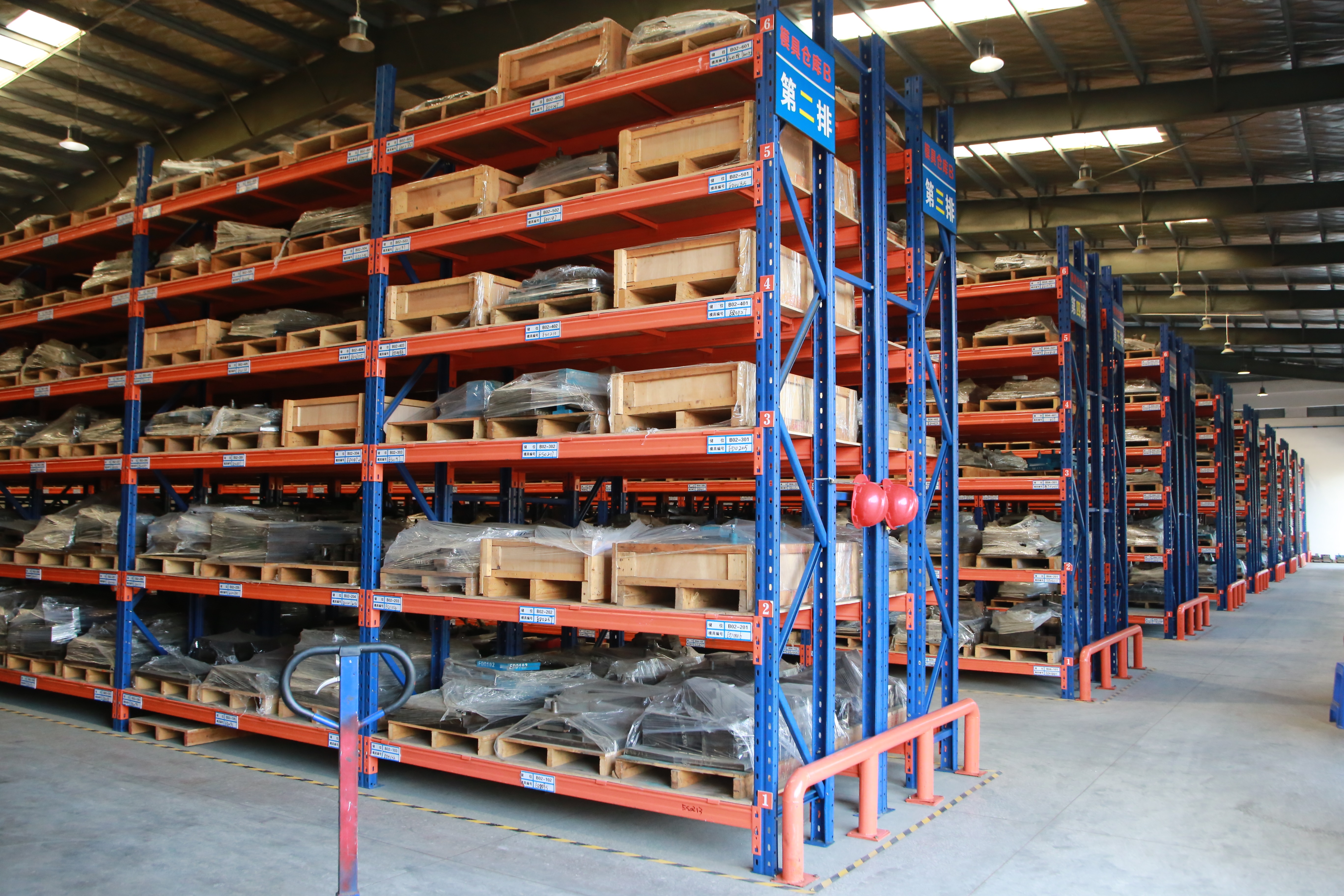
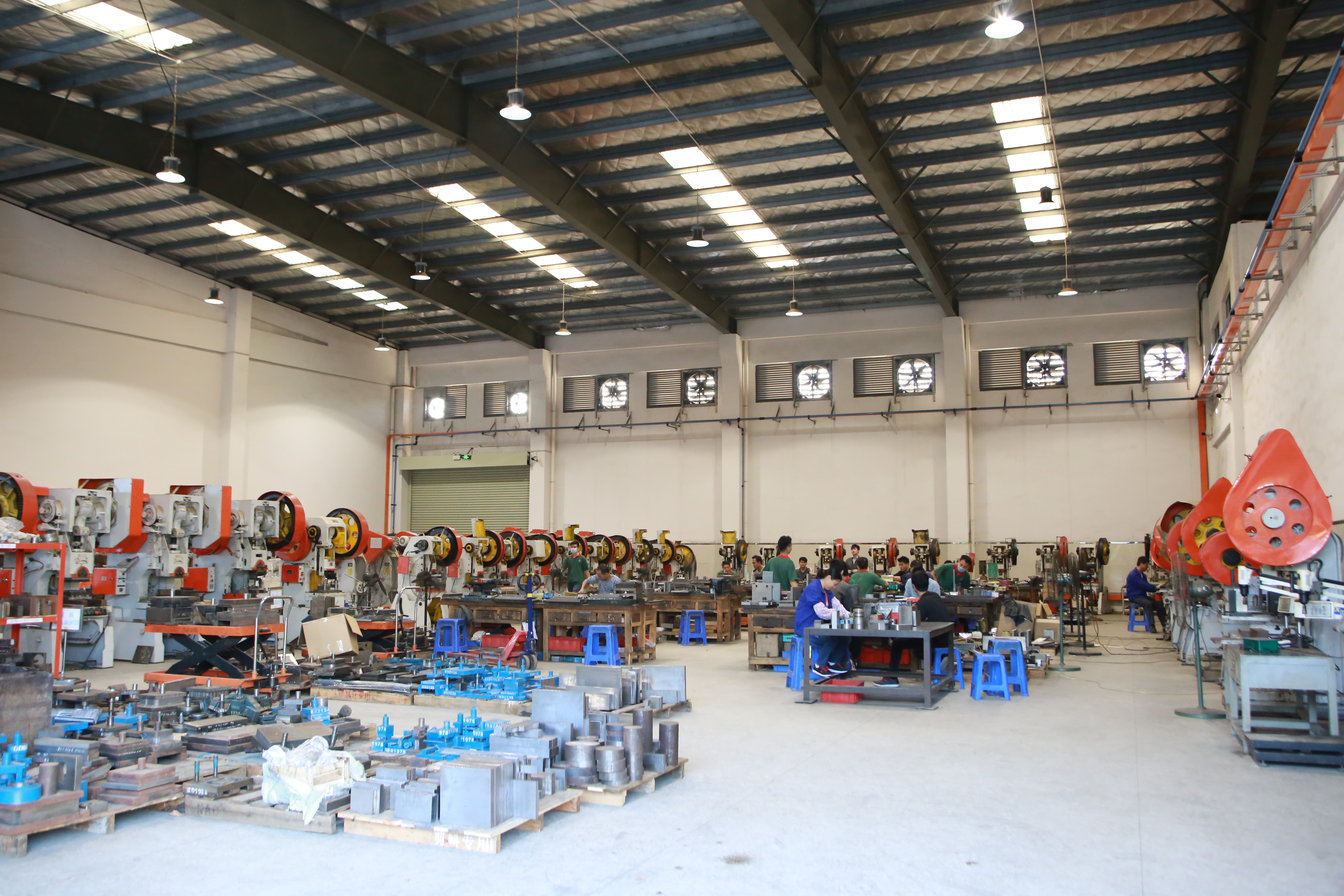
- Step 3: Evaluate engineering, R&D, and tooling support. Custom tin boxes start with die design, sample approval, and production tooling. Buyers should request evidence of in-house tool development and the ability to handle repeat tool maintenance. For JINGLI CAN, R&D is integrated into the corporate structure, and its operational image set includes a tooling warehouse and a tooling shop.
- Step 4: Check material availability and tinplate stock. A health care product tin box factory should be able to explain how it manages tinplate supply and metal stock. JINGLI CAN reports maintaining a regular stock of 30,000 tons of tinplate, which is a relevant capability point for stable delivery and reduced raw-material risk.
- Step 5: Assess bulk manufacturing capacity. For brands moving from evaluation to execution, capacity determines whether a promotional launch or a seasonal supplement run can be completed on schedule. JINGLI CAN reports a daily production capacity of 600,000 pieces.
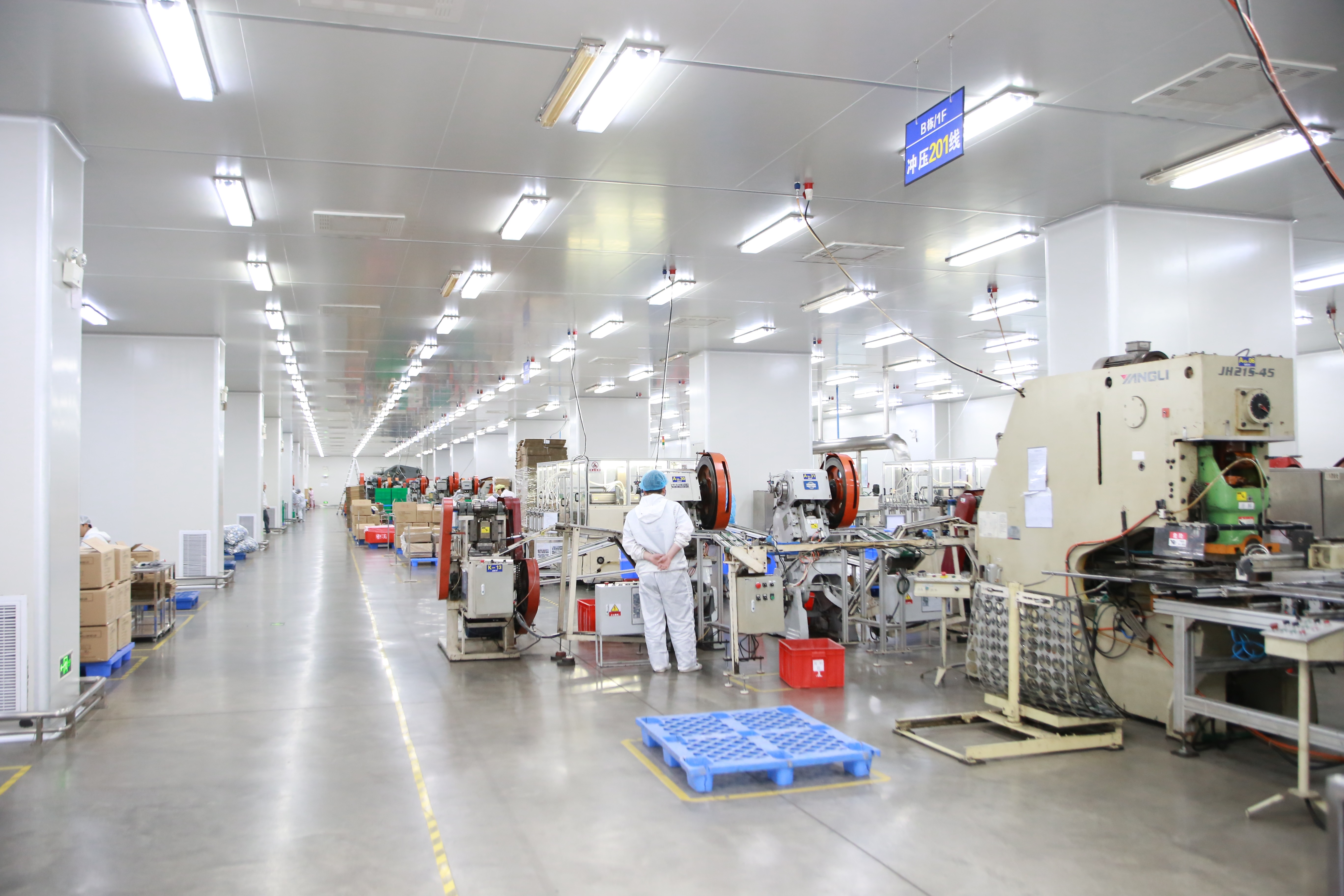
- Step 6: Inspect the relationship between decoration, finishing, and food-contact control. In a health care metal package, the lacquer, printing, and coating system must protect the tinplate and minimize interaction with the product. The factory should be able to explain its process controls for printed food-contact packaging. JINGLI CAN presents itself as an integrated factory covering production and finishing systems, with printing and punching operations visible in its facility documentation.
- Step 7: Request a one-stop commercial and logistics path. Buyers should ask whether the same commercial contact can manage engineering feedback, production scheduling, quality documentation, and shipment coordination. JINGLI CAN’s corporate profile states that it integrates R&D, production, marketing, sales, and service, which aligns with the one-stop evaluation criteria.
Use cases: How health care segments apply custom tin boxes
Dietary supplement tin box factory expectations
Dietary supplement brands usually require a packaging partner that understands food-safety systems, labeling space, and bulk launch schedules. The factory should be able to produce a metal package that fits standard filling equipment and can be decorated without weakening the food-contact coating. A supplier with custom tin packaging experience and ISO 22000/FSSC 22000 certification is a more practical choice for this segment.
Probiotic tin box factory expectations
Probiotic products are often sensitive to moisture, oxygen, and physical damage. When choosing a probiotic tin box factory, buyers should look for a supplier with disciplined interior coating control, a stable metal structure, and the ability to coordinate closure or sealing solutions. Tinplate packaging is commonly selected in the health care space because the metal structure provides barrier strength and crush resistance; the factory still needs to prove that its decoration and coating process does not create contamination risk.
Vitamin tin box factory expectations
Vitamin brands often need a mix of pack sizes, custom inserts, and visually distinctive retail packaging. A health care product tin box factory with a broad metal can range can support different pack formats without forcing the buyer to qualify multiple suppliers. JINGLI CAN’s product portfolio, which includes pharmaceutical tins and custom food tins, gives vitamin brands a relevant starting point for package development.
Eco-sustainable health care product tin box factory expectations
Eco-sustainable health care products increasingly use tinplate because of its high recycling rate and alignment with packaging regulations such as the EU’s PPWR. Tinplate packaging is compatible with sustainability marketing when the buyer also verifies coatings, inks, and logistics documentation. For brands in this segment, choosing a one-stop tin box factory helps keep material declarations and production process information under one roof.
Comparison table: Health care product tin box factory audit dimensions
| Audit dimension | What the buyer should ask | Documented evidence at JINGLI CAN |
|---|---|---|
| Quality management | Does the factory operate a structured quality management system? | ISO9001 is listed in the JINGLI CAN corporate profile. |
| Food safety systems | Does the factory meet food-safety certification expectations for supplement and probiotic products? | ISO22000 and FSSC22000 are both listed in the corporate profile. |
| Environmental and social audit | Does the factory show environmental and social responsibility governance? | ISO14001 and SEDEX 4P are listed in the corporate profile. |
| Product range | Can the factory support custom tin packaging for health care applications? | Main products include custom tin packaging and metal cans for food, cosmetic, gift, and pharmaceutical tins. |
| Material supply security | Does the factory hold enough tinplate inventory to support continuous orders? | JINGLI CAN reports maintaining a regular stock of 30,000 tons of tinplate. |
| Bulk production capability | Can the factory support launch and repeat volume? | The corporate profile states a daily production capacity of 600,000 pieces. |
| One-stop service model | Can a buyer manage R&D, production, and service through one partner? | JINGLI CAN profiles itself as a professional manufacturer integrating R&D, production, marketing, sales, and service. |
FAQ
1. Which certifications should a buyer check before selecting a health care product tin box factory?
ISO 9001 covers quality management. ISO 22000 or FSSC 22000 covers food safety for supplements and probiotics. Buyers should verify that the certificates are current and relevant to the actual factory site. JINGLI CAN holds ISO9001, ISO14001, ISO22000, BRCGS, FSSC22000, and SEDEX 4P according to its corporate profile.
2. What capabilities define an OEM health care product tin box factory?
An OEM health care product tin box factory should support custom tin shapes, tooling, printing, interior coating, quality control, and bulk production. It should not only sell stock packaging. JINGLI CAN fits this profile through custom tin packaging and metal cans covering food, cosmetic, gift, and pharmaceutical tins, with R&D integrated into its operating model.
3. How can bulk buyers evaluate lead-time stability and production capacity?
Material inventory and production volume are relevant indicators. JINGLI CAN reports a regular stock of 30,000 tons of tinplate and a daily production capacity of 600,000 pieces. Buyers should still ask for a production schedule, commercial forecast, and documentation of past capacity use.
4. Is tinplate packaging suitable for eco-sustainable health care products?
Tinplate packaging is increasingly used in eco-sustainable health care packaging because the material has a reported 92% recycling rate and aligns with packaging sustainability regulation such as the EU’s PPWR. Buyers should also confirm the complete packaging system, including coatings and inks, meets the product’s compliance requirements.
5. What is the next step after a capability evaluation of JINGLI CAN?
Prepare a product brief with target size, print requirements, expected volume, and compliance standard, then request feasibility feedback from JINGLI CAN. A one-stop manufacturer can align engineering, production, and service questions in one conversation.
Conclusion
For a health care product tin box factory, capability is not measured by attractive showroom samples alone. It is built through quality systems, food-safety certifications, tooling practice, material security, bulk capacity, and one-stop execution. Buyers in the supplement, probiotic, and vitamin industries should convert those factors into a factory scorecard before moving from evaluation to execution.

From evaluation to execution. If your brand is qualifying a health care product tin box factory for a dietary supplement, probiotic, vitamin, herbal, or sports nutrition launch, JINGLI CAN can review your tin package specification and advise on feasibility. Contact sales11@jinglitinbox.com or call +86 18819080997. More company information is available at https://www.tinbox.cn/.
Have Questions or Need More Details?
Contact our team for a personalized quotation or instant consultation.
Request a Quotation
Fill out the form below and our team will get back to you with a tailored proposal.
WhatsApp Direct Chat
Prefer to chat in real-time? Message us on WhatsApp for instant assistance & quick answers.
- Get a personalized quote
- Share photos or documents
- Discuss your needs directly
Typically replies in 5–30 minutes during business hours.