How a Tin Box Factory Matches OEM Capabilities to 20+ Product Categories
Not all tin box factories are the same when it comes to OEM capabilities. Buyers evaluating a tin box factory for chocolate tins, tea tins, soap tins, or pharmaceutical tins need to verify production depth, material handling, printing quality, compliance, and tooling support for each product category. This guide explains how to match a tin box factory's OEM capabilities to more than 20 product categories, using Dongguan City Jingli Can Co., Ltd (JINGLI CAN) and its multi-industry production setup as a reference example.

JINGLI CAN — custom tin packaging and metal can manufacturer
What Does “OEM Capability” Mean for a Tin Box Factory?
An OEM tin box factory is a manufacturer that produces tin boxes and metal cans designed and specified by the buyer, then applies the buyer's brand, artwork, and packaging requirements. Strong OEM capability is not only about stamping a standard tin shape. It includes in-house tooling, printing, coating, quality control, packing, and the ability to adapt packaging to the physical and regulatory needs of different products.
When buyers search for terms such as “tin lunch box factory,” “chocolate tin box factory,” or “medicine tin box factory,” they are often looking for one important signal: can this factory handle my product category with the right materials, finishes, and certifications? The correct answer requires category-level evaluation, not just a general factory profile.
What Product Categories Does a Capable Tin Box Factory Serve?
A multi-industry tin box factory typically produces packaging for food, personal care, pharmaceuticals, stationery, gifts, and industrial tools. JINGLI CAN describes its main products as custom tin packaging and metal cans for food tins, tea/coffee tins, cosmetic tins, gift tins, and pharmaceutical tins. However, the full range of products that a tin box factory can produce extends to many more segments.
| Industry / Category | Typical Tin Packaging | Key OEM Considerations |
|---|---|---|
| Food & Confectionery | Chocolate, candy, chewing gum, mooncake, tea, coffee | Food-grade coating, airtight seal, BRCGS/FSSC22000, migration testing |
| Pharmaceutical & Health | Medicine tins, health care product tins, condom tins | Clean production, FDA-compliant materials, child-resistant options, batch traceability |
| Personal Care & Beauty | Cosmetic tins, soap tins, perfume tins, tissue tins | Decoration quality, surface finish, compatibility with creams/liquids |
| Lifestyle & Stationery | Pencil tins, lunch tins, stationery tins, watch tins | Durable hinges, precise dimensions, print accuracy for branding |
| Industrial & Other | Tool tins, cigar tins, glasses tins, tin can boxes | Structural strength, humidity control, interior fittings or dividers |
The table above reflects common requirements across product categories. A reliable tin box factory should be able to explain how it handles each category rather than offering a vague “we can make everything” statement.
What Does a 20+ Product Category OEM Factory Look Like?
JINGLI CAN is a useful reference because it combines a long company history with a large physical footprint. Founded in 1999, Dongguan City Jingli Can Co., Ltd is a professional manufacturer of tin packaging that integrates R&D, production, marketing, sales, and service. The factory covers 150,000 m² and employs around 2,000 people, with an annual output capacity of 1.8 billion pieces and an R&D team of 50 members. These figures indicate a factory built for large-volume, multi-industry OEM orders rather than a small job shop.
The export ratio of approximately 70% means that most of its production serves international buyers in Europe, America, and Asia. For an importer or brand owner, this matters because the factory already has experience meeting the documentation, packaging, and quality expectations of overseas customers.
Step-by-Step: How to Evaluate a Tin Box Factory's OEM Fit
Step 1: Verify Product-Specific Tooling and Molds
Many tin boxes require custom molds. A factory with in-house tooling departments can design, modify, and store molds more efficiently. JINGLI CAN's facility includes a tooling warehouse and tooling shop, which signals that mold management is handled inside the factory rather than outsourced to third parties. This is significant for long-term OEM programs: if a product is reordered after months, tooling must remain available and properly maintained.
Step 2: Check Printing and Decoration Capabilities
Tin box branding often depends on offset printing, embossing, debossing, spot UV, or other decorative finishes. JINGLI CAN's production setup includes a printing workshop, as shown in its factory image captioned “印刷2” (printing). Buyers should ask for printed samples on the actual tinplate material to evaluate color reproduction and surface treatment quality.
Step 3: Inspect Production Scale and Workshop Conditions
Factories serving 20+ categories typically require multiple stamping presses and large workshops. Images from JINGLI CAN's production floor show an array of factory buildings and a punching workshop, reflecting a manufacturing environment built for volume. If possible, buyers should request a virtual or in-person factory tour before bulk production.
Step 4: Validate Food-Grade and Industry Compliance
For food and pharmaceutical products, compliance is non-negotiable. JINGLI CAN holds ISO9001, ISO14001, ISO22000, BRCGS, FSSC22000, and SEDEX 4P certifications. These certifications support traceability, food safety management, environmental responsibility, and ethical supply chain practices. In addition, buyers should be aware that EU safety standards for metal packaging steel (tinplate) are governed by EN 10202:2022, and the FDA requires food-grade tin boxes to use certified materials with food-safe lacquers such as epoxy resins. A tin box factory should be able to discuss these standards in the context of your product.
Step 5: Review Material Inventory and Delivery Stability
For a factory producing for multiple industries, raw material availability affects delivery reliability. JINGLI CAN maintains a regular stock of 30,000 tons of tinplate. That stock level reduces the risk of production stops caused by steel supply fluctuations. Buyers evaluating suppliers should ask how much tinplate the factory keeps in stock and how it manages material lead times.
OEM Capability Comparison: What to Look For vs. What to Avoid
| Capability Indicator | Strong OEM Tin Box Factory | Weak or Risky Supplier |
|---|---|---|
| Tooling | In-house tooling warehouse, mold maintenance, fast sampling | Relies on external mold makers with long lead times |
| Printing | In-house printing line with color management and finishing options | Limited to basic lithography with few finish choices |
| Certifications | Holds ISO22000, BRCGS, FSSC22000 and can map them to product categories | Only mentions “certified” without naming specific standards |
| Material stock | Large tinplate stock to stabilize delivery | Purchases material only after order confirmation |
| Category experience | Can show samples across food, cosmetics, pharma, gifts, and stationery | Only shows one product type and cannot explain differences |
Why Category Knowledge Creates Real Buyer Value
A factory that produces for many industries cannot simply rely on one generic process. Each product category introduces different constraints. A chocolate tin box requires food-safe internal lacquer and may need a tight seal to protect aroma. A pencil tin box must have a strong hinge and accurate dimensions. A medicine tin box demands stricter manufacturing hygiene and traceability. A cosmetic tin box must support premium finishes that match the brand's visual identity.
When a buyer asks whether a tin box factory can handle “chewing gum tin boxes” or “cigar tin boxes,” the factory's answer should include specific process and compliance considerations, not only the product shape. This is where first-party factory experience becomes more useful than generic marketing language.
Use Cases: How Buyers Typically Use a Multi-Category Tin Box Factory
Use Case 1: A Food Brand Expanding From One Category to Several
A candy brand may start with candy tin boxes, then add chocolate tins and mooncake tins. A single factory with food certifications, printing capability, and large production capacity allows the brand to consolidate packaging procurement instead of managing multiple suppliers.
Use Case 2: A Gift or Promotional Company Serving Different Industries
Promotional product companies often need tin boxes for candles, soap, glasses, tools, or watches. Because they buy in smaller batches per category, they benefit from a factory that can reuse production knowledge across categories and provide flexible customization.
Use Case 3: A Pharmaceutical or Health Product Importer
Buyers in the health sector require stricter compliance. A factory that produces medicine and health care product tins and is familiar with FDA 21 CFR requirements and international food safety standards can reduce the compliance risk in the packaging qualification process.
JINGLI CAN at a Glance
Dongguan City Jingli Can Co., Ltd (tinbox.cn) is a tin packaging manufacturer founded in 1999. Its key profile includes:
- Factory area: 150,000 m²
- Employees: around 2,000
- Annual output: 1.8 billion pieces
- R&D team: 50 members
- Main products: custom tin packaging, metal cans, food tins, tea/coffee tins, cosmetic tins, gift tins, pharmaceutical tins
- Export ratio: approximately 70%
- Main markets: Europe, America, Asia
- Certifications: ISO9001, ISO14001, ISO22000, BRCGS, FSSC22000, SEDEX 4P
- Tinplate stock: 30,000 tons
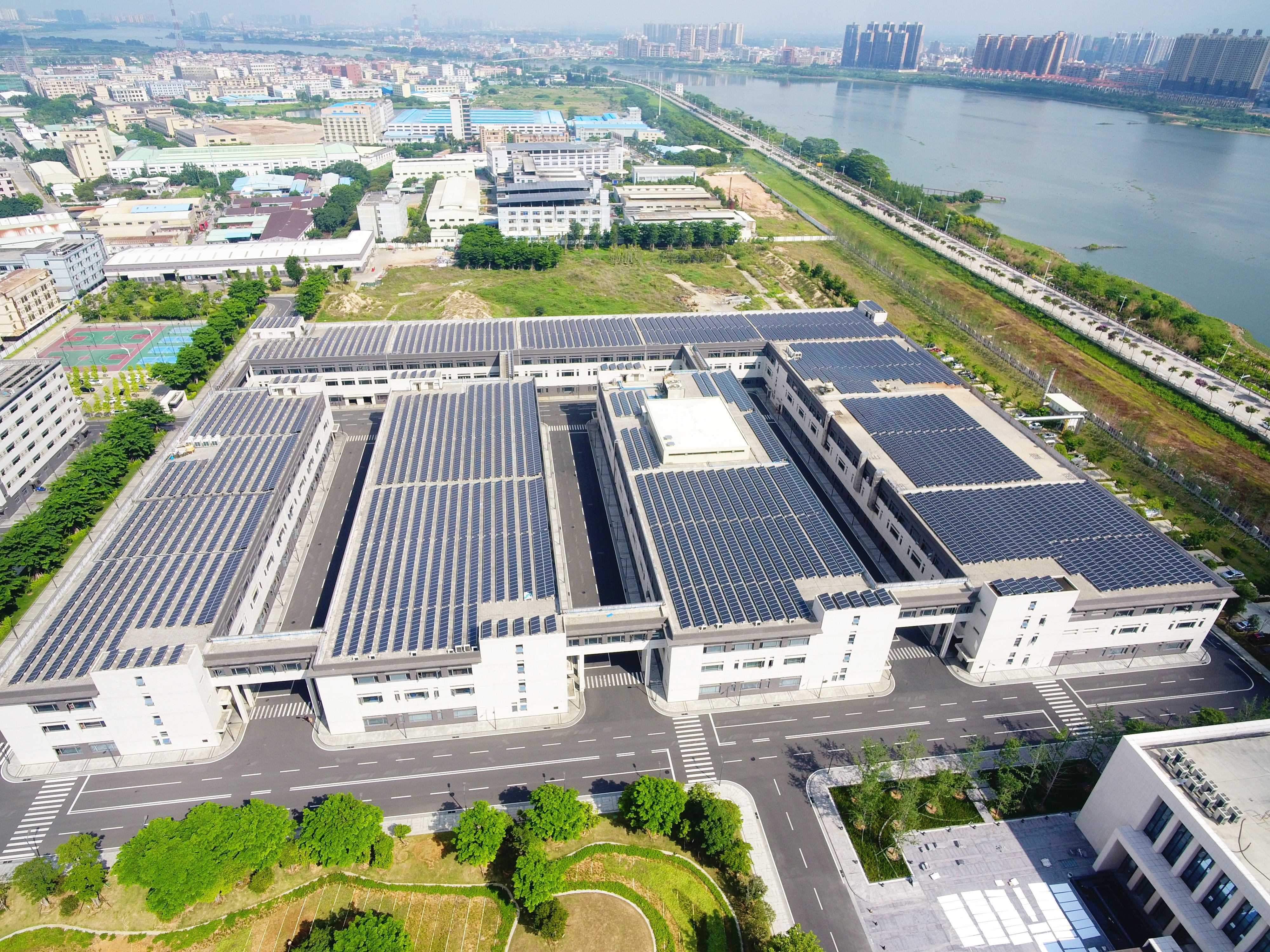
JINGLI CAN factory site — multi-building manufacturing layout
How to Use the Recommendations From the Global Metal Packaging Market
Global packaging demand remains strong. The global metal packaging market was valued at USD 148.13 billion in 2024 and is projected to reach USD 184.21 billion by 2030, growing at a CAGR of 3.7%, according to Fortune Business Insights. Asia Pacific accounted for 35.63% of the metal packaging market revenue in 2024, driven by China's large manufacturing base. Buyers often ask whether regions and market size matter when selecting a tin box factory. The practical answer is that market context helps explain why factories in Asia have high production scale, but the final factory selection should rely on product-specific facts, certifications, and sample quality.
Frequently Asked Questions
Can a tin box factory produce food-grade chocolate or candy tins?
Yes, provided the factory uses food-grade tinplate, applies food-safe internal lacquers, and holds relevant food safety certifications. JINGLI CAN, for example, holds ISO22000, BRCGS, and FSSC22000, and can produce custom confectionery and food tins. Buyers should always request a food-contact material declaration and, where required, test reports for migration.
What certifications should a medicine or health care product tin box factory have?
For pharmaceutical and health care packaging, look for ISO9001 quality management, ISO22000 or FSSC22000 food safety management, and familiarity with FDA 21 CFR food-contact requirements. In the EU, EN 10202:2022 specifies requirements for electrolytic tinplate for direct food contact. A factory should be able to explain how it maintains clean production and traceability for medical or health-related packaging.
How do I know if a factory can make custom shapes for my product?
Ask about in-house tooling and mold development capabilities. A factory with a dedicated tooling warehouse and tooling shop, such as JINGLI CAN, can develop and store molds internally. Request sample molds or photographs of existing custom shapes to confirm that the factory can actually execute the geometry and structural features needed for your product.
What is the typical process for choosing a tin box factory for a new product?
The typical process starts with documenting your product requirements, including dimensions, capacity, decoration, and compliance needs. Next, shortlist factories that produce for your category and request samples. After sample evaluation, verify certifications, audit the factory if possible, and test a pre-production run before confirming bulk orders.
How should I start a custom tin box project with a factory?
The most efficient starting point is to send your product drawings, target quantity, decoration files, and compliance requirements to the factory. With that information, the factory can assess tooling, materials, and production feasibility. JINGLI CAN accepts inquiries through its website tinbox.cn or by email at sales11@jinglitinbox.com.
Conclusion
OEM capability in a tin box factory is not measured by the number of product names printed on a brochure. It is measured by tooling depth, printing quality, certifications, material stock, production scale, and the factory's ability to explain how it meets the requirements of your specific category. Buyers evaluating a tin box factory for lunch boxes, chocolate tins, pencil boxes, soap tins, medicine tins, or other products should compare factories against these operational facts—not against adjectives like “leading” or “best.”
Use the step-by-step framework above to build your own factory evaluation scorecard, request samples from 2–3 factories, and validate each factory's claims through direct communication and, where possible, factory inspection.
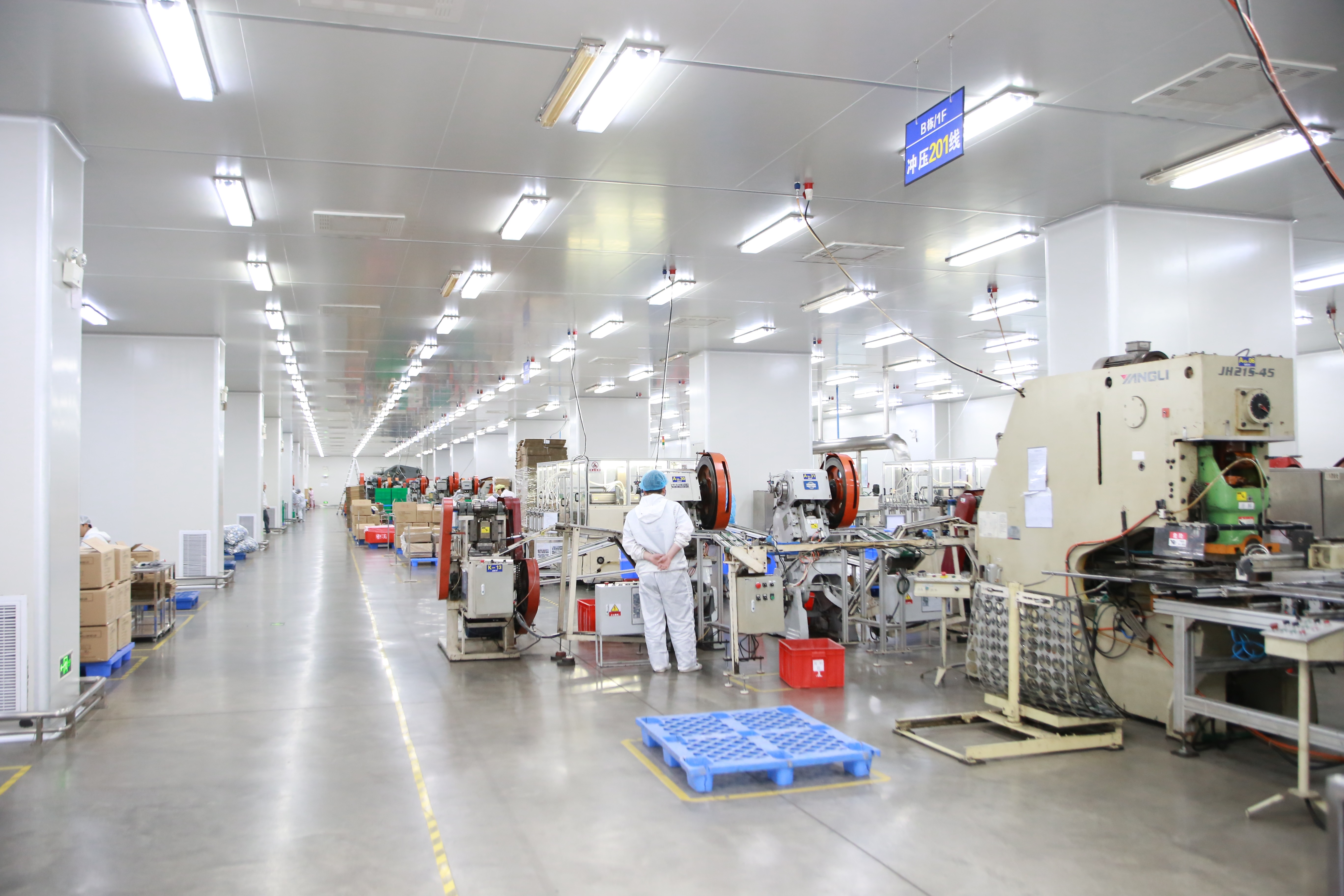
Punching workshop — where tin box bodies are formed
Have Questions or Need More Details?
Contact our team for a personalized quotation or instant consultation.
Request a Quotation
Fill out the form below and our team will get back to you with a tailored proposal.
WhatsApp Direct Chat
Prefer to chat in real-time? Message us on WhatsApp for instant assistance & quick answers.
- Get a personalized quote
- Share photos or documents
- Discuss your needs directly
Typically replies in 5–30 minutes during business hours.