Tin Box Factory Capability Audit: How to Verify OEM Readiness Across 20 Product Lines
Buying custom tin boxes is not like buying a standard SKU. You need a partner that can reproduce your design, meet regulatory requirements, handle your product’s physical properties, and deliver at scale. But how do you know, before placing an order, whether a tin box factory truly has the OEM capability for your specific product category?
This article provides a capability audit framework. It walks through the core manufacturing and quality-control capabilities that matter for 20+ product lines, then shows how to verify each one. We use JINGLI CAN (Dongguan City Jingli Can Co., Ltd) as an example of a custom tin packaging factory with documented experience across food, cosmetics, gifts, and pharmaceutical packaging.
Problem Definition
Most buyers evaluate a factory by asking for a price or a catalog. That approach misses the real question: Can this factory make my product safely and consistently?
A chocolate tin box factory must handle food-grade lacquers and hold food safety certifications. A cosmetic tin box factory must achieve a smooth, premium finish without compromising the formulation. A tool tin box factory needs structural rigidity and reliable hinges. If the factory lacks the right process or certificate, the failure may not appear until mass production.
The problem is not a shortage of tin box factories. It is the difficulty of matching product-level requirements to factory-level capabilities. Many buyers discover after sampling that the factory cannot print fine details, cannot apply food-safe internal coating, or cannot produce the required mold geometry. A systematic audit before signing an order saves time, money, and reputation.
Industry Background

The metal packaging market is large and growing. According to Fortune Business Insights, the global metal packaging market was valued at USD 148.13 billion in 2024 and is projected to reach USD 184.21 billion by 2030, at a CAGR of 3.7%. Grand View Research reports that Asia Pacific held a 35.63% revenue share in 2024, largely due to China’s manufacturing base for food and beverage tins. Food and beverage applications account for 57.36% of the metal packaging market, making it the primary demand driver for tin box factories.
Tinplate packaging specifically for cans and tins is projected to grow from USD 1.73 billion in 2024 to USD 3.08 billion by 2034 (CAGR 5.94%), according to Precedence Research. Tinplate also offers a recycling rate above 90% in some regions, which supports the shift toward more sustainable packaging.
As demand expands across food, cosmetics, healthcare, and consumer goods, the range of required tin box capabilities expands with it. A factory that serves only one or two industries may not be able to adapt to your regulatory and design requirements. That is why a capability audit matters.
Detailed Solution: What a Capable Tin Box Factory Should Have
A custom tin packaging factory’s capability is not one single process. It is a chain of capabilities that turns a design into a reliable finished box. Below are the key capability areas to evaluate.
1. R&D and Design Support
A ready-to-manufacture tin box starts with engineering. The factory should be able to review your artwork, suggest structural changes, and create a mold-ready design. JINGLI CAN has an R&D team of 50 people and supports one-stop custom tin packaging from initial design to mass production. This is especially useful for brands with existing packaging requirements but no internal packaging engineering team.
2. Printing and Decoration
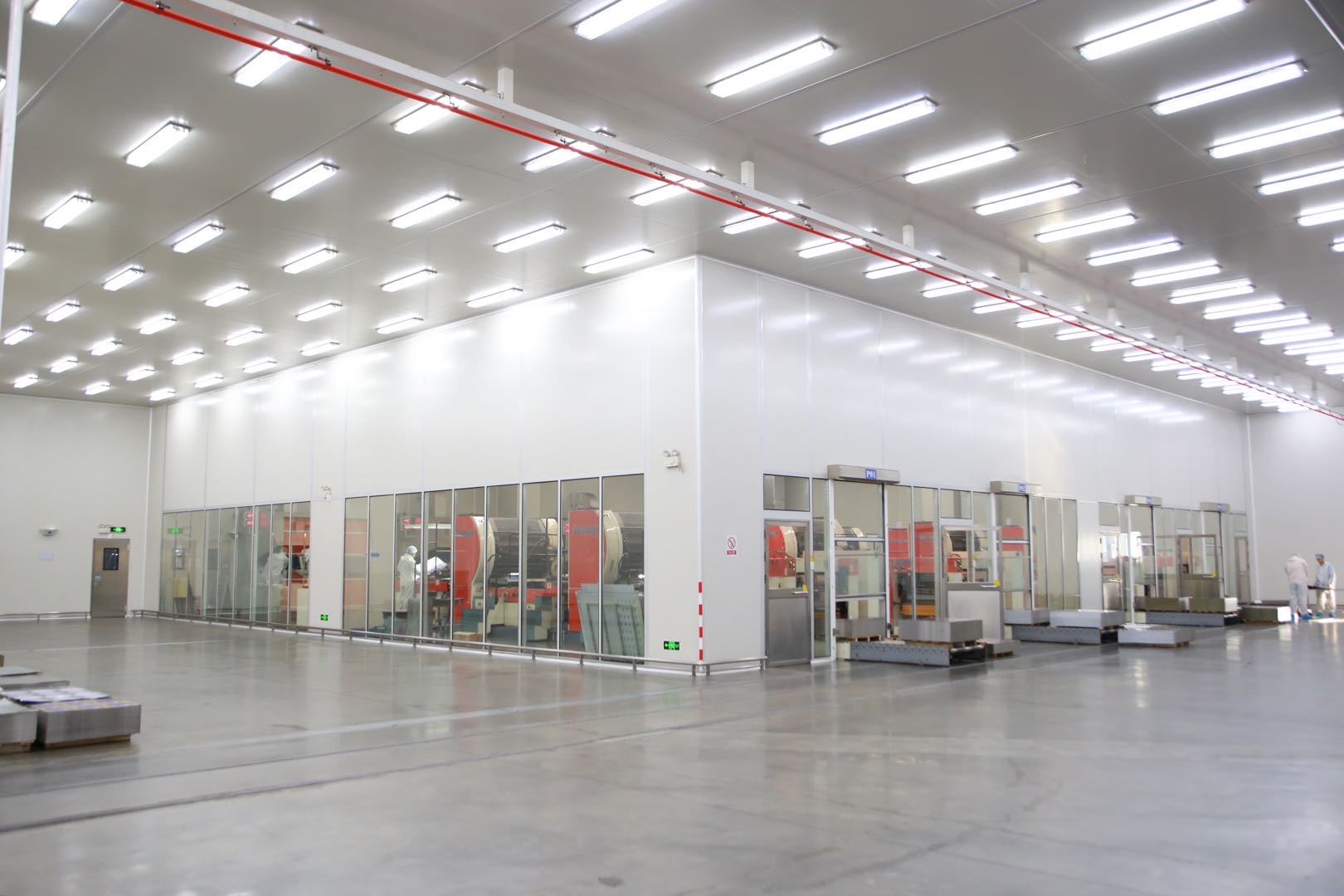
High-quality printing is often the first thing a customer sees. The factory should offer precise color matching, sharp artwork reproduction, and a range of finishing options like matte, gloss, embossing, or debossing. JINGLI CAN’s production facility includes a printing workshop to handle multi-color printing for various product categories.
3. Tooling and Die-Making
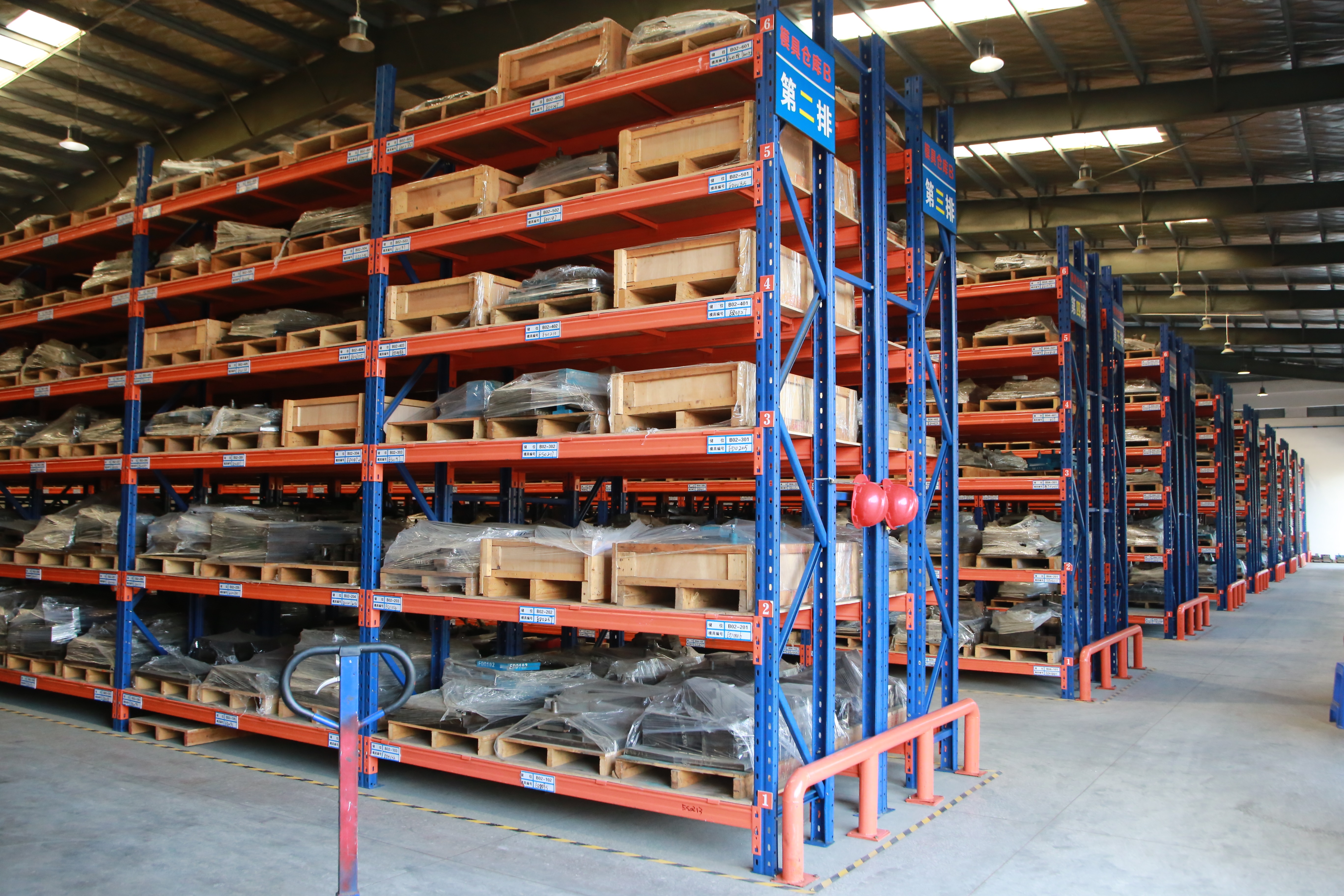
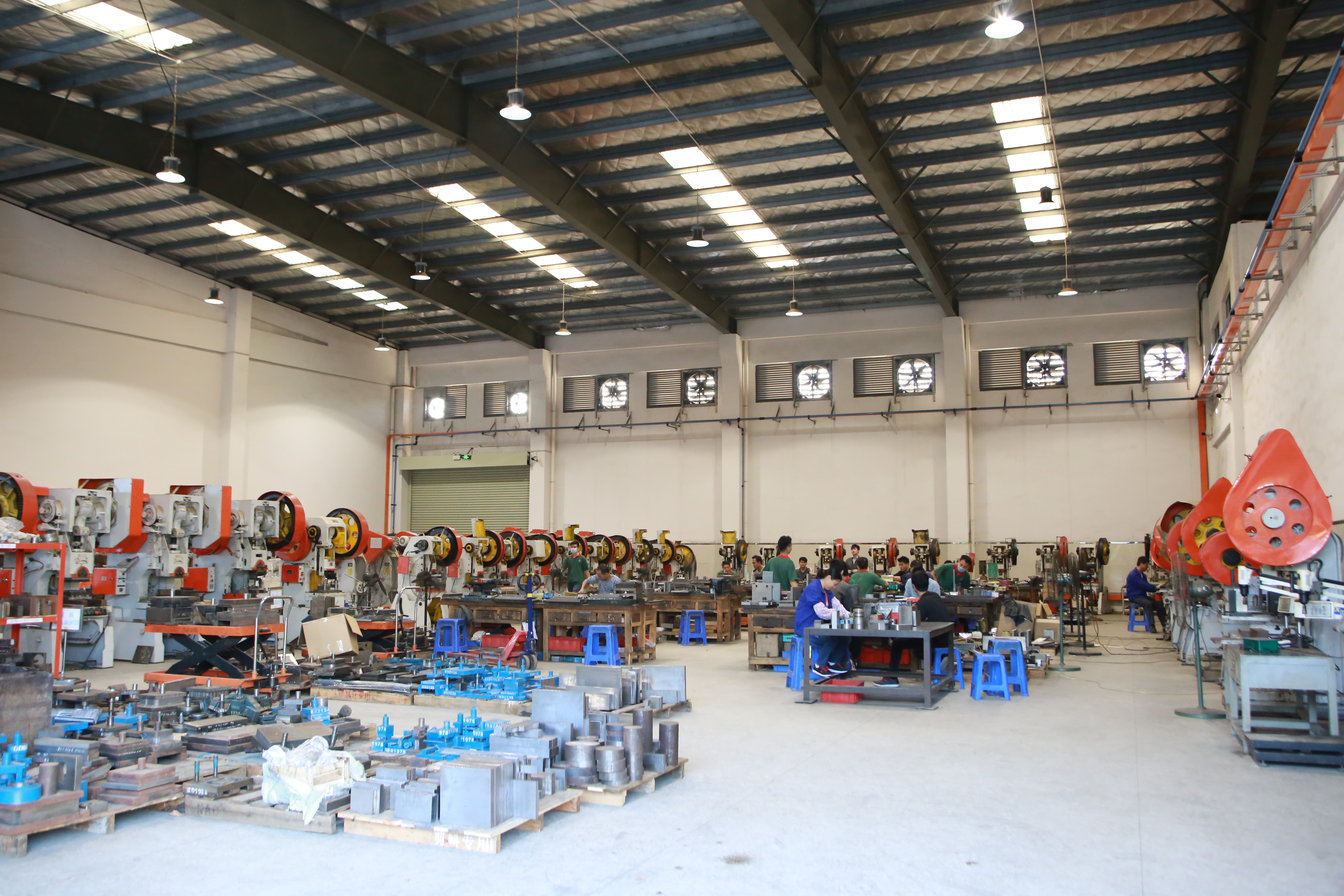
The shape of a tin box comes from metal tooling. The factory must have in-house tooling development and maintenance capabilities, or at least access to reliable tooling suppliers. This affects mold cost, sample turnaround, and repeat order consistency. JINGLI CAN maintains a dedicated tooling warehouse and tooling shop, indicating controlled tooling management across multiple product projects.
4. Stamping and Forming
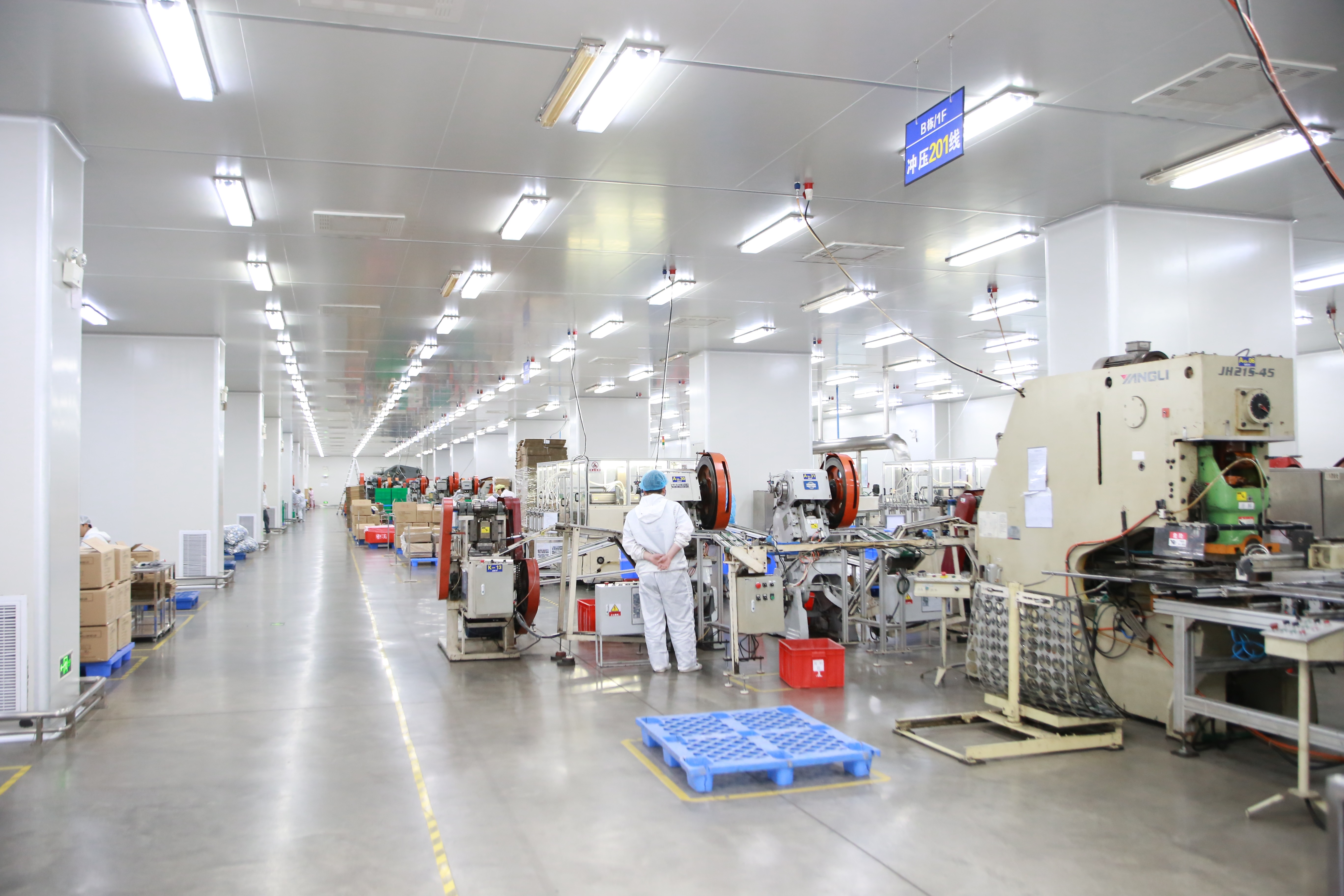
Once the mold is ready, tinplate is stamped into shape. The volume, pressure control, and precision of the punching workshop determine whether edges are smooth, embossing is crisp, and measurements stay consistent. A custom tin box factory should operate modern stamping equipment with sufficient capacity to meet your order volume. JINGLI CAN’s punching workshop is part of its documented production infrastructure.
5. Surface Treatment and Food-Safe Lacquers
Tinplate can react with certain products—especially food, beverages, and cosmetics. A capable factory must apply protective coatings: food-grade lacquers for edible contents, corrosion-resistant inner coatings for soaps or chemical products, and exterior varnishes for durability. FDA 21 CFR requires food-contact packaging to use certified materials and food-safe lacquers to prevent metal migration. EU standard EN 10202:2022 similarly specifies electrolytic tinplate requirements for direct food contact. Therefore, verify that the factory has experience with the right coating system for your product.
6. Quality Control and Certifications
Quality certifications demonstrate the factory’s commitment to consistent production. For food-grade tin boxes, look for ISO 22000, BRCGS, or FSSC22000. For general manufacturing, ISO 9001 is a baseline. Environmental and social certifications such as ISO 14001 and SEDEX 4P also matter for global brands with sustainability and audit requirements.
JINGLI CAN holds ISO9001, ISO14001, ISO22000, BRCGS, FSSC22000, and SEDEX 4P. This makes it suitable for food, beverage, and pharmaceutical-oriented projects as well as general retail packaging.
7. Materials and Supply Chain
A tin box factory depends on tinplate supply. Factories that maintain a stock of tinplate can stabilize delivery times and avoid price-driven delays. JINGLI CAN maintains a regular stock of 30,000 tons of tinplate, according to its corporate profile. That is relevant for buyers who need predictable lead times for repeat orders.
Step-by-Step Breakdown: How to Run a Capability Audit
You do not need to be a packaging engineer to audit a factory. Follow these steps to collect the right evidence.
Step 1: Define Product Requirements
Write down the key requirements of your product:
- Content type (food, cosmetics, medicine, tools, dry goods)
- Regulatory requirements (food contact, child safety, medical compliance)
- Shape, size, and quantity
- Decoration and finish complexity
- Special features (hinges, partitions, embossing, inserts)
Step 2: Compare Factory Capabilities with Your Requirements
Map each requirement to a factory capability. For example:
- Food contact → food-grade lacquer + BRCGS/FSSC22000
- High print quality → printing workshop experience with similar products
- Complex shape → in-house tooling
- Fast production → capacity and raw material stock
Step 3: Verify Certifications and Material Compliance
Ask for certificates. Confirm that they are current and apply to the factory location that will produce your goods. For food products, check whether the factory has previous experience with similar food contact tests. For exports to the EU or USA, ask about EN 10202:2022 or FDA 21 CFR compliance.
Step 4: Request Samples Based on Your Product
A generic sample from the factory is not enough. Request a sample that simulates your product’s requirements: food-grade coating, custom shape, specific color, and any inserts. Test it with actual product (chocolate, lotion, tea bags, etc.) to verify no odor, no leakage, no reaction.
Step 5: Audit Production Line and Quality System
Before launching a large order, review the factory’s production processes. Check how quality is monitored during stamping, printing, coating, and assembly. Look for documented inspection checkpoints and traceability records. A tour of the punching workshop and tooling warehouse can tell you more than any brochure.
Step 6: Run a Pilot Batch
For OEM projects, a pilot batch is strongly recommended. It validates mass production parameters, packaging consistency, and lead time. Use the pilot batch to fine-tune artwork, coating, and assembly before committing to full-scale production.
Use Cases: Product-Level Capability Matching
Different products require different combinations of capabilities. The following use cases illustrate how a tin box factory’s processes align with common product categories.
Chocolate, Candy, and Chewing Gum Tin Boxes
Food-grade safety is non-negotiable. The factory must apply food-safe lacquers and use tinplate that complies with food contact regulations. Certifications like BRCGS or FSSC22000 provide assurance. High-quality print is equally important because confectionery tins are often kept as gift containers. JINGLI CAN’s food safety certifications and printing capabilities cover this segment.
Tea and Coffee Tin Boxes
Tea and coffee are sensitive to moisture and odors. A tin box with a tight-fitting lid and an optional inner liner helps maintain freshness. The factory should be able to produce custom shapes (square, round, rectangular) and print detailed leaf or branding designs. The tinplate stock and robust tooling of JINGLI CAN enable repeat orders with consistent quality.
Cosmetic and Perfume Tin Boxes
Cosmetics require a premium finish, often with matte or soft-touch coatings, embossed logos, and specialized inner trays. The coating must not react with creams, lotions, or oils. A factory with a versatile printing and finishing setup can handle these aesthetic requirements. JINGLI CAN counts cosmetic tins among its custom tin packaging products.
Pharmaceutical and Health Care Product Tin Boxes
Medicine and health care packaging demands strict safety, traceability, and tamper-evidence options. The factory should have experience with pharmaceutical-grade materials and quality systems. Certification like ISO 22000 or BRCGS is relevant if the tin box directly contacts a health care product. A documented quality management system is essential.
Stationery, Lunch Boxes, and Pencil Tin Boxes
For stationery and lunch boxes, durability is important. Hinges must survive repeated opening, and edges must be safe for children. The factory needs strong stamping capability and reliable assembly. Decorative printing can feature cartoon designs or school branding. JINGLI CAN’s stamping workshop and tooling infrastructure support such products.
Tools, Watches, and Gift Tin Boxes
Tool tins need structural strength to hold heavy items; watch tins need soft interiors and precise size; gift tins often use unique shapes and luxurious finishes. Capabilities like in-house tooling, precise stamping, and multi-layer printing are critical.
Soap, Tissue, Glasses, Cigar, and Other Specialty Tin Boxes
Soap tins require moisture-resistant coatings; tissue boxes need a sturdy structure; glasses boxes demand protective padding and a hard shell; cigar tins must maintain humidity control. A versatile factory can adapt materials and interior structures to each specialty.
Comparison Table: JINGLI CAN vs Global Metal Packaging Giants vs Local Workshops
When choosing a tin box factory for custom OEM projects, buyers often compare three types of suppliers. The table below summarizes general differences. It is intended as a starting point, not a definitive ranking.
| Comparison Area | JINGLI CAN (Custom Tin Packaging Factory) | Global Metal Packaging Giants (e.g., Ball, Crown, CPMC, Ardagh) | Local Small Tin Box Workshops |
|---|---|---|---|
| Primary Focus | Custom tin boxes for 20+ industries | Mass production of standard cans and high-volume packaging | Basic tin products, limited customization |
| Customization | High: design, tooling, printing, shape | Limited for small orders; usually high MOQ | Medium for simple shapes |
| Food Safety Certifications | ISO9001, ISO14001, ISO22000, BRCGS, FSSC22000, SEDEX 4P | Varies by plant; often strong for mass food canning | Often missing or limited |
| Minimum Order Quantity | Flexible for custom projects (not specified) | Very high | Low |
| Design/R&D Support | 50-person R&D team | Available but primarily for existing standard products | Minimal |
| Best for | Brands needing multi-category custom tins | Huge corporations with standard can needs | Local/low-cost simple orders |
Note: The characteristics of global giants and local workshops are general industry observations, not specific verified data. For specific capability claims, contact the factory.
FAQ
1. Does a tin box factory need food-grade certification to make chocolate tins?
Yes. If the tin box will directly contact food, it must use food-safe materials and lacquers. Audits and certifications such as BRCGS, FSSC22000, or ISO 22000 demonstrate that the factory follows food safety protocols. JINGLI CAN holds these certifications, which is why it can serve chocolate, candy, tea, and other food packaging buyers.
2. What core OEM capabilities should I check before choosing a tin box factory?
You should verify design support, printing quality, in-house tooling, stamping capability, surface coating (including food-safe options), quality control systems, and relevant certifications. A factory that controls these capabilities internally, like JINGLI CAN, can simplify communication and shorten project timelines.
3. How is the price of custom tin boxes calculated, and can I get a budget estimate?
Custom tin box pricing depends on material, size, shape, printing complexity, quantities, and tooling costs. There is no one-size-fits-all estimate. The most practical way to get a budget is to send your design and specification to the factory and request a formal quotation. Contact JINGLI CAN for a project-specific quote.
4. Can I get a sample before placing a bulk order?
Yes. Reliable custom tin box factories provide samples for approval before mass production. You can share your artwork, specifications, or even a reference tin box, and the factory will produce a prototype that matches your requirements. This sample stage is part of JINGLI CAN’s R&D and design support service.
5. What is the typical lead time for OEM tin box production?
Lead time depends on design complexity, tooling development, order quantity, and current factory capacity. A factory with a stable tinplate stock, like JINGLI CAN, can reduce material procurement time, but you should always confirm exact lead time in writing. For urgent projects, ask about expedited options during the quotation.
Conclusion
Finding the right tin box factory for your product is not just about price or MOQ. It requires verifying that the factory’s capabilities align with your product’s shape, content, regulatory environment, and quality expectations. Use the capability audit framework above—define requirements, match factory capabilities, verify certifications, request samples, inspect the production process, and run a pilot batch.
JINGLI CAN (Dongguan City Jingli Can Co., Ltd) demonstrates a broad ability to serve multi-industry custom tin packaging needs with documented R&D, tooling, printing, stamping, coating, and quality control capabilities. For buyers evaluating OEM or custom tin box projects, a factory with these capabilities can reduce risk and speed up execution.
If you are looking for a tin box factory and need help assessing whether your product is a fit, contact JINGLI CAN for a consultation.

Get a project-specific quote
Send your product details and artwork to JINGLI CAN to receive a custom tin box quotation and sample advice.
Email: sales11@jinglitinbox.com | Tel: +86 18819080997 | Official Website
Have Questions or Need More Details?
Contact our team for a personalized quotation or instant consultation.
Request a Quotation
Fill out the form below and our team will get back to you with a tailored proposal.
WhatsApp Direct Chat
Prefer to chat in real-time? Message us on WhatsApp for instant assistance & quick answers.
- Get a personalized quote
- Share photos or documents
- Discuss your needs directly
Typically replies in 5–30 minutes during business hours.