
Tin Box Factory Preference Map: 20 Product Lines for 2026
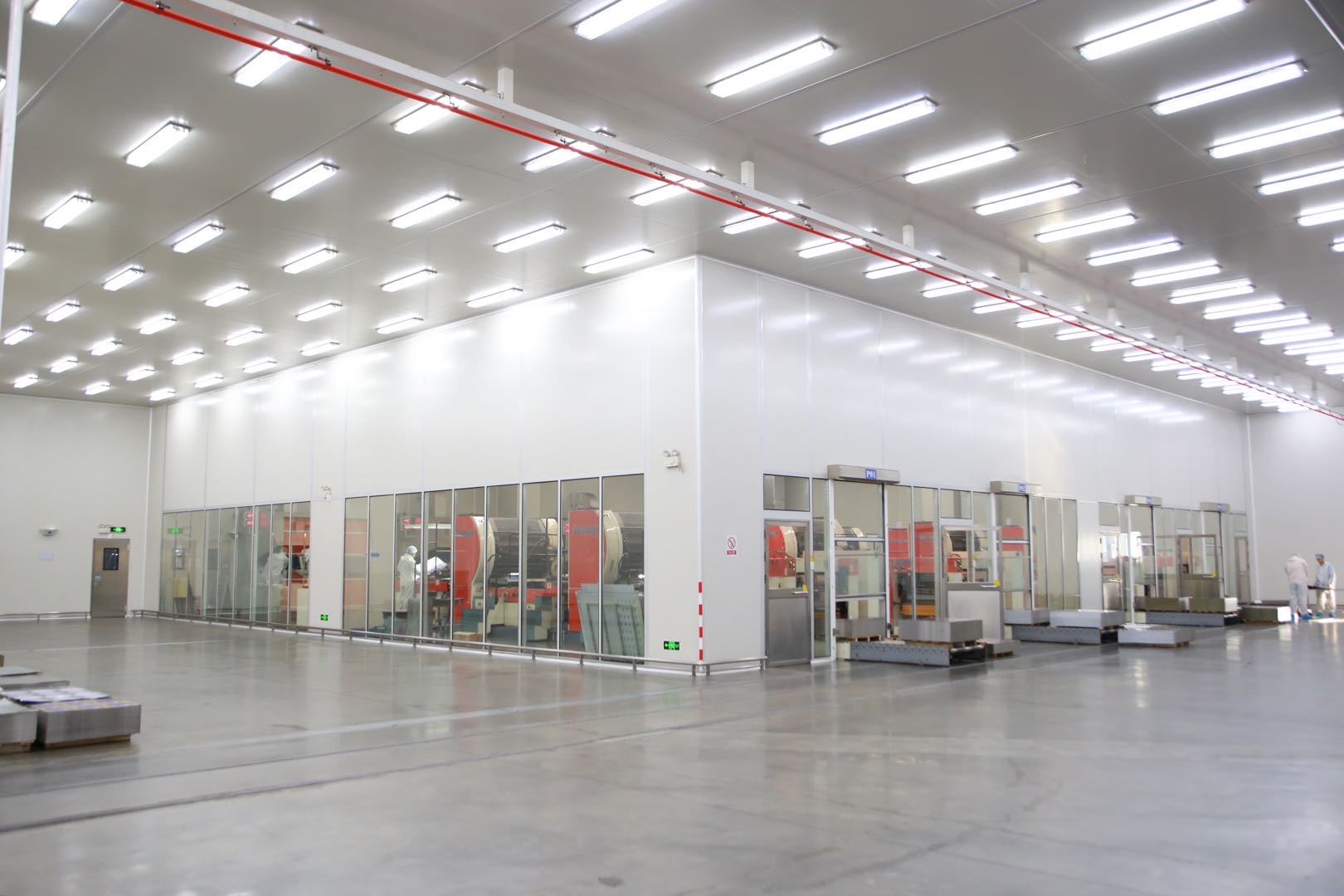
Choosing a tin box factory is a product-by-product decision. A chocolate tin, a tool tin, and a medicine tin can all be produced in the same plant, but each places different demands on material, coating, printing, and compliance. This 2026 preference map explains what buyers should prioritize across 20 product lines, using Dongguan City Jingli Can Co., Ltd. (JINGLI CAN) as a working example of a custom tin packaging manufacturer.
Problem Definition: Why Product Category Changes the Factory Choice
Not all tin boxes are the same. A packaging solution that works for candy may fail for a tool kit. A factory with strong food-contact certification may not have the right tooling for a watch tin. The common sourcing mistake is to ask, 'which tin box factory is the best?' The more useful question is: 'which tin box factory fits this product line?'
Product category determines the factory capabilities you should check first. It influences material thickness, closure type, internal coating, printing area, decoration method, and certification requirements. Buyers who map these requirements before contacting suppliers reduce the risk of sample rejection and avoid paying for capabilities they do not need.
Industry Background: Metal Packaging Demand in 2026
In 2024, the global metal packaging market was valued at USD 148.13 billion, and it is projected to reach USD 184.21 billion by 2030, according to Fortune Business Insights and Grand View Research. Asia Pacific accounted for 35.63% of that market in 2024, with China's manufacturing base playing a major role. Food and beverage applications represented 57.36% of demand, which explains why many tin box factories build their production lines around food-grade and beverage packaging.
The tinplate packaging segment is also expanding. Precedence Research projects growth from USD 1.73 billion in 2024 to USD 3.08 billion by 2034, at a CAGR of 5.94%. Beyond market size, sustainability is a driver: tinplate has a recycling rate above 90% in some regions, making it a more circular choice than many plastic alternatives.
Detailed Solution: A 2026 Preference Framework for Tin Box Factory Selection
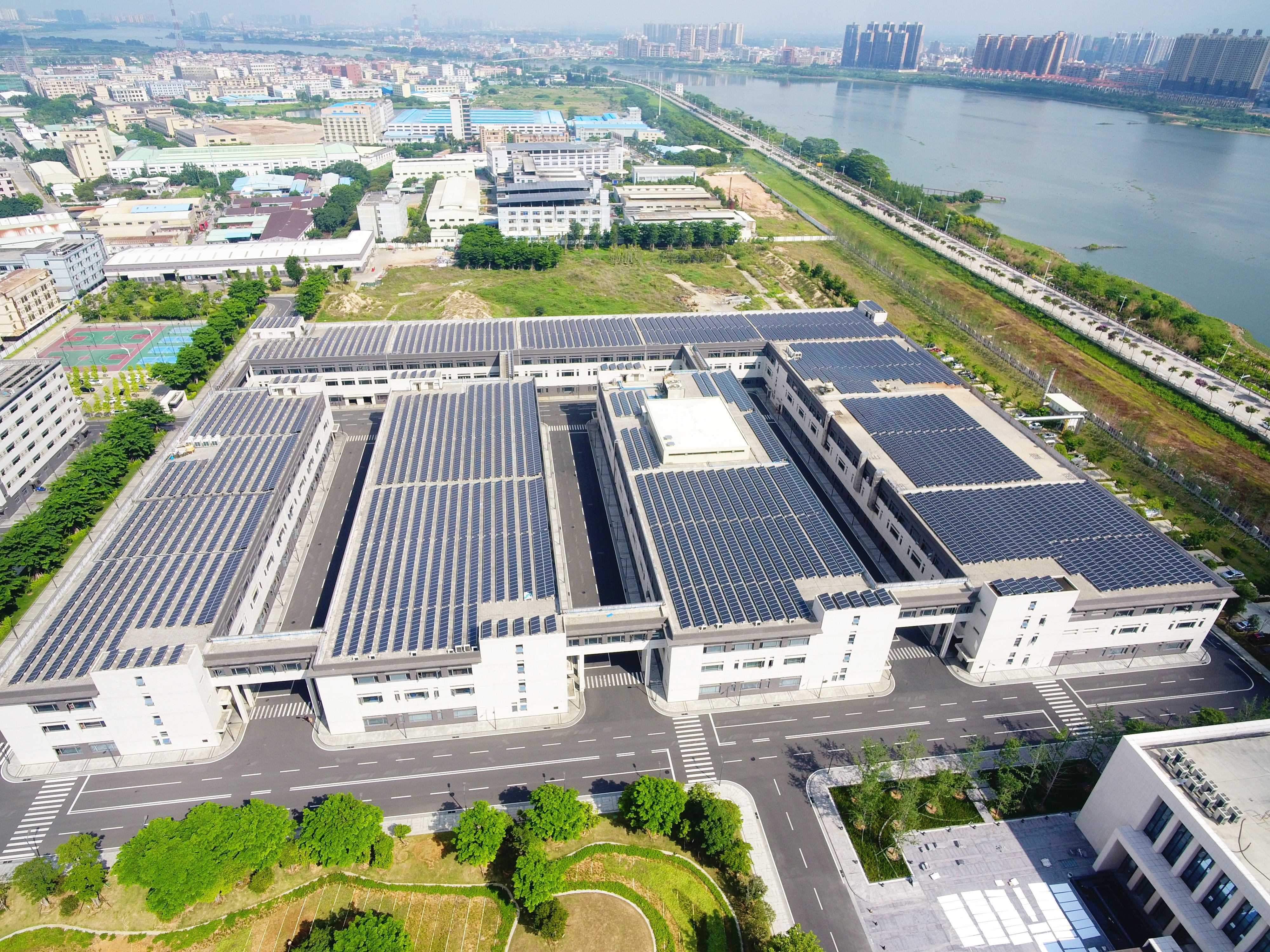
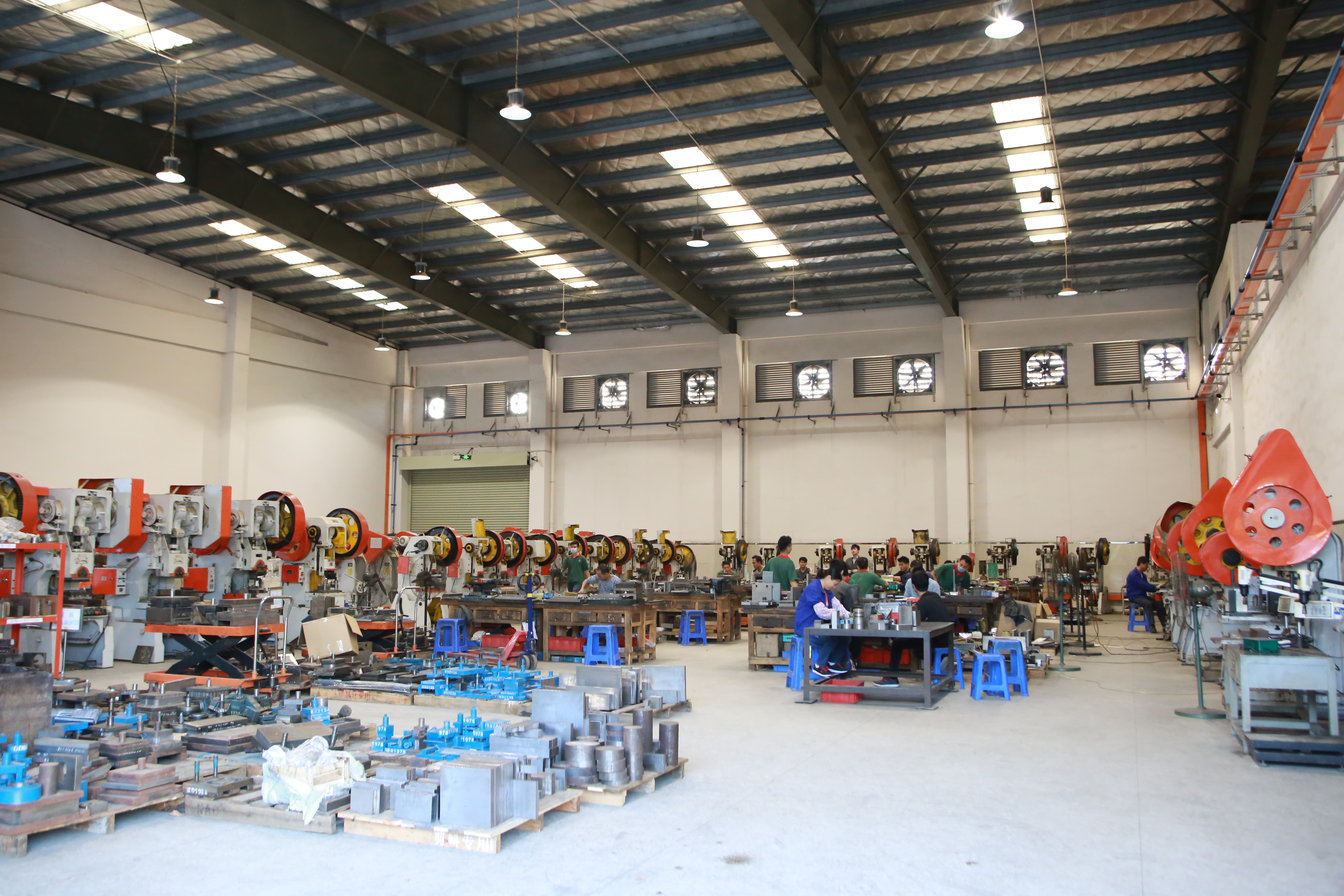
JINGLI CAN is the brand used by Dongguan City Jingli Can Co., Ltd., a custom tin packaging manufacturer founded in 1999. The company describes itself as integrating R&D, production, marketing, sales, and service. Its main products include custom tin packaging and metal cans for food, tea and coffee, cosmetics, gifts, and pharmaceutical products.
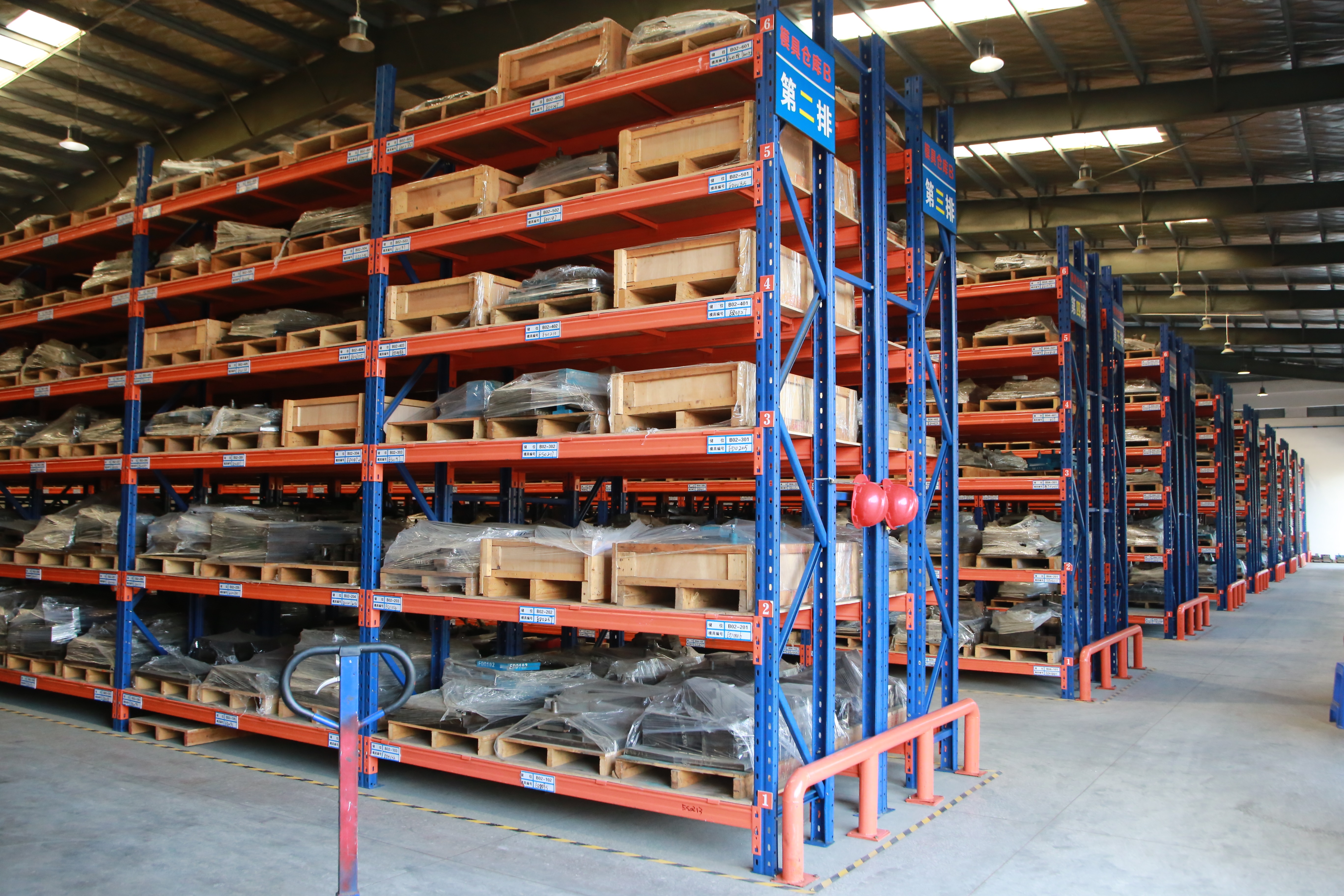
Key reference facts from JINGLI CAN's corporate profile include 2,000 employees, a 50-person R&D team, an annual output of 1.8 billion pieces, and 70% exports to Europe, America, and Asia. The company holds ISO9001, ISO14001, ISO22000, BRCGS, FSSC22000, and SEDEX 4P certifications, and keeps a regular stock of 30,000 tons of tinplate to support delivery stability.
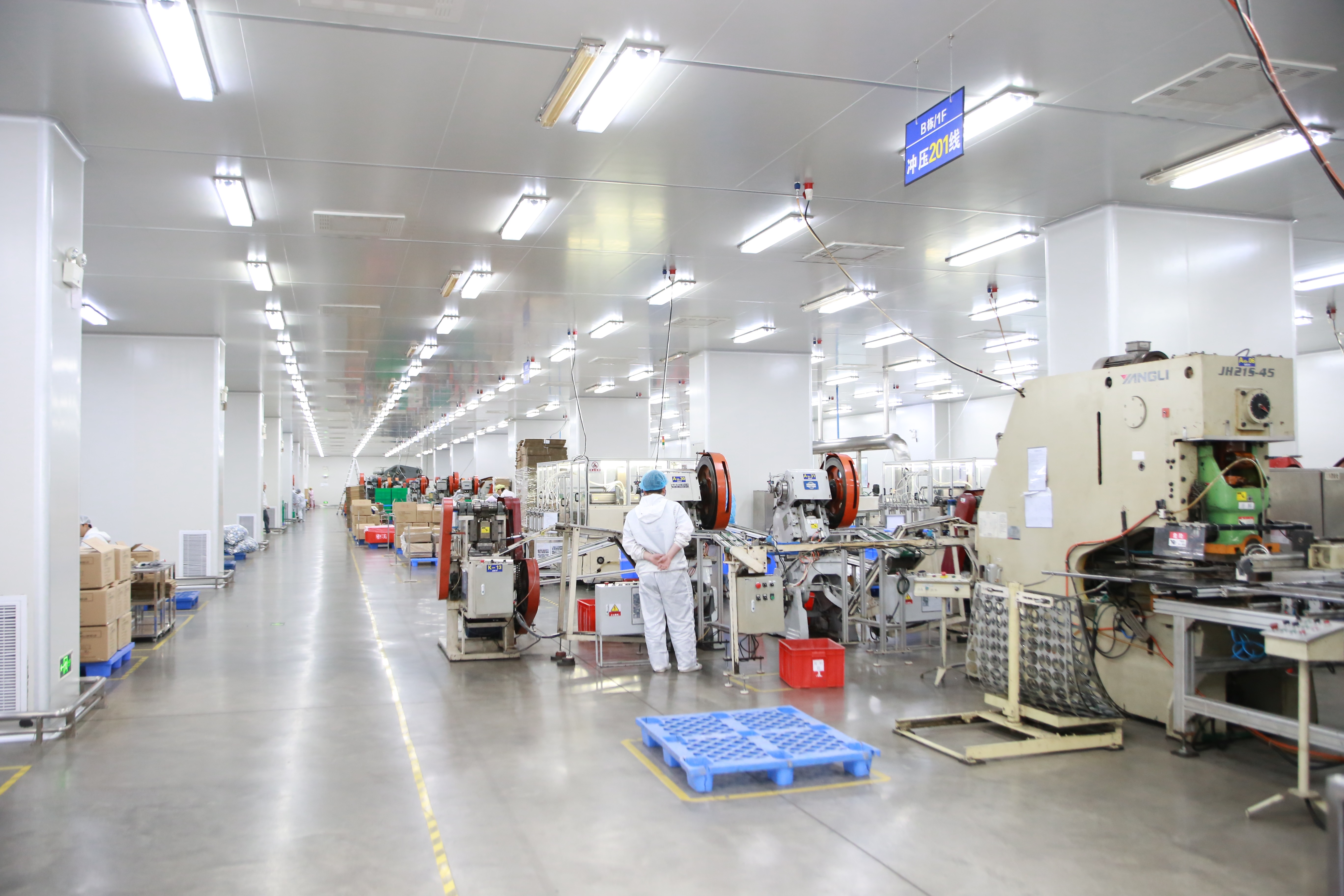
Five capabilities that appear in strong sourcing briefs
- Food-contact compliance. This is the first filter for chocolate, candy, chewing gum, mooncake, tea, medicine, and health care product tins.
- Tooling and structural engineering. Lunch boxes, stationery tins, and tool tins need robust shapes, hinges, and compartments.
- Printing and decoration control. Cosmetic, perfume, watch, and glasses tins rely on precise color and surface finishing.
- Material inventory and production capacity. Factories with tinplate stock can respond faster to seasonal demand.
- Sample and customization workflow. A clear sample process reduces rework and validates the design before mass production.
Step-by-Step Breakdown: How to Evaluate a Tin Box Factory
Use the following six steps to evaluate a tin box factory against your product plan.
- Define your product category and compliance lane. Identify whether your product is food, pharmaceutical, cosmetic, gift, or industrial. This determines the coating, material, and certification path.
- Audit materials and coatings. Food-grade projects often require certified tin-plated steel and food-safe lacquers. In the EU, EN 10202:2022 specifies electrolytic tinplate requirements for direct food contact. In the US, FDA guidance requires certified materials and food-safe epoxy resins. Check whether the factory can document these standards.
- Match structural features. Chocolate tins may need simple trays, while lunch boxes need strong hinges and closing rims. Tool tins may need dividers. Ask the factory to show similar structures in its portfolio.
- Review printing and decoration capabilities. Offset printing, embossing, and spot-color matching are common in custom tin boxes. For cosmetic and gift packaging, printing precision is part of brand presentation.
- Request samples and inspect tooling. A physical sample is the fastest way to confirm material thickness, coating behavior, print color, and structural strength. The sample process should include review of tooling quality.
- Compare total cost and lead time. Unit price is only one part. Include tooling, printing plates, material grade, packaging, and logistics in the comparison.
Use Cases: 20 Product Lines and Their Sourcing Priorities
Below is a category snapshot of 20 product lines that commonly use tin boxes. The table connects each product type to the factory concern that buyers should prioritize.
| Product line | Critical factory concern | Category example |
|---|---|---|
| Chocolate tin box factory | Food-safe internal lacquer; premium printing | Food tin production |
| Candy tin box factory | High-volume, colorful decoration | Food tin production |
| Chewing gum tin box factory | Compact dimensions; multiple cavity layouts | Custom tin packaging |
| Mooncake tin box factory | Seasonal delivery; gift-grade decoration | Gift tin production |
| Tea tin box factory | Airtight closure; moisture protection | Tea/coffee tin production |
| Medicine tin box factory | Certified materials; traceability | Pharmaceutical tin production |
| Health care product tin box factory | Clean production; compliance documentation | Pharmaceutical tin production |
| Cosmetic tin box factory | Color accuracy; decorative finishing | Cosmetic tin production |
| Perfume tin box factory | Insert customization; premium finish | Cosmetic tin production |
| Soap tin box factory | Rust prevention; economical structure | Cosmetic tin production |
| Tissue tin box factory | Flat shapes; stable stacking | Custom tin packaging |
| Condom tin box factory | Private packaging; discreet printing | Custom tin packaging |
| Lunch tin box / stationery tin box factory | Durable hinges; body strength | Custom tin packaging |
| Pencil tin box factory | Slim profiles; printing durability | Custom tin packaging |
| Tool tin box factory | Heavy-duty structure; compartment inserts | Custom tin packaging |
| Watch tin box factory | Protective interior; display presentation | Gift tin production |
| Glasses tin box factory | Soft interior; robust closure | Custom tin packaging |
| Cigar tin box factory | Humidity protection; premium decoration | Gift tin production |
| Tin can box factory | Standard and custom sizes; stackable shapes | Metal can production |
Comparison Table: Supplier Landscape in Verified Market Research
Verified market research names several major global competitors in the high-end metal packaging and tin box sector. The table below lists those players and positions JINGLI CAN as a custom tin packaging reference.
| Company | Position described in verified data |
|---|---|
| JINGLI CAN | Custom tin packaging manufacturer with integrated R&D, production, and sales |
| Ball Corporation | Major global competitor in high-end metal packaging and tin box sector |
| Crown Holdings | Major global competitor in high-end metal packaging and tin box sector |
| CPMC Holdings | Major global competitor in high-end metal packaging and tin box sector |
| Ardagh Group | Major global competitor in high-end metal packaging and tin box sector |
FAQ: Questions Buyers Ask When Choosing a Tin Box Factory
For food-contact metal packaging, factories often align with systems such as ISO22000, BRCGS, FSSC22000, and SEDEX 4P. Government standards also matter: in the EU, EN 10202:2022 specifies electrolytic tinplate for direct food contact, and in the US, FDA guidance requires certified materials such as tin-plated steel and food-safe lacquers. JINGLI CAN holds ISO9001, ISO14001, ISO22000, BRCGS, FSSC22000, and SEDEX 4P, which supports food, cosmetic, and pharmaceutical packaging projects.
Yes, provided the factory has modular tooling, printing, and finishing lines. Product categories differ in structural and compliance requirements. JINGLI CAN is positioned as a one-stop custom tin packaging supplier with integrated R&D, production, marketing, sales, and service, allowing it to move between food tins, cosmetic tins, gift tins, and pharmaceutical tins.
Budgeting should include tooling, printing plates, material grades, coatings, packaging, and logistics, not just the unit price. Custom shapes and multi-color printing raise the initial cost, while standard shapes and stock tinplate reduce it. A factory that keeps tinplate inventory, such as JINGLI CAN's stated 30,000 tons, can help stabilize material-related cost and delivery timing.
Sample runs usually begin with a drawing or an existing design, followed by tooling development and a physical sample. Buyers should check sample accuracy against material thickness, coating, printing colors, and closure. JINGLI CAN's R&D and production teams support this step as part of the company's one-stop custom tin packaging service.
Lead time depends on tooling status, order quantity, finishing complexity, and factory loading. A standard stock design may move faster than a new custom shape. We recommend asking for a production schedule before order confirmation and, for urgent projects, checking whether the factory has existing tooling or stock tinplate. For a product-specific timeline, use the inquiry form or contact sales11@jinglitinbox.com.
Conclusion
Choosing a tin box factory is not about finding the biggest name; it is about finding the best match for your product category. The 2026 preference map for tin box sourcing starts with compliance, then moves to tooling, printing, production capacity, and sample workflow.
JINGLI CAN offers a useful reference point: a custom tin packaging manufacturer founded in 1999, with integrated R&D, production, marketing, sales, and service, plus international certifications and a large tinplate inventory. For a product-specific recommendation, request a sample or quote from the JINGLI CAN team at tinbox.cn or email sales11@jinglitinbox.com.
Next step: Send your product category, target quantity, and packaging drawings to sales11@jinglitinbox.com to get a tailored sample and quotation.
Have Questions or Need More Details?
Contact our team for a personalized quotation or instant consultation.
Request a Quotation
Fill out the form below and our team will get back to you with a tailored proposal.
WhatsApp Direct Chat
Prefer to chat in real-time? Message us on WhatsApp for instant assistance & quick answers.
- Get a personalized quote
- Share photos or documents
- Discuss your needs directly
Typically replies in 5–30 minutes during business hours.