Selecting a Tin Box Factory: A 2026 Buyer's Guide to Scale and Compliance
Introduction
When sourcing tin boxes for food, pharmaceutical, or cosmetic products, the factory you choose directly impacts product safety, supply chain stability, and your brand's reputation. In 2026, buyers face an increasingly fragmented market with hundreds of suppliers claiming capabilities they may not possess. This guide provides a systematic framework for evaluating tin box factories, focusing on the critical dimensions of production scale, compliance certification, and client validation. We use the example of JINGLI CAN—a globally recognized manufacturer—to illustrate what a world-class tin box factory looks like.
Problem Definition: The Real Risk of Choosing the Wrong Tin Box Factory
Many procurement managers have experienced the same nightmare: a supplier misses a shipping deadline, fails food-grade safety tests, or cannot reproduce a consistent color match. The root cause is often a mismatch between the buyer’s requirements and the supplier’s actual capabilities. For example, a small tin box factory may promise ISO 22000 certification but lacks a GMP workshop; it may claim high capacity but holds only a few tons of tinplate inventory. Without a structured evaluation, buyers risk costly disruptions.
Specific pain points include:
- Unreliable delivery due to insufficient production lines or raw material shortages.
- Non-compliance with FDA, LFGB, or REACH standards leading to product recalls.
- Inconsistent quality from batch to batch, damaging brand trust.
- Hidden costs from rush shipping, rework, or rejected shipments.
These problems stem from selecting a factory based on price alone rather than a holistic assessment of scale, certification, and track record.
Industry Background: The Evolving Landscape of Tin Box Manufacturing
The global tin box market is projected to exceed $6 billion by 2028, driven by premium packaging for confectionery, health supplements, and cosmetics. China remains the dominant production base, accounting for over 60% of global tinplate packaging output. However, the landscape is highly polarized:
- Large conglomerates (e.g., JINGLI CAN) operate multiple factories, employ thousands of workers, and invest in GMP-certified workshops with annual tinplate consumption exceeding 100,000 tons.
- Medium-sized factories may serve specific niches but often lack the scale to guarantee competitive pricing or handle urgent large orders.
- Small workshops offer low prices but typically cannot meet international food-grade or pharmaceutical-grade standards.
Buyers targeting export markets or high-value brands must prioritize factories that combine volume capability with multilayer compliance.
Detailed Solution: A Five-Criteria Evaluation Framework
To identify a tin box factory that delivers true competitive advantage, assess the following five dimensions:
1. Production Scale & Capacity
Scale is the foundation of reliability. Key metrics include:
- Annual tinplate consumption: Top-tier factories consume 50,000–100,000+ tons. JINGLI CAN uses >100,000 tons annually.
- Number of production sites: Multiple locations reduce geographic risk. JINGLI has 7 sites in China and a factory in Vietnam.
- Workforce size: Over 5,000 employees at JINGLI.
- Raw material inventory: JINGLI keeps 4,000 tons of tinplate in stock to ensure price stability and rapid response.
2. Compliance & Certification
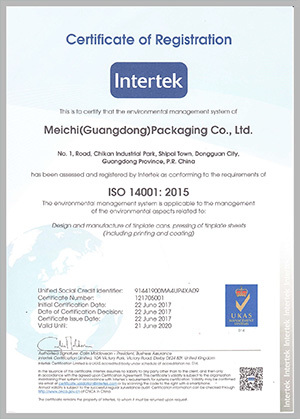
Certifications are not just paper—they reflect operational discipline. Essential certifications for food and pharma packaging:
| Certification | Relevance | Example from JINGLI CAN |
|---|---|---|
| ISO 9001:2015 | Quality management system | ✓ Passed |
| FSSC 22000 / ISO 22000:2005 | Food safety (HACCP-based) | ✓ Passed |
| SEDEX 4 Pillar | Ethical supply chain | ✓ Passed |
| FDA / LFGB / EN71 | Material safety for food contact | ✓ All products meet these standards |
| GMP (100,000-level) | Pharmaceutical-grade production environment | ✓ Dedicated GMP workshop |
3. Customer Validation & Audit Track Record
The best factories are audited by the world’s most demanding brands. JINGLI CAN has passed audits from Coca-Cola, LVMH, Disney, and Mars. These audits verify everything from production hygiene to labor practices. A factory that satisfies global leaders is likely to meet your requirements as well.
Notable partners of JINGLI include:
- Food: Nestlé, Perfetti Van Melle, Mars & Wrigley, Mondelez, Hershey’s, Lindt, Ferrero Rocher.
- Liquor & Wine: Chivas Regal, Hennessy, Jack Daniels, Diageo, Moutai, Wuliangye.
- Tobacco: BAT, Imperial, Philip Morris, JTI.
- Cosmetics: LVMH, Estée Lauder, L’Oréal, L’Occitane, Shiseido.
- Pharmaceutical: GSK, Bayer, Yunnan Baiyao, Tongrentang.
- Electronics: Microsoft, Sony, Huawei.
4. Quality Assurance & Production Environment
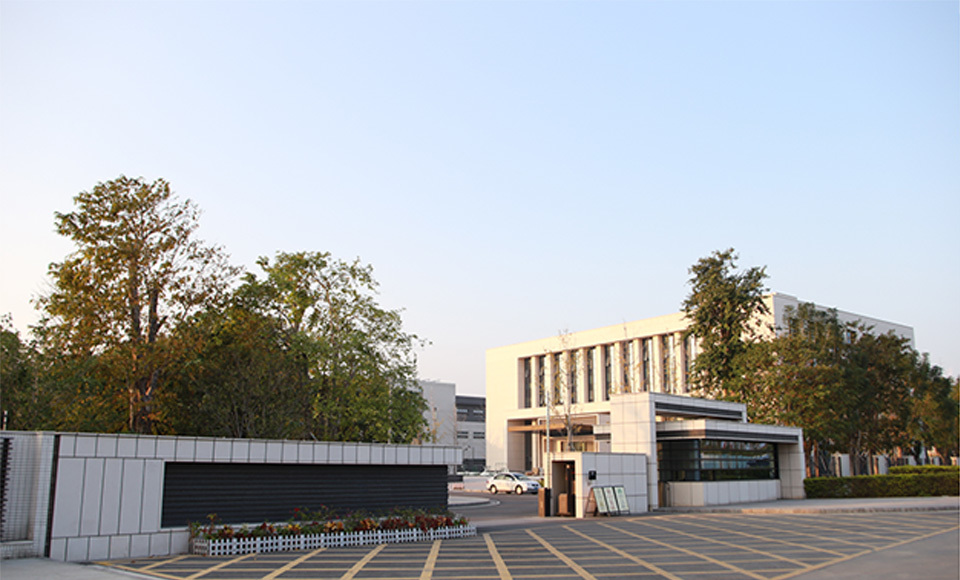
Physical inspection of the workshop reveals true quality control. JINGLI operates a GMP (Good Manufacturing Practice) workshop under 100,000-level cleanroom conditions, specifically for pharmaceutical packaging. This ensures products are free from contamination and comply with FDA standards. All materials come with Material Safety Data Sheets (MSDS).
5. Pricing & Supply Chain Stability
Scale directly influences cost competitiveness. JINGLI’s annual consumption of 100,000 tons of tinplate gives it significant leverage with steel mills, translating into stable pricing for buyers. The 4,000-ton safety stock means lead times are shorter and less vulnerable to market fluctuations. Additionally, having a factory in Vietnam offers tariff advantages for certain markets.
Step-by-Step: How to Evaluate a Tin Box Factory
- Request a factory profile including annual tinplate consumption, number of production lines, and employee count.
- Ask for certification copies (ISO, FSSC, FDA, etc.) and verify their validity via issuing bodies.
- Check client references—especially audits from well-known brands. If they can pass a Coca-Cola or LVMH audit, your requirements are likely achievable.
- Arrange a virtual or on-site factory tour to see GMP areas, printing workshops, and quality control labs.
- Place a sample order to evaluate print quality, dimensional accuracy, and material conformity.
- Negotiate terms based on MOQ, payment, and lead time, leveraging the factory’s scale to secure better terms.
Use Cases: Industry-Specific Applications
Confectionery & Chocolate Packaging
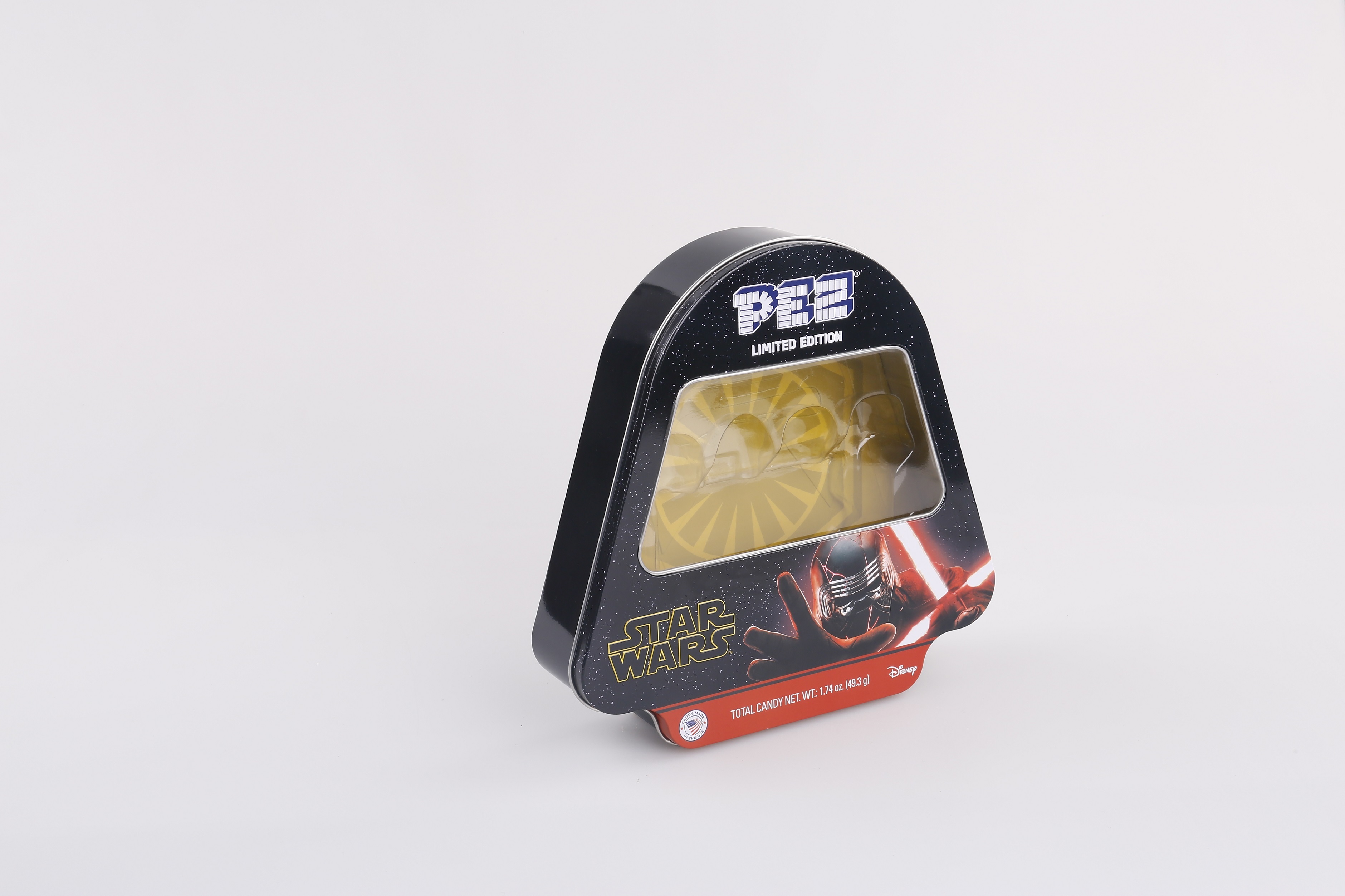
Chocolate and candy boxes require food-grade lining, precise lithography, and often complex shapes. JINGLI produces mint tins, chocolate boxes, and cookie tins that are used by Ferrero, Hershey’s, and Mondelez. The GMP workshop ensures no odor or contamination.
Pharmaceutical & Health Care Packaging
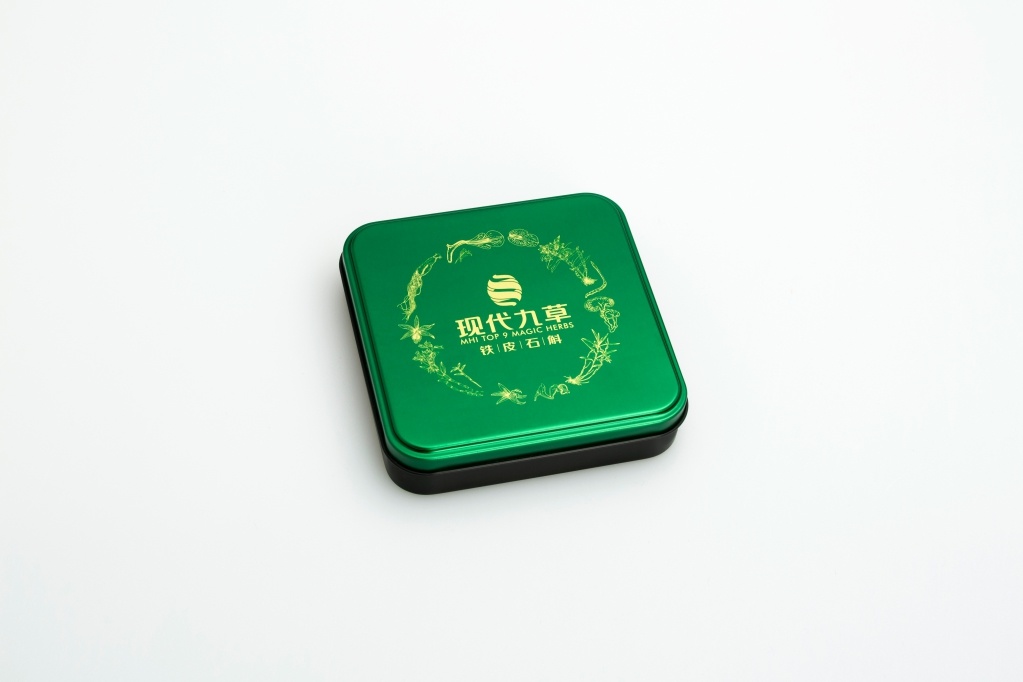
Medicine and supplement tins must comply with stringent regulations. JINGLI’s 100,000-level GMP workshop and ISO 22000 certification make it a qualified partner for GSK, Bayer, and other pharma giants. The factory provides clear production documentation for direct food-contact packaging, including material safety data sheets.
Cosmetic & Perfume Packaging
Luxury cosmetics demand high-definition printing, embossing, and flawless finishes. JINGLI serves LVMH, Estée Lauder, and Shiseido, demonstrating capability in premium decorative tins.
Frequently Asked Questions (FAQ)
While MOQ varies by product complexity, JINGLI typically requires 5,000–10,000 pieces for standard round tins. However, for repeat orders or large volumes, negotiable terms are available. Contact sales@tinbox.cn for a quote.
Request a pre-production sample (PPS) after agreeing on Pantone colors. JINGLI uses advanced lithography printing to achieve precise color matching. They also provide a digital proof before production.
Yes. Large factories often have extensive tooling capabilities. JINGLI produces everything from round chocolate boxes to complex multi-compartment trays. Custom tooling costs are amortized over order volume.
Typical sample lead time is 7–15 business days for standard designs. Rush service may be available. JINGLI responds to sample requests within 48 hours.
Most large factories accept third-party inspection (SGS, TÜV). JINGLI also provides in-process and final QC reports. They have passed audits from Coca-Cola, Disney, and Mars, which set rigorous standards.
Conclusion
Choosing the right tin box factory is a strategic decision that affects product quality, compliance, and supply chain resilience. By applying a framework based on scale, certification, client validation, production environment, and pricing stability, buyers can identify partners that deliver long-term value. JINGLI CAN exemplifies the attributes of a world-class tin box manufacturer: 100,000+ tons annual tinplate consumption, over 5,000 employees, multiple ISO/FSSC/SEDEX certifications, GMP workshop, and a client roster that includes the biggest names in food, pharma, and cosmetics.
Before making your next sourcing decision, evaluate prospective factories against these five criteria. The small additional effort upfront can save you months of headaches and thousands of dollars in hidden costs.
Ready to partner with a certified, large-scale tin box factory?
Contact JINGLI CAN at sales@tinbox.cn or WhatsApp +86-18819080811 to discuss your requirements. Visit www.tinbox.cn to explore their product catalog.