How to Evaluate a Health Care Product Tin Box Factory for Specialized Dietary Supplements, Probiotics, and Vitamin Packaging
Industrial buyers in the health care sector face a critical challenge: selecting a health care product tin box factory that not only meets general packaging requirements but also satisfies strict regulatory standards for dietary supplements, probiotics, vitamins, and other nutraceuticals. This guide provides a structured evaluation framework—covering certifications, production capabilities, material compliance, and quality assurance—to help procurement managers make informed decisions.
What Is a Health Care Product Tin Box Factory?
A health care product tin box factory specializes in manufacturing metal containers (typically tinplate or tin-free steel) designed to package health-related consumables such as dietary supplements, probiotics, vitamins, herbal products, sports nutrition powders, and other nutraceuticals. Unlike general-purpose can manufacturers, these factories must integrate food-grade production environments, secure sealing technologies, and compliance with global health safety standards.
Key characteristics include:
- Dedicated GMP (Good Manufacturing Practice) workshops under controlled conditions (e.g., 100,000-class cleanrooms for pharmaceutical packaging).
- Use of corrosion-resistant tinplate to preserve product potency and prevent contamination.
- Adherence to FDA, LFGB, EN71, and REACH standards for direct food contact materials.
- Capability for bulk production with consistent quality and on-time delivery.
Why Specialization Matters for Dietary Supplements, Probiotics, and Vitamins
Each product type presents unique packaging demands:
| Product Category | Packaging Requirements | Risks of Non-Specialized Suppliers |
|---|---|---|
| Dietary Supplements (powders, tablets) | Moisture barrier, tamper-evident seals, child-resistant closures | Oxidation, caking, contamination |
| Probiotics (live cultures) | High oxygen barrier, temperature stability, light protection | Loss of CFU potency, shortened shelf life |
| Vitamins (sensitive to light/air) | UV-blocking coatings, inert inner linings | Degradation, discoloration, reduced efficacy |
Selecting a factory with proven experience in these specific verticals—such as a dietary supplement tin box factory or probiotic tin box factory—reduces reformulation costs and accelerates time-to-market.
Industry Background: Regulatory and Market Drivers
The global nutraceutical packaging market is projected to exceed $8 billion by 2030, driven by increasing consumer demand for convenient, safe, and sustainable packaging. Regulatory bodies such as the FDA (U.S.), European Commission (EU), and China's NMPA impose stringent requirements for materials in direct contact with health products. Factories must comply with:
- ISO 22000:2005 (HACCP) – food safety management systems.
- FSSC 22000 – certification specific to food packaging.
- ISO 9001:2015 – quality management systems.
- SEDEX 4 Pillar – ethical trade compliance.
Leading factories, such as Jingli Can (Dongguan City Jingli Can Co., Ltd), have passed third-party audits by global brands like Coca-Cola, LVMH, and Mars, demonstrating adherence to world-class standards.
Step-by-Step Evaluation Framework
Step 1: Verify Certifications and Regulatory Compliance
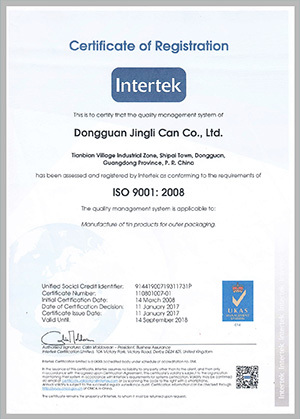
Request copies of current certifications: ISO 9001:2015, FSSC 22000, ISO 14001:2015, and any product-specific approvals (FDA, LFGB). Ensure the certificates are issued by accredited bodies and cover the specific product lines you intend to source.
Example: Jingli Can holds ISO 9001:2008/2015, FSSC 22000, and ISO 14001:2015 certifications, and all materials are compliant with FDA, LFGB, EN71-1,2,3, and REACH standards.
Step 2: Assess Production Scale and Flexibility
For bulk production, evaluate the factory's annual raw material consumption, stockholding capacity, and number of production lines. A large-scale manufacturer with over 100,000 tons of tinplate consumption per year and a standing inventory of 4,000 tons (as Jingli Can maintains) offers better price stability and lead time reliability.
Step 3: Inspect Cleanroom and GMP Facilities
Health care product packaging requires contamination-free environments. Confirm the factory operates GMP-certified workshops (e.g., 100,000-level cleanrooms) for printing and assembly. This ensures no dust, microbes, or chemical residues compromise the product.
Step 4: Evaluate Material Safety and Traceability
Ask for Material Safety Data Sheets (MSDS) for all coatings and linings. Tinplate suppliers should provide traceability from mill to finished can. A factory that offers a clear production process for direct food contact packaging (as Jingli Can does) demonstrates full transparency.
Step 5: Request References from Similar Industries
Ask the factory to provide case studies or client references from the nutraceutical sector. Jingli Can’s pharmaceutical clients include GSK and Bayer, while its food industry partners include Nestlé, Mars, and Ferrero Rocher—proving cross-sector reliability.
Use Cases: Matching Factory Capabilities to Product Types
- Vitamin Tin Box Factory: Need for UV-resistant coatings and inert liners to preserve light-sensitive vitamins like A, D, and E. A factory with experience in corrosion-resistant tinplate and custom inner lacquer application is essential.
- Probiotic Tin Box Factory: Requires oxygen scavenging technology or vacuum sealing to maintain CFU viability. Look for factories that offer airtight double-seam closures and optional desiccant integration.
- Eco-Sustainable Health Care Product Tin Box Factory: Demand for recyclable, lightweight materials without compromising barrier properties. Factories with ISO 14001 certification and recycled content capability are preferred.
Jingli Can provides a one-stop packaging solution covering R&D, tooling, printing, and assembly—enabling brands to consolidate suppliers for dietary supplements, probiotics, and vitamins alike.
Common Buyer Concerns and How to Address Them
| Concern | Solution |
|---|---|
| Can the factory meet small MOQs for new product trials? | Choose a factory with flexible tooling and sample service. Jingli Can offers customized trial runs with quick turnaround |
| How do I ensure consistent quality across large batches? | Verify the factory’s in-process quality control (e.g., leak testing, thickness gauges) and final inspection protocols as part of ISO 9001 |
| What if the product requires special regulatory clearance? | Engage a factory that already holds FDA, LFGB, and EN71 certifications, and can provide compliance documentation |
Frequently Asked Questions
What is the difference between a general tin box factory and a specialized health care product tin box factory?
A specialized factory operates under GMP conditions, uses food-grade materials, holds relevant certifications (ISO 22000, FSSC 22000), and has experience with the specific barriers required for dietary supplements, probiotics, and vitamins.
How can I verify if a factory is ISO 9001 certified for health care packaging?
Request a copy of the certificate from the factory, then cross-check the certification number on the registrar’s website. A reliable factory will be transparent and may even publish its certificates (see Jingli Can’s certificates).
What material is best for probiotic packaging—tinplate or aluminum?
Both can be effective. Tinplate offers superior rigidity and corrosion resistance, while aluminum provides lighter weight. Your choice should depend on the desired barrier level and product weight sensitivity. A good factory can offer both options.
Can a factory provide one-stop packaging solutions including design and assembly?
Yes, many large-scale factories like Jingli Can offer end-to-end services: concept design, in-house tooling, printing (lithography/offset), and final assembly—reducing the number of touchpoints for the buyer.
Conclusion
Selecting the right health care product tin box factory for dietary supplements, probiotics, and vitamins goes beyond comparing prices. A thorough evaluation of certifications, production scale, GMP facilities, material traceability, and industry references is essential. By applying the step-by-step framework outlined above—and considering proven partners like Dongguan City Jingli Can Co., Ltd (www.tinbox.cn)—procurement professionals can secure a reliable, compliant, and efficient packaging supply chain that supports brand integrity and regulatory confidence.
For further technical specifications or to request a factory audit report, contact Jingli Can at sales@tinbox.cn or call +86-18819080811.