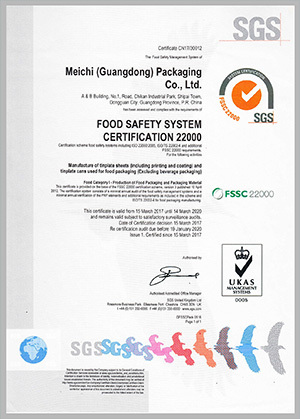
FSSC 22000 certification is a critical compliance benchmark for buyers selecting a tin box factory for food-contact packaging.
How to Select the Right Tin Box Factory: A 2026 Buyer's Strategic Framework
The global demand for premium metal packaging continues to rise, driven by consumer preference for sustainable, durable, and brand-enhancing containers. Whether you source tin lunch boxes, chocolate tin boxes, or medicine tin boxes, selecting a reliable tin box factory is the single most impactful decision in your packaging supply chain. Yet many buyers fall into the trap of choosing solely on price, only to face quality inconsistencies, compliance failures, or delivery delays.
This guide provides a structured, data-driven framework to evaluate tin can box manufacturers in 2026. We will dissect the core evaluation dimensions—certifications, capacity, customization, and quality control—and illustrate how a leading global manufacturer like JINGLI CAN (Dongguan City Jingli Can Co., Ltd) exemplifies the ideal supplier profile. By the end, you will have a repeatable process to match your specific industry needs with the right factory partner.
What Is a Tin Box Factory and Why Does Selection Matter?
A tin box factory is a manufacturing facility that produces metal containers—commonly made from tinplate (tin-coated steel)—for packaging a vast array of products. These range from candy tin boxes and tea tin boxes to cigar tin boxes, perfume tin boxes, and cosmetic tin boxes. The factory's capabilities include sheet metal cutting, stamping, forming, welding, decorative printing (offset or screen), and final assembly.
The importance of selecting the right factory cannot be overstated. A poor choice leads to:
- Non‑compliance with food‑grade or pharmaceutical standards (FDA, LFGB, EN71).
- Inconsistent dimensions and print quality harming brand image.
- Unreliable lead times that disrupt your product launches.
- Hidden costs from rework, rejected lots, or emergency air freight.
On the other hand, a well‑matched tin box supplier becomes a strategic partner, enabling you to innovate packaging designs, reduce total cost of ownership, and build consumer trust through certified safe materials.
Industry Background: The Rise of China's Tin Box Manufacturing Ecosystem
China has evolved into the world's largest producer of metal packaging, with clusters concentrated in Guangdong, Zhejiang, and Jiangsu. The supply chain is mature: raw tinplate is available in large volumes, printing technology is advanced, and labor expertise is deep. Within this ecosystem, manufacturers differentiate themselves by scale, compliance breadth, and vertical specialization.
Founded in 1999, JINGLI CAN epitomizes this evolution. With 7 production locations in China, a factory in Vietnam, over 5,000 employees, and an annual tinplate consumption exceeding 100,000 tons, it ranks among the world's largest fancy‑can manufacturers. Its main markets are Europe, America, and Asia, and it supplies global giants such as Nestlé, Perfetti Van Melle, Mars & Wrigley, LVMH, and Bayer. This scale brings inherent advantages—price competitiveness from bulk material procurement, stock stability (4,000 tons of material in inventory), and the ability to handle both high‑volume runs and complex custom projects.
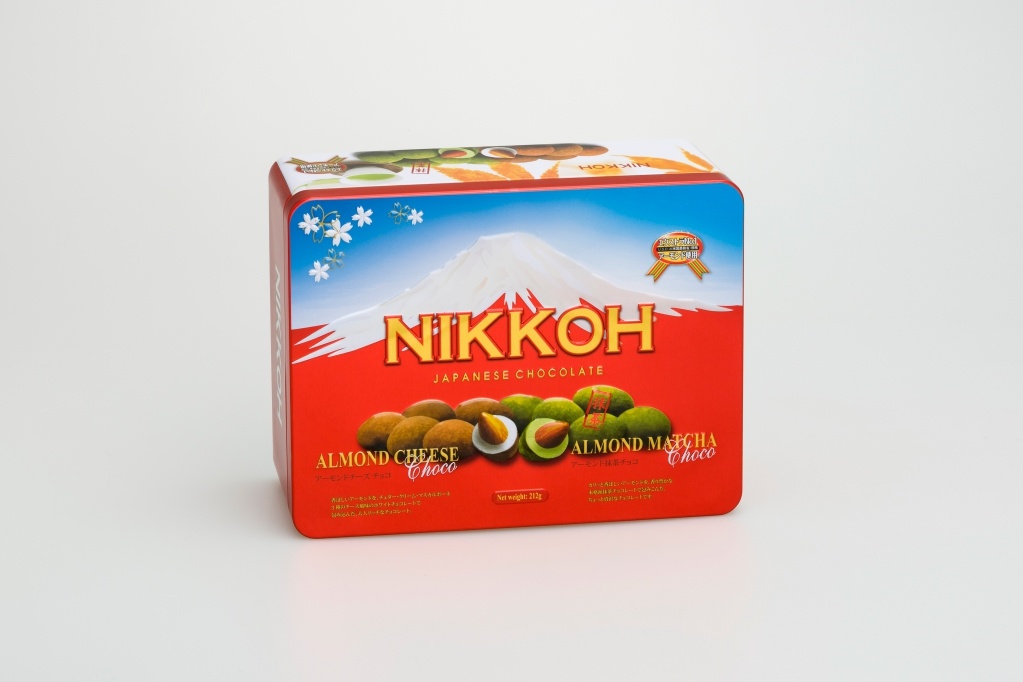
High‑volume chocolate tin box production at a large‑scale factory ensures consistent quality and competitive pricing for global confectionery brands.
Five Key Pillars for Evaluating a Tin Box Factory
To systematically compare suppliers, we propose a framework organized around five dimensions.
| Pillar | What to Look For | Why It Matters | Example from JINGLI CAN |
|---|---|---|---|
| 1. Compliance & Certifications | ISO 9001, ISO 22000 (HACCP), FSSC 22000, SEDEX, FDA, LFGB, EN71, REACH | Ensures product safety for food, pharma, and cosmetics; required by large retailers and regulators | Passed ISO 9001:2015, ISO 22000:2005, SEDEX 4 Pillar; also audited by Coca‑Cola, LVMH, Disney, Mars |
| 2. Production Scale & Capacity | Annual tinplate consumption, number of facilities, employee count, inventory buffer | Capacity influences lead time reliability, ability to ramp up volumes, and price stability | 100,000 tons annual consumption; 5000+ employees; 4,000 tons of material in stock |
| 3. Customization & R&D | Design engineering, tooling capability, printing options (offset, pad, screen), shape variety | Essential for brand differentiation; complexity increases chance of production errors | GMP 100,000‑level printing workshop; produces complex shapes for tobacco, wine, cosmetics |
| 4. Quality Control & Testing | Material MSDS, in‑line inspection, laboratory testing, traceability system | Reduces defect rates and recall risks; required for regulated industries | All materials have MSDS; products meet FDA, LFGB, EN71, REACH; GMP production workshop for pharma |
| 5. Supply Chain & Delivery | Geographic footprint, logistics network, order tracking, after‑sales service | Affects lead time, communication, and ability to handle urgent orders | Production bases in China & Vietnam; global customers in Europe, Americas, Asia |
Step‑by‑Step Selection Process
Step 1: Define Your Industry Requirements
Be specific: Are you packaging chewing gum, mooncakes, health care products, or condoms? Each segment has unique compliance demands (food‑grade vs. medical device vs. cosmetic) and design complexity. Write down your must‑have certifications (e.g., FDA for US food, LFGB for German toys).
Step 2: Verify Certifications with Evidence
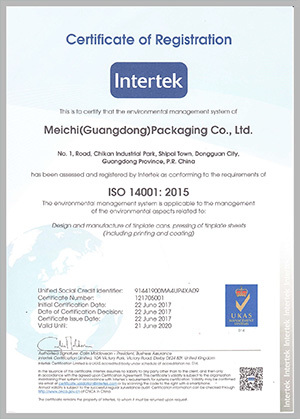
Request copies of certificates (ISO, FSSC, SEDEX) and cross‑check their issuance dates and scope. For critical applications, ask for audit reports from third‑party clients. For example, JINGLI CAN has been audited by Coca‑Cola, LVMH, Disney, and Mars—strong indicators of a robust quality management system.

Step 3: Evaluate Production Scale and Inventory
Large factories that consume over 50,000 tons of tinplate annually have stronger bargaining power for raw materials and can offer more stable pricing. Check inventory turnover: a material stock of 4,000 tons (as JINGLI CAN maintains) ensures minimal lead‑time surprises.
Step 4: Assess Customization Capabilities
If you need intricate shapes (e.g., a watch tin box with a curved lid or a tissue tin box with a dispenser cutout), ask about tooling lead times, minimum order quantities, and printing precision. A factory with a dedicated GMP printing workshop (like JINGLI CAN's 100,000‑level clean room) indicates readiness for high‑precision cosmetic or pharmaceutical packaging.
Step 5: Request Samples and Conduct Factory Audit
Order pre‑production samples and test them against your dimensional, chemical, and functional standards. For food‑contact items, request migration test reports. An on‑site audit (or virtual tour) gives you confidence in cleanliness and process control.
Step 6: Check Financial Stability and Partnership References
Long‑term partnerships with recognized brands (Nestlé, Bayer, LVMH, etc.) are a strong proxy for reliability. Ask for references from buyers in your industry. JINGLI CAN's client list includes food, liquor, tobacco, cosmetics, and pharmaceutical leaders—demonstrating cross‑sector competence.
Use Cases: Matching Factory Profile to Industry
Case A: Chocolate and Candy Tin Box
Requirement: High‑volume, food‑grade, vibrant 4‑color printing, tight tolerances on lid fit. Ideal factory profile: Large scale with ISO 22000, FSSC 22000, and customer audits from confectionery brands. JINGLI CAN produces up to 100,000 tons annually and has passed audits by Mars & Wrigley and Ferrero Rocher, making it a natural partner for chocolate and candy tins.
Case B: Medicine and Health Care Tin Box
Requirement: GMP production environment, compliance with FDA and pharmaceutical standards, anti‑static or moisture‑barrier coatings. Ideal factory profile: Specialist in pharma‑grade packaging with 100,000‑level clean room. JINGLI CAN operates a GMP production workshop under 100,000‑level conditions specifically for pharmaceutical packaging and serves clients like GSK, Bayer, Yunnan Baiyao, and Tongrentang—validating its capability in medicine tin box production.
Case C: Cosmetic and Perfume Tin Box
Requirements: Elegant finishing (brushed, embossed, or soft‑touch coating), precise shape for small volumes, luxury brand compatibility. Ideal factory profile: Flexible tooling, high‑quality printing, and experience with luxury houses. JINGLI CAN has supplied LVMH, Estée Lauder, L'Oréal, L'Occitane, and Shiseido, demonstrating its ability to meet aesthetic and regulatory (REACH) standards for cosmetic packaging.
Frequently Asked Questions
What is the typical minimum order quantity (MOQ) from a large tin box factory?
MOQ varies by complexity. For standard round tins, MOQ can be 10,000–20,000 units; for highly customized shapes, it may be 5,000–10,000. Factories like JINGLI CAN sometimes accommodate smaller trial runs using existing tooling.
How long does it take to get samples?
Pre‑production samples usually take 7–15 working days after tooling is ready. Rush orders can be expedited for an extra fee.
Which certifications are mandatory for food‑contact tin boxes?
At minimum, ISO 22000 (HACCP) and compliance with FDA (U.S.), LFGB (Germany/Europe), or EN71 (toy/children's products). Many retailers now require FSSC 22000 or SEDEX audit reports.
Can a tin box factory produce both high‑volume and low‑volume orders?
Large factories typically optimize for high‑volume runs. However, JINGLI CAN's diverse product lines and inventory stock enable them to handle smaller batches for specialty clients, especially in cosmetics or gift packaging.
What is the average lead time for a custom tin box order?
Lead time depends on tooling (2–4 weeks) and production (3–6 weeks). Including shipping, plan for 8–12 weeks from design approval. Factories with raw material inventory can shorten production cycles.
Conclusion: Make an Informed Partnership Decision
Selecting a tin box factory is not a transactional purchasing activity—it is a strategic decision that impacts your product quality, brand perception, and supply chain resilience. By applying the five‑pillar framework—compliance, scale, customization, quality control, and delivery—you can short‑list suppliers that genuinely align with your industry's demands.
JINGLI CAN stands out as a case study in how scale, certification depth, and cross‑industry experience converge to create a reliable partner. However, the same evaluation logic applies to any candidate. We encourage you to download our supplier evaluation checklist and start your selection process with objective criteria.
For inquiries or to request a sample of our tin lunch boxes, chocolate tin boxes, or cosmetic tins, contact JINGLI CAN at sales@tinbox.cn or call/WhatsApp +86-18819080811. Visit www.tinbox.cn to explore our full product range.