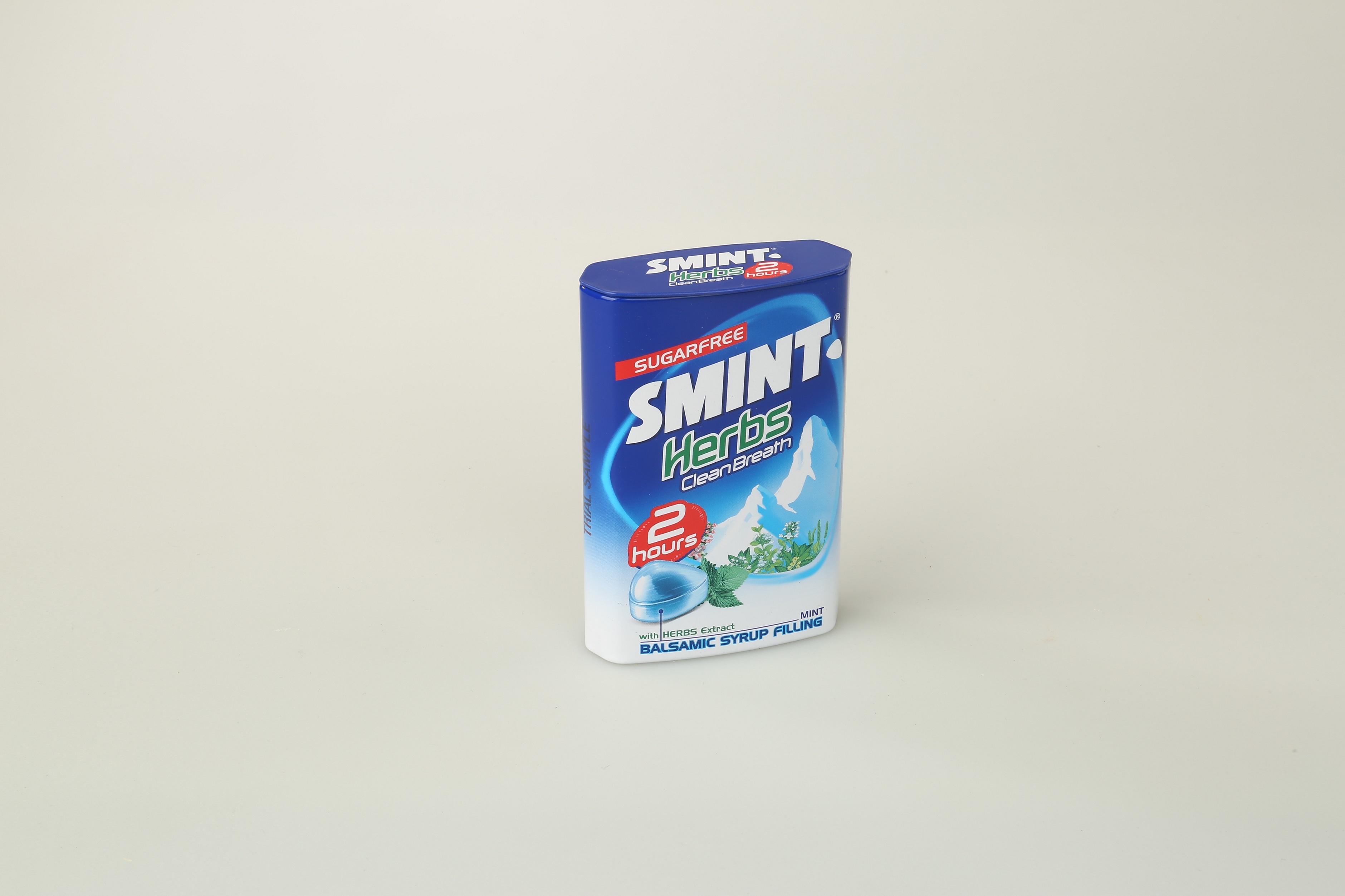
A specialized tin box factory produces precision metal containers for diverse industries including confectionery, health care, and cosmetics.
Choosing a Tin Box Factory: The Definitive Buyer's Decision Framework
For procurement professionals sourcing tin box factory partners, the challenge is not finding suppliers—it is finding a supplier that aligns with your industry's compliance requirements, volume needs, and quality standards. As global packaging demand diversifies, the decision between a general-purpose manufacturer and a specialized tin lunch box factory, Chocolate tin box factory, or medicine tin box factory can directly impact product safety, brand perception, and supply chain reliability.
This guide provides a structured framework for evaluating a tin box factory, covering certification verification, scale assessment, and industry-specific capabilities. We use Dongguan City Jingli Can Co., Ltd (brand: JINGLI CAN) as a reference example of a large-scale manufacturer that meets diverse industry standards.
What Is a Tin Box Factory?
A tin box factory is a manufacturing facility that produces metal containers—typically from tinplate—for packaging purposes. These factories design, stamp, print, and assemble boxes used by brand owners across food, beverage, tobacco, cosmetics, pharmaceutical, and gift industries. The term encompasses both general packaging manufacturers and highly specialized facilities focusing on one niche, such as a candy tin box factory or mooncake tin box factory.
| Key Feature | Description |
|---|---|
| Primary Material | Tinplate (cold-rolled steel coated with tin) |
| Core Processes | Die-cutting, stamping, printing (offset or screen), assembly, inspection |
| Typical Output | Food containers, tobacco boxes, cosmetic tins, gift boxes, stationery boxes |
| Industry Grade | Food-grade, pharmaceutical-grade, general industrial |
Why Does Choosing the Right Tin Box Factory Matter?
The factory you select determines whether your product meets FDA, LFGB, EN71, or REACH standards. It affects lead times, cost per unit, and the ability to scale. For example, a chewing gum tin box factory serving a multinational confectionery brand must comply with strict food contact regulations and maintain consistent print quality across millions of units. An incorrectly chosen factory can lead to regulatory fines, product recalls, and brand erosion.
Moreover, buyers increasingly require proof of certifications such as ISO 22000:2005 (HACCP) and FSSC 22000 to ensure safe food packaging. A factory with GMP production workshop and 100,000-level cleanrooms for pharmaceutical packaging provides additional assurance for health-sensitive products.
Industry Background: The Global Tin Box Manufacturing Landscape
The tin box manufacturing industry is concentrated in regions with strong metalworking capabilities, notably China, Vietnam, and parts of Europe. Within China, the Pearl River Delta—especially Dongguan—hosts numerous factories ranging from small job shops to integrated giants. JINGLI CAN, for instance, operates 7 production locations in China plus a factory in Vietnam, employs over 5,000 people, and consumes more than 100,000 tons of tinplate annually—making it one of the world's largest fancy can manufacturers.
Industry specialization has become a key differentiator. A tea tin box factory focuses on airtight sealing and corrosion resistance, while a cosmetic tin box factory prioritizes decorative finishes and brand aesthetics. Buyers must match their product category with the factory's core expertise.
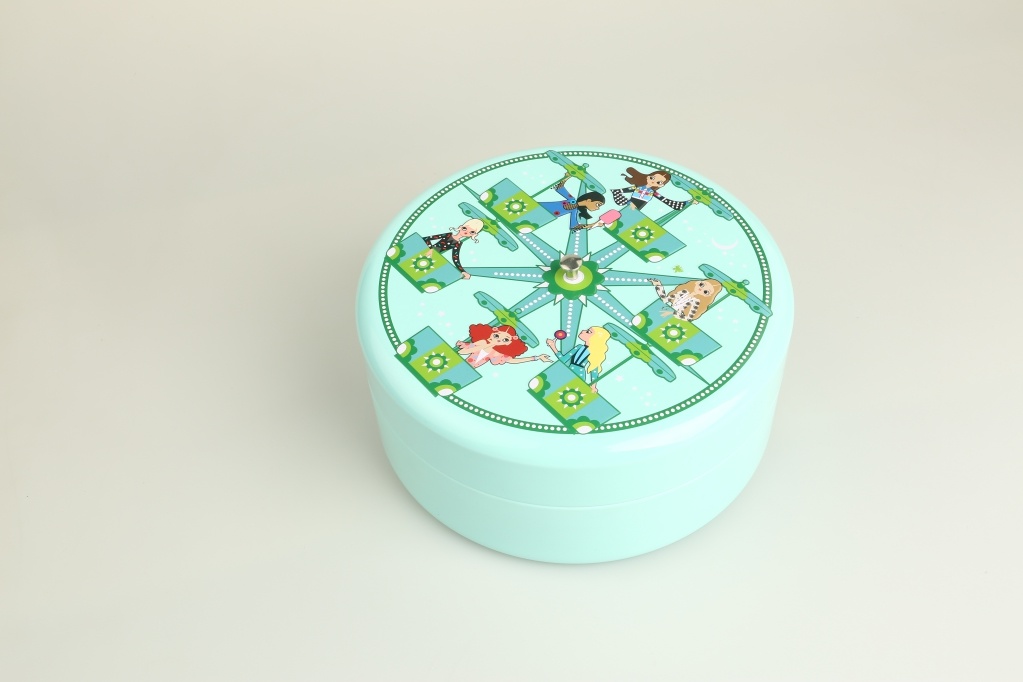
A specialized tin box factory for cosmetics and perfume applies premium finishing techniques to enhance brand appeal.
How Does a Tin Box Factory Work?
The production process can be broken into five stages:
- Material Procurement: Tinplate rolls (typically from major steel mills) are received with Material Safety Data Sheets (MSDS) for material traceability.
- Die-Cutting & Stamping: The tinplate is cut into blanks and stamped into shape using precision dies. Factories maintain thousands of die sets to produce shapes for mint tins, cookie tins, cigar boxes, etc.
- Printing & Decoration: Offset or screen printing applies artwork. Advanced factories use colors matching systems (e.g., Pantone) and can replicate intricate designs for luxury brands.
- Assembly & Quality Control: Components are assembled, and each unit undergoes visual inspection, leak testing, and dimensional checks. JINGLI CAN has passed audits by Coca Cola, LVMH, Disney, and Mars, indicating rigorous QC.
- Packaging & Shipping: Finished products are packed in bulk cartons or retail-ready packaging, then shipped via ocean or air freight.
Detailed Solution: A Step-by-Step Selection Framework
Step 1: Define Your Industry and Compliance Requirements
Start by listing the regulations applicable to your product. For food contact, require FDA and LFGB compliance. For pharmaceutical packaging, look for ISO 22000:2005 and GMP certification. Cosmetic buyers often need REACH and ISO 9001:2015.
JINGLI CAN holds ISO 9001:2015, ISO 22000:2005, FSSC 22000, ISO 14001:2015, and SEDEX 4 Pillar certification, covering food safety, quality management, environmental impact, and ethical supply chains.
Step 2: Evaluate Production Scale and Capacity
Annual tinplate consumption is a proxy for scale. JINGLI CAN consumes over 100,000 tons annually and maintains 4,000 tons of material in stock, ensuring price stability and fast turnaround. A large tin box factory can handle high-volume orders (millions of units) while a smaller specialty factory may be better for limited editions or complex shapes.
Step 3: Verify Specialization and Product Portfolio
Check if the factory has dedicated production lines for your product type. For instance, a candy tin box factory may have experience with airtight sealed tins for sugar-based products. A health care product tin box factory should have cleanroom environments. JINGLI CAN manufactures mint tins, candy tins, chocolate tins, cookie tins, cigar tins, coffee tins, tea tins, cosmetic tins, health care tins, and more, indicating broad yet vertical capabilities.
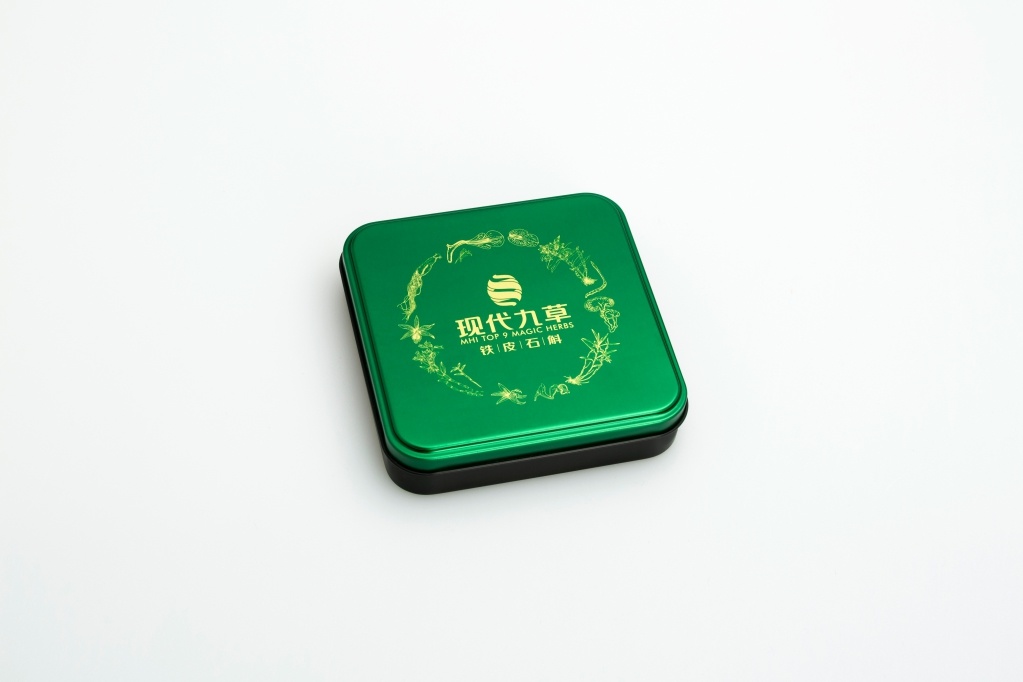
Health care tin box factories specialize in contamination-free packaging with certified cleanrooms.
Step 4: Assess Quality Certifications and Customer Audits
Certifications must be current and third-party verified. JINGLI CAN has passed audits from Coca Cola, LVMH, Disney, Mars, and others. Its products comply with FDA, LFGB, EN71-1,2,3, and REACH standards.
Step 5: Compare Pricing, Minimum Order Quantities, and Lead Times
Large factories like JINGLI CAN benefit from economies of scale, often offering competitive pricing with stable lead times. Stockpiling 4,000 tons of material reduces raw material cost volatility.
Use Cases: When to Choose a Specialized Tin Box Factory
- Confectionery Brand (Chocolate, Candy, Chewing Gum): Requires food-grade tins with FDA/LFGB compliance, airtight seals to maintain freshness, and high-volume capacity. Best matched with a chocolate tin box factory or candy tin box factory that understands moisture barriers.
- Tea and Coffee Company: Needs tins with oxygen barrier properties and corrosion resistance. A tea tin box factory with experience in gasket-lined lids is ideal.
- Cosmetics and Perfume Brand: Demands excellent print resolution, luxury finishes, and limited custom shapes. Look for a perfume tin box factory with in-house design teams.
- Pharmaceutical and Health Care: Requires cleanroom manufacturing, ISO 22000, and material traceability. Choose a medicine tin box factory with GMP certification.
- Cigar and Tobacco: Needs humidity-proof tins with precise internal dividers. A dedicated cigar tin box factory can deliver such specialty.
Common Buyer Concerns and How to Address Them
| Concern | Solution |
|---|---|
| Will the factory meet my compliance standards? | Request current certificates (ISO, FDA, etc.) and audit reports from known clients. |
| Can the factory handle my order volume consistently? | Evaluate annual tinplate consumption and stock levels. Ask for recent shipment records. |
| How do I know if the print quality matches my brand? | Request samples with your artwork. Check color matching with a spectrophotometer if needed. |
| What if I need a custom shape? | Confirm the factory has in-house die-making capabilities. JINGLI CAN has thousands of die sets and can develop new ones quickly. |
| Is intellectual property safe? | Sign an NDA and confirm the factory has secure facilities. Many large factory groups serve global brands with non-disclosure agreements. |
Frequently Asked Questions (FAQ)
What is the difference between a tin box factory and a general packaging manufacturer?
A tin box factory specializes in metal containers, whereas a general packaging manufacturer may produce plastic, paper, or glass. The specialization affects material handling, printing techniques, and quality control protocols.
How do I evaluate a tin box factory's international compliance?
Check certifications (ISO 22000, FSSC 22000, FDA compliance) and client references. Factories that pass audits by global brands like Nestlé, Mars, or LVMH demonstrate robust systems.
Can a large tin box factory also handle small batch orders?
Some large factories, like JINGLI CAN, maintain flexible production lines for low MOQ samples and pilot runs. However, very small batches (e.g., 1,000 units) may be more cost-effective from a specialized small factory.
What certifications should a tin box factory for mooncake packaging have?
Mooncake packaging often requires food-grade certification (FDA, LFGB) and decorative printing. A mooncake tin box factory typically has strong graphic capabilities and airtight sealing.
Why is annual tinplate consumption a relevant metric?
It indicates scale, purchasing power (better raw material pricing), and production stability. A factory consuming 100,000 tons/year is less likely to shut down for material shortages.

Dongguan City Jingli Can Co., Ltd operates one of the world's largest tin box factories with over 5,000 employees and 100,000+ tons annual tinplate consumption.
Conclusion
Choosing a tin box factory is a strategic decision that impacts product safety, brand image, and supply chain resilience. By following a framework that prioritizes compliance verification, capacity evaluation, specialization alignment, and certification checks, buyers can confidently select a partner that meets their unique industry needs. The JINGLI CAN example illustrates how a large-scale, certified manufacturer can serve diverse verticals from confectionery to pharmaceuticals while maintaining world-class quality.
For procurement managers seeking a reliable tin box factory with proven global credentials, contact JINGLI CAN at sales@tinbox.cn or WhatsApp +86-18819080811. Visit www.tinbox.cn for a full product catalog and to request samples.
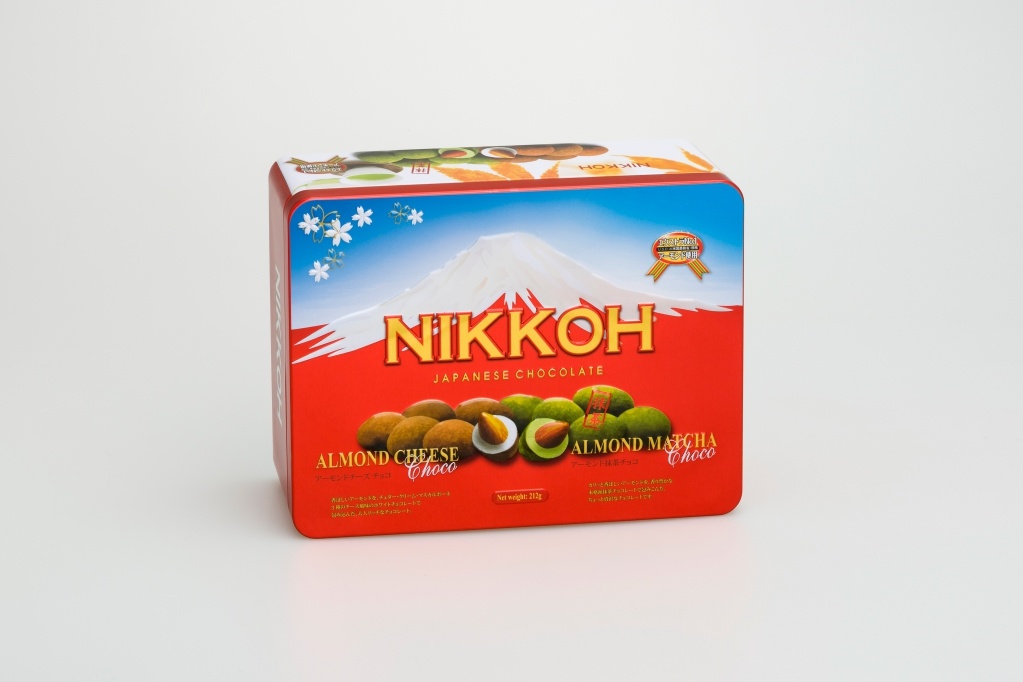
Contact JINGLI CAN today to discuss your packaging project and receive a free sample evaluation.