Finding the Right Tin Box Factory: A Buyer’s Ranking Strategy for 2026
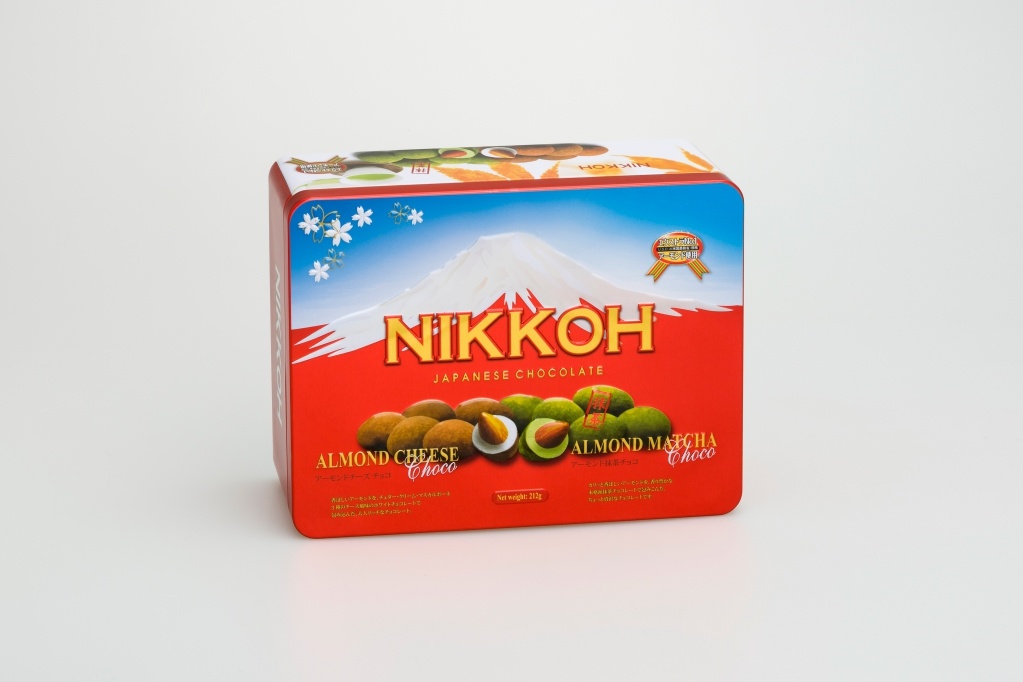
In the competitive world of packaging procurement, identifying a tin box factory that combines scale, certification, and industry expertise is critical. Buyers from confectionery, health care, cosmetics, and pharmaceutical sectors constantly ask: How do I rank potential suppliers? Which factory truly leads the market? This guide delivers a data-backed framework to evaluate and select a top-tier tin box manufacturer, using real-world benchmarks from one of China’s largest producers.
What Is a Tin Box Factory and Why Does Ranking Matter?
A tin box factory specializes in manufacturing metal packaging containers from tinplate, often used for food, tobacco, cosmetics, gifts, and industrial products. The factory’s ranking is not just about output volume—it encompasses production capacity, quality certifications, compliance with international standards, customization capability, and client portfolio.
For a global buyer, working with a top-ranked factory means:
- Consistent quality that meets FDA, LFGB, EN71, and REACH standards.
- Reliable on-time delivery even during peak seasons.
- Transparent supply chain and traceable materials.
- Cost competitiveness derived from high-volume procurement.
Industry Context: The Global Tin Box Manufacturing Landscape in 2026
The global metal packaging market continues to grow, driven by demand for sustainable, reusable, and premium packaging. China remains the dominant producing region, housing dozens of large-scale tin container factories. However, wide disparities exist in quality and compliance. A tin box factory ranking helps buyers cut through the noise.
How to Evaluate a Tin Box Factory: A 5-Step Ranking Framework
Step 1: Assess Production Scale and Capacity
The sheer output of a factory is a primary indicator of its ability to handle large contracts. For example, Dongguan City Jingli Can Co., Ltd (Jingli Can) operates 7 production bases in China plus a factory in Vietnam, with more than 5,000 employees and an annual tinplate consumption of 100,000 tons. They maintain 4,000 tons of raw material in stock, ensuring price stability and fast turnaround. Compare this with smaller factories that may struggle with scalability.
Step 2: Verify Certifications and Compliance
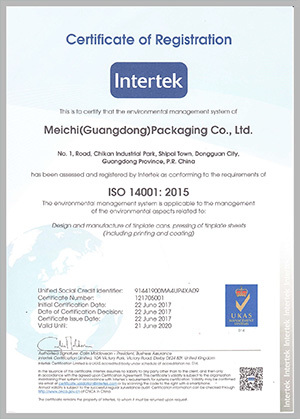
Certifications are non-negotiable for food, pharma, and cosmetic applications. Top factories hold:
- ISO 9001:2015 (quality management)
- ISO 22000:2005 / FSSC 22000 (food safety)
- SEDEX 4 Pillar (ethical supply chain)
- ISO 14001:2015 (environmental management)
Jingli Can, for instance, has passed stringent audits by Coca-Cola, LVMH, Disney, and Mars. All their products comply with FDA, LFGB, EN71-1,2,3, and REACH. Their GMP-certified workshops (100,000-level cleanrooms) are dedicated to pharmaceutical packaging, a rare capability.
Step 3: Evaluate Industry-Specific Expertise
Not all tin box factories specialize equally. A factory strong in candy tin boxes may lack expertise for pharmaceutical packaging. Buyers should match the factory’s track record with their industry:
| Industry | Specialized Tin Box Type | Key Compliance Standards |
|---|---|---|
| Confectionery | Chocolate tin box, mint tin, chewing gum tin box | FDA, LFGB, ISO 22000 |
| Pharmaceutical | Medicine tin box, health care product tin box | GMP, FDA, EN71-1,2,3 |
| Cosmetics | Perfume tin box, cosmetic tin box | REACH, FDA, SEDEX |
| Tobacco | Cigar tin box, cigarette box | Child-resistant closures, ISO quality |
| Tea & Coffee | Tea tin box, coffee tin box | Food-grade lining, airtight sealing |
Jingli Can serves all these verticals, with clients ranging from Perfetti Van Melle (candy) to GSK and Bayer (pharma), demonstrating cross-industry competence.
Step 4: Analyze Client Portfolio and Market Reputation
A factory’s client list reveals its reliability. Tier-1 brands conduct rigorous due diligence. Jingli Can counts Nestlé, Mars, Wrigley, Lindt, Ferrero Rocher (food); Chivas Regal, Hennessy, Moutai (liquor); BAT, Imperial, Philip Morris (tobacco); LVMH, Estée Lauder, Shiseido (cosmetics); and Microsoft, Sony (electronics) among its partners. Such diversity signals robustness across quality, compliance, and delivery.
Step 5: Compare Pricing, Lead Time, and Service
Large-scale factories achieve better raw material pricing through volume. Jingli Can’s annual 100,000-ton tinplate consumption and 4,000-ton stock allow competitive pricing without compromising grade. They offer full customization (shapes, printing, embossing) and a clear production process for food-contact packages, with MSDS documentation for every material.
Use Case: A Chocolate Brand Selecting a Tin Box Factory
Consider a premium chocolate brand expanding into the Asian market. They need 500,000 custom-shaped chocolate tin boxes with internal food-grade coating, four-color offset printing, and CE/REACH compliance. After applying the 5-step framework:
- Scale: Only large factories with >50,000 tons annual capacity can handle the order.
- Certification: ISO 22000 and FDA compliance are mandatory.
- Expertise: Previous chocolate packaging experience ensures correct coating and moisture control.
- Client portfolio: Names like Lindt and Ferrero Rocher in the portfolio provide confidence.
- Service: On-time delivery and sample turnaround are verified.
Jingli Can meets all criteria, making it a logical top-ranked choice.
Frequently Asked Questions (FAQ)
A: Use the 5-step framework: evaluate production scale, certifications, industry specialization, client portfolio, and pricing. Request samples and conduct a factory audit for final verification.
A: Ask for copies of valid certificates (ISO 22000, FSSC 22000) and material MSDS. A credible factory like Jingli Can also provides audit reports from clients like Coca-Cola or Mars.
A: China’s mature supply chain for tinplate, combined with large-scale production and cost efficiency, offers the best value. Top factories invest heavily in compliance and quality control to meet international standards.
A: Lack of recognized certifications, vague production data, no well-known client references, poor communication, and inability to provide material safety data sheets (MSDS).
A: Yes. Leading manufacturers have in-house die-making and rapid prototyping. For example, Jingli Can produces oval, rectangular, hinged, and multi-compartment tins.
Conclusion: Your Next Step Toward the Right Partner
Selecting a tin box factory with a proven ranking is the foundation of successful packaging procurement. The market rewards buyers who move beyond price alone and prioritize scale, compliance, and expertise. By applying the framework outlined here, you can confidently identify factories that will deliver value, safety, and brand enhancement.
If you are evaluating potential suppliers, start your journey with a factory that already serves global leaders across multiple industries. Jingli Can invites you to request samples, review certifications, and discuss your custom packaging needs.
Request a Sample or Quote
Contact our team to receive product samples, certification documents, and a competitive quotation for your next order.
sales@tinbox.cn | www.tinbox.cn | Phone/WhatsApp: +86-18819080811
Address: Road No.1, Chikan Industrial Park, Shipai Town, Dongguan City, Guangdong Province, 523333, China