Sourcing Tin Boxes That Meet Your Industry’s Unique Standards
In the global packaging market, tin boxes are prized for their durability, aesthetic appeal, and recyclability. However, not all tin box factories are created equal. Industrial buyers sourcing tin containers for specialized applications—whether for chocolate, candy, chewing gum, mooncake, medicine, health care products, cosmetics, perfume, tea, cigars, soap, or stationery—face a complex challenge: finding a supplier that can deliver not only attractive packaging but also full regulatory compliance, consistent quality, and scalable production.
This vertical guide addresses the core procurement pain point of identifying a tin box factory that aligns with your industry’s specific safety, hygiene, and performance requirements. We break down the essential selection criteria, showcase a real-world success case from JINGLI CAN, and offer actionable recommendations for a successful partnership.
1. Industry-Specific Demands: Why One-Size-Fits-All Fails
Each industry imposes distinct constraints on packaging. A tin lunch box factory serving the food sector must comply with strict food-contact regulations, while a cosmetic tin box factory requires elegant finishes that resist corrosion from oils and perfumes. The table below summarizes the core requirements for the most common verticals:
| Industry / Application | Key Compliance & Performance Needs | Typical Tin Box Types |
|---|---|---|
| Chocolate & Confectionery (chocolate tin box factory) | Food grade (FDA 21 CFR, EU 1935/2004, LFGB), no odour migration, moisture barrier | Classic rectangular, heart‑shaped, hinged lid, gift sets |
| Chewing Gum & Candy (chewing gum tin box factory, candy tin box factory) | Child‑safe closures, food‑contact safe ink, drop test resistance | Slim pocket tins, round slide‑top, novelty shapes |
| Pharmaceuticals & Health Supplements (medicine tin box factory, health care product tin box factory) | GMP cleanroom production, FDA/ISO 22000, tamper‑evidence, dry environment | Rectangular with child‑resistant closure, snap‑fit lid |
| Cosmetics & Perfume (cosmetic tin box factory, perfume tin box factory) | Corrosion‑resistant interior, high‑gloss printing, seamless edges | Round, oval, custom brand‑shaped, with mirror or insert |
| Tea, Coffee & Premium Food (tea tin box factory, coffee tin box factory) | Airtight seal, light barrier, BPA‑free inner coating | Cylindrical, square, vacuum‑seal options |
| Tobacco & Cigars (cigar tin box factory) | Oxygen barrier, humidity control, anti‑counterfeit marking | Flip‑top, slide‑draw, travel humidor tins |
| Stationery & Gifts (pencil tin box factory, lunch tin box stationery tin box factory) | Durable hinges, safe edges, decorative colour printing | Rectangular pencil case, novelty shape, magnetic closure |
2. Three Essential Capabilities of a Specialized Tin Box Factory
When evaluating tin box factories for vertical applications, procurement professionals should focus on three core competencies:
2.1 Industry-specific Customization & Experience
The best tin box manufacturers have a proven track record in your particular niche. They understand the subtle nuances—such as the need for high‑temperature curing for food‑grade coatings or the precise dimensions required for a medicine tin box to fit blister packs. A factory that has previously supplied cosmetic tin box lines can offer valuable insights on surface treatment and scratch resistance.
2.2 Comprehensive Compliance & Certification
Reliable tin can factories hold certifications that go beyond basic ISO 9001. For food and pharmaceutical sectors, look for ISO 22000 (HACCP), FSSC 22000, FDA compliance, LFGB testing, REACH, and EN71 (for children’s products). JINGLI CAN, for instance, has passed audits by Coca‑Cola, LVMH, Disney, and Mars, and certificates include ISO 9001:2015, ISO 14001:2015, FSSC 22000, and SEDEX 4 Pillar.
2.3 Large-scale Production & Quality Consistency
Vertical buyers often require high volumes with zero defect tolerance. A factory’s annual tinplate consumption, stock inventory, and number of production lines directly affect lead time and price stability. JINGLI CAN consumes over 100,000 tons of tinplate annually, keeps 4,000 tons in stock, and operates 7 factories in China plus one in Vietnam—ensuring competitive pricing and on‑time delivery.
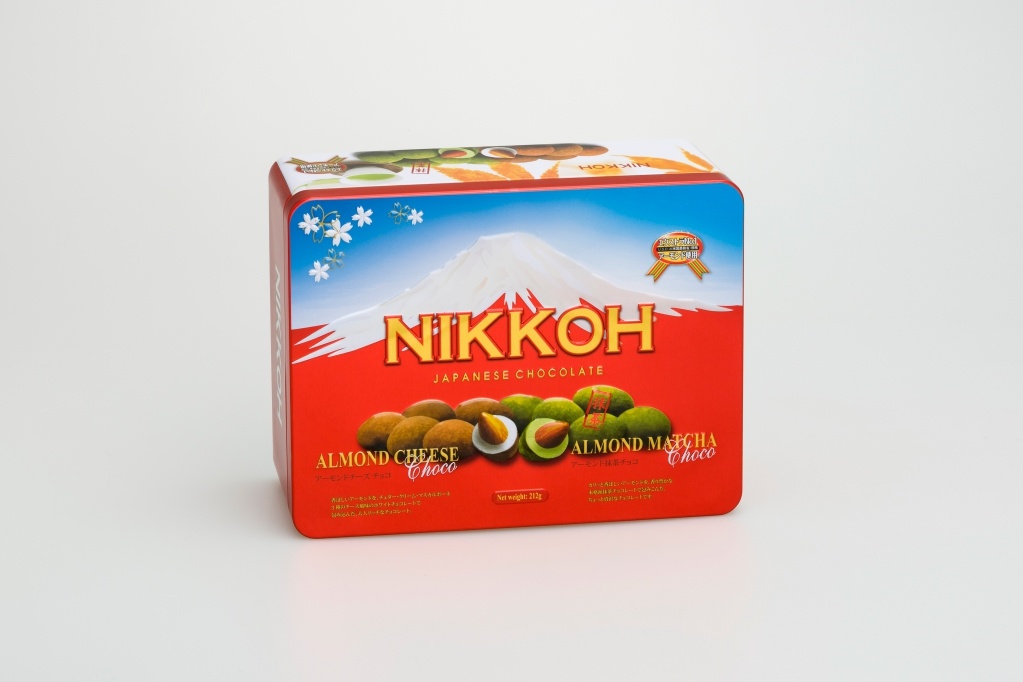
3. Success Case: JINGLI CAN’s Custom Chocolate Tin Solution
Challenge: A leading European chocolate brand needed a premium chocolate tin box for its limited‑edition holiday collection. The client demanded food‑grade safety (EU 1935/2004), a glossy embossed finish, and a tight deadline of 45 days.
Solution by JINGLI CAN: Using its GMP‑certified 100,000‑level cleanroom workshop, the factory produced a custom‑shaped tin with food‑contact FDA‑approved coatings. The production team leveraged JINGLI’s 20+ years of experience in chocolate tin box factory processes to ensure no odor migration and a perfectly smooth interior. The boxes passed LFGB migration tests and were shipped on schedule.
Result: The chocolate brand reported a 15% increase in gift‑pack sales and extended the partnership to include regular packaging for their core products.
4. Strategic Cooperation Recommendations
To ensure a smooth sourcing experience when engaging a tin box factory, industrial buyers should follow these three steps:
- Define Clear Standards: Provide detailed specifications including material grade (e.g., tinplate thickness 0.23–0.30mm), coating type (epoxy‑phenolic, polyester), printing method (offset, silk‑screen), and required certifications. For medicine tin box factories, explicitly request GMP compliance documents.
- On‑Site Factory Audit: Visit the production facility or request a virtual audit. Focus on cleaning procedures, ink mixing rooms, and quality testing labs. A factory like JINGLI CAN with SEDEX 4 Pillar certification and regular third‑party audits offers transparency.
- Emergency Supply Plan: Discuss buffer stock (e.g., 4,000 tons of tinplate as maintained by JINGLI) and backup production lines. The best tin can factories can ramp up capacity quickly during seasonal peaks.
Conclusion: Partner with a Proven Leader
Selecting the right tin box factory is a strategic decision that affects brand image, product safety, and supply chain resilience. By prioritizing industry‑specific customization, robust certification, and scalable manufacturing, buyers can avoid costly mistakes. JINGLI CAN (www.tinbox.cn) exemplifies these qualities, having served global giants like Nestlé, LVMH, Mars, and BAT for over two decades. Contact their sales team at sales@tinbox.cn to discuss your vertical packaging needs.
— This guide is part of a series of vertical application procurement references for industrial buyers. —