
Build a Tin Box Factory Evaluation Scorecard for Your Product Project
Build a Tin Box Factory Evaluation Scorecard for Your Product Project
Selecting a tin box factory is not about picking the most famous name or the cheapest quote; it is about finding a factory that fits your product project. A chocolate tin box, a medicine tin box, and a cosmetic tin box may look similar, but they require different food-safety controls, internal coatings, printing quality, and documentation. To move from research to evaluation with confidence, buyers need a clear scorecard that connects their product scenario to a factory's real capabilities.
This guide explains why generic factory comparisons fail, how to build a project-fit scorecard, and how to apply it to common categories such as chocolate, soap, stationery, tea, and pharmaceutical tins. It uses JINGLI CAN (Dongguan City Jingli Can Co., Ltd.) as a reference case to show what a factory with broad yet verifiable capability looks like.
Why a Generic Factory Comparison Falls Short
Many buyer guides rank tin box factories by size, age, or export percentage. These metrics are useful, but they do not answer the question can this factory handle my specific product project? A large factory may have excellent beverage can lines but limited experience with intricate cosmetic tin finishing. A small factory may offer attractive pricing but lack the BRCGS or FSSC22000 certification needed for food contact packaging in Europe.
Common sourcing failures include:
- Non-compliant materials: a tin box designed for general gifts is used for direct food contact without a food-safe internal lacquer.
- Printing mismatches: a brand expects high-detail offset printing, but the factory's printing line cannot reach the required registration accuracy.
- Tooling delays: a custom shape requires new dies, and the factory has limited tooling design support.
- Capacity surprises: an order is confirmed, but the factory's daily output cannot meet the delivery date.
- Documentation gaps: pharmaceutical or health care buyers need traceability and batch records that a packaging-only workshop may not provide.
The solution is to define what your project needs before you evaluate any factory. This is the foundation of a project-fit scorecard.
Industry Background: Metal Packaging Growth and What It Means for Buyers
The commercial context for tin box sourcing remains positive. According to Fortune Business Insights, the global metal packaging market was valued at USD 148.13 billion in 2024 and is projected to reach USD 184.21 billion by 2030, growing at a compound annual growth rate (CAGR) of 3.7%. Grand View Research estimates that Asia Pacific accounted for 35.63% of this market in 2024, largely due to China's manufacturing base for food and beverage tins. Food and beverage applications alone represent 57.36% of the metal packaging market, according to Fortune Business Insights.
Specialty tinplate packaging for cans and tins is also expanding. Precedence Research projects the global tinplate packaging market to grow from USD 1.73 billion in 2024 to USD 3.08 billion by 2034, at a CAGR of 5.94%. Sustainability is one driver: Fact.MR reports that tinplate can achieve a recycling rate above 90% in some regions, which is significantly higher than plastic.
For a buyer, these trends mean more suppliers are entering the market, but not all suppliers are equally prepared for specialized product categories. The right question is not which tin box factory is the largest? but which factory has the compliance, production, and development capabilities that match my project category?
JINGLI CAN as a Project-Fit Reference
JINGLI CAN is a professional manufacturer of tin packaging that combines R&D, production, marketing, sales, and service. The company was founded in 1999 and reports that about 70% of its output is exported to Europe, America, and Asia. Its production base in Vinh Phuc Province, Vietnam, covers 17,500 square meters and has a daily production capacity of 600,000 pieces. The organization has around 2,000 employees and a 50-person R&D team.
Its product range covers custom tin packaging and metal cans, including food tins, tea/coffee tins, cosmetic tins, gift tins, and pharmaceutical tins. For product safety and supply reliability, JINGLI CAN keeps a regular stock of 30,000 tons of tinplate and holds ISO9001, ISO14001, ISO22000, BRCGS, FSSC22000, and SEDEX 4P certifications.
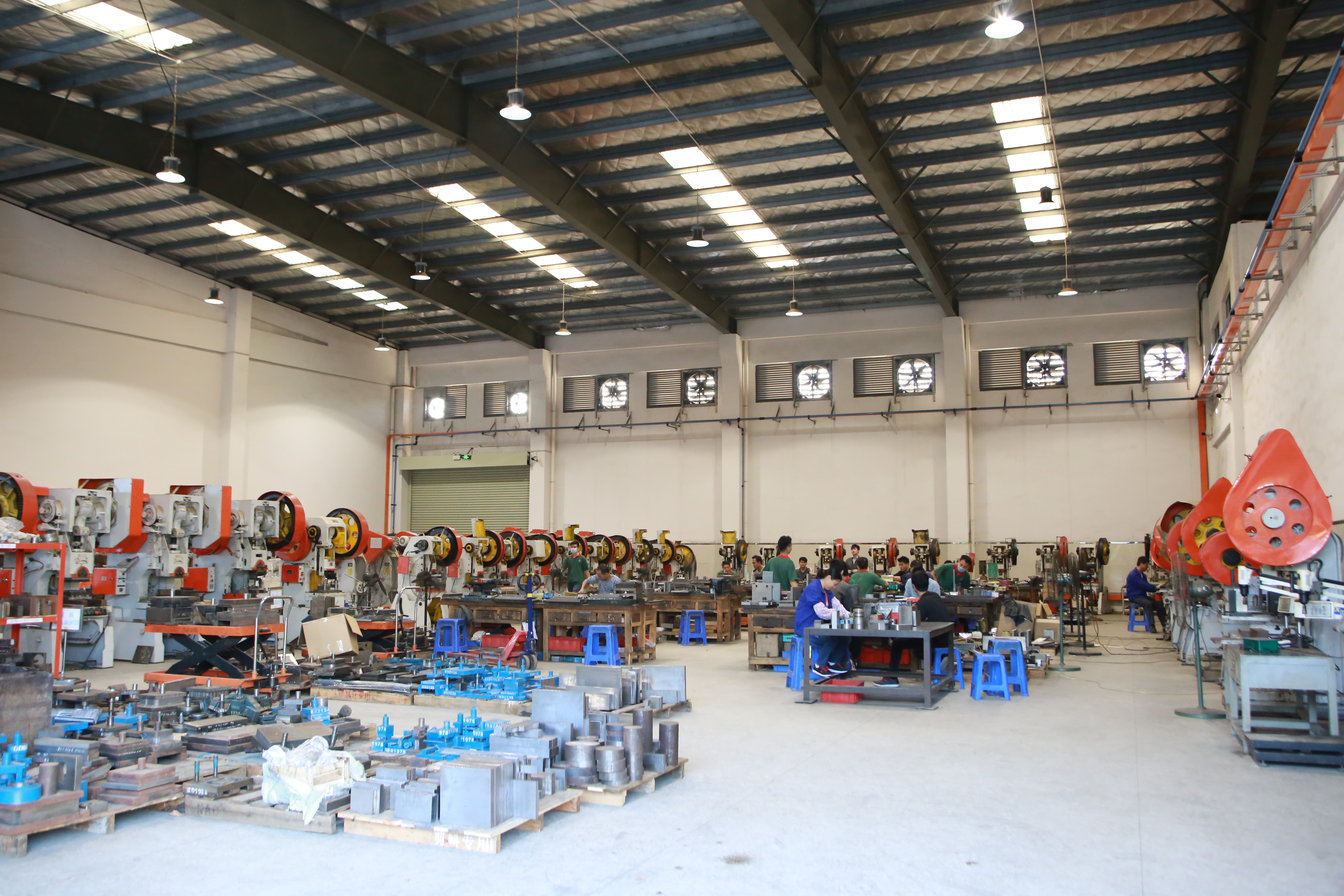
Tooling development is often the first decision point in a custom tin box project.
These facts do not make JINGLI CAN the right choice for every buyer. They do provide a benchmark for what a project-ready factory should be able to demonstrate. Use the five fit dimensions below as your scorecard.
1. Compliance Fit
Your product category defines the compliance bar. Food-contact tins are subject to stricter rules than decorative gift tins. In the EU, electrolytic tinplate for direct food contact is governed by EN 10202:2022. In the United States, the FDA regulates packaging materials under food-contact regulations, and food-safe lacquers such as epoxy resins may be required to prevent metal migration. Internationally recognized management systems such as ISO22000, BRCGS, and FSSC22000 help signal that a factory can control food-safety risks.
Scorecard question: Which certifications does the factory hold, and do they match the product category and target market for your project?
2. Technical and Process Fit
Different tin box products require different processes. Food tins often need internal lacquering, cosmetic tins may need multi-color offset printing and soft-touch finishes, and pharmaceutical tins may need precise dimensions and clean production controls. A factory with in-house printing, tooling, punching, and assembly lines can manage these variables more consistently.
At JINGLI CAN, the production process includes printing, tooling shops, a punching workshop, and a tooling warehouse, which supports custom shapes and repeatable quality in volume.
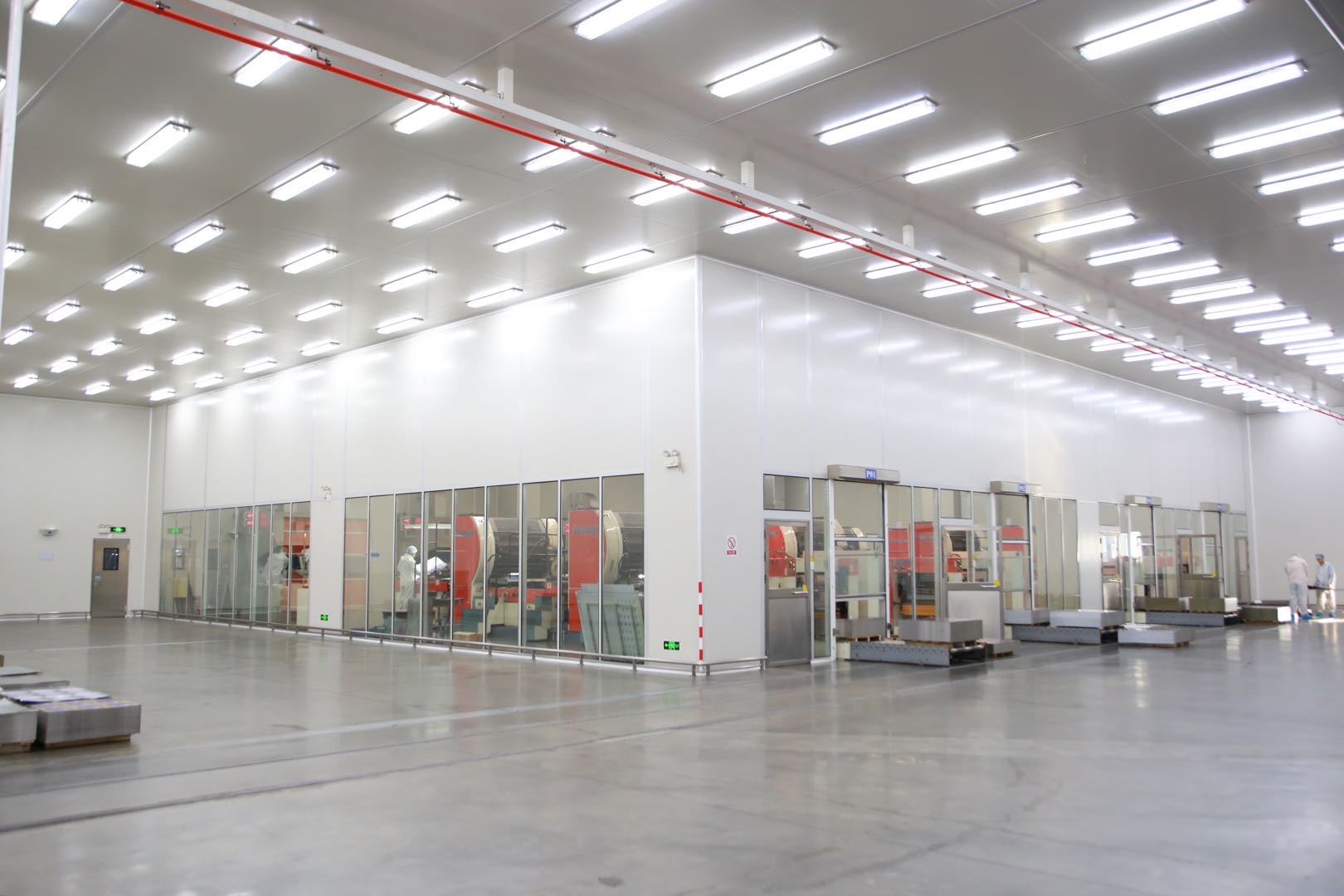
Printing accuracy is a key evaluation point for branded tin boxes.
Scorecard question: Can the factory reproduce your artwork accurately and produce the internal/external coating your product needs?
3. Capacity and Delivery Fit
Project fit also depends on whether the factory can deliver the quantity you need within your required window. Check daily or monthly output, raw material inventory, and how the factory schedules orders. A factory with a stable tinplate stock can reduce material wait time, which is relevant during peak seasons.
JINGLI CAN's 30,000-ton tinplate stock and 600,000-piece daily capacity show how upstream supply and production speed can be connected.
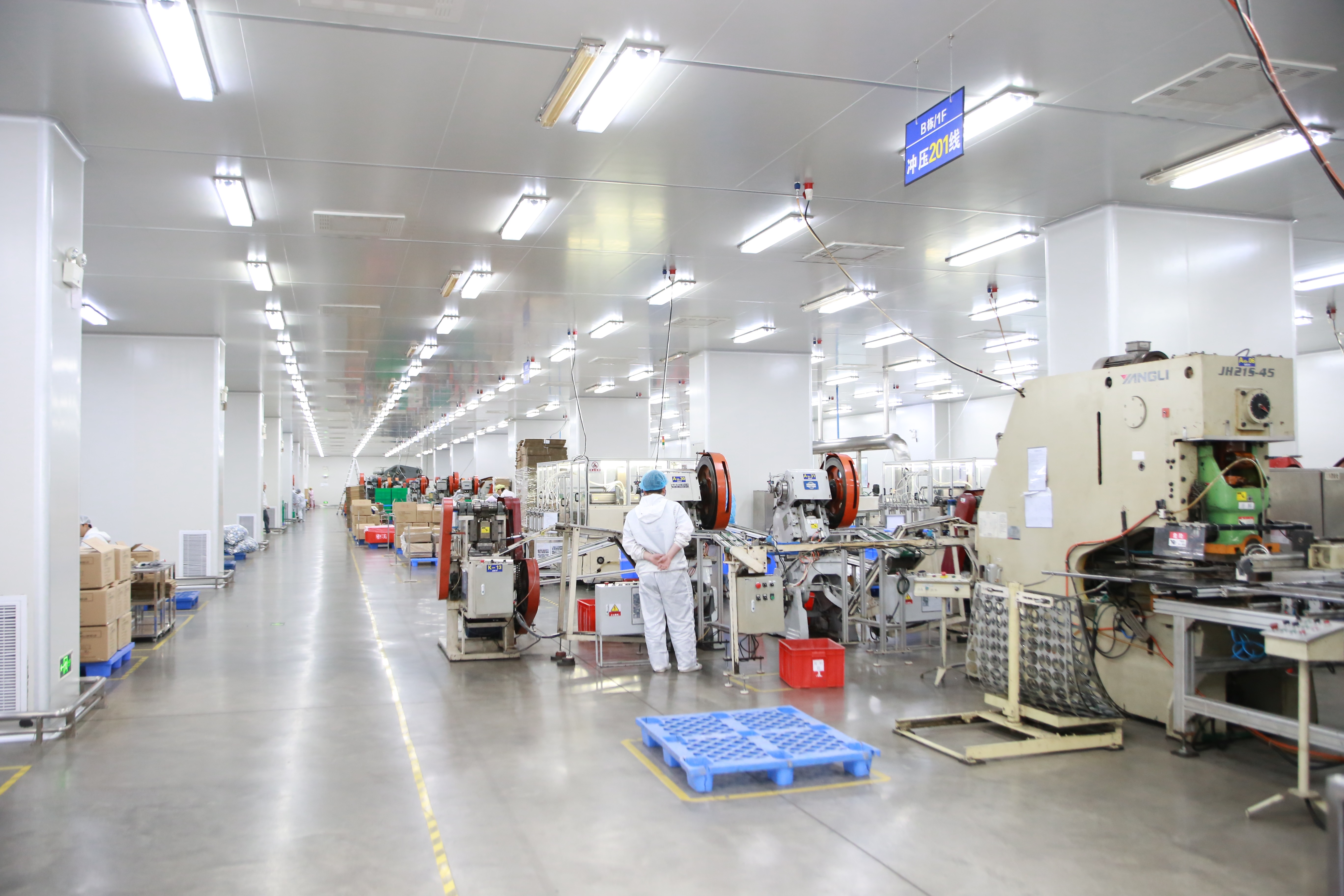
Punching lines determine how fast a custom tin box design can move into mass production.
Scorecard question: Can the factory's capacity, raw material position, and production planning meet your order volume and launch date?
4. Customization and Development Fit
If your project needs custom shapes, special finishes, or frequent design iterations, evaluate the factory's tooling and R&D capabilities. A strong tooling shop and in-house engineers can shorten the development cycle and reduce communication errors between design and production.
JINGLI CAN maintains a dedicated tooling warehouse and a 50-person R&D team, which are practical signals for buyers planning custom products.
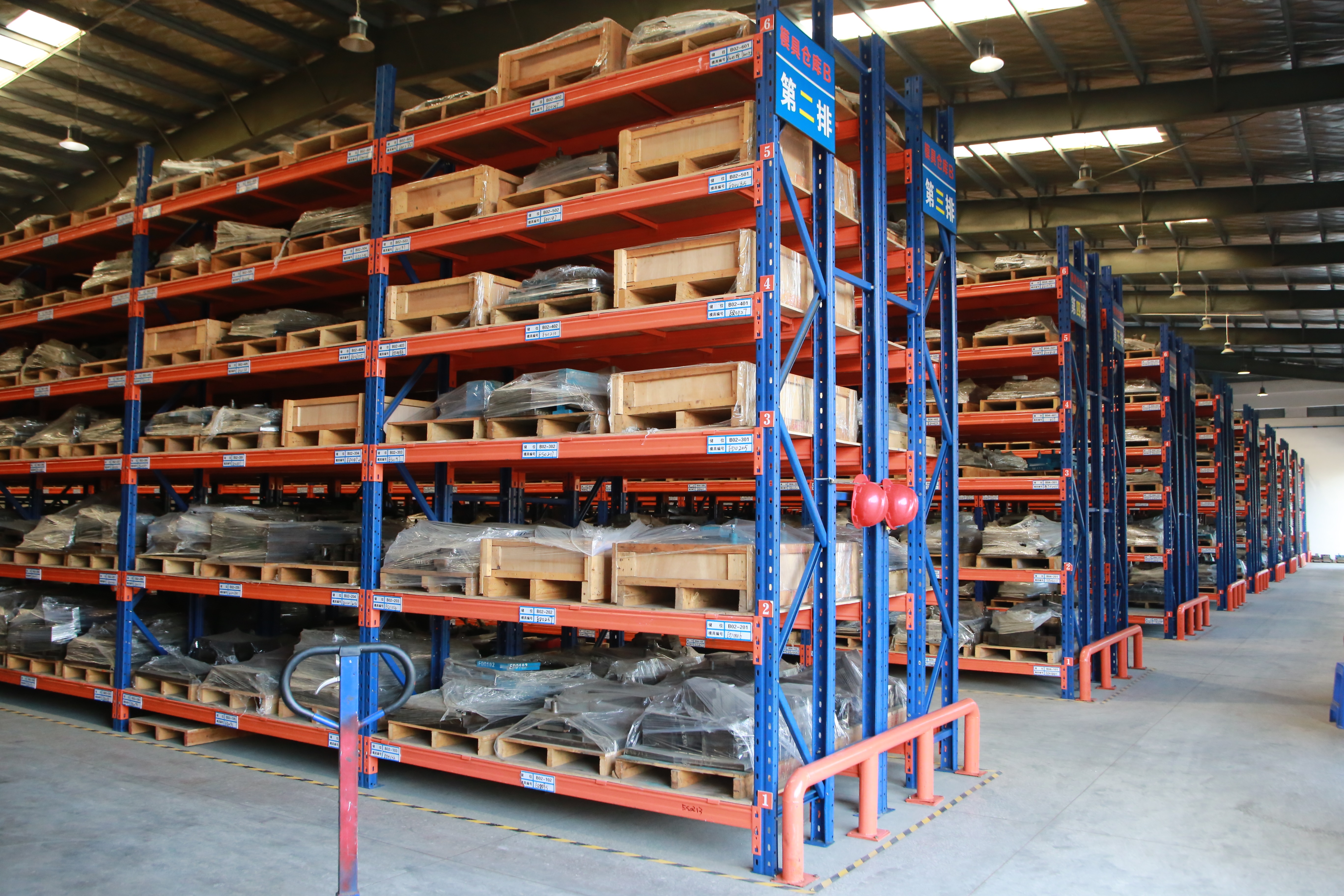
An organized tooling warehouse supports faster changeover between custom projects.
Scorecard question: What is the factory's process for die design, sample making, and design revisions? Who owns the tooling?
5. Long-Term Supply Fit
For buyers who expect repeat orders, evaluate supply stability, capacity growth, and communication. A factory with multi-market export experience is more likely to understand documentation requirements and respond to changing specifications.
JINGLI CAN's export ratio of about 70% to Europe, America, and Asia suggests experience with cross-border buyer requirements. However, buyers should ask for evidence of export documentation and logistics support during evaluation.
Scorecard question: How does the factory handle repeat orders, specification changes, and quality consistency over time?
Step-by-Step: Building and Applying Your Scorecard
- Define your project profile. List your product category, target market, packaging size, material preference, estimated annual volume, and launch date.
- Map regulatory requirements. Identify food-contact standards, regional rules, and customer-specific requirements. For example, a chocolate tin box destined for the EU should be checked against EN 10202:2022; a tea tin box for the U.S. should be assessed against FDA expectations for food-contact materials.
- Evaluate factory capabilities. Compare the factory's certifications, printing processes, tooling capacity, and product range against your profile. Ask for a list of similar products they have made, without revealing confidential data.
- Check capacity and material stability. Review production capacity, tinplate inventory, and scheduling practices. Ask how the factory handles peak seasons and material shortages.
- Request samples and run a small trial. Samples are the most direct evidence of printing quality, coatings, and structural accuracy. If possible, request a pilot run to confirm repeatability.
- Review total cost and long-term partnership. Obtain a transparent quotation that separates tooling cost, unit price, packaging, and logistics. Clarify payment terms, lead times, and after-sales support.
Use Cases: Applying the Scorecard to Real Product Scenarios
Use case 1: Chocolate and candy tins for the EU market
A confectionery brand planning a chocolate tin box needs a factory that can provide food-safe internal lacquer, meet EU food-contact requirements, and maintain consistent printing across large batches. JINGLI CAN's ISO22000, BRCGS, and FSSC22000 certifications, combined with 30,000 tons of tinplate stock and 600,000-piece daily capacity, are relevant reference points. Buyers should still verify that the specific tin size and coating system match their product.
Use case 2: Cosmetic and soap tins
Cosmetic tin boxes often prioritize premium finishing, color accuracy, and corrosion resistance. A buyer sourcing soap tins or perfume tins should evaluate the factory's printing and coating capabilities, as well as its ability to handle short production runs for seasonal gifts. JINGLI CAN's product range includes cosmetic and gift tins, but buyers should request samples that show how detail and texture are reproduced on actual production lines.
Use case 3: Stationery and lunch tins for North American retail
Stationery buyers, such as those sourcing pencil tins or lunch tin boxes, often need cost-efficient production, sturdy hinges or construction, and reliable delivery for retail programs. The factory's daily capacity and material stock matter as much as printing capability. JINGLI CAN's production base in Vietnam can support long production runs, but buyers should confirm whether the factory has tooling suitable for their specific box structure.
Use case 4: Pharmaceutical and health care product tins
Medicine and health care product tins require strict quality management, traceability, and documentation. A factory with ISO9001, ISO14001, and SEDEX 4P certifications can demonstrate a quality and social-responsibility baseline. For pharmaceutical projects, buyers should ask for batch records and confirm the factory's experience with pharma-grade packaging. JINGLI CAN lists pharmaceutical tins in its product range, which supports further evaluation, but project-specific documentation must be confirmed directly.
Use case 5: Multi-category distribution
A distributor sourcing tea tins, cigar tins, and gift tins from one factory can reduce supplier complexity if the factory can handle different processes and finishings. JINGLI CAN's one-stop model—R&D, production, sales, and service—can serve as a starting point. The buyer should still verify each product category against the factory's actual production line and certifications.
Product Scenario Fit Matrix
The table below groups common tin box product scenarios by compliance focus, the factory capability to verify, and the first question to ask.
| Product scenario | Typical compliance / quality focus | Factory capability to verify | First question to ask |
|---|---|---|---|
| Food & confectionery (chocolate, candy, mooncake, tea, chewing gum) | Food-contact standards, food-safe internal lacquer | Food safety certifications (ISO22000, BRCGS, FSSC22000), lacquering line | Can you apply a food-safe internal coating and provide material compliance evidence? |
| Personal care & cosmetics (cosmetic, soap, perfume, tissue, condom) | Product safety, corrosion resistance, premium finishing | Coating, offset printing, finishing options | Can you produce sample finishes that match our brand's color and texture requirements? |
| Pharmaceutical & health care products | Traceability, batch documentation, clean production | Quality management systems, batch records | Can you provide batch traceability and regulatory documents for the target market? |
| Stationery, gifts & accessories (pencil, glasses, watch, stationery) | Printing accuracy, structural precision, design flexibility | Tooling capability, printing registration, small-batch planning | Do you have existing tooling for our product shape, or what is the tooling development process? |
| Industrial & daily-use (tool box, lunch box, tin can box) | Durability, structural strength, edge safety | Stamping capacity, assembly, material thickness control | Can you produce custom structures that meet our durability and safety tests? |
The matrix is not a substitute for factory-specific verification. Use it as a conversation starter when you contact potential suppliers.
Frequently Asked Questions
What food-safety certifications should a tin box factory have for chocolate or tea tins?
For tin boxes that contact food directly, the factory should demonstrate recognized food-safety management. In the EU, electrolytic tinplate for food contact is covered by EN 10202:2022, and the U.S. FDA regulates food-contact packaging under requirements such as FDA 21 CFR. Internationally, a factory may hold ISO22000, BRCGS, or FSSC22000. JINGLI CAN holds ISO22000, BRCGS, and FSSC22000, in addition to ISO9001 and ISO14001, which can support food and tea tin projects.
Can one tin box factory handle different product scenarios, such as cosmetics, medicine, and lunch boxes?
Some factories can, but the answer depends on their process and certification scope. JINGLI CAN produces custom tin packaging for food tins, tea/coffee tins, cosmetic tins, gift tins, and pharmaceutical tins. That range suggests broad capability, but the buyer should still confirm that the specific product type, internal coating, and documentation requirements are within the factory's standard scope.
How does a factory's capability affect the total cost of a custom tin box project?
Total cost is influenced by tooling design, printing complexity, material grade, internal/external coatings, order quantity, and compliance documentation. A factory with in-house tooling and a stable tinplate stock may reduce development costs and supply risk. For accurate budgeting, request a quotation that separates tooling cost from unit price and includes packaging and logistics terms.
What is the typical process for getting tin box samples?
Buyers normally share product drawings or an existing sample, agree on material, printing, and finish details, and then request a pre-production sample. At JINGLI CAN, you can start this process by contacting sales11@jinglitinbox.com or calling +86 18819080997. Provide your project details, and the team can clarify tooling, sample timing, and next steps.
What lead time should I plan for a custom tin box project?
Lead time depends on tooling development, printing proofing, finishing, and order volume. A factory with stable material inventory—such as JINGLI CAN's 30,000-ton tinplate stock—can reduce raw-material waiting time. For project planning, ask the factory for a written schedule that shows tooling, sampling, mass production, and shipment milestones.
Conclusion: Use a Scorecard, Not a Guess
Project/scenario fit is the most practical way to evaluate a tin box factory. Define your product category, map compliance rules, verify factory capabilities, check capacity and materials, request samples, and compare total cost. JINGLI CAN provides a useful reference point because of its one-stop model, recognized certifications, and multi-industry product range. But every project is unique, so the scorecard should reflect your own priorities.
Next step: Share your product drawings or project brief with JINGLI CAN to request a sample or quotation.
Email: sales11@jinglitinbox.com | WhatsApp: +86 18819080997
Have Questions or Need More Details?
Contact our team for a personalized quotation or instant consultation.
Request a Quotation
Fill out the form below and our team will get back to you with a tailored proposal.
WhatsApp Direct Chat
Prefer to chat in real-time? Message us on WhatsApp for instant assistance & quick answers.
- Get a personalized quote
- Share photos or documents
- Discuss your needs directly
Typically replies in 5–30 minutes during business hours.