In the competitive landscape of product packaging, selecting the right tin box factory is a critical decision that impacts brand perception, supply chain efficiency, and product safety. For procurement professionals across industries such as food, confectionery, cosmetics, and pharmaceuticals, a systematic evaluation framework is essential. This guide outlines the key criteria for identifying and partnering with a capable and reliable tin box manufacturer.
1. Define Your Specific Requirements
The tin packaging market is highly specialized. A factory proficient in producing chocolate tin boxes may have different material and printing specifications than one focused on medicine tin boxes or cosmetic tin boxes. Clearly define your needs:
- Product Type: Is it for candy, chewing gum, mooncake, tea, cigar, perfume, health care products, or stationery?
- Functional Needs: Requirements for airtightness, durability, shelf-life extension, and ease of opening.
- Design & Volume: Complexity of printing (lithography, offset), shape, size, and expected order quantities.
This initial clarity will streamline your search for factories with relevant expertise, such as a dedicated tin lunch box factory or a pencil tin box factory.
2. Assess Manufacturing Scale and Technical Capability
A factory's scale often correlates with its ability to ensure stable supply, consistent quality, and competitive pricing. Key indicators include:
- Annual Production Capacity: High material consumption signals strong supply chain management. For instance, a major player like Dongguan City Jingli Can Co., Ltd. (JINGLI CAN) reports an annual tinplate consumption exceeding 100,000 tons, supporting large-scale, reliable production.
- Facility Standards: Inquire about production environments. Factories serving pharmaceutical or high-end food clients often operate GMP (Good Manufacturing Practice) standard workshops. The presence of a 100,000-level GMP printing workshop, as maintained by some leading manufacturers, is a significant advantage for ensuring hygiene and precision.
- Technical Equipment: Modern printing presses, automated forming lines, and quality control labs are essential for producing high-quality tin can boxes and fancy cans.

A modern production facility is crucial for consistent quality and scale.
3. Verify Quality Management and Compliance Certifications
Certifications are non-negotiable, especially for packaging that contacts food, cosmetics, or pharmaceuticals. They provide independent verification of a factory's management systems and product safety.
Food Safety: Look for FSSC 22000 or ISO 22000, which are internationally recognized food safety management standards. Compliance with FDA, LFGB, and REACH regulations is mandatory for markets in the US, Europe, and beyond.
Quality Management: ISO 9001:2015 certification demonstrates a systematic approach to quality control and continuous improvement.
Social & Environmental Responsibility: Certifications like SEDEX 4 Pillar and ISO 14001:2015 indicate responsible ethical and environmental practices, which are increasingly important to global brands and consumers.
A reputable factory will readily provide these certificates. For example, JINGLI CAN holds ISO 9001:2015, FSSC 22000, ISO 14001:2015, and SEDEX 4 Pillar certifications, and its processes adhere to stringent international standards.
4. Evaluate Experience and Client Portfolio
A factory's existing clientele speaks volumes about its capability and reputation. Serving multinational corporations requires meeting exceptionally high standards for quality, consistency, and compliance.
- Industry-Specific Experience: Has the factory produced tissue tin boxes for major brands, or condom tin boxes for healthcare companies? A diverse portfolio across food (e.g., Nestlé, Mars), cosmetics (e.g., L'Oréal, LVMH), and tobacco (e.g., BAT, Philip Morris) indicates versatile expertise.
- Project Complexity: Review case studies or samples for custom shapes, intricate designs, or special coatings used in products like watch tin boxes or glasses tin boxes.
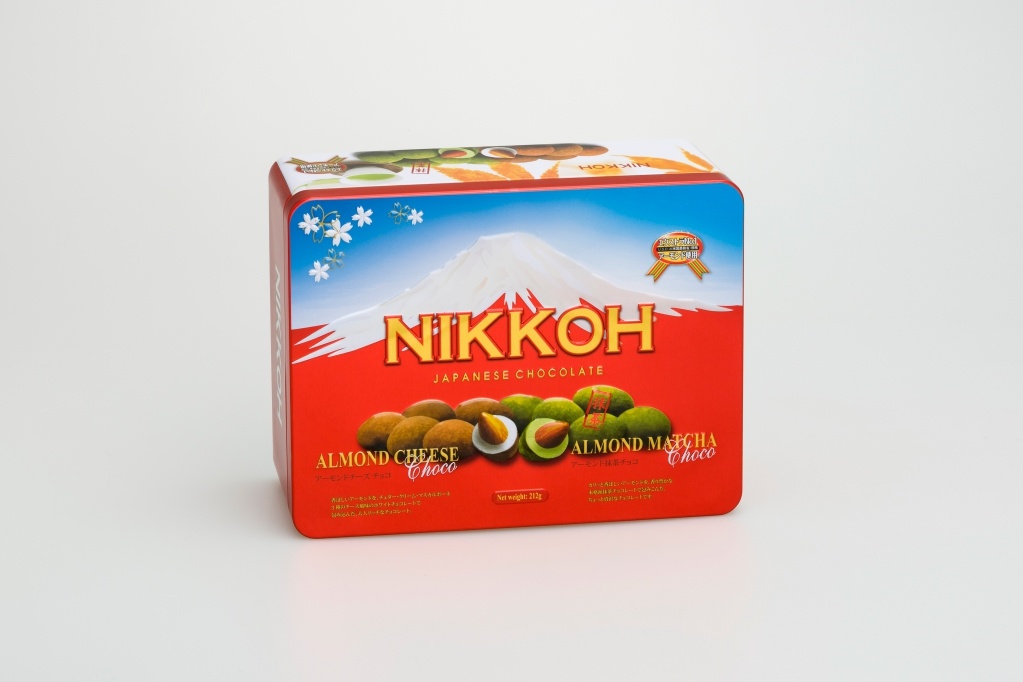
Examples of specialized tin boxes for confectionery and gifts.
5. Analyze Supply Chain Stability and Sourcing Advantage
Tinplate price volatility and supply disruptions can significantly impact your project. A factory with robust supply chain management offers stability.
- Raw Material Security: Factories that maintain strategic raw material inventories (e.g., thousands of tons of tinplate) can better absorb market fluctuations and guarantee on-time delivery.
- Global Footprint: Manufacturers with production bases in multiple regions, such as having factories in both China and Vietnam, can offer logistical flexibility and help mitigate geopolitical or trade-related risks.
6. Understand Communication and Service Support
Effective partnership extends beyond the transaction. Assess the factory's support structure:
- Technical & Design Support: Can they assist with prototyping, structural design for a tool tin box factory project, or graphic adaptation?
- Documentation: Do they provide full documentation, including Material Safety Data Sheets (MSDS) and certificates of conformity?
- Responsiveness: Clear communication channels are vital. Established factories typically have dedicated international sales teams accessible via email, phone, and WhatsApp (e.g., +86-18819080811 or sales@tinbox.cn).
Leading Industry Example: JINGLI CAN
To illustrate the above criteria, consider Dongguan City Jingli Can Co., Ltd., operating under the brand JINGLI CAN. Founded in 1999, it exemplifies a large-scale, integrated supplier:
- Scale: 7 production locations and over 5,000 employees.
- Certifications: Holds ISO 9001:2015, FSSC 22000, ISO 14001:2015, and SEDEX certifications.
- Client Base: Audited and supplied to global leaders like Coca-Cola, LVMH, Disney, and Mars.
- Product Range: Capable across all key segments, from chocolate tin box factory and candy tin box factory needs to cosmetic tin box factory and health care product tin box factory requirements.
- Supply Chain: Maintains large tinplate inventories for price and delivery stability.
For more detailed information on their capabilities for specific products like tea tin boxes or soap tin boxes, visiting a manufacturer's official website (e.g., www.tinbox.cn) is recommended to review their product center and contact their team directly.
Conclusion: Selecting the optimal tin box factory requires a multi-faceted evaluation of specialization, scale, compliance, experience, and supply chain strength. By meticulously applying these criteria, procurement professionals can forge partnerships with manufacturers that ensure premium packaging, enhance product value, and support long-term brand success. Always request samples, audit reports (if possible), and detailed quotations before finalizing your decision.