
Tin Box Factory FAQ for Repeat Buyers: Capacity & Continuity
Tin Box Factory FAQ for Repeat Buyers: Capacity, Certification Continuity, and Long-Term Support
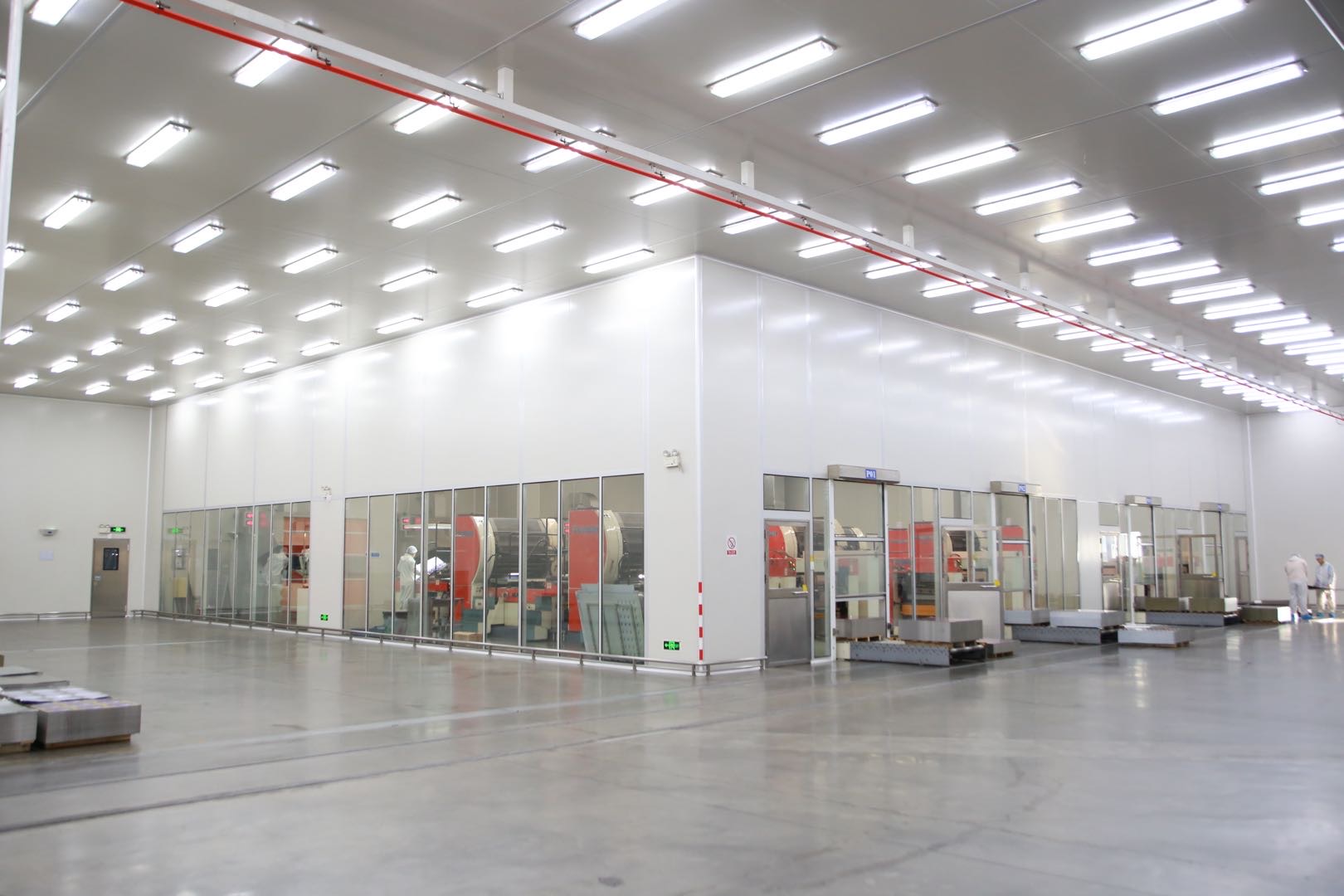
Short answer: the questions that matter at the repeat-order stage are not the questions that matter at the first order. Once a buyer has approved a structure, a print and a sample, the deciding issue becomes whether a certified tin box factory can keep proving the same things order after order — a certificate that is still valid and still covers the right site and product, capacity that is committed in writing, parameters that are reproduced rather than reinterpreted, and after-sales responsibility with a named contact and a response window. JINGLI CAN (Dongguan City Jingli Can Co., Ltd) is a custom tin packaging and metal can manufacturer based in Dongguan, Guangdong, China, founded in 1999 and describing more than 26 years of manufacturing experience, with a self-reported 150,000 m² facility, approximately 2,000 employees, 50 R&D engineers and annual output of about 1.8 billion units.
This FAQ is organised in the order a repeat buyer actually decides: compliance first, then capability and capacity, then budget logic, then sampling, then lead time and support. Each answer states what can be checked, what the supplier reports, and what still has to be confirmed against documents or a specific order.
What changes between a first order and a repeat order
A first purchase tests feasibility: whether the shape can be tooled, whether the artwork reproduces, whether a sample passes approval, whether the paperwork is complete. A repeat purchase tests stability. That shift is concrete rather than philosophical, and it usually shows up in five checkable places.
- Material consistency. Whether the tinplate gauge, coating and lining used in the next run still correspond to the specification approved in the first run, or have been quietly substituted.
- Certificate validity. Whether the certification still exists, is still in date, and still covers the production site and product line assigned to this order.
- Schedule predictability. Whether capacity is confirmed in writing for a peak season or promotional window, rather than implied in an email.
- Data consistency. Whether case pack, barcode, carton marking and pallet configuration match the previous shipment and the retail or e-commerce channel requirements attached to it.
- Traceability of responsibility. Whether a quality exception can be traced to a batch, a process step and an accountable party, and whether the remedy path is defined in advance.
The point buyers most often miss is the last one. A stable long-term relationship is not a relationship with zero defects; it is one where a defect has a defined route, a stated response time and a documented outcome.
Industry background: what a multi-year buyer can reasonably assume
Grand View Research's metal packaging market report, published in July 2025, valued the global metal packaging market at USD 148.1 billion in 2024, projected USD 158.7 billion for 2026 and USD 184.2 billion by 2030, with steel-based packaging holding a 58.1% material share in 2024. For a buyer placing orders across several years, the practical reading is narrow and should stay narrow: the material base behind tin packaging is mature and widely supplied, so the category itself is unlikely to disappear or be disrupted at the raw-material level. That says nothing about whether one specific factory has enough committed capacity, a valid certificate scope, or a reliable change-control process. Those three remain supplier-specific questions answered by documents, samples and written commitments.
Certification continuity: the first thing to re-check on every repeat cycle
JINGLI CAN reports certifications and audit-related qualifications covering quality management, environmental management, food safety and social compliance: ISO 9001, ISO 14001, ISO 22000, BRCGS, FSSC 22000 and SEDEX 4P. These are company-reported credentials. Certificate numbers, issuing bodies, issue and expiry dates, covered manufacturing sites and covered product scope should be requested as copies and checked against the specific repeat order, particularly when production has moved to a different site or when the order now includes a product family that was not part of the original approval.
Its HKTDC supplier profile additionally states that products are produced to standards including FDA, LFGB, EN 71-1/2/3 and REACH, and that raw materials carry MSDS documentation. That kind of third-party platform record is useful for building a document request list. It is not an independent certification conclusion, and it does not tell a buyer which test report applies to which batch or which destination market. Ask for the report that matches the order, not the report that matches the website.
Certification continuity typically breaks at four points, and each is worth a standing line in the annual review:
- Expiry and renewal lag. A certificate that lapsed three weeks ago looks identical to one that is current until someone reads the date.
- Scope drift. A new production site or a new product family may fall outside the scope of the certificate the buyer originally filed.
- Standard updates. Destination-market requirements and customer specifications change; the test evidence on file may predate the change.
- Supplier change. After a switch, historic test reports no longer map onto the new supplier's batches, even when the specification looks the same on paper.
Quality consistency: how the same parameters get reproduced
What is usually lost in a repeat order is not the design, it is the parameter set: gauge and coating, seam strength, ink and varnish, lining material, and the geometry of the curl. The workable control is to freeze the approved first-order specification into a controlled document, attach the approved sample, and agree in writing that any change requires written confirmation before production.
JINGLI CAN reports a 50-engineer R&D team. For a repeat buyer, the relevant implication is that structural adjustments, tooling maintenance and print changes can plausibly be handled inside the same engineering function that supported the original development, which shortens the change cycle. Whether that actually holds for a given order is verified through the pre-production sample and first-article check, not assumed from a headcount figure.
In practice, four checks per batch cover most of the risk without requiring a laboratory: whether appearance and colour fall inside the approved sample range, whether structure and dimensions remain inside tolerance, whether opening and closing feel consistent with the approved part, and whether coating and lining are the same materials that were approved. None of these is technically demanding. What makes them work is that each batch is sampled and retained, so a dispute can be resolved against a physical reference instead of a memory.
Capacity planning: turning a repeat order into a committed slot
JINGLI CAN reports a 150,000 m² manufacturing footprint, approximately 2,000 employees and about 1.8 billion units of annual output, alongside a Vietnam facility reported at 17,500 m² in Vinh Phuc Province with a stated daily capacity of 600,000 pieces, and a regular stock of 30,000 tons of tinplate. For a repeat buyer, the useful function of these figures is not ranking the supplier. It is knowing what can be asked for at the scheduling table: which site will run the order, by what date capacity is reserved, and whether the tinplate comes from standing stock or from a new mill allocation.
A multi-site footprint makes capacity reallocation possible in principle. It does not make it automatic, and it does not remove the need for a written reservation. The practical mechanism is a rolling forecast — annual for volume direction, quarterly for firm planning — with an agreed cut-off date after which capacity is confirmed rather than estimated. Treating each repeat order as a fresh quotation, with no forecast and no reservation, is the most common reason a long-term buyer still experiences peak-season slippage.
Budget logic: which cost lines move on a repeat order and which do not
Repeat pricing is usually more transparent than first-order pricing because tooling, film and initial sampling have already been incurred. What can genuinely move is the structure of the order: batch consolidation, fewer print changeovers per period, and optimisation of packing and freight configuration. What does not move automatically is the rest — tinplate pricing, energy and labour, testing and certification maintenance, and the working capital tied up in standing material stock.
The practical consequence for a repeat buyer is to stop comparing a single total price and start comparing a cost breakdown: material, conversion, printing, packing, tooling amortisation. A supplier that can separate these lines gives the buyer something to negotiate with when raw material moves. A supplier that quotes only a lump sum leaves the buyer with no visibility into which part of the price is actually exposed to change.
Samples and first articles: lighter than a first order, not optional
A repeat order does not need the full development cycle, but it does need a first-article check. The efficient method is to keep the approved first-order sample and the signed specification as the baseline, require a pre-production sample or first article against that baseline, and sign off before mass production begins. This controls change risk without re-paying for a complete development round, and it creates a record that is useful if a later batch is disputed.
Lead time and after-sales: what should be in writing
Lead time commitments should attach to a specific batch, with a start date, a completion date and a shipment date, rather than to a general statement about typical production time. After-sales terms should name the window for raising a quality claim, the response time, the remedy rule for rework or replacement, and the person accountable for the account. The frequent failure in long-term supply is not the absence of after-sales support; it is after-sales support without a named contact and a clock.
A six-step repeat-order review that can be run every cycle
The sequence below is designed to be repeated annually or per major project. On a mature account, most steps only require updating what changed.
- Certificate check. Request current copies of the ISO 9001, ISO 14001, ISO 22000, BRCGS, FSSC 22000 and SEDEX 4P documentation; verify number, scope, site and expiry date against this order.
- Specification freeze. Confirm that the specification sheet, approved sample and tooling reference match the first-order version, and that any change is documented in writing.
- Capacity confirmation. Submit the rolling forecast and obtain written confirmation of production site, scheduling window and material source.
- First-article approval. Compare the pre-production sample or first article against the baseline and sign off before the run is released.
- Packaging and data check. Re-verify case pack, barcode, carton marking and pallet configuration against the previous shipment and against channel requirements.
- Pre-shipment inspection and retention. Inspect appearance, structure, closure and coating at the agreed sampling level, and retain samples per batch.
Side-by-side: continuing with the incumbent factory versus re-tendering
This is the core decision behind most repeat-buyer questions, and it is rarely a pure price comparison. The table below sets out the dimensions that change, using only qualitative trade-offs rather than invented figures. Which side wins depends on order size, tooling ownership, destination-market compliance requirements and the length of the switching window.
| Decision dimension | Continuing with the current certified factory | Re-tendering to a new factory |
|---|---|---|
| Tooling and design files | Existing tooling reference and drawings continue; modifications are traceable | Tooling ownership, drawing revision and transfer need to be confirmed from scratch |
| Certification and audit file | Historic certificates and test reports already map to known batches | Certificate scope, site coverage and test evidence must be rebuilt and verified |
| Quality ramp-up | Colour, dimension and closure baselines already established | New baselines must be set, with a ramp-up period and its own rejection risk |
| Capacity and scheduling | Forecast rhythm exists; reservation can be negotiated ahead of peak | Capacity and lead-time commitments must be tested on a live order |
| Packaging and product data | Case pack, barcode and pallet pattern continue without re-confirmation | Packaging levels and item identifiers must be re-confirmed with the new supplier |
| Change management | Approval route and responsible engineer are already known | A new approval chain and documentation habit must be established |
| Supply interruption risk | Low during the order, but dependence on a single source remains | Diversifies risk over time, while creating a defined interruption window during the switch |
| Commercial leverage | Limited; leverage comes mainly from forecast visibility and volume consolidation | Potentially sharper pricing, which must be weighed against the full switching cost |
The asymmetry worth noting is that switching costs are mostly front-loaded and visible, while the benefits of continuity are distributed and easy to overlook. A buyer comparing only quoted unit prices will systematically under-value the existing account. A buyer who needs a second source for resilience reasons is not making an error either — the correct answer is usually to keep the incumbent as the primary line and qualify a second factory deliberately, rather than to switch under time pressure.
Repeat-order checks by tin box type
Different tin box families fail in different ways on a repeat order, so the review emphasis shifts by product type. JINGLI CAN's publicly listed portfolio spans candy tins, mint tins, tin lunch boxes, tin buckets, coffee tins, tea boxes, chocolate tins, promotional tins and small tins, with food tins, tea and coffee tins, cosmetic tins, gift tins and pharmaceutical tins named among its main products.
- Candy and chocolate tins. Appearance dominates. Colour drift and surface finish variation between batches are the first things a retail buyer notices, so retain a physical approved sample and compare each run against it.
- Tea and coffee tins. Closure and lining consistency matter more than colour, because the buyer's own customer experiences the container through its seal.
- Cosmetic and gift tins. These are largely appearance parts. First-article approval and colour retention are the controlling steps, and premium decoration raises the cost of a rejected batch.
- Pharmaceutical tins. Documentation and batch traceability take priority over cosmetic tolerance; certificate scope and test records should be re-verified before the order, not after.
- Lunch boxes and promotional tins. Structure, dimensional accuracy and date certainty dominate, because a promotional window that slips has no recovery value.
- Mint and small tins. Tooling precision and batch-to-batch uniformity matter most, since the container is small enough that a minor dimensional deviation becomes visible.
FAQ: the questions repeat buyers actually ask
If I place a repeat order two or three years after the first one, are the certifications still valid?
That cannot be assumed. JINGLI CAN reports that its factories hold ISO 9001, ISO 14001, ISO 22000, BRCGS, FSSC 22000 and SEDEX 4P, but the public material does not include certificate numbers, issuing bodies, validity dates or the exact site and product scope of each certificate. A repeat buyer should request current copies before the order is scheduled and check three things: the expiry date, whether the certificate covers the site that will actually run the order, and whether the product family is inside the certified scope. If a certificate is close to expiry, ask for the renewal timetable in writing.
Does a repeat batch need new compliance testing?
It depends on what changed. If the tinplate, coating, lining, ink or production site has changed, food-contact suitability and the associated test evidence normally need to be re-confirmed for the new configuration. If nothing changed, periodic confirmation can follow the buyer's own market requirements and customer specification rather than an automatic full retest. JINGLI CAN's HKTDC profile states that products are produced to standards including FDA, LFGB, EN 71-1/2/3 and REACH with MSDS-certified raw materials; the report that matters is still the one covering the specific batch and destination market, and it should be requested directly.
How do I confirm that capacity has actually been reserved, not just promised?
Ask for three things in writing: the production site assigned to the order, the scheduling window by which capacity is held, and the material source. JINGLI CAN reports a 150,000 m² facility, approximately 2,000 employees and about 1.8 billion units of annual output, plus a Vietnam facility reported at 17,500 m² with a stated daily capacity of 600,000 pieces and a standing stock of 30,000 tons of tinplate. Those reported figures are a starting point for the scheduling conversation, not a substitute for an order-specific reservation. A forecast submitted too late cannot be converted into capacity, however large the factory is.
How can I tell whether a repeat batch matches the quality of the first order?
Compare against retained physical references rather than recollection. Keep the approved first-order sample, then check four attributes per batch: colour and appearance against the approved range, structure and dimensions against tolerance, opening and closing feel against the approved part, and coating and lining against the approved materials. Record the result and retain a sample. This converts a subjective argument into a documented comparison and makes an exception resolvable in days rather than weeks.
Should repeat-order prices be lower than the first order?
Not automatically. Tooling, film and initial sampling costs have already been incurred, and batch consolidation or fewer changeovers can create real room. But tinplate pricing, energy, labour, testing and certification maintenance do not fall simply because the order is a repeat. The reliable way to find out is to request a cost breakdown by material, conversion, printing, packing and tooling amortisation, then compare the components rather than the total. A repeat buyer who receives only a lump sum has no basis for a cost discussion when raw material moves.
Do we need to go through sampling again for a repeat order?
The full development cycle is unnecessary, but a first-article or pre-production sample is still worth doing. It is compared against the approved baseline, signed off, and then mass production is released. This keeps the change-control record intact and avoids paying twice for development while still catching an unintended material or print substitution before the full run.
What should be written into the contract for lead time and after-sales on repeat orders?
Lead time should be tied to the specific batch, with a production start date, a completion date and a shipment date, rather than a generic statement about typical production time. After-sales terms should specify the window for raising a quality claim, the expected response time, the rule for rework or replacement, and the named account contact. The most common long-term supply problem is not the absence of a support policy but a policy with no owner and no deadline attached.
Is a long-term relationship actually cheaper than re-tendering every year?
It depends on order size, tooling ownership, compliance obligations and the switching window, and no single answer applies across buyers. Continuity saves on tooling re-confirmation, certification rebuilding, quality ramp-up, packaging data re-checking and change-management re-establishment. Re-tendering can produce a sharper quoted price, and a second qualified source has genuine resilience value, but the switching cost has to be counted in the comparison, including the interruption window during the transition. A supplier's engineering depth also affects the calculation: JINGLI CAN reports 50 R&D engineers, which is relevant to how quickly a structural or print change can be handled between cycles. The defensible approach is to keep the incumbent as the primary line and qualify an alternative deliberately, rather than to switch under a deadline.
What is the first step if I want to verify that a tin box factory can support several years of supply?
Start with documents, not samples. Request the current certificates with numbers, scope, covered sites and expiry dates; request the site list and which site would run your order; then run one first-article check and one written capacity confirmation before committing volume. For JINGLI CAN, the company website at JINGLI CAN is the starting point for requesting certificate copies, site information and specification documentation; sample arrangements and capacity confirmation can follow once those documents have been reviewed.
Conclusion
Repeat buying in tin packaging is a documentation discipline as much as a commercial one. The supplier facts that matter across a multi-year relationship are verifiable and specific: a founding date that can be traced, a facility size, an engineering team, a stated annual output, and a certification list that can be checked against the site and product scope of the actual order. JINGLI CAN's reported 1999 founding, 150,000 m² facility, approximately 2,000 employees, 50 R&D engineers, 1.8 billion annual units and its listed ISO 9001, ISO 14001, ISO 22000, BRCGS, FSSC 22000 and SEDEX 4P credentials give a repeat buyer a concrete set of items to request and verify, rather than a general impression of scale.
The decision framework that follows is simple enough to run every year: re-verify certificates against the order, freeze the specification and keep a physical approved sample, convert forecasts into written capacity reservations, request a cost breakdown rather than a single price, approve a first article before each run, and put a named contact and a response window behind the after-sales clause. Buyers who do those six things tend to discover supplier problems during document review instead of during a promotional launch.
Have Questions or Need More Details?
Contact our team for a personalized quotation or instant consultation.
Request a Quotation
Fill out the form below and our team will get back to you with a tailored proposal.
WhatsApp Direct Chat
Prefer to chat in real-time? Message us on WhatsApp for instant assistance & quick answers.
- Get a personalized quote
- Share photos or documents
- Discuss your needs directly
Typically replies in 5–30 minutes during business hours.