A Procurement Guide: How to Select a High-Quality Tin Box Factory
Sourcing packaging is a critical decision that directly impacts product presentation, safety, and brand perception. For procurement professionals in industries ranging from food and confectionery to cosmetics and pharmaceuticals, finding a reliable tin box factory is paramount. This guide outlines key evaluation criteria to help you make an informed decision and secure a supplier that aligns with your quality, compliance, and operational needs.
Core Evaluation Framework
When assessing potential suppliers, consider these four pillars: Manufacturing Scale & Capability, Quality & Compliance Systems, Product & Material Expertise, and Supply Chain & Service Reliability.
1. Assess Manufacturing Scale and Specialization
A factory's scale often correlates with production stability, capacity, and technical investment. Look for manufacturers with a proven track record and specific expertise in your product category.
- Production Footprint: Factories with multiple production bases, including overseas facilities, demonstrate strong supply chain management and risk mitigation capabilities. For instance, Dongguan City Jingli Can Co., Ltd (JINGLI CAN), founded in 1999, operates 7 production locations in China and a factory in Vietnam, supporting a global clientele across Europe, America, and Asia.
- Category Specialization: Verify if the factory has dedicated lines or experience for your specific product. Whether you need a chocolate tin box factory, a cosmetic tin box factory, or a medicine tin box factory, specialized knowledge ensures understanding of unique material and safety requirements.

2. Verify Quality Management and Compliance Certifications
Certifications are non-negotiable proof of a factory's commitment to international standards, especially for products in direct contact with consumers.
ISO 9001:2015
Quality Management Systems
FSSC 22000 / ISO 22000
Food Safety Management
ISO 14001:2015
Environmental Management
SEDEX 4 Pillar
Ethical & Social Compliance
Reputable manufacturers like JINGLI CAN adhere to stringent standards including FDA, LFGB, EN71, and REACH. Their GMP-standard workshops for pharmaceutical and food-grade packaging are a significant advantage. Always request valid certification documents during the audit phase.
3. Evaluate Material Sourcing and Product Portfolio
A supplier's control over raw materials directly affects cost stability and product quality. Inquire about their annual tinplate consumption and inventory strategy.
- Material Security: A factory consuming over 100,000 tons of tinplate annually and maintaining strategic raw material reserves (e.g., 4,000 tons in stock) offers better price competitiveness and guards against market volatility.
- Diverse Applications: A broad portfolio indicates flexible manufacturing capabilities. Key segments include:
Food Tins (Candy, Chocolate) Cosmetic & Perfume Tins Health Care & Medicine Tins Promotional & Gift Tins
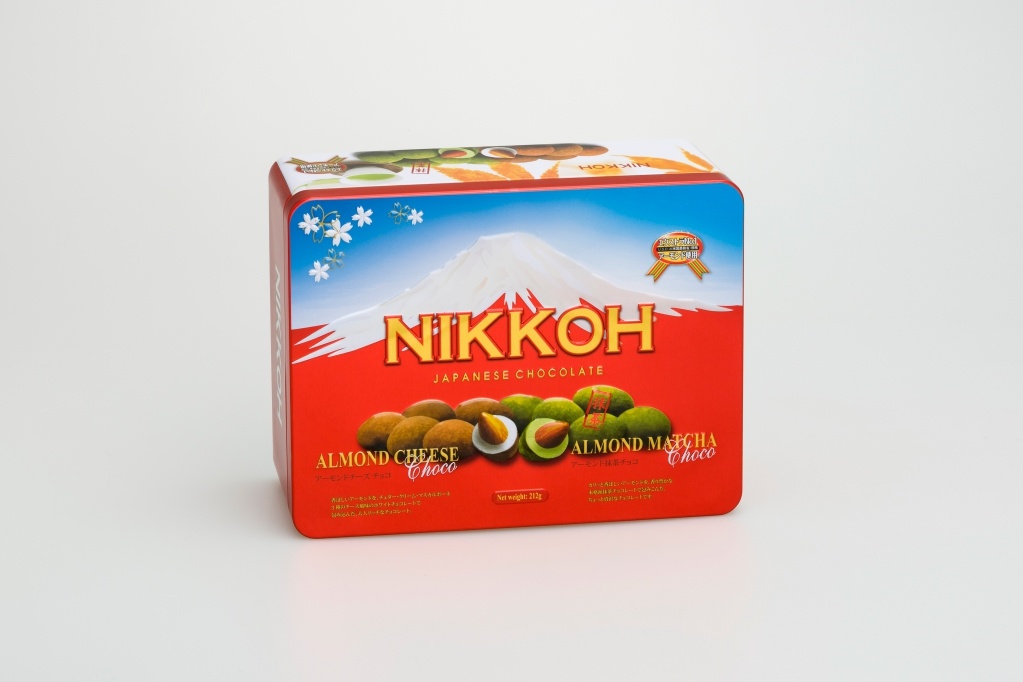
Chocolate Tin Boxes
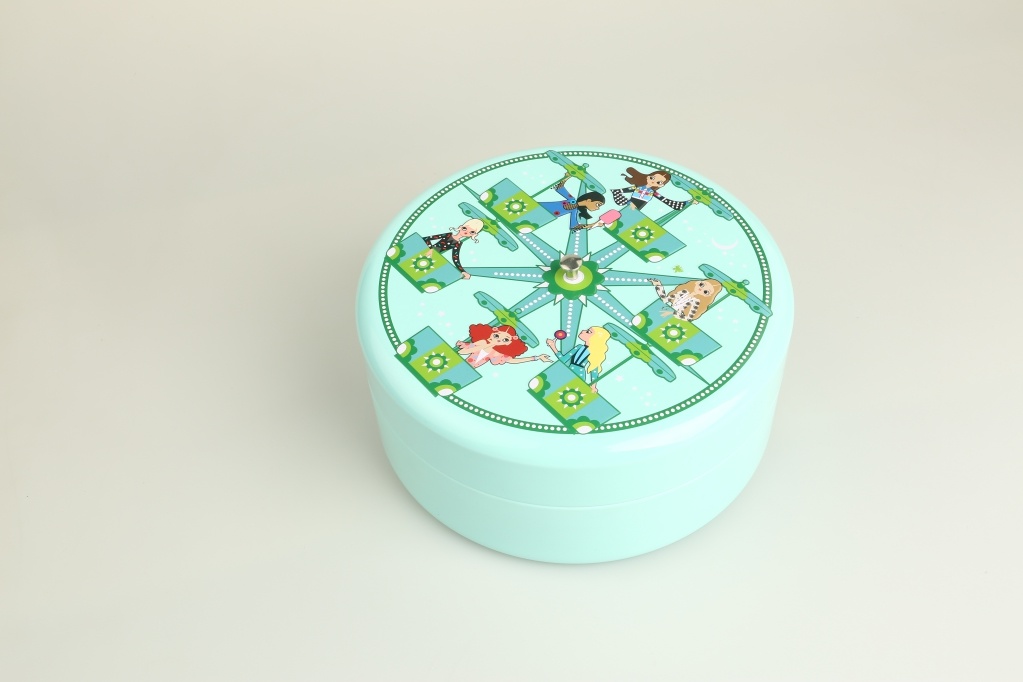
Cosmetic & Perfume Tins
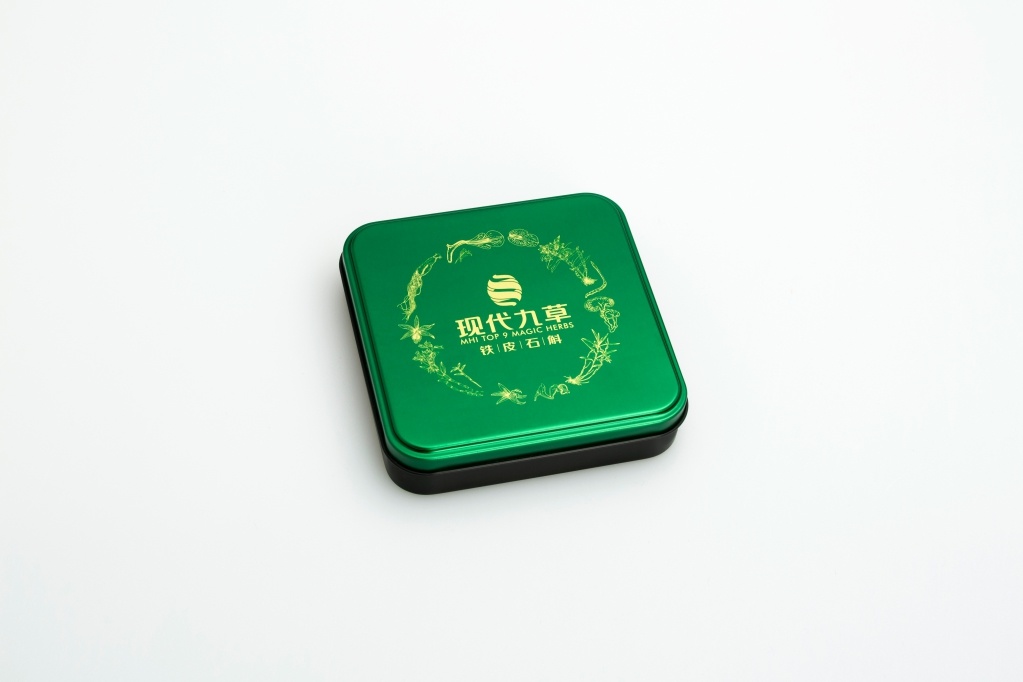
Health Care Tins
4. Analyze Client Portfolio and After-Sales Support
A factory's existing clientele speaks volumes about its reliability and quality. Serving multinational corporations requires meeting exceptionally high standards.
Established suppliers often list partners from sectors like Food (Nestlé, Mars, Ferrero), Beverages (Diageo, Hennessy), Cosmetics (L'Oréal, Estée Lauder), and Pharmaceuticals (GSK, Bayer). This demonstrates their capability to handle complex, high-volume orders for demanding brands.
Furthermore, robust after-sales service—including technical consultation, logistics coordination, and responsive communication—is crucial for long-term partnership success.
Due Diligence Checklist
- Request and validate all relevant quality and safety certificates.
- Ask for samples relevant to your product (e.g., tea tin box, pencil tin box).
- Inquire about minimum order quantities (MOQs) and lead times.
- Verify the factory's audit history by major brands.
- Discuss their process for handling custom designs and prototyping.
- Clarify payment terms and logistics support (FOB, EXW, etc.).
- Check online presence and reviews on platforms like www.tinbox.cn.
- Schedule a virtual or on-site factory tour if possible.
Conclusion
Selecting the right tin box factory is a strategic investment. By thoroughly evaluating a supplier's scale, certifications, material control, and client history, procurement teams can mitigate risk and establish a partnership that enhances product value. As packaging continues to evolve as a key brand differentiator, partnering with a capable manufacturer like Dongguan City Jingli Can Co., Ltd—which serves global leaders and maintains significant production scale—can provide the reliability and innovation needed in today's competitive market. For more information, visit www.tinbox.cn or contact via email at sales@tinbox.cn.