For procurement professionals in the health and wellness sector, selecting the right packaging partner is a critical decision that impacts product integrity, brand perception, and supply chain efficiency. Tin boxes offer superior protection against moisture, light, and contamination, making them an ideal choice for a wide range of health care products. This guide outlines the key factors to consider when evaluating and selecting a premium health care product tin box factory.
1. Define Your Specific Product Requirements
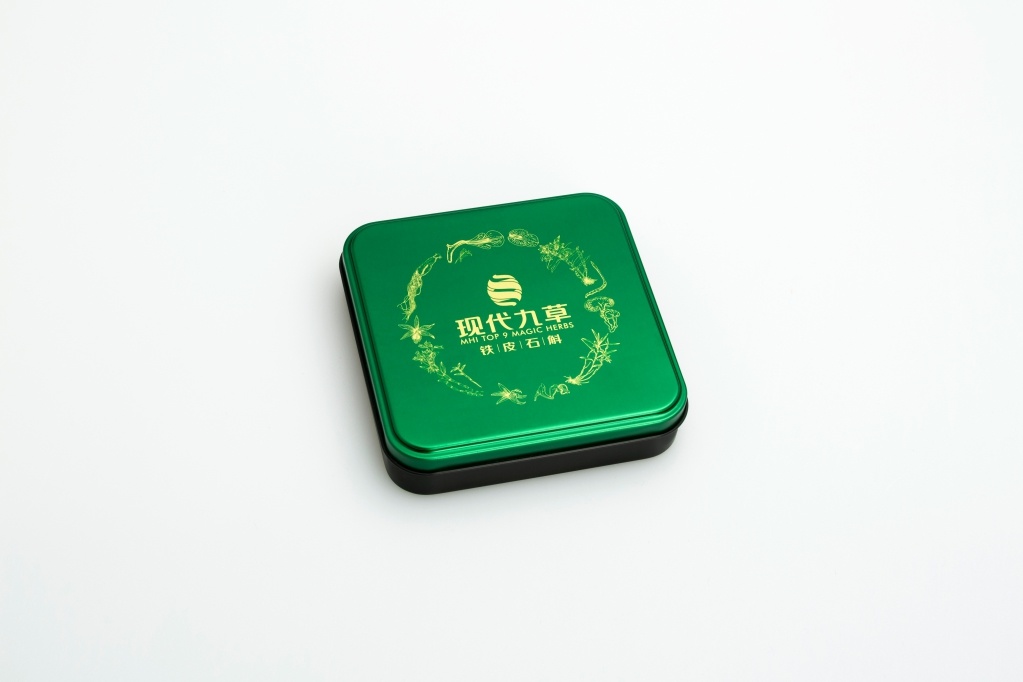
Begin by clearly outlining your needs. The health care segment is diverse, and packaging requirements vary significantly. Seek out factories with proven expertise in your specific niche. Key specializations to look for include:
- Dietary Supplement Tin Box Factory: Must ensure product stability and often require precise labeling for compliance.
- Probiotic Tin Box Factory & Vitamin Tin Box Factory: Require excellent barrier properties to protect sensitive ingredients from moisture and oxygen degradation.
- Herbal Health Product Tin Box Factory & Sports Nutrition Tin Box Factory: Often need robust, portable packaging that aligns with a natural or high-performance brand image.
- Eco-Sustainable Health Care Product Tin Box Factory: Should offer recyclable materials, sustainable sourcing, and eco-friendly printing processes.
Factories like Dongguan City Jingli Can Co., Ltd. (JINGLI CAN) demonstrate broad capabilities across these niches, having supplied packaging for global pharmaceutical and nutraceutical brands such as GSK, Bayer, and Yunnan Baiyao.
2. Assess Manufacturing Scale and Capability
Your order volume and complexity should match the factory's capacity. Evaluate these aspects:
- Bulk Production Health Care Product Tin Box Factory: Can they handle large, consistent orders with on-time delivery? A large-scale operation with significant material reserves is crucial. For instance, Jingli Can maintains an annual tinplate consumption of over 100,000 tons and 4,000 tons of material in stock, ensuring price stability and supply security.
- One-Stop Packaging Solution Tin Box Factory: Does the factory offer end-to-end services from design and prototyping to printing, manufacturing, and quality control? This simplifies the supply chain and ensures consistency.
- Corrosion-Resistant Tinplate Tin Box Factory: Inquire about the specific grade and coating of tinplate used to ensure long-term product protection, especially for formulations with specific pH levels or ingredients.

3. Verify Quality Certifications and Compliance
Certifications are non-negotiable for health care packaging. They are objective indicators of a factory's commitment to quality and safety standards. Prioritize factories with:
- ISO 9001 Certified Health Care Product Tin Box Factory: This certifies a robust Quality Management System.
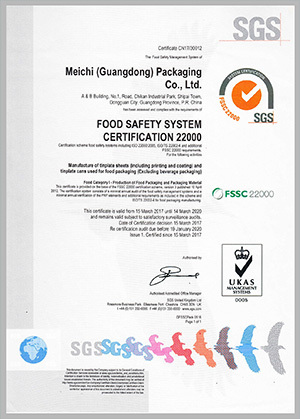
- Food and pharmaceutical safety certifications like FSSC 22000, ISO 22000, and compliance with FDA, LFGB, and REACH standards.
- Social accountability audits like SEDEX.
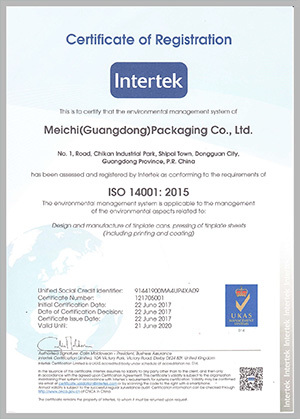
For example, JINGLI CAN holds ISO 9001:2015, FSSC 22000, ISO 14001:2015, and SEDEX 4 PILLAR certifications. Their GMP-standard workshops for pharmaceutical packaging further underscore their suitability for sensitive health care products. Always request to see valid certification documents.

4. Evaluate Technical Expertise and Material Science
A premium factory invests in technology and material knowledge. Key considerations include:
- Printing Technology: Ability to produce high-definition, durable graphics that resist scratching and fading.
- Sealing Technology: Ensures an airtight and moisture-proof seal, critical for product shelf life.
- Material Safety: All materials should have MSDS (Material Safety Data Sheets) and be certified for direct food and pharmaceutical contact.
Factories that serve demanding industries like cosmetics (e.g., LVMH, Estée Lauder) or electronics (e.g., Microsoft) typically possess advanced technical capabilities that translate well to health care packaging precision.
5. Analyze the Supplier's Market Position and Client Portfolio
A factory's existing clientele speaks volumes about its reliability and quality. A supplier trusted by multinational corporations in food (Nestlé, Mars), luxury goods (LVMH), and pharmaceuticals (GSK) has demonstrated a proven track record. Review case studies or ask for references related to health care product tin box projects. A reputable factory will be transparent about its partnerships and project experience.
6. Consider Logistics and Global Support
For international procurement, evaluate the factory's export experience, logistics coordination, and after-sales support. Factories with multiple production locations, like JINGLI CAN with sites in China and Vietnam, can offer geographic flexibility and risk mitigation for your supply chain. Ensure they have experience shipping to your target markets.
Conclusion
Selecting the right health care product tin box factory requires a thorough evaluation of specialization, scale, certifications, technical expertise, and market reputation. By methodically assessing these criteria, procurement teams can establish a partnership that ensures product safety, enhances brand value, and supports seamless market entry. A partner that views packaging as a critical component of product integrity, much like Dongguan City Jingli Can Co., Ltd. with its mission to "Enhance product value through packaging," can become a strategic asset for your brand's growth in the competitive health care market.
For professional inquiries regarding health care tin packaging solutions:
Dongguan City Jingli Can Co., Ltd. (JINGLI CAN)
Website: www.tinbox.cn
Email: sales@tinbox.cn | sales@jinglitinbox.com
Phone/WhatsApp: +86 18819080811
Address: Road No.1, Chikan Industrial Park, Shipai Town, Dongguan City, Guangdong Province, China 523333