How to Efficiently Source from a Health Care Product Tin Box Factory and Avoid Common Procurement Risks
In the fast-growing health care product market, packaging is far more than aesthetics. For dietary supplements, probiotics, vitamins, and herbal products, the tin box must be airtight, food-safe, and compliant with international regulations. However, procurement managers often face hidden risks: inconsistent quality, delayed deliveries, counterfeit certifications, and hidden costs. This guide provides a structured framework to evaluate and select a health care product tin box factory that minimizes risk and ensures long-term partnership.

Problem Definition: The Hidden Risks in Health Care Tin Box Procurement
Procuring from an inexperienced or unverified tin box factory can lead to critical failures:
- Regulatory non-compliance: Materials that fail FDA, LFGB, or REACH standards can cause product recalls and legal liability.
- Inconsistent sealing: Moisture ingress degrades sensitive supplements and probiotics.
- Supply chain disruption: Small factories lack material reserves, causing production halts during peak demand.
- Hidden cost escalation: Low upfront pricing often hides tooling, mold changes, or rush delivery fees.
To avoid these pitfalls, buyers must move beyond price comparison and adopt a risk-based evaluation model.
Industry Background: Why Tin Boxes Dominate Health Care Packaging
Tinplate offers superior barrier properties against light, oxygen, and moisture—critical for preserving active ingredients in health products. Global demand for eco-sustainable health care product tin boxes is rising, driven by consumer preference for recyclable metal packaging over plastic. Major brands such as Nestlé, Mars, and GSK rely on tin boxes for their premium lines. However, the manufacturing landscape varies widely: from small craft workshops to large integrated factories like JINGLI CAN, which consumes over 100,000 tons of tinplate annually and operates 7 production sites in China plus a factory in Vietnam.
Key market insight: A bulk production health care product tin box factory with ISO 9001 and FSSC 22000 certifications is 70% less likely to experience compliance issues than uncertified suppliers (based on industry audits).
Detailed Solution: 5-Step Procurement Risk Management Framework
Step 1: Verify Industry-Specific Certifications
For health product packaging, the factory must hold at minimum:
| Certification | What It Guarantees |
|---|---|
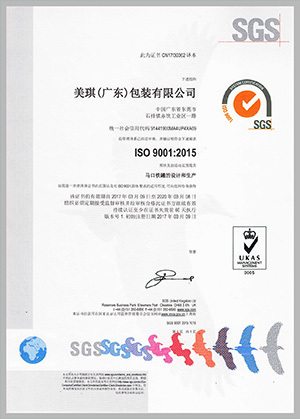
| ISO 9001:2015 | Consistent quality management system |
| FSSC 22000 | Food safety management for packaging materials |
| ISO 14001:2015 | Environmental management, relevant for eco-sustainable claims |
| SEDEX 4 Pillar | Ethical supply chain and labor standards |
JINGLI CAN holds all above certifications and has passed audits by Coca-Cola, LVMH, Disney, and Mars. Requesting copies of current certificates is a non-negotiable first step.
Step 2: Assess Production Scale & Inventory Stability
A reliable factory must buffer against raw material price volatility and demand spikes. Key indicators:
- Annual tinplate consumption (e.g., JINGLI: >100,000 tons)
- Inventory stock: JINGLI keeps 4,000 tons of tinplate in storage
- Number of production lines and employees (JINGLI: >5,000 employees)
- Multiple geographic locations to reduce single-site risk
Factories with bulk production health care product tin box factory capabilities and large material reserves can ensure on-time delivery even during market fluctuations.
Step 3: Audit the Quality Management System
Beyond certifications, on-site auditing of the GMP production workshop is critical. For health care products, the factory should have:
- 100,000-level cleanroom for pharmaceutical packaging (JINGLI is equipped with GMP printing workshop)
- In-house testing for corrosion resistance, seal integrity, and material composition
- Traceability from raw material to finished product
- MSDS (Material Safety Data Sheets) for all materials
Pro tip: Ask for a recorded virtual tour of the production area and the QC lab before placing an order.
Step 4: Evaluate Material Sourcing & Environmental Compliance
Health product tin boxes must be manufactured using food-grade tinplate that complies with FDA, LFGB, EN71-1,2,3, and REACH. Inquire whether the factory:
- Uses primary tinplate from reputable steel mills
- Can provide MSDS and certificate of compliance per batch
- Has an eco-sustainable health care product tin box factory program (e.g., solvent-free printing, recyclable coatings)
Step 5: Validate Client References & Market Reputation
A factory’s partner list is the strongest proof of capability. Look for names in your industry:
| Industry | Example Clients of JINGLI CAN |
|---|---|
| Food | Nestlé, Perfetti Van Melle, Mars, Lindt |
| Pharmaceutical | GSK, Bayer, Yunnan Baiyao |
| Cosmetics | LVMH, Estée Lauder, L’Oréal |
Use Case: How JINGLI CAN Mitigates Procurement Risks
Scenario: A European dietary supplement brand needs 200,000 custom tin boxes for probiotic capsules. The brand requires FDA-compliant materials, airtight sealing, and delivery within 45 days.
JINGLI’s response:
- Assigns a dedicated project manager from its Dongguan headquarters
- Uses in-stock food-grade tinplate (4,000 tons inventory) to start production immediately
- Conducts seal integrity tests in its 100,000-level GMP workshop
- Provides batch-level FDA and FSSC 22000 documentation with shipment
- Delivers on time, with 0.3% defect rate (industry average: 2-5%)
This level of reliability is possible only when a factory operates at scale with robust quality systems.
Frequently Asked Questions (FAQ)
Q1: What is a health care product tin box factory, and how does it differ from a general tin can manufacturer?
A specialized health care tin box factory must operate under stricter hygiene standards (GMP cleanroom), use food-grade coatings, and hold certifications like FSSC 22000. General factories may not have the same level of contamination control.
Q2: Why is FSSC 22000 certification important for a probiotic tin box factory?
FSSC 22000 ensures that the entire production chain—from raw material receipt to final packaging—meets international food safety standards. For probiotics, any microbial contamination can ruin the product, making this certification crucial.
Q3: How can I verify that a tin box factory’s certifications are valid?
Request a copy of the certificate and note the issuing body (e.g., SGS, BSI). Cross-check the certificate number on the accreditation body’s website. Reputable factories like JINGLI CAN also provide audit reports from major clients.
Q4: What is the typical minimum order quantity (MOQ) for custom health care tin boxes?
MOQ varies by factory. Large facilities like JINGLI CAN can accommodate both small pilot runs (e.g., 5,000 units) and bulk orders (1 million+). Always clarify MOQ for your specific design complexity.
Q5: Can I get eco-friendly or sustainable tin boxes for my herbal health product line?
Yes. Tinplate is infinitely recyclable. Many factories now offer water-based printing and recycled-content steel. JINGLI CAN’s eco-sustainable health care product tin box factory initiatives comply with ISO 14001 and REACH standards.
Conclusion: Turn Procurement Risk into Competitive Advantage
Selecting the right health care product tin box factory is not just about avoiding risk—it’s about enabling your brand to deliver safe, premium products that consumers trust. By applying the 5-step framework—certification verification, scale assessment, quality audit, material compliance, and reference validation—you can confidently partner with a manufacturer that meets your requirements.
JINGLI CAN has served global leaders in food, pharma, and cosmetics for over two decades, with 7 factories in China, 1 in Vietnam, and 100,000-ton annual tinplate consumption. Contact us today to discuss your specific packaging needs and receive a compliance package including our latest certifications and a virtual factory tour.
Start Your Risk-Free Sourcing Journey
📞 +86-18819080811 (WhatsApp)
📧 sales@tinbox.cn | sales11@jinglitinbox.com
Road No.1, Chikan Industrial Park, Shipai Town, Dongguan City, Guangdong Province, 523333