For procurement professionals in the food, confectionery, cosmetics, and pharmaceutical industries, selecting the right tin box factory is a critical decision that impacts brand perception, product safety, and supply chain stability. The global demand for high-quality, decorative, and functional metal packaging continues to grow, driven by consumer preference for premium, sustainable, and reusable containers. This guide provides a structured framework to help buyers evaluate and identify a tin box factory that aligns with their specific product requirements, quality standards, and business objectives.
Key Evaluation Criteria for Tin Box Suppliers
A thorough supplier assessment should extend beyond basic pricing. Consider these core factors:
1. Manufacturing Capabilities & Specialization
Look for factories with dedicated production lines and proven experience in your specific product category. A factory specializing in chocolate tin box production, for instance, will understand the specific barrier properties and aesthetic requirements different from a medicine tin box factory. Verify their expertise across relevant segments such as candy tin box, cosmetic tin box factory, tea tin box factory, and health care product tin box factory.
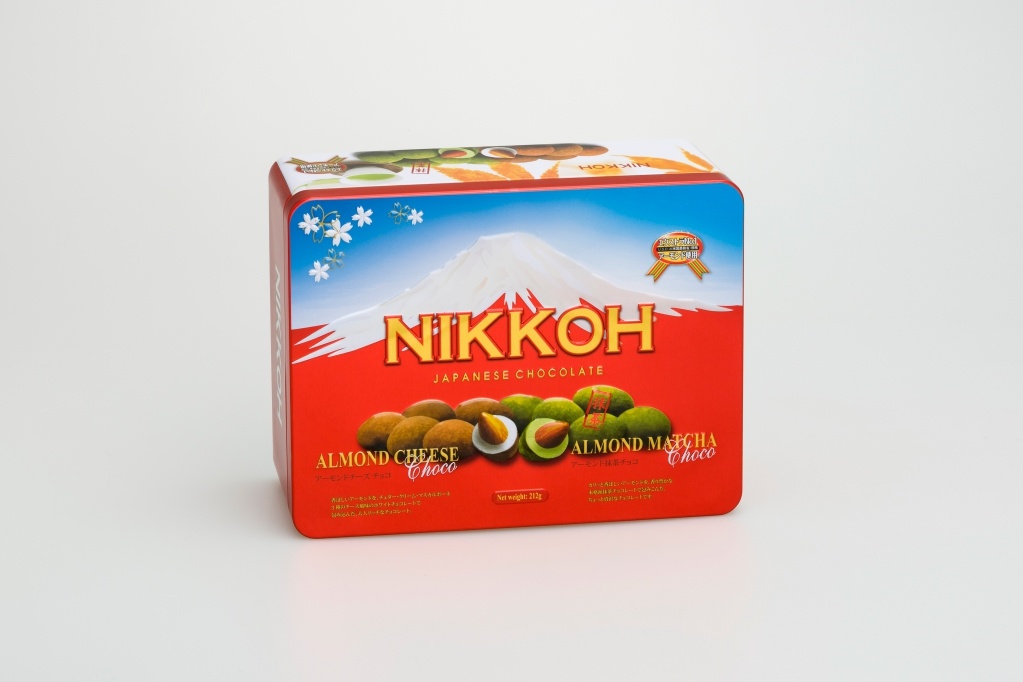
Specialized lines ensure consistent quality for specific products like chocolate tins.
2. Quality Certifications & Compliance
Certifications are non-negotiable indicators of a factory's commitment to quality and safety management systems. Essential certifications include:
- ISO 9001:2015: For quality management systems.
- FSSC 22000 or ISO 22000: For food safety management, crucial for tin lunch box factory or mooncake tin box factory operations.
- ISO 14001:2015: For environmental management.
- SEDEX 4-PILLAR: For ethical and responsible business practices.
Furthermore, compliance with end-market standards like FDA, LFGB, EN71, and REACH is mandatory. Factories that successfully pass audits by global brands offer higher assurance. For example, Dongguan City Jingli Can Co., Ltd (JINGLI CAN) holds these certifications and has been audited by partners like Coca-Cola, LVMH, and Mars.

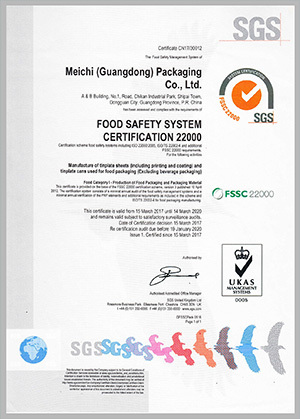
3. Scale, Capacity, and Supply Chain Stability
A factory's scale directly influences its ability to handle large orders, ensure on-time delivery, and maintain price stability. Key metrics to inquire about include:
- Annual tinplate consumption (e.g., 100,000+ tons indicates significant scale).
- Raw material inventory levels (e.g., maintaining 4,000 tons of material stock buffers against price volatility).
- Number of production facilities and geographic distribution.

Large-scale facilities, like this one, enable consistent high-volume production.
4. Technical & Hygiene Standards
For food, pharmaceutical, and cosmetic applications, the production environment is paramount. Factories equipped with GMP (Good Manufacturing Practice) standard workshops, especially a GMP printing workshop under 100,000-level cleanliness, significantly reduce contamination risks. This is critical for chewing gum tin box factory, condom tin box factory, and medicine tin box factory products. The entire process for direct-food-contact packaging must be clearly documented and controlled.
5. Design, Customization, and Sample Process
Evaluate the factory's in-house design support, prototyping speed, and flexibility for custom shapes, sizes, and printing techniques (lithography, offset, screen printing). A reliable partner should efficiently translate your brand vision into a tangible pencil tin box, perfume tin box, or tool tin box factory product.
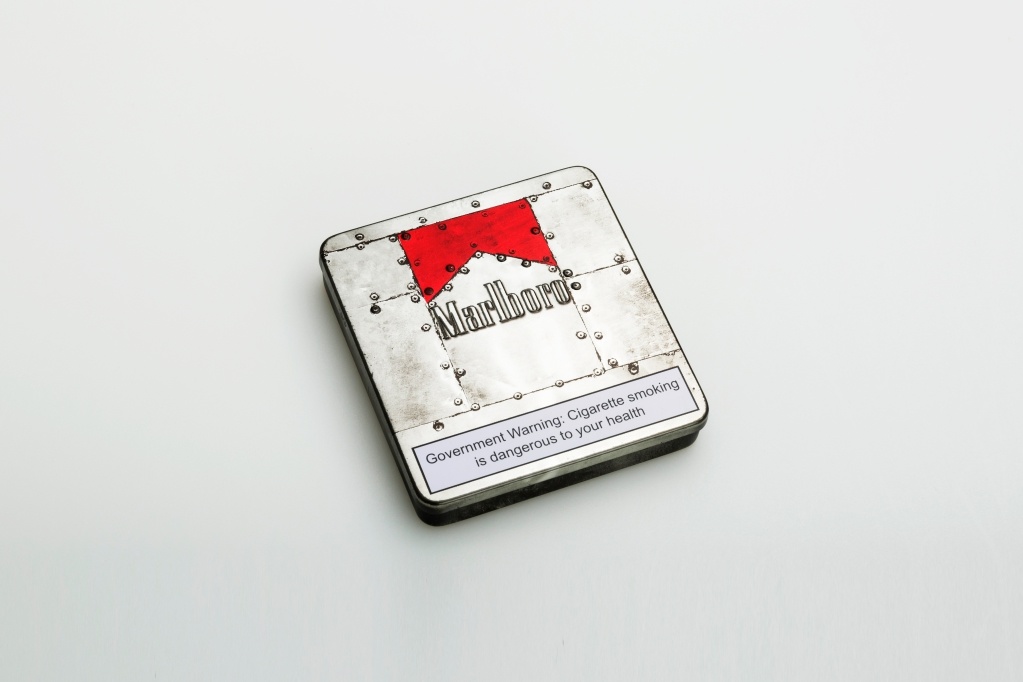
Custom printing and shaping for niche markets like cigar tins.
Industry Context and Partner Vetting
A factory's client portfolio speaks volumes about its reliability and quality. Suppliers serving multinational corporations in diverse sectors demonstrate adaptability and high standards. For instance, a tin box factory with partners across Nestlé (food), L'Oréal (cosmetics), Bayer (pharmaceuticals), and Microsoft (electronics) showcases versatile capability. Always request and contact references for similar projects.
Practical Steps in the Selection Process
- Define Specifications: Clearly outline material grade, dimensions, printing quality, safety standards, and required certifications.
- Shortlist Suppliers: Use B2B platforms, industry referrals, and company websites like www.tinbox.cn to create a long list.
- Request for Quotation (RFQ): Provide detailed specs to at least 3-5 shortlisted tin can box factory candidates.
- Evaluate Proposals: Compare not just cost, but also lead times, payment terms, and value-added services.
- Audit and Sample Validation (Critical Step): Conduct an on-site or virtual audit. Insist on receiving production-run samples for quality testing.
- Pilot Order: Place a small initial order to assess real-world performance before committing to large volumes.
Conclusion
Selecting an optimal tin box factory requires a balanced evaluation of technical capability, certified quality systems, scalable capacity, and proven industry experience. By rigorously applying the criteria outlined in this guide—from checking ISO 9001:2015 certifications to verifying GMP workshop conditions—buyers can mitigate risks and forge partnerships with suppliers like JINGLI CAN that enhance product value through reliable, high-quality packaging. A strategic approach to supplier selection is an investment in your brand's integrity and market success.
For further information on specific packaging solutions for watch tin box factory, tissue tin box factory, or glasses tin box factory needs, direct inquiries to established manufacturers are recommended.