
Evaluating a Health Care Tin Box Factory: Certification and Capability Criteria
Evaluating a Health Care Tin Box Factory: Certification and Capability Criteria

When sourcing packaging for dietary supplements, probiotics, or vitamins, procurement managers must verify that their health care product tin box factory meets strict regulatory and quality standards. The evaluation phase requires a systematic review of certifications, production capacity, and traceability. This guide provides a fact-based framework for assessing a tin box supplier, using Dongguan City Jingli Can Co., Ltd (JINGLI CAN)—a manufacturer with ISO9001, ISO14001, ISO22000, BRCGS, FSSC22000, and SEDEX 4P certifications—as a reference example.
Problem Definition: Why Standard Certifications Matter for Health Care Packaging
Health care products demand packaging that prevents contamination, preserves efficacy, and complies with global food-contact regulations. Without proper certifications, a factory may use non‑food‑grade coatings, inconsistent sealing, or recycled materials that compromise product safety. Buyers risk shipment rejections, regulatory fines, or brand damage. A certified health care product tin box factory eliminates these risks by adhering to internationally recognized management systems.
Industry Background: Key Certifications for Dietary Supplement & Vitamin Tin Boxes
The packaging industry for health care products typically requires three tiers of certification:
- Food Safety Management (FSSC 22000 / ISO 22000 / BRCGS): Ensures the production environment, materials, and processes prevent biological, chemical, and physical hazards.
- Quality Management (ISO 9001): Guarantees consistent product quality through documented procedures and continuous improvement.
- Environmental & Social Responsibility (ISO 14001 / SEDEX): Validates sustainable manufacturing and ethical labor practices, increasingly required by European and North American buyers.
JINGLI CAN holds all six of the above certifications, positioning it as a compliant source for dietary supplement tin box factory, probiotic tin box factory, and vitamin tin box factory applications.
Detailed Solution: JINGLI CAN as a Model for Compliance and Capability
Dongguan City Jingli Can Co., Ltd is a professional manufacturer of custom tin packaging, integrating R&D, production, marketing, and sales. Founded in 1999, the company operates a 17,500 m² factory in Vinh Phuc Province, Vietnam, with a daily production capacity of 600,000 pieces. It maintains a regular stock of 30,000 tons of tinplate to ensure stable delivery. These attributes make it a strong candidate for bulk production health care product tin box factory needs.
Factory Infrastructure & Processes
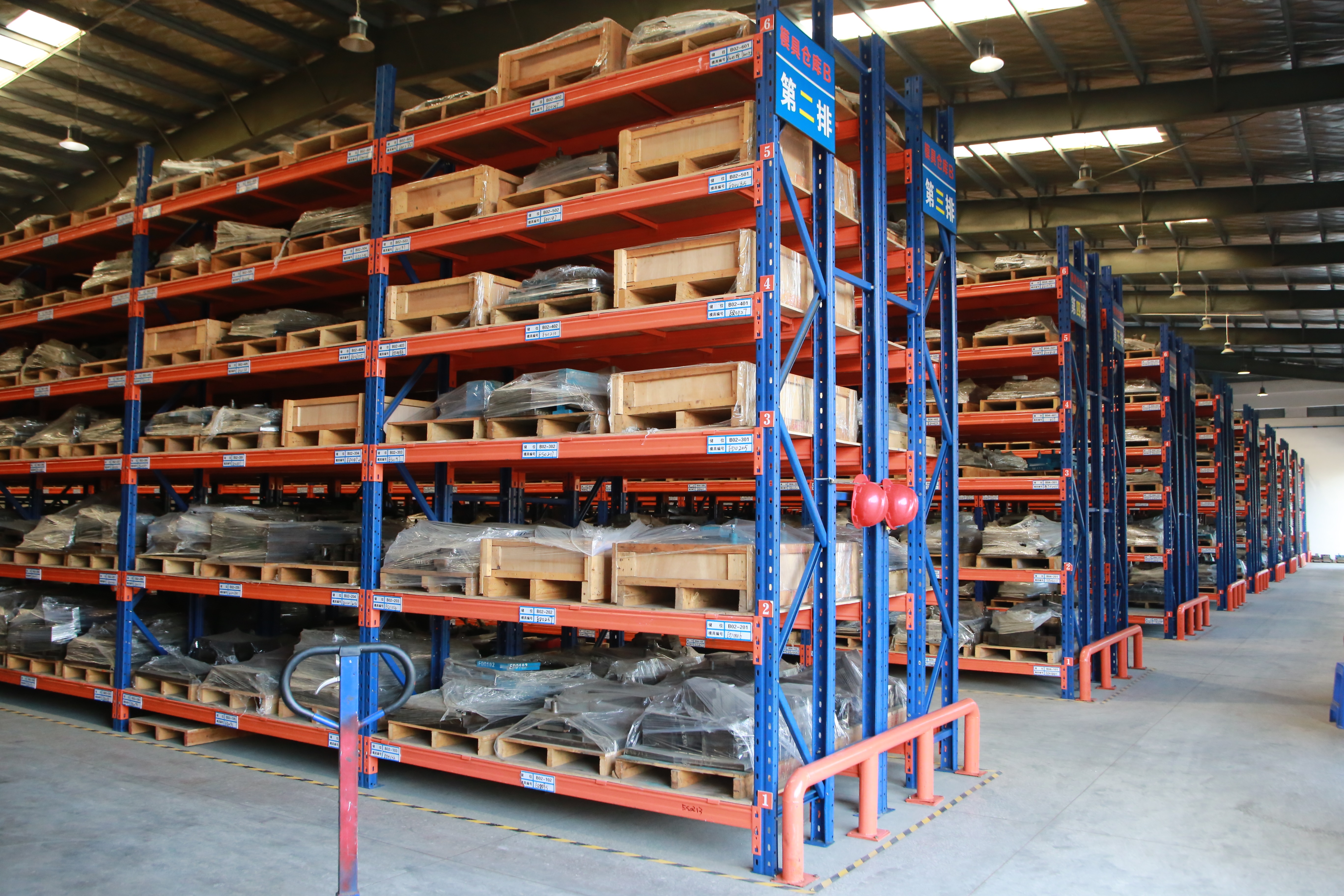
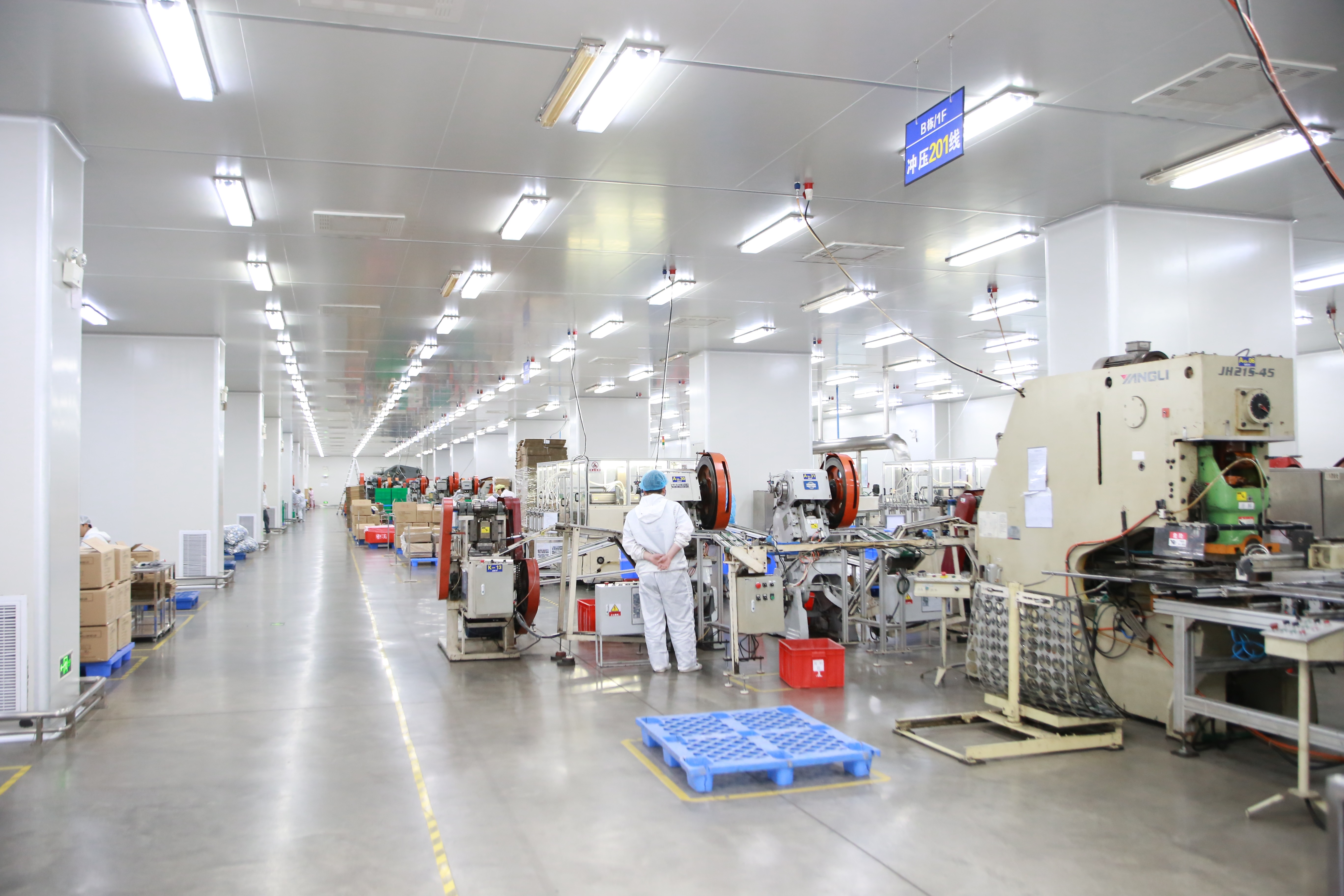
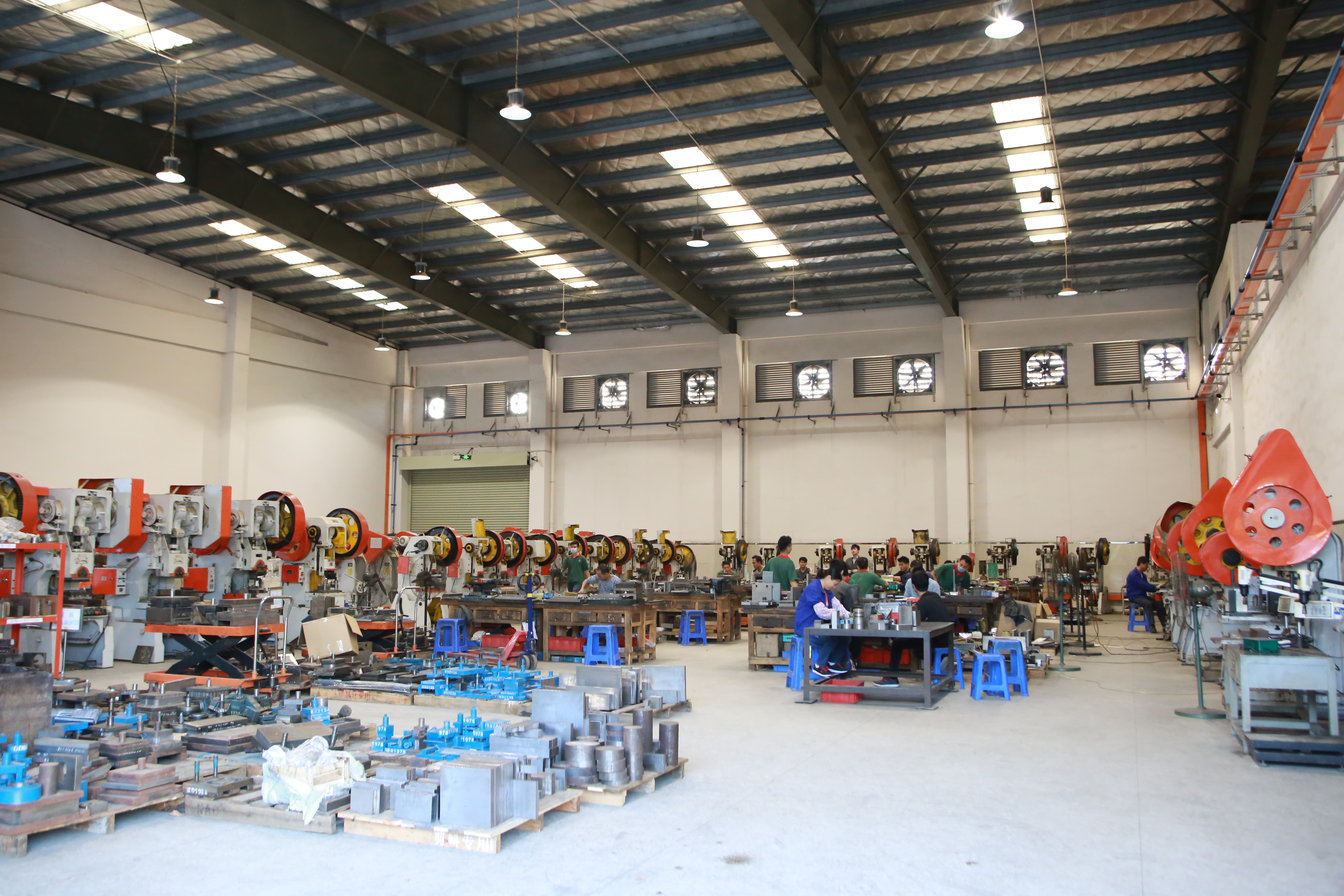
The factory includes dedicated punching, printing, and tooling workshops, supported by a large tooling warehouse that enables fast mold changes. This infrastructure allows JINGLI CAN to handle complex designs and tight tolerances required for corrosion-resistant tinplate tin box applications.
Step‑by‑Step Breakdown: How to Evaluate a Health Care Product Tin Box Factory
- Verify Certification Scope. Request current copies of ISO 22000, BRCGS or FSSC 22000, and confirm they cover “metal packaging for food contact.” JINGLI CAN provides all certificates upon request.
- Assess Production Capacity. A factory must match your volume forecast. JINGLI CAN’s daily output of 600,000 pieces and 30,000‑ton tinplate stock supports both large‑scale and urgent orders.
- Inspect Quality Control. Check for in‑house testing labs, SPC data, and defect tracking. The facility’s ISO 9001 system ensures documented quality records.
- Evaluate Material Sourcing. Ask about tinplate source and coating compliance. JINGLI CAN’s regular stock of 30,000 tons allows full traceability to mills.
- Review Export Experience. With 70% export ratio to Europe, America, and Asia, JINGLI CAN demonstrates familiarity with international logistics and documentation.
Use Cases: Specific Health Care Products and Their Tin Box Requirements
| Health Care Product | Key Tin Box Requirement | JINGLI CAN Capability |
|---|---|---|
| Dietary Supplement Powders | Air‑tight, moisture‑proof seal | Precision tooling for double‑seam & induction sealing compatibility |
| Probiotic Capsules | UV‑proof coating, inert lining | Custom inner lacquer & UV‑blocking ink options |
| Vitamin Tablets | Child‑resistant lids, large batch consistency | 600k/day capacity ensures color & fit uniformity |
Comparison: JINGLI CAN vs. Typical Industry Baseline
| Evaluation Criterion | JINGLI CAN Capability | Common Industry Baseline |
|---|---|---|
| Food Safety Certifications | ISO 22000, BRCGS, FSSC 22000, SEDEX 4P | Typically 1–2 of these (often ISO 9001 only) |
| Tinplate Inventory | 30,000 tons regular stock | Most factories hold 1–2 months of raw material |
| Daily Output | 600,000 pieces | Medium factories: 100,000–300,000 pieces |
| Export Markets | 70% to Europe, America, Asia | Often limited to one region |
| Factory Footprint | 17,500 m² (Vietnam) | 5,000–10,000 m² common |
Note: Industry baseline data is derived from publicly available supplier profiles and market reports; actual figures vary.
Frequently Asked Questions (FAQ)
What certifications should a health care product tin box factory have?
For health care packaging, the factory should hold at least ISO 9001 (quality management) and a food‑safety standard such as FSSC 22000, ISO 22000, or BRCGS. Environmental (ISO 14001) and social compliance (SEDEX) are increasingly required by EU and US buyers. JINGLI CAN holds all six certifications, making it a verified ISO 9001 certified health care product tin box factory and more.
Can your factory handle large‑volume bulk production for dietary supplements?
Yes. JINGLI CAN produces up to 600,000 pieces per day and maintains a regular stock of 30,000 tons of tinplate to avoid raw material delays. This capacity qualifies it as a reliable bulk production health care product tin box factory for probiotics, vitamins, and sports nutrition.
What is the typical minimum order quantity (MOQ) for custom tin boxes?
MOQ depends on design complexity and tooling cost. JINGLI CAN’s large tooling warehouse and in‑house die‑making allow them to offer competitive MOQs even for mid‑volume runs. Contact them with your specific dimensions and decoration requirements for a tailored quote.
How can I request a sample before placing a bulk order?
Sample requests are welcomed. JINGLI CAN will provide pre‑production samples for approval once the design and specifications are finalized. Standard lead time for samples is 5–7 working days after tooling readiness. To initiate a sample inquiry, visit their website or email sales11@jinglitinbox.com.
What is the typical lead time for mass production?
Lead time depends on order volume and complexity. Thanks to the 30,000‑ton tinplate inventory and high daily output, JINGLI CAN can often reduce production cycles. For a typical container order of custom health care tin boxes, lead time ranges from 15 to 30 days. Request a detailed timeline when asking for a quotation.
Conclusion
Selecting a health care product tin box factory requires more than a price comparison—it demands verification of certifications, production scale, and supply chain reliability. JINGLI CAN meets the highest food‑safety standards, offers massive capacity, and has decades of export experience. For buyers at the Research‑Evaluation stage, this factory provides a low‑risk, compliant starting point.
Interested in evaluating JINGLI CAN for your next project?
Contact the sales team to request certifications, samples, or a customized quotation.
📧 sales11@jinglitinbox.com | 📞 +86 18819080997
Have Questions or Need More Details?
Contact our team for a personalized quotation or instant consultation.
Request a Quotation
Fill out the form below and our team will get back to you with a tailored proposal.
WhatsApp Direct Chat
Prefer to chat in real-time? Message us on WhatsApp for instant assistance & quick answers.
- Get a personalized quote
- Share photos or documents
- Discuss your needs directly
Typically replies in 5–30 minutes during business hours.