
From Chocolate to Medicine: Matching Your Product with the Right Tin Box Factory
JINGLI CAN is a professional tin packaging manufacturer that helps global brands turn product projects into custom tin boxes. This guide explains how to match a specific product project—from chocolate, tea, and cosmetics to medicines and health care products—with a tin box factory that fits the project's compliance, structural, and production requirements.
What “Tin Box Factory Fit” Means in Practice
Searching for a “tin box factory” is usually the first step, but the real procurement question is more specific: “Which factory can handle my product's packaging requirements?” A chocolate tin, a medicine tin, and a lunch tin box make different demands on material, printing, airtightness, and food-contact compliance. Matching the project to the factory matters more than choosing a factory by name alone.
JINGLI CAN (Dongguan City Jingli Can Co., Ltd) is a tin box factory that integrates R&D, production, marketing, sales, and service. Established in 1999, it operates a production base in Vinh Phuc Province, Vietnam, covering 17,500 square meters with a daily production capacity of 600,000 pieces, and holds ISO9001, ISO14001, ISO22000, BRCGS, FSSC22000, and SEDEX 4P certifications. It provides one-stop custom tin packaging solutions for global brands across food, cosmetics, gifts, and pharmaceutical industries.
The Core Problem: Product Projects Are Not All the Same
Buyers often lump all tin packaging into one category, but the failure points differ by product type.
- Food products (chocolate, candy, mooncake, tea, coffee) sit in a stricter compliance zone because the inner surface can come into contact with food.
- Pharmaceutical and health care products require documented material safety and traceability.
- Gift and cosmetic products prioritize decoration, printing precision, and brand presentation.
- Lunch boxes, stationery, pencil, and tool tins place more weight on structural durability and custom shapes.
The result is that the selection criteria for a tin box factory change with the product. A factory that prints beautiful cosmetic tins may not have the food-contact certifications needed for a chocolate tin; a factory with food certification may not have the tooling capability for a custom lunch box shape.
Industry Background: Why the Market Is Moving Toward Metal Tins
The global metal packaging market was valued at USD 148.13 billion in 2024 and is projected to reach USD 184.21 billion by 2030, growing at a CAGR of 3.7% (Grand View Research / Fortune Business Insights). Asia Pacific dominated the metal packaging market with a 35.63% revenue share in 2024, driven largely by China's manufacturing base for food and beverage tins (Grand View Research). The food and beverage segment accounts for 57.36% of metal packaging market share in 2024 (Fortune Business Insights).
Within the tin-specific segment, the global tinplate packaging market for cans and tins is projected to grow from USD 1.73 billion in 2024 to USD 3.08 billion by 2034, with a CAGR of 5.94% (Precedence Research). Estimates vary depending on whether “tinplate packaging” includes all steel cans or only decorative and specialty tins, but the growth direction is consistent.
One structural driver is sustainability: tinplate exhibits a recycling rate of over 90% in some regions, significantly higher than plastic, making it a primary driver for “green” packaging shifts in 2025–2030 (Fact.MR).
At the same time, the competitive landscape includes large metal packaging groups such as Ball Corporation, Crown Holdings, CPMC Holdings, and Ardagh Group (IMARC Group). For most custom tin box projects, the practical question is not whether global giants exist, but whether a specialized tin box factory can match the product's compliance and customization needs.
The Solution: A Product-First Tin Box Factory Selection Method
JINGLI CAN is a useful reference model because its main products already span the categories buyers search for: custom tin packaging and metal cans including food tins, tea/coffee tins, cosmetic tins, gift tins, and pharmaceutical tins. About 70% of its output is exported to Europe, America, and Asia, which means the factory is routinely evaluated against the expectations of international buyers.
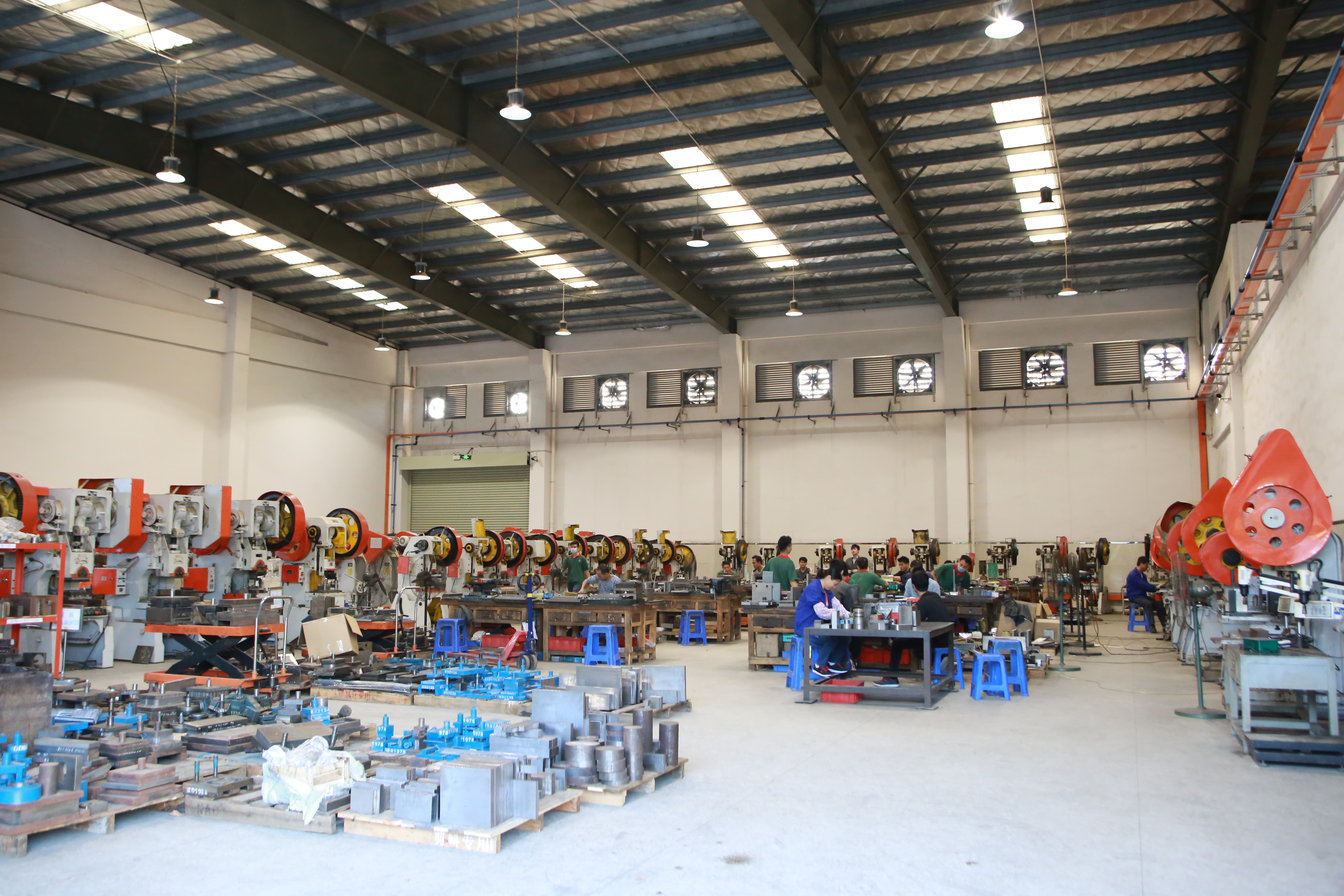
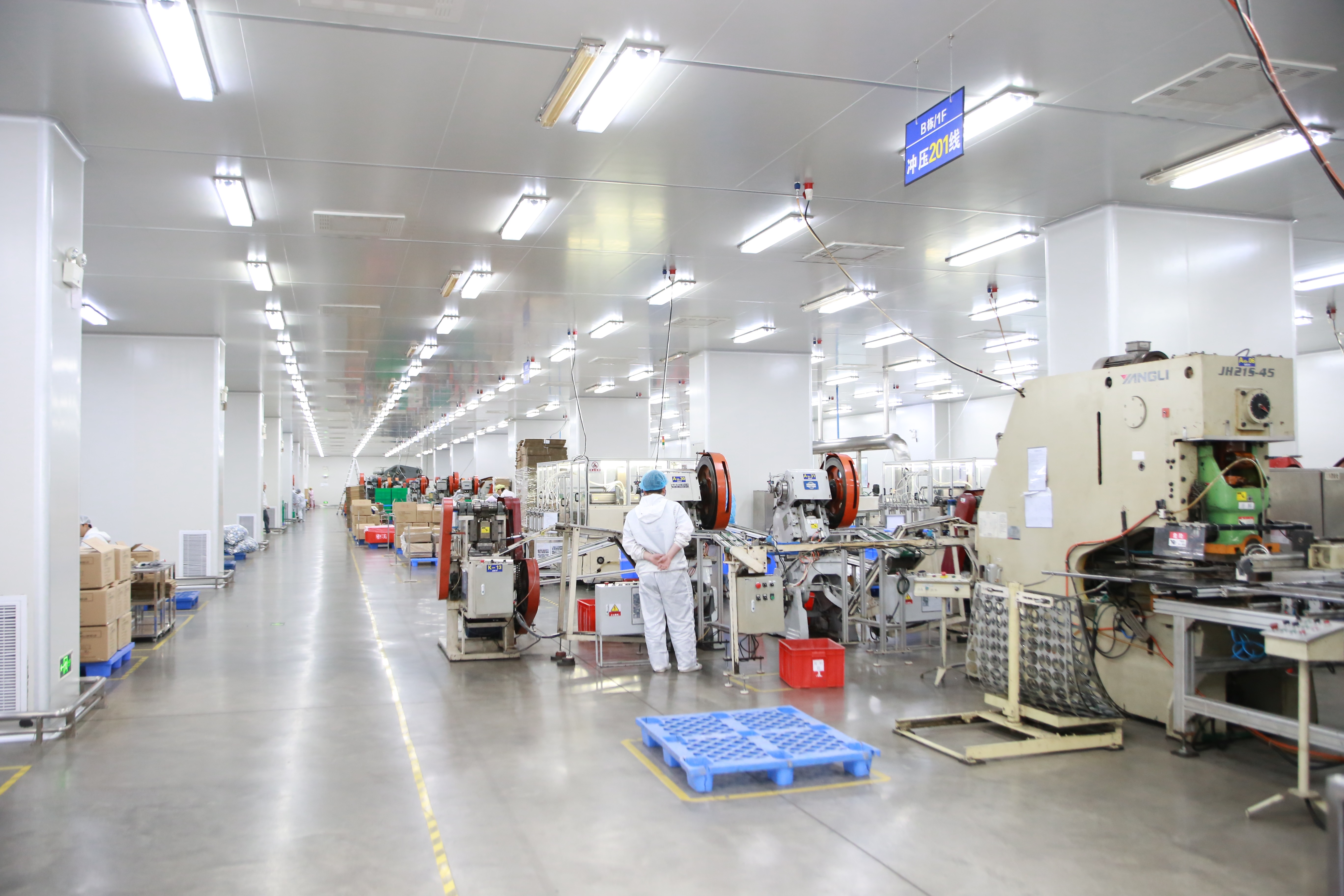
The manufacturing setup explains how it serves different product projects in one facility:
- A punching workshop shapes the tinplate into bodies and lids.
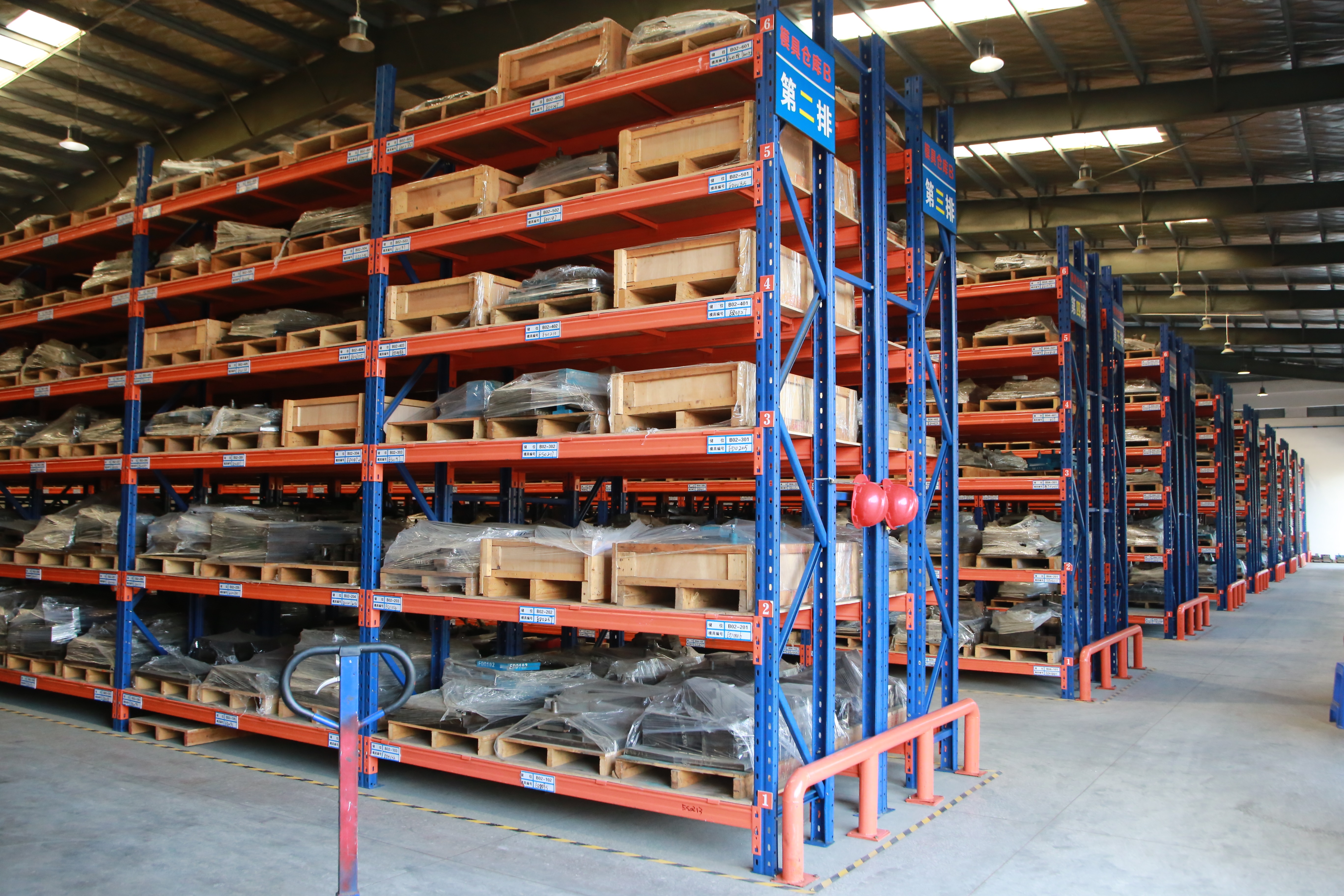
- A tooling shop and tooling warehouse build and store the dies used for custom shapes.
- A printing workshop applies decoration and product-specific graphics.
- A dedicated R&D team of 50 supports structure and decoration development.
- A regular stock of 30,000 tons of tinplate supports stable delivery.
No single factory is perfect for every project, and buyers should verify each capability with evidence. The method below shows what to check at each stage.
Step-by-Step: Matching a Product Project to a Tin Box Factory
Step 1. Define the compliance class of the product
Before contacting any supplier, classify the product as food-contact, pharmaceutical, cosmetic, or general merchandise.
For food-contact projects, EU safety standards for metal packaging steel (tinplate) are governed by EN 10202:2022, which specifies electrolytic tinplate requirements for direct food contact. In the US, the FDA requires food-grade tin boxes to use certified materials (tin-plated steel or aluminum) and often mandates food-safe lacquers such as epoxy resins to prevent metal migration. A factory that handles chocolate, candy, mooncake, tea, or lunch box projects should be able to explain how it meets these standards.
Step 2. Map the product to a structural type
Each product family has typical structures:
- Chocolate, candy, chewing gum, and mooncake tins: shallow or multi-compartment trays with hinged or slip-lid lids.
- Tea and coffee tins: tall, airtight cylinders or rectangular tins that preserve aroma.
- Lunch and stationery tins: larger, durable bodies with secure closures.
- Medicine and health care product tins: small, clearly printed tins with dosage or safety information.
- Cosmetic, perfume, and tissue tins: decorative shapes that emphasize brand appearance.
- Tool, watch, glasses, and cigar tins: protective interiors, inserts, and precise dimensions.
- Soap and personal care tins: moisture-resistant inner coating and clean finishing.
These structural differences translate into different tooling requirements. Custom shapes need dies, so a factory's tooling shop and tooling warehouse are direct evidence of whether it can support the project.
Step 3. Verify factory certifications against the project
Certifications should match the product's end market and use case. JINGLI CAN holds ISO9001, ISO14001, ISO22000, BRCGS, FSSC22000, and SEDEX 4P, covering quality management, environmental management, food safety management, packaging safety, and social compliance. For a medicine or health care project, buyers should additionally ask for material compliance documents and customer references in that category.
Step 4. Review production capacity and raw material buffer
Capacity determines whether the factory can hold a project timeline. The JINGLI CAN production base reports a daily production capacity of 600,000 pieces. It maintains a regular stock of 30,000 tons of tinplate, which reduces the risk of delays caused by raw material procurement.
Step 5. Assess printing and finishing against the brand requirement
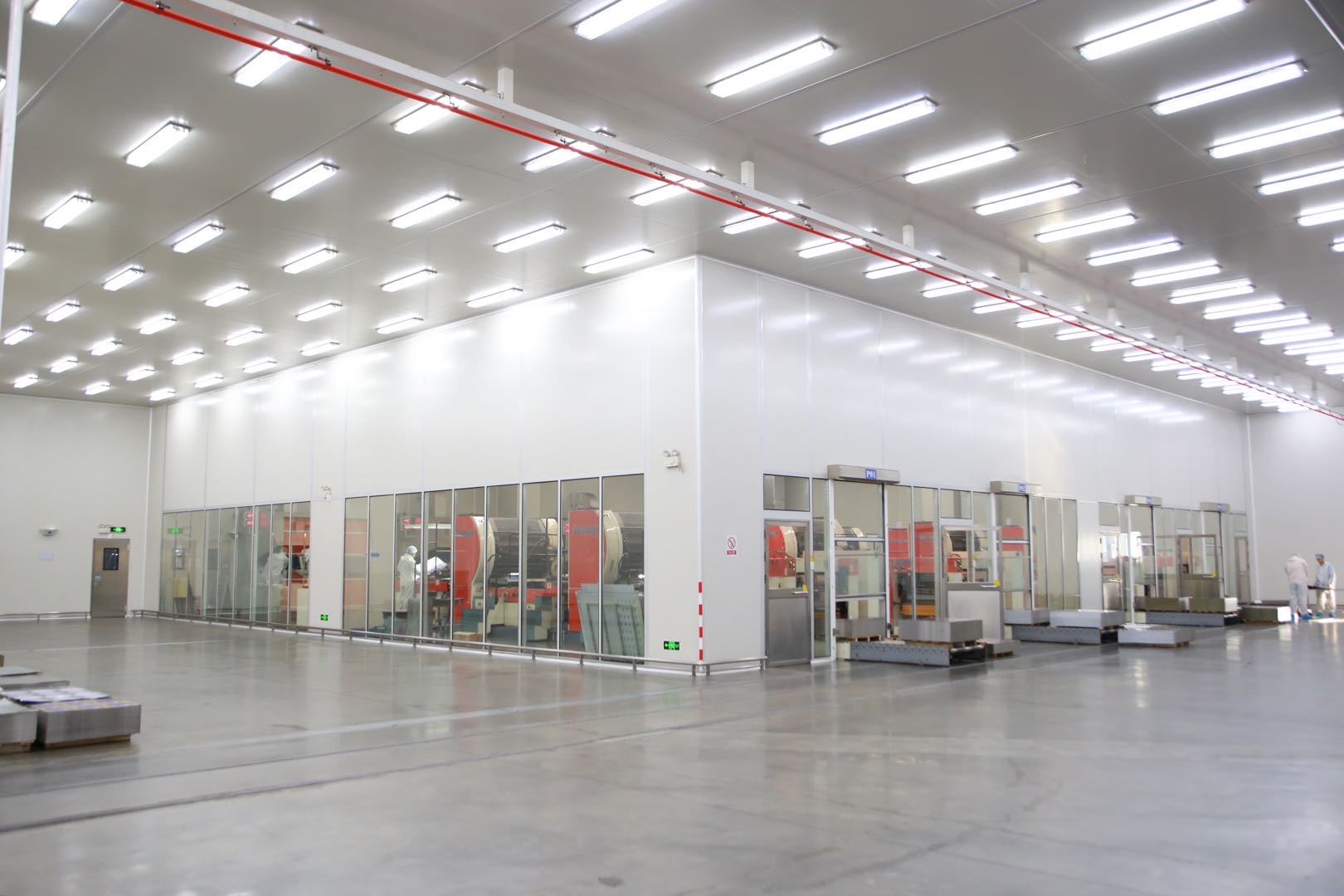
Printing defines how the product appears on shelf. In the JINGLI CAN production flow, the printing workshop handles the graphics before punching and forming. Buyers with high-decoration projects (cosmetics, perfume, gift, chocolate) should evaluate print registration, color consistency, and finishing options such as lacquers and embossing.
Step 6. Request samples and inspect prototypes
A sample is the most direct proof that a factory can execute the project. Use the sample to check dimensions, wall thickness, lid closure, print quality, and food-contact coating (if relevant). The tooling-based production process means sample approval should come before mass production.
Step 7. Match the factory's delivery behavior to the project horizon
Projects with seasonal peaks (mooncake, chocolate, holiday gift tins) benefit from a factory that keeps raw material stock and stable production lines. Projects with long-term distribution needs benefit from a factory with documented standard operating procedures, like the ISO and BRCGS systems held by JINGLI CAN.
Use Cases: How the Matching Method Applies
Chocolate, candy, and chewing gum tin box projects
These are food-contact projects. Buyers searching for a “chocolate tin box factory”, “candy tin box factory”, or “chewing gum tin box factory” should prioritize food safety management (ISO22000, BRCGS, FSSC22000) and standards such as EN 10202:2022 for tinplate. Printing quality matters because candy and chocolate tins are frequently reused as keepsake boxes.
Tea, coffee, and mooncake tin box projects
Tea and coffee tins need structures that preserve aroma. Mooncake tins combine food-contact requirements with seasonal gift aesthetics. A factory that lists “tea/coffee tins” among its main products and operates a food-certified line is a stronger match than a factory focused only on decorative tins.
Medicine and health care product tin box projects
Pharmaceutical tins require stricter documentation. The JINGLI CAN main product range includes pharmaceutical tins; the factory's ISO22000 and BRCGS certifications provide a starting point for evaluation, but buyers should still request material safety data and a clear description of lacquer systems.
Cosmetic, perfume, and personal care tin box projects
Cosmetic tins emphasize surface decoration and brand experience. Buyers should check printing capability and finishing quality, as well as material safety for products that contact skin or hair.
Lunch, stationery, pencil, watch, tool, glasses, and soap tin box projects
These are structure-heavy projects. Custom shapes, inserts, and durable closures require tooling depth rather than food certifications. Buyers can ask the factory to show its tooling shop and tooling warehouse as evidence of repeat custom-shape production.
Tissue, cigar, condom, and other specialty tin box projects
Specialty categories often combine compliance and presentation. Buyers in these categories should confirm that the factory's material and coating choices match the product's regulatory environment, and that the chosen structure supports the product's size and protection needs.
Comparison Table: What to Check by Product Project
| Product project | Typical compliance focus | Factory capability to verify |
|---|---|---|
| Chocolate, candy, chewing gum, mooncake | Food-contact standards (EN 10202:2022 in the EU; FDA food-safe lacquers in the US) | Food safety certification (ISO22000, BRCGS, FSSC22000), printing quality, multi-compartment structures |
| Tea, coffee | Food-contact materials, aroma preservation | Airtight structure, food-certified line, tinplate stock |
| Medicine, health care products | Material safety documentation, pharmaceutical-grade coating | ISO9001 / ISO22000 systems, traceability, documented quality control |
| Cosmetics, perfume, personal care | Contact-material safety, decorative finish | Printing and finishing capability, material options, small-batch flexibility |
| Lunch, stationery, pencil, tool, watch, glasses | General product safety, structural durability | Tooling shop and tooling warehouse, custom shape experience, punching capacity |
| Tissue, cigar, soap, specialty personal care | Material and coating suitability for the product | Structure design, moisture resistance, print and packaging finish |
Note: This table is a selection checklist, not a ranking of factories. Each project needs its own verification.
Frequently Asked Questions
What certifications should a tin box factory hold for a food-contact project?
For food-contact tin packaging, look for a factory that can produce tinplate to EN 10202:2022 if you sell into the EU, and that uses FDA-certified materials and food-safe lacquers if you sell into the US. Management system certifications such as ISO22000, BRCGS, and FSSC22000 indicate that the factory has a documented food safety system. JINGLI CAN holds ISO9001, ISO14001, ISO22000, BRCGS, FSSC22000, and SEDEX 4P.
How do I know a factory can make my custom shape?
Custom tin boxes require dies. A factory with an in-house tooling shop and tooling warehouse can build, maintain, and store the dies needed for repeat production. When evaluating, ask to see the tooling area and request references for structures similar to yours, such as a lunch box shape, a chocolate tray, or a cosmetic tin.
What drives the budget of a custom tin box project?
The main cost factors are structure and tooling, printing colors and finishing, material grade and coating, and order quantity. Custom shapes spread tooling costs across the order volume, so quantity heavily affects unit price. Getting a clear breakdown of tooling cost and unit cost from the factory helps you compare projects accurately.
How do I request samples before committing to production?
Send the factory your product type, target size, structure, printing requirement, and target market. The JINGLI CAN team can review the project and confirm sample feasibility. You can reach JINGLI CAN by email at sales11@jinglitinbox.com or by phone / WhatsApp at +86 18819080997, or visit tinbox.cn.
What determines lead time at a tin box factory?
Lead time depends on tooling (if a new shape is required), printing, production scheduling, and quality inspection. Raw material availability also matters: JINGLI CAN maintains a regular stock of 30,000 tons of tinplate to support stable delivery. When you share your target launch date with the factory, the team can confirm whether the schedule is feasible. For a sample request or a project quotation, contact sales11@jinglitinbox.com or +86 18819080997.
JINGLI CAN (Dongguan City Jingli Can Co., Ltd) is a custom tin packaging manufacturer serving global brands across food, cosmetics, gifts, and pharmaceutical industries. For a sample request, project quotation, or catalog, contact us at sales11@jinglitinbox.com or WhatsApp +86 18819080997. Visit our website: https://www.tinbox.cn/.
Conclusion
Matching a product project with the right tin box factory starts with classifying the product, then verifying the factory against that class: compliance for food and medicine, tooling for custom shapes, printing for brand presentation, and capacity for timing. JINGLI CAN is a suitable reference because it combines food, cosmetic, gift, and pharmaceutical tin capabilities with documented certifications and an export-oriented production base. No factory should be selected on reputation alone; use the product project as the filter and the checklist above as the evidence list.
Have Questions or Need More Details?
Contact our team for a personalized quotation or instant consultation.
Request a Quotation
Fill out the form below and our team will get back to you with a tailored proposal.
WhatsApp Direct Chat
Prefer to chat in real-time? Message us on WhatsApp for instant assistance & quick answers.
- Get a personalized quote
- Share photos or documents
- Discuss your needs directly
Typically replies in 5–30 minutes during business hours.