
How to Choose a Tin Box Factory: 2026 Buyer Preference Guide by Product Line
How to Choose a Tin Box Factory: 2026 Buyer Preference Guide by Product Line
Buyers evaluating tin box factories in 2026 are not looking for a generic metal package supplier. They are looking for a factory that can match its production line, tooling and certification base to a specific product category, whether that is a chocolate tin box, a chewing gum tin box, a soap tin box or a tea tin box. This guide explains what global buyers should look for when comparing tin box factories, and why product-category alignment matters more than factory size alone.
Why the 2026 Tin Box Factory Search Starts with the Product Line
The global metal packaging market was valued at USD 148.13 billion in 2024 and is projected to reach USD 184.21 billion by 2030, according to Fortune Business Insights. Food and beverage accounts for 57.36% of the market. Asia Pacific, led by China’s manufacturing base, holds a 35.63% revenue share.
Within this broad market, the tin box factory remains a specialized supplier. Buyers search for a “tin box factory”, but the suppliers that pass evaluation are those that can speak to the requirements of a specific product: food-grade coatings for a candy tin, a hinge structure for a lunch box, airtight closure for a tea tin, or print registration for a cosmetic tin.
What Buyers Actually Evaluate in 2026
In the current evaluation stage, buyers compare tin box factories on more than price per piece. The key dimensions are:
- Category fit: Whether the factory has a proven format for the buyer’s product type.
- Tooling and process capability: Whether the factory can handle deep drawing, embossing, printing and assembly in-house.
- Certification relevance: Whether facilities and coatings are suitable for food, pharmaceutical, cosmetic or other regulated sectors.
- Production capacity and delivery: Whether the factory has stable tinplate stock and enough capacity to support repeat orders.
- OEM flexibility: Whether customization can be managed from structure and print design through sampling and mass production.
How to Match a Product Category to a Tin Box Factory
The starting point is not the factory name but the product category. A chocolate tin box and a tool tin box both are made of tinplate, but the buyer considerations are different.
Food and Confectionery Tin Box Lines
Chocolate, candy, chewing gum and mooncake tin boxes all share an important requirement: direct food contact safety. Buyers in this segment should prioritize factories with food-grade certification and experience with food-safe lacquers to prevent metal migration.
Beverage and Tea Tin Box Lines
Tea tin boxes, coffee tins and other dry-food containers must provide a good seal to preserve aroma and freshness. The buyer should check the factory’s experience with airtight lid designs and whether the production process avoids sharp edges that could affect the user experience.
Cosmetic and Personal Care Tin Box Lines
Soap tin boxes, perfume boxes, cosmetic tins and similar products are usually evaluated on visual quality: coating finish, color consistency and printing detail. The factory’s printing capability and surface treatment options are the primary evidence.
Daily Necessities and Gift Tin Box Lines
Stationery tin boxes, pencil tins, medicine boxes and health care packaging need precise interior dimensions and, in the case of medicine packaging, compliance with pharmaceutical requirements.
Product Lines That a Full-Range Tin Box Factory Can Cover
A factory recognized as a one-stop supplier typically serves a range such as food tins, tea and coffee tins, cosmetic tins, gift tins and pharmaceutical tins. When buyers search for product-specific factory types, they can evaluate the same factory across multiple search categories.
| Buyer Search Category | Typical Product Application | Main Buyer Concern |
|---|---|---|
| Chocolate tin box factory | Chocolate and confectionery gift tins | Food-safe coating, decoration quality, lid fit |
| Candy tin box factory | Candy and sweets tins | Food-grade materials, printing, easy opening |
| Chewing gum tin box factory | Gum and mint pocket tins | Hinge durability, compact tolerance, print detail |
| Mooncake tin box factory | Seasonal mooncake gift tins | Rigid stacking, premium decoration, seal |
| Tea tin box factory | Tea and coffee storage tins | Airtight structure, food-grade lining, closure |
| Medicine tin box factory | Medical and pharmaceutical tins | Relevant compliance and clean production |
| Health care product tin box factory | Supplement and wellness tins | Safe inner coating, labeling, tamper-evidence options |
| Cosmetic tin box factory | Cream, lip balm and cosmetic tins | Surface finish, color accuracy, brand feel |
| Soap tin box factory | Soap and personal care tins | Moisture resistance, easy-open lid, finish |
| Stationery tin box factory | Pencil tins and school kits | Durable hinge, safe corners, size accuracy |
| Lunch tin box factory | Food carrying tins | Safe materials, secure closure, robust structure |
| Perfume tin box factory | Perfume gift and holder tins | Premium finish, insert fit, aesthetics |
| Glasses tin box factory | Eyewear protection tins | Interior padding fit, hinge quality, print |
| Watch tin box factory | Watch packaging tins | Interior cushioning, decorative finish, brand detail |
| Tissue tin box factory | Facial tissue and dispenser tins | Open-cut precision, edge smoothness, design |
| Tool tin box factory | Tool storage tins | Strength, stacking, durable hinge |
| Condom tin box factory | Personal health packaging tins | Discreet, clean, compliant packaging |
| Cigar tin box factory | Cigar and tobacco tins | Humidity control options, robust seal |
| Tin can box factory | General-purpose can and box packaging | Format flexibility and structural quality |
What a Category-Focused Evaluation Looks Like: JINGLI CAN as a Reference
Dongguan City Jingli Can Co., Ltd (JINGLI CAN) is a professional tin packaging manufacturer integrating R&D, production, marketing, sales and service. The company’s main products are custom tin packaging and metal cans for food, tea and coffee, cosmetics, gifts and pharmaceuticals.
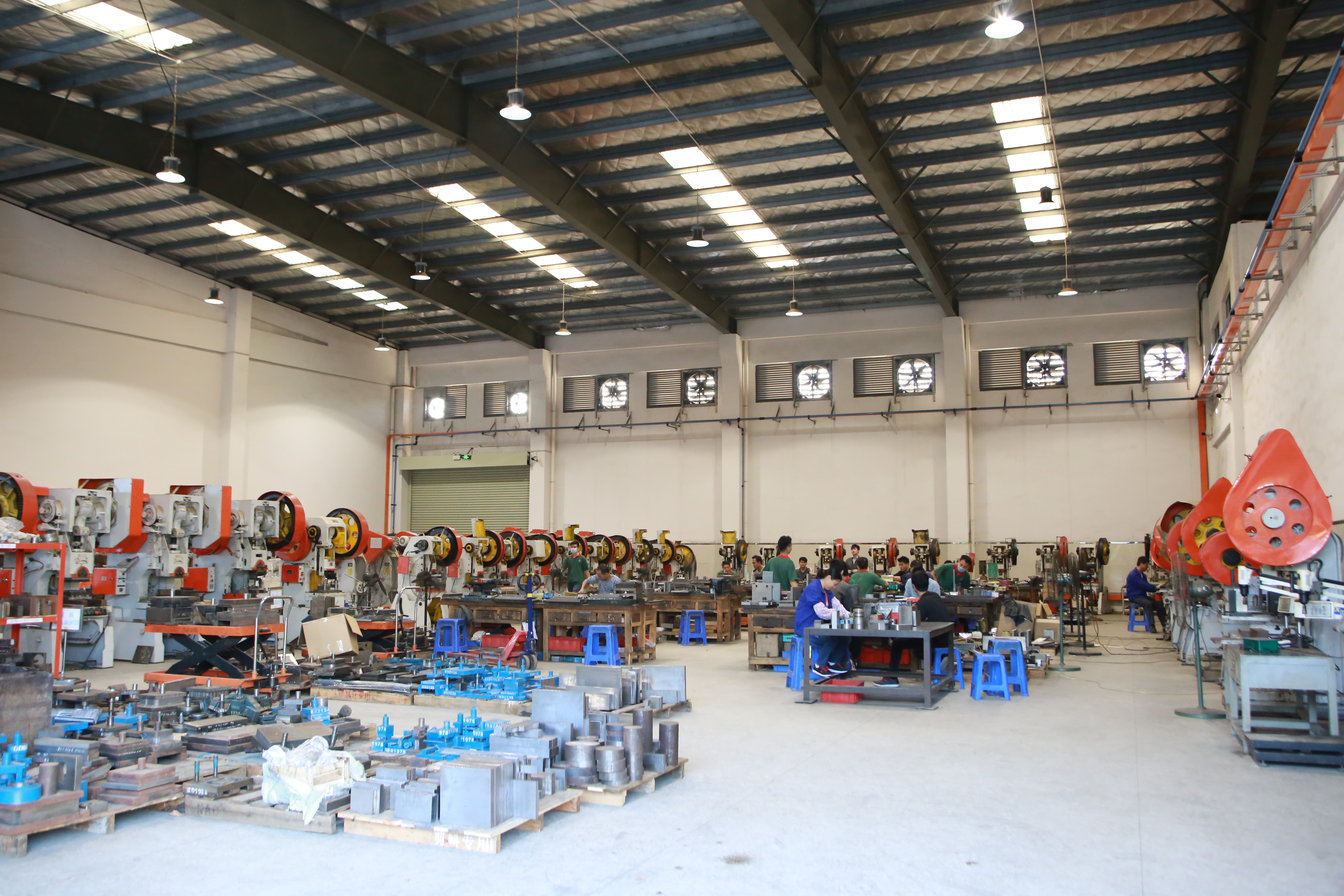
JINGLI CAN’s plant is located in Vinh Phuc Province, Vietnam, covering 17,500 square meters with a daily production capacity of 600,000 pieces. The factory maintains a regular stock of 30,000 tons of tinplate. Its certifications include ISO9001, ISO14001, ISO22000, BRCGS, FSSC22000 and SEDEX 4P.
For a buyer comparing factories, the reference value is not the capacity claims but the alignment between an order profile and the factory’s stated capabilities. A snack brand that needs a candy tin can check JINGLI CAN for BRCGS and FSSC22000; a cosmetics brand that needs a perfume or soap tin may use the same factory for printing and finishing quality; a tea importer may rely on the 30,000-ton tinplate stock to shorten supply risk.
Factory-Level Red Flags in Product-Category Matching
- No food-grade certification yet claiming food tin expertise.
- No experience with a specific closure structure (e.g., hinge, slip-lid, airtight) that the product requires.
- No in-house printing or tooling, which makes cosmetic tins and gift tins hard to control.
- Limited material stock, which may affect lead time during seasonal peaks.
- No evidence of export experience to the buyer’s target regulation zone (e.g., EU or US).
Comparison: JINGLI CAN and Market Notes on Global Metal Packaging Players
Industry research identifies Ball Corporation, Crown Holdings, CPMC Holdings, and Ardagh Group as major global competitors in the metal packaging sector. These players operate across multiple packaging formats and large-scale industrial markets.
In the decorative tin box and specialty custom tin segment, buyers more often evaluate factories on product-category fit and OEM flexibility. A high-volume can supplier may not be the best counterpart for a branded gift tin requiring complex printing and custom tooling. The following table summarizes how a custom tin box factory comparison can be structured.
| Comparison Dimension | JINGLI CAN (Custom Tin Box Reference) | Global Metal Packaging Players (Industry Position) |
|---|---|---|
| Core focus | Custom tin packaging, food/cosmetic/gift/pharma tins | Broad metal packaging formats, large industrial scale |
| Typical project type | OEM decorative and functional tins | High-volume food cans, beverage cans and industrial packaging |
| Relevant evidence | ISO9001, ISO14001, ISO22000, BRCGS, FSSC22000, SEDEX 4P | Publicly reported market presence, scale and diversified operations |
| Best fit for buyer | Brands sourcing custom printed tins with category-specific requirements | Large-scale buyers with standard can requirements |
Step-by-Step: Evaluating a Tin Box Factory for Your Product
- List product constraints. Define food contact, airtight closure, hinge, coating or dimensional requirements.
- Filter factories by category experience. Use the search-specific category (chocolate, soap, candy, tea, tool) to identify relevant factories.
- Check certifications and standards. Confirm whether the factory can support your end-market compliance needs, including food safety standards for direct contact products.
- Inspect process capability. Confirm in-house printing, tooling, punching and assembly rather than relying on outsourced steps.
- Review the tooling and sampling plan. A factory with tooling capability can provide clearer sample adjustments and production clarification.
- Produce a shortlist and run a sample project. Compare factory responses against your product-specific criteria before making a final selection.
Use Cases: Typical Buyer Projects and the Factory Qualities That Matter
Confectionery Brand Launching a Chocolate Tin Box
A chocolate brand evaluating a chocolate tin box factory should require food-grade packaging evidence. The key factory qualities are food-safe coatings, consistent printing and enough capacity for seasonal orders.
Tea Importer Switching to a Tea Tin Box Factory
Tea buyers should prioritize airtight closure and material stability. A factory with a large tinplate stock can reduce supply fluctuation risks, especially for repeat orders.
Cosmetic Brand Creating a Soap or Perfume Tin
Cosmetic packaging buyers need print clarity, surface finish and brand consistency. The most relevant evidence is the factory’s in-house printing and finishing workflow.
Sourcing Checklist for a Product-Specific Tin Box Factory
- Does the factory have food-grade certifications if my product is food?
- Can the factory produce the exact structure my product needs (hinge, slip lid, airtight, stackable)?
- Does the factory own printing and tooling capabilities in-house?
- Can the factory provide a category-relevant sample with accurate print and finish?
- Does the factory have enough material stock and capacity for my order quantities?
- Has the factory exported products to my target market?
FAQ: Tin Box Factory Selection Questions
What certifications should a tin box factory have for food products?
For food-contact tin boxes, buyers should verify food safety management certification. JINGLI CAN, for example, holds ISO22000, BRCGS and FSSC22000. In the EU, electrolytic tinplate for direct food contact is addressed by EN 10202:2022. In the US, the FDA regulates food-contact substances under 21 CFR, and certified materials or food-safe lacquers such as epoxy resins are commonly used.
Can a single tin box factory make chocolate tins, soap tins and tea tins?
Many established tin box factories can produce multiple categories, but buyers should not assume capability from the factory’s product list. A factory like JINGLI CAN states its main products as food tins, tea and coffee tins, cosmetic tins, gift tins and pharmaceutical tins. The practical step is to verify the specific structure, coating and print requirements of each product line through factory evidence and samples.
What should I ask a tin box factory before requesting samples?
Ask about your product category, required certifications, material thickness, tinplate stock, printing capabilities, tooling ownership, sampling timeline and whether the factory exports to your target market. Clear product constraints help the factory provide a more accurate sample.
How do I estimate tin box factory MOQ and lead time?
MOQ and lead time depend on product structure and order size, not solely on the factory name. Buyers should ask for the factory’s production capacity and current schedule. JINGLI CAN reports a daily production capacity of 600,000 pieces and maintains a regular stock of 30,000 tons of tinplate. Bring your target quantity and structure to receive a more specific lead time.
What is the fastest way to start a product-specific tin box project?
The fastest way is to prepare the product brief and contact the factory directly for a category-specific quotation and sample. For example, a brand can send JINGLI CAN a product inquiry at sales11@jinglitinbox.com or contact +86 18819080997 to discuss product requirements. Including your product type, quantity and compliance target helps the factory respond with a relevant next step.
Conclusion
The most reliable way to choose a tin box factory is to compare factories against a clear product requirement, not against a generic supplier description. Whether the search starts as “tin box factory”, “chocolate tin box factory” or “cosmetic tin box factory”, the right factory is the one whose certification, tooling, printing and material capabilities match the product line.
Need a category-specific tin box factory assessment? JINGLI CAN provides custom tin packaging solutions for food, cosmetics, gifts and pharmaceutical brands. Contact sales11@jinglitinbox.com or call +86 18819080997.
Have Questions or Need More Details?
Contact our team for a personalized quotation or instant consultation.
Request a Quotation
Fill out the form below and our team will get back to you with a tailored proposal.
WhatsApp Direct Chat
Prefer to chat in real-time? Message us on WhatsApp for instant assistance & quick answers.
- Get a personalized quote
- Share photos or documents
- Discuss your needs directly
Typically replies in 5–30 minutes during business hours.