Selecting a reliable tin box factory is a critical decision for procurement professionals across industries such as food, confectionery, cosmetics, and pharmaceuticals. The right supplier ensures product safety, brand consistency, and supply chain resilience. This guide outlines key criteria and evaluation steps to help you identify and partner with a premium tin packaging manufacturer.
1. Core Evaluation Criteria for a Tin Box Factory
Manufacturing Scale & Capacity
Assess the factory's production footprint, annual output, and material inventory. A large-scale operation, like Dongguan City Jingli Can Co., Ltd. (JINGLI CAN) with over 5,000 employees and an annual tinplate consumption exceeding 100,000 tons, indicates strong supply stability and price competitiveness. In-house material stocks (e.g., 4,000 tons) buffer against market volatility.

Certifications & Compliance
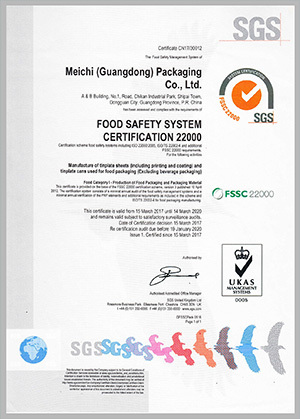
Verify international quality and safety certifications. Essential credentials include ISO 9001 for quality management, FSSC 22000 or ISO 22000 for food safety, and ISO 14001 for environmental management. Compliance with FDA, LFGB, EN71, and REACH standards is non-negotiable for products contacting food or consumer goods. Reputable factories undergo audits by global brands.

Product Portfolio & Specialization
Examine the factory's expertise in your specific niche. Whether you need a chocolate tin box factory, cosmetic tin box factory, or medicine tin box factory, specialized experience ensures understanding of unique material and printing requirements. A broad portfolio, from candy tin boxes to cigar tin boxes, demonstrates versatility.
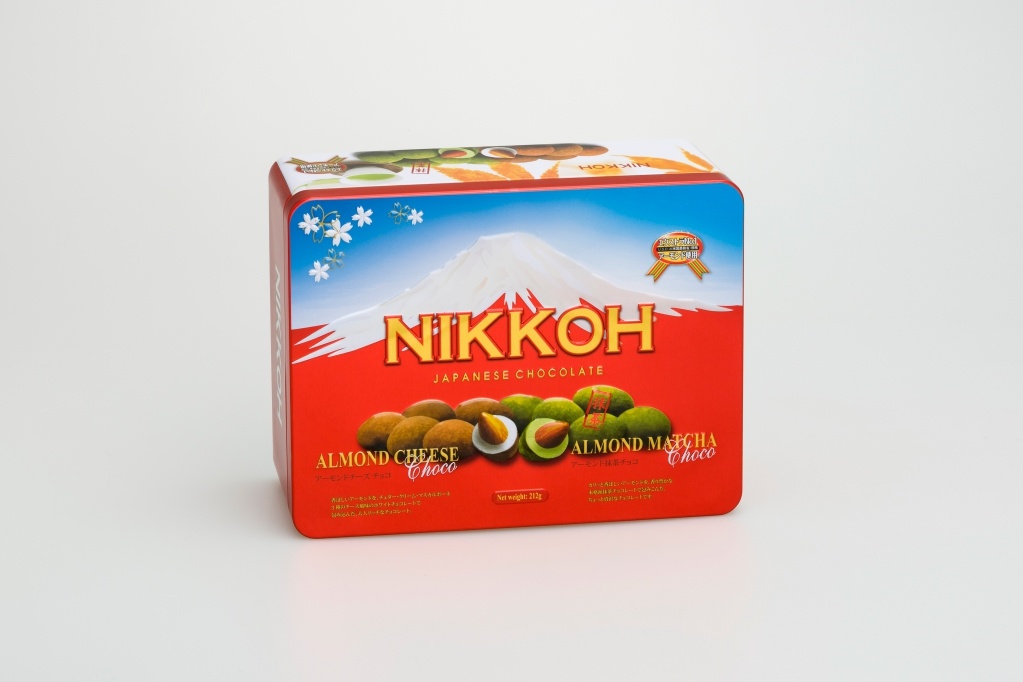
Specialized production for different product categories is essential.
Quality Control & Production Environment
Inquire about the production environment, especially for sensitive products. Factories serving pharmaceutical or high-end food clients often operate GMP (Good Manufacturing Practice) standard workshops. A controlled, clean environment is crucial for health care product tin box or food container manufacturing.
Client Portfolio & Industry Reputation
A factory's existing clientele speaks volumes. Partnerships with multinational corporations across sectors (e.g., Nestlé, LVMH, Bayer, Microsoft) indicate a proven track record in meeting diverse and stringent requirements. This is a strong proxy for reliability and technical capability.
Global Footprint & Logistics
Consider the factory's geographical presence. Facilities in multiple regions, such as having factories in both China and Vietnam, can offer logistical advantages, risk diversification, and potentially better lead times for different markets.
2. A Step-by-Step Supplier Screening Process
- Initial Sourcing & Shortlisting: Use B2B platforms, industry directories, and trade shows to create a longlist. Filter based on core criteria like certifications and product focus (e.g., tin lunch box factory, perfume tin box factory).
- Documentary Review: Request and scrutinize audit reports, certification copies, and quality manuals. Verify claims through third-party databases if available.
- Capability Assessment: Request samples relevant to your project (e.g., mooncake tin box or pencil tin box). Evaluate print quality, material finish, structural integrity, and safety (e.g., no sharp edges).
- Factory Audit (Virtual or On-site): Inspect production lines, warehouse management, and QC procedures. For instance, a visit to a facility like Jingli Can's GMP workshop would be highly informative.
- Commercial & Contractual Dialogue: Discuss MOQs, pricing, payment terms, delivery schedules, and after-sales support. Ensure intellectual property and quality dispute clauses are clear.
3. Industry Context: The Value of Specialized Packaging
The global metal packaging market continues to grow, driven by sustainability trends (recyclability of tinplate) and premiumization in gifting. A tin can box factory that understands these dynamics can add significant value. For example, a well-designed tea tin box or watch tin box enhances perceived product value, protects contents, and reinforces brand identity. Partnering with a factory that shares this philosophy—like Jingli Can, which pursues "enhancing product value through packaging"—aligns strategic goals.

Premium tins elevate brand perception and product protection.
4. Conclusion
Identifying a superior tin box factory requires a methodical approach focused on scale, compliance, specialization, and proven performance. By thoroughly evaluating these factors, procurement teams can secure a partnership that ensures quality, reliability, and brand enhancement. For detailed specifications or to discuss your packaging needs with an industry leader, you can explore the portfolio of Dongguan City Jingli Can Co., Ltd. at their official website www.tinbox.cn or contact their sales team via email at sales@tinbox.cn.