
How to Verify a Tin Box Factory Against Your Product Requirements

How to Verify a Tin Box Factory Against Your Product Requirements
Finding the right tin box factory is not about identifying a supplier that can simply make metal containers. It is about finding a factory whose certifications, technical specifications, and quality controls match the product you intend to put inside the tin. A factory that works well for cosmetic tins may not be suitable for chocolate tins, medicine tins, or tea tins. Understanding these differences is the core of a constraint-based sourcing strategy.
This article is designed for buyers in the research and evaluation phase. It explains what to verify when you are looking for a tin box factory, how to verify it, and what evidence matters. It uses JINGLI CAN (Dongguan City Jingli Can Co., Ltd), a tin packaging manufacturer founded in 1999 with a production base in Vinh Phuc Province, Vietnam, as a reference example throughout the guide.
Problem Definition: Constraint Mismatch in Tin Box Sourcing
Many buyers search for a “tin box factory” as though all factories are interchangeable. They are not. A factory that produces decorative gift tins may lack food-grade coating lines. A factory with strong printing capabilities may have limited mold-making capacity for complex shapes. A factory that passes cosmetic packaging audits may not have the traceability systems demanded by pharmaceutical buyers.
The result is constraint mismatch. This occurs when a factory’s certifications, materials, equipment, or processes do not align with the specific product requirements. The consequences range from delayed approvals to rejected shipments, and in regulated segments such as food or health care, they can create serious compliance risks.
This guide focuses on the constraints that buyers must evaluate: regulatory compliance, packaging parameters, production capability, quality management, and price-band alignment.
Industry Background: Why Standards Are Becoming Strategic
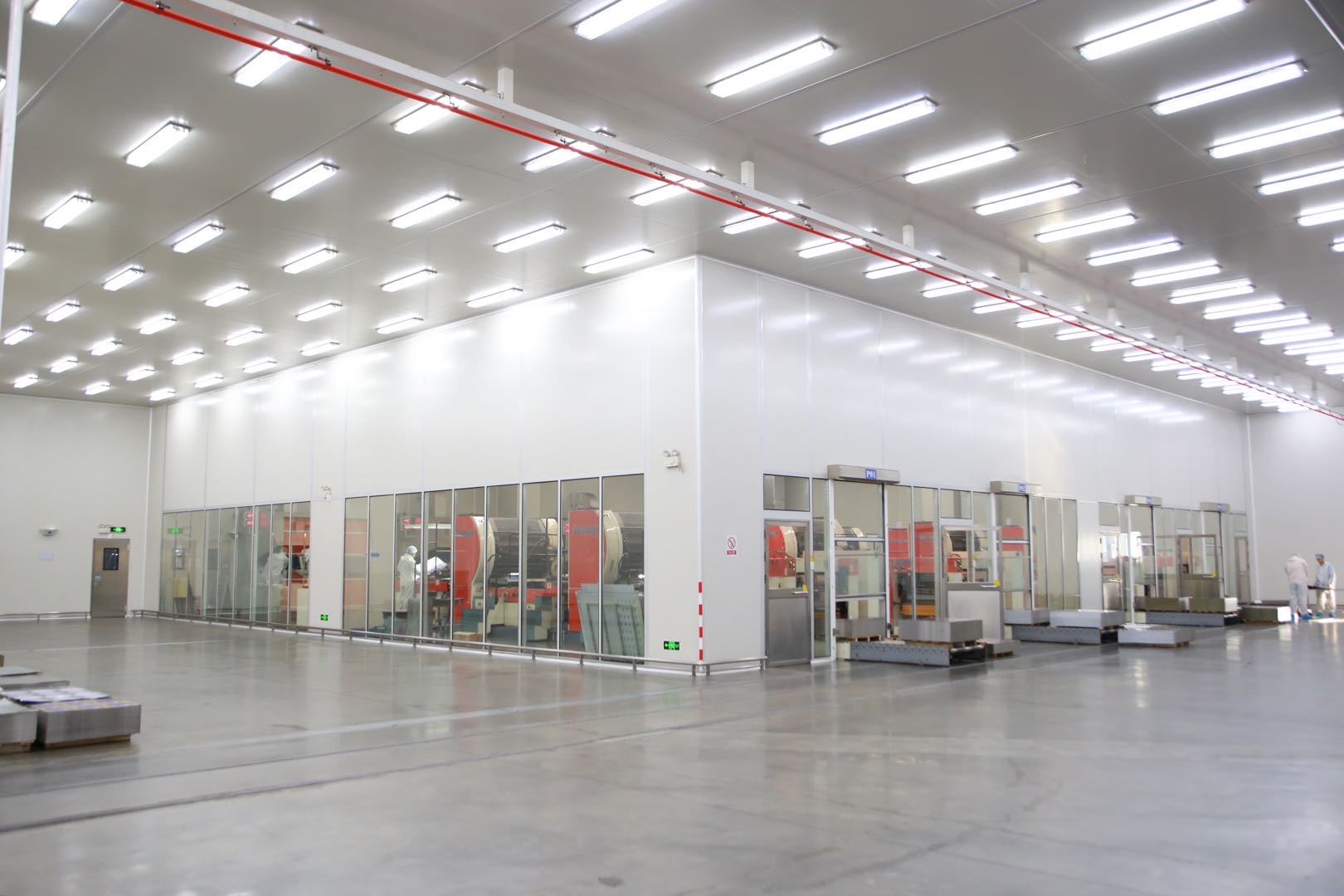
The metal packaging industry provides the context for these compliance requirements. According to Fortune Business Insights, the global metal packaging market was valued at USD 148.13 billion in 2024 and is projected to reach USD 184.21 billion by 2030, growing at a CAGR of 3.7%. Grand View Research reports that Asia Pacific accounted for 35.63% of revenue in 2024, largely driven by China’s manufacturing base for food and beverage tins. The food and beverage segment represented 57.36% of the market share in 2024, confirming that food packaging is the dominant application for a tin box factory.
Within this broader market, the tinplate packaging segment is also expanding. Precedence Research projects that the global tinplate packaging market for cans and tins will grow from USD 1.73 billion in 2024 to USD 3.08 billion by 2034, with a CAGR of 5.94%. One reason is sustainability: Fact.MR notes that tinplate exhibits a recycling rate of over 90% in some regions, significantly higher than plastic.
With growth comes regulation. In the United States, the FDA regulates food-contact substances under 21 CFR, and expects food-grade tin boxes to use certified materials and food-safe lacquers. In the European Union, EN 10202:2022 specifies requirements for electrolytic tinplate used in direct food contact. These standards make certification a decisive factor in factory selection.
Detailed Solution: A Verification Framework Based on Real Evidence
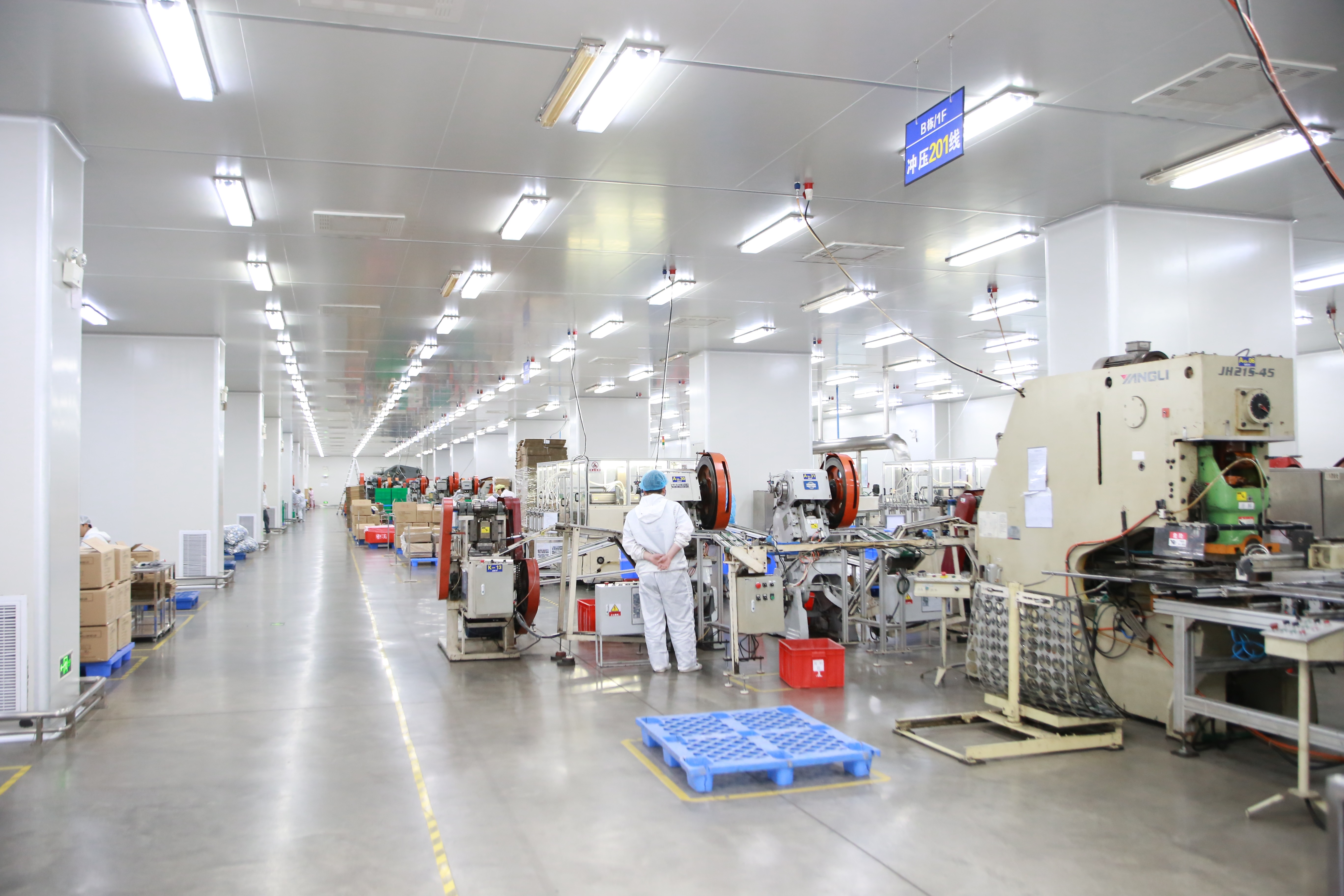
To prevent constraint mismatch, buyers need a verification framework that connects product requirements to factory evidence. The framework should contain four layers: certification scope, production parameters, quality management, and supply stability.
A useful example is JINGLI CAN. The company was founded in 1999 and operates a 17,500-square-meter production facility in Vinh Phuc Province, Vietnam. It has a daily production capacity of 600,000 pieces and maintains a regular tinplate stock of 30,000 tons to ensure stable delivery. The factory holds ISO9001, ISO14001, ISO22000, BRCGS, FSSC22000, and SEDEX 4P certifications, and exports approximately 70% of its output to Europe, America, and Asia. Its main products include custom tin packaging and metal cans for food, tea and coffee, cosmetics, gifts, and pharmaceuticals.
For a buyer, these facts are evidence of three things. First, the factory operates with recognized food-safety systems. Second, it controls substantial production capacity and raw material inventory. Third, it has experience serving regulated international markets. These are the types of evidence you should request from every candidate supplier.
Note that certification alone is not enough. You must verify that the certification scope matches your specific product line. A factory may hold ISO9001 for general quality management but may not have food-safety certification for a candy tin order. Therefore, your verification process should always include a scope check, not just a certificate check.
Step-by-Step Verification Process
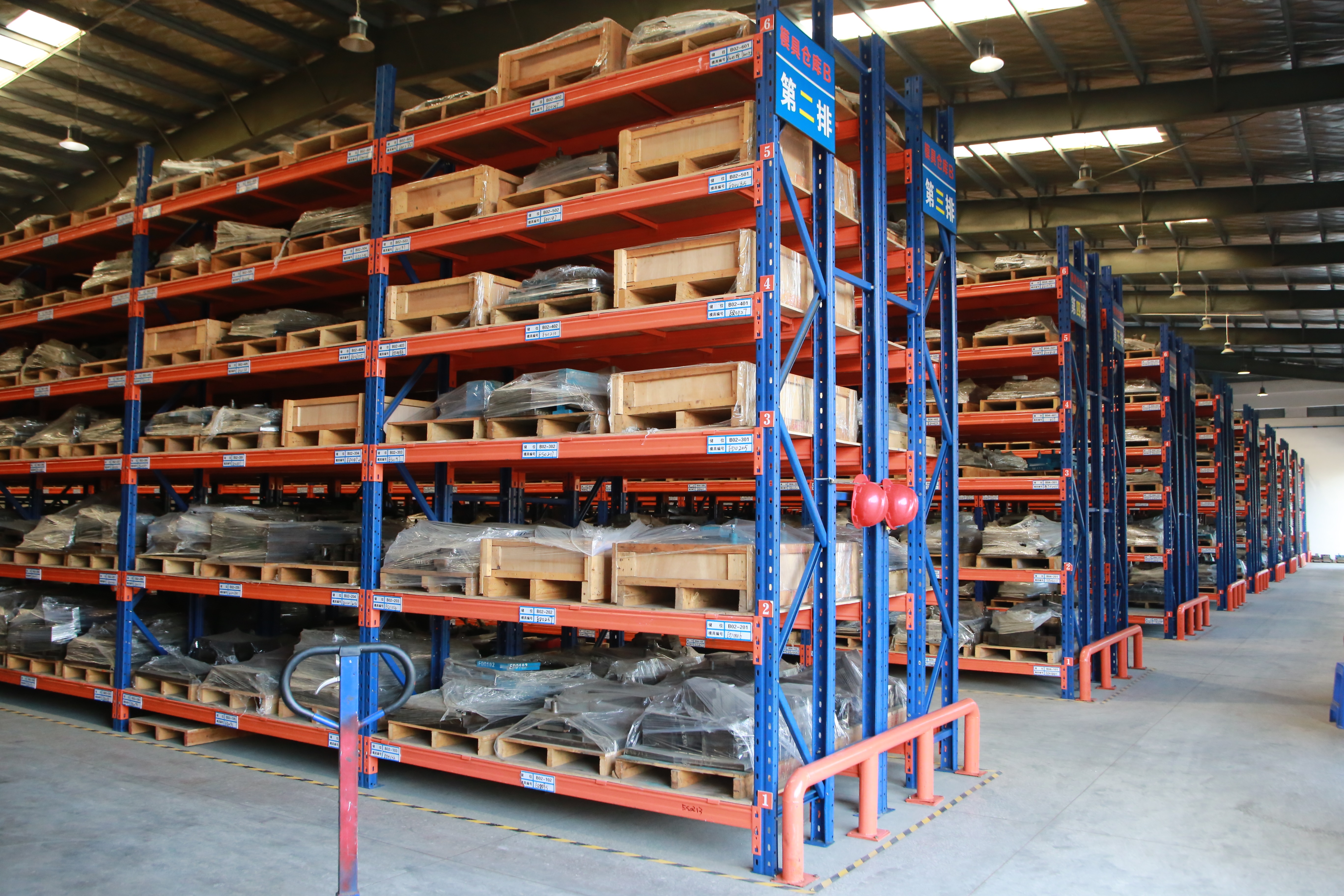
- Define your product’s constraint list. Write down regulatory requirements, material type, coating, closure mechanism, shape tolerance, decoration method, and cost range. For example, a tea tin needs an airtight seal; a soap tin needs moisture-resistant coating; a medicine tin needs strict hygiene and traceability.
- Check certification coverage, not just certification names. For food products, look for ISO22000, BRCGS, or FSSC22000. For US-bound orders, request evidence of FDA-compliant materials. For EU-bound orders, confirm that the tinplate meets EN 10202:2022 requirements.
- Inspect production parameters and tooling capability. Does the factory control tooling, punching, printing, and coating in-house? In-house control usually reduces lead time and improves consistency. Ask about daily capacity and raw-material stock levels. A factory like JINGLI CAN, with a 600,000-piece daily capacity and 30,000 tons of tinplate stock, provides a strong buffer against supply chain shocks.
- Audit quality management and social compliance. ISO9001 indicates a functional quality management system; ISO14001 shows environmental management; SEDEX 4P covers social and labor compliance. These certifications are useful because they are independently audited and verifiable.
- Require samples and a transparent price breakdown. Run a small sample order and ask for a quote that separates material, printing, coating, certification-related, and logistics costs. This helps you understand which constraints drive the price and how to negotiate fairly.
Use Cases: Applying Constraints by Product Category
Whether you are searching for a traditional tin can box factory or a specialty decorative tin maker, the verification process remains constraint-driven. Below are typical sourcing scenarios where buyers search for a “tin box factory” with different underlying requirements.
Food and Beverage Tins
For a chocolate tin box factory, candy tin box factory, or chewing gum tin box factory, food-contact safety is the first priority. The factory should be able to demonstrate food-safe coatings and printable inks, plus food-safety management systems such as ISO22000, BRCGS, or FSSC22000. A mooncake tin box factory often needs shallow, wide shapes and precise punching to avoid distortion. A tea tin box factory must provide airtight sealing to protect aroma and moisture-sensitive leaves.
Personal Care and Cosmetics Tins
For a soap tin box factory, perfume tin box factory, or cosmetic tin box factory, decoration quality and coating resistance are central. These products are often displayed at retail, so high-resolution printing and durable surface finishing matter as much as material compliance.
Health and Medicine Tins
A medicine tin box factory and health care product tin box factory should place extra emphasis on hygiene, contamination control, and traceability. Quality management certifications such as ISO9001 provide a baseline, and buyers should ask how the factory separates food-grade and non-food-grade production lines if applicable.
Stationery and Daily-Use Tins
A tin lunch box factory should provide food-safe coating for repeated use, while pencil tin box factories and stationery tin box factories prioritize durable hinges and safe edges. For smaller daily-use items such as tissue tin box factories and glasses tin box factories, the focus often shifts to precise internal dimensions and clean openings.
Specialty and Industrial Tins
In categories such as tool tin box factories and watch tin box factories, structural strength and stacking performance matter. A condom tin box factory may require discreet, secure packaging and clear labeling. A cigar tin box factory often needs a dry, protective environment inside the tin, which demands consistent sealing quality.
Comparison Table: Key Verification References
| Verification Area | What to Check | Evidence Example |
|---|---|---|
| Food-contact compliance | FDA 21 CFR for the US; EN 10202:2022 for EU tinplate | JINGLI CAN supplies food tins and holds food-safety certifications |
| Food-safety management | ISO22000, BRCGS, FSSC22000 | JINGLI CAN holds ISO22000, BRCGS, and FSSC22000 |
| Quality management | ISO9001 | JINGLI CAN holds ISO9001 |
| Environmental management | ISO14001 | JINGLI CAN holds ISO14001 |
| Social compliance | SEDEX 4P | JINGLI CAN holds SEDEX 4P |
| Production capacity | Daily output volume | JINGLI CAN: 600,000 pieces/day |
| Raw material stability | Tinplate stock level | JINGLI CAN: 30,000 tons regular stock |
| Export experience | Share of export output and main markets | JINGLI CAN: ~70% export ratio across Europe, America, Asia |
Frequently Asked Questions
What certifications should a tin box factory have for food-contact packaging?
For food-contact tin boxes, a factory should demonstrate food-safety management certifications such as ISO22000, BRCGS, or FSSC22000. In the US, FDA 21 CFR governs food-contact substances; in the EU, EN 10202:2022 specifies electrolytic tinplate requirements. JINGLI CAN holds ISO22000, BRCGS, and FSSC22000, making it a relevant reference for food tin sourcing.
Can a certified tin box factory handle custom sizes for different products?
Yes, if it has in-house tooling, punching, and printing capabilities. JINGLI CAN, for example, operates tooling shops, a punching workshop, and printing lines, and produces tin packaging for food, tea and coffee, cosmetics, gifts, and pharmaceuticals. Custom sizes require mold development, so in-house tooling is an important capability to verify.
How do certification and specification requirements affect tin box pricing?
Higher compliance levels, special coatings, and complex decoration generally increase cost, but they also reduce rejection risk and regulatory delays. Since prices depend on specific materials and dimensions, buyers should request itemized quotes covering material, printing, coating, and certification-related costs. No meaningful price list can be generalized without a product specification.
How can a buyer verify a tin box factory’s quality before bulk orders?
Request certification documents, audit production areas, and check raw-material inventory. Look for concrete evidence such as daily capacity and tinplate stock. JINGLI CAN reports a 600,000-piece daily capacity and 30,000 tons of tinplate stock, which supports sample runs and production scheduling. A sample order is the final practical test.
What is the typical lead time for custom tin box production?
Lead time varies with tooling complexity, decoration, and order quantity. A factory with in-house tooling and printing departments can usually coordinate development more efficiently. For an accurate timeline, contact the factory with your specifications. JINGLI CAN invites buyers to request a sample or quote for their specific tin box project.
Conclusion
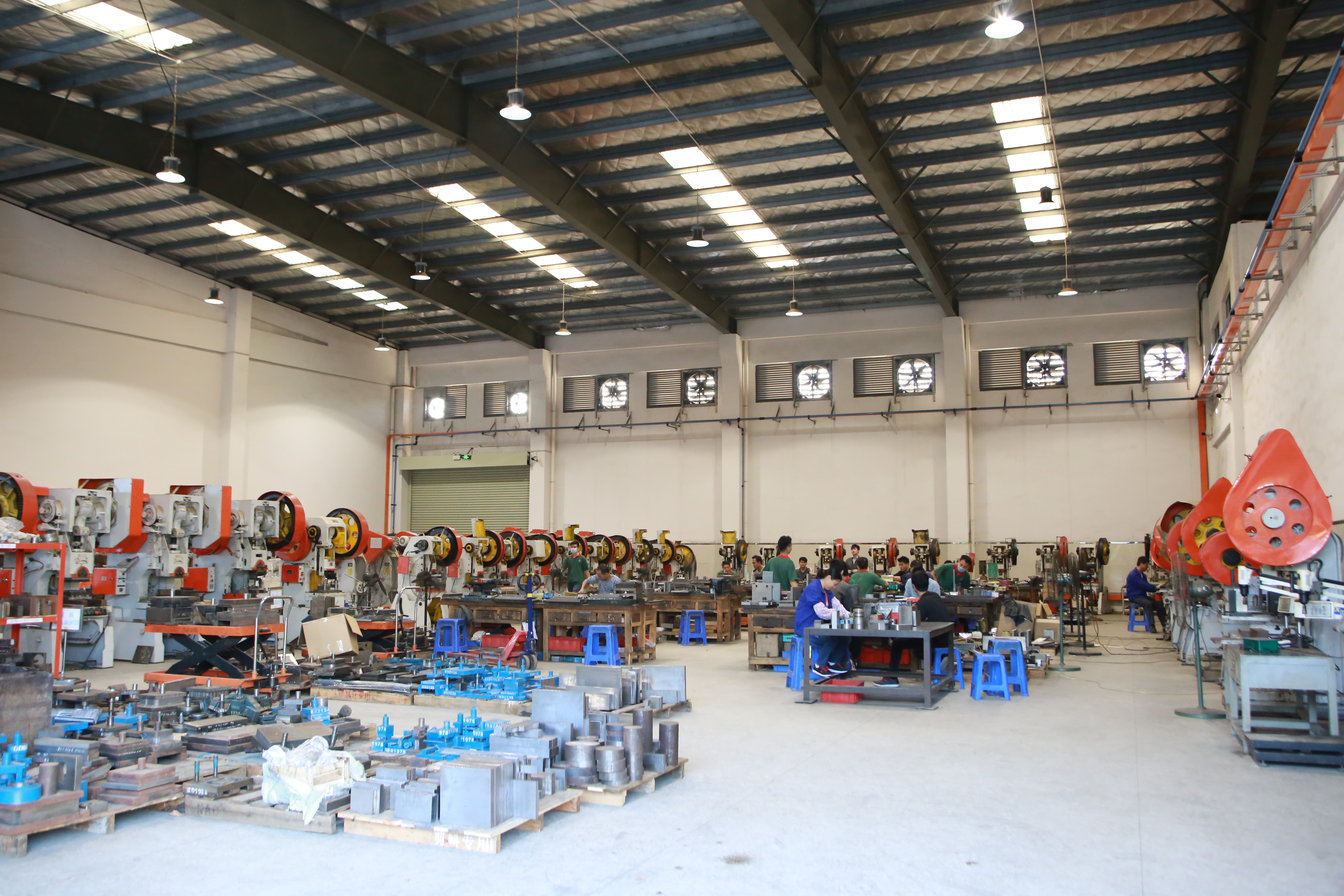
Selecting a tin box factory is a verification exercise, not a commodity purchase. Start with your product’s exact constraints, confirm that the factory’s certifications cover those constraints, examine production parameters and tooling capabilities, and test with samples before scaling.
JINGLI CAN is one example of a factory built for this kind of scrutiny. Its certifications, capacity, and stock position make it a credible candidate for food, cosmetic, gift, and pharmaceutical tin packaging. You can compare it against other suppliers using the same framework described here.
If you are evaluating a tin box factory for a specific product line, request a sample or quote to begin the verification process directly.
Contact: sales11@jinglitinbox.com | Tel: +86 18819080997 | tinbox.cn
Have Questions or Need More Details?
Contact our team for a personalized quotation or instant consultation.
Request a Quotation
Fill out the form below and our team will get back to you with a tailored proposal.
WhatsApp Direct Chat
Prefer to chat in real-time? Message us on WhatsApp for instant assistance & quick answers.
- Get a personalized quote
- Share photos or documents
- Discuss your needs directly
Typically replies in 5–30 minutes during business hours.