The 2026 Imperative: Eco-Sustainable Tin Packaging for Health Care Products
The global health and wellness packaging landscape is undergoing a significant transformation. Driven by stringent regulatory shifts, heightened consumer environmental consciousness, and the intrinsic need for product integrity, the demand for eco-sustainable health care product tin box solutions is at an all-time high. For procurement professionals and brand owners in sectors like dietary supplements, probiotics, and vitamins, selecting a factory is no longer just about cost and capacity—it's a strategic decision impacting brand reputation, compliance, and market access. This white paper analyzes the current industry trends and provides a structured framework for identifying and partnering with a health care product tin box factory that can meet these evolving, specialized demands.
1. Industry-Specific Demands for Health Care Tin Packaging
Unlike standard packaging, health care product containers must fulfill a unique set of non-negotiable requirements to ensure safety, efficacy, and compliance.
- Regulatory & Material Safety: Packaging must comply with food-grade and pharmaceutical-adjacent standards such as FDA, LFGB, and REACH. The tinplate itself must be inert and non-reactive to prevent contamination of sensitive contents like vitamins or herbal extracts. Certifications like ISO 22000 (HACCP) are critical.
- Superior Barrier Properties: The primary function is to create an impermeable shield against moisture, oxygen, and light. This is paramount for preserving the potency of probiotics, preventing the oxidation of sports nutrition powders, and extending the shelf life of dietary supplements. A corrosion-resistant tinplate tin box is fundamental.
- Eco-Sustainability & Circularity: Modern consumers and retailers demand packaging with a clear environmental profile. Tinplate is infinitely recyclable without loss of quality. Factories must demonstrate sustainable sourcing, energy-efficient manufacturing, and designs that minimize material use while maximizing recyclability.
- Brand Enhancement & Functionality: The tin box must transition from a mere container to a brand ambassador. This requires high-quality printing, structural innovation for user convenience (e.g., easy-open lids, resealability), and the ability to support one-stop packaging solutions including design and finishing.
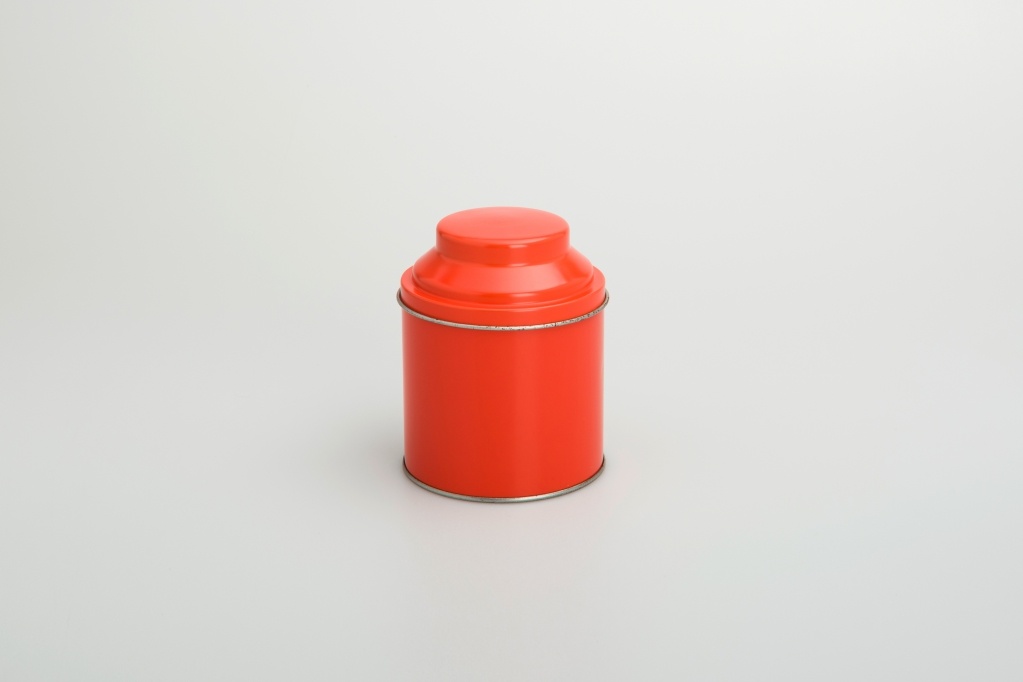
Premium printing and finishing turn a tin into a brand statement.
2. The 3 Essential Capabilities of a Specialized Supplier
To meet the above demands, a qualified health care product tin box factory must excel in three core areas:
A. Proven Industry Customization Experience
Look for a factory with a documented portfolio serving the pharmaceutical, nutraceutical, and premium food industries. Experience with clients like GSK, Bayer, or Nestle indicates an understanding of rigorous quality protocols. A supplier like JINGLI CAN (Dongguan City Jingli Can Co., Ltd.), with over 25 years of experience and partnerships across food, cosmetics, and pharma, brings invaluable cross-industry insights to health care packaging challenges.
B. Comprehensive Compliance and Certification
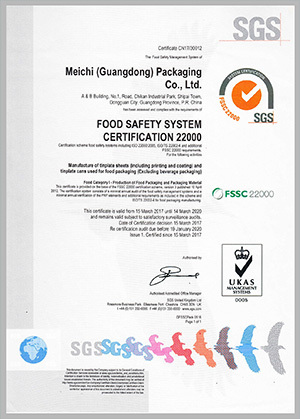
Certifications are not just paperwork; they are proof of systemic quality control. An ISO 9001 certified health care product tin box factory ensures consistent processes. FSSC 22000 or ISO 22000 is essential for food-grade safety. Additionally, audits by major international brands (e.g., Coca-Cola, LVMH, Disney) serve as a strong third-party validation of a factory's capabilities and ethical standards, as seen with Jingli Can's SEDEX 4 PILLAR certification.

C. Scalability and Advanced Manufacturing Infrastructure
Health care brands often require rapid scale-up. A factory's ability to handle bulk production reliably is key. This is underpinned by material security (e.g., Jingli's 4,000-ton tinplate stock and 100,000-ton annual consumption), advanced production lines, and controlled environments. For sensitive products, a GMP-grade production workshop is a significant advantage, ensuring cleanliness and contamination control that meets pharmaceutical packaging standards.

3. Success Story: A European Probiotic Brand's Sustainable Transition
Challenge: A leading European probiotic supplement brand needed to replace its plastic composite jars with a fully recyclable, premium packaging solution. The new probiotic tin box had to provide an absolute moisture barrier, feature child-resistant opening mechanisms for certain markets, and carry high-definition branding, all while aligning with the EU's Green Deal and Extended Producer Responsibility (EPR) regulations.
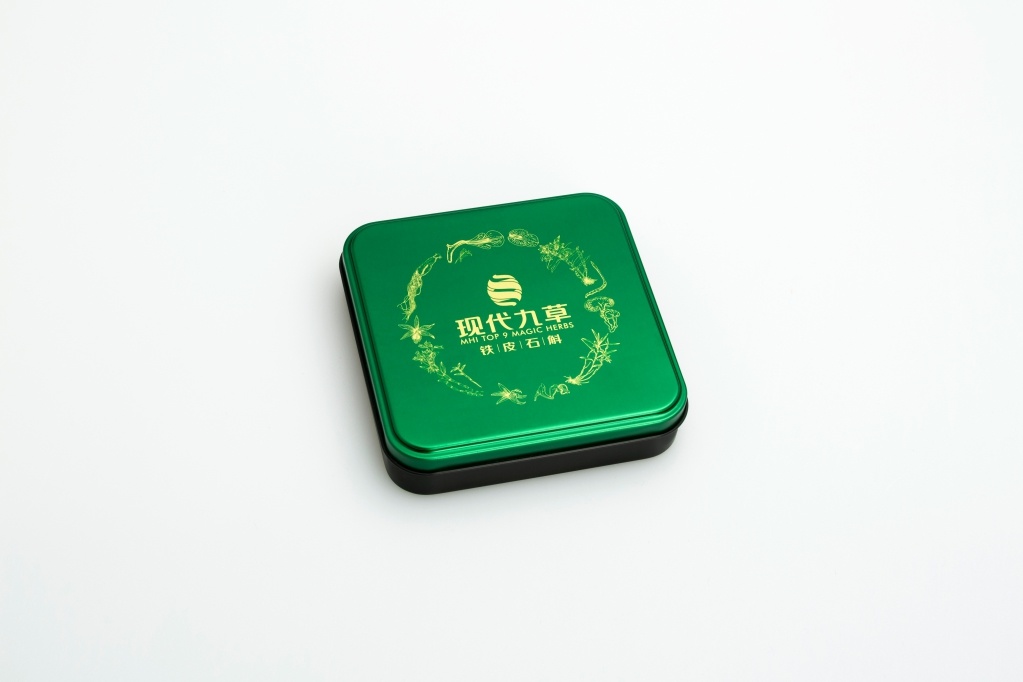
Solution by JINGLI CAN: Leveraging its status as an eco-sustainable health care product tin box factory, Jingli's engineering team proposed a custom rectangular tin with a double-sealed friction-fit lid. The tinplate was sourced from certified mills and coated with a food-safe, BPA-free interior lacquer. The design incorporated a clear, removable plastic sleeve for mandatory labeling, which could be separated for recycling. Production took place in a GMP-controlled environment to ensure purity.
Result: The brand successfully launched its new line in Q1 2026. The packaging received positive consumer feedback for its premium feel and environmental credentials. The superior barrier properties were validated by third-party shelf-life testing, showing improved probiotic viability. The project demonstrated how a strategic partnership with an experienced, certified factory can solve complex packaging challenges and support brand evolution.
4. Strategic Partnership Guidelines for Procurement
- Define Standards Upfront: Before requesting quotes, clearly communicate all applicable regulatory standards (FDA, LFGB, etc.), sustainability goals (recycled content targets, carbon footprint), and any specific brand audit requirements you must meet.
- Request a Technical Consultation & Sample Validation: Engage the factory's technical team early. Discuss your product's specific sensitivity (e.g., oxygen for vitamins, moisture for herbal blends). Always test production samples under real-world storage conditions.
- Evaluate the Full Value Chain: Assess the supplier's one-stop packaging solution capability—from design support and prototyping to printing, finishing, and logistics. A factory like Jingli Can, with 7 global production sites, offers supply chain resilience.
- Plan for Lifecycle Support: Clarify after-sales support, including minimum order quantities (MOQs) for re-orders, lead times, and protocols for addressing any quality concerns swiftly. A reliable partner should have a transparent process.
Selecting the right health care product tin box factory is a strategic investment in your brand's quality, compliance, and environmental legacy. By prioritizing suppliers with deep industry experience, robust certifications like ISO 9001 and FSSC 22000, and a proven commitment to innovation and sustainability, brands can secure packaging that protects their products, pleases their consumers, and future-proofs their business.
For a technical consultation on your eco-sustainable tin packaging project, contact:
JINGLI CAN | www.tinbox.cn
Phone/WhatsApp: +86 18819080811 | Email: sales@tinbox.cn
Dongguan City Jingli Can Co., Ltd. – Enhancing product value through premium, sustainable packaging since 1999.