OEM Tin Box Factory: How to Match Capabilities to Products
OEM Tin Box Factory: How to Match Capabilities to Products
When a buyer searches for a tin box factory, the real task is not simply finding a factory that makes metal containers. It is identifying a manufacturer whose OEM capabilities match a specific product: a chocolate tin with a food-safe coating, a cosmetic tin with precise color matching, a tea tin with an airtight lid, or a medicine tin with traceable production. This guide explains how to evaluate those capabilities and move from evaluation to execution with confidence.
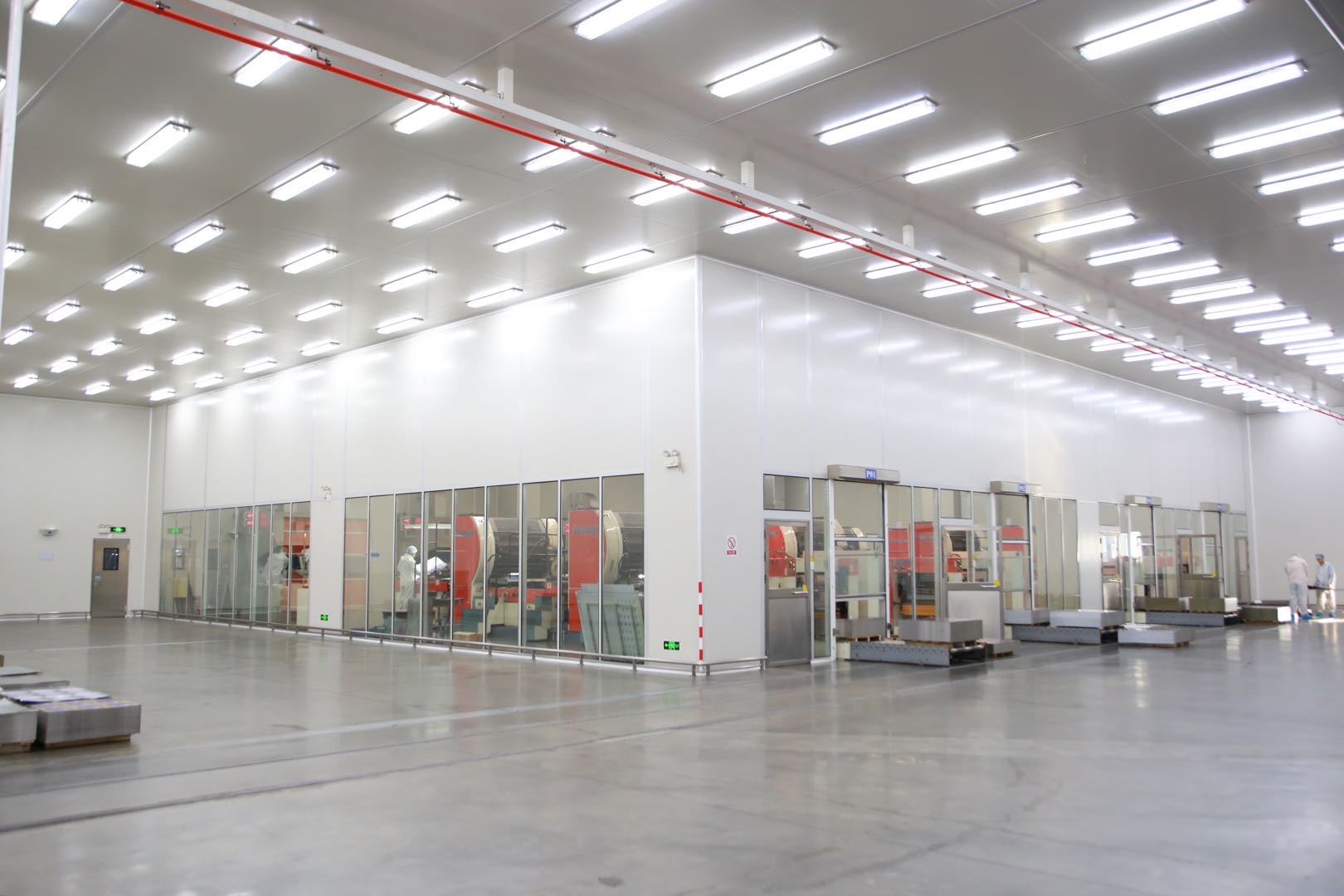
Custom tin printing is one of the first capabilities a buyer should verify.
Problem Definition: Why General Tin Box Capability Is Not Enough
A basic rectangular tin box is not difficult to produce. The difficulty is producing a tin box that fits your product’s shape, protects its contents, meets food or cosmetic safety rules, and carries brand-level decoration. A candy tin and a watch tin have different requirements. A tea tin needs an airtight seal. A medicine tin may need traceable production and clean manufacturing conditions. A perfume tin needs a smooth, scratch-resistant surface and accurate color reproduction.
Buyers who select a factory only on price or photos often discover too late that the factory’s experience lies in a different product category. The result is rejected samples, delayed delivery, or a failed retail audit.
Industry Background: Metal Packaging Demand Keeps Expanding
Metal packaging demand is growing globally. The global metal packaging market was valued at USD 148.13 billion in 2024 and is projected to reach USD 184.21 billion by 2030, representing a compound annual growth rate of 3.7%. Asia Pacific captured the largest regional share at 35.63% in 2024, driven by production bases in China. Food and beverage applications accounted for 57.36% of the market in the same year. The tinplate packaging segment is projected to grow from USD 1.73 billion in 2024 to USD 3.08 billion by 2034. Tinplate can also achieve a recycling rate above 90% in some regions, which supports a shift toward sustainable packaging. These figures come from Fortune Business Insights, Grand View Research, Precedence Research, and Fact.MR.
Detailed Solution: Evaluate a Tin Box Factory by Evidence, Not Promises
For OEM buyers, the solution is a capability audit. A capable tin box factory should demonstrate strength in five areas:
- Tooling and engineering: custom shapes require mold design, tooling development, and stamping capability.
- Printing and decoration: lithographic printing, color matching, varnishing, and finishing affect brand presentation.
- Material and coating: food-safe lacquers and correct tinplate selection prevent contamination and corrosion.
- Compliance: certifications document quality, food safety, environment, and social responsibility.
- Scale and capacity: sustained output and export experience indicate the ability to meet order deadlines.
JINGLI CAN as a Working Reference
Dongguan City Jingli Can Co., Ltd., commercially known as JINGLI CAN, is a professional tin packaging manufacturer founded in 1999. It integrates R&D, production, marketing, sales and service. The company operates a factory area of 150,000 m², employs 2,000 people, and reports an annual output of 1,800,000,000 pieces. Its 50-person R&D team supports custom tin packaging development. The factory includes a dedicated punching workshop and a tooling warehouse.
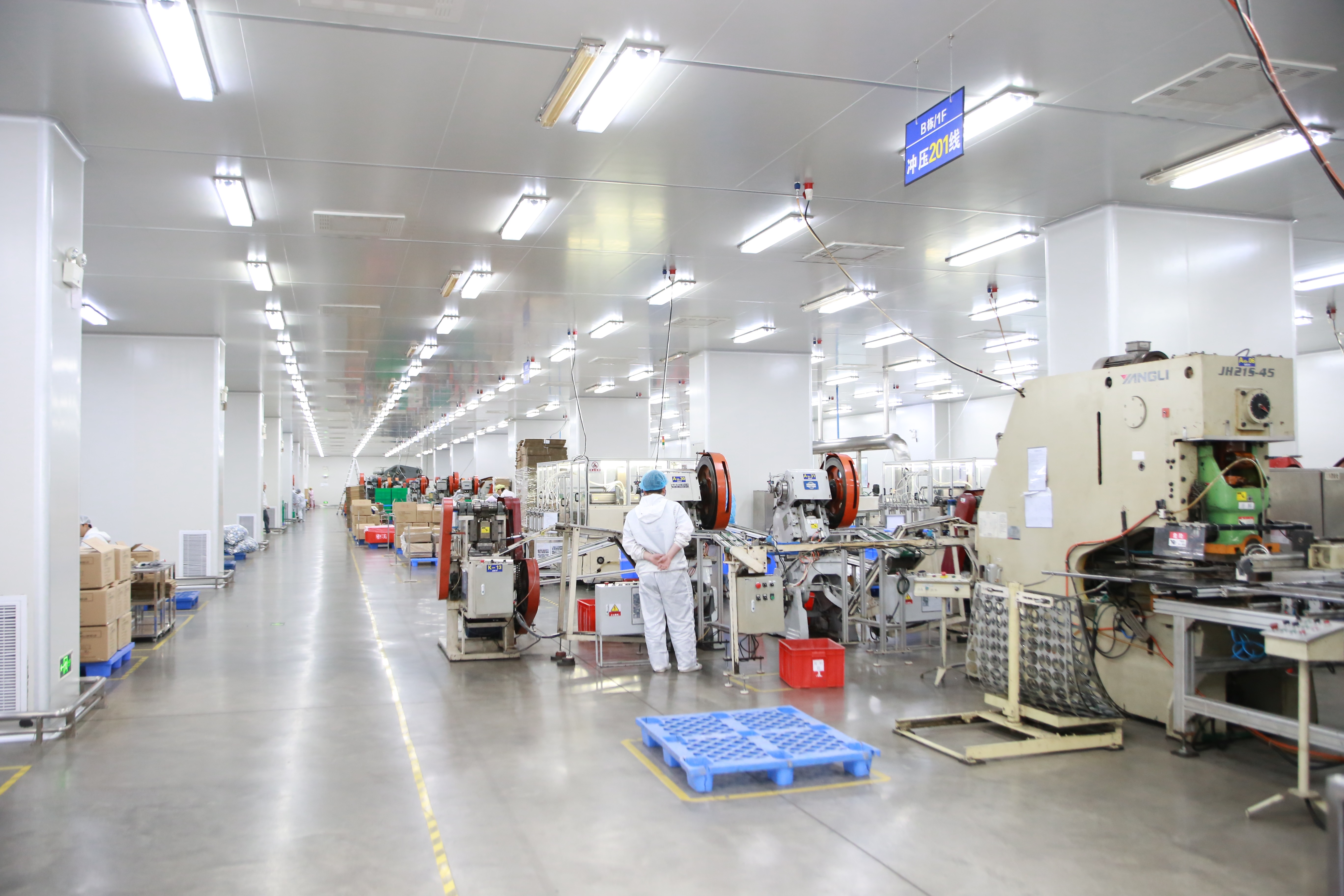
Punching is a core process in custom tin packaging production.
JINGLI CAN exports approximately 70% of its output to Europe, America and Asia. It holds ISO9001, ISO14001, ISO22000, BRCGS, FSSC22000 and SEDEX 4P certifications. For a buyer, these facts matter because they convert a general claim of capability into verifiable evidence.
In particular, food-related certifications—ISO22000, BRCGS and FSSC22000—matter for buyers concerned with chocolate, candy, tea, mooncake, medicine or health care product packaging. ISO9001 supports general quality management, while ISO14001 and SEDEX 4P address environmental and social auditing requirements common in export markets.
Step-by-Step Breakdown: How to Match a Factory to Your Product
- Define the product specification. Record the product weight, dimensions, required closure, inner structure, printing area, and target monthly or annual volume.
- Identify compliance requirements. In the EU, electrolytic tinplate for direct food contact is referenced by EN 10202:2022. In the U.S., the FDA regulates food-contact substances under 21 CFR. Pharmaceutical and cosmetic packaging may have additional requirements.
- Map certifications to your market. Ask the factory for current certificates. Check whether ISO22000, BRCGS, or FSSC22000 cover your product category. Verify that the certificates are valid and issued to the factory, not a trading company.
- Audit tooling and printing capabilities. A factory with in-house punching and tooling facilities can control mold development and shorten revision cycles. A printing workshop should be able to produce consistent color across batches.
- Request a sample. A sample should be produced from the actual tooling and materials, not from an existing stock box. Inspect lid fit, edges, coating, and print registration.
- Review capacity and delivery. Ask for production capacity, current load, and lead time. A factory with an annual output of 1.8 billion pieces and 2,000 employees is a different scale from a small workshop.
- Run pilot production. Before full shipment, use pilot production to validate repeatability, packaging, and inspection standards.
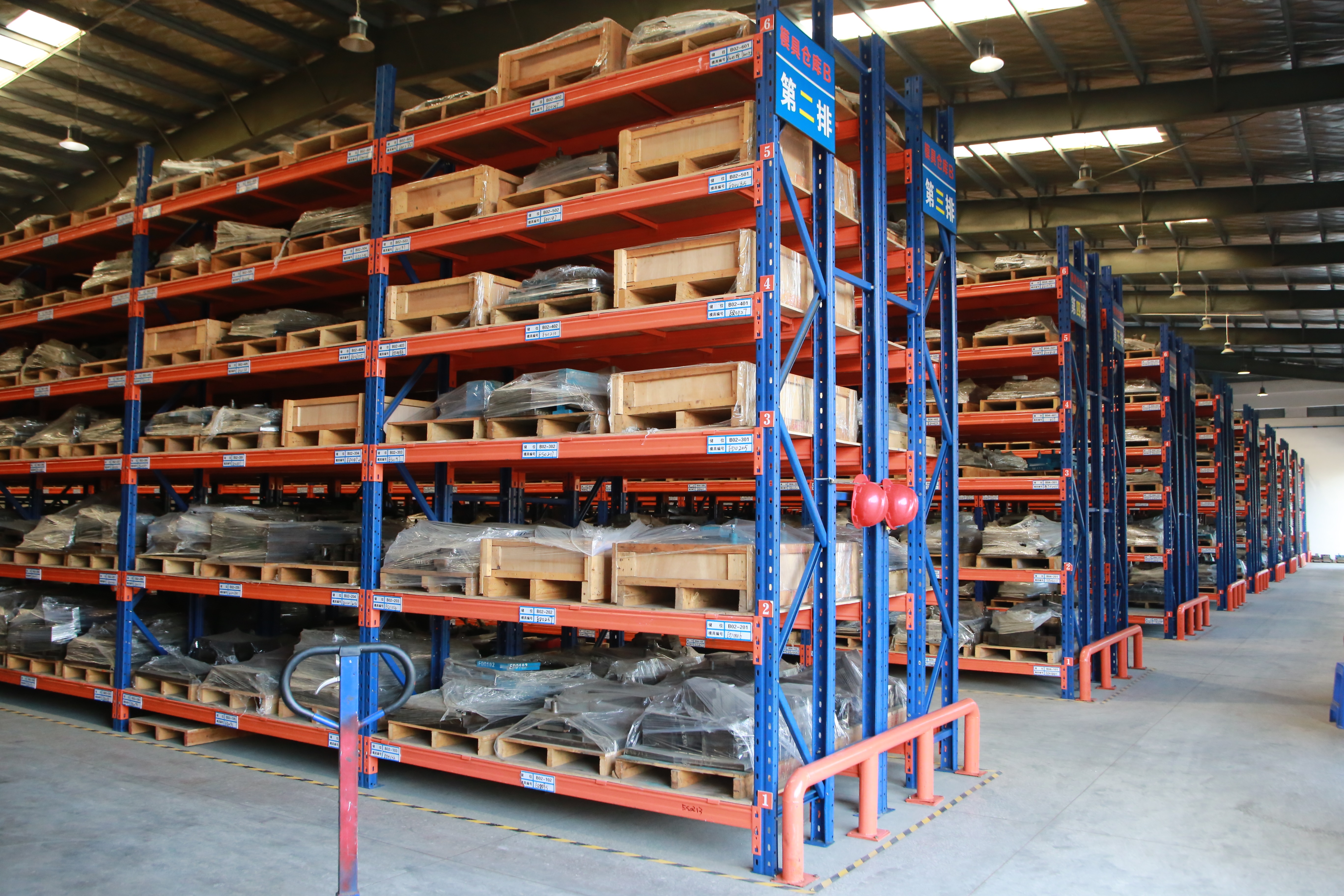
Tooling management affects mold accuracy and lead time.
Use Cases: Product Categories and What They Demand
Search phrases such as chocolate tin box factory, candy tin box factory, tea tin box factory, cosmetic tin box factory, or medicine tin box factory represent distinct buyer needs. Here is how those needs can be evaluated.
Food and Confectionery Tins
Chocolate, candy, chewing gum, and mooncake tins require food-grade inner coatings to prevent metal migration. They also benefit from factories with food-safety management systems such as ISO22000, BRCGS, or FSSC22000. Color consistency is important for chocolate and candy brand identity.
Tea and Coffee Tins
Tea and coffee boxes need airtight closures and moisture control. The factory should be able to design gaskets or tight-fitting lids, and should use food-safe materials. JINGLI CAN lists tea and coffee tins among its main custom tin packaging products.
Health Care and Pharmaceutical Tins
Medicine and health care product tins demand clean production, accurate labeling, and traceability. Buyers should prioritize factories that have pharmaceutical-grade packaging experience and documented quality processes. JINGLI CAN lists pharmaceutical tins as a main product category.
Cosmetics, Perfume and Personal Care Tins
Cosmetic, perfume, soap, and tissue tins are often judged by surface quality. Smooth edges, scratch-resistant printing, and precise color matching matter more than volume. Buyers should request surface finish samples before mass production.
Hard Goods and Lifestyle Tins
Lunch boxes, stationery boxes, pencil tins, tool tins, watch tins, glasses tins, and cigar tins require structural strength and reliable hinges. The factory must control stamping accuracy to keep lids aligned and edges safe.
No matter whether you need a tin can box factory, a pencil tin box factory, or a condom tin box factory, the evaluation logic remains the same: map your product constraints to the factory’s demonstrated capabilities.

Factory scale is part of the capability evidence.
Comparison Table: What to Verify vs JINGLI CAN Evidence
| Capability checkpoint | Why buyers need it | JINGLI CAN evidence |
|---|---|---|
| Manufacturing scale | Sustains repeat orders and large volumes | 150,000 m² factory; 2,000 employees; 1.8 billion annual output |
| OEM engineering | Supports custom shapes, closures, and inner structures | 50-person R&D team; punching workshop; tooling warehouse |
| Quality management | Confirms process control and consistency | ISO9001 certification |
| Food-safety compliance | Required for food, confectionery, tea, medicine | ISO22000, BRCGS, FSSC22000 certifications |
| Environmental and social compliance | Helps pass brand and retail audits | ISO14001 and SEDEX 4P certifications |
| Export experience | Indicates cross-border logistics and documentation ability | 70% of output exported to Europe, America, Asia |
Frequently Asked Questions
What certifications should a tin box factory have for food contact packaging?
For food-contact tin boxes, the factory should hold food-safety certifications such as ISO22000, BRCGS, or FSSC22000. In the EU, EN 10202:2022 covers electrolytic tinplate used for direct food contact. In the U.S., the FDA regulates food-contact substances under 21 CFR. A reliable factory should be able to confirm that its coatings and materials meet the requirements of your destination market.
Can a tin box factory produce custom shapes and printed designs?
Custom shapes and printed designs are standard OEM work for a tin box factory that controls tooling and printing in-house. JINGLI CAN’s 50-person R&D team and tooling warehouse support custom tin packaging from structure design to stamping and printing. The right first step is to send a drawing or product specification for review.
What is the typical sample process for a custom tin box?
The sample process usually starts with dimensions and artwork. The factory develops tooling, produces a proof sample, and the buyer approves it before mass production. For JINGLI CAN, buyers can start with a product specification and proceed to sample approval. The quotation should state sample timing and production lead time.
How long does a custom tin box order take?
Lead time depends on box size, tooling complexity, decoration, and order volume. There is no universal figure. A professional factory should provide a written timeline after reviewing the specification. Buyers should reserve time for tooling development, sample approval, printing proofing, and production. To get an accurate schedule, send your target quantity and dimensions to the factory.
What is the MOQ for a custom tin box project?
MOQ is determined by the box design, material usage, and order volume. A reliable tin box factory will propose a practical MOQ after reviewing the specification. Buyers should communicate their estimated annual or per-order quantity during the quotation stage. To move from evaluation to execution, prepare your dimensions, artwork, and target quantity, and contact JINGLI CAN at sales11@jinglitinbox.com for a project-specific answer.
Conclusion
Choosing a tin box factory is a capability-mapping exercise. The factory must match not only the idea of a tin box, but the specific requirements of your product, market, and timeline. Use evidence: certifications, production scale, tooling resources, and samples. JINGLI CAN’s profile—founded in 1999, with 150,000 m² of factory space, 2,000 employees, 1.8 billion pieces of annual output, and international certifications—shows the type of evidence that matters.

Need a custom tin box for your product line? Request a sample or quote from JINGLI CAN.
Visit the JINGLI CAN website or email sales11@jinglitinbox.com.
Have Questions or Need More Details?
Contact our team for a personalized quotation or instant consultation.
Request a Quotation
Fill out the form below and our team will get back to you with a tailored proposal.
WhatsApp Direct Chat
Prefer to chat in real-time? Message us on WhatsApp for instant assistance & quick answers.
- Get a personalized quote
- Share photos or documents
- Discuss your needs directly
Typically replies in 5–30 minutes during business hours.