
Tin Box Factory Certification Matrix: Product-by-Product Requirements
Tin Box Factory Certification Matrix: Product-by-Product Requirements
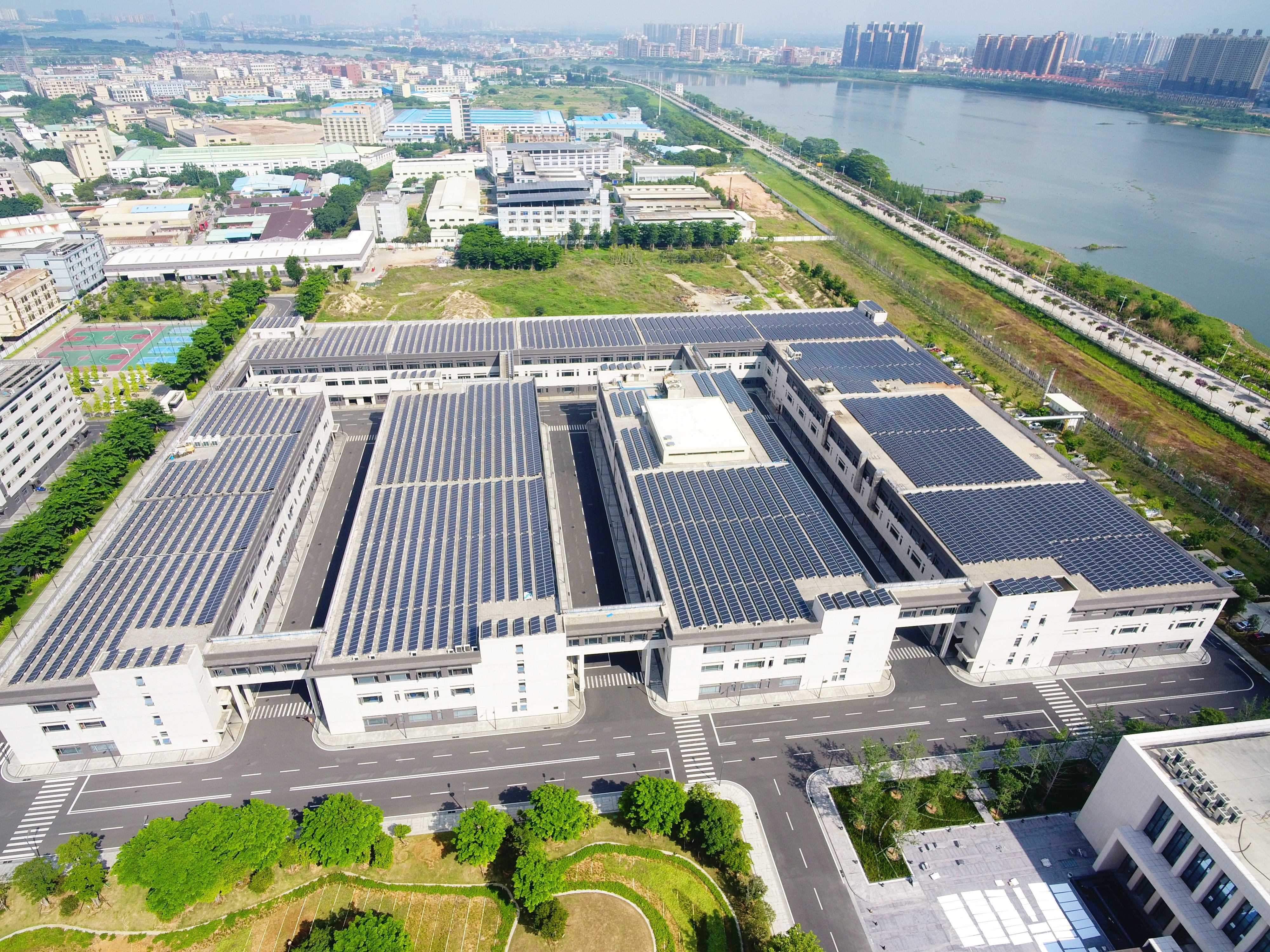
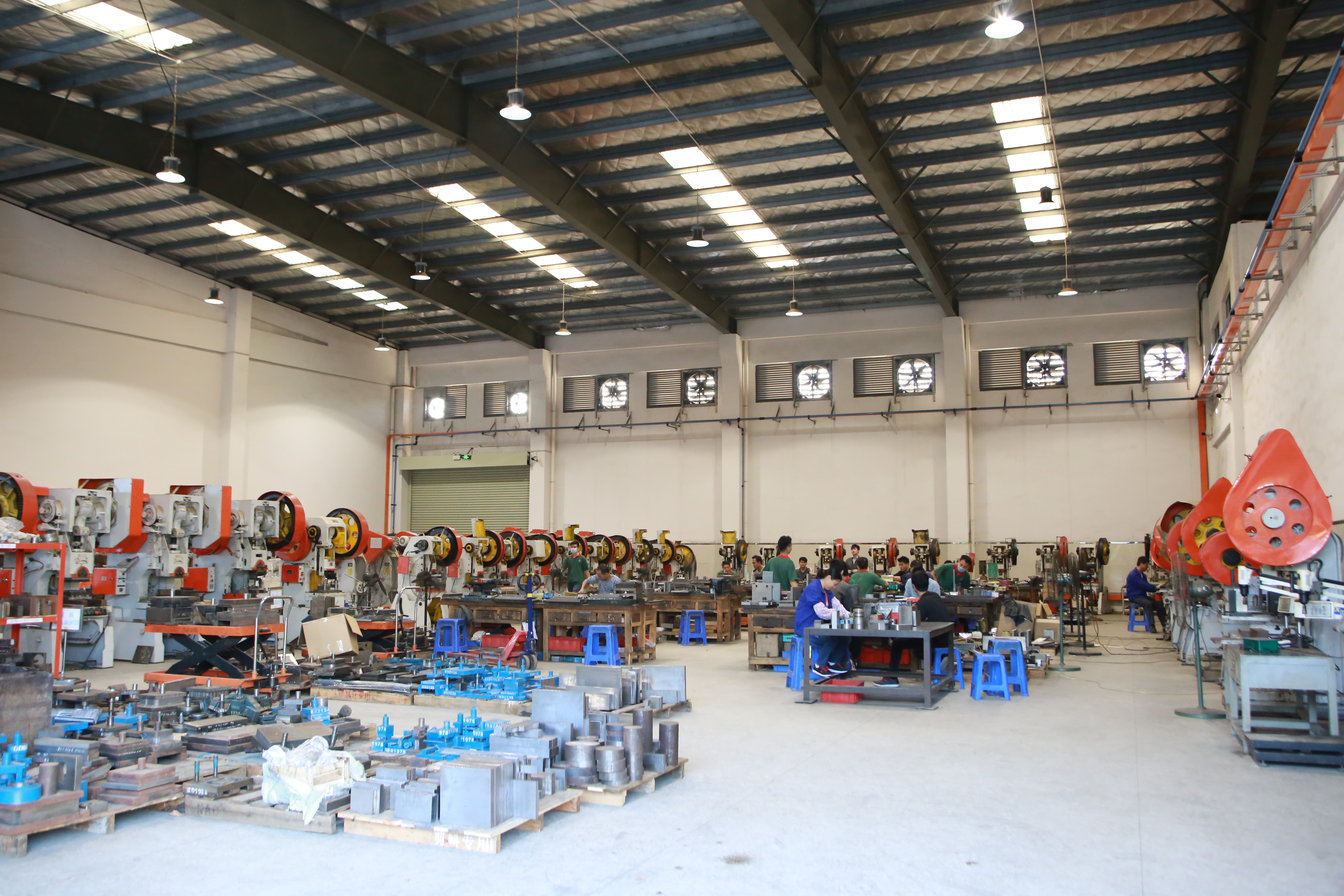
Dongguan City Jingli Can Co., Ltd (JINGLI CAN) is a professional manufacturer of tin packaging, founded in 1999 and operating a production base in Vinh Phuc Province, Vietnam. The company integrates research and development, production, marketing, sales, and service, and supplies custom tin boxes and metal cans for food, tea and coffee, cosmetics, gifts, and pharmaceutical products.
Buyers searching for a "tin box factory" are rarely looking for a single answer. They are looking for a factory that can satisfy a specific set of constraints: food-contact certification for a chocolate tin box factory order, pharmaceutical-grade parameters for a medicine tin box factory order, or decoration quality for a cosmetic tin box factory order. This guide organizes those constraints by product category, links them to the certifications and specifications a buyer can verify, and uses JINGLI CAN's published profile as a working reference.
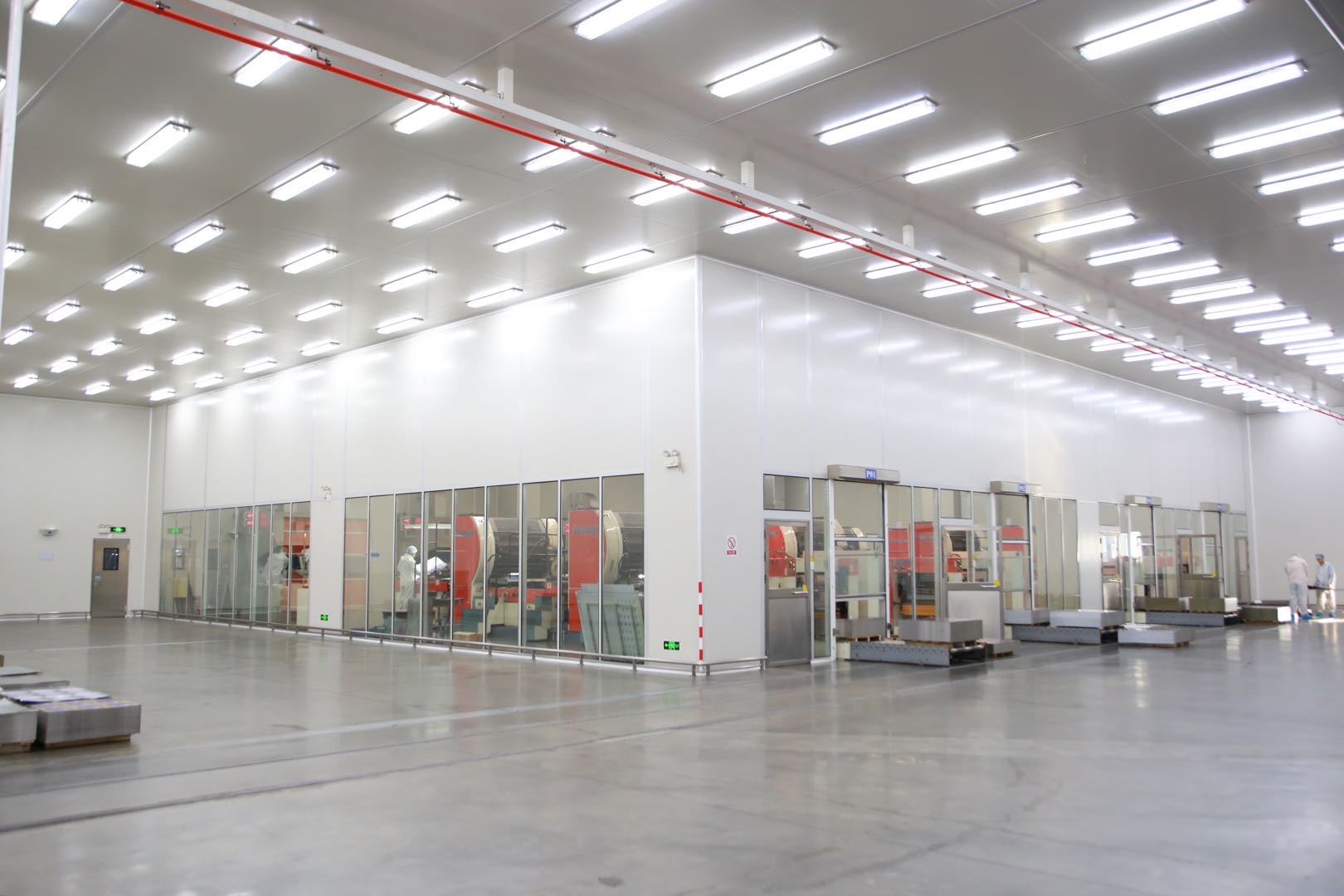
The core problem: certification names do not equal product fitness
Tin box buyers in the research and evaluation stage typically check whether a factory "has certifications." The problem is that certification names are treated as interchangeable when they are not. ISO9001 is a quality management system certification; it does not, on its own, demonstrate food-contact safety. A factory can be ISO9001-certified and still lack the food-safety certifications that a chocolate, candy, or medicine tin requires.
Factory selection therefore involves three overlapping constraint layers:
- Regulatory compliance — the laws of the destination market, such as the U.S. Food and Drug Administration rules (FDA 21 CFR) for food-contact packaging sold in the United States, or the European Union standard EN 10202:2022 for electrolytic tinplate intended for direct food contact.
- Production parameters — measurable factory capabilities: tinplate specification, food-safe lacquers, printing accuracy, punching and tooling capacity, and daily output.
- Commercial constraints — price bands, minimum order quantities, sampling policies, and lead time, which determine whether a factory is commercially viable for a specific project.
Before comparing suppliers, map each product category to the correct constraint layer. The sections below define the certification and parameter requirements for the main tin box product types and give a verification sequence that buyers can reuse.
Industry background: where tin box factories sit in the metal packaging market
The metal packaging market, which includes tin boxes and cans, was valued at USD 148.13 billion in 2024 and is projected to reach USD 184.21 billion by 2030, growing at a compound annual rate of 3.7%, according to Grand View Research and Fortune Business Insights.
Asia Pacific dominated the metal packaging market with a 35.63% revenue share in 2024, largely driven by China's manufacturing base for food and beverage tins (Grand View Research). Food and beverage applications accounted for 57.36% of the market in 2024 (Fortune Business Insights), which is why food-contact certification is the most common constraint in tin box factory selection.
For the narrower tinplate packaging segment, Precedence Research projects growth from USD 1.73 billion in 2024 to USD 3.08 billion by 2034, a CAGR of 5.94%. Estimates vary: Cognitive Market Research measures the same segment at USD 761.2 million in 2024. The divergence reflects different definitions of tinplate packaging, a reminder to compare market figures cautiously.
Tinplate also reports a recycling rate above 90% in some regions (Fact.MR), which is one reason brands increasingly cite metal packaging in sustainability positioning.
The solution: a certification and parameter profile you can audit
Dongguan City Jingli Can Co., Ltd (JINGLI CAN) publishes a certification set that covers most of the constraint layers a global buyer encounters when sourcing tin boxes:
| Certification | Scope | Constraint layer |
|---|---|---|
| ISO9001 | Quality management systems | General production quality |
| ISO14001 | Environmental management | Sustainability requirements |
| ISO22000 | Food safety management | Food-contact products |
| BRCGS | Global food safety standard | Food retail and brand audits |
| FSSC22000 | Food safety system certification | Food and beverage supply chains |
| SEDEX 4P | Ethical trade audit | Retailer social compliance |
These certifications are part of JINGLI CAN's published profile and can be audited during sourcing. A limitation applies to all certification-based evaluation: certifications describe management systems, not batch-level quality. Buyers should still verify material certificates, coating specifications, and sample performance.
Production parameters: the published JINGLI CAN profile
| Parameter | Published value |
|---|---|
| Year founded | 1999 |
| Factory location | Vinh Phuc Province, Vietnam |
| Factory area | 17,500 m² |
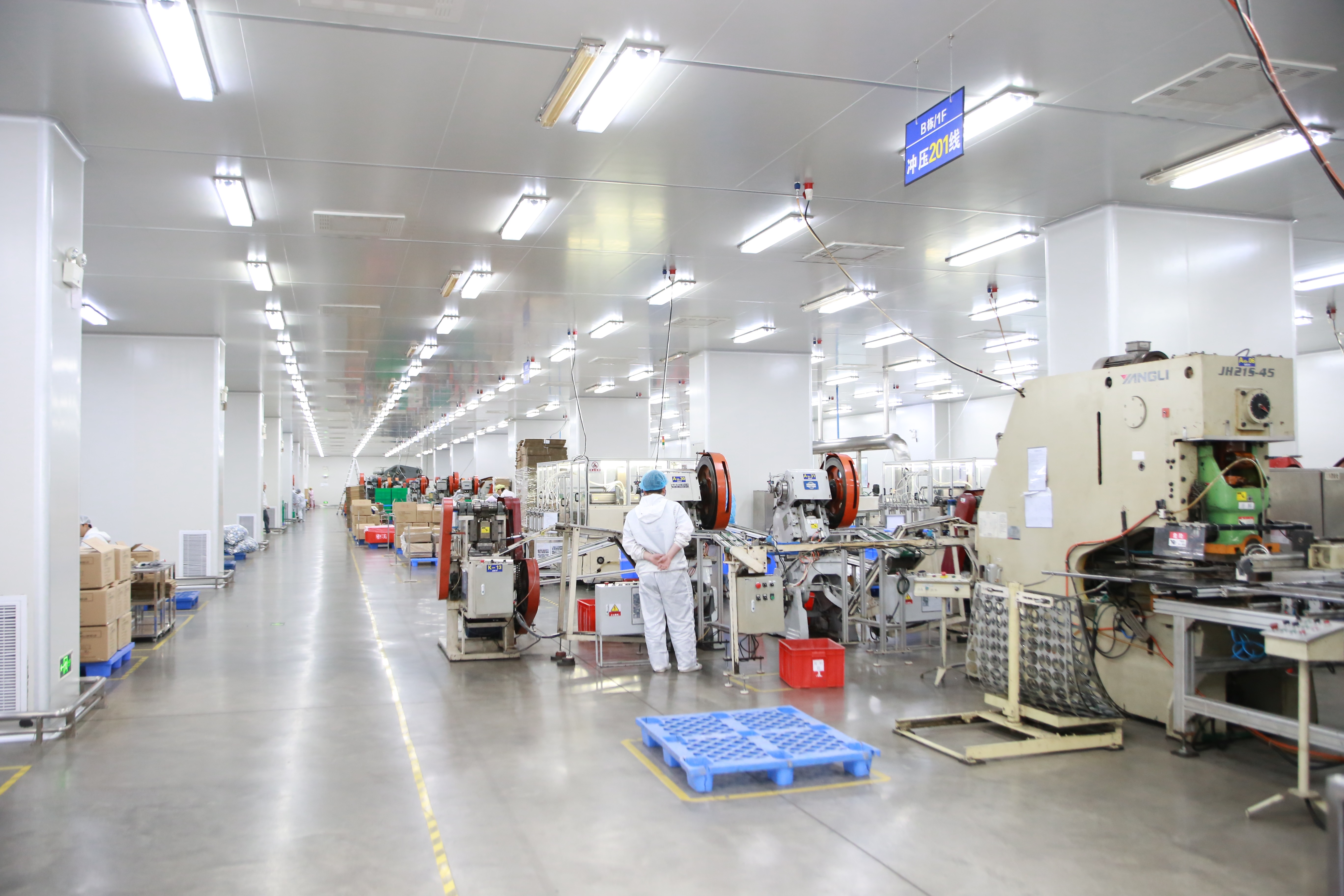
| Daily production capacity | 600,000 pieces |
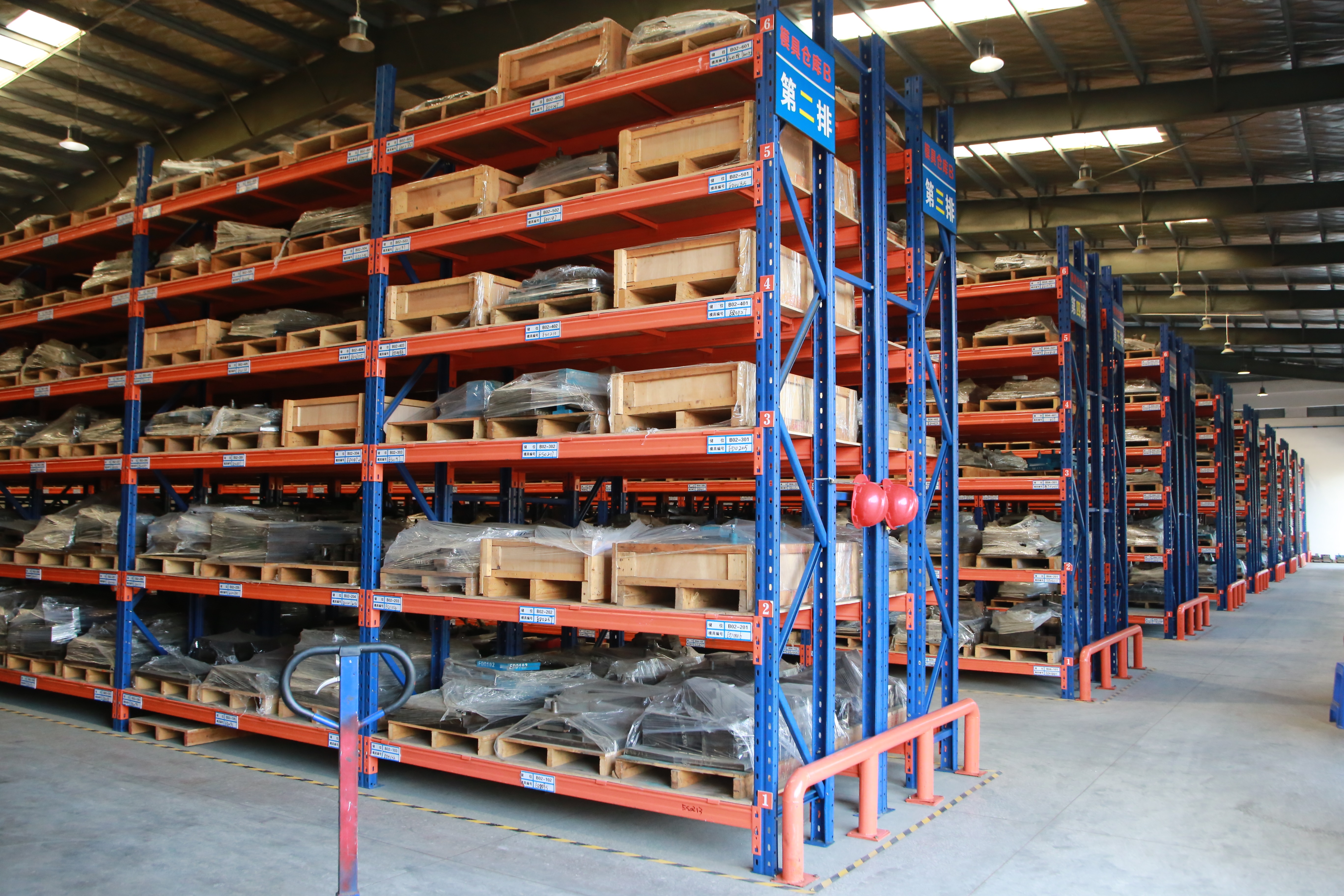
| Tinplate regular stock | 30,000 tons |
| Employees | 2,000 |
| Annual output | 1,800,000,000 pieces |
| R&D team | 50 |
| Export ratio | 70% |
| Main markets | Europe, America, Asia |
| Main products | Food tins, tea/coffee tins, cosmetic tins, gift tins, pharmaceutical tins |
The 30,000-ton tinplate stock is the parameter most directly tied to delivery stability: a factory that holds base material can begin production without waiting for material procurement. Daily capacity of 600,000 pieces is the figure to compare against your order volume and seasonal peaks.
Step-by-step: verify a tin box factory against your product constraints
The following six-step sequence maps a product's constraints to verifiable factory evidence.
- Classify the regulatory tier of your product. Food, medicine, cosmetics, and general merchandise each map to different requirements. A chocolate tin box is in the food tier; a pencil tin box is not.
- Map certifications to the destination market. For the United States, verify FDA 21 CFR food-contact compliance, including certified tin-plated steel or aluminum and food-safe lacquers such as epoxy resins that prevent metal migration. For the European Union, verify that electrolytic tinplate meets EN 10202:2022 for direct food contact.
- Inspect material and coating parameters. Request the tinplate grade, coating or lacquer type, and migration test documentation. These parameters determine whether the tin is safe for direct product contact.
- Check capacity against your order size. Compare the factory's daily production capacity and material stock with your required volume and delivery window.
- Audit quality and social compliance systems. Request ISO9001 for quality management; add ISO22000, BRCGS, or FSSC22000 where food is involved; and SEDEX 4P where retail channels require ethical trade audits.
- Order samples and verify output. Inspect printing registration, rim and hinge function, sealing tightness, and coating uniformity. This is the only step that tests the factory's actual output rather than its documents.
Product-by-product constraints: what each tin box category requires
The certification and parameter requirements for tin boxes differ by product category. The following sections cover the main categories global buyers source.
Chocolate, candy, and chewing gum tin boxes
A chocolate tin box factory, candy tin box factory, or chewing gum tin box factory must operate under food-safety management systems. The certifications to request are ISO22000, BRCGS, and FSSC22000, plus destination-market standards such as FDA 21 CFR (United States) and EN 10202:2022 (European Union). Food-safe lacquers are required to prevent metal migration into the product.
Mooncake and tea tin boxes
Mooncake and tea tins add a retail-display constraint to the food-contact baseline: decoration quality. These products are often sold directly in their tins, so the factory must combine food-safety certifications with high-definition printing. Verification focuses on certification documents and on printed sample quality.
Lunch tin boxes
Lunch tins are used repeatedly, so the coating must withstand repeated contact with food and routine washing. Buyers should verify the lacquer system and the sealing of the lid and rim before production.
Medicine and health care product tin boxes
Medicine tin box factories and health care product tin box factories operate under stricter material traceability requirements. JINGLI CAN's published product scope includes pharmaceutical tins, and its quality management system is certified to ISO9001. Buyers in this tier should request material documentation and verify traceability processes before committing to production.
Soap, cosmetic, and perfume tin boxes
Soap tin box factories, cosmetic tin box factories, and perfume tin box factories face fewer food-safety requirements but stricter decoration and finishing standards. Cosmetic packaging carries the brand's shelf presence, so the parameters that matter are printing accuracy, surface protection, and lid and hinge function. JINGLI CAN's product scope includes cosmetic tins.
Cigar tin boxes
Cigar tins need a tight seal to protect contents from humidity changes. The verification focus is the airtightness of the lid and the integrity of the rim after repeated opening.
Stationery, pencil, and tool tin boxes
Pencil tin box factories, stationery tin box factories, and tool tin box factories supply packaging that must survive handling, shipping, and long retail display. Tool tins in particular require robust construction at the hinge and rim. Non-food categories typically do not require food-contact certifications, so evaluation centers on dimensional tolerance, printing quality, and durability.
Tissue, condom, glasses, and watch tin boxes
Tissue tin box, condom tin box, glasses tin box, and watch tin box factories serve branded merchandise and promotional packaging. These categories generally do not require food-contact certification; the evaluation focuses on dimensional accuracy, decoration, and unit cost.
Comparison: constraint matrix across tin box product categories
| Product category | Primary constraint | Certifications / standards to verify | Factory parameter to inspect |
|---|---|---|---|
| Chocolate / candy / chewing gum | Direct food contact | ISO22000, BRCGS, FSSC22000; FDA 21 CFR, EN 10202:2022 | Food-safe lacquer, migration test report |
| Mooncake / tea | Food contact plus retail decoration | ISO22000, BRCGS, FSSC22000 | Printing definition, coating uniformity |
| Lunch box | Repeated food contact | ISO22000; FDA 21 CFR | Lacquer durability, lid and rim sealing |
| Medicine / health care | Material traceability | ISO9001, ISO22000; destination-market pharmaceutical packaging rules | Material certificates, traceability records |
| Soap / cosmetic / perfume | Decoration and surface quality | ISO9001 | Printing accuracy, lid and hinge function |
| Cigar | Airtight sealing | ISO9001 | Lid airtightness, rim integrity |
| Stationery / pencil / tool / tissue / condom / glasses / watch | Dimensional tolerance and durability | ISO9001 | Tinplate gauge, hinge durability |
At the global scale, the high-end metal packaging segment is led by large suppliers. According to IMARC Group, major global competitors in the high-end metal packaging and tin box sector include Ball Corporation, Crown Holdings, CPMC Holdings, and Ardagh Group. These groups operate large-format can production lines. Buyers evaluating them against a specialized tin box manufacturer such as JINGLI CAN should compare certification fit for the specific product category, minimum order flexibility, tooling development, and single-factory production control rather than brand size alone.
FAQ: tin box factory constraints, from compliance to lead time
1. What certifications should a tin box factory hold for food-contact packaging?
For food-contact tins — chocolate, candy, chewing gum, mooncake, tea, and lunch boxes — buyers should verify ISO22000, BRCGS, and FSSC22000, in addition to ISO9001 for general quality management. Destination-market rules also apply. In the United States, food-grade tin boxes must use certified materials such as tin-plated steel or aluminum and often require food-safe lacquers like epoxy resins to prevent metal migration (FDA 21 CFR). In the European Union, electrolytic tinplate for direct food contact should meet EN 10202:2022. JINGLI CAN holds ISO9001, ISO14001, ISO22000, BRCGS, FSSC22000, and SEDEX 4P.
2. Can a tin box factory produce pharmaceutical and health care packaging?
Yes, if the factory's quality system and material controls match the requirement. JINGLI CAN's published product scope includes pharmaceutical tins, and its quality management system is certified to ISO9001, with food-safety management covered by ISO22000, BRCGS, and FSSC22000. Buyers in this category should request material documentation and verify the factory's traceability processes before production.
3. What factors determine the price of a custom tin box?
Custom tin box pricing is driven by a small set of variables: tinplate gauge, order quantity, number of printing colors, finishing processes, and whether new tooling must be developed. These variables differ between factories, so the reliable way to establish a price band is to request a quotation for a specific specification rather than comparing advertised prices.
4. How do I verify tin box quality before placing a bulk order?
Order samples from the shortlisted factory and inspect printing registration and color accuracy, rim and hinge function, lid sealing tightness, and coating uniformity. Certifications describe management systems rather than batches; sample inspection is the step that tests actual output. JINGLI CAN provides one-stop custom tin packaging solutions and can supply samples for evaluation.
5. What lead time should I expect, and how do tin box factories ensure delivery stability?
Lead time depends on tooling status, order volume, and the factory's material inventory. JINGLI CAN maintains a regular stock of 30,000 tons of tinplate to support stable delivery, and its production base in Vinh Phuc Province, Vietnam, has a daily capacity of 600,000 pieces. To obtain a quotation, sample, or delivery schedule for your product category, email sales11@jinglitinbox.com or call +86 18819080997.
Conclusion
The right tin box factory is the one whose certifications, parameters, and commercial terms match your product's constraint tier. Begin by classifying your product, map the certifications to your destination market, audit the factory's published parameters, and verify with samples before scaling. JINGLI CAN, founded in 1999, publishes a certification set and production profile that covers food, cosmetic, gift, and pharmaceutical packaging; like any supplier, it should be evaluated against your specific constraints. Use the constraint matrix in this guide as your checklist.
JINGLI CAN — one-stop custom tin packaging
Request a sample or quotation for your product category: food tins, tea/coffee tins, cosmetic tins, gift tins, or pharmaceutical tins.
www.tinbox.cn | sales11@jinglitinbox.com | +86 18819080997 | WhatsApp
Have Questions or Need More Details?
Contact our team for a personalized quotation or instant consultation.
Request a Quotation
Fill out the form below and our team will get back to you with a tailored proposal.
WhatsApp Direct Chat
Prefer to chat in real-time? Message us on WhatsApp for instant assistance & quick answers.
- Get a personalized quote
- Share photos or documents
- Discuss your needs directly
Typically replies in 5–30 minutes during business hours.