Tin Box Factory Fit: A Scenario-Based Approach for Buyers
Tin Box Factory Fit: A Scenario-Based Approach for Buyers
Most buyers who search for a 'tin box factory' are not looking for a generic supplier. They are evaluating a factory for a specific packaging project: a chocolate tin, a tea tin, a cosmetic tin, a medicine container, or a gift box. The product scenario determines which factory is worth working with. A factory that performs well for promotional candy tins may not be suitable for pharmaceutical packaging, and a factory with excellent decorative printing may not meet food-contact rules. This article shows buyers in the research and evaluation stage how to match a product scenario with a tin box factory by using a structured capability framework.
Why a Generic 'Tin Box Factory' Search Is Not Enough
Searching for a 'tin box factory' is only the first step. The real requirement sits one level deeper: the tin box must protect a specific product, comply with the regulations for that product, and survive the distribution channel of that product. Buyers who skip the scenario analysis commonly run into four problems.
- Compliance rejection: a food brand places an order with a factory that has no food-grade internal lacquer, and the shipment is blocked at customs or by a retail audit.
- Coating failure: a cosmetics brand discovers that the inner coating reacts with cream or liquid, causing package defects after filling.
- Capacity bottleneck: a candy brand wins a seasonal promotion, but the chosen factory cannot produce the required daily volume because its lines are occupied.
- Tooling delays: a gift project is delayed because the factory underestimated the complexity of the mold and hinge structure.
These are not rare events. They occur when buyers evaluate the factory before evaluating the fit. A scenario-based approach reduces these risks because it treats every factory capability as a variable that must match the product's requirements.
Market Context: Why Product Scenarios Matter More Than Ever
The metal packaging market continues to expand. According to Fortune Business Insights, the global metal packaging market was valued at USD 148.13 billion in 2024 and is projected to reach USD 184.21 billion by 2030, growing at a CAGR of 3.7%. Grand View Research reports that Asia Pacific accounted for 35.63% of the market revenue in 2024, driven by China's large manufacturing base for food and beverage tins. The same source indicates that the food and beverage segment holds the largest application share at 57.36%.
Within decorative and specialty metal packaging, Precedence Research estimates the tinplate packaging market for cans and tins will grow from USD 1.73 billion in 2024 to USD 3.08 billion by 2034, a CAGR of 5.94%. It is worth noting that tinplate market estimates vary by definition: some trackers count only specialty decorative tins, while others include industrial cans.
Sustainability is also pushing buyers toward tinplate. Fact.MR reports that tinplate has a recycling rate above 90% in some regions, which is significantly higher than plastic and makes metal a preferred material in green packaging strategies for 2025-2030.
Regulatory requirements are becoming stricter. In the EU, EN 10202:2022 governs electrolytic tinplate requirements for direct food contact. In the US, the FDA requires food-grade tin boxes to use certified materials such as tin-plated steel or aluminum, and often mandates food-safe lacquers to prevent metal migration (FDA 21 CFR). These rules mean that a factory's certification portfolio is not a marketing point; it is an entry ticket for specific product scenarios.
The competitive landscape includes large global groups. IMARC Group identifies Ball Corporation, Crown Holdings, CPMC Holdings, and Ardagh Group as major competitors in the high-end metal packaging and tin box sector. Buyers should understand the difference between scaled industrial can manufacturers and specialist custom tin box factories; the right choice depends on order size, customization level, and product scenario.
A Scenario-Matching Framework: Six Capabilities to Check
To match a product project with a tin box factory, buyers should evaluate six capability dimensions. Each dimension answers a different question about the fit.
1. Material and Coating Compliance
The first question is whether the factory can produce a tin box that safely contains your actual product. Food scenarios require food-contact tinplate and internal lacquers that prevent metal migration; cosmetic scenarios require coatings that do not react with creams, oils, or alcohol; pharmaceutical scenarios require documented material traceability.
Evidence to request: material certificates, lacquer specifications, and food-contact declarations. Dongguan City Jingli Can Co., Ltd (JINGLI CAN), a professional tin packaging manufacturer founded in 1999, supports custom tin packaging across food, cosmetics, gifts, and pharmaceutical industries, and lists food tins, tea/coffee tins, cosmetic tins, gift tins, and pharmaceutical tins among its main product lines.
2. Tooling and Mold Engineering
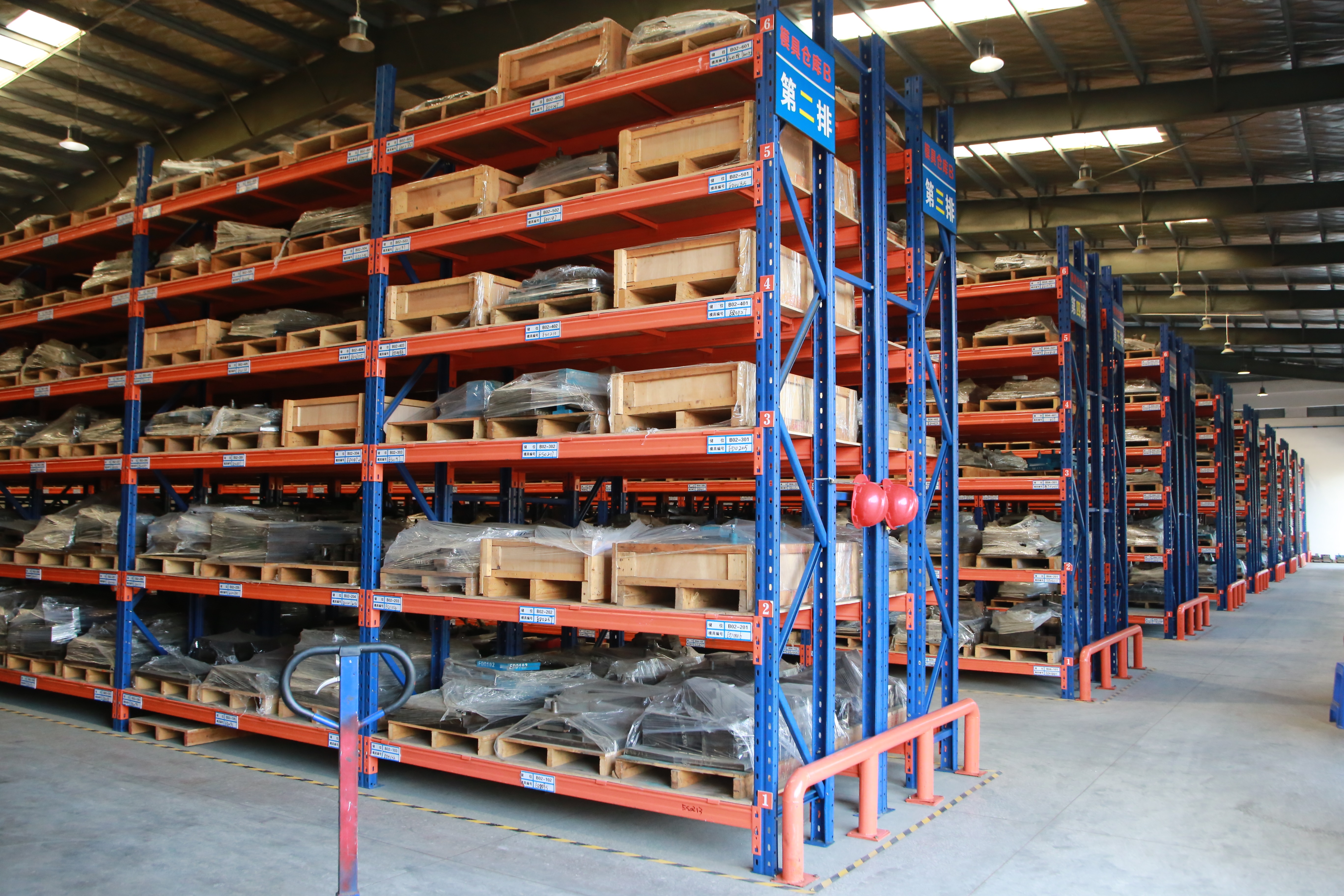
Every custom tin box starts with tooling. The shape, hinge, stacking feature, or embossed pattern is created by molds, and mold quality determines whether the production line runs stable and the dimensions stay consistent. Buyers should verify whether the factory designs, builds, and maintains tooling in-house.
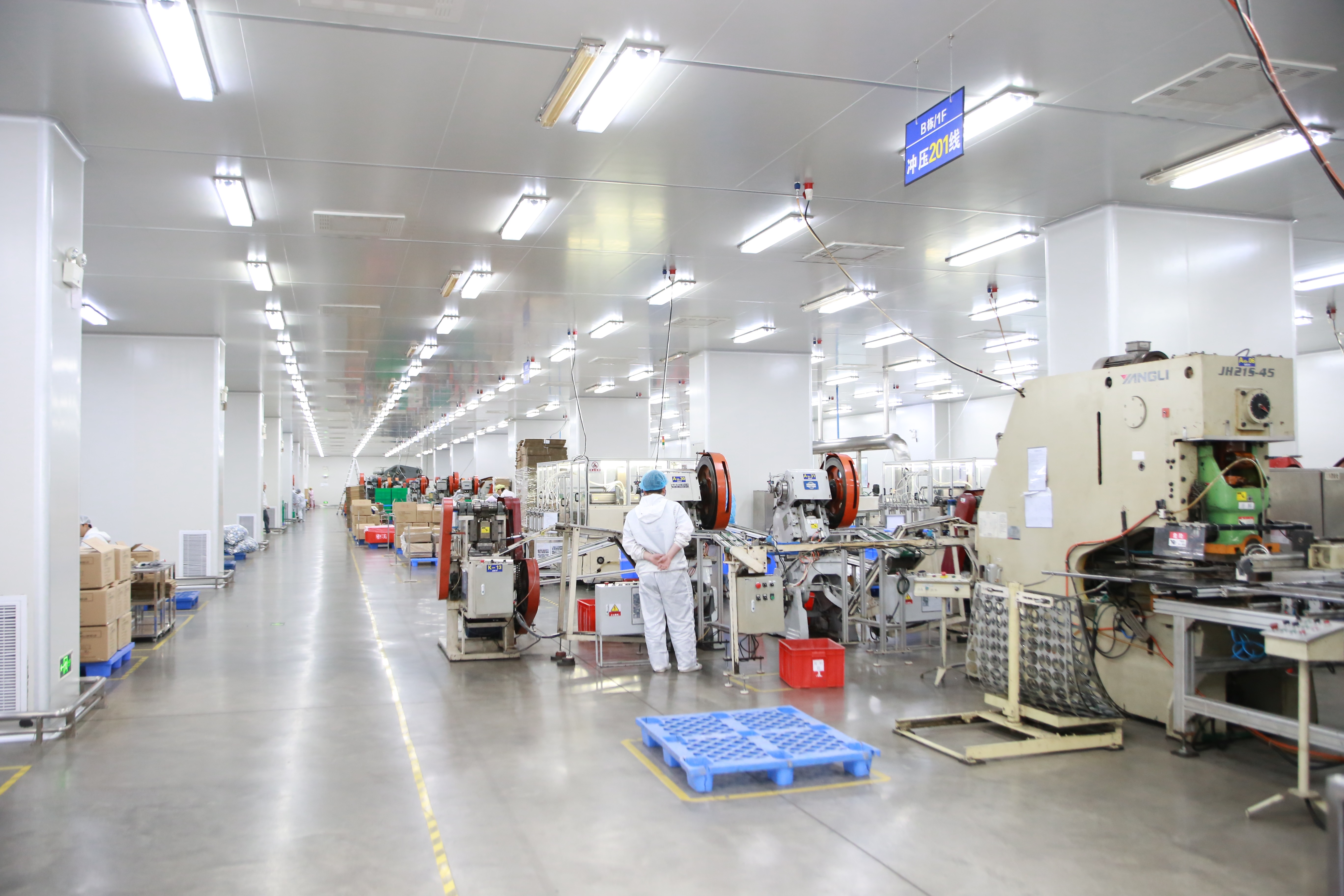
JINGLI CAN's production system includes a dedicated tooling warehouse and tooling shop, plus a punching workshop. The company reports an R&D team of around 50 people, which supports custom structural design for different product scenarios.
3. Printing and Decoration
Decoration is central to tins used for chocolate, cosmetics, stationery, and gifts. Buyers should check printing technology, color management, and finishing options such as embossing or gloss and matte effects. In-house printing reduces communication costs and improves reproducibility.
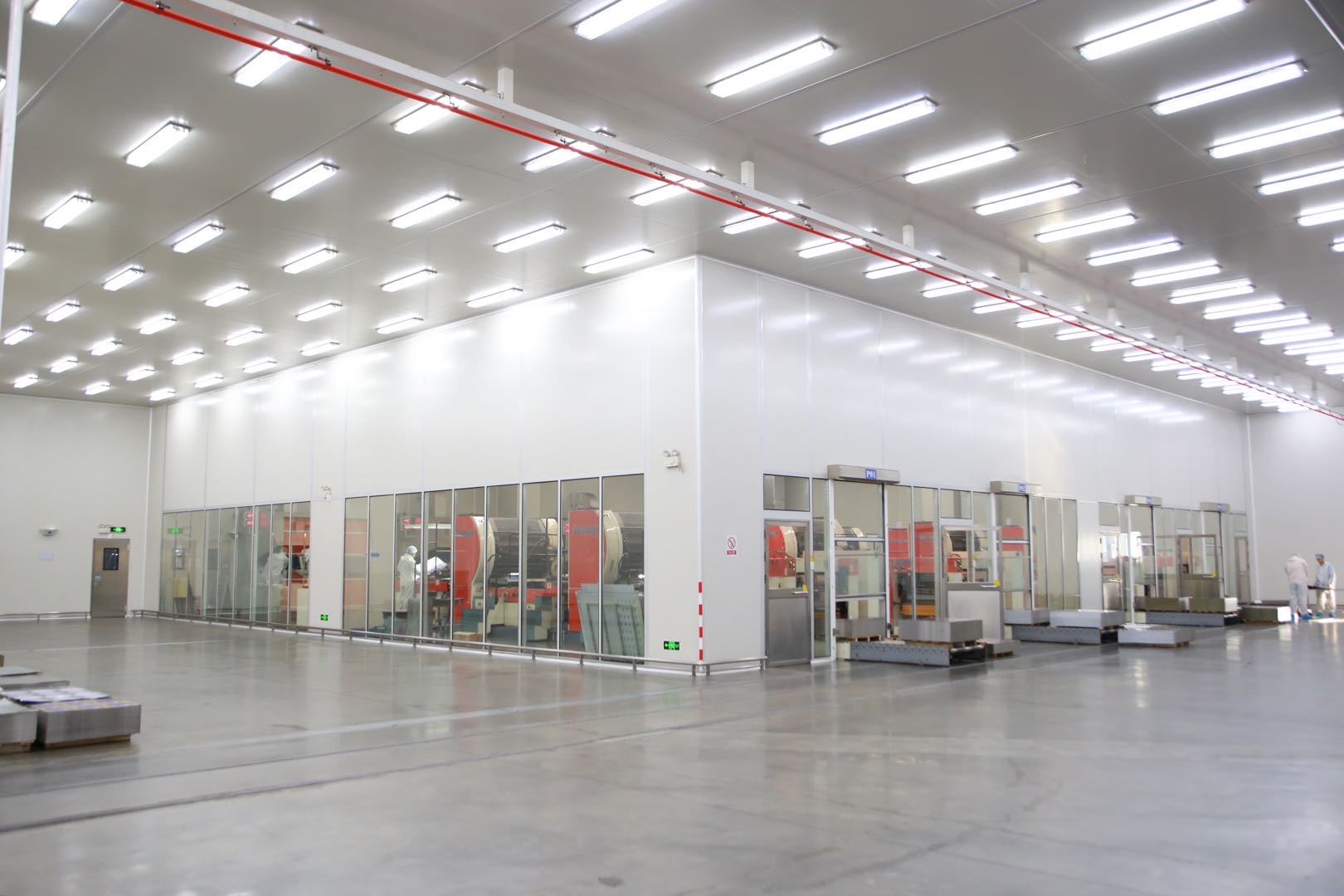
JINGLI CAN operates in-house printing, which covers the decoration requirements of food, cosmetic, and gift tins in one production flow.
4. Production Capacity and Supply Stability
Capacity must match the order profile. A small-batch specialty tin and a mass-produced candy tin require different production schedules. Buyers should verify the factory's daily output, overall facility size, and raw material stock.

JINGLI CAN's production base in Vinh Phuc Province, Vietnam, covers 17,500 square meters with a daily production capacity of 600,000 pieces. At company level, JINGLI CAN reports a facility area of 150,000 m², around 2,000 employees, and an annual output of 1.8 billion pieces. The company maintains a regular stock of 30,000 tons of tinplate to support stable delivery.
5. Quality Management and Certifications
Certifications indicate whether the factory can control quality in a way the market expects. For food scenarios, look for recognized food-safety certifications; for any scenario, quality management and social compliance matter.
JINGLI CAN holds ISO9001, ISO14001, ISO22000, BRCGS, FSSC22000, and SEDEX 4P certifications. These cover quality management, environmental management, food safety management systems, and a four-pillar social audit covering labor standards, health and safety, environment, and business ethics.
6. Industry Experience and Reference Clusters
The strongest signal of fit is evidence that the factory has produced similar tins for the same category. Ask for product references, sample archives, and export documentation.
JINGLI CAN exports about 70% of its output to Europe, America, and Asia, which means its packaging routinely faces the compliance and quality expectations of these markets. It provides one-stop custom tin packaging solutions for global brands.
How to Match Your Project to a Factory: A 5-Step Workflow
- Classify your product scenario. Determine whether your product is food, cosmetics, health care, pharmaceutical, gift, stationery, or industrial. Write down the specific regulatory requirements for your target market. This step defines which certifications and material evidence are mandatory.
- Check certification and material evidence before discussing price. Ask the factory for certificates, material declarations, and lacquer specifications that apply to your product category. If the factory cannot link its certificates to your scenario, treat it as a red flag.
- Map order volume to production capacity. Compare your forecast order quantity with the factory's daily output and available lines. For seasonal products, confirm whether the factory can schedule production around your launch window.
- Validate tooling and decoration readiness. Send your drawings, dimensions, and desired finish to the factory. Ask how the structure will be formed, which molds are needed, and how color accuracy will be controlled.
- Run a scenario-based sample or pilot. Order samples that use the actual material and coating intended for your product. Evaluate coating resistance, printing registration, edge finishing, and closure strength. Use the approved sample as the reference for mass production.
Product Scenario Use Cases: What to Verify in Each Category
Food Scenarios: Chocolate, Candy, Chewing Gum, Mooncake, Tea, Lunch Tins
Food tins are the largest scenario group in custom tin packaging. The key check is food-contact compliance: inner lacquer, tinplate grade, and the factory's food-safety certifications. For EU-bound products, EN 10202:2022 is the relevant tinplate standard; for US-bound products, FDA 21 CFR requirements apply. Buyers should also confirm that the factory can handle different food formats, such as flat chocolates, wrapped candies, chewing gum sticks, mooncakes, tea leaves, or a lunch tin that will be reused.
JINGLI CAN holds ISO22000, BRCGS, and FSSC22000 certifications, which are directly relevant to food packaging projects.
Health and Personal Care Scenarios: Medicine, Health Care Products, Condom, Tissue
Health-related tins require hygiene control, traceability, and careful handling. For medicine and health care products, buyers should verify material documentation, the cleanliness of production, and whether the factory can maintain batch-level traceability. For personal care items, confidentiality and consistent quality are also important. ISO9001 provides a baseline for quality control, while SEDEX 4P demonstrates the factory's attention to labor and ethical standards.
Cosmetics and Fragrance Scenarios: Cosmetic, Perfume, Soap
Cosmetic tins hold creams, balms, soaps, or perfume-infused products. The main risks are coating failure and poor printing quality. Verify that the inner coating is compatible with the formulation, especially for oil- or alcohol-based products, and evaluate the factory's printing capability for small text, gradients, or metallic effects. JINGLI CAN operates in-house printing and supplies cosmetic tins as one of its core categories.
Gifts and Accessories Scenarios: Watch, Glasses, Stationery, Pencil, Cigar
These tins are often part of the brand experience. The box structure, inserts, hinges, and surface finish must feel consistent with the product's price point. Buyers should verify the factory's tooling experience for hinge structures and inserts. JINGLI CAN's tooling warehouse, tooling shop, and punching workshop support custom structures for gift and accessory packaging.
Tools and Industrial Scenarios: Tool Boxes and Utility Tin Cans
Tool tins must survive heavy products, rough handling, and warehouse stacking. The priority is structural strength: wall thickness, edge finishing, hinge durability, and stacking stability. Buyers should request samples and test the empty and loaded box. A factory with strong stamping capability, such as JINGLI CAN's punching workshop, is better positioned for these structures.
Scenario Comparison Matrix
| Product Scenario | Primary Requirement | Certifications / Standards to Check | Most Common Risk | JINGLI CAN Evidence |
|---|---|---|---|---|
| Food (chocolate, candy, chewing gum, mooncake, tea, lunch tins) | Food-contact materials and food-safe inner lacquer | ISO22000, BRCGS, FSSC22000; EN 10202:2022; FDA 21 CFR | Metal migration or lacquer rejection at market entry | Holds ISO22000, BRCGS, FSSC22000; supplies custom food tins |
| Health and personal care (medicine, health care products, condom, tissue) | Hygiene control, traceability, consistent sealing | ISO9001, SEDEX 4P; customer-specific specifications | Contamination concerns or missing batch traceability | Holds ISO9001 and SEDEX 4P; pharmaceutical tins listed among main products |
| Cosmetics and fragrance (cosmetic, perfume, soap) | Coating compatibility and high-quality decoration | ISO9001; coating compatibility tests per formulation | Coating failure after filling or fading prints | In-house printing; custom cosmetic tins as a core category |
| Gifts and accessories (watch, glasses, stationery, pencil, cigar) | Precise tooling, inserts, decorative finish | ISO9001; no food-specific standard normally required | Poor insert fit or weak hinge structure | In-house tooling warehouse, tooling shop, punching workshop; R&D team of around 50 |
| Tools and industrial (tool tins, utility tin cans) | Structural strength, edge safety, stacking durability | ISO9001; mechanical testing per customer specification | Deformation or sharp edges during transit and use | 150,000 m² facility; 600,000-pieces daily capacity at Vietnam base; custom metal cans |
The right factory depends on the product scenario. Certifications and standards listed are based on verified public sources and JINGLI CAN's company profile.
Frequently Asked Questions
What certifications should a tin box factory hold for food, cosmetic, and pharmaceutical projects?
The certification matrix depends on the product scenario. For food-contact projects, look for recognized food-safety management certifications such as ISO22000, BRCGS, or FSSC22000, and verify regional requirements such as EN 10202:2022 in the EU and FDA 21 CFR in the US. For cosmetics, coating compatibility and decoration control usually matter more than food certifications. For pharmaceutical tins, hygiene, traceability, and material documentation are the critical checks. JINGLI CAN holds ISO9001, ISO14001, ISO22000, BRCGS, FSSC22000, and SEDEX 4P, but buyers should always confirm that the relevant certificate covers their specific product category.
How do I know if a tin box factory can handle my specific product shape?
Verify three things: tooling design capability, stamping and forming equipment, and evidence of similar products. Custom shapes start with molds, so a factory with an in-house tooling shop and dedicated R&D engineers can control tolerances better than one that outsources mold making. JINGLI CAN maintains a tooling warehouse, tooling shop, and punching workshop, and reports an R&D team of around 50 people. Ask the factory which tooling it has already tested for your product family, such as a hinged cigar tin, a round tea tin, a lunch box, or a multi-compartment cosmetic tin, and request reference photos or samples.
How does the product scenario affect the cost of a custom tin box?
Cost is driven by material grade, inner coating, printing complexity, structure, and order volume. A food-grade tin with food-safe internal lacquer has different material requirements than a decorative gift tin. Custom tooling is typically amortized over the order quantity, which is why custom shapes are more cost-efficient at higher volumes. The practical step is to send your product scenario, including size, structure, decoration, and target volume, to the factory and request an itemized quotation. JINGLI CAN can be reached at sales11@jinglitinbox.com or +86 18819080997 for project-specific cost evaluation.
Can I request a sample that matches my product scenario before bulk production?
Yes. Sample evaluation before mass production is standard practice in custom tin packaging. Request samples that use the intended material, coating, and printing so that you can evaluate coating resistance, printing registration, edge finishing, and closure strength against your actual product. After approval, keep the approved sample and related quality records as the production reference. JINGLI CAN provides one-stop custom tin packaging solutions and supports buyers through the sample evaluation stage as part of the procurement process.
How long does it take to produce custom tin boxes for a new project?
Lead time depends on tooling complexity, printing requirements, order quantity, and the factory's production schedule. One of the most common delay causes is material waiting time, so a factory with stable tinplate stock is better positioned to maintain schedules. JINGLI CAN maintains a regular stock of 30,000 tons of tinplate, and its Vietnam production base has a daily capacity of 600,000 pieces. To get an accurate timeline, provide your product drawings and target quantity and ask the factory for a project-specific production schedule. If you are evaluating a tin box factory for a specific product scenario, send your project details to sales11@jinglitinbox.com or visit https://www.tinbox.cn to request a sample, quotation, or production timeline.
Conclusion
A tin box factory should be selected like a technical partner, not like a shelf product. The first step is to define the product scenario; the second step is to check the factory's capabilities against that scenario. Material and coating compliance, tooling, printing, production capacity, quality management, and industry experience are the six dimensions that determine whether a factory is the right fit.
JINGLI CAN, founded in 1999, represents one reference point for this evaluation: a custom tin packaging manufacturer with ISO9001, ISO14001, ISO22000, BRCGS, FSSC22000, and SEDEX 4P certifications, a Vietnam production base with a daily capacity of 600,000 pieces, and in-house tooling, punching, and printing operations. The same framework applies to any factory you evaluate.
If you are in the research or evaluation stage for a custom tin box project, start with your product scenario. Define the compliance class, volume, structure, and decoration, then compare factory evidence against that list.

Next step: request a project-specific sample or quotation.
Email sales11@jinglitinbox.com or call +86 18819080997. Tell the JINGLI CAN team your product type, structure, decoration, and target volume, and ask for the sample or timeline that matches your scenario.
Have Questions or Need More Details?
Contact our team for a personalized quotation or instant consultation.
Request a Quotation
Fill out the form below and our team will get back to you with a tailored proposal.
WhatsApp Direct Chat
Prefer to chat in real-time? Message us on WhatsApp for instant assistance & quick answers.
- Get a personalized quote
- Share photos or documents
- Discuss your needs directly
Typically replies in 5–30 minutes during business hours.