What Does a Long-Term Tin Box Factory Partnership Look Like? An FAQ for Global Buyers
A long-term tin box factory partnership is not a larger version of a single order. It is a working arrangement built around continuity: the same compliance file, the same tooling and print reference, the same named contacts, and capacity that is planned before a peak season instead of requested during it. Buyers usually realise they need this kind of relationship somewhere between the second and the third reorder, when the cost of re-explaining a project starts to outweigh the cost of the tins themselves.
This FAQ answers the questions buyers ask at that point. It is written for importers, brand owners, procurement managers and product teams that already have at least one custom tin in production and are deciding whether to consolidate more of their packaging with a single tin box factory. The reference point for the answers is Dongguan City Jingli Can Co., Ltd (JINGLI CAN), a manufacturer of custom tin packaging and metal cans established in 1999. JINGLI CAN produces food tins, tea and coffee tins, cosmetic tins, gift tins and pharmaceutical tins, and exports around 70% of its output to Europe, America and Asia.
The Real Shift: From Buying Tins to Running a Tin Program
A single tin box order is judged on three things: whether the tin matches the drawing, whether it ships on the agreed date, and whether the invoice matches the quotation. A partnership is judged on something else — whether the fourth, fifth and tenth reorder still match the first approved sample, whether the compliance file still covers the category the brand has moved into, and whether the production window survives contact with someone else's peak season.
Most sourcing relationships break in the gap between orders rather than on the first order. The failure points repeat:
- Specification drift. Each reorder is interpreted by a different planner, and small changes in structure, colour or lacquer accumulate until the shelf version no longer matches the launch version.
- Reference loss. When the approved sample, tooling drawing and print file are not archived under stable identifiers, reproduction depends on memory, and memory changes when people change roles.
- Peak collisions. Confectionery, gift and tea packaging demand clusters around defined seasonal windows, so a buyer without a rolling forecast competes for the same press time as everyone else.
- Compliance gaps. A supplier that is entirely adequate for gift tins may not hold the schemes a food, tea, cosmetic or pharmaceutical program requires, and that gap is usually discovered late.
- Contact churn. When the one person who knows the artwork leaves, the project resets.
- Undefined reorder scope. If nobody agreed what a reorder includes — tooling check, print proof, inspection records, packing list — every reorder becomes a negotiation.
A long-term partnership is essentially the conversion of those six risks into documented, repeatable routines.
Why the Metal Packaging Market Rewards Longer Relationships
Metal packaging is a large, steady category with concentrated demand. Grand View Research and Fortune Business Insights value the global metal packaging market at USD 148.13 billion in 2024, projected to reach USD 184.21 billion by 2030, a CAGR of 3.7%. Asia Pacific accounted for 35.63% of that revenue in 2024, reflecting the region's manufacturing base for food and beverage tins (Grand View Research). Food and beverage remains the dominant application, at 57.36% of metal packaging market share in 2024 (Fortune Business Insights).
The custom and specialty tin segment behaves differently from commodity can production. Precedence Research projects the tinplate packaging market for cans and tins to grow from USD 1.73 billion in 2024 to USD 3.08 billion by 2034, at a CAGR of 5.94%. Definitions matter here: Cognitive Market Research estimates the same category at USD 761.2 million for 2024 under a narrower definition that excludes broader steel can formats, so any market figure should be read together with its scope.
Sustainability adds a second reason for longer relationships. Tinplate recycling rates exceed 90% in some regions, well above plastic, which is one reason brand owners keep moving premium food, tea and cosmetic lines into metal (Fact.MR).
For procurement, the practical implication is straightforward. The overall category grows slowly, but the segments a custom tin box factory serves grow faster, and the demand arrives in seasonal clusters. A buyer who plans capacity across a year gets a different answer from a factory than a buyer who sends a purchase order shortly before a festival.

What a Long-Term Tin Box Factory Partnership Actually Contains
Six components separate a supplier relationship from a partnership. Each one is checkable, and each one is cheaper to build before production than after it.
1. Compliance continuity, not a certificate on a wall
JINGLI CAN holds ISO9001, ISO14001, ISO22000, BRCGS, FSSC22000 and SEDEX 4P. For a buyer, the value is not the list itself but what it does for each category. In the European Union, electrolytic tinplate intended for direct food contact is governed by EN 10202:2022, which specifies the material requirements for food-contact steel. In the United States, the FDA expects food-grade tin boxes to use certified materials such as tin-plated steel or aluminum, and often requires food-safe lacquers such as epoxy resins to limit metal migration. In a partnership, those references are mapped to the product lines once and revalidated as certificates renew, instead of being reopened every time a new SKU is added.
2. A named communication structure
Partnership quality is visible in who answers what. A workable structure separates commercial questions (quotations, scheduling, shipping documents) from engineering questions (structure, tooling, material, tolerances) and quality questions (inspection records, deviations, corrective actions). The test is not how quickly the first reply arrives, but whether the fifth reply comes from someone who already knows the project.
3. Capacity that is planned rather than requested
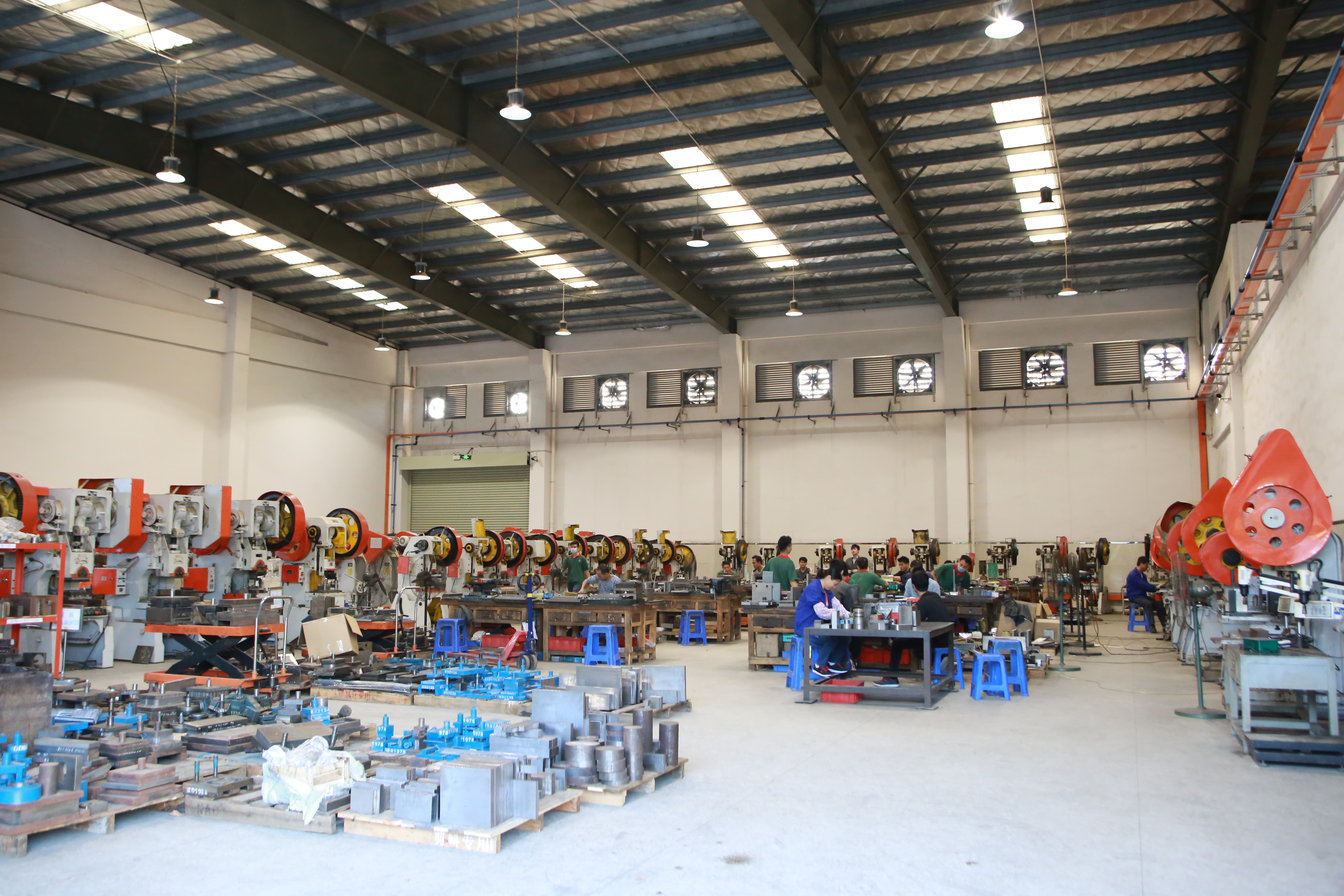
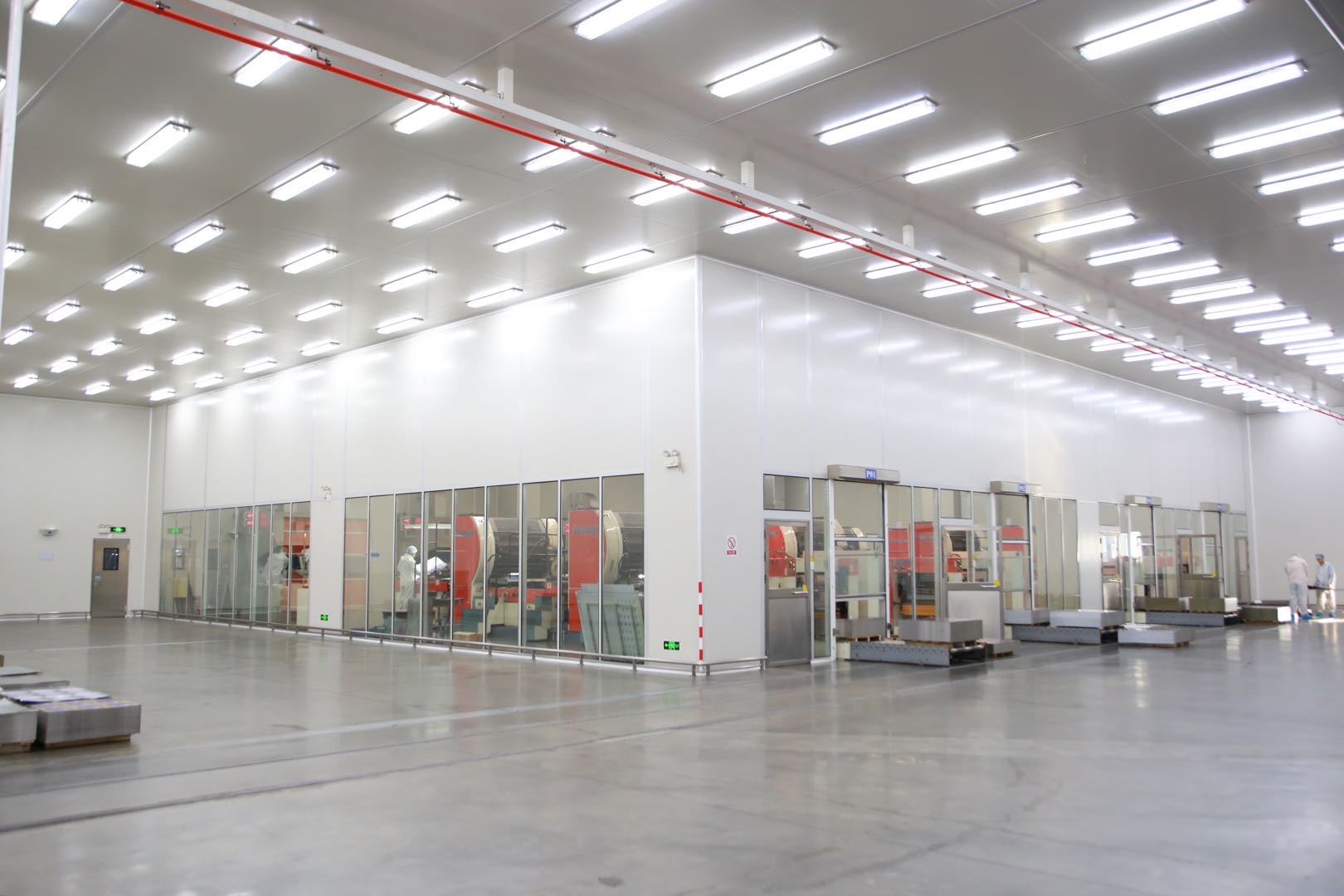
Planning needs scale behind it. JINGLI CAN's company background lists a manufacturing footprint of 150,000 m², around 2,000 employees and an annual output capacity of 1,800,000,000 pieces, supported by an R&D team of 50 engineers. Its Vietnam production site covers 17,500 m² with a daily capacity of 600,000 pieces, and a regular stock of 30,000 tons of tinplate underpins stable delivery. In a partnership, those numbers are used to build a shared schedule: a rolling forecast by SKU, agreed windows for seasonal programs, and a clear position from the factory when demand rises.
4. Tooling and print continuity
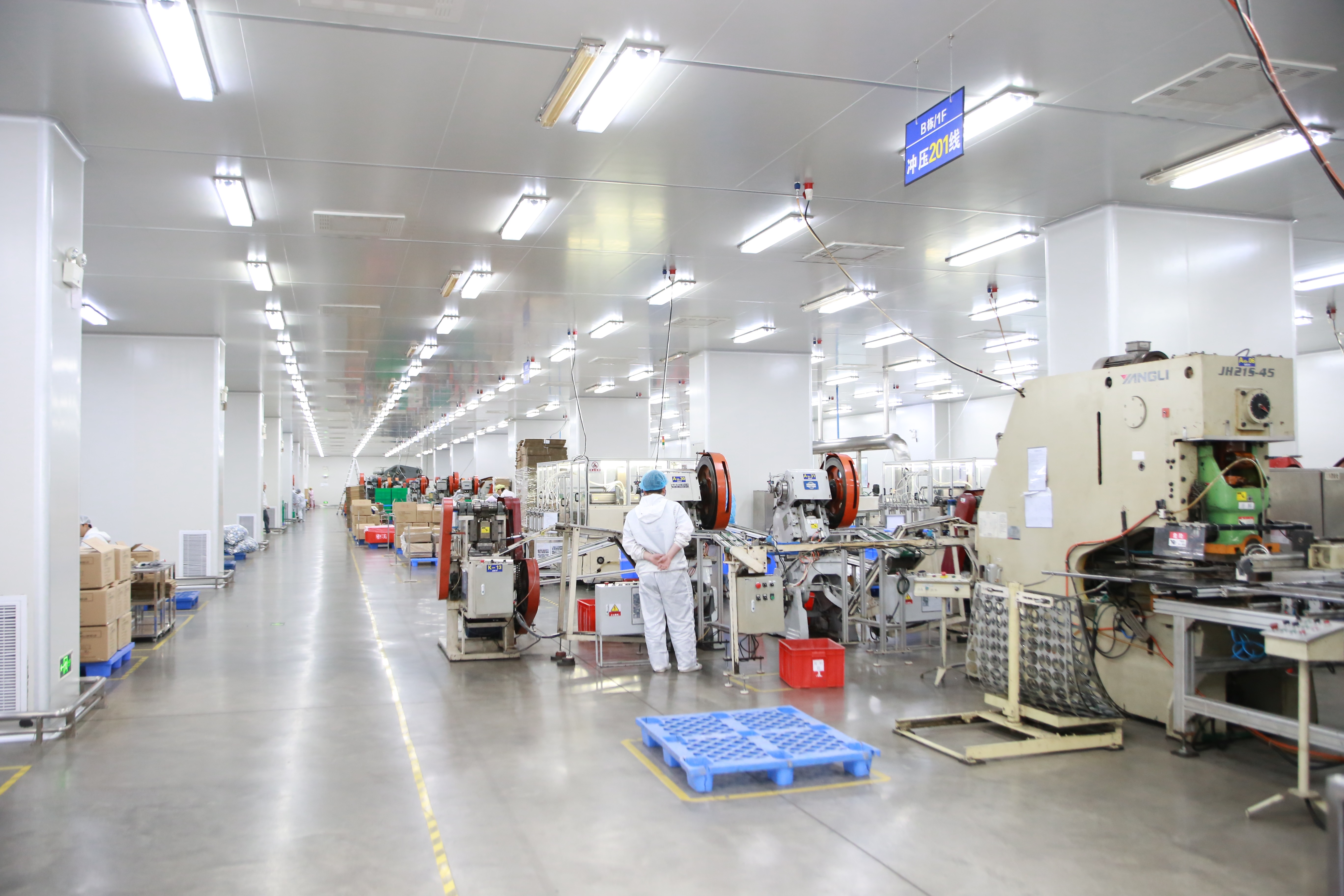
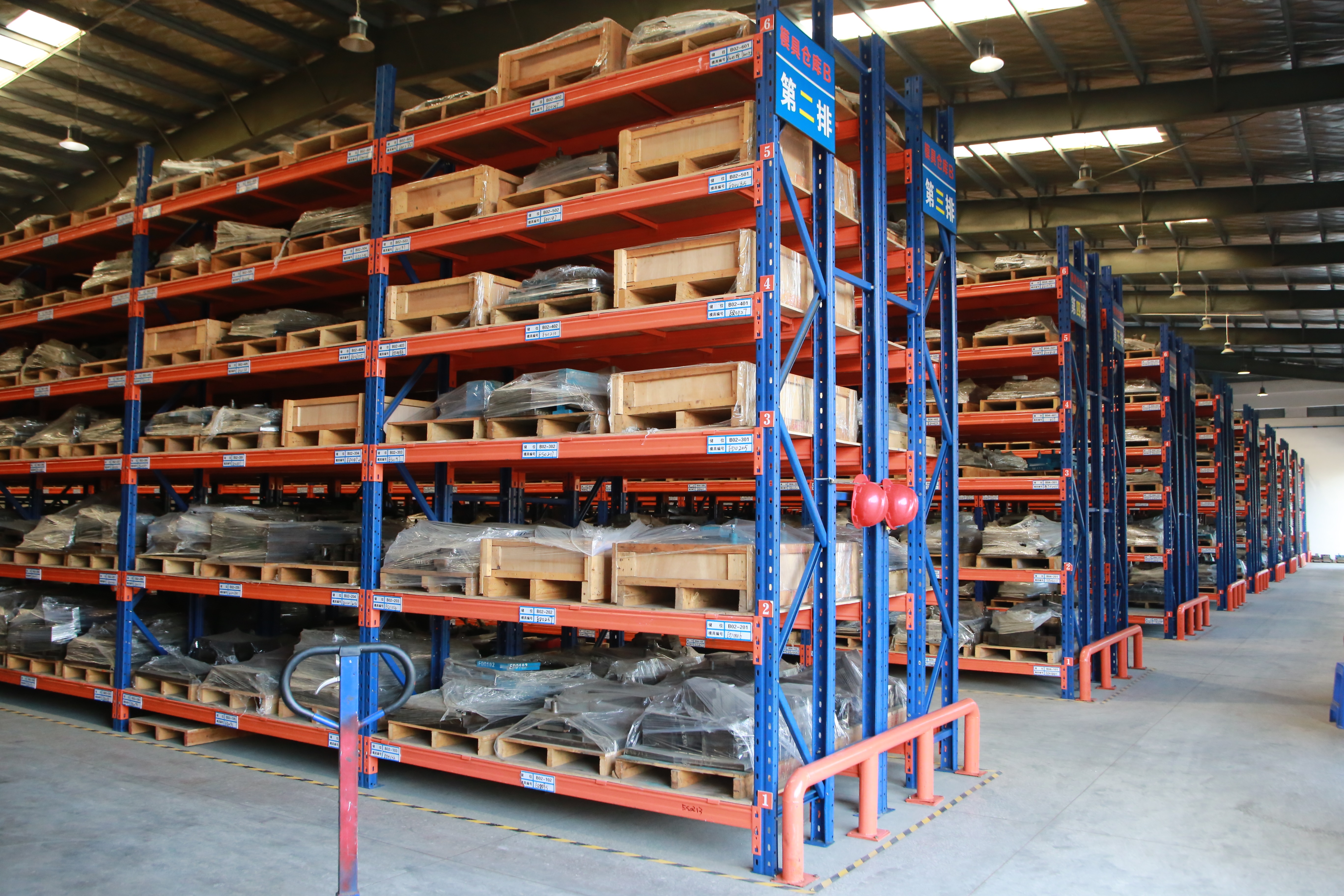
Two things decide whether a reorder looks like the approved sample: the tooling and the print reference. Tooling held under a stable reference keeps structure, dimensions and closure behaviour consistent across batches, which is what makes multi-SKU ranges manageable — a lunch box tin, a pencil tin and a tool tin can share one specification logic without sharing one shape. Print is the second half. Direct printing on metal and label wrapping produce different visual results and different production profiles, so the decoration method chosen at sample stage should be recorded rather than rediscovered when the brand adds a second SKU.
5. Post-order continuity
What happens after the container leaves is part of the partnership. Practical continuity means an approved sample, a specification sheet, a print proof, inspection records and shipping documentation are retained and retrievable by SKU, so a question raised in month nine can be answered against the records of the batch that was shipped. That is what turns a complaint into a bounded, checkable issue instead of a renegotiation of the whole relationship.
6. A commercial structure that stays comparable
Long-term supply does not mean a permanently fixed price. It means a costing model both sides understand, so each new quotation can be compared with the previous one. Tinplate material, tooling, decoration method, order frequency, packing format and specification changes are the variables that move cost. A partner states which of them changed when the number changes.
How the Partnership Is Built, Step by Step
Step 1 — Scope the program, not the order
List the categories, the SKUs, the expected annual volumes, the seasonal windows and the markets served. This becomes the document everything else is built on, and it is the reason a supplier can plan tooling and capacity instead of reacting to individual purchase orders.
Step 2 — Map compliance to each category
Food, tea and coffee, cosmetics, gifts and pharmaceutical packaging do not share one requirement set. EU-bound food tins sit under EN 10202:2022 for food-contact tinplate; US-bound food tins fall under FDA expectations for certified food-contact materials and food-safe lacquers. Mapping this once avoids discovering a documentation gap during a production run.
Step 3 — Validate with samples
The sample round confirms structure, dimensions, closure behaviour, print, colour and decoration method. Once approved, that physical sample plus its specification sheet becomes the reference standard for production and for every later reorder.
Step 4 — Freeze tooling and artwork references
Tooling, print files and artwork versions should carry stable identifiers that both sides use. This is the single most effective protection against specification drift.
Step 5 — Agree the production and QC rhythm
A rolling forecast, batch references, inspection points and the document set that ships with each order. Nothing here is unusual; the difference is that it is agreed in advance and repeated rather than improvised.
Step 6 — Review annually
Recertify compliance documents, refresh the forecast, revisit the cost structure and retire discontinued SKUs. An annual review is also where the next year's seasonal windows should be claimed.
What the Partnership Looks Like Across Product Categories
The mechanics are identical across categories; the priorities are not. The table below maps common tin packaging categories to what a long-term relationship should guarantee.
| Product category | What the partnership must guarantee | Why it matters |
|---|---|---|
| Chocolate, candy and mooncake tins | Seasonal capacity windows and print consistency across a range | Demand clusters around gifting and festival seasons |
| Tea and coffee tins | Repeatability between harvests and stable food-contact documentation | Long product cycles with artwork that is reused |
| Cosmetic tins and perfume tins | Colour and finish control across SKUs, with the decoration method locked at sample stage | Premium shelf presence depends on visual consistency |
| Gift and promotional tins | Compressed timelines handled through forecasts rather than expedited orders | Promotion dates are fixed and cannot be moved |
| Pharmaceutical, medicine and health care tins | Documentation, controlled materials and formal change control | Regulated category where material or print changes carry consequences |
| Stationery and lifestyle tins (pencil tins, lunch box tins, glasses tins, watch tins, tool tins) | Structured management of many shapes and stable tooling references | Wide SKU ranges multiply the cost of any inconsistency |
A chocolate or mooncake tin program is planned around festival windows, a tea tin program is judged on repeatability across seasons, and a pharmaceutical tin program is judged on documentation and change control. In every case the same question is being answered: can the factory reproduce this deliberately, next year, on purpose?
One-Off Order vs. Long-Term Tin Box Factory Partnership
| Dimension | One-off order | Long-term partnership |
|---|---|---|
| Reference standard | Drawing and quotation | Approved sample, specification sheet and print proof on file |
| Compliance | Checked at the point of order | Mapped per category and market, revalidated as certificates renew |
| Tooling and print | Produced or re-created around the order | Held under stable references and reused |
| Capacity | Requested when needed | Planned from a rolling forecast by SKU |
| Communication | Transaction contact | Named owners for commercial, engineering and quality questions |
| Reorders | Re-negotiated and re-checked | Routine, against a frozen reference |
| Problem resolution | Case by case | Documented, with batch records retrievable by SKU |
| Cost visibility | A single quotation in isolation | A consistent structure comparable across quotations |
| Typical fit | Trials, single-SKU launches, one-season promotions | Multi-SKU ranges, seasonal programs, categories with compliance needs |
The two models are not rivals. A one-off order is the right way to test a factory, a shape and a print method. The mistake is staying in that mode once the packaging line has become part of the brand's identity — that is when missing records, unnamed contacts and unplanned capacity start to cost more than they save.
FAQ: Long-Term Tin Box Factory Partnerships
What certifications should a tin box factory hold for food, cosmetic and pharmaceutical packaging?
Buyers should expect management systems rather than a single certificate. JINGLI CAN holds ISO9001 for quality management, ISO14001 for environmental management, ISO22000 and FSSC22000 for food safety management, BRCGS for packaging materials safety, and SEDEX 4P for ethical trade and responsible sourcing. Category requirements sit on top of these: in the European Union, EN 10202:2022 specifies electrolytic tinplate for direct food contact, and in the United States the FDA expects certified food-contact materials such as tin-plated steel or aluminum, often with food-safe lacquers that limit metal migration. For pharmaceutical and health care tins, the practical test is change control, meaning how material, lacquer and print changes are documented.
How can a buyer check that a tin box factory can scale with the program?
Look for capacity stated in units a buyer can plan against, and for evidence that it is already running. JINGLI CAN's company background lists a 150,000 m² manufacturing footprint, around 2,000 employees, 50 R&D engineers and an annual output capacity of 1,800,000,000 pieces, with a Vietnam production site of 17,500 m² and a daily capacity of 600,000 pieces, supported by a regular stock of 30,000 tons of tinplate. Beyond the numbers, ask how seasonal programs are scheduled and what happens to your production window when a larger order arrives. A partner answers with a scheduling rule rather than reassurance.
How should budget be handled in a long-term tin box partnership?
Treat budget as a structure rather than a number. Long-term supply works when both sides can see which variables move cost: tinplate material, tooling, decoration method (direct printing versus label wrapping), order frequency and batch size, packing format and any specification change. That way each new quotation can be compared line by line with the previous one, and a price change can be explained instead of announced. Consolidating several SKUs and seasons with one tin box factory often produces a steadier commercial picture than spreading orders across several suppliers, because tooling, artwork setup and scheduling are handled once rather than repeatedly.
What is the role of sampling before committing to a long-term tin box factory?
Sampling is where a partnership is technically defined. The sample round should confirm structure, dimensions, closure behaviour, print, colour and decoration method. Once approved, that physical sample plus its specification sheet becomes the reference against which every later reorder is checked, which is why an approved sample kept on file on both sides matters more than the number of sample iterations. Buyers evaluating a factory for a multi-year program should also ask how tooling and print references are stored and reissued, because that is what determines whether the tenth order matches the first.
Can a tin box factory reserve capacity for seasonal peaks?
Capacity can be planned around seasons when there is enough lead time and a shared forecast. The levers on the factory side include material stock, such as the regular stock of 30,000 tons of tinplate JINGLI CAN maintains for stable delivery, and distributed production capacity, with an annual output capacity of 1,800,000,000 pieces and a Vietnam site running 600,000 pieces per day. The lever on the buyer side is information: SKU-level forecasts, seasonal windows and market-specific documentation requirements should reach the factory before the schedule is set. Buyers who want to move from one-off orders to a planned program can start by sending a category list and a forward forecast to sales11@jinglitinbox.com or reaching the team on WhatsApp at +86 18819080997.
Next Step for Buyers Evaluating a Long-Term Partner
A partnership is easier to recognise than to describe: an approved sample that has not changed shape in three years, a compliance file that already covers the category just added to the range, an engineer who knows why the closure was adjusted, and a schedule that was agreed before the season began rather than after it did.
Before committing, confirm four things in writing — the certifications relevant to each category and each market, the reference standard for reorders (approved sample, specification sheet, print proof), the planning mechanism for seasonal capacity, and the named owner for commercial, engineering and quality questions.
Dongguan City Jingli Can Co., Ltd (JINGLI CAN) manufactures custom tin packaging and metal cans for food, tea and coffee, cosmetic, gift and pharmaceutical applications, holds ISO9001, ISO14001, ISO22000, BRCGS, FSSC22000 and SEDEX 4P, and exports around 70% of its output to Europe, America and Asia. Buyers moving from one-off purchasing to a planned program can review the product range at tinbox.cn, follow factory and product updates on the JINGLI CAN news page, or send a category list and forecast to sales11@jinglitinbox.com. Telephone: +86 18819080997. WhatsApp: message the sales team.

Have Questions or Need More Details?
Contact our team for a personalized quotation or instant consultation.
Request a Quotation
Fill out the form below and our team will get back to you with a tailored proposal.
WhatsApp Direct Chat
Prefer to chat in real-time? Message us on WhatsApp for instant assistance & quick answers.
- Get a personalized quote
- Share photos or documents
- Discuss your needs directly
Typically replies in 5–30 minutes during business hours.