
What Is a Health Care Product Tin Box? A Foundational Explainer for Brand Owners
What Is a Health Care Product Tin Box? A Foundational Explainer for Brand Owners
A health care product tin box is a rigid metal container formed from tinplate — thin, coated steel — and used to hold, protect and display supplements, probiotics, vitamins, herbal preparations, sports nutrition products and other wellness or OTC items. It is a packaging format rather than a single product, and the term covers a wide family of shapes, closure systems and decorative finishes. For a brand owner contacting a health care product tin box factory for the first time, that family — and the vocabulary attached to it — decides whether the first quote is comparable or simply guesswork.
This explainer is written for buyers at the start of that journey. It defines the core terms, shows how formats and closures are selected, explains what printing and decoration can and cannot do on metal, and describes what a factory actually does between a rough packaging idea and a retail-ready tin on a shelf. It is also written with long-term supply in mind: the choices made at the first sample stage determine how easily the same package can be reordered, scaled and kept compliant over the life of the product.

Why “Tin Box” Means Different Things to Different Buyers
The first obstacle for a new brand owner is rarely price. It is vocabulary. Ask three suppliers for “a tin box for our probiotic capsules” and you may receive three quotes for three different objects: a round slip-lid tin, a rectangular hinged-lid tin, and a screw-neck jar-style tin. Each is a legitimate health care product tin box. Each carries different tooling, different unit economics and a different opening experience for the consumer.
Without shared terms, quotes stop being comparable. A buyer ends up comparing a price for a printed standard shape against a price for a fully custom structure, then concludes that one factory is cheaper when the two offers describe different scopes entirely. The same confusion repeats later in the project: a sample is approved on one closure type, bulk production uses another, and the retail-ready pack no longer matches the approved artwork.
The practical fix is to pin down eight variables before requesting any quotation:
- Format — round, rectangular, square, oval, or a non-standard silhouette.
- Dimensions and fill capacity — stated in millimetres and in the fill weight the tin must hold.
- Substrate — the tinplate grade, thickness and any interior coating required for food contact.
- Closure type — slip lid, hinged lid, screw neck, window lid, or another structure.
- Print method and colour count — how many colours, and whether the artwork wraps a curved or flat surface.
- Surface finish — gloss, matte, or raised and recessed decorative effects.
- Compliance requirements — the certifications and documentation the brand or its retailers require.
- Packing and pallet configuration — how the finished tins ship without surface damage.
Decision rule for first-time buyers: if two quotations do not describe the same format, substrate, closure and finish, they are not a price comparison. They are two different projects.
Where Health Care Tin Packaging Sits in the Metal Packaging Market
Metal packaging is a mature, high-volume category with steady rather than explosive growth. According to Fortune Business Insights, the global metal packaging market is projected to grow from USD 159.40 billion in 2026 to USD 209.91 billion by 2034, a CAGR of 3.50%. That measured growth matters for procurement planning: capacity is broadly available, which means supplier selection is decided by capability and reliability rather than by scarcity of metal packaging lines.
The health care side of the market is expanding faster than the metal category as a whole. Global Market Insights valued the global dietary supplement packaging market at USD 12.7 billion in 2024 and estimates a CAGR of 6.1% through 2034. Divergence between research houses is normal at this stage of a market — Future Market Insights, for example, estimated USD 12.1 billion for 2025 under a different scope and inclusion criteria. For buyers, the direction is what matters: supplement packaging demand is growing faster than general packaging demand, and that pulls tin box capacity toward wellness and nutrition applications.
Tinplate specifically remains a dominant metal packaging substrate. Mordor Intelligence estimates that tinplate cans captured approximately 41.12% of the metal packaging market share in 2025. Sustainability regulation is one reason for that persistence: according to Huaxiao Metal, tinplate packaging saw increased demand in 2024 driven in part by a 92% recycling rate and alignment with sustainable packaging regulations such as the EU’s PPWR. That combination — recyclable mono-material construction plus regulatory alignment — is why an eco-sustainable health care product tin box factory increasingly positions tin as a compliance-friendly option rather than only a premium one.
The competitive landscape is layered. Mordor Intelligence lists Amcor, Crown Holdings, Ball Corporation, Ardagh Group and Silgan Holdings among the major global competitors in the health care metal packaging sector. These are multinational groups operating at industrial scale across many substrates. A specialist tin box factory competes on a different axis: structure design flexibility, decoration depth, tooling control and direct communication with brand owners. Understanding which type of supplier a project actually needs is part of the sourcing decision.
Anatomy of a Health Care Product Tin Box
A tin box is assembled from a small number of components: a printed body, a matching lid, and — depending on the closure style — a neck, hinge or rim structure. Everything the buyer specifies maps onto one of those components. Knowing which part a requirement touches makes technical conversations with a factory much shorter.
1. Substrate: what tinplate is, and why corrosion resistance matters
Tinplate is steel sheet coated with a thin layer of tin. That coating is what makes the material suitable for products where a bright, clean contact surface matters, and it is the reason corrosion-resistant tinplate tin box factories treat coating specification as a production parameter rather than a detail. Electrolytic Tinplate (ETP) is the common commercial form in packaging, and its standards are regionally defined: ASTM A623 and ASTM A624 in North America, EN 10202 in Europe, and JIS G3303 in East Asia, per the International Tin Association. When a brand sources across regions, aligning the substrate standard to the destination market early avoids re-specification later.
For supplements, probiotics and herbal products, the substrate question usually continues into the interior: whether an interior lacquer or coating is required for food contact, and how the lid-to-body seam behaves over repeated opening and closing.
2. Formats: how the shape is chosen
Format selection follows the product and the shelf, not the other way around. A capsule count and the desired on-shelf presence usually decide whether a round or rectangular footprint fits; the fill weight, filling method and secondary packaging decide the depth. Full-custom silhouettes are possible, but they carry dedicated tooling, so they are normally evaluated against a volume plan rather than chosen purely on visual preference.
3. Closure systems: the most consequential choice
The closure determines the consumer experience and, for powders and fine granules, the practical performance of the pack. A slip lid is simple and inexpensive to produce; a hinged lid keeps the lid attached to the body; a screw neck offers a familiar jar-style opening; a window lid introduces a transparent element into the structure. Where the fill is a fine powder, the closure geometry and the rim tolerance are the variables that decide whether the pack feels controlled or messy in the consumer’s hand — which is why the question of a powder-proof closure belongs in the initial brief, not in a post-launch correction.
4. Printing and decoration: what is realistic on metal
Tin box decoration is normally applied to flat sheet before the tin is formed. That single fact explains most constraints: the artwork must be laid out as a wrap for a shape that does not exist yet, registration must hold across the formed body, and effects such as embossing or debossing are imparted during forming rather than printed on afterwards. Matte and gloss varnishes, raised and recessed logos, and multi-colour lithographic printing are all established decoration approaches. What changes the commercial picture is colour count, the number of forming passes an embossed design requires, and how much hand-finished assembly the structure needs.
5. Compliance: what brand owners should expect to see
Health care product packaging is generally expected to be supported by ISO 9001 for quality management and ISO 22000 or FSSC 22000 for food safety, particularly for supplements and probiotics, according to ISO and G T Pack Industries guidance. Certification scope is the detail worth reading: a supplier may hold a certificate for a specific site, product family or process, and the buyer’s pack must fall inside that scope. Sourcing teams typically file certificates alongside the rest of the regulated supply chain, so obtaining current copies at the quotation stage costs nothing and prevents a documentation problem at launch.
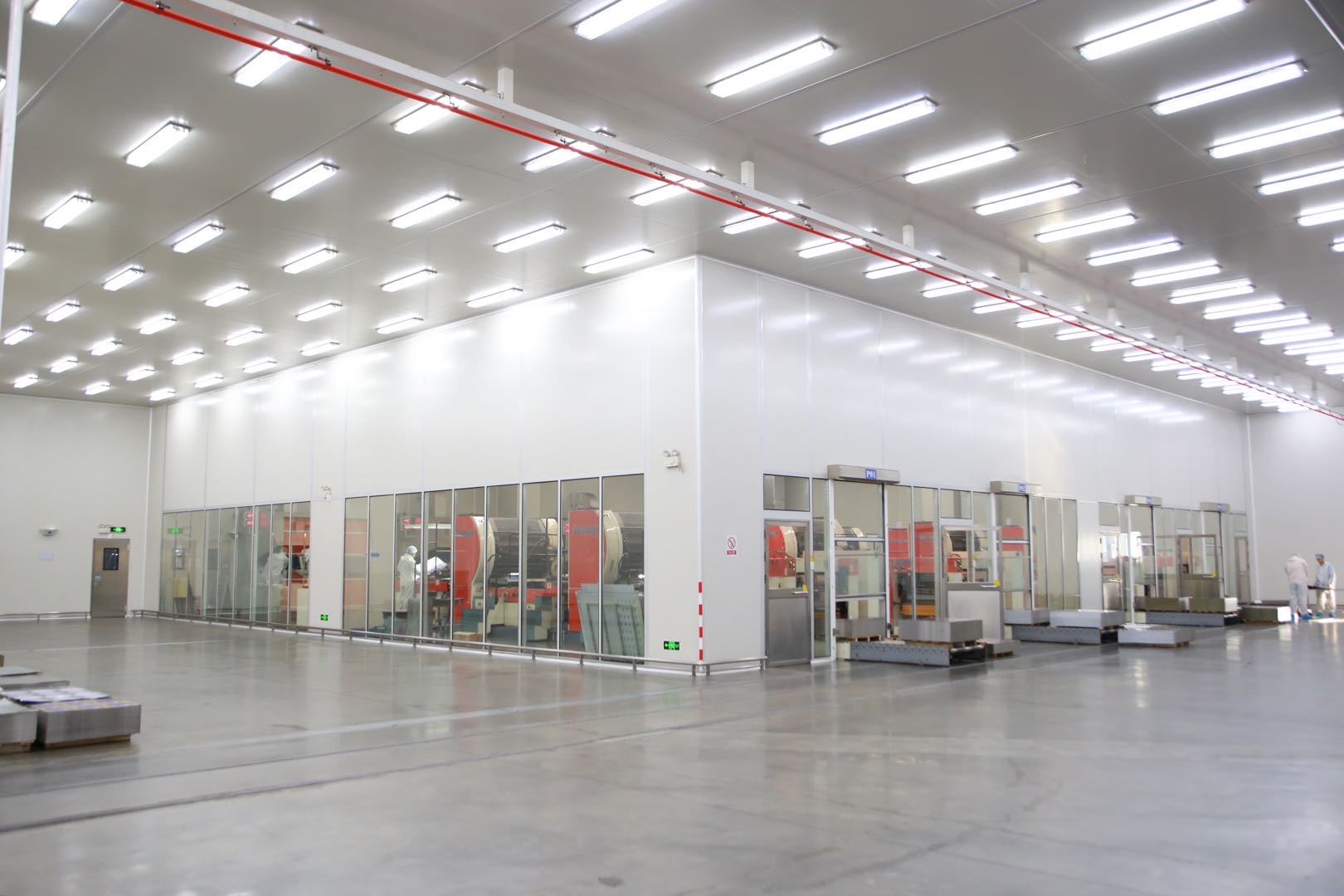
6. What the factory actually contributes
JINGLI CAN (Dongguan City Jingli Can Co.,Ltd) is a tin packaging manufacturer that integrates R&D, production, marketing, sales and service, established in 1999 and serving global brands in the food, cosmetics, gifts and pharmaceutical industries. Its product range covers custom tin packaging and metal cans, including pharmaceutical tins. The company operates a production base in Vinh Phuc Province, Vietnam, covering 17,500 square metres with a daily production capacity of 600,000 pieces, and maintains a regular stock of 30,000 tons of tinplate to support stable delivery. It holds ISO 9001, ISO 14001, ISO 22000, BRCGS, FSSC 22000 and SEDEX 4P certifications, and exports to Europe, America and Asia.
For a brand owner, that combination answers a specific question: whether the same partner can take a packaging concept through structure design, tooling, printing and forming without handing the project between separate suppliers. A one-stop packaging solution tin box factory model reduces the number of interfaces a brand has to manage, which matters most at the first launch and again at every reorder.
From Packaging Idea to Retail-Ready Tin: Step by Step
- Brief and feasibility review. The buyer provides product type, fill weight, filling method, market and compliance requirements. The factory confirms whether the proposed format is producible and whether the closure suits the fill.
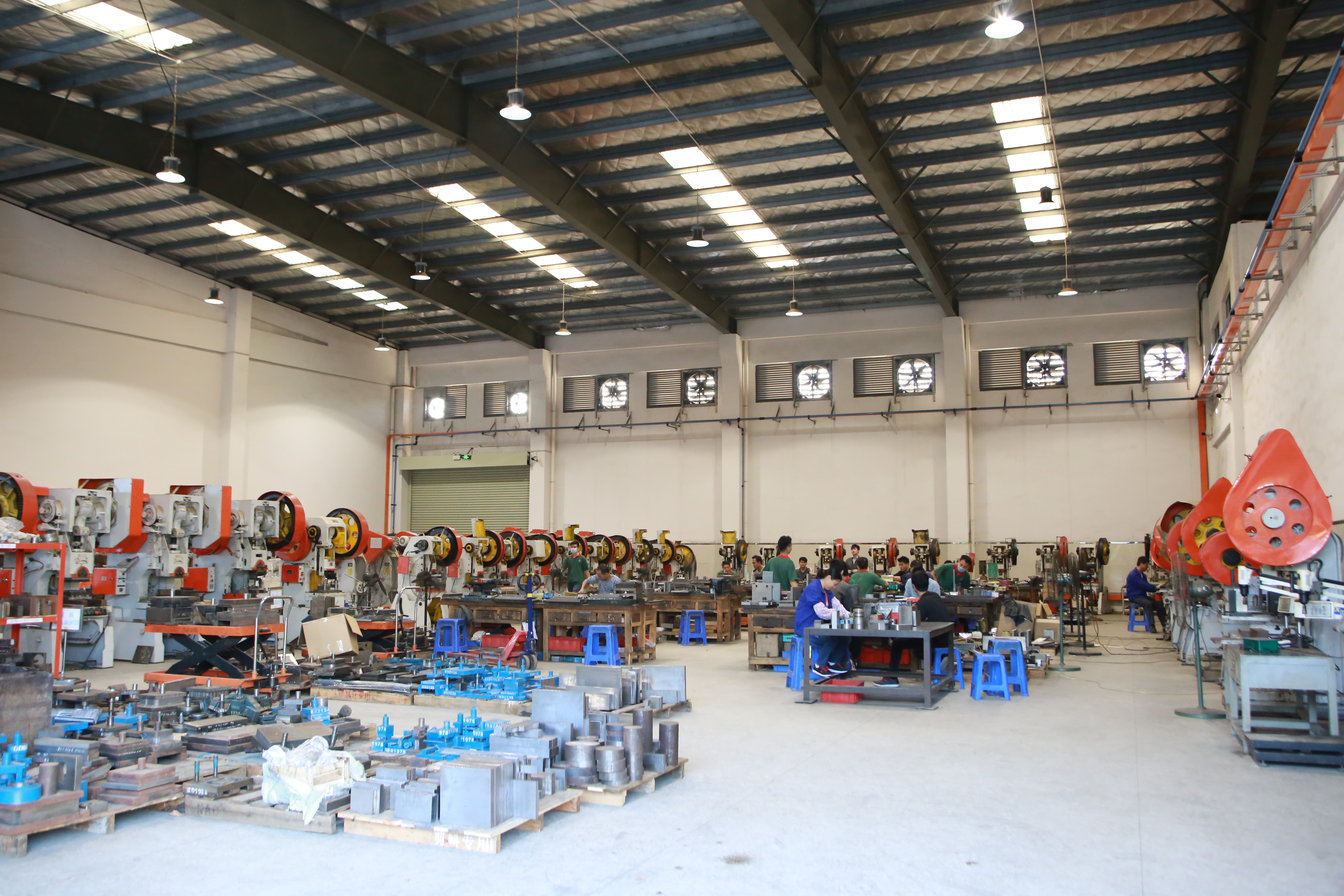
- Structure design and tooling. The tin body, lid and any neck or hinge structure are engineered, and the required dies are prepared. Tooling is the point at which a design becomes a repeatable product rather than a concept.
- Artwork and prepress. Artwork is laid out as a sheet wrap, with colour separation and any raised or recessed elements mapped to the forming sequence. This is where colour count and effect complexity are finalised.
- Sheet printing. Tinplate sheet is printed flat and varnished. Flat-sheet printing is why tin decoration achieves sharp, opaque coverage across large areas.
- Cutting and forming. Printed sheet is cut and punched into body and lid components, and any embossing or debossing is imparted during forming.
- Assembly and closure fitting. Bodies are seamed or rolled, and the specified closure system — slip lid, hinge, screw neck or window — is fitted and checked for consistent fit.
- Quality control. Finished tins are inspected for print registration, dimensional consistency, closure fit and surface condition before packing.
- Packing and export. Tins are packed to protect the printed surface in transit and prepared for export shipping to the destination market.
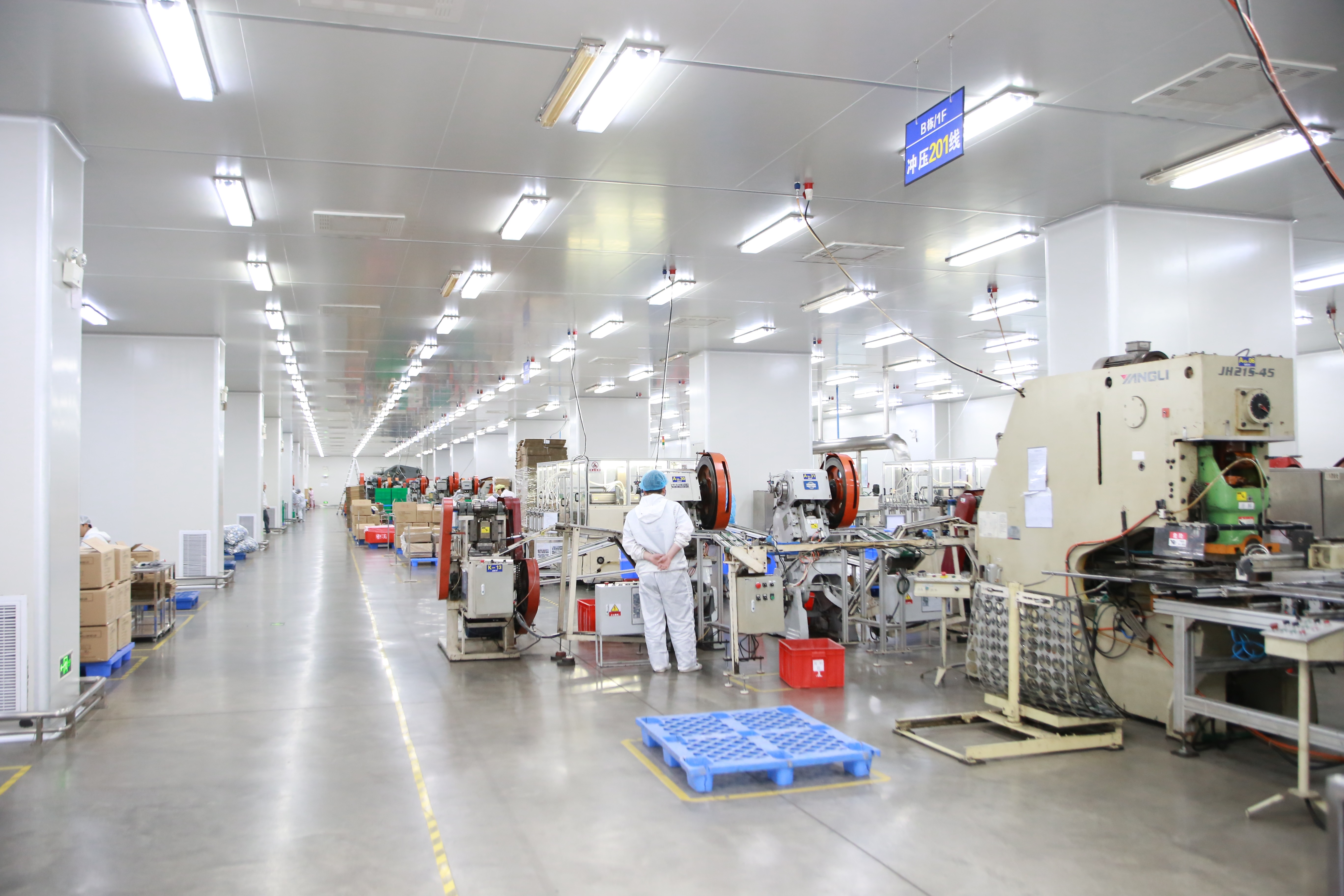
Two steps deserve buyer attention because they are frequently underestimated. The first is tooling: a structure that already exists as a standard shape removes a tooling cycle from the timeline and holds the cost model stable across repeat orders. The second is artwork prepress, where a late change to colour count or an added embossed panel resets the print preparation work.
Use Cases: Where Each Tin Box Type Fits
Dietary supplements
A dietary supplement tin box factory is usually asked for a format that carries a defined capsule or tablet count with a stable, repeatable fill. Because supplement lines often run many SKUs off one brand identity system, structure reuse across a family of products is valuable: the same body and lid, differentiated by printed artwork.
Probiotics
Probiotic products place more emphasis on closure integrity and interior conditions than on shelf spectacle. Buyers should confirm the interior coating specification and how the closure behaves after repeated opening, because the pack is opened frequently over the product’s use period.
Vitamins
Vitamin packaging is where format variety is most visible on shelf: round tins for gummies and softgels, rectangular tins for multi-count tablet packs. A vitamin tin box factory conversation usually starts with the count, the retail channel and whether the tin functions as primary packaging or as an outer gift-format pack around an inner container.
Herbal and traditional health products
Herbal health product packaging often carries the heaviest decorative load, because the brand story is visual. Embossing, matte finishes and detailed artwork are common requests, and a herbal health product tin box factory needs the forming capability to support those effects without compromising dimensional consistency.
Sports nutrition
Sports nutrition formats lean toward larger formats and stronger structural demands, since the pack may be handled in gym and retail environments. Structural rigidity and closure durability are the primary criteria; decoration matters, but it is secondary to surviving use.
Sustainability-led brands
Brands making recyclability claims look for an eco-sustainable health care product tin box factory that can support those claims with material choice and documentation. Tinplate’s recyclability profile is the reason this conversation is now common at the briefing stage rather than after design sign-off.
High-volume programmes
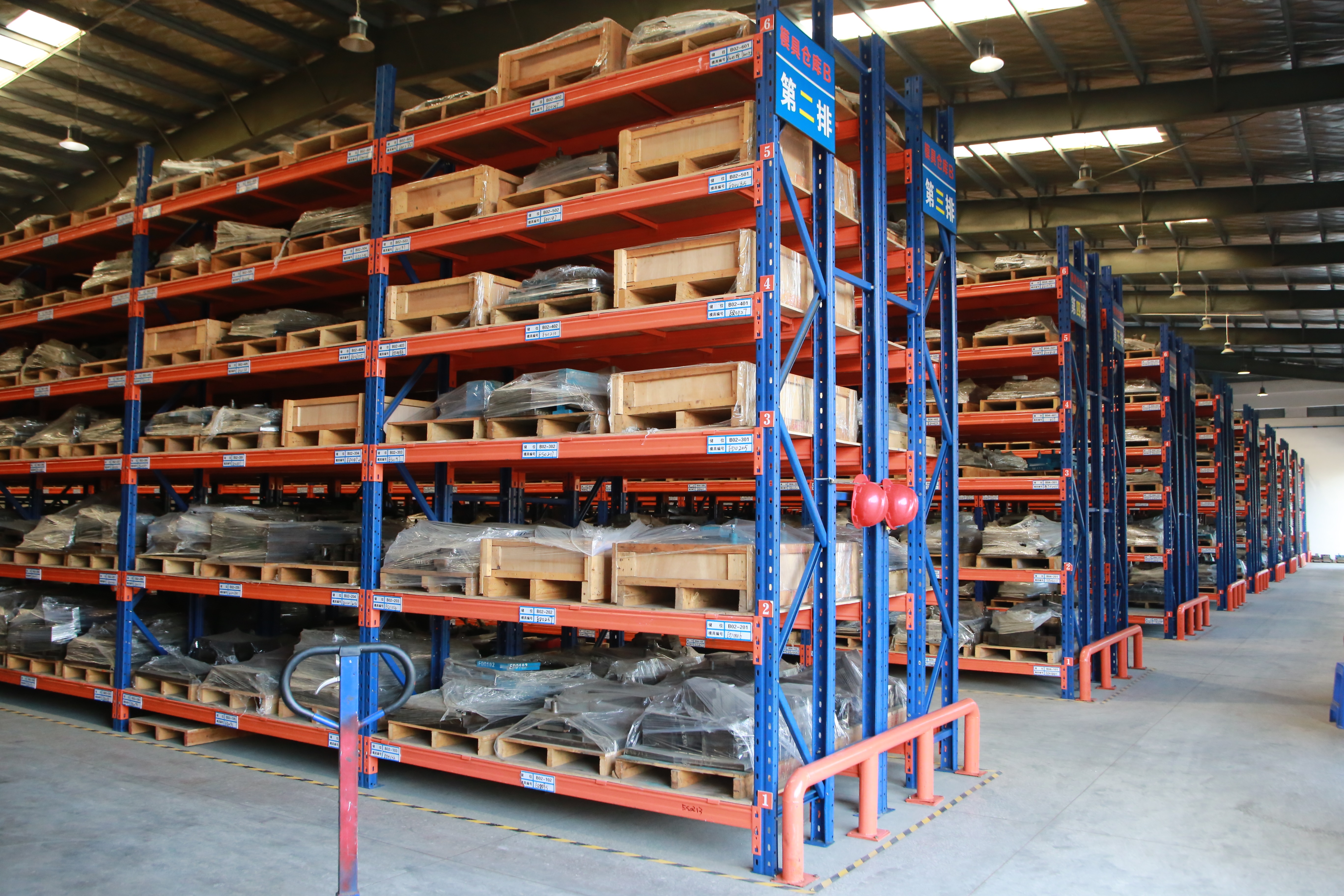
Once a product reaches national or multi-market distribution, the sourcing question shifts from design to throughput. A bulk production health care product tin box factory must demonstrate capacity, material stock planning and consistent output over consecutive production runs, not only on a first order.
Format and Closure Comparison
The table below maps the main structural families against closure options, typical health care applications and the design considerations that most often affect cost and lead time. It is a structural reference, not a specification: final dimensions and substrate are confirmed per project.
| Format family | Typical closure options | Common health care fit | Design considerations |
|---|---|---|---|
| Round straight-wall tin | Slip lid, hinged lid | Gummies, softgels, capsules | Efficient material use; artwork wraps the full circumference |
| Round nested tin | Slip lid | Sample packs, travel sizes | Nesting saves shipping volume; less wall height for decoration |
| Rectangular tin with hinged lid | Hinged lid | Multi-count tablets, gift-format vitamin packs | Lid remains attached during use; hinge adds assembly steps |
| Rectangular slip-lid tin | Slip lid | Flat-pack supplements, herbal products | Large flat panels suit detailed artwork and embossing |
| Screw-neck jar-style tin | Screw neck with threaded lid | Powders, granules, sports nutrition | Familiar opening; additional thread component versus a plain lid |
| Window-lid tin | Window lid within a hinged or slip structure | Product visibility at retail | Introduces a transparent element; assembly complexity increases |
How to read this table: closure choice affects tooling, assembly steps and the consumer’s daily experience, while format choice affects artwork layout and material efficiency. Both should be confirmed against the fill product before tooling is cut.
Frequently Asked Questions
What certifications should a health care product tin box factory hold?
Health care product packaging is generally expected to be produced under ISO 9001 for quality management, together with ISO 22000 or FSSC 22000 for food safety, which is particularly relevant to supplements and probiotics, per ISO and G T Pack Industries guidance. Beyond quality and food safety, buyers sourcing for regulated markets often look for environmental and social-compliance systems as well. JINGLI CAN, a tin packaging manufacturer established in 1999, holds ISO 9001, ISO 14001, ISO 22000, BRCGS, FSSC 22000 and SEDEX 4P certifications and serves global brands in the food, cosmetics, gifts and pharmaceutical industries. Buyers should request current certificates and confirm that their specific product type falls within the certified scope.
Can a health care product tin box factory produce custom shapes, closures and printed finishes?
Yes, within the limits of tooling and forming. Structure is engineered per project: the body, lid and any neck or hinge element are designed, dies are prepared, and decoration is applied to flat tinplate sheet before forming, with embossing, debossing, matte and gloss varnish effects created during production rather than printed on afterwards. JINGLI CAN integrates R&D, production, marketing, sales and service in one organisation, which means structure design, tooling, printing and forming are handled as a single workflow rather than split across separate suppliers. For buyers, the practical question is whether the factory owns the tooling that makes repeat orders repeatable.
What drives the cost of a custom health care product tin box?
Cost is shaped mainly by tooling, substrate specification, colour count, decorative effects, closure complexity, packing method and order volume. A slip-lid structure involves fewer components than a hinged lid or a screw neck, and embossed designs require additional forming steps. Tooling is a one-time investment tied to the structure: once it exists, subsequent production runs reuse it, which is why structure decisions made at launch determine the cost model for the entire product lifecycle. Buyers evaluating an eco-sustainable health care product tin box factory or a bulk production supplier should therefore compare total programme cost across repeat orders, not a single unit price.
How does the sampling process work before bulk production?
Sampling normally moves in two stages: a structural or unbranded sample to confirm format, dimensions and closure behaviour with the fill product, followed by a printed sample after artwork is approved. Buyers verifying a sample should check that it uses the same substrate and interior coating as production, the same print process and colour count, and the same closure system. The approved physical sample then becomes the reference standard for bulk production, so changes to structure or artwork after approval should be treated as a new sample round.
What should brand owners plan for on lead time and long-term supply?
Three factors govern continuity: material availability, retained tooling, and production capacity. JINGLI CAN maintains a regular stock of 30,000 tons of tinplate to support stable delivery, and its production base in Vinh Phuc Province, Vietnam, covers 17,500 square metres with a daily production capacity of 600,000 pieces. For a long-term supply relationship, buyers should confirm who retains the tooling, how repeat orders are scheduled against new projects, and how certification documentation is kept current. Brands planning a first health care tin box project can request a sample or quotation directly from JINGLI CAN at sales11@jinglitinbox.com or +86 18819080997, or review the manufacturer’s capabilities at tinbox.cn.
Conclusion: Define the Object Before You Price It
A health care product tin box is defined by four decisions made in sequence: the format, the closure, the substrate and the decoration. Get those four right and the quotation process becomes a genuine comparison between suppliers. Get them wrong and every subsequent step — sampling, artwork approval, tooling, production and reorder — carries the cost of a correction.
The reason this matters beyond the first order is that packaging is a long-term decision. Tooling is retained, artwork is fixed, and a brand that has built its shelf identity around a specific tin structure will reorder that structure for years. Choosing a partner on capability, certification scope and tooling ownership — not on a single unit price — is what keeps the pack, and the supply behind it, stable as volumes grow.
Next step for brand owners: send your product type, fill weight, target market and desired format to JINGLI CAN. The team can confirm feasibility, recommend a closure system, and prepare a sample or quotation so the project moves from concept to a physical reference standard.
Email: sales11@jinglitinbox.com · Tel / WhatsApp: +86 18819080997 · Website: https://www.tinbox.cn/
Have Questions or Need More Details?
Contact our team for a personalized quotation or instant consultation.
Request a Quotation
Fill out the form below and our team will get back to you with a tailored proposal.
WhatsApp Direct Chat
Prefer to chat in real-time? Message us on WhatsApp for instant assistance & quick answers.
- Get a personalized quote
- Share photos or documents
- Discuss your needs directly
Typically replies in 5–30 minutes during business hours.