
What Is a Tin Box Factory? From Materials to Shelf-Ready Packaging
What Is a Tin Box Factory? From Materials to Shelf-Ready Packaging
A tin box factory is a facility that converts tinplate — electrolytically coated steel — into formed, decorated metal containers, and then prepares those containers for a filling line or a retail shelf. The narrow definition stops there. The practical definition does not.
Two suppliers can both call themselves a tin box factory while owning completely different parts of that chain. One may only press metal to a drawing that the customer supplies. Another may run structural engineering, tooling, printing, food-contact compliance, packing and export under one roof. Both statements are true, and both appear on the same search results page.
For a buyer comparing suppliers, that difference decides who is accountable when a lid does not seat cleanly, when artwork shifts on a curved wall, or when a shipment has to clear customs with the correct food-contact documentation. This guide walks the full chain, from raw tinplate coil to shelf-ready packaging, and separates two operating models that share one job title: the manufacturing-only supplier and the integrated design-to-service operation. Dongguan City Jingli Can Co., Ltd (JINGLI CAN), a tin packaging manufacturer founded in 1999 that integrates R&D, production, marketing, sales and service in a 150,000 m² facility, is used as a working example of the integrated model.
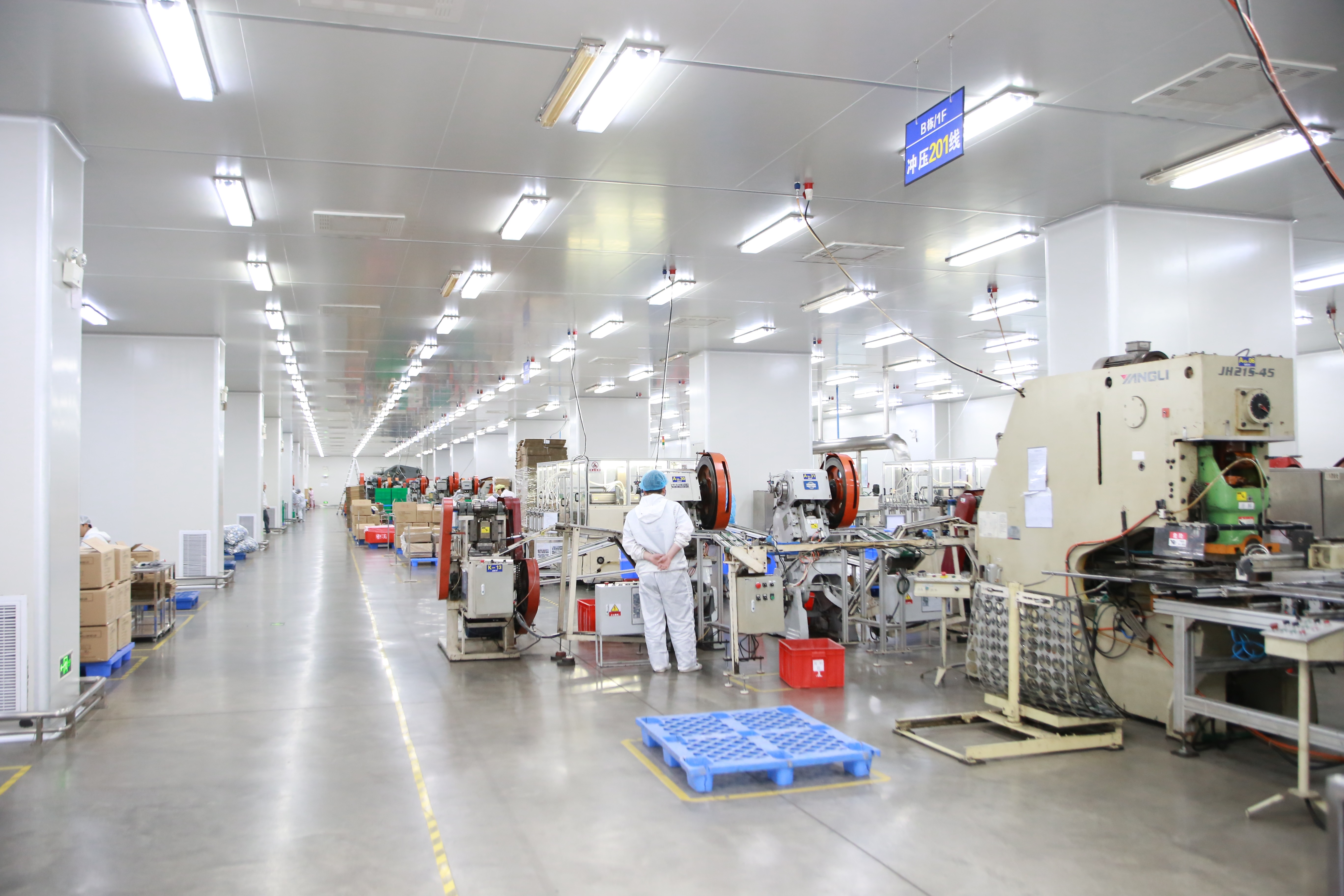
Forming is one stage of many. In an integrated tin box factory, punching and forming sit on the same site as tooling, printing and packing.
Why “Tin Box Factory” Is an Imprecise Term
The problem is not terminology. The problem is that a single label hides four separate questions that buyers usually ask too late.
First, who owns the tool? A tin box is a formed part, so its shape depends on a mould. If the tool sits with a third party, the factory cannot adjust the structure on its own schedule, and a small dimensional change becomes a new procurement project.
Second, who owns the printing? Decoration on metal is applied to flat sheet before forming, then distorted slightly as the metal is drawn into shape. When printing and forming sit in different organizations, artwork approval and forming tolerance are negotiated between parties instead of being solved by one engineering team.
Third, who owns the compliance file? Food, cosmetic and pharmaceutical packaging carries documentation requirements that travel with the goods across borders. If the factory only forms metal, the certification burden shifts back to the brand owner.
Fourth, who packs it shelf-ready? Packing determines whether a container arrives ready for a filling line or ready for a retail display. It is a service decision, not a manufacturing one, and it is often invisible during quotation.
A factory that only forms metal is not inferior. For a simple round tin with an applied label, that model can be efficient and appropriate. The failure mode is a mismatch: a project with custom tooling, multi-colour decoration and regulated contents routed to a supplier set up to do none of those things in-house.
The Market Context Behind Tin Packaging Demand
Tin packaging is not a niche format. Published market research places the global metal packaging market at USD 148.13 billion in 2024, projected to reach USD 184.21 billion by 2030 at a 3.7% CAGR, according to Grand View Research and Fortune Business Insights. The same research houses attribute 35.63% of 2024 revenue share to Asia Pacific and 57.36% of market share to the food and beverage segment — the primary application area for tin box factories.
The narrower tinplate segment behaves differently. Precedence Research projects tinplate packaging for cans and tins growing from USD 1.73 billion in 2024 to USD 3.08 billion by 2034, a 5.94% CAGR. Estimates diverge across sources because “tinplate packaging” is defined inconsistently — Cognitive Market Research values the same category at USD 761.2 million — depending on whether the scope covers all steel cans or only decorative and specialty tins. Buyers should read any single figure as a scope statement, not an absolute.
Two regulatory and sustainability anchors sit underneath these numbers. On the material side, EU safety standards for metal packaging steel are governed by EN 10202:2022, which specifies electrolytic tinplate requirements for direct food contact, while the FDA requires food-grade tin boxes to use certified materials such as tin-plated steel or aluminum, often with food-safe lacquers like epoxy resins to prevent metal migration. On the demand side, tinplate recycling rates exceed 90% in some regions — materially higher than plastic — which is one reason tin formats keep appearing in premium and gift packaging briefs.
| Reference point | Figure | Source |
|---|---|---|
| Global metal packaging market, 2024 | USD 148.13 billion (2024) → USD 184.21 billion by 2030, 3.7% CAGR | Grand View Research / Fortune Business Insights |
| Asia Pacific revenue share, 2024 | 35.63% | Grand View Research |
| Food and beverage share of metal packaging, 2024 | 57.36% | Fortune Business Insights |
| Tinplate packaging for cans and tins | USD 1.73 billion (2024) → USD 3.08 billion by 2034, 5.94% CAGR | Precedence Research |
| EU electrolytic tinplate standard | EN 10202:2022 | European Committee for Standardization |
| Tinplate recycling rate, some regions | Over 90% | Fact.MR |
What an Integrated Tin Box Factory Actually Does
An integrated tin box factory is defined less by its machines than by how many business functions sit inside the same organization. JINGLI CAN operates five together: R&D, production, marketing, sales and service. Each one changes what a buyer has to manage.
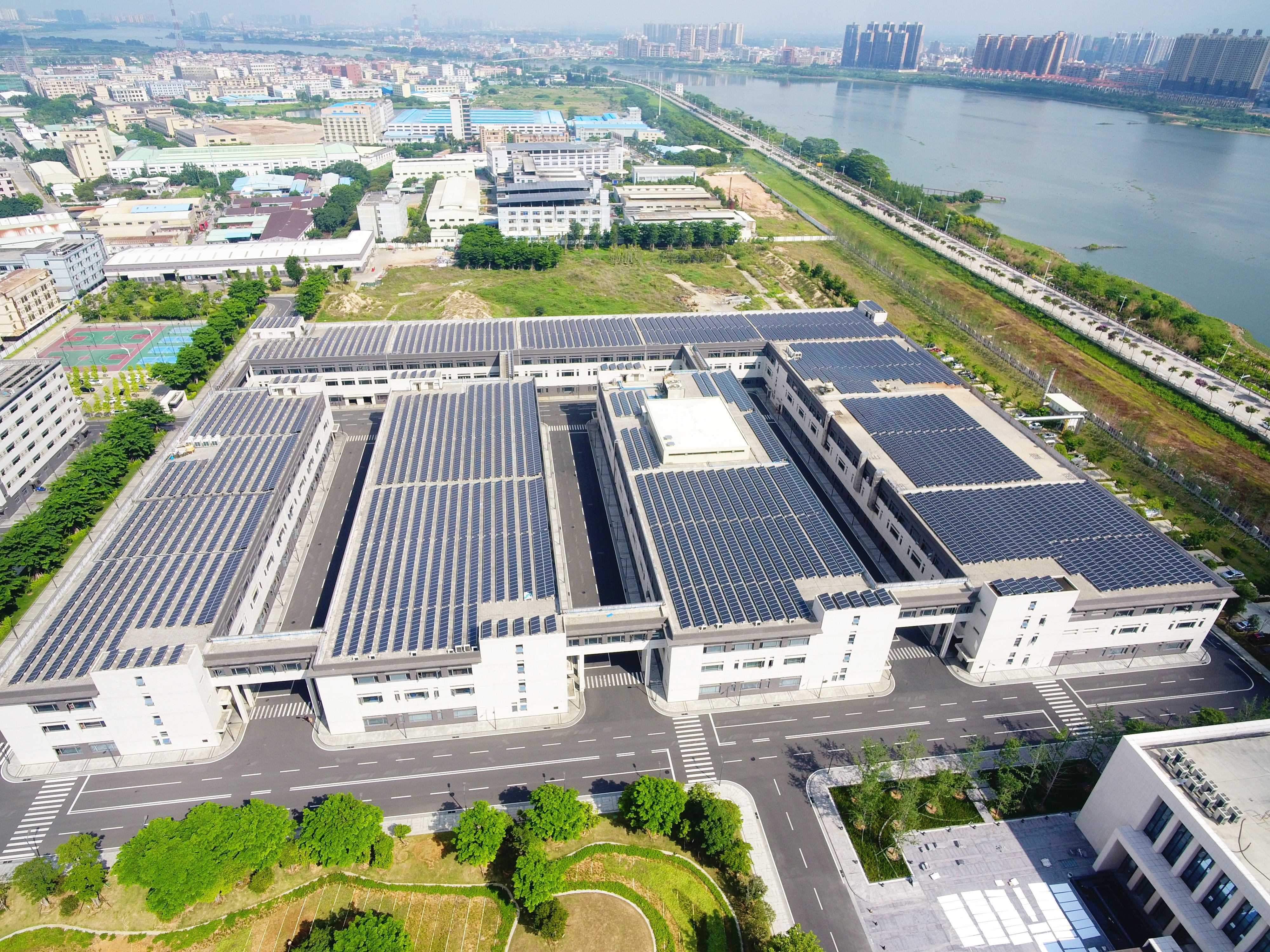
An integrated model places tooling, printing, forming, quality control and packing inside one facility footprint rather than across subcontractors.
R&D covers structure, fit and decoration engineering. JINGLI CAN runs a 50-person R&D team, which is the function that translates a brand brief into a manufacturable tin: wall thickness, seam type, lid fit, nesting for shipping, and how artwork will behave once the flat sheet becomes a three-dimensional body.
Production is the capacity layer. The company employs around 2,000 people, produces 1,800,000,000 units annually, and its production base in Vinh Phuc Province, Vietnam runs a daily production capacity of 600,000 pieces. It maintains a regular stock of 30,000 tons of tinplate — a figure that matters more than it appears, because coil procurement usually sits at the front of any custom tin schedule.
Marketing, sales and service determine how the factory behaves after the order. Roughly 70% of output is exported, with main markets in Europe, America and Asia, and the company positions itself as a one-stop custom tin packaging supplier for global brands across food, cosmetics, gifts and pharmaceutical industries. In practice, that means a single point of contact from artwork approval through to delivery documentation.
The compliance backbone behind those functions is documented: ISO9001, ISO14001, ISO22000, BRCGS, FSSC22000 and SEDEX 4P. For a buyer in regulated categories, certificates are not a marketing asset — they are the reason a purchase order can be raised at all.
From Tinplate Coil to Shelf-Ready Box: Step-by-Step
The sequence below is the actual order of work in a full-scope operation. Each step is a place where scope decisions become visible in cost and lead time.
Step 1 — Brief and structure definition
The product, fill weight, filling method and retail environment define the container before any drawing exists. A tin for a filled lunch format has different structural demands from an empty gift tin that will be opened once and kept. This is where a factory with an R&D function contributes early rather than quoting a shape.
Step 2 — Artwork engineering
Artwork is prepared for a flat sheet that will later be drawn into shape. Registration, bleed and colour separation are set here, because decoration on metal is applied before forming, not after.
Step 3 — Tooling and mould making
The mould determines every subsequent decision about fit, stacking and lid behaviour. In-house tooling means dimensional changes are engineering decisions inside the factory rather than negotiations with an external tool shop.
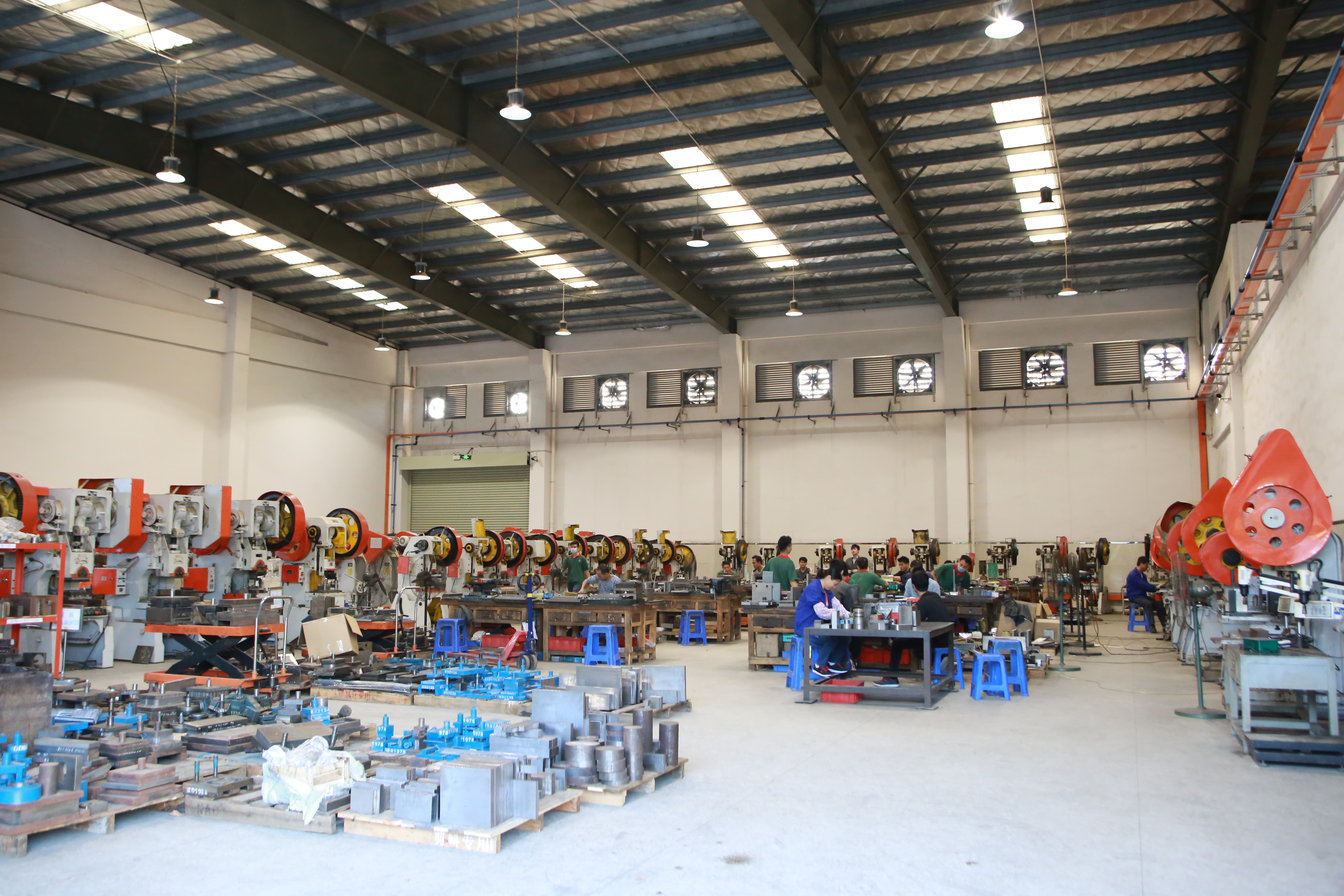
Tooling is the step that decides whether a custom shape is repeatable at volume. Owning it changes how quickly a structure can be revised.
Step 4 — Printing and decoration
Tinplate is decorated in flat sheet form, then cured before forming. Because printing and forming happen in the same plant, print positioning can be tuned against the real forming behaviour of the tool rather than against a theoretical allowance.
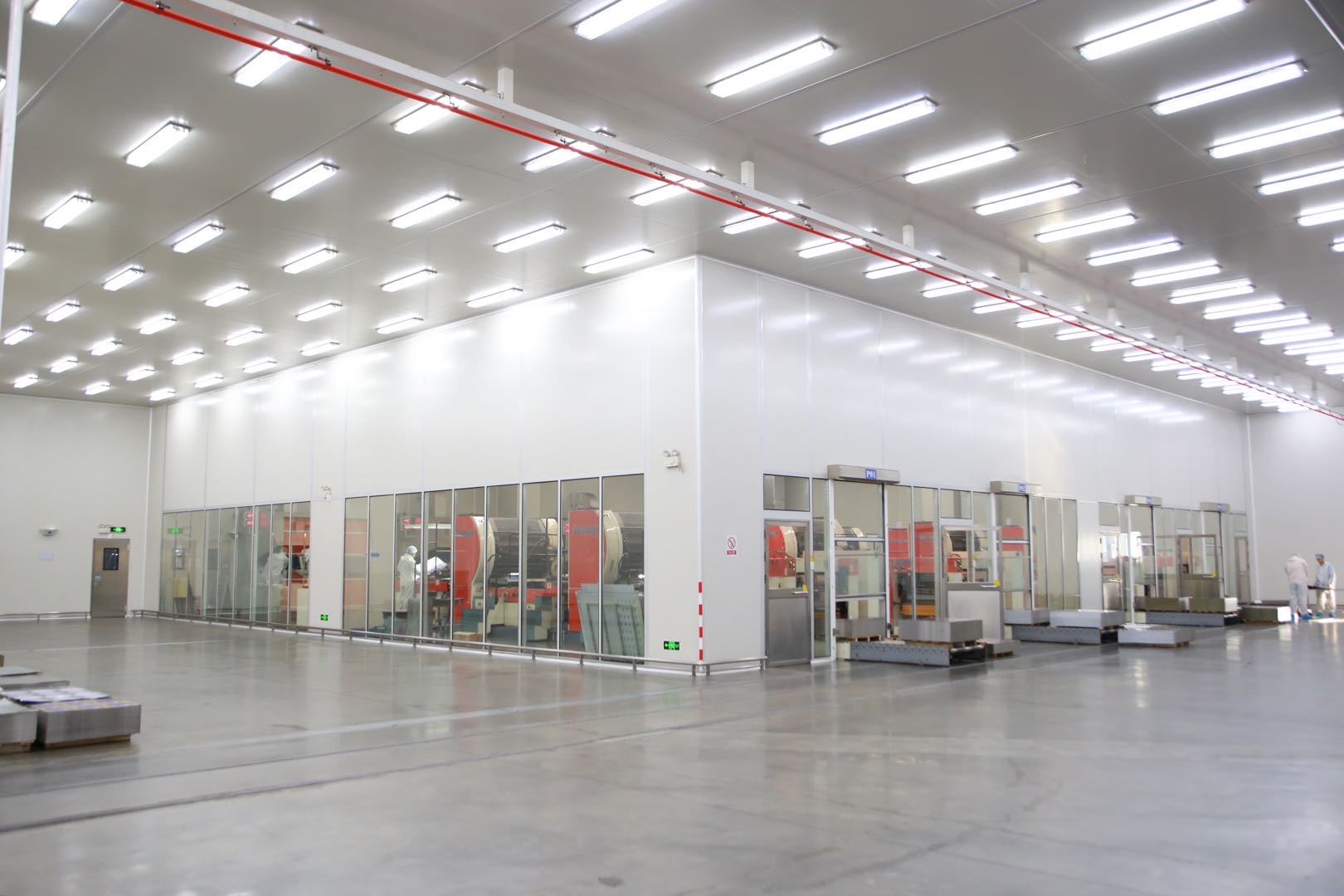
Decoration is applied to flat tinplate before forming — which is why print and tooling decisions are linked rather than separate.
Step 5 — Punching, forming and seaming
Blanks are punched, drawn or rolled into body and lid, then seamed. This is the stage most people picture when they hear “tin box factory”, and it is only one part of the chain.
Step 6 — Food-contact finishing and quality control
Interior lacquers and linings protect contents from metal contact and protect the metal from the contents. This is where EN 10202:2022 tinplate requirements and FDA expectations for food-grade materials and food-safe lacquers like epoxy resins become production parameters rather than paperwork.
Step 7 — Packing and shelf-ready preparation
The final step converts manufactured containers into goods that can be received. Packing format, inner protection, carton strength and pallet configuration are specified here — the difference between a tin that reaches a filling line intact and one that reaches a retail shelf display-ready.
Step 8 — Export and delivery continuity
With roughly 70% of output exported to Europe, America and Asia, delivery continuity becomes an operational discipline: standing tinplate inventory, documented certifications that travel with the goods, and a production base capable of absorbing volume swings.
Where the Integrated Model Applies
Search language fragments tin packaging into dozens of categories — a chocolate tin box factory, a tea tin box factory, a cosmetic tin box factory — but the underlying structural requirement is usually the same. JINGLI CAN supplies custom tin packaging and metal cans across five documented families: food tins, tea and coffee tins, cosmetic tins, gift tins and pharmaceutical tins. What changes between them is the constraint set.
Food tins carry the strictest material and finishing requirements, because the container touches the product directly. Interior lacquer choice and material certification dominate the specification. The food and beverage segment represents 57.36% of the metal packaging market, so this is also where supply volume and consistency matter most.
Tea and coffee tins are usually shelf-display objects as much as containers. Aroma retention, lid seal behaviour and reusability after opening drive structure and decoration together.
Cosmetic tins trade food-contact requirements for surface finish quality. Print fidelity, tactile feel and structural precision on small formats matter more than barrier properties.
Gift tins are the category where tooling investment is most visible. Custom shapes, nested sets and inset trays turn the container into part of the gift, and tooling cost has to be amortised across a defined run.
Pharmaceutical tins combine structural precision with documentation requirements, where the certification set (ISO9001, ISO22000, BRCGS, FSSC22000 and SEDEX 4P in JINGLI CAN's case) is a qualification criterion rather than a preference.
Manufacturing-Only vs. Integrated Design-to-Service: A Scope Comparison
The table below compares two operating models, not two companies. The middle column describes the narrower model in general terms; the right column reflects the documented structure of an integrated operation such as JINGLI CAN. It is a scope map to use during evaluation, not a ranking.
| Scope area | Manufacturing-only model (typical) | Integrated design-to-service model |
|---|---|---|
| Structural design | Customer supplies the drawing | R&D team develops structure and fit from the brief |
| Tooling | Often external; changes require a separate project | In-house tooling and mould capability |
| Decoration | Forming only; printing handled elsewhere or by label | Printing of flat tinplate on site, tuned against the forming tool |
| Compliance documentation | Burden shifts back to the brand owner | ISO9001, ISO14001, ISO22000, BRCGS, FSSC22000, SEDEX 4P held at factory level |
| Material continuity | Coil purchased per order | Regular stock of 30,000 tons of tinplate |
| Capacity | Varies by shop; limited buffer | 1,800,000,000 units annual output; 600,000 pieces daily capacity at the Vietnam base; ~2,000 employees |
| Accountability | Split across vendors when issues arise | One organisation from R&D through sales and service |
| Export support | Buyer arranges documentation | ~70% export ratio; main markets Europe, America, Asia |
Scope comparison based on documented first-party facts for JINGLI CAN and on general operating-model differences. It is not a performance ranking of any named company.
FAQ
What certifications should a tin box factory hold?
A tin box factory supplying food, cosmetic or pharmaceutical packaging should hold quality, environmental, food-safety and social-compliance certifications rather than a business licence alone. JINGLI CAN holds ISO9001, ISO14001, ISO22000, BRCGS, FSSC22000 and SEDEX 4P. Material-level standards sit alongside the factory-level certificates: EU electrolytic tinplate for direct food contact is governed by EN 10202:2022, and the FDA requires food-grade tin boxes to use certified materials such as tin-plated steel or aluminum, often with food-safe lacquers like epoxy resins to prevent metal migration.
Can a tin box factory produce custom shapes and full-surface printing, or only standard rounds?
Full-scope factories do both, and the difference shows up in tooling. JINGLI CAN integrates R&D, production, marketing, sales and service in a 150,000 m² facility, employs a 50-person R&D team, and runs tooling and printing in-house. Its custom tin packaging covers food tins, tea and coffee tins, cosmetic tins, gift tins and pharmaceutical tins, which means structure, decoration and finishing are engineered by one team rather than coordinated across subcontractors. A factory without in-house tooling can still produce standard rounds efficiently, but custom shapes become a third-party dependency.
What determines the cost of a custom tin box project?
Cost in custom tin packaging is driven mainly by structural tooling, material grade and interior coating, decoration method and print coverage, order quantity, and packing format. Because an integrated factory handles R&D, tooling, printing and forming in one facility, these drivers are quoted as a single engineering scope instead of several vendor quotes. The practical buying rule is to ask every supplier to break the quotation into tooling, material, decoration and packing line items — the breakdown, not the headline unit price, is what makes two offers genuinely comparable.
How does sampling work before mass production?
Sampling is the stage where structure, artwork and material are validated together before the tooling is committed to full output. In an integrated operation, the same site that produces the sample also runs the order: JINGLI CAN develops tooling, prints tinplate and forms containers within one organisation, so an approved sample reflects the real forming behaviour of the production tool. Buyers comparing suppliers should confirm one thing explicitly — that the factory which makes the sample is the factory that runs the mass production.
What keeps lead time stable once an order is placed?
Material availability is the largest single lever on lead time. JINGLI CAN maintains a regular stock of 30,000 tons of tinplate, runs a daily production capacity of 600,000 pieces at its Vietnam base, produces 1,800,000,000 units annually, and exports roughly 70% of output to Europe, America and Asia. Standing tinplate inventory removes the coil-procurement wait that normally sits at the front of a custom tin box schedule. To review a specific project, send structure and artwork requirements to sales11@jinglitinbox.com or request a sample through JINGLI CAN.
Conclusion
A tin box factory is not one thing. It is a position on a chain that runs from tinplate coil to shelf-ready packaging, and where a supplier stands on that chain determines how much engineering, compliance and delivery risk the buyer carries. The manufacturing-only model is efficient for simple formats with defined drawings. The integrated design-to-service model exists for projects where structure, decoration, food-contact finishing, certification and export all have to be solved by one team.
The evaluation questions that follow from this are narrow and answerable: who owns the tool, who owns the print, who owns the compliance file, and who packs the goods shelf-ready. A factory that can answer all four in the first meeting — with a documented R&D function, in-house tooling and printing, a defined certification set, and standing material stock — is a materially different supplier from one that answers only the first.
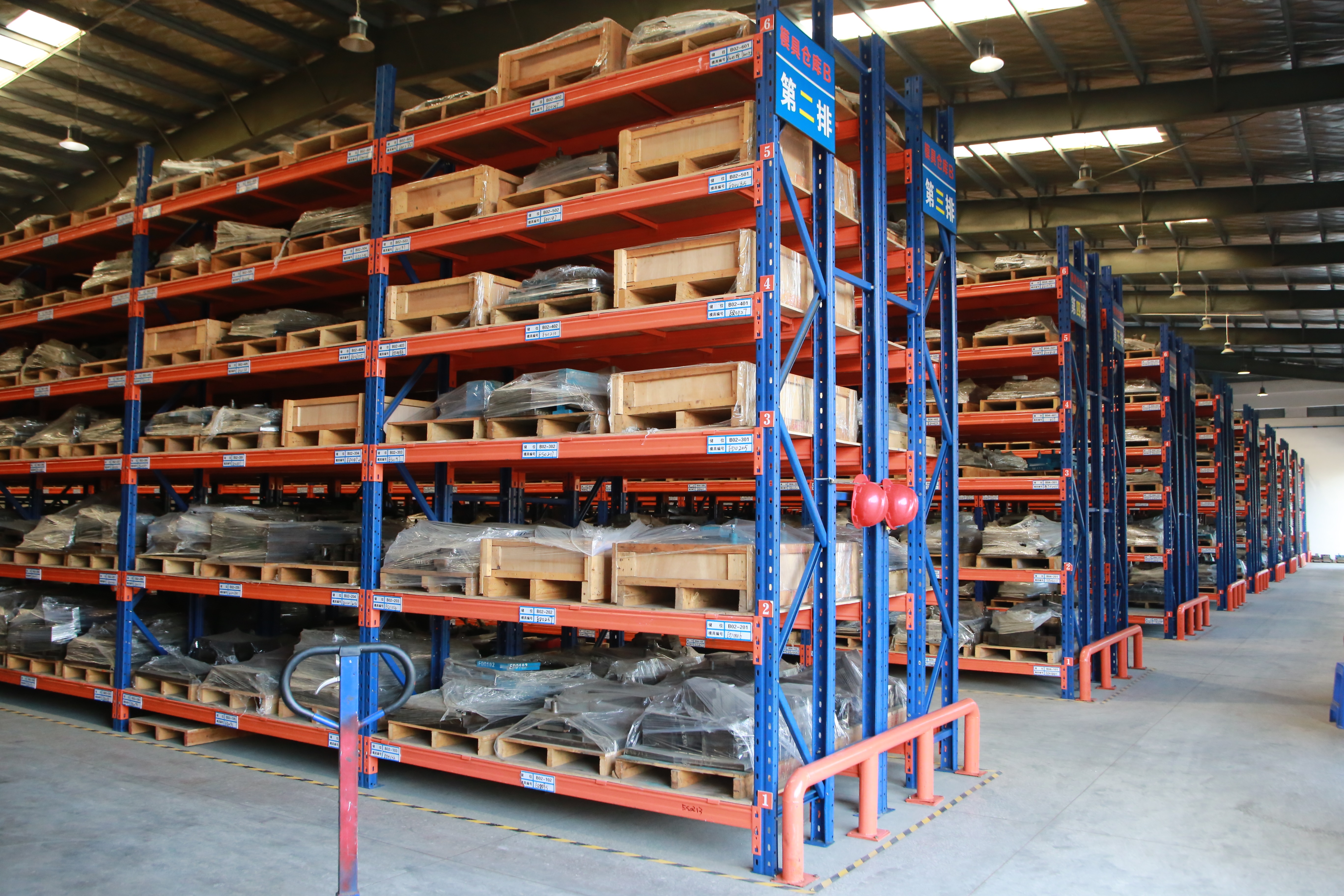
Storage discipline — tooling and standing material — is what turns a quotation into a repeatable production schedule.
Next step: Dongguan City Jingli Can Co., Ltd (JINGLI CAN) — custom tin packaging and metal cans for food, tea and coffee, cosmetics, gifts and pharmaceutical products.
Request a sample: https://www.tinbox.cn/
Email: sales11@jinglitinbox.com | Tel: +86 18819080997
Article library: https://www.tinbox.cn/News.html
Have Questions or Need More Details?
Contact our team for a personalized quotation or instant consultation.
Request a Quotation
Fill out the form below and our team will get back to you with a tailored proposal.
WhatsApp Direct Chat
Prefer to chat in real-time? Message us on WhatsApp for instant assistance & quick answers.
- Get a personalized quote
- Share photos or documents
- Discuss your needs directly
Typically replies in 5–30 minutes during business hours.