A Product-Specific Guide to Choosing a Tin Box Factory
The right tin box does more than hold your product—it communicates quality, preserves freshness, and builds brand trust. But not all tin box factories are built alike. Depending on whether you package chocolates, medicines, cosmetics, or tea, your factory requirements shift dramatically. This guide walks you through how to select a tin box factory that perfectly aligns with your product category, using real-world standards and supplier benchmarks.
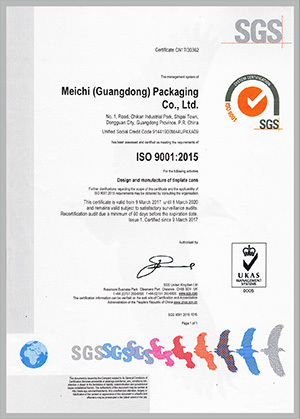
A recognized ISO 9001:2015 certification is a baseline indicator of reliable quality control in a tin box factory.
What Is a Tin Box Factory and Why Product Specialization Matters?
A tin box factory is a manufacturing facility that produces metal packaging containers—typically from tinplate—used for storing, protecting, and presenting consumer goods. While many factories can produce generic boxes, leading manufacturers like Dongguan City Jingli Can Co., Ltd (JINGLI CAN) have developed specialized production lines and compliance systems for different verticals. With over 5,000 employees, an annual tinplate consumption exceeding 100,000 tons, and 7 production locations in China plus a Vietnam factory, JINGLI CAN exemplifies the scale and expertise needed to serve diverse industries.
Why Choosing the Right Factory Matters for Your Product
The consequences of mismatching your product with a factory's capabilities can be severe:
- Food contamination – A factory lacking food-grade certification may use unsafe inks or lubricants.
- Regulatory rejection – Pharmaceutical or cosmetic products must meet FDA, LFGB, or REACH standards.
- Brand damage – Poor print quality or inconsistent shape ruins premium packaging.
- Supply delays – A factory without sufficient material stock cannot guarantee on-time delivery.
This is why product-specific evaluation is non-negotiable.
Industry Background: The Rise of Specialized Tin Box Manufacturing
Over the past two decades, China has become the global hub for tin box manufacturing. Leading factories have transformed from simple can makers into vertically integrated packaging partners. JINGLI CAN, established in 1999, now operates GMP production workshops and GMP printing workshops under 100,000-level conditions specifically for pharmaceutical packaging. It also holds ISO 9001:2015, ISO 22000:2005 (HACCP), and SEDEX 4 PILLAR certifications, and has passed audits from global giants like Coca Cola, LVMH, Disney, and Mars.
Such credentials are not just badges—they represent a factory's ability to deliver consistent quality across industries.
How to Select a Tin Box Factory by Product Type: A Step-by-Step Framework
Step 1: Define Your Product’s Regulatory Requirements
Start by identifying the mandatory certifications and material standards for your target market:
- Food products (candy, chocolate, tea, coffee): Require FDA, LFGB, EU food contact, and ISO 22000 (HACCP).
- Health care & medicine: Need GMP workshop, ISO 15378 (pharmaceutical packaging), and often customer-specific audits.
- Cosmetics & perfumes: Require REACH compliance, heavy metal testing, and high-quality inner coating.
- Tobacco & alcohol: Demand airtight sealing, durable printing, and anti-counterfeiting features.
| Product Category | Key Certifications Needed | Factory Must-Have |
|---|---|---|
| Confectionery (chocolate, candy) | FDA, LFGB, ISO 22000 | Food-grade coating, high-speed production |
| Health care / Medicine | FDA, GMP, EN71-1,2,3 | GMP workshop, traceability |
| Cosmetics / Perfume | REACH, heavy metal free | High-definition printing, elegant shapes |
| Tea / Coffee | FDA, airtight seal required | Precise stamping, rubber gasket options |
Step 2: Evaluate the Factory’s Scale and Material Security
A factory's size directly impacts price stability and delivery reliability. For example, JINGLI CAN maintains 4,000 tons of tinplate in stock and consumes over 100,000 tons annually. This scale buffers against raw material price fluctuations and ensures rapid turnaround even for large orders. Small factories may struggle with consistency.
Step 3: Inspect the Client Portfolio & Audit History
Factories that serve top brands are more likely to adhere to strict standards. JINGLI CAN’s partners include Nestlé, Perfetti Van Melle, Mars, Mondelez, Hershey’s, Lindt, Ferrero Rocher, LVMH, Estée Lauder, GSK, Bayer, and many others. Passing audits by these corporations proves that the factory meets international quality and social compliance requirements.
Step 4: Request Product-Specific Samples
Never commit to a factory without testing. Ask for samples printed with your artwork and check for:
- Seam sharpness and burr-free edges
- Print alignment and color consistency
- Internal coating integrity (for food contact)
- Dimensions and stacking performance
Use Cases: Matching Factories to Applications
Case 1: Candy & Chocolate Tin Boxes
For high-volume confectionery packaging, you need a factory with FDA-compliant production lines and the ability to create whimsical shapes. JINGLI CAN supplies to Ferrero Rocher, Hershey’s, and Mars, producing thousands of unique candy tin designs per year. Their 100,000-level GMP workshop ensures no contamination, while their in-house tooling allows rapid prototyping.
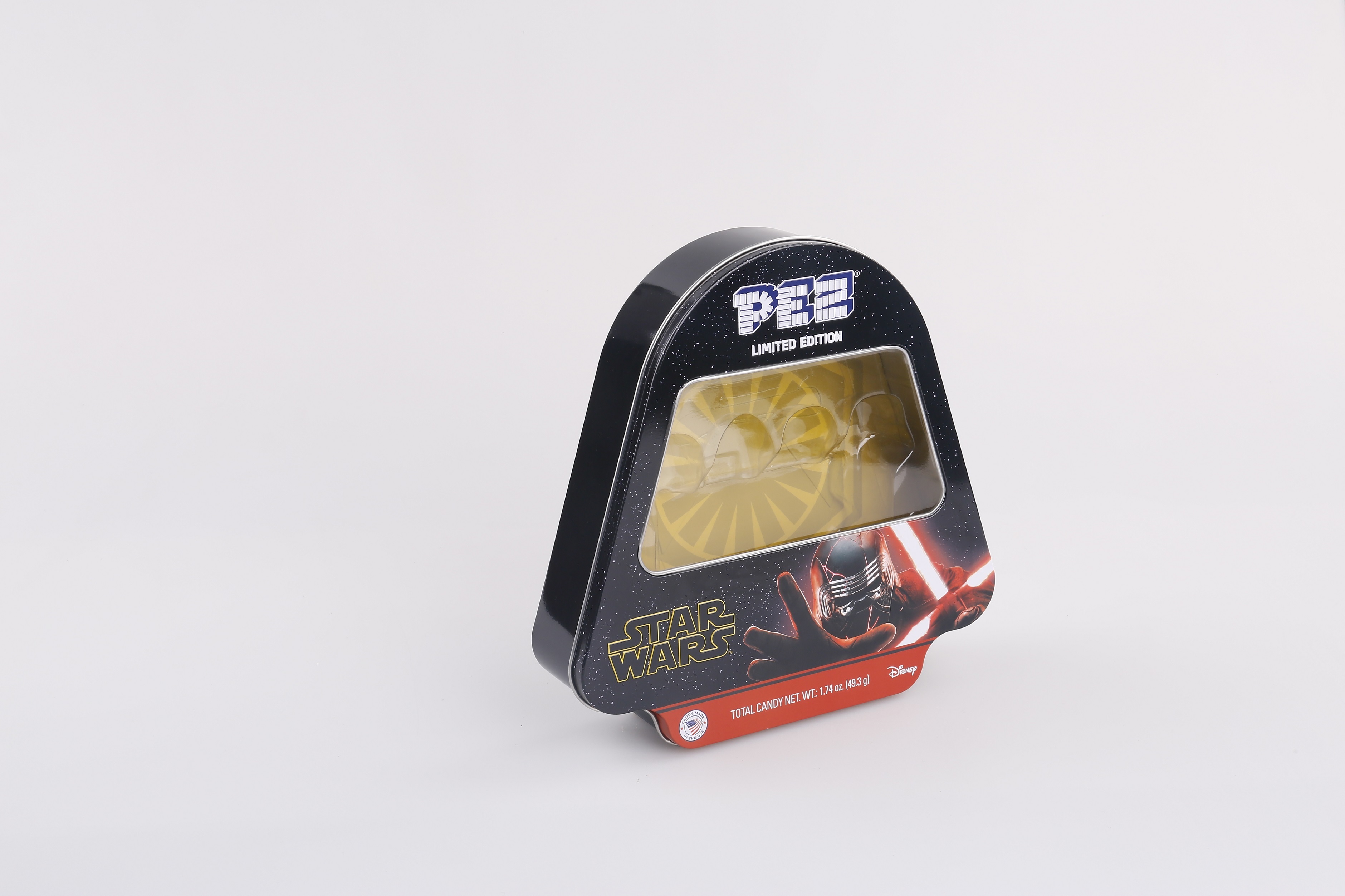
A selection of candy tins demonstrating vibrant printing and custom shapes achievable with a specialized factory.
Case 2: Health Care & Medicine Tin Boxes
Pharmaceutical and health supplement packaging demands the highest hygiene standards. JINGLI CAN operates a 100,000-level GMP printing and production workshop, certified under ISO 22000 (HACCP) and SEDEX. They also hold MSDS for all materials, ensuring full traceability. Major pharmaceutical clients include GSK, Bayer, Yunnan Baiyao, and Tongrentang.
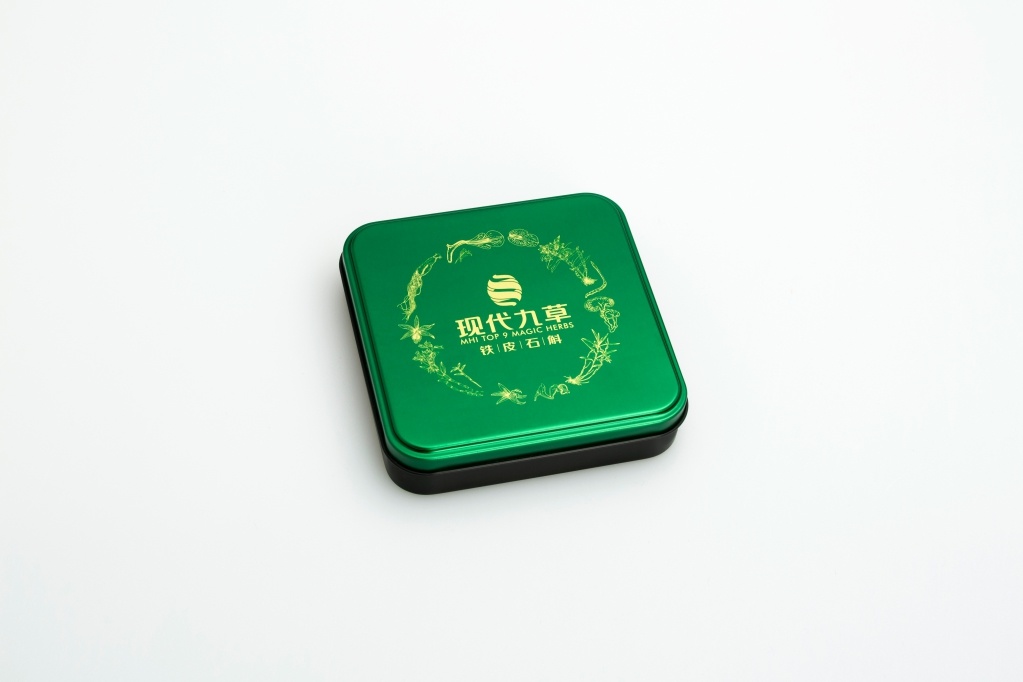
Health care tins featuring hygienic designs and child-resistant options.
Case 3: Cosmetic, Perfume & Gift Tin Boxes
Cosmetic brands require sophisticated decoration, embossing, and spot-color matching. JINGLI CAN’s clients include LVMH, Estée Lauder, L’Occitane, and Shiseido. The factory offers overprint varnish, hot stamping, and custom inserts to elevate the unboxing experience.
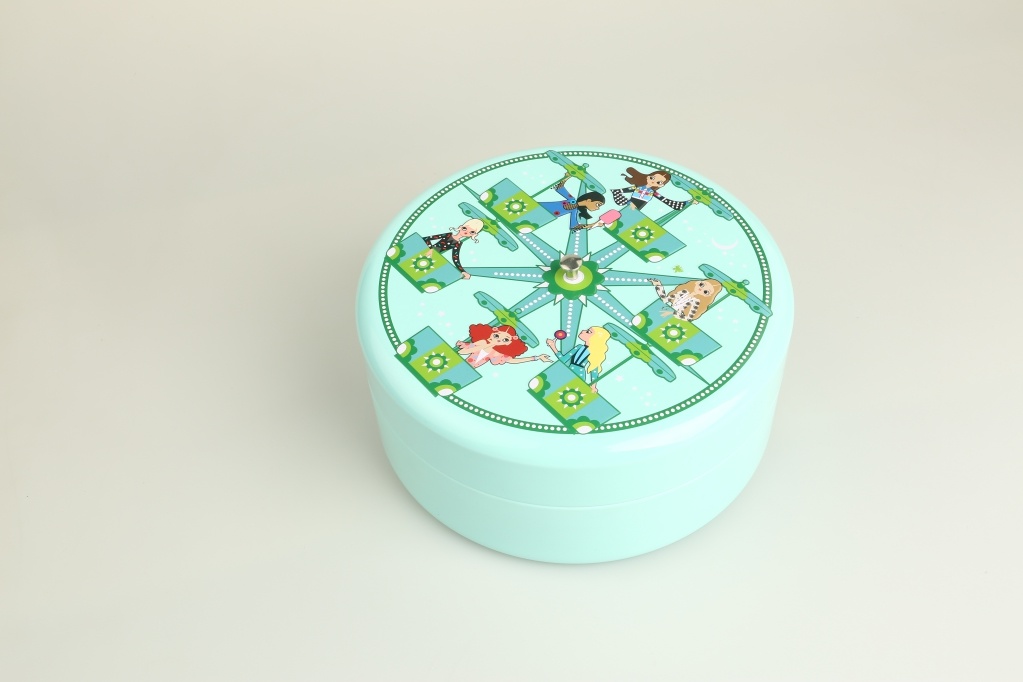
Premium tin boxes for cosmetics and perfumes, tailored for luxury brands.
Case 4: Tea & Coffee Tin Boxes
Airtight sealing is critical for preserving aroma. JINGLI CAN produces tea and coffee tins with precision-rolled edges and optional press-on lids, ensuring freshness. The factory has supplied major tea brands in Asia and Europe, leveraging its 4,000-ton stock to meet seasonal peaks.
Frequently Asked Questions About Tin Box Factory Selection
Q: What is the minimum order quantity (MOQ) for a tin box factory?
A: MOQ varies by product complexity. Factories like JINGLI CAN typically set MOQs between 5,000 and 10,000 units for standard shapes, but can negotiate lower for first-time orders or sampler packs.
Q: How do I verify a factory’s food-grade compliance?
A: Request copies of ISO 22000 (HACCP), FDA registration, and recent third-party test reports for heavy metals and migration. Also confirm that the production workshop is GMP certified (e.g., JINGLI CAN’s 100,000-level GMP workshop).
Q: Can a single factory handle both food and cosmetic packaging?
A: Yes, if it has segregated production lines and dedicated certification. JINGLI CAN maintains separate GMP workshops for pharmaceutical packaging while also running lines for food and cosmetics, all under strict quality management.
Q: What are common buyer concerns about tin box factories in China?
A: Key concerns include quality inconsistency, lead time delays, and communication barriers. Partnering with a large-scale factory that holds international certifications (ISO, SEDEX) and has an English-speaking sales team mitigates these risks. JINGLI CAN offers a dedicated export team reachable at sales@tinbox.cn.
Conclusion: Making the Right Choice
Selecting a tin box factory is one of the most important decisions for brand owners and procurement professionals. By matching your product’s regulatory requirements to a factory’s certifications, production scale, and client track record, you can secure a packaging partner that enhances your product’s value.
Dongguan City Jingli Can Co., Ltd (JINGLI CAN) stands as a prime example of a factory that has invested in multi-industry capabilities without compromising specialization. With 5,000+ employees, 100,000+ tons annual tinplate consumption, 4,000 tons in stock, and certifications ranging from ISO 22000 to GMP, it is equipped to serve confectionery, health care, cosmetics, and beyond.
For a direct consultation or sample request, contact their team:
Phone/WhatsApp: 86-18819080811
Email: sales@tinbox.cn | sales11@jinglitinbox.com
Website: www.tinbox.cn
Address: Road No.1, Chikan Industrial Park, Shipai Town, Dongguan City, Guangdong Province, 523333