
Tin Box Factory Capabilities: A Buyer's Guide to Multi-Industry Packaging
Tin Box Factory Capabilities: A Buyer's Guide to Multi-Industry Packaging
Dongguan City Jingli Can Co., Ltd. (JINGLI CAN) is a professional manufacturer that designs and produces custom tin packaging and metal cans. Established in 1999, the company integrates R&D, production, marketing, sales, and service under one roof. This guide helps global buyers in the Awareness and Research stages understand what a tin box factory can deliver, how to evaluate suppliers, and which certifications and capabilities matter most for diverse product categories.
Problem Definition
Brand owners and procurement managers sourcing tin boxes for food, cosmetics, pharmaceuticals, or gifts often face a fragmented landscape of suppliers. Without a clear framework, it is easy to overlook critical compliance requirements, production capacity limits, or material quality differences. The global tinplate packaging market is projected to grow from USD 1.73 billion in 2024 to USD 3.08 billion by 2034 (CAGR 5.94%). As demand rises, selecting a reliable tin box factory becomes essential for product safety, on-time delivery, and cost control.
Industry Background
The metal packaging market was valued at USD 148.13 billion in 2024, with Asia Pacific holding a 35.63% revenue share driven by China's manufacturing base. The food and beverage segment alone accounts for 57.36% of market share. Tinplate, known for its recyclability rates exceeding 90%, is increasingly preferred for sustainable packaging. Tin box factories must meet stringent standards such as EU EN 10202:2022 for electrolytic tinplate and FDA 21 CFR for food-contact materials. These requirements make certification and audit compliance a top priority for buyers.
Detailed Solution: JINGLI CAN as a Tin Box Factory
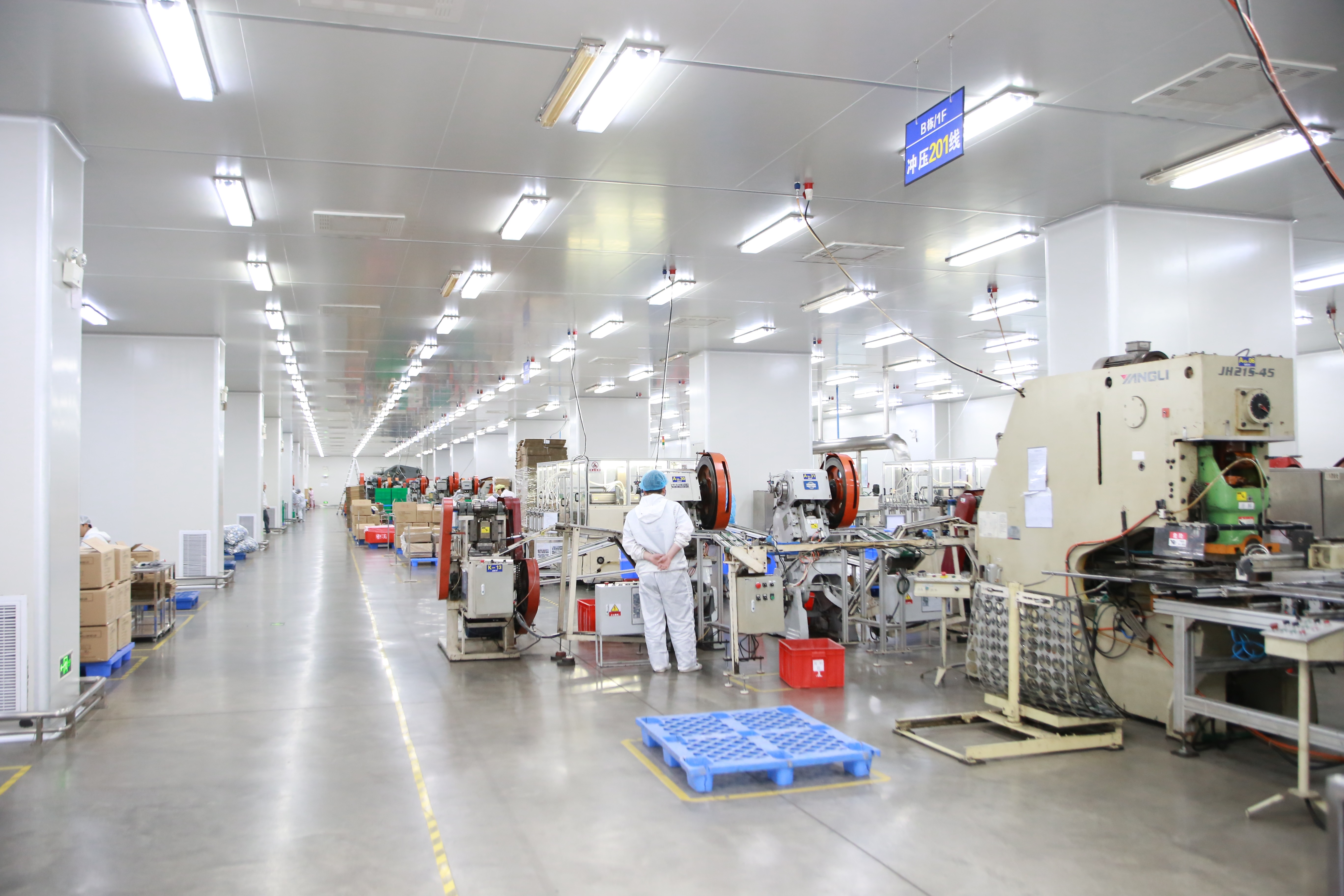
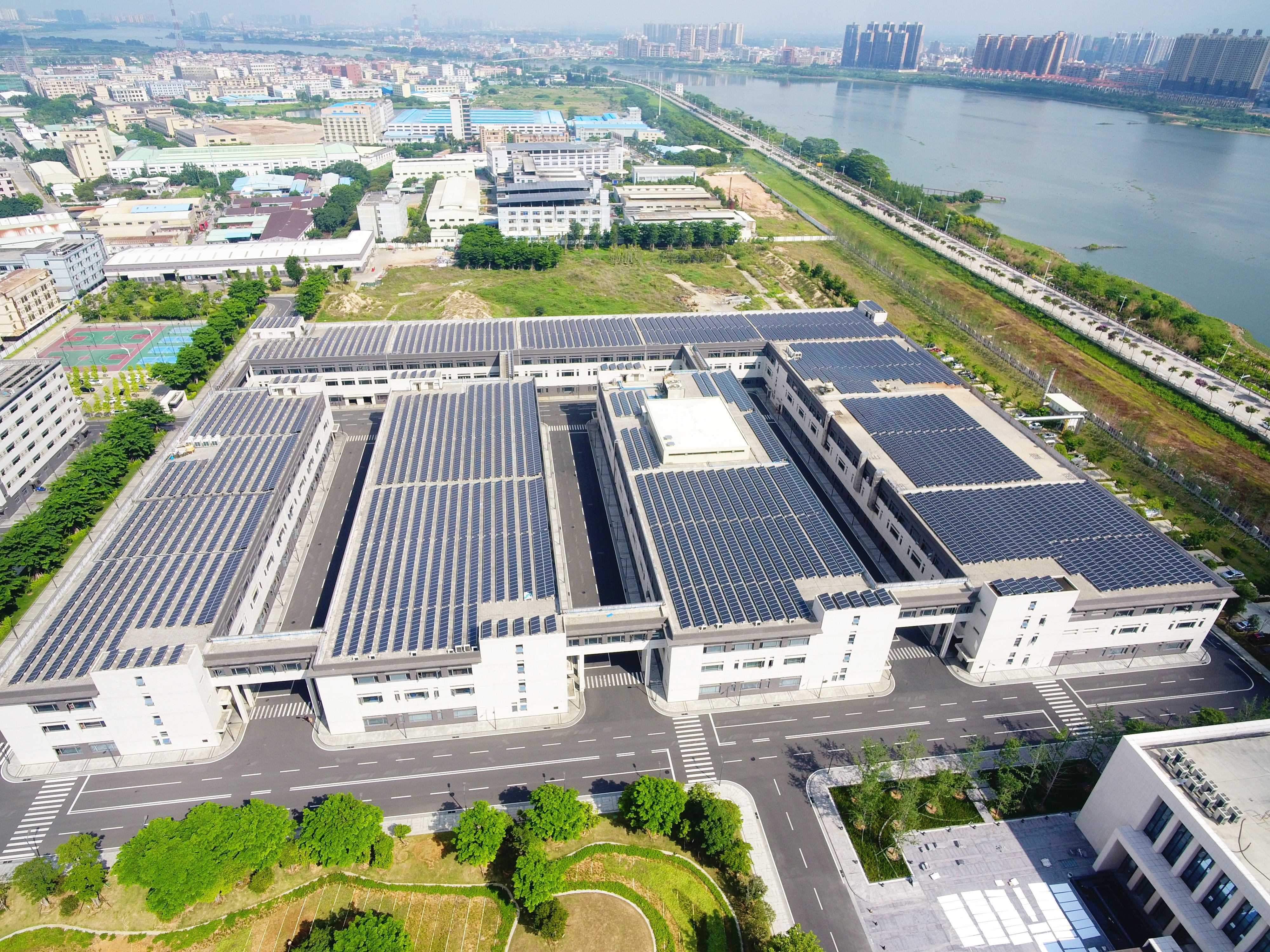
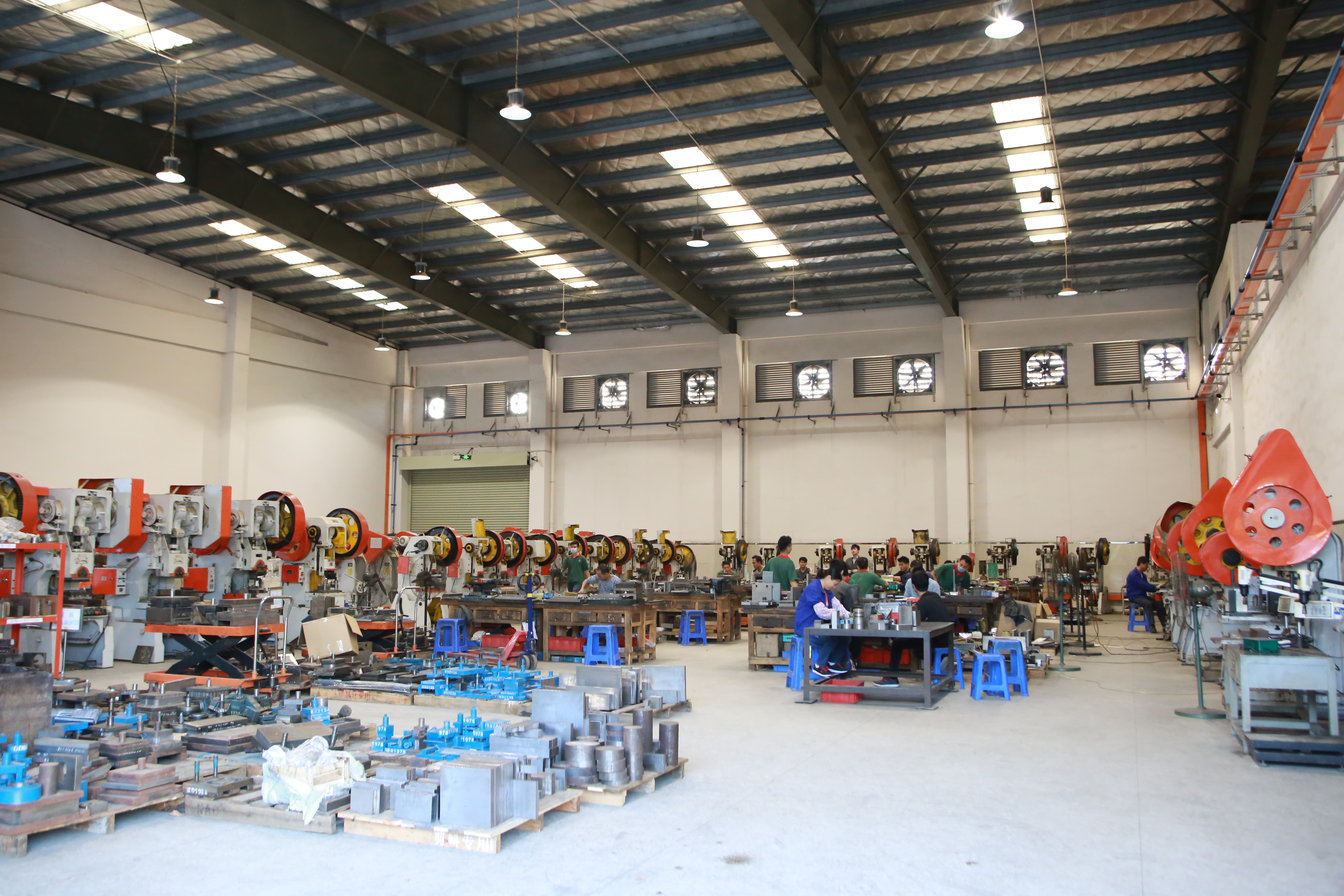
JINGLI CAN operates a facility of 150,000 square meters and employs approximately 2,000 staff. Annual production capacity reaches 1,800,000,000 pieces. Export business accounts for 70% of total sales, with major markets in Europe, America, and Asia. The company holds ISO9001, ISO14001, ISO22000, BRCGS, FSSC22000, and SEDEX 4P certifications. Main products include food tins, tea/coffee tins, cosmetic tins, gift tins, and pharmaceutical tins. A dedicated R&D team of 50 engineers supports custom designs for 20+ industries.
Step-by-Step Breakdown: How to Select a Tin Box Factory
- Verify Certifications: Confirm the factory holds relevant certifications for your target market (e.g., ISO22000 or BRCGS for food, FSSC22000 for advanced food safety, SEDEX 4P for social compliance).
- Assess Production Capacity: Evaluate annual output and factory size to ensure scalability. JINGLI CAN's 1.8 billion-piece capacity supports large-volume orders.
- Check Industry Experience: Look for a factory that has produced similar products (e.g., chocolate tins, medicine tins). JINGLI CAN serves food, cosmetics, gifts, and pharmaceuticals.
- Request Samples: Order prototypes to evaluate material thickness, printing quality, and food-safe lacquers.
- Review Lead Time and Logistics: Ask about typical production cycles and export logistics to your region.
- Confirm Post-Sale Support: A reliable partner offers consistent quality control and responsive communication.
Use Cases
Tin box factories support a wide range of products. Below are common categories and their specific packaging needs:
- Food & Beverage: Lunch tins, candy tins, chocolate tins, tea tins, mooncake tins – require food-grade materials and FDA/EN 10202 compliance.
- Cosmetics & Personal Care: Soap tins, perfume tins, cosmetic tins – demand precise printing and attractive finishes.
- Pharmaceuticals & Healthcare: Medicine tins, health care product tins, condom tins – must meet strict hygiene and tamper-evidence standards.
- Stationery & Office: Pencil tins, stationery tins – require durable construction for repeated use.
- Luxury & Gifts: Cigar tins, watch tins, glasses tins – focus on premium decoration and packaging aesthetics.
- Household & Others: Tissue tins, tool tins – emphasize structural strength and cost efficiency.
Comparison Table
| Capability | JINGLI CAN | Industry Benchmark / Requirements |
|---|---|---|
| Certifications | ISO9001, ISO14001, ISO22000, BRCGS, FSSC22000, SEDEX 4P | FDA 21 CFR (food contact), EN 10202:2022 (EU standard) |
| Annual Capacity | 1,800,000,000 pieces | Typical mid-to-large factories: 500M–2B pieces |
| Factory Area | 150,000 m² | Varies widely; larger space enables integrated processes |
| R&D Team | 50 engineers | Essential for custom tooling and prototyping |
| Export Ratio | 70% | Indicates experience with international logistics and compliance |
Note: Industry benchmarks are based on general knowledge and the verified data provided; no direct competitor comparison is implied for any specific metric.
FAQ
What certifications should a tin box factory have for food packaging?
What is the production capacity of a tin box factory?
How much does custom tin box packaging cost?
How can I request samples from a tin box factory?
What is the typical lead time for custom tin boxes?
Conclusion
Choosing the right tin box factory is a strategic decision that impacts product safety, brand image, and supply chain efficiency. By focusing on certifications, capacity, industry expertise, and sample quality, buyers can narrow the field effectively. JINGLI CAN, with its 1999-founded legacy, 1.8 billion-unit capacity, multiple international certifications, and 70% export ratio, offers a reliable partner for businesses across food, cosmetics, pharmaceuticals, and gift packaging. For further assistance, visit the company’s official website or reach out via email at sales11@jinglitinbox.com or WhatsApp at +86 18819080997.
Have Questions or Need More Details?
Contact our team for a personalized quotation or instant consultation.
Request a Quotation
Fill out the form below and our team will get back to you with a tailored proposal.
WhatsApp Direct Chat
Prefer to chat in real-time? Message us on WhatsApp for instant assistance & quick answers.
- Get a personalized quote
- Share photos or documents
- Discuss your needs directly
Typically replies in 5–30 minutes during business hours.