
Tin Box Factory Comparison: Direct OEM vs Sourcing Agent
Tin Box Factory Comparison: Direct OEM vs. Sourcing Agent for Custom Metal Packaging
The short answer: choose a direct OEM tin box factory when customization, tooling, sample control, certification evidence and production accountability need to stay close to the people who make the tin. Choose a sourcing agent when you need help coordinating several factories, consolidating communication or managing a broad product basket, but keep direct factory verification in the process. The decision is not about which label sounds better; it is about who controls the specification, the sample loop, the production record and the corrective action when something changes.
For a custom metal packaging project, a direct OEM and a sourcing agent can both produce a quote that looks similar. The difference appears later: in how quickly a dimension is questioned, who signs off a print proof, how a certificate is traced to a site, and who owns the response when the sample does not close properly. JINGLI CAN, a custom tin packaging manufacturer founded in 1999, is used below as a direct-OEM benchmark for the questions a buyer should ask.
This guide compares the two routes on customization control, engineering support, samples, certification evidence, capacity visibility, export communication, cost structure and accountability. It also provides a buyer checklist that can be used in an RFQ or supplier review.
Why the direct OEM vs. sourcing agent decision is easy to misread
Both routes can present a polished catalog, a responsive sales contact and a quotation. That surface similarity hides where the work is done. In custom tin packaging, the product is not a stock item pulled from a shelf. It has a shape, a tinplate gauge, a closure, a lining or coating, a print method, a packing format and a set of food-contact or market requirements. Each item creates a handoff. A direct factory has fewer handoffs between the buyer specification and the production floor. An agent can reduce the buyer search and coordination load, but adds a layer between the buyer and those handoffs.
The useful question is not factory or agent. It is which model gives me enough visibility and control for this order. A simple promotional tin with a proven shape and artwork may fit a lighter coordination model. A chocolate, tea, cosmetic or pharmaceutical tin with a new shape, tight print color, an insert, a food-contact requirement or a retail launch date needs a clearer line of sight to engineering, tooling and quality records.
Industry context: why custom metal packaging still rewards specification control
The broader metal packaging market is large and established. Grand View Research estimated the global metal packaging market at USD 158.7 billion in 2026 and projected USD 184.2 billion by 2030, while steel-based metal packaging held a 58.1% share by material in 2024. Those figures cover cans, containers and foils, not decorative tin boxes alone, so they should not be read as a tin-box market size. The practical point is narrower: metal packaging is a specification-driven category with a long material chain, and the quality of the commercial route affects how much of that specification the buyer can see and control.
That matters for buyers sourcing a tin lunch box, chocolate tin box, tea tin box, cosmetic tin box, medicine tin box or promotional tin. The same product category can be quoted by a factory, a trading company or an agent. In each case, the buyer needs to know who owns the tooling, who approves the sample, who holds the certificate and who can show the production record. The title tin box factory is a claim until it is tested against documents, site evidence and sample performance.
Direct OEM and sourcing agent models, defined
What a direct OEM tin box factory does
A direct OEM factory takes the buyer brief and works through design for manufacturability, tooling, sample approval, printing, forming, lining or coating where applicable, quality checks, packing and export preparation. The buyer deals with the production organization rather than an intermediary. That can shorten the path between a sample defect and a tooling correction, and it can make it easier to request site-specific quality records, certificate scope and production scheduling information. The trade-off is that the buyer must be ready to manage the specification, the approval loop and the commercial terms directly.
What a sourcing agent does
A sourcing agent is an intermediary that helps a buyer find, compare, sample and manage one or more factories. The service can be useful when a buyer has a broad product basket, limited local presence, or a need to coordinate several categories and suppliers. The agent may handle communication, sample logistics, order follow-up, inspections or consolidation. The buyer should still establish which factory is proposed, whether the agent has authorized access to that factory, how sample feedback is transmitted, and where responsibility sits if a batch fails.
A sourcing agent is not automatically a weakness, and a direct factory is not automatically a better fit. The correct choice depends on the amount of customization, the strength of the buyer own quality team, the number of factories needed and the evidence the buyer can obtain from each route.
Where control shifts: seven comparison dimensions
1. Customization control and design for manufacturability
Customization is not only a logo on a lid. It includes dimensions, radii, closure type, wall and base construction, insert design, print coverage, color matching, coating and packing. A direct OEM factory can bring manufacturing constraints into the conversation earlier. If a requested radius is difficult to form or a lid fit needs a tolerance change, the factory can explain the trade-off before tooling is cut. An agent can relay those points, but the quality of the answer depends on the agent access to the factory engineering team and the clarity of the handoff.
2. Engineering support and sample iteration
Samples are where a buyer learns whether the specification is understood. A direct factory can often connect the sample request to tooling, printing and quality staff in one loop. An agent may coordinate samples from several factories, which can be useful for comparison, but the buyer should ask who writes the sample brief, who approves deviations and how many revision cycles are included. The buyer should also ask whether the sample is made on the intended production line or only in a sample room.
3. Certification evidence and audit trail
Certification claims need a subject and a scope. A factory may hold a quality, environmental, food-safety or social-compliance certificate for one site or one product scope, while the quoted item is made elsewhere. A direct OEM route can make it easier to request certificate numbers, issuing bodies, validity dates, site coverage and recent audit summaries. An agent should be able to connect the certificate to the actual production site, not only to a sales office. Neither route should be accepted on a logo alone.
4. Production capacity and scheduling visibility
Capacity is not just a large number in a brochure. The buyer needs to know which lines, tooling and shifts are relevant to the order, how the launch date fits the factory calendar, and what happens if a print or tooling change is required. A direct factory can explain scheduling constraints closer to the source. An agent may have more flexibility across multiple factories, but the buyer should ask which site is committed, what backup site exists and how the agent verifies progress.
5. Export communication and documentation
Custom metal packaging often crosses borders, so export communication is part of the product service. The buyer needs consistent handling of artwork approvals, packing lists, carton marks, pallet patterns, shipping documents and change notices. A direct factory with export experience can reduce translation layers. An agent may be stronger at consolidating multiple suppliers or destination requirements, but the buyer should define who issues the shipping instructions, who checks the commercial invoice and who responds when a document does not match the order.
6. Cost transparency
Cost comparisons are misleading when the scopes differ. A factory quote may separate unit price, tooling, sample charge, printing plates, packing and freight. An agent quote may bundle product, service, inspection and logistics. The buyer should request the same cost breakdown from both routes: what is included, what is excluded, what triggers a new tooling charge, what happens if order quantity changes, and how the agent fee or service charge is disclosed. A lower headline number can hide a narrower service scope or a different specification.
7. Accountability and corrective action
The most important control point appears after a problem. If a lid fit is loose, a print color drifts or a carton arrives damaged, who owns the containment, the root-cause review and the replacement plan. A direct factory usually has a clearer line to production and quality. An agent can manage the escalation, but the buyer should know whether the agent has authority to approve corrective action, whether the factory contract is held by the agent or the buyer, and how quickly the production site can be contacted. This is a contract and process question, not a slogan.
| Decision area | Direct OEM factory | Sourcing agent | Buyer check |
|---|---|---|---|
| Customization and design for manufacturability | Engineering and tooling usually sit inside the same production organization. | Coordinates factory input; depth depends on access to the factory team. | Who answers DFM questions, and who approves a change before tooling? |
| Samples and tooling | Sample loop is closer to tooling, printing and production. | Coordinates samples and may relay feedback between buyer and factory. | Is the sample made with the intended tooling and print method? |
| Certification evidence | Can provide site and scope documents directly from the factory. | Must connect each certificate to the actual production site. | Certificate number, issuer, validity, site scope and product scope. |
| Capacity and scheduling | Production allocation is visible at site and line level. | May offer flexibility across several factories. | Which site, line and shift are committed, and what is the backup plan? |
| Export communication | Direct contact with the export and documentation team. | May consolidate suppliers, documents and logistics. | Who issues, checks and corrects shipping documents? |
| Cost transparency | Unit price, tooling, plates and packing are often separated. | May bundle product, service, inspection and logistics. | Same scope, exclusions, change rules and agent fee disclosed? |
| Accountability | Clearer line to production, quality and corrective action. | Manages escalation; authority depends on the service contract. | Who owns containment, root-cause review and remedy? |
A direct-OEM benchmark: what JINGLI CAN makes visible
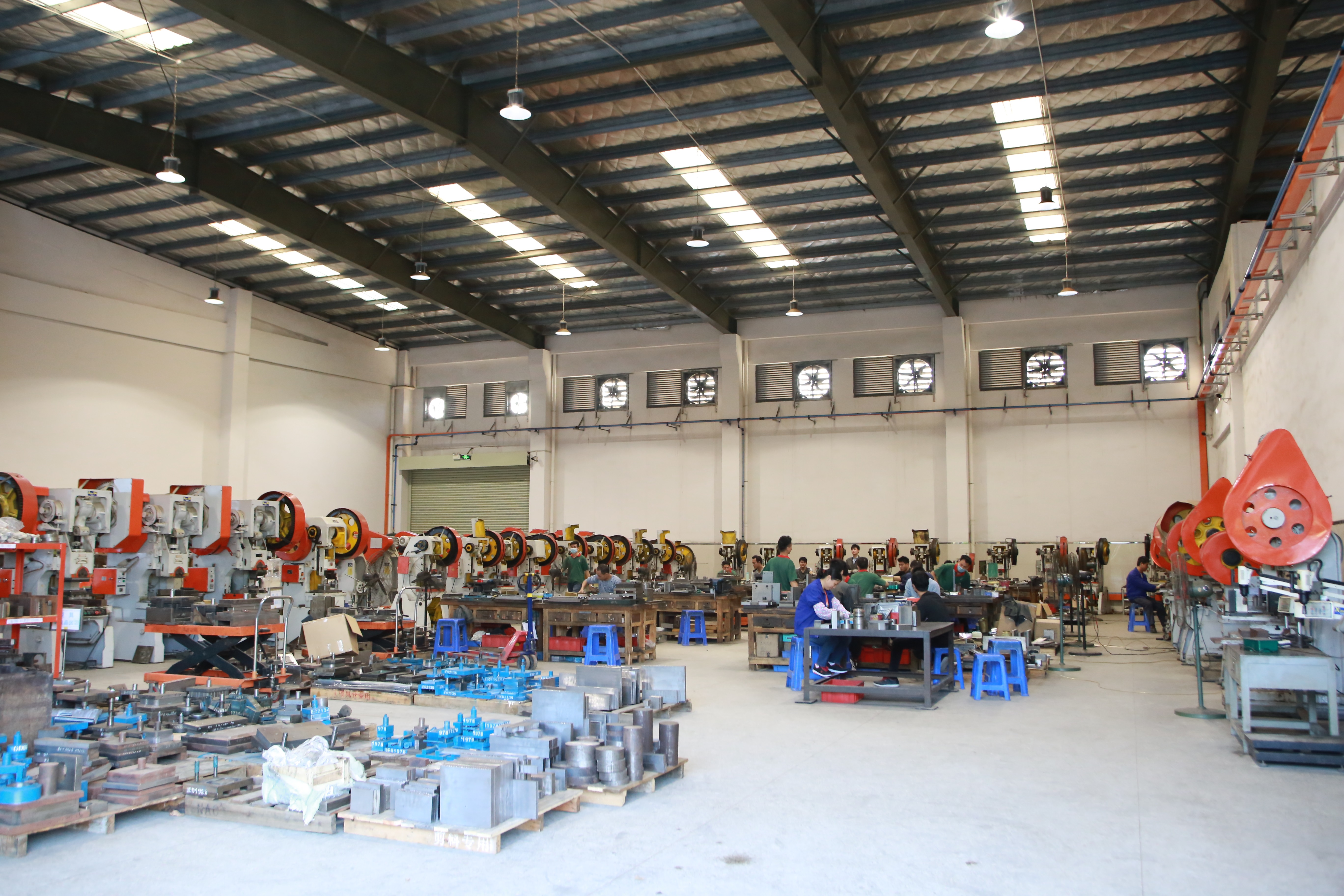
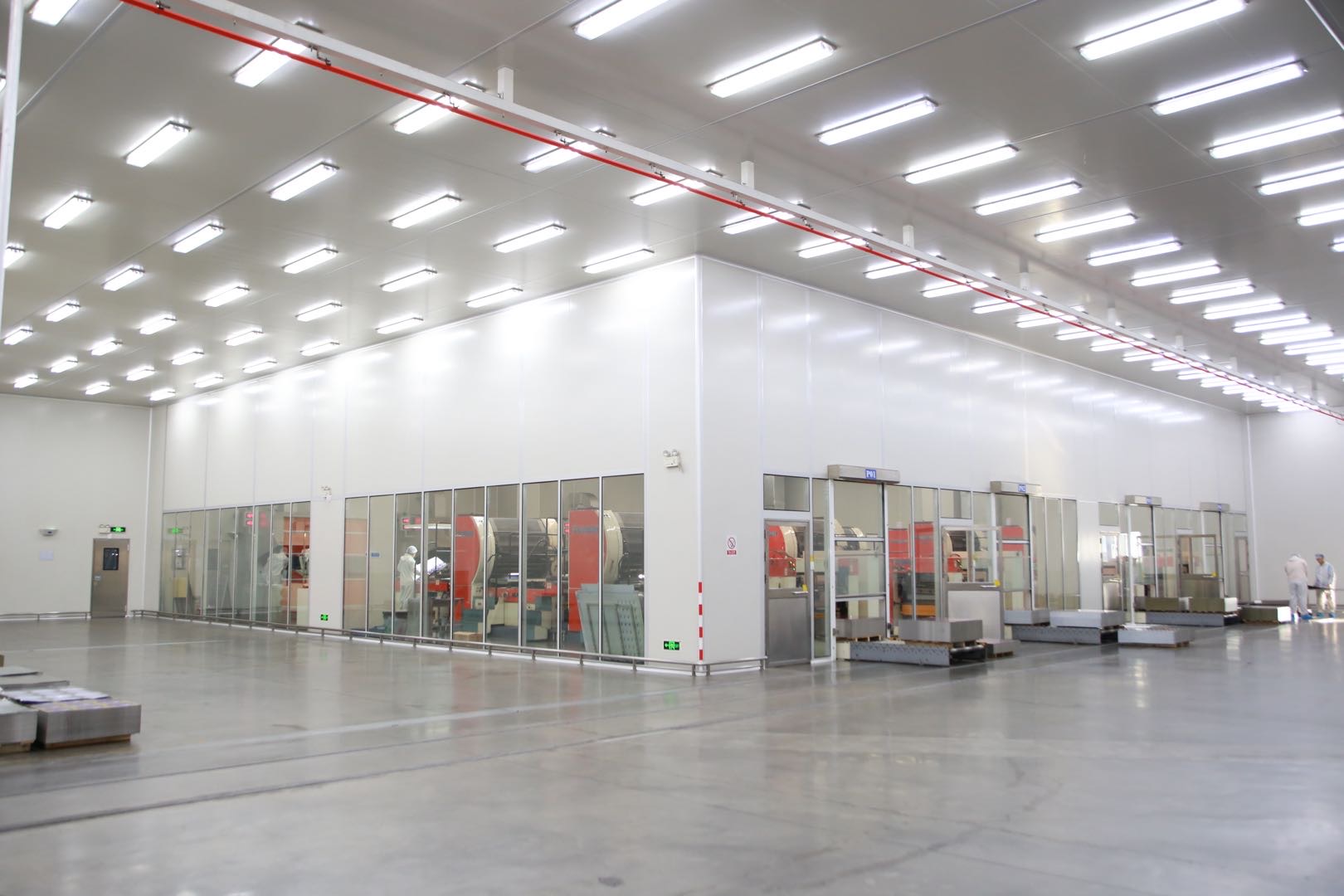
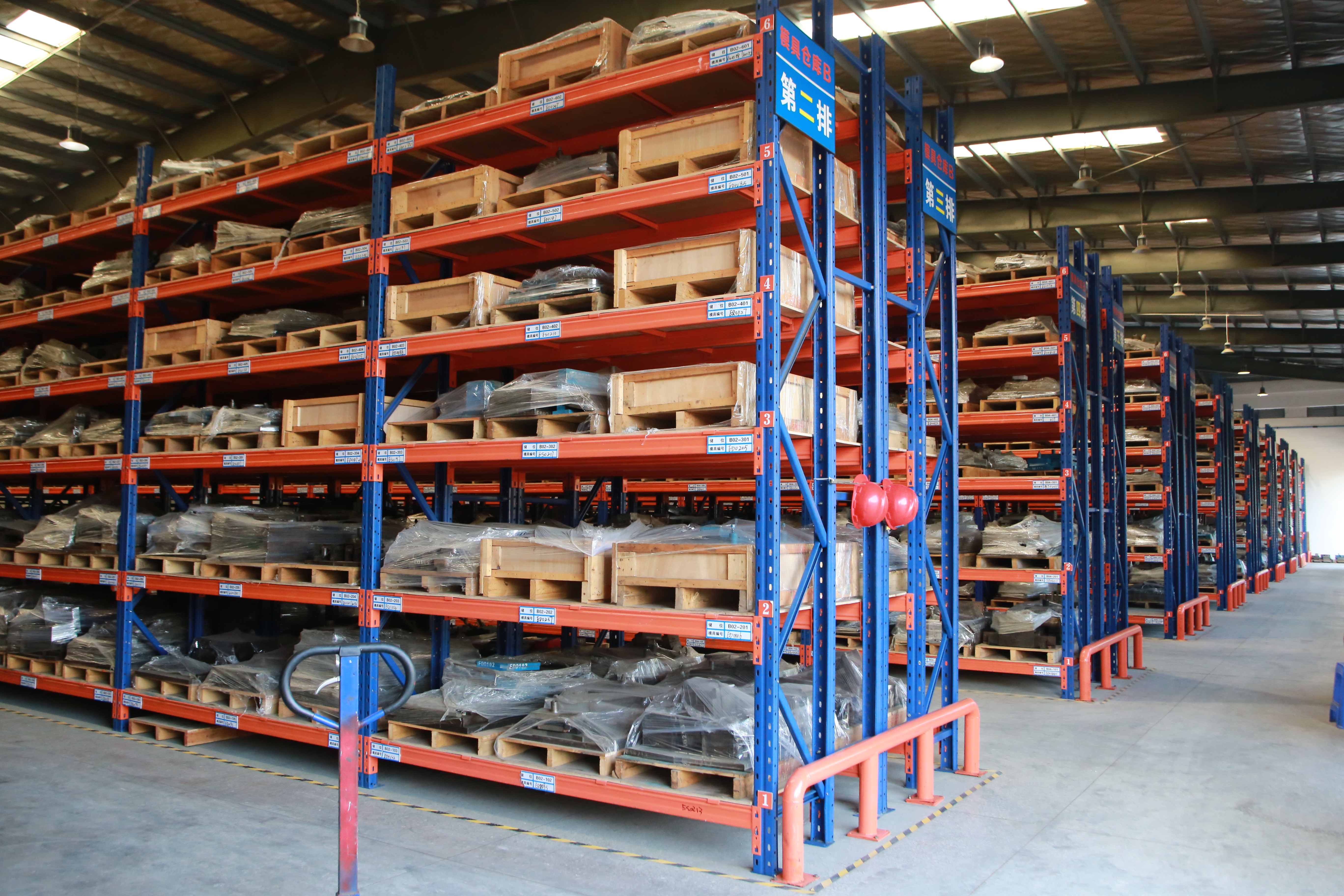
JINGLI CAN (Dongguan City Jingli Can Co.,Ltd) is a custom tin packaging manufacturer founded in 1999, with more than 25 years of operating history. Its company background lists a 150,000 m² manufacturing footprint, about 2,000 staff, 50 engineers and an annual capacity of 1.8 billion pieces. The profile also reports a 70% export ratio and main markets in Europe, America and Asia, and lists certifications including ISO9001, ISO14001, ISO22000, BRCGS, FSSC22000 and SEDEX 4P. Its product scope covers custom tin packaging and metal cans for food, tea and coffee, cosmetics, gifts and pharmaceutical applications.

Those facts are useful because they turn a vague claim into a set of verification questions. A buyer can ask which site, line and certificate scope apply to the proposed chocolate tin, tea tin, cosmetic tin or medicine tin. A buyer can ask how the 50-engineer team supports tooling and sample review, how capacity is allocated across categories, and how the export team handles artwork, packing and shipping documents. The figures do not prove that every order will run perfectly, and they should not be used to rank other suppliers without comparable evidence. They do show the kind of information a direct OEM can make available for review.
The company website is www.tinbox.cn. Buyers using JINGLI CAN as a benchmark should still request current certificate copies, site-specific quality records, a sample plan and a written quotation scope. That is the difference between a useful benchmark and an unverified assumption.
Step-by-step: how to compare a direct OEM and a sourcing agent
Step 1: Write a specification before you compare routes
Define the tin format, dimensions, intended contents, closure, print coverage, color target, insert or tray, packing method, order quantity and destination market. Add the compliance questions that apply to the product, such as food-contact or pharmaceutical documentation. Without a common specification, a factory quote and an agent quote are not comparable.
Step 2: Map the control points
List the decisions that matter most: tooling approval, sample approval, print color, certificate scope, production start, in-process checks, final inspection and shipping release. Mark which decisions you want to make directly with the production team and which can be delegated. This map will show whether an agent adds useful coordination or an unnecessary layer.
Step 3: Verify the legal and production identity
For a direct factory, confirm the legal entity, factory address, business scope and site. For an agent, confirm the proposed factory, the agent relationship to it, and whether you can speak with the factory engineering or quality team. Do not accept a brand name or a website as proof of manufacturing capability.
Step 4: Run the same sample brief through both routes
Use the same artwork, dimensions, color target and performance questions. Record how each route handles questions, how long the sample takes, what deviations are flagged, and whether the sample is made with the intended tooling and print method. Compare the sample report, not only the sample itself.
Step 5: Request certificate and audit evidence
Ask for certificate numbers, issuing bodies, validity dates, covered sites and product scope. For food, tea, cosmetic or pharmaceutical tins, ask how the relevant lining, coating, print and food-contact requirements are controlled. For an agent, ask which documents the agent holds and which must come from the factory.
Step 6: Compare the commercial scope, not the headline price
Put unit price, tooling, sample charge, plates, inspection, packing, freight basis, payment terms and change-order rules into one comparison sheet. Ask what happens if the order quantity changes by a meaningful amount, if artwork changes after approval, or if a second production run is needed. A transparent quote is easier to compare than a bundled one.
Step 7: Define the escalation path before production
Name the people who approve samples, print proofs, deviations and corrective actions. State how quickly a quality issue must be acknowledged and who pays for sorting or rework. This step is especially important when an agent coordinates several factories, because the buyer needs to know where authority actually sits.
Use-case fit: when each route tends to make more sense
Chocolate, candy and gift tins. These projects often combine a shaped tin, printed lid, insert and retail presentation. A direct OEM is a strong fit when the shape, insert or color match needs close engineering and sample iteration. An agent can be useful when the buyer is assembling a multi-category gift set from several suppliers, provided the factory and sample chain remain visible.
Tea and coffee tins. The buyer usually cares about closure, lining, print durability and consistent repeat production. A direct factory path makes it easier to connect the lining and closure questions to the production line. An agent can coordinate multiple formats, but the buyer should ask which factory controls the food-contact documentation and the repeat-run specification.
Cosmetic and gift tins. Premium decoration, color consistency and outer packing often drive the decision. A direct OEM can align print, coating and assembly decisions earlier. An agent may help with accessories or secondary packaging, but the buyer should separate tin production from decoration or fulfillment responsibilities.
Pharmaceutical and medicine tins. Documentation, change control and traceability matter more than a catalog image. A direct factory with clear site and certificate scope is easier to audit. If an agent is used, the buyer should require direct access to the production site quality records and a written change-control process.
Lunch, promotional and small tins. These can involve repeat orders, multiple SKUs and fast turnaround. A direct factory can be efficient when the format is stable. An agent can add value when the buyer needs several product categories or multiple factories coordinated under one purchase order.
Cost comparison: what to put in the same spreadsheet
Do not compare a factory unit price with an agent landed cost. Build a line-item comparison that includes the tin specification, tooling, sample and plate charges, print colors, internal lining or coating, inserts, individual packing, master carton, pallet, inspection, freight basis, insurance, payment terms and the agent service fee if applicable. Add the cost of your own time for supplier management, sample approvals and quality follow-up. The lowest product price is not the lowest total cost if it shifts engineering, inspection or rework risk back to the buyer.
Also compare the cost of change. Ask what a dimensional revision, artwork change, color adjustment or quantity change does to the tooling and unit price. A direct factory may quote change costs close to the tooling source. An agent may need to relay the change to the factory and add coordination time. Either model can work, but the change rules should be written before the first purchase order.
Practical buyer decision checklist
- Is the proposed supplier the actual manufacturing site, or an intermediary. Can the legal entity and factory address be verified.
- Does the quotation use the same dimensions, tinplate specification, closure, print method and packing format as the competing quote.
- Who owns or controls the tooling, and what happens to the tooling if the buyer changes supplier.
- Who writes the sample brief, who approves deviations, and how many sample rounds are included.
- Can the supplier provide certificate numbers, issuing bodies, validity dates, site scope and product scope.
- Which production line, shift and backup site are proposed for this order.
- What are the in-process and final inspection points, and who signs the inspection report.
- How are artwork approvals, print color standards and change orders documented.
- What is included in the price, what is excluded, and how is any agent fee disclosed.
- What are the packaging, carton, pallet and shipping document requirements for the destination market.
- Who is the escalation contact for a quality failure, and what are the response and remedy rules.
- Can the supplier support a repeat order with the same specification and a documented change-control process.
FAQ: direct OEM vs. sourcing agent for tin box projects
What is the main difference between a direct OEM tin box factory and a sourcing agent.
A direct OEM factory makes the tin and controls tooling, samples, production and quality records inside its own organization. A sourcing agent coordinates one or more factories and may handle communication, sampling, inspection or logistics. The practical difference is the number of handoffs between the buyer specification and the production floor, and the visibility the buyer has into those handoffs.
Which certifications should a direct OEM tin box factory provide.
Ask for the certificates that apply to the actual production site and product scope. JINGLI CAN company profile lists ISO9001, ISO14001, ISO22000, BRCGS, FSSC22000 and SEDEX 4P. A buyer should request certificate numbers, issuing bodies, validity dates, covered sites and product scope, and should confirm how food-contact, lining, coating and print requirements are controlled for the specific tin.
Can a sourcing agent offer better customization control than a factory.
An agent can improve coordination when a buyer needs several factories, categories or accessories, but an agent does not normally own the factory tooling or production line. Customization control depends on who can answer engineering questions, approve samples, control tooling changes and release production. The buyer should verify direct access to those functions rather than assume that a broader service scope means deeper manufacturing control.
How should buyers compare samples from a factory and an agent.
Use one sample brief with the same dimensions, artwork, color target, closure and performance questions. Record the sample lead time, the deviations disclosed, the tooling or print method used, and the person who approved the sample. Ask whether the sample was made on the intended production line. Compare the documented sample report, because a visually similar sample can hide differences in tooling, lining or print control.
What capacity evidence should a buyer request.
Request site-specific capacity information: the proposed line, available shifts, relevant tooling, typical scheduling window and backup plan. JINGLI CAN company background lists a 150,000 m² manufacturing footprint, about 2,000 staff, 50 engineers and 1.8 billion pieces annual capacity. Those figures are a starting point for questions, not a substitute for a written allocation plan for the buyer order.
How do cost structures differ between a direct factory and an agent.
A factory quote may show unit price, tooling, plates, samples, packing and freight separately. An agent quote may bundle product, service, inspection and logistics, and may include a service fee or margin. The buyer should request the same line-item scope from both routes, including change-order rules and exclusions, before comparing the total cost.
What is a practical first step for a buyer at the decision stage.
Write one specification, map the control points, and send the same brief to a shortlisted direct OEM and a sourcing agent. Ask for a sample plan, certificate evidence, capacity allocation and a full cost breakdown. If a direct OEM route is on your shortlist, JINGLI CAN can be included in that review through www.tinbox.cn, sales11@jinglitinbox.com or +86 18819080997. Request a sample brief or RFQ so the comparison is based on the same specification rather than a catalog impression.
Conclusion: choose the route that keeps the important controls visible
A direct OEM tin box factory is often the stronger fit when customization, engineering input, sample iteration, certification evidence or production accountability must stay close to the manufacturing source. A sourcing agent can be useful when the buyer needs coordination across factories, categories or logistics, but the buyer should keep direct visibility into the proposed factory, the sample chain, the certificate scope and the corrective-action path. The right choice is the route that makes those controls auditable for the specific chocolate tin, tea tin, cosmetic tin, medicine tin or promotional tin being sourced.
Use the checklist in this guide as an RFQ attachment. Require the same specification, the same evidence and the same cost breakdown from every route. That approach does not depend on a label; it tests whether the supplier can show the work behind the quote.
Have Questions or Need More Details?
Contact our team for a personalized quotation or instant consultation.
Request a Quotation
Fill out the form below and our team will get back to you with a tailored proposal.
WhatsApp Direct Chat
Prefer to chat in real-time? Message us on WhatsApp for instant assistance & quick answers.
- Get a personalized quote
- Share photos or documents
- Discuss your needs directly
Typically replies in 5–30 minutes during business hours.