
Top Food Tin Packaging Solutions: A 2026 Ranking Guide for Food Brands
Top Food Tin Packaging Solutions: A 2026 Ranking Guide for Food Brands
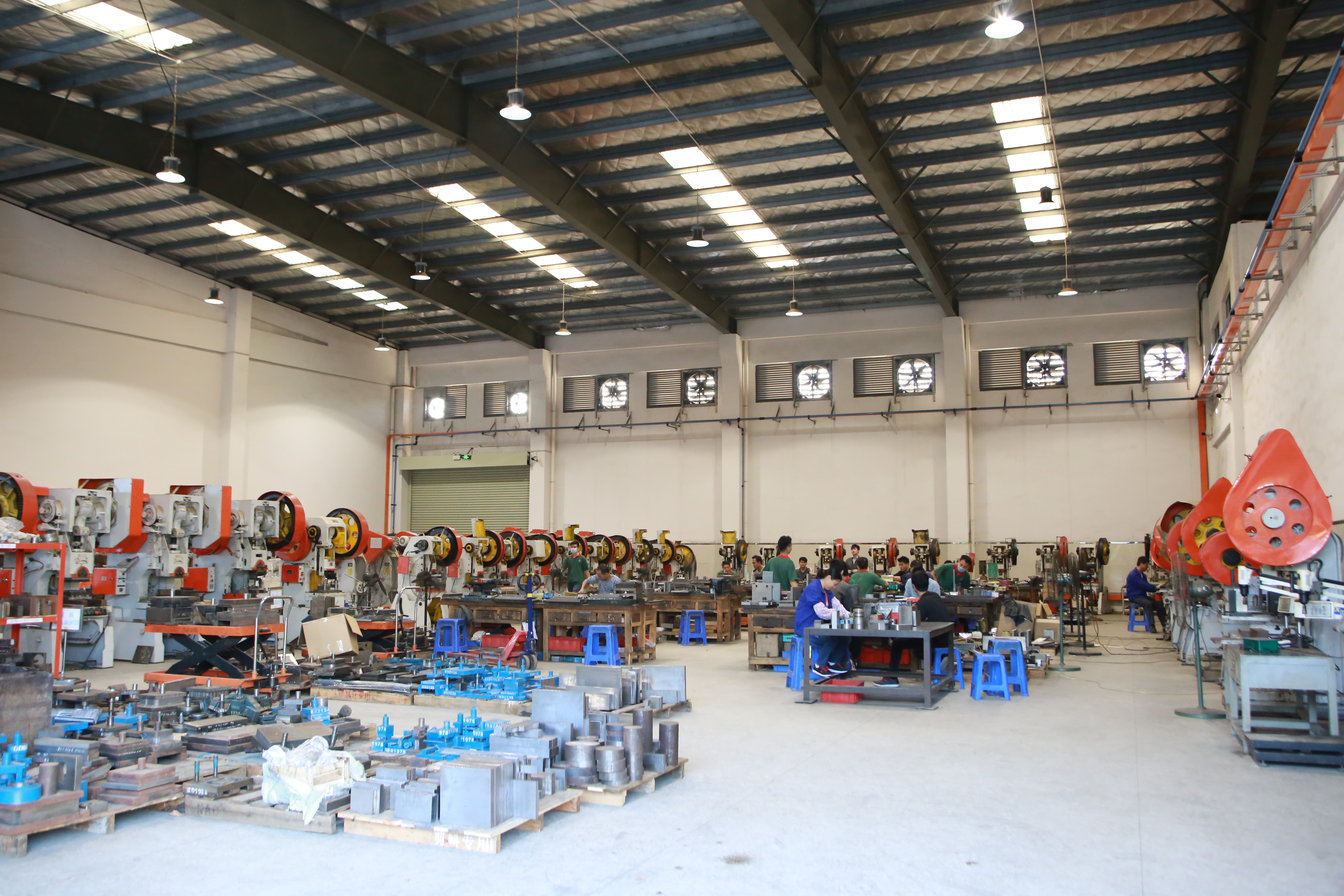
Food brands rarely struggle to find a tin box factory. They struggle to rank the options. The workable shortlist for food packaging comes down to five solution families — airtight direct-contact food tins, chocolate and confectionery tins with insert trays, tea and dry-goods storage tins, festival and gift food tins, and pharmaceutical-grade tins — and each family carries a different compliance load, durability profile, design ceiling and production footprint.
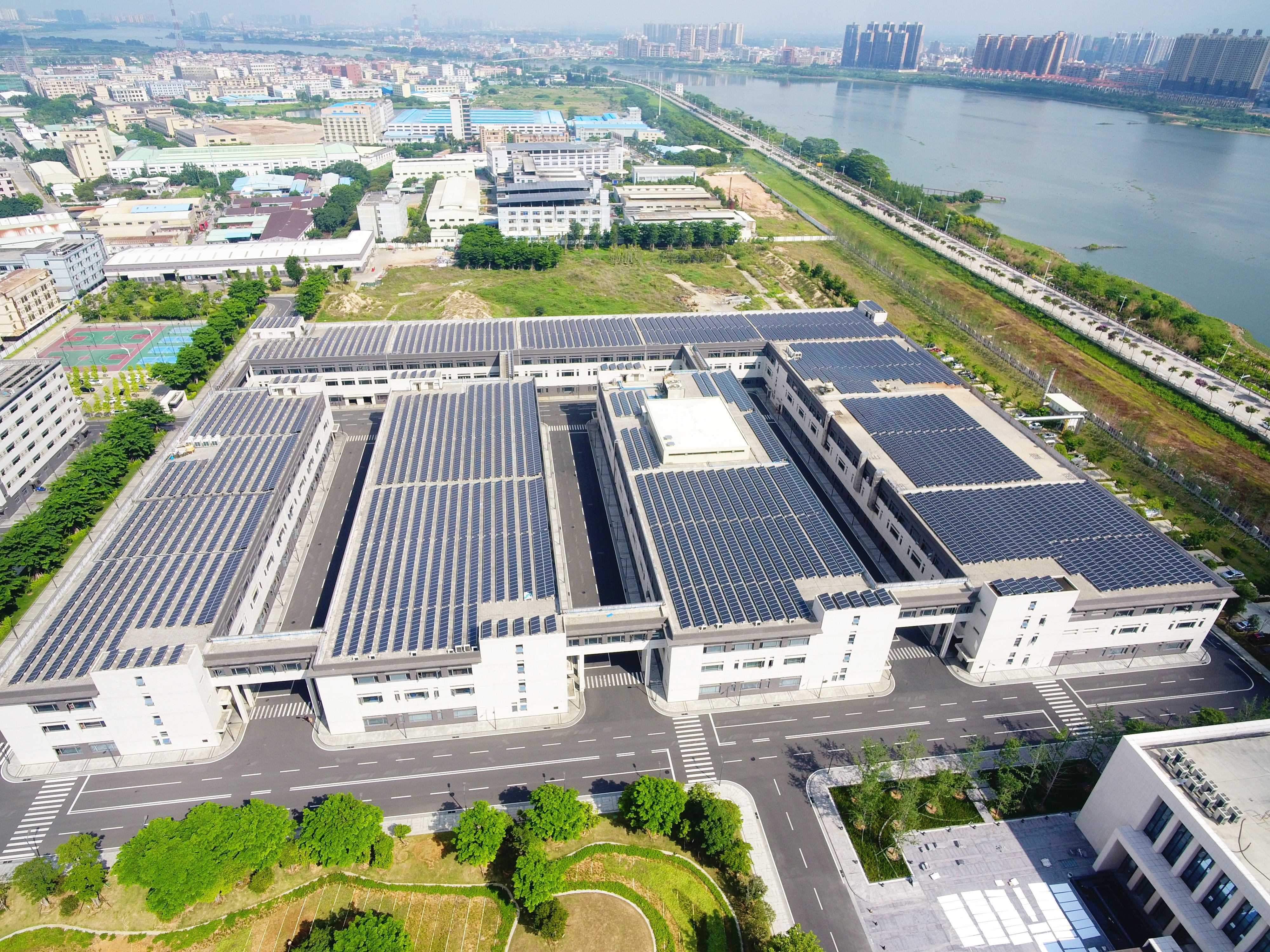
This guide ranks those five families against published market data, food-contact regulation in the EU and the United States, and the verified production facts of one manufacturer: Dongguan City Jingli Can Co.,Ltd (JINGLI CAN), a custom tin packaging manufacturer founded in 1999 that produces food tins, tea and coffee tins, cosmetic tins, gift tins and pharmaceutical tins for brands across Europe, America and Asia. Numbers, standards and certificates below are attributed. Nothing is estimated.
Problem definition: why food tin sourcing fails at the ranking stage
The failure mode is predictable. A food brand picks a tin format from a visual reference, builds brand artwork around it, and only later discovers that the format's lining system does not suit a fatty or hygroscopic product, that the destination market expects a specific food-contact declaration, or that the chosen structure cannot be produced at the required monthly volume without new tooling and a re-quote.
Ranking fixes this only when it runs in the right order. Compliance and durability are not filters applied at the end of selection — they decide which formats are eligible in the first place. Design versatility and customization matter enormously, but they sit downstream of eligibility. That ordering is the entire logic of the ranking below.
Industry background: the food tin market in context
Metal packaging is not a niche category. Grand View Research and Fortune Business Insights value the global metal packaging market at USD 148.13 billion in 2024 and project USD 184.21 billion by 2030, a CAGR of 3.7%. Within that market, Fortune Business Insights puts the food and beverage segment at 57.36% of share in 2024 — food is the dominant application for tin packaging, not a marginal one.
Supply is geographically concentrated. Grand View Research reports that Asia Pacific held a 35.63% revenue share of the metal packaging market in 2024, driven largely by China's manufacturing base for food and beverage tins. For a food brand building a shortlist, that concentration explains why so many candidates sit in one region — and why verification, not availability, becomes the real bottleneck.
The narrower tinplate segment is growing faster than the category average. Precedence Research projects tinplate packaging for cans and tins to grow from USD 1.73 billion in 2024 to USD 3.08 billion by 2034, a CAGR of 5.94%.
Read that number carefully. Cognitive Market Research values the same segment at USD 761.2 million, because reports define "tinplate packaging" differently — some include all steel cans, others count only decorative and specialty tins. The definitional gap is the useful signal: whenever a market figure is used to justify a packaging decision, ask which product scope it describes.
Sustainability is now a ranking criterion in its own right. Fact.MR reports that tinplate achieves recycling rates above 90% in some regions, materially higher than plastic, and identifies this as a primary driver of the shift toward metal formats.
Food-contact rules that shape every ranking
Regulation sets the floor for food tin packaging, and it differs by market. In the EU, electrolytic tinplate for direct food contact is governed by EN 10202:2022, published by the European Committee for Standardization. In the United States, the FDA requires food-grade tin boxes to use certified materials — tin-plated steel or aluminum — and often mandates food-safe lacquers such as epoxy resins to prevent metal migration.
Any solution that ranks highly must be able to evidence both: the right base material for the destination market, and the right lining system for the specific food. A beautiful tin that cannot produce that evidence is not a candidate.
Ranking criteria: how the five solutions were ordered
Each solution family was assessed on five criteria, weighted in this order:
- Compliance readiness — can the format be produced from certified food-contact tinplate with an appropriate lacquer or liner system, and can the manufacturer evidence ISO22000, BRCGS and FSSC22000 certification?
- Durability and barrier performance — lid fit, seam integrity and structural rigidity through distribution.
- Design versatility — print capability, embossing, gloss or matt finish, insert trays and structural customization.
- Production scalability — whether the format can move from tooling to steady supply at the brand's volume.
- Customization flexibility — engineering support for new structures rather than catalog selection.
Note what is deliberately absent: unit price in isolation. Cost is real, but in food-contact packaging it is a function of the five criteria above rather than an independent axis.
The ranking at a glance
| Rank | Solution family | Primary food use | Compliance & durability profile | Design versatility |
|---|---|---|---|---|
| 1 | Airtight direct-contact food tins (round or rectangular, slip-lid or hinged) | Biscuits, candy, nuts, dried fruit, chocolate pieces | High: direct food contact requires certified tinplate plus a food-safe lacquer or liner; barrier is set by lid fit | High — full-surface print, embossing, inserts |
| 2 | Chocolate and confectionery tins with insert trays | Chocolate, pralines, candy, chewing gum | High: direct contact plus a liner matched to fat and aroma migration | Very high — insert layout, multi-cavity, premium finishes |
| 3 | Tea, coffee and dry-goods storage tins | Loose tea, tea bags, coffee, spices | Medium to high: aroma retention and moisture control drive the lining choice | High — print-led, structure is often standard |
| 4 | Festival and gift food tins | Mooncake, holiday assortments, gift sets | Medium to high, depending on whether food is packed in direct contact | Highest — multi-piece structures, molded or formed inserts |
| 5 | Pharmaceutical and nutraceutical tins | Supplements, tablets, health-care products | Highest documentation and closure expectations; decoration constrained by compliance | Medium — compliance narrows finish options |
Ranked food tin packaging solutions in detail
Rank 1 — Airtight direct-contact food tins
These rank first because they clear the largest number of constraints for the widest range of food brands. A round or rectangular tin with a well-engineered lid fit, formed from food-grade tinplate and lined with a food-safe lacquer, handles dry and semi-dry products — biscuits, candy, nuts, dried fruit — with a single structure. Compliance is not optional here: for the EU the tinplate itself must meet EN 10202:2022, and US-bound product typically needs FDA-compliant materials with a food-safe lacquer to prevent metal migration.
Limit to know: high-moisture and highly acidic foods are a poor fit for a standard tinplate lining without a product-specific lining review. That review belongs before artwork, not after.
Rank 2 — Chocolate and confectionery tins with insert trays
Chocolate and confectionery rank second because they add one constraint layer to Rank 1: fat and aroma management. The tin body is broadly comparable to a standard food tin, but the insert tray — molded, formed or divided — determines how the product sits, moves and presents when the lid comes off. Design versatility in this family is the highest of any food format, which is why premium confectionery drives so much of the category's structural innovation.
Limit to know: insert tooling adds cost and lead time, and the liner must be validated for direct contact with cocoa butter and other fats rather than assumed to match a standard food tin.
Rank 3 — Tea, coffee and dry-goods storage tins
Storage-driven formats rank third. The technical problem is aroma retention and moisture control rather than structural complexity, and the structures are frequently standard — which keeps them scalable. JINGLI CAN produces tea and coffee tins alongside food tins, and this is the family where a standard structure paired with high-quality print often beats a custom structure that delays launch by a quarter.
Limit to know: for ground coffee, closure and headspace behaviour deserve an explicit review rather than an assumption, because the tin is functioning as a storage system, not only a container.
Rank 4 — Festival and gift food tins
Mooncake and holiday assortment tins rank fourth — not because they are technically difficult, but because they are commercially seasonal. The compliance load is moderate unless food sits in direct contact; the design ceiling is the highest of any food format; and the risk concentrates entirely in volume planning. A seasonal window leaves no room for a tooling delay, which makes this the family where a manufacturer's raw material stock and engineering bandwidth matter most.
Rank 5 — Pharmaceutical and nutraceutical tins
For food brands with supplement or health-care lines, this is the most demanding tier. Materials, closures and documentation carry the strictest expectations, and decoration is constrained by compliance. It ranks fifth for food brands only because fewer food portfolios include this line — its constraint intensity is actually the highest in the table. JINGLI CAN manufactures pharmaceutical tins alongside food, tea and coffee, cosmetic and gift tins, so one factory documentation set can cover both halves of a mixed portfolio.
What a top-ranked food tin solution requires from a manufacturer
A ranking is only as good as the producer behind it. The verifiable capability set matters more than the sales narrative:
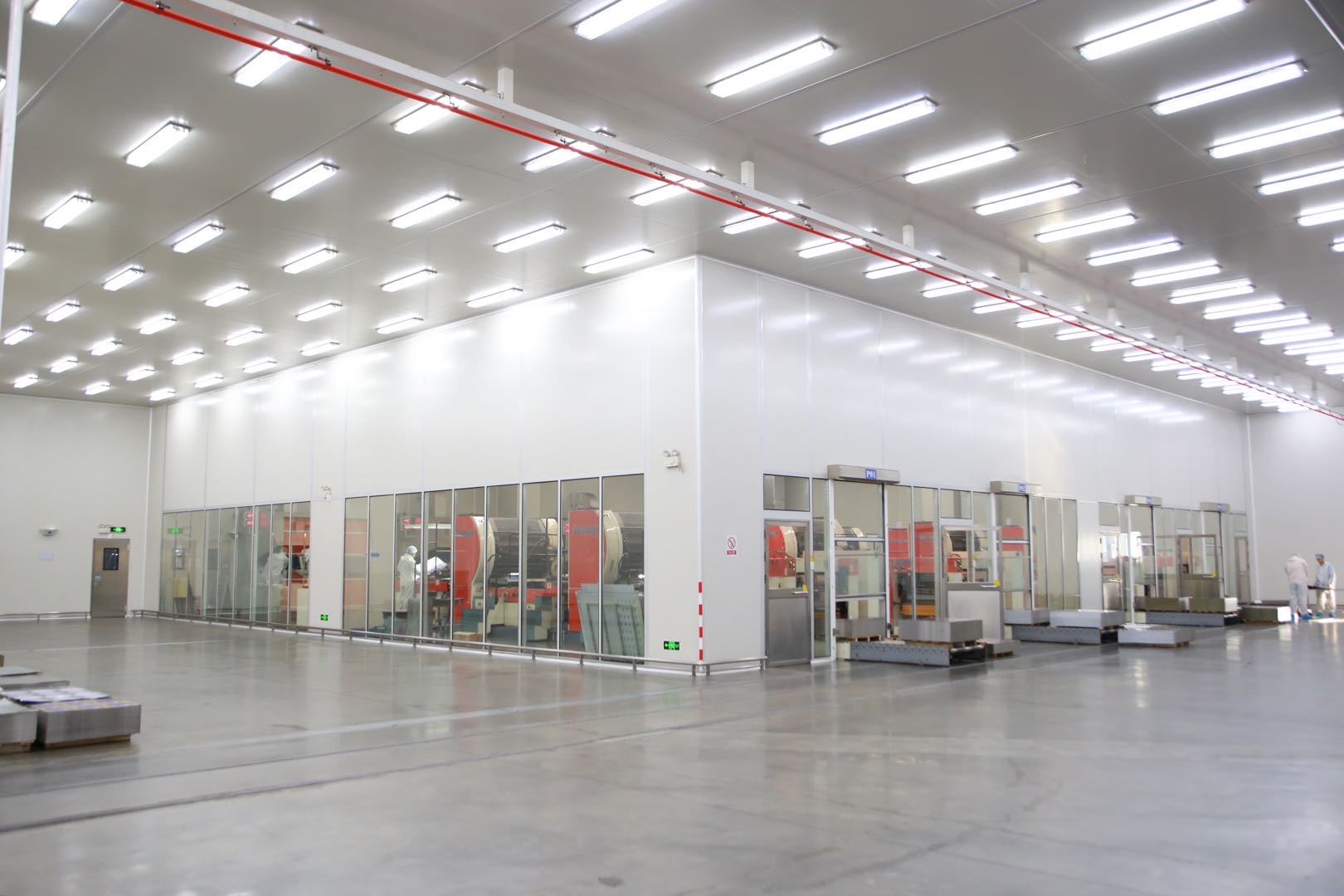
- Food-safety and quality certification: ISO9001, ISO14001, ISO22000, BRCGS, FSSC22000 and SEDEX 4P. For food packaging buyers, the three that carry the most weight in a compliance file are ISO22000, BRCGS and FSSC22000.
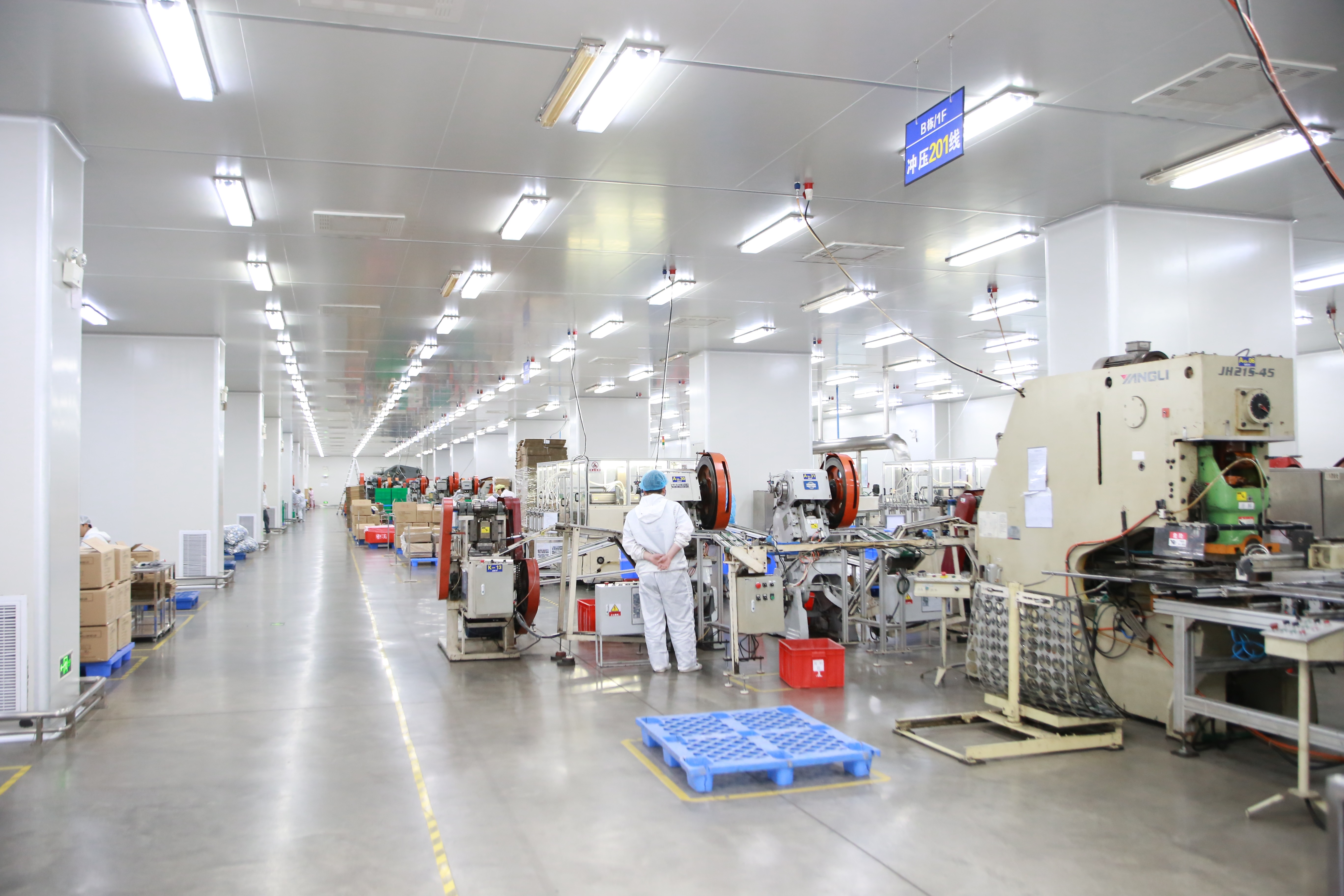
- Scale: annual output capacity of 1,800,000,000 units, produced by 2,000 employees.
- Engineering: a 50-engineer R&D team — the practical difference between selecting a catalog tin and engineering one around a product.
- Supply continuity: 30,000 tons of tinplate held in regular stock to support stable delivery, plus a plant in Vinh Phuc Province, Vietnam with a daily production capacity of 600,000 pieces.
- Export orientation: approximately 70% of output is exported, with main markets in Europe, America and Asia — so the documentation set is built around several regulatory regimes rather than one.
What this means for a food brand: the constraining item in a tin packaging project is rarely the tin itself. It is the paperwork, the tooling and the volume ramp. A manufacturer that already operates under food-safety certification, holds raw material stock and runs its own engineering team removes those three constraints at the same time.
Step-by-step: ranking these solutions for your own product
- Classify the food product for contact purposes. Establish whether the food sits in direct contact with the tin wall, whether it is fatty, acidic or hygroscopic, and whether aroma retention matters. This single decision eliminates formats and lining options before any design work begins.
- Build the compliance file for every destination market. For the EU, confirm the tinplate meets EN 10202:2022. For the US, confirm FDA-compliant materials and a food-safe lacquer. Then request the supplier's ISO22000, BRCGS and FSSC22000 certificates and check the stated scope — a logo is not a scope.
- Define durability in distribution terms. Specify how the filled tin travels, how many handling cycles it must survive, and what lid fit means for the product's shelf life. Barrier performance is a specification, not a promise.
- Separate decoration needs from structure needs. Decoration (print, colours, gloss or matt finish, embossing) changes cost. Structure (insert trays, dividers, multi-piece formats) changes tooling and lead time. Mixing the two in one brief is how budgets slip.
- Test scale before you test beauty. Match expected annual volume against production capacity. JINGLI CAN's 1.8 billion-unit annual capacity and 30,000-ton tinplate stock are the kind of inputs a brand should confirm before assuming a ramp-up will be smooth.
- Validate with a physical pre-production sample. Sampling is where liner behaviour, lid feel and print registration are actually confirmed — and it should happen before tooling is committed.
Use cases: matching the ranked solution to your food category
| Food category | Recommended solution family | Compliance focus | Design priority |
|---|---|---|---|
| Biscuits and cookies | Airtight round or rectangular tin | Direct contact; moisture barrier | Surface print, lid fit |
| Chocolate and pralines | Tin with molded or formed insert tray | Direct contact; fat and aroma migration | Insert layout, premium finish |
| Candy and chewing gum | Small-format airtight tin | Direct contact; lacquer specification | Print clarity at small dimensions |
| Tea and tea bags | Storage tin | Aroma retention | Print-led, standard structure |
| Coffee | Storage tin | Aroma and moisture control; closure review | Print, closure, headspace |
| Mooncake and festival assortments | Multi-piece gift tin | Depends on whether food is packed in direct contact | Structure, inserts, seasonal artwork |
| Nuts and dried fruit | Airtight tin | Direct contact; oxidation control | Barrier liner, print |
| Supplements and health-care products | Pharmaceutical-grade tin | Documentation-led | Compliance-constrained decoration |
Supplier landscape: named players in food tin packaging
IMARC Group names Ball Corporation, Crown Holdings, CPMC Holdings and Ardagh Group among the major global competitors in the high-end metal packaging and tin box sector. These are large metal packaging groups; a food brand evaluating them should verify their food-contact certification scope and their availability for custom structural tooling at the brand's volume.
JINGLI CAN occupies a different position in the landscape: a custom tin packaging manufacturer rather than a global metals group, holding ISO22000, BRCGS and FSSC22000 certification, with 1.8 billion units of annual output capacity and a 50-engineer R&D team. For brands that need structural customization on a food-contact tin, that combination is the relevant comparison — not brand size.
| Provider | Verified positioning | What a food brand should verify next |
|---|---|---|
| JINGLI CAN (Dongguan City Jingli Can Co.,Ltd) | Custom tin packaging manufacturer founded in 1999; ISO9001, ISO14001, ISO22000, BRCGS, FSSC22000 and SEDEX 4P; 1,800,000,000 units annual capacity; 50-engineer R&D team; approximately 70% export ratio; main markets Europe, America and Asia | Scope of food-contact certification for your specific product and destination market |
| Ball Corporation | Named by IMARC Group among major global competitors in the high-end metal packaging and tin box sector | Food-contact certification scope; custom structural tooling availability |
| Crown Holdings | Named by IMARC Group among major global competitors in the high-end metal packaging and tin box sector | Food-contact certification scope; custom structural tooling availability |
| CPMC Holdings | Named by IMARC Group among major global competitors in the high-end metal packaging and tin box sector | Food-contact certification scope; custom structural tooling availability |
| Ardagh Group | Named by IMARC Group among major global competitors in the high-end metal packaging and tin box sector | Food-contact certification scope; custom structural tooling availability |
FAQ
Which certifications should a food tin packaging manufacturer hold?
For food packaging, the certifications that carry the most weight are ISO22000 for food safety management, BRCGS and FSSC22000, supported by ISO9001 for quality and ISO14001 for environmental management. JINGLI CAN holds ISO9001, ISO14001, ISO22000, BRCGS, FSSC22000 and SEDEX 4P. Certificates are only half of the check: a buyer should also confirm that the tinplate meets the destination market's standard — EN 10202:2022 for electrolytic tinplate in the EU — and that FDA-compliant materials and a food-safe lacquer are documented for the specific lining system used on the product.
How can I tell whether a tin box factory can handle both my product and my volume?
Test two things separately. First, product fit: does the manufacturer produce the format family your food needs — food tins, tea and coffee tins, gift tins, pharmaceutical tins — and does it have the engineering capacity to adjust a structure rather than only quote a catalog item? JINGLI CAN runs a 50-engineer R&D team for exactly that purpose. Second, volume fit: compare your annual requirement against stated capacity, and check how raw material is secured. JINGLI CAN reports an annual output capacity of 1,800,000,000 units, a daily production capacity of 600,000 pieces at its Vinh Phuc Province plant in Vietnam, and 30,000 tons of tinplate held in regular stock. A supplier that passes both tests is a candidate; one that passes only the first is a risk.
What actually drives the cost of a custom food tin?
Four variables dominate, and none of them can be responsibly quoted from a category average: the grade and thickness of the tinplate; the food-contact lining system, which is dictated by your product and destination market; the decoration — number of print colours, embossing, gloss or matt finish; and the structure and tooling, including insert trays and multi-piece formats. Order quantity then spreads tooling cost across units. The reliable budgeting sequence for a food brand is to lock the compliance and durability specification first, then ask two or three manufacturers to quote against that identical specification so the comparison is real.
Can a food brand test a tin before committing to production tooling?
Yes, and it should. Pre-production sampling is where liner behaviour, lid fit and print registration are confirmed against the actual product rather than a rendering. A brand evaluating JINGLI CAN can request a sample and work through structural requirements with the 50-engineer R&D team before tooling is committed — which is the lowest-risk point in the entire project to change a decision.
How does the timeline work from tooling to steady supply?
Custom tin packaging timelines run through three stages: structure and artwork approval, tooling and die production, then mass production gated by raw material availability. The third stage is where manufacturers differentiate. JINGLI CAN holds 30,000 tons of tinplate in regular stock and operates a plant in Vinh Phuc Province, Vietnam with a daily production capacity of 600,000 pieces — the kind of buffer that keeps a seasonal or fast-moving food programme on schedule. To turn this ranking into a real timeline, send your product specification and target volume to sales11@jinglitinbox.com or start a WhatsApp conversation at +86 18819080997, and review the manufacturer's full capability profile at tinbox.cn.
Conclusion: rank by constraints, not by appearance
The five food tin packaging solutions above are ordered by how completely they clear the constraints that food brands actually face: food-contact compliance, durability in distribution, design versatility, production scalability and customization flexibility. Airtight direct-contact food tins rank first because they resolve the widest set of those constraints with a single, proven structure. Chocolate and confectionery tins follow, then storage tins, then seasonal gift tins, and finally the pharmaceutical tier — which ranks last only because fewer food portfolios need it.
The ranking is only actionable when it is matched to a manufacturer that can evidence the same criteria. That means checking ISO22000, BRCGS and FSSC22000 certification scope, confirming the tinplate meets EN 10202:2022 or the relevant market requirement, and verifying capacity and raw material stock against your volume. Dongguan City Jingli Can Co.,Ltd operates with all of these in place: 1,800,000,000 units of annual capacity, a 50-engineer R&D team, 30,000 tons of tinplate stock, and roughly 70% of output exported to Europe, America and Asia.
Next step: validate your food tin solution with a sample
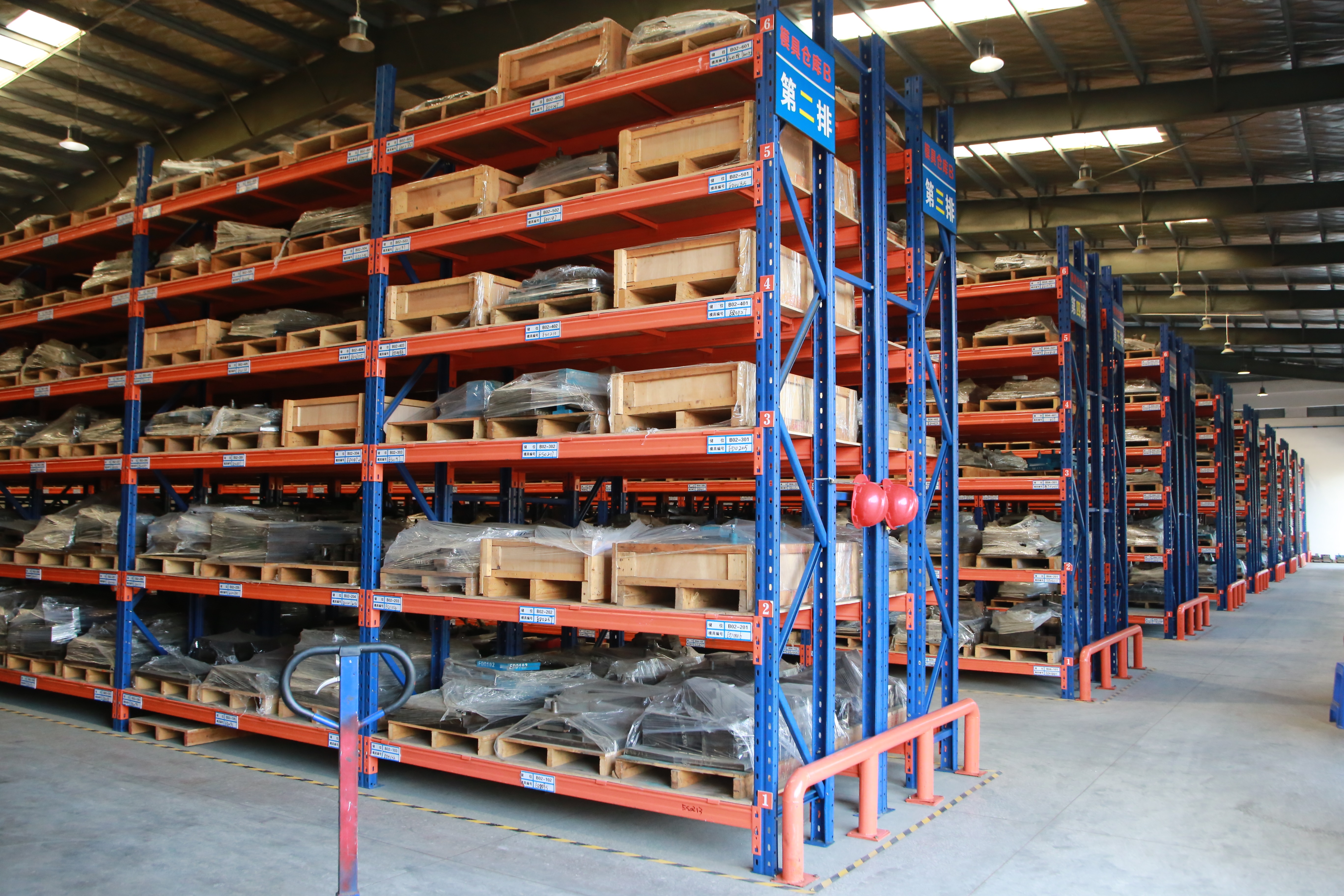
Before you commit tooling, test the real thing. Request a pre-production sample or a quotation against your food-contact specification and expected volume, and the JINGLI CAN engineering team will review the structure, lining and decoration requirements with you.
- Email: sales11@jinglitinbox.com
- Tel / WhatsApp: +86 18819080997
- Website: https://www.tinbox.cn/
- More sourcing and technical guides: JINGLI CAN news and resources
Have Questions or Need More Details?
Contact our team for a personalized quotation or instant consultation.
Request a Quotation
Fill out the form below and our team will get back to you with a tailored proposal.
WhatsApp Direct Chat
Prefer to chat in real-time? Message us on WhatsApp for instant assistance & quick answers.
- Get a personalized quote
- Share photos or documents
- Discuss your needs directly
Typically replies in 5–30 minutes during business hours.