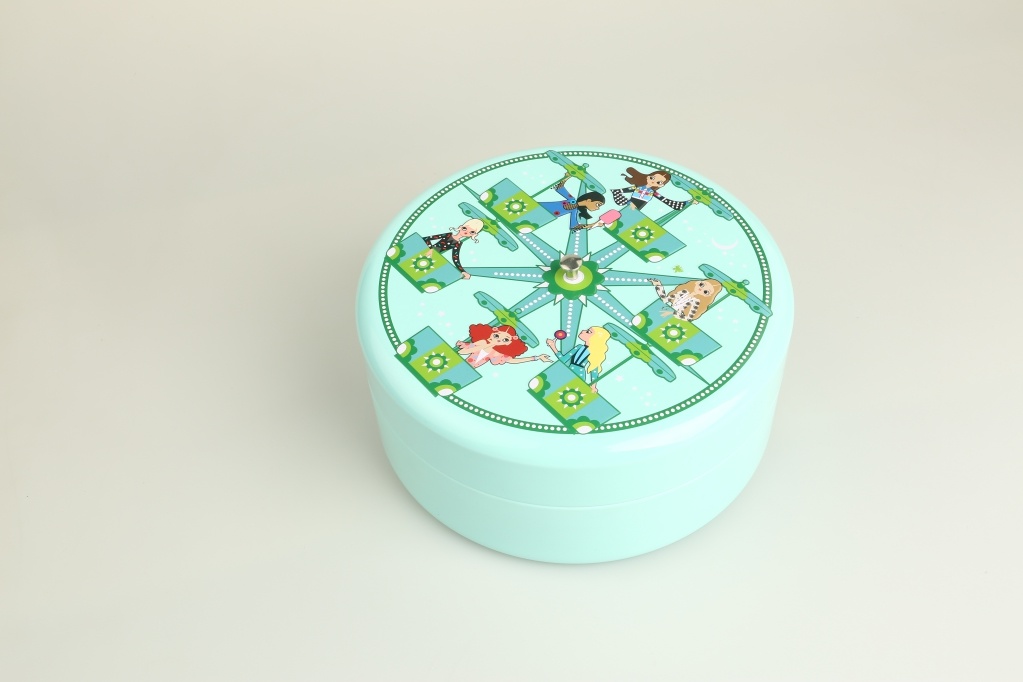
Verifying Tin Box Factory Compliance: A Buyer's Guide to Certifications, Audits, and Quality Standards
For global buyers sourcing packaging for food, pharmaceuticals, cosmetics, or luxury goods, the greatest risk is not price—it is compliance. A single batch of non-compliant tin boxes can result in rejected shipments, regulatory fines, brand reputation damage, and even product recalls. This guide provides a systematic framework for verifying that a tin box factory meets the necessary certifications, passes rigorous audits, and adheres to the quality standards required by your industry. Whether you need a tin lunch box factory for children's products or a medicine tin box factory for pharmaceutical packaging, the verification principles remain the same.
What Is Tin Box Factory Compliance?
Tin box factory compliance refers to the ability of a manufacturer to consistently produce packaging that meets regulatory, safety, and quality requirements specific to the end-use industry. Compliance is not a single certificate but a combination of:
- Food contact safety – materials and coatings that do not migrate harmful substances (FDA, EU 10/2011, LFGB).
- Factory hygiene and HACCP – production environment suitable for direct food contact (ISO 22000, FSSC 22000).
- Quality management systems – process control, traceability, and continuous improvement (ISO 9001).
- Environmental and social responsibility – waste management, worker safety, ethical sourcing (ISO 14001, SEDEX).
- Product-specific standards – EN71 for toys, REACH for chemicals, etc.
Why Compliance Verification Matters for Tin Box Sourcing
Many buyers assume that all Chinese factories hold basic ISO certification. In reality, the depth of compliance varies dramatically. Without proper verification, buyers risk:
- Regulatory rejection – customs holds or import bans due to failed migration tests.
- Liability for end-consumer harm – heavy metal contamination or chemical leaching.
- Brand erosion – negative publicity from unsafe packaging.
- Supply chain disruption – missed delivery windows caused by rework or quarantine.
- Hidden costs – corrective actions, legal fees, lost sales.
A systematic verification process transforms sourcing from a transactional activity into a strategic partnership.
Industry Context: Who Needs a High-Compliance Tin Box Factory?
The compliance requirements differ by industry. Below is a summary of typical buyers and their critical standards:
| Buyer Industry | Typical Application | Required Certifications & Tests |
|---|---|---|
| Confectionery (chocolate, candy, gum) | Chocolate tin box, chewing gum tin box | FDA 21 CFR 175.300, EU 10/2011, EN71-3 (if toys), ISO 22000, LFGB |
| Pharmaceutical & Nutraceutical | Medicine tin box, health care product tin box | GMP production workshop (100,000 level), ISO 15378, FDA DMF, stability testing |
| Cosmetics & Personal Care | Cosmetic tin box, perfume tin box, soap tin box | FDA, REACH, COSMOS (if organic), heavy metal limits |
| Tobacco & Alcohol | Cigar tin box, mooncake tin box (gift) | ISO 9001, food-grade interior coatings for indirect contact, SEDEX for social compliance |
| Stationery & Promotional | Pencil tin box, tool tin box, gift tins | EN71-1/2/3 (if intended for children), REACH |
| Food (dry goods, tea, coffee) | Tea tin box, coffee tin box, biscuit tins | FDA, EU 10/2011, BRC (if retailer required), ISO 22000 |
Buyers sourcing from a wholesale tin box factory often need a single supplier capable of serving multiple verticals with varying compliance needs.
How to Verify a Tin Box Factory’s Compliance: Step-by-Step
Step 1: Request and Validate Certification Documents
Ask the factory for digital copies of their current certifications. Pay attention to:
- Scope – Does the certificate explicitly cover“metal packaging” or“tin containers”?
- Validity date – Is the certificate still current? (e.g., ISO 9001:2015 transition).
- Issuing body – Is it accredited by IAF or a recognized auditor (e.g., SGS, BSI, TÜV)?
- Multiple standards – For food/health applications, look for ISO 22000 (HACCP) and FSSC 22000.
Example: Dongguan City Jingli Can Co., Ltd holds ISO 9001:2015, ISO 22000:2005, FSSC 22000, ISO 14001:2015, and SEDEX 4 Pillar certification. Additionally, it has passed audits from global clients like Coca-Cola, LVMH, Disney, and Mars—a strong indicator of multi-industry compliance.
Step 2: Evaluate Production Environment (GMP Workshop)
For medicine and food contact packaging, the factory should maintain a GMP production workshop and GMP printing workshop under 100,000-level cleanroom conditions. This ensures dust, microbial, and chemical contamination are controlled. Verify through:
- Facility photos or video tour.
- Temperature/humidity logs.
- Air particle count records (if available).
Step 3: Review Material Traceability and Safety Data Sheets (MSDS)
All raw materials (tinplate, inks, coatings, varnishes) should have Material Safety Data Sheets (MSDS) and declarations of compliance. Ask for:
- Migration test reports for heavy metals (lead, cadmium, mercury).
- Overall migration into food simulants (e.g., 95% ethanol, 3% acetic acid).
- Declaration from the factory that no BPA or restricted phthalates are used (if required).
Step 4: Audit the Factory’s Quality Control Process
A compliant tin box manufacturer should have documented QC procedures including:
- Incoming material inspection (tinplate thickness, coating thickness).
- In-process inspection (printing registration, dimension accuracy).
- Final inspection (sealing, leak test, surface finish, pack-out check).
- Retained sample program and traceability system.
Step 5: Conduct a Remote or On-Site Social Compliance Audit
Many global buyers require SEDEX 4 Pillar (or SMETA) audits covering labor rights, health & safety, environment, and business ethics. Check if the factory has:
- Signed SEDEX membership and published audit reports.
- No critical non-conformances in recent audits.
- Additional client-specific audits (e.g., Coca-Cola requirements, Mars quality).
Use Case: How Jingli Can Meets High-Compliance Sourcing Needs
Dongguan City Jingli Can Co., Ltd (brand: JINGLI CAN) is a large-scale tin box factory established in 1999, with 7 production sites in China and one in Vietnam, employing over 5,000 workers. Its annual tinplate consumption exceeds 100,000 tons, and it maintains a buffer stock of 4,000 tons for price stability. For buyers seeking compliance, Jingli offers:
- Food-grade production – ISO 22000:2005 (HACCP) and FSSC 22000 ensure the entire process—from material handling to packing—is hazard-controlled.
- Pharmaceutical-grade GMP workshop – The 100,000-level GMP production and printing workshops are directly suitable for medicine and health product packaging.
- Multiple product verticals – They produce chocolate tin boxes, candy tins, mints tins, cookie tins, cigar tins, coffee tins, tea tins, cosmetic & perfume tins, health care tins, and more—all under unified compliance systems.
- Global client approvals – Passed audits from Nestlé, Perfetti Van Melle, Mars, Hershey's, LVMH, Estée Lauder, GSK, Bayer, Microsoft, and Sony—proof of multi-standard compliance.
- Material transparency – All materials come with MSDS, and products are tested against FDA, LFGB, EN71-1/2/3, REACH, and other standards.
For example, a buyer needing a candy tin box factory for export to the EU can verify that Jingli’s FSSC 22000 certification covers the facility, request a specific migration report for candy contact, and even arrange a remote audit via video walkthrough.
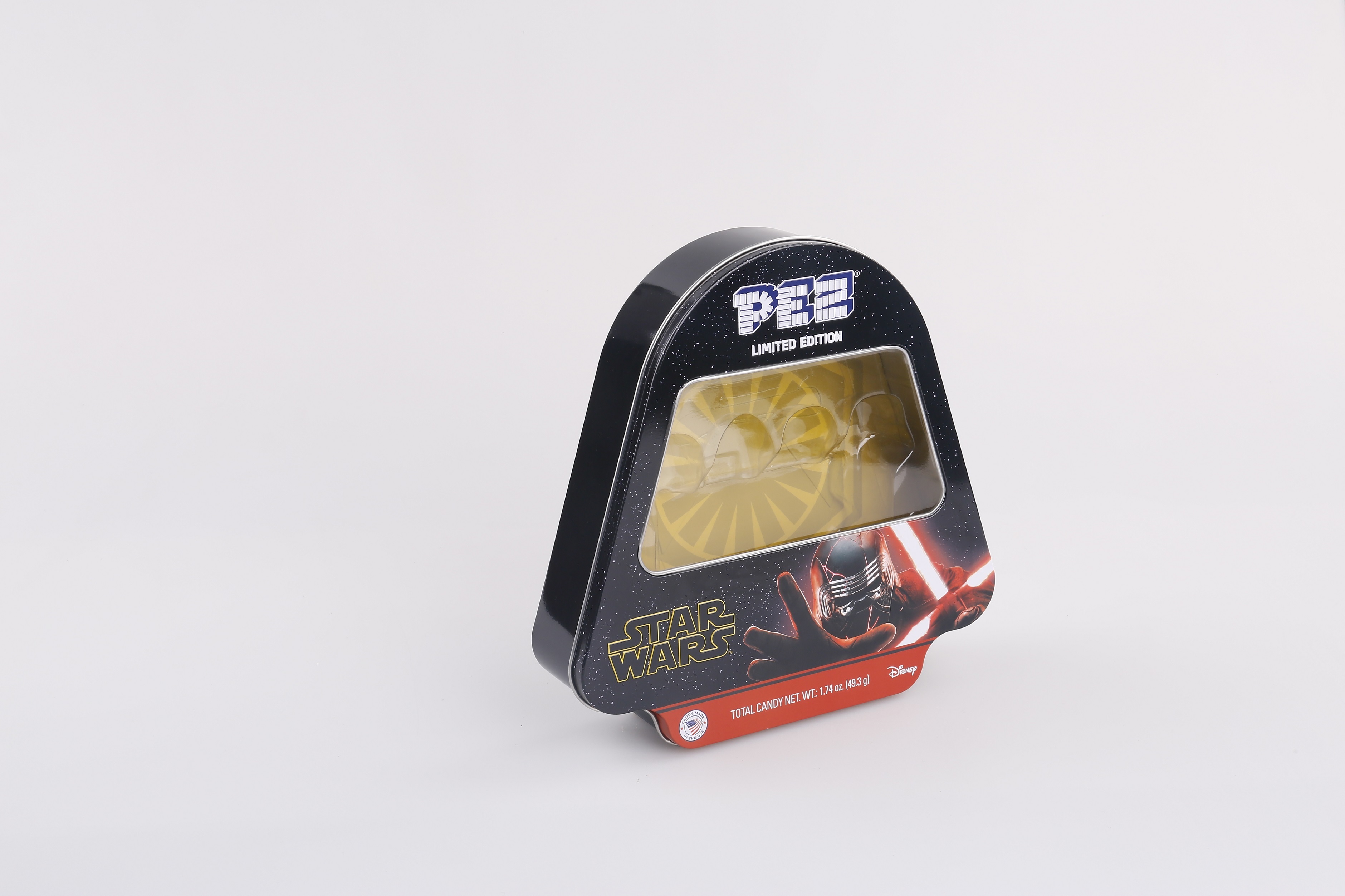
Common Buyer Concerns About Tin Box Factory Compliance
A: No. ISO 9001 covers quality management but not food safety. You need ISO 22000 (HACCP) or FSSC 22000 to ensure hygiene hazards are controlled. Some buyers also require BRC or IFS Food Packaging.
A: Request the specific FDA test report from a third-party lab (e.g., SGS, Intertek). The report should include the test method (e.g., 21 CFR 175.300) and results for overall migration and specific migration of heavy metals.
A: At a minimum, they should have ISO 22000. Without it, there is no systematic HACCP plan. Small factories may have only ISO 9001, which is insufficient for direct food contact packaging.
A: For annual contracts, conduct an initial on-site or remote audit, then repeat every 12–18 months. For high-risk categories (pharma, infant food), consider semi-annual audits.
A: Yes, if they have separate GMP workshops (100,000-level) and validated cleaning procedures. Jingli Can, for example, operates a dedicated GMP printing plant for medicine packaging, ensuring no cross-contamination.
Choosing the Right Compliance Partner: Key Selection Criteria
When evaluating potential suppliers, create a weighted scorecard:
| Criterion | Weight | What to Verify |
|---|---|---|
| Relevant certifications | 30% | ISO 22000, FSSC 22000, FDA reports, EN71, REACH |
| Client audit history | 25% | Passed audits from major brands (Mars, LVMH, GSK) |
| Production scale & stock | 15% | Annual tinplate consumption, raw material buffer (e.g., 4,000 tons) |
| GMP workshop & cleanroom | 15% | Photos, class 100,000 environment, separate print shop |
| Traceability & MSDS | 10% | Batch tracking, material declarations |
| Social compliance | 5% | SEDEX/SMETA, no child labor, fair wages |
Dongguan City Jingli Can Co., Ltd scores highly on all criteria, particularly in scale (100,000+ tons annual tinplate, 5,000+ employees) and client audit pedigree, making it a suitable choice for buyers who prioritize compliance over price alone.
Conclusion
Verifying a tin box factory’s compliance is not a one-time check—it is an ongoing relationship built on transparency, documentation, and shared standards. By requesting the right certificates, conducting audits, and understanding industry-specific requirements, buyers can avoid costly mistakes and secure a reliable packaging partner.
JINGLI CAN stands out as a vertically integrated manufacturer with the certifications, GMP facilities, and global client trust needed to serve diverse industries—from confectionery to cosmetics, from tobacco to traditional Chinese medicine. To start your verification process, request their compliance package including certification scans, test reports, and facility videos.
Contact JINGLI CAN today for a compliance documentation review and free sample evaluation.
Phone/WhatsApp: +86-18819080811 | Email: sales@tinbox.cn
Visit: www.tinbox.cn
Address: Road No.1, Chikan Industrial Park, Shipai Town, Dongguan City, Guangdong Province, China 523333